1. ArchDaily
  2. Heritage Restoration

Heritage Restoration: The Latest Architecture and News

Transforming Historic Industrial Buildings in US Cities: 6 Buildings Adapted For The Contemporary Workspace

Subscriber Access | 

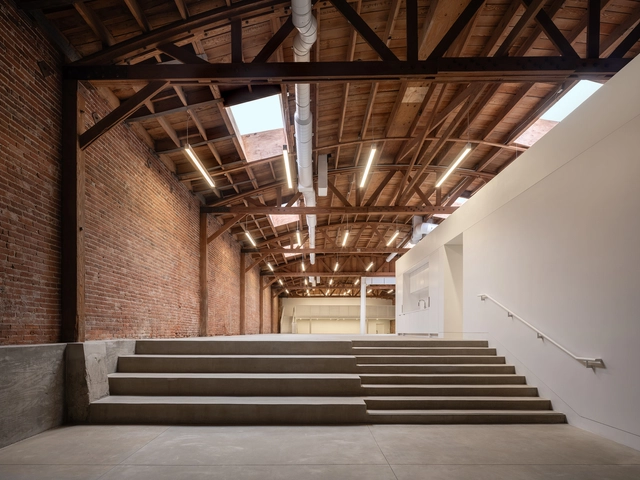
Many major cities in the United States are grappling with large industrial buildings that have fallen into disuse. These buildings hold historical and architectural significance and are often protected from demolition. Consequently, architects face the challenge and responsibility of adapting these buildings to contemporary functionalities. Opting against demolition reflects a sustainable construction approach and highlights the importance of honoring the built heritage.

Transforming Historic Industrial Buildings in US Cities: 6 Buildings Adapted For The Contemporary Workspace - Image 1 of 4Transforming Historic Industrial Buildings in US Cities: 6 Buildings Adapted For The Contemporary Workspace - Image 2 of 4Transforming Historic Industrial Buildings in US Cities: 6 Buildings Adapted For The Contemporary Workspace - Image 3 of 4Transforming Historic Industrial Buildings in US Cities: 6 Buildings Adapted For The Contemporary Workspace - Image 4 of 4Transforming Historic Industrial Buildings in US Cities: 6 Buildings Adapted For The Contemporary Workspace - More Images+ 19

Independent Heritage Documentation: How Digital Tools and Photogrammetry Are Reshaping Preservation Efforts

Subscriber Access | 

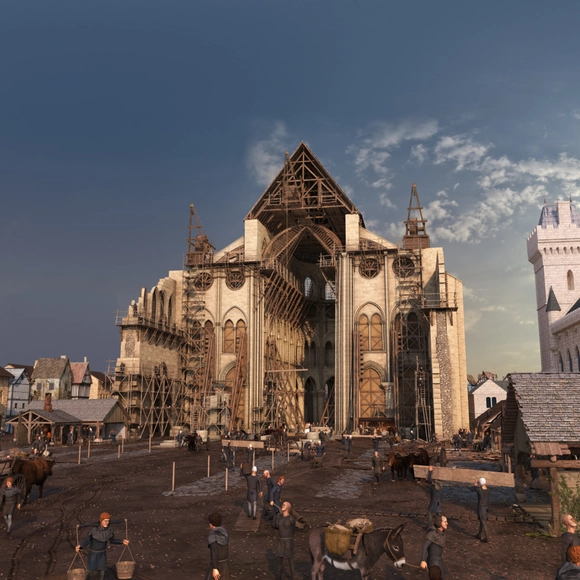
The use of technology has become vital in the documentation and conservation of heritage, especially in difficult or urgent circumstances. After many landmarks of the historic city of Palmyra were destroyed during Syria's war in 2015, conservators built three-dimensional digital models of the destroyed city to aid its future reconstruction. The destruction of the Buddhas of Bamiyan in Afghanistan in 2001 with very little prior documentation prompted action in the documentation of vulnerable monuments, such as the establishment of CyArk. More recently, detailed digital surveys and a heritage BIM model were essential in the restoration of Notre-Dame Cathedral in Paris after it was devastated by fire in 2019.

Independent Heritage Documentation: How Digital Tools and Photogrammetry Are Reshaping Preservation Efforts - Image 1 of 4Independent Heritage Documentation: How Digital Tools and Photogrammetry Are Reshaping Preservation Efforts - Image 2 of 4Independent Heritage Documentation: How Digital Tools and Photogrammetry Are Reshaping Preservation Efforts - Image 3 of 4Independent Heritage Documentation: How Digital Tools and Photogrammetry Are Reshaping Preservation Efforts - Image 4 of 4Independent Heritage Documentation: How Digital Tools and Photogrammetry Are Reshaping Preservation Efforts - More Images+ 10

Saving Montreal’s Architectural Heritage: Phyllis Lambert’s Legacy of Community-Driven Change

Subscriber Access | 

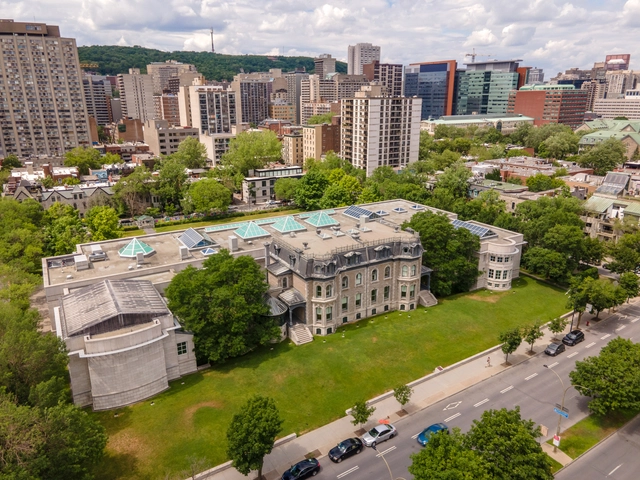
Phyllis Lambert has been a key figure in the preservation of Canada's cultural heritage. As an architect and advocate for heritage conservation, Lambert has left an indelible mark in Montreal and other cities worldwide. Her contributions to Montreal's architectural scene can't really be judged in terms of individual buildings, but rather in terms of the city as a whole. She not only cofounded the Canadian Center for Architecture (CCA), but also helped reshape the way cities like Montreal think about heritage and the importance of community voices in urban planning.

Saving Montreal’s Architectural Heritage: Phyllis Lambert’s Legacy of Community-Driven Change - Image 3 of 4Saving Montreal’s Architectural Heritage: Phyllis Lambert’s Legacy of Community-Driven Change - Image 1 of 4Saving Montreal’s Architectural Heritage: Phyllis Lambert’s Legacy of Community-Driven Change - Image 4 of 4Saving Montreal’s Architectural Heritage: Phyllis Lambert’s Legacy of Community-Driven Change - Featured ImageSaving Montreal’s Architectural Heritage: Phyllis Lambert’s Legacy of Community-Driven Change - More Images+ 5

Upper Lawn: A Manifestation of Alison and Peter Smithson's Architectural Vision

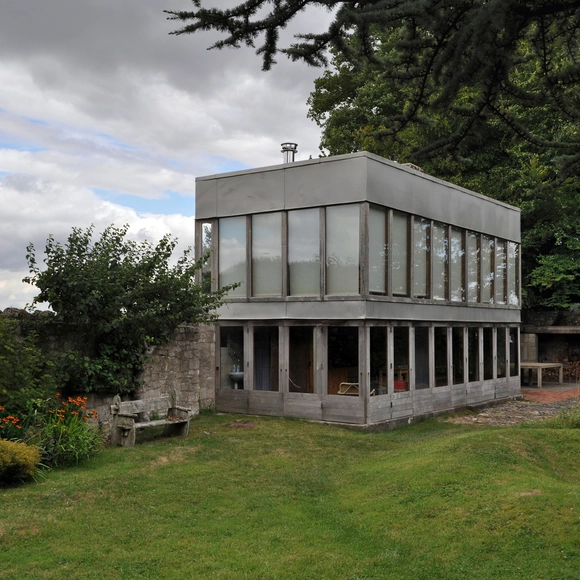
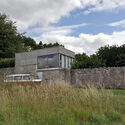
Nestled near the ruins of Fonthill Abbey in the English countryside, Upper Lawn Pavilion — also known as the Solar Pavilion — is a modest yet profound architectural experiment by Alison and Peter Smithson. Built between 1959 and 1962 as a weekend retreat and laboratory for ideas, the pavilion embodies their ethos of economy, material honesty, and respect for context, reflecting the pioneering spirit of New Brutalism.

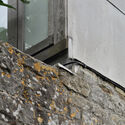
Upper Lawn's thoughtful interplay between the new and the existing is particularly compelling. Built on the remains of an 18th-century English farmhouse, the pavilion repurposes thick masonry walls from the original structure, incorporating elements such as the well, trees, and lawn into its design. Using prefabricated materials like timber, glass, and aluminum, the Smithsons constructed a light-filled space that harmonizes with its surroundings, embodying their principle of "as found architecture" — a concept rooted in honoring and adapting to preexisting conditions rather than imposing on them.

Upper Lawn: A Manifestation of Alison and Peter Smithson's Architectural Vision - Image 1 of 4Upper Lawn: A Manifestation of Alison and Peter Smithson's Architectural Vision - Image 2 of 4Upper Lawn: A Manifestation of Alison and Peter Smithson's Architectural Vision - Image 3 of 4Upper Lawn: A Manifestation of Alison and Peter Smithson's Architectural Vision - Image 4 of 4Upper Lawn: A Manifestation of Alison and Peter Smithson's Architectural Vision - More Images+ 11

Heritage in Syria: Independent Groups Documenting the Country’s Historic Architecture

Subscriber Access | 

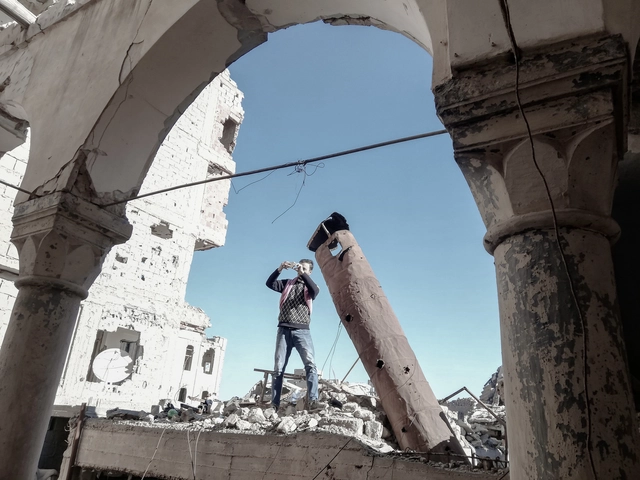
It is common for states to have legislation and institutions that protect their built heritage. It is also common for there to be gaps in the laws themselves or their implementation while certain circumstances may place a country's heritage under specific vulnerabilities. Thus, alongside state institutions, there are locally based architects and researchers establishing independent initiatives to document and conserve aspects of their built heritage. Syria is one example of a place with an extensive history of monuments and buildings of interest as well as active groups of independent conservators.

Heritage in Syria: Independent Groups Documenting the Country’s Historic Architecture - Image 3 of 4Heritage in Syria: Independent Groups Documenting the Country’s Historic Architecture - Image 1 of 4Heritage in Syria: Independent Groups Documenting the Country’s Historic Architecture - Image 11 of 4Heritage in Syria: Independent Groups Documenting the Country’s Historic Architecture - Image 5 of 4Heritage in Syria: Independent Groups Documenting the Country’s Historic Architecture - More Images+ 9

Alvar Aalto's Finlandia Hall Reopens in Helsinki After Extensive Renovations Led by Arkkitehdit NRT

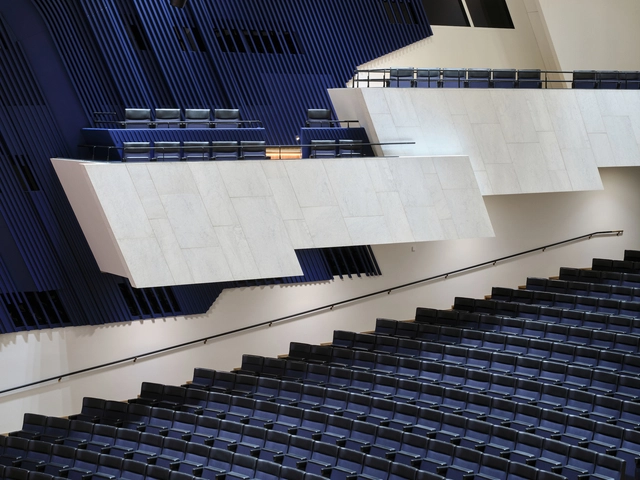
Originally designed by Modernist architect and designer Alvar Aalto in 1971, Finlandia Hall represents one of Helsinki's most important modernist works of architecture. In early 2022, an extensive renovation project began, led by Finnish architecture firm Arkkitehdit NRT, aiming to make the venue more accessible to the wider public and create additional services while respecting Alvar Aalto's original design. After three years of renovation, Finlandia Hall officially reopens on Saturday, 4 January 2025.

Alvar Aalto's Finlandia Hall Reopens in Helsinki After Extensive Renovations Led by Arkkitehdit NRT - Image 1 of 4Alvar Aalto's Finlandia Hall Reopens in Helsinki After Extensive Renovations Led by Arkkitehdit NRT - Image 2 of 4Alvar Aalto's Finlandia Hall Reopens in Helsinki After Extensive Renovations Led by Arkkitehdit NRT - Image 3 of 4Alvar Aalto's Finlandia Hall Reopens in Helsinki After Extensive Renovations Led by Arkkitehdit NRT - Image 4 of 4Alvar Aalto's Finlandia Hall Reopens in Helsinki After Extensive Renovations Led by Arkkitehdit NRT - More Images+ 1

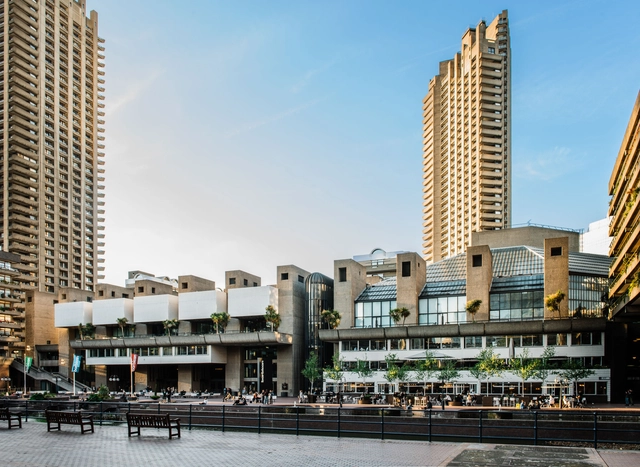
The Barbican Center to Undergo Major Renewal and Upgrade, Planned to Begin First Phase in 2027

The City of London Corporation has approved a £191 million funding package for the first phase of the Barbican Centre's five-year renewal program. The initiative is aimed at addressing critical repairs and upgrades to this Grade II-listed venue, including improvements to accessibility, energy efficiency, and overall functionality of its aging infrastructure. The Barbican Renewal began in 2021 with an international competition for the multi-disciplinary design team to lead the efforts. In 2022, Allies and Morrison, Asif Khan Studio, and Buro Happold were selected, in collaboration with specialists in sustainability, heritage, landscaping, lighting design, acoustics, and more.

The Barbican Center to Undergo Major Renewal and Upgrade, Planned to Begin First Phase in 2027 - Image 1 of 4The Barbican Center to Undergo Major Renewal and Upgrade, Planned to Begin First Phase in 2027 - Image 2 of 4The Barbican Center to Undergo Major Renewal and Upgrade, Planned to Begin First Phase in 2027 - Image 3 of 4The Barbican Center to Undergo Major Renewal and Upgrade, Planned to Begin First Phase in 2027 - Image 4 of 4The Barbican Center to Undergo Major Renewal and Upgrade, Planned to Begin First Phase in 2027 - More Images+ 2

Notre Dame Rebuilt: A Journey of Restoration for France's Iconic Cathedral

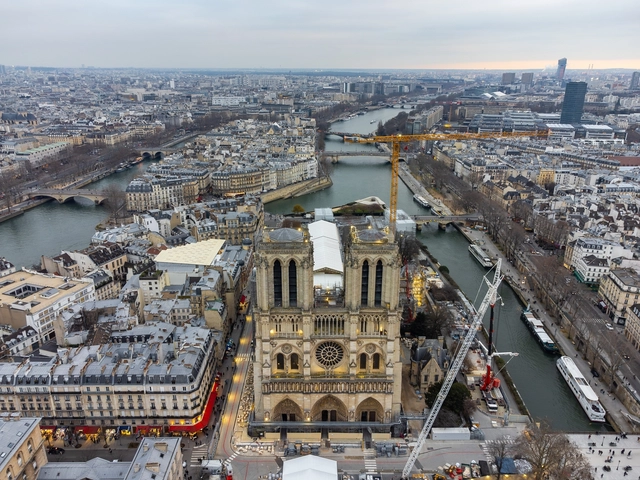
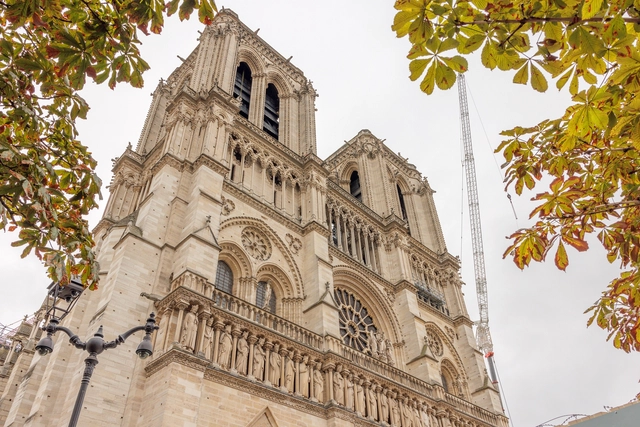
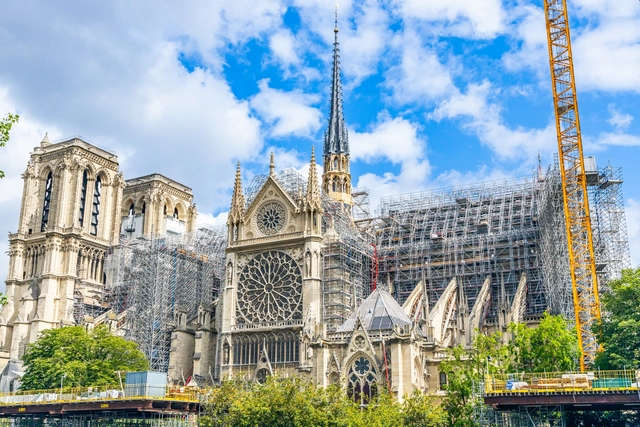
Notre Dame Cathedral reopened on December 7th, 2024, welcoming visitors for the first time since the 2019 fire. The restoration of Notre Dame Cathedral was a massive undertaking, led by chief architect Philippe Villeneuve, assisted by Rémi Fromont and Pascal Prunet. The project involved approximately 2,000 craftspeople, 250 companies, and about $900 million, demonstrating the immense scale and complexity of the work on a tight deadline. Despite the major milestone of opening before the end of the year, the restoration works are not yet complete, as they are scheduled to continue through 2026.

Notre Dame Rebuilt: A Journey of Restoration for France's Iconic Cathedral - Image 1 of 4Notre Dame Rebuilt: A Journey of Restoration for France's Iconic Cathedral - Image 2 of 4Notre Dame Rebuilt: A Journey of Restoration for France's Iconic Cathedral - Image 3 of 4Notre Dame Rebuilt: A Journey of Restoration for France's Iconic Cathedral - Image 4 of 4Notre Dame Rebuilt: A Journey of Restoration for France's Iconic Cathedral - More Images+ 11

After Closure due to Hurricane Damage, the Rothko Chapel Announces Reopening Date

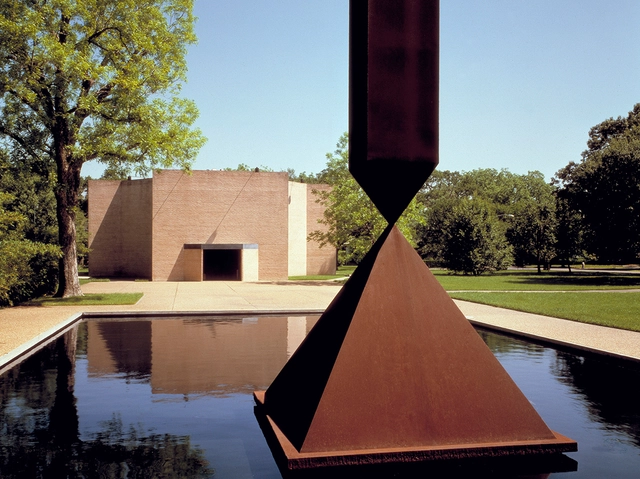
The Rothko Chapel, a celebrated structure appreciated for its profound meditative space, has announced its reopening to the public on December 17th. Following the extensive damage caused by Hurricane Beryl last July, the custodians of the structure announced its indefinite closure, as a team of art conservators, engineers, and volunteers began the extensive work to restore both the architecture and the invaluable artworks stored within. The Chapel's reopening marks a significant milestone in the recovery process, making this sanctuary of contemplation accessible once again to the community.

After Closure due to Hurricane Damage, the Rothko Chapel Announces Reopening Date - Image 1 of 4After Closure due to Hurricane Damage, the Rothko Chapel Announces Reopening Date - Image 2 of 4After Closure due to Hurricane Damage, the Rothko Chapel Announces Reopening Date - Image 3 of 4After Closure due to Hurricane Damage, the Rothko Chapel Announces Reopening Date - Image 4 of 4After Closure due to Hurricane Damage, the Rothko Chapel Announces Reopening Date - More Images+ 1

Notre Dame Cathedral Reopens in Paris, France

The Notre Dame Cathedral in Paris has officially reopened, five years after a devastating fire destroyed its roof and spire and threatened the integrity of the entire structure. The reopening ceremony took place on Saturday evening with a two-hour sermon, attended by global leaders and dignitaries. The ceremony also represented the first opportunity to witness the result of the estimated €700 million ($739 million) restoration, a process that included the thorough cleaning of the stone interiors, revealing a glistening white gothic interior.

Notre Dame Cathedral Reopens in Paris, France - Image 1 of 4Notre Dame Cathedral Reopens in Paris, France - Image 2 of 4Notre Dame Cathedral Reopens in Paris, France - Image 3 of 4Notre Dame Cathedral Reopens in Paris, France - Image 4 of 4Notre Dame Cathedral Reopens in Paris, France - More Images

Ahead of Notre Dame’s Reopening, Augmented Exhibitions in New York and Tokyo Showcase Its Hisotry and Evolution

Ahead of the official reopening of Notre Dame de Paris, scheduled for December 8, a series of exhibitions are happening worldwide, aiming to use immersive technologies and augmented reality to bring to a wider audience both the restoration efforts and the wider story of the beloved monument. The event aims to present significant chapters of the history of the iconic structure, from its medieval origins to its witnessing of historical events such as the coronation of Napoleon or the marriage of Henri IV, the 19th-century restoration which added the spire designed by French architect Viollet-le-Duc, and the devastating 2019 fire.

Ahead of Notre Dame’s Reopening, Augmented Exhibitions in New York and Tokyo Showcase Its Hisotry and Evolution - Image 1 of 4Ahead of Notre Dame’s Reopening, Augmented Exhibitions in New York and Tokyo Showcase Its Hisotry and Evolution - Image 2 of 4Ahead of Notre Dame’s Reopening, Augmented Exhibitions in New York and Tokyo Showcase Its Hisotry and Evolution - Image 28 of 4Ahead of Notre Dame’s Reopening, Augmented Exhibitions in New York and Tokyo Showcase Its Hisotry and Evolution - Image 3 of 4Ahead of Notre Dame’s Reopening, Augmented Exhibitions in New York and Tokyo Showcase Its Hisotry and Evolution - More Images+ 24

Revitalizing Historic Cairo: May al-Ibrashy's Vision for Heritage, Community, and Sustainable Conservation

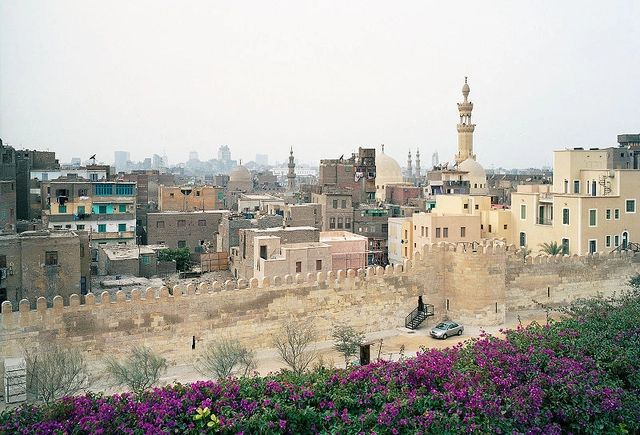
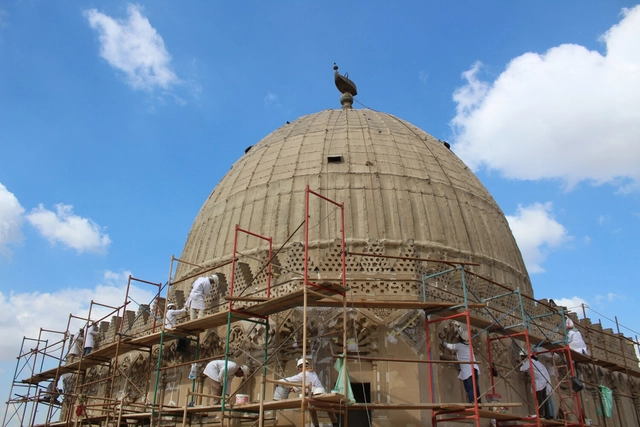
Cairo, often called the "City of a Thousand Minarets," boasts one of the richest cultural and architectural tapestries in the world. Its heritage reflects centuries of diverse influences from Pharaonic monuments to Islamic and Mamluk architecture. However, preserving this legacy is an ongoing challenge in the face of urban pressures, climate change, and socio-economic dynamics. Heritage conservation in Cairo is not just about safeguarding these structures; it's about integrating them into the lives of local communities, ensuring they remain dynamic and accessible spaces.

At the forefront of this mission is Dr. May al-Ibrashy, an architect and conservationist whose innovative and community-driven approach has redefined how heritage is preserved. As the founder of Megawra–Built Environment Collective, she has worked tirelessly in neighborhoods like Al-Khalifa, Al-Hattaba, and Sayyida Zeinab to restore historic monuments while creating vibrant public spaces. Her work bridges the gap between architectural preservation and urban regeneration, ensuring that these historic districts serve both as cultural landmarks and as living, functional spaces for their residents.

Revitalizing Historic Cairo: May al-Ibrashy's Vision for Heritage, Community, and Sustainable Conservation - Image 1 of 4Revitalizing Historic Cairo: May al-Ibrashy's Vision for Heritage, Community, and Sustainable Conservation - Image 2 of 4Revitalizing Historic Cairo: May al-Ibrashy's Vision for Heritage, Community, and Sustainable Conservation - Image 3 of 4Revitalizing Historic Cairo: May al-Ibrashy's Vision for Heritage, Community, and Sustainable Conservation - Image 4 of 4Revitalizing Historic Cairo: May al-Ibrashy's Vision for Heritage, Community, and Sustainable Conservation - More Images+ 9

Carl Pruscha, an Architect Investigating Overlooked Territories

Subscriber Access | 

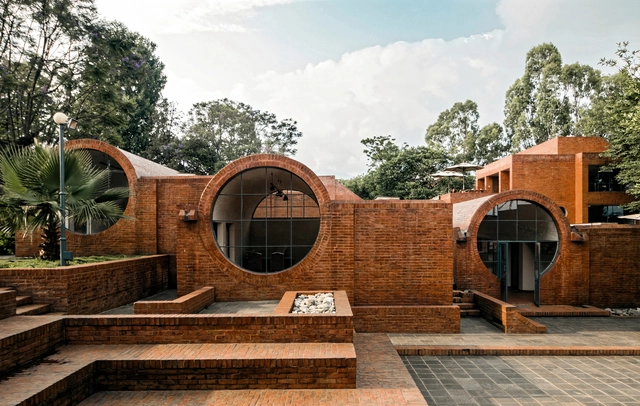
Carl Pruscha, an Austrian architect who mainly dedicated his professional career to investigating and working closely in the field of regional architecture in the Eastern world, a territory that was being overlooked at a time when the modern movement in architecture and in the rest of the world was booming. Through an overview of his life, we will highlight some of his most relevant works in Nepal and Sri Lanka and understand how Pruscha managed to stamp his unique visions of architecture and cities into his built projects.

Carl Pruscha, an Architect Investigating Overlooked Territories - Image 1 of 4Carl Pruscha, an Architect Investigating Overlooked Territories - Image 2 of 4Carl Pruscha, an Architect Investigating Overlooked Territories - Image 3 of 4Carl Pruscha, an Architect Investigating Overlooked Territories - Image 4 of 4Carl Pruscha, an Architect Investigating Overlooked Territories - More Images+ 8

Herzog & de Meuron Set to Revamp Breuer Building for Sotheby’s in New York

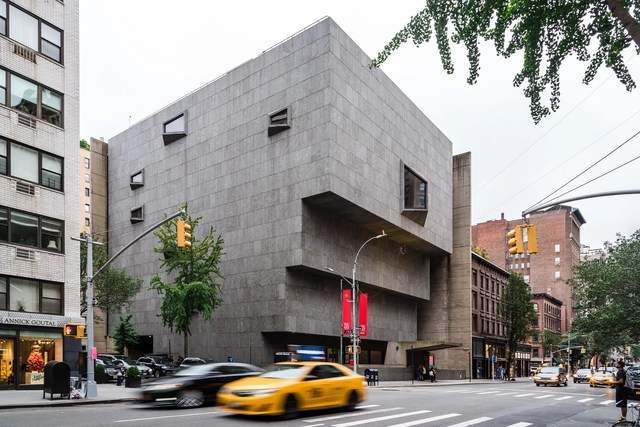
Sotheby's has revealed that Pritzker Prize laureate Herzog & de Meuron will renovate the iconic modernist Breuer Building. The auction house has successfully acquired the building, situated on Madison Avenue, New York City, from the Whitney Museum. Previously, the Breuer building was home to the Whitney, later accommodating the Frick Collection and serving as a venue for the Metropolitan Museum of Art's modern and contemporary pieces. The renovation will include an upgraded sales room for Sotheby's, alongside new exhibition and dining areas. The project, developed together with PBDW Architects, is slated for completion by the fall of 2025.

Herzog & de Meuron Set to Revamp Breuer Building for Sotheby’s in New York - Image 1 of 4Herzog & de Meuron Set to Revamp Breuer Building for Sotheby’s in New York - Image 2 of 4Herzog & de Meuron Set to Revamp Breuer Building for Sotheby’s in New York - Image 3 of 4Herzog & de Meuron Set to Revamp Breuer Building for Sotheby’s in New York - Image 4 of 4Herzog & de Meuron Set to Revamp Breuer Building for Sotheby’s in New York - More Images

Blending Heritage: Canada’s Integration of Revival Architecture and Modern Design

Subscriber Access | 

The architecture in Canada has evolved to reflect both its European heritage and modern global trends while adapting to the country's environment. As Canada developed, architectural styles became a means to express its identity as an independent nation. This architectural development, especially in the 19th and early 20th centuries, was influenced by colonial styles from Great Britain and France. While French colonial was more prominent in Quebec, British styles influenced the rest of the country.

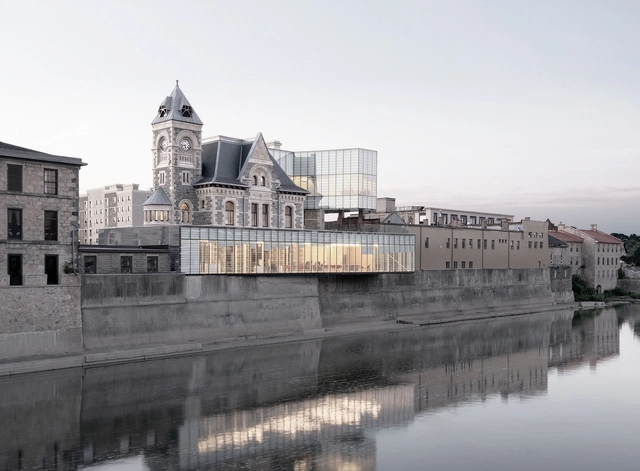
In this context, the adoption of 19th-century Gothic Revival styles and Classical Revival styles of the early 20th century became popular. Today, many of those buildings remain as prominent landmarks across the country and have become integral parts of the urban landscapes. This curated collection explores how Canadians are integrating traditional elements with modern materials like glass and steel. These efforts preserve the historical significance of the buildings while adapting them to meet the functional demands of modern life.

Blending Heritage: Canada’s Integration of Revival Architecture and Modern Design - Image 1 of 4Blending Heritage: Canada’s Integration of Revival Architecture and Modern Design - Image 2 of 4Blending Heritage: Canada’s Integration of Revival Architecture and Modern Design - Image 3 of 4Blending Heritage: Canada’s Integration of Revival Architecture and Modern Design - Image 4 of 4Blending Heritage: Canada’s Integration of Revival Architecture and Modern Design - More Images+ 4

Notre Dame de Paris Announces Reopening Date and Proposes Constroversial Entrance Fee

Over 5 years after a devastating fire threatened to destroy Paris' most famous cathedral, Notre Dame is scheduled to reopen to the public on December 8, 2024. The heritage building has been undergoing an extensive and, at times, controversial restoration process aiming to rebuild its timber roof and reconstruct the collapsed spire, a 19th-century addition to the gothic cathedral designed by French architect Eugène Viollet-le-Duc's design. In preparation for the grand reopening, France's culture minister, Rachida Dati, has proposed introducing a €5 entrance fee to contribute to a fund aimed at protecting the country's historical churches and monuments.

Notre Dame de Paris Announces Reopening Date and Proposes Constroversial Entrance Fee - Image 1 of 4Notre Dame de Paris Announces Reopening Date and Proposes Constroversial Entrance Fee - Image 2 of 4Notre Dame de Paris Announces Reopening Date and Proposes Constroversial Entrance Fee - Image 3 of 4Notre Dame de Paris Announces Reopening Date and Proposes Constroversial Entrance Fee - Image 4 of 4Notre Dame de Paris Announces Reopening Date and Proposes Constroversial Entrance Fee - More Images

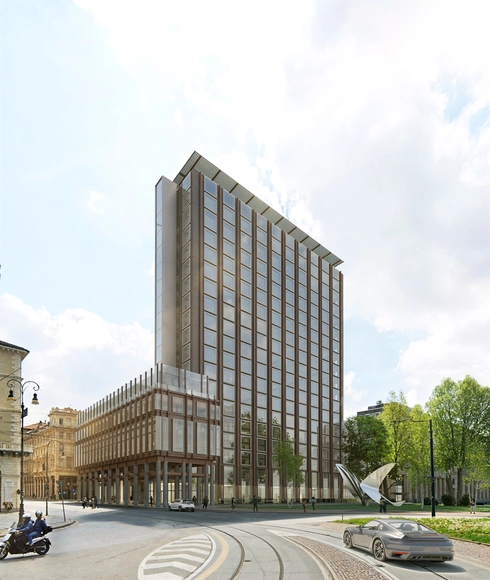
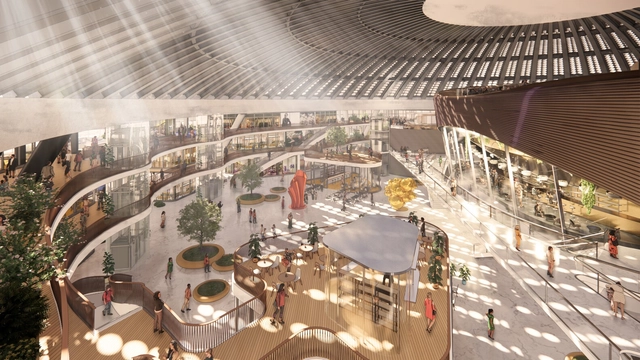
CRA Unveils Adaptive Reuse Design for Turin's Palazzo Micca in Italy

CRA-Carlo Ratti Associati, in partnership with real estate group IPI, has revealed plans to transform the iconic modernist Palazzo Micca in Turin, Italy. Originally the headquarters of RAI, Italy's national broadcaster, the 19-story building will undergo a comprehensive adaptive reuse project. A significant feature of the redesign is the creation of an elevated public plaza at 26.5 meters, offering views of Turin's Baroque rooftops, the surrounding hills, and the Alps. The project also integrates sustainable design principles by converting parts of the office spaces into residential units and reusing existing materials.

WilkinsonEyre Reveals Plans to Revitalize a Constructivist Landmark in Belgrade, Serbia

WilkinsonEyre has unveiled their proposal to revitalize the 1950s constructivist Belgrade Fair Hall 1, a landmark location overlooking the river Sava. The project is set to transform the exhibition hall into a mixed-use destination comprising three cultural venues and retail spaces, in addition to redesigning the waterfront park. WilkinsonEyre’s design incorporates light-touch interventions to the existing building, as it strives to respect and highlight the architectural qualities of the existing structure, such as the exposed concrete soffit or the unique shape of the building.


WilkinsonEyre Reveals Plans to Revitalize a Constructivist Landmark in Belgrade, Serbia - Image 1 of 4WilkinsonEyre Reveals Plans to Revitalize a Constructivist Landmark in Belgrade, Serbia - Image 2 of 4WilkinsonEyre Reveals Plans to Revitalize a Constructivist Landmark in Belgrade, Serbia - Image 3 of 4WilkinsonEyre Reveals Plans to Revitalize a Constructivist Landmark in Belgrade, Serbia - Image 4 of 4WilkinsonEyre Reveals Plans to Revitalize a Constructivist Landmark in Belgrade, Serbia - More Images+ 1