1. ArchDaily
  2. Glasgow

Glasgow: The Latest Architecture and News

Utopia vs. Public Reality: Lessons from 20th Century Urban Planning

Subscriber Access | 

Kenzo Tange's 1960 Tokyo Bay Plan reflected the zeitgeist of a society enamored by rapid technological advancement and post-war optimism. Buckminster Fuller's 1959 dome concept over Manhattan was developed on a belief in humanity's ability to shape its environment on an unprecedented scale. All throughout the mid-20th century, utopian urban planning ideas sprouted in various parts of the world, driven by a unique combination of societal factors and psychological motivations.

While these visions were often marked by hope and ambition, they also reflected the broader economic growth and technological innovation of the time—factors that contributed to the bold fantasies of architects and urban designers eager to transform the urban landscape. Many saw an opportunity to redesign cities from the ground up, often bypassing the complexities of existing urban fabrics in favor of futuristic ideals. However, while these visions provoked forward-thinking practices, they often surprised the public and seemed distant or unattainable. How might these concepts have evolved if shaped by today's participatory planning, which prioritizes public engagement and community input?

Utopia vs. Public Reality: Lessons from 20th Century Urban Planning - Image 1 of 4Utopia vs. Public Reality: Lessons from 20th Century Urban Planning - Image 2 of 4Utopia vs. Public Reality: Lessons from 20th Century Urban Planning - Image 3 of 4Utopia vs. Public Reality: Lessons from 20th Century Urban Planning - Image 4 of 4Utopia vs. Public Reality: Lessons from 20th Century Urban Planning - More Images+ 2

New York, Milan, and Venice Amongst Participants in C40's Reinventing Cities Competition 2024

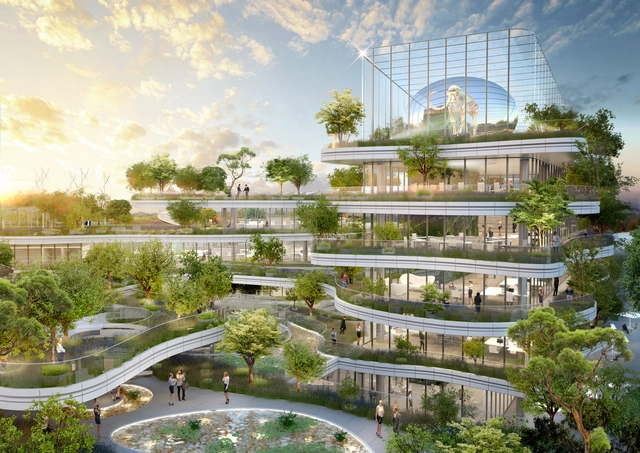
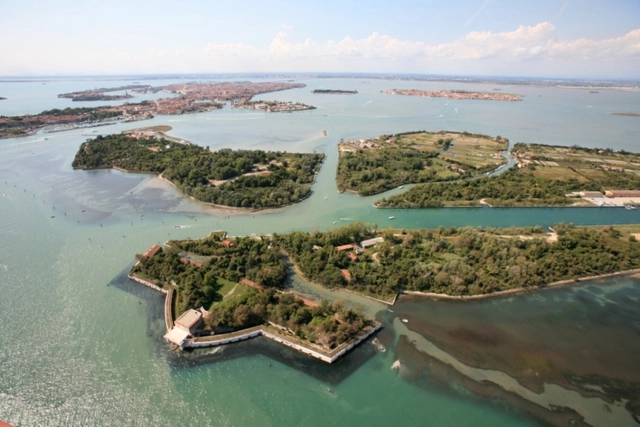
“Reinventing Cities,” C40’s renowned global design competition, has just announced its fourth edition. The competition’s main goal is to “transform underutilized sites or buildings into beacons of sustainability and resilience and act as a showcase for future zero-carbon urban developments.” This year, 15 cities have stepped up the challenge, inviting professionals from various disciplines to reimagine underutilized urban sites and design transformations prioritizing sustainability and inclusivity.

With a commitment to zero-carbon, urban resilient projects, Reinventing Cities has engaged over 3,500 businesses worldwide with 40 projects currently under development globally. This year’s competition is characterized by its ambitious environmental and social objectives; with participating cities spanning continents, including Almere, Bilbao, Bologna, Brussels, Glasgow, Milan, New York, Palermo, Renca, Rome, San Antonio, San Francisco, São Paulo, Seattle, and Venice.

New York, Milan, and Venice Amongst Participants in C40's Reinventing Cities Competition 2024 - Image 1 of 4New York, Milan, and Venice Amongst Participants in C40's Reinventing Cities Competition 2024 - Image 2 of 4New York, Milan, and Venice Amongst Participants in C40's Reinventing Cities Competition 2024 - Image 3 of 4New York, Milan, and Venice Amongst Participants in C40's Reinventing Cities Competition 2024 - Image 4 of 4New York, Milan, and Venice Amongst Participants in C40's Reinventing Cities Competition 2024 - More Images+ 2

Willow Technologies Transforms Agricultural By-Products Into Building Materials in Ghana

Willow Technologies is a material research and building technology practice that has been selected as part of ArchDaily's 2023 Best New Practices. Founded by Ghanaian-Filipino designer and architectural scientist Mae-Ling Lokko, it operates in the gap between research, development, and diffusion of bio-based building materials. Working with agro-waste and bio-based materials usually incurs technical questions regarding scalability, industrial production, standardization, fireproofing, and mechanical strength. Exploring this data is where Willow Technologies situates itself, but peculiarly through the lens of developing regions in West Africa. Through comprehensive works with coconuts, moringa, rice, and other indigenous crops, Lokko’s practice has been able to investigate and catalog the material character of various crops, their possible by-products, local transformation techniques, and the prospect and challenges of scalability as building materials.

Willow Technologies Transforms Agricultural By-Products Into Building Materials in Ghana - Image 1 of 4Willow Technologies Transforms Agricultural By-Products Into Building Materials in Ghana - Image 2 of 4Willow Technologies Transforms Agricultural By-Products Into Building Materials in Ghana - Image 3 of 4Willow Technologies Transforms Agricultural By-Products Into Building Materials in Ghana - Image 4 of 4Willow Technologies Transforms Agricultural By-Products Into Building Materials in Ghana - More Images+ 9

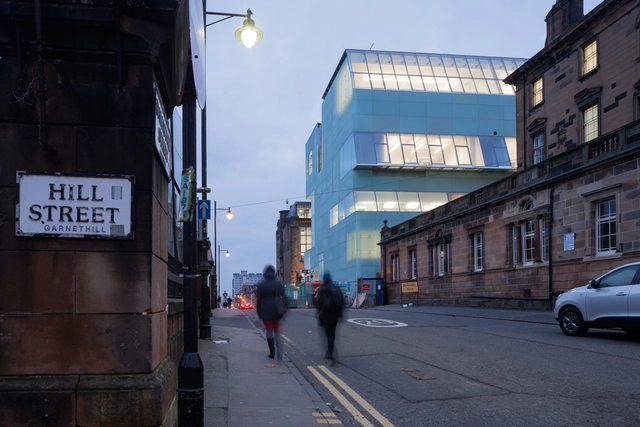
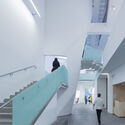
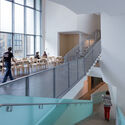
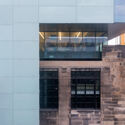
Reid Building Glasgow School of Art / Steven Holl Architects

Reid Building Glasgow School of Art / Steven Holl Architects - Exterior Photography, Arts & Architecture, FacadeReid Building Glasgow School of Art / Steven Holl Architects - Interior Photography, Arts & Architecture, Stairs, Facade, HandrailReid Building Glasgow School of Art / Steven Holl Architects - Interior Photography, Arts & Architecture, Stairs, HandrailReid Building Glasgow School of Art / Steven Holl Architects - Exterior Photography, Arts & Architecture, FacadeReid Building Glasgow School of Art / Steven Holl Architects - More Images+ 44

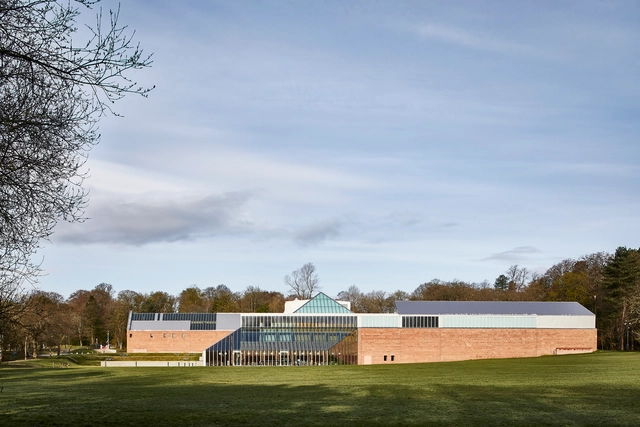
The Burrell Collection Museum / John McAslan + Partners

The Burrell Collection Museum / John McAslan + Partners - Exterior Photography, Renovation, Garden, FacadeThe Burrell Collection Museum / John McAslan + Partners - Interior Photography, Renovation, Beam, FacadeThe Burrell Collection Museum / John McAslan + Partners - Interior Photography, Renovation, Courtyard, Beam, Facade, Column, BenchThe Burrell Collection Museum / John McAslan + Partners - Exterior Photography, RenovationThe Burrell Collection Museum / John McAslan + Partners - More Images+ 43

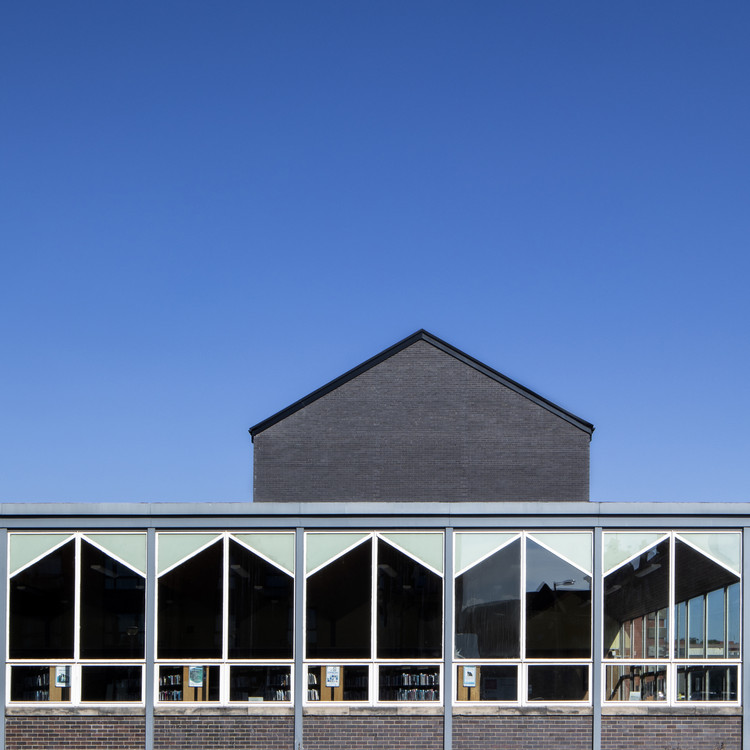
Kinning Park Complex / New Practice Studio

Kinning Park Complex / New Practice Studio - Interior Photography, Community Center, Chair
© Will Scott

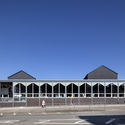
Kinning Park Complex / New Practice Studio - Exterior Photography, Community Center, Facade, DoorKinning Park Complex / New Practice Studio - Interior Photography, Community Center, Facade, ArchKinning Park Complex / New Practice Studio - Interior Photography, Community Center, BeamKinning Park Complex / New Practice Studio - Exterior Photography, Community Center, Fence, Facade, HandrailKinning Park Complex / New Practice Studio - More Images+ 32

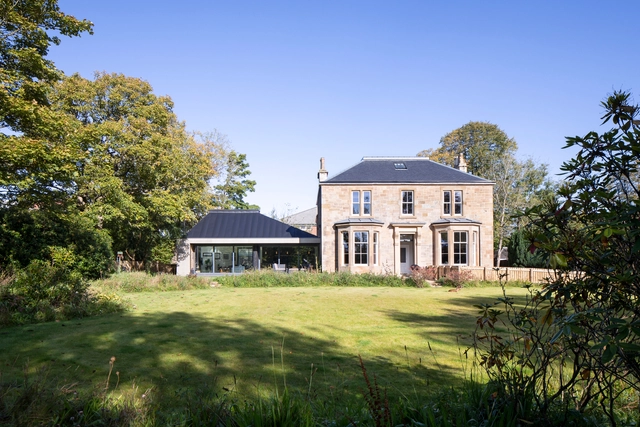
The Maker’s House / Loader Monteith

The Maker’s House / Loader Monteith - Exterior Photography, Houses, FacadeThe Maker’s House / Loader Monteith - Exterior Photography, Houses, DoorThe Maker’s House / Loader Monteith - Interior Photography, Houses, Stairs, FacadeThe Maker’s House / Loader Monteith - Interior Photography, Houses, TableThe Maker’s House / Loader Monteith - More Images+ 22

Ashtree Road / Graeme Nicholls Architects

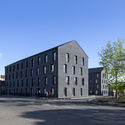
Ashtree Road / Graeme Nicholls Architects - Exterior Photography, Apartments, FacadeAshtree Road / Graeme Nicholls Architects - Exterior Photography, Apartments, FacadeAshtree Road / Graeme Nicholls Architects - Exterior Photography, Apartments, FacadeAshtree Road / Graeme Nicholls Architects - Exterior Photography, ApartmentsAshtree Road / Graeme Nicholls Architects - More Images+ 17

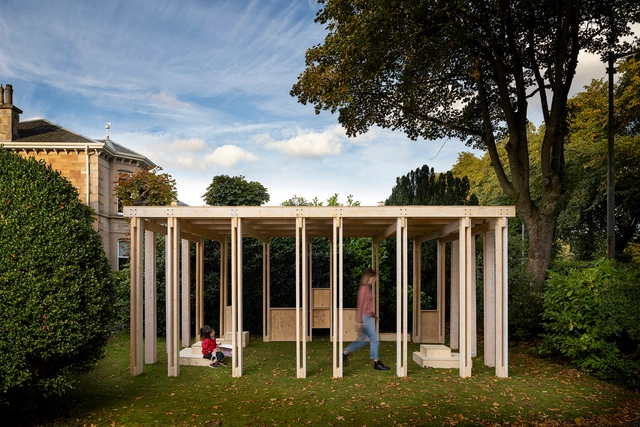
The Community Classroom / O'DonnellBrown

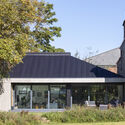
The Community Classroom / O'DonnellBrown - Exterior Photography, Community , GardenThe Community Classroom / O'DonnellBrown - Exterior Photography, Community , GardenThe Community Classroom / O'DonnellBrown - Interior Photography, Community , Garden, Table, ChairThe Community Classroom / O'DonnellBrown - Exterior Photography, Community The Community Classroom / O'DonnellBrown - More Images+ 9

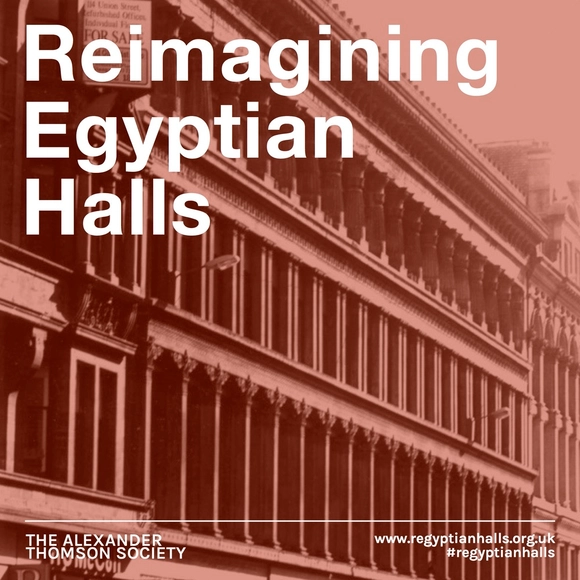
Reimagining Egyptian Halls

The objective of the completion is to invite innovative, imaginative and purposeful design solutions for the reuse of the A-listed Egyptian Halls, a warehouse building completed in 1872 on Union Street, Glasgow by the celebrated, nineteenth-century architect Alexander Thomson (1817-1875).

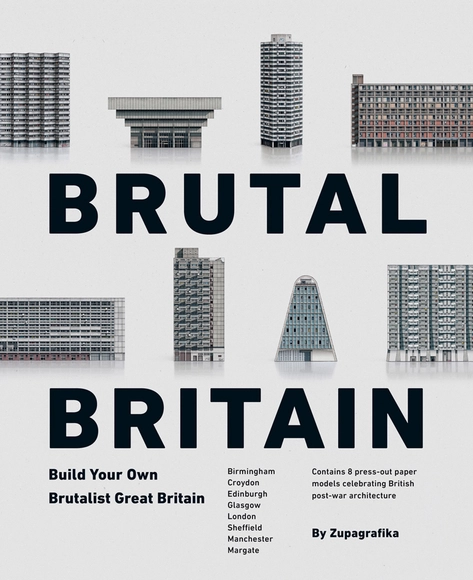
Brutal Britain: Build Your Own Brutalist Great Britain

High-rise tower blocks, prefab panel housing estates, streets in the sky, new towns; some of the concrete constructions that once shaped the cityscapes of post-war Britain have stood the test of time, while others are long gone.

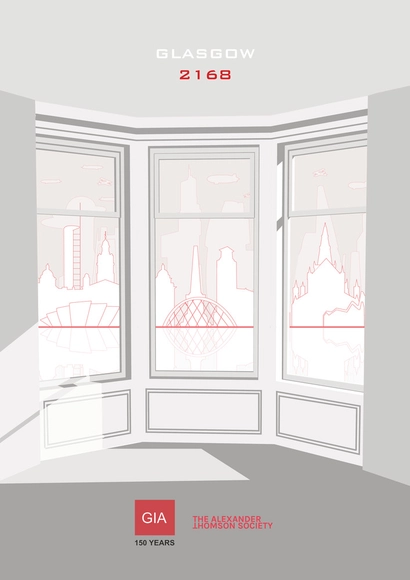
Call for Submissions: Glasgow 2168

What will Glasgow be like in 150 years?

Glasgow School of Art to Be Rebuilt, According to School's Director

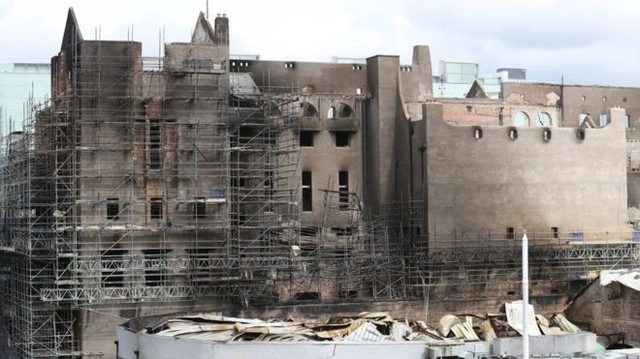
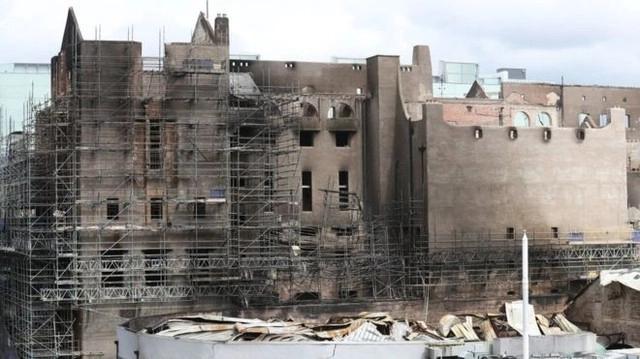
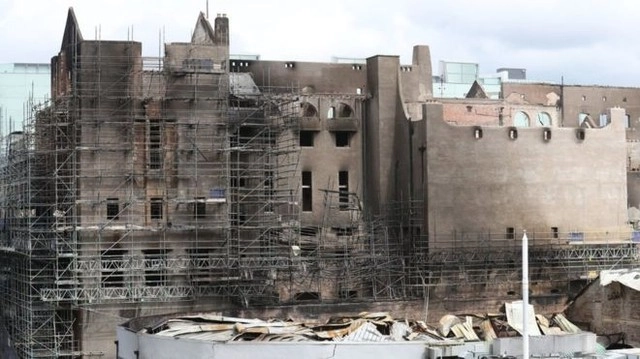
In his first public statement since the June 16th fire, Glasgow School of Art director Tom Inns said today that the Mackintosh Building would be rebuilt. This commitment, while putting an end to weeks of speculation, is still no guarantee of the famed structure’s future.

As Inns explained to The Guardian, “The building is insured and we’re confident that we can rebuild the building based on that.” The renovations that were begun after the first fire that hit the building in 2014 and damaged around a third of the interior, were made possible by large-scale fundraising efforts from both the public and government bodies. However, it is unclear whether similar efforts will be necessary for future rebuilding efforts, with Inns maintaining that “at the moment, we’re not requesting support from either government [Scottish or UK].”

Glasgow School of Art Building to be Dismantled Following Fire

It has been confirmed that parts of the Glasgow School of Art’s Mackintosh building are to be dismantled. A statement by Glasgow City Council, reported by the BBC, revealed that substantial movement in the building’s walls had been detected from surveys following the June 15th fire, indicating the sudden partial collapse of the structure was likely.

Work on the dismantling is to begin “as a matter of urgency” focusing on the south façade, which was the most seriously damaged during the fire; the second blaze to devastate the building in four years.

The Glasgow School of Art Fire: What Happened, and What Happens Next?

Ten days after fire engulfed Charles Rennie Mackintosh’s iconic Mackintosh Building at the Glasgow School of Art for the second time in four years, there is still much to learn about how the fire started, how it could have been prevented, and what should now happen to the ruined masterpiece.

While a full investigation into the cause of the fire will likely take some time, the first reports are emerging of fire safety measures being only weeks away from installation before the tragedy struck. Meanwhile, we read new details on an almost-daily basis about the current state of the building, as architects and public figures share their views and opinions on the future of one of Glasgow’s most iconic buildings.

To keep you up to date on the situation, we have compiled the latest information arranged in three stages: the condition of the building before the latest fire, the current status of the building, and some views on the building’s fate.

The Glasgow School of Art Fire: What Happened, and What Happens Next? - Image 1 of 4The Glasgow School of Art Fire: What Happened, and What Happens Next? - Image 2 of 4The Glasgow School of Art Fire: What Happened, and What Happens Next? - Image 3 of 4The Glasgow School of Art Fire: What Happened, and What Happens Next? - Image 4 of 4The Glasgow School of Art Fire: What Happened, and What Happens Next? - More Images+ 5

Rockvilla – National Theatre of Scotland HQ / Hoskins Architects

Rockvilla – National Theatre of Scotland HQ / Hoskins Architects - Interior Photography, Adaptive Reuse, FacadeRockvilla – National Theatre of Scotland HQ / Hoskins Architects - Exterior Photography, Adaptive Reuse, FacadeRockvilla – National Theatre of Scotland HQ / Hoskins Architects - Exterior Photography, Adaptive Reuse, FacadeRockvilla – National Theatre of Scotland HQ / Hoskins Architects - Interior Photography, Adaptive Reuse, Stairs, FacadeRockvilla – National Theatre of Scotland HQ / Hoskins Architects - More Images+ 15

The Democratic Monument: Adam Nathaniel Furman's Manifesto for a New Type of Civic Center

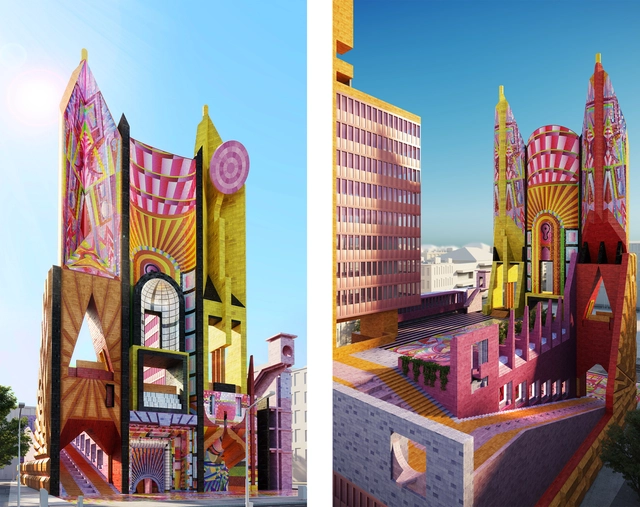
Civic buildings are, as a rule, both austere and intimidating. They are often designed to represent authority above all, taking cues from Classical architectural language to construct an image of power, dominance, and civic unity. Adam Nathaniel Furman, a London-based architect and thinker, has at once eschewed and reengaged this typology in order to propose an entirely new type of civic center ("Town Hall") for British cities. The proposal, which was commissioned by the 2017 Scottish Architectural Fringe as part of a New Typologies exhibition in which architects are imagining "how our shared civic infrastructure will exist in the future, if at all", is currently on display in Glasgow.

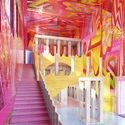
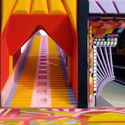
By "re-grouping various civic functions into one visually symbolic composition of architectural forms," references and types of ornament and allusions have been configured "depending on the metropolitan area within which it is situated in and embodies." In short, Furman states, the Democratic Monument "is an expression of urban pride, chromatic joy, and architectural complexity" which has universal symbolism but remains a beacon to its vicinity.

The Democratic Monument: Adam Nathaniel Furman's Manifesto for a New Type of Civic Center - Image 1 of 4The Democratic Monument: Adam Nathaniel Furman's Manifesto for a New Type of Civic Center - Image 2 of 4The Democratic Monument: Adam Nathaniel Furman's Manifesto for a New Type of Civic Center - Image 3 of 4The Democratic Monument: Adam Nathaniel Furman's Manifesto for a New Type of Civic Center - Image 4 of 4The Democratic Monument: Adam Nathaniel Furman's Manifesto for a New Type of Civic Center - More Images+ 15

MVRDV + Austin-Smith:Lord Selected to Reinvigorate Downtown Glasgow

The Glasgow City Council has selected a multidisciplinary team lead by MVRDV and Glasgow-based Austin-Smith:Lord to transform downtown Glasgow into a “more livable, attractive, competitive and sustainable center.” Titled (Y)our City Center, the strategy calls for a regeneration of the 400 hectare city center that would reorganize circulation and infrastructure while providing new residential options to support Scotland’s economic center.

MVRDV + Austin-Smith:Lord Selected to Reinvigorate Downtown Glasgow - Image 1 of 4MVRDV + Austin-Smith:Lord Selected to Reinvigorate Downtown Glasgow - Image 2 of 4MVRDV + Austin-Smith:Lord Selected to Reinvigorate Downtown Glasgow - Image 3 of 4MVRDV + Austin-Smith:Lord Selected to Reinvigorate Downtown Glasgow - Image 4 of 4MVRDV + Austin-Smith:Lord Selected to Reinvigorate Downtown Glasgow - More Images+ 2