1. ArchDaily
  2. Galvanized steel scaffolding

Galvanized steel scaffolding: The Latest Architecture and News

From Common Sight to Cultural Symbol: The Rise and Decline of Bamboo Scaffolding in Hong Kong

Subscriber Access | 

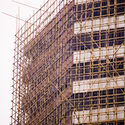
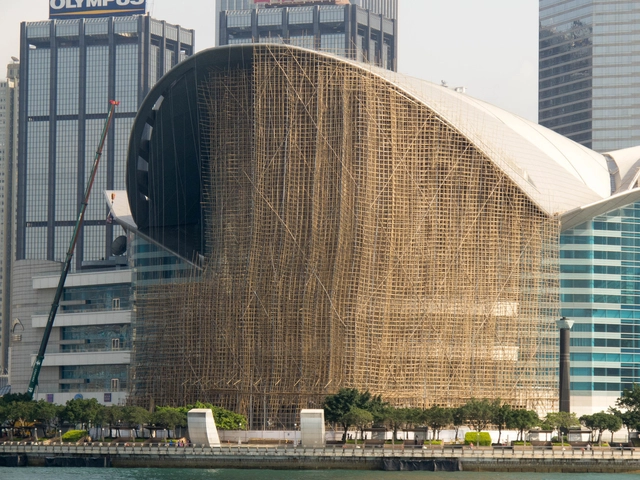
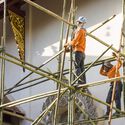
The bamboo scaffolding building typology—temporary, agile, and deeply rooted in tradition—particularly, the bamboo shed theatre building technique, is recognized as an item of Intangible Cultural Heritage in Hong Kong. As one walks through the city, especially in busy urban districts, it's nearly impossible not to encounter a bamboo scaffold within a five-minute radius. Bamboo scaffolding is arguably the most iconic construction material in Hong Kong, valued for its abundance, sustainability, flexibility, adaptability, and—most importantly—scalability. These qualities have contributed to its widespread use in temporary construction, from building maintenance and renovations to festival stages and sporting events.

However, this once-ubiquitous feature of the urban landscape may be slowly fading from view. A dwindling pool of skilled, younger workers—combined with evolving construction regulations—has contributed to its decline. On March 17, the Development Bureau announced plans to "drive a wider adoption of metal scaffolds in public building works." In practice, this means the Architectural Services Department (ArchSD) will soon require at least 50% of its capital works projects to utilize metal scaffolding. While not a formal ban, the policy signals what many see as the beginning of a gradual phase-out of bamboo scaffolding in public-sector construction.
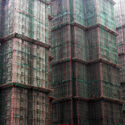
From Common Sight to Cultural Symbol: The Rise and Decline of Bamboo Scaffolding in Hong Kong - Image 1 of 4From Common Sight to Cultural Symbol: The Rise and Decline of Bamboo Scaffolding in Hong Kong - Image 2 of 4From Common Sight to Cultural Symbol: The Rise and Decline of Bamboo Scaffolding in Hong Kong - Image 3 of 4From Common Sight to Cultural Symbol: The Rise and Decline of Bamboo Scaffolding in Hong Kong - Image 4 of 4From Common Sight to Cultural Symbol: The Rise and Decline of Bamboo Scaffolding in Hong Kong - More Images+ 15

The Contemporary Remodelling of Traditional Materials in Chinese Vernacular Architecture

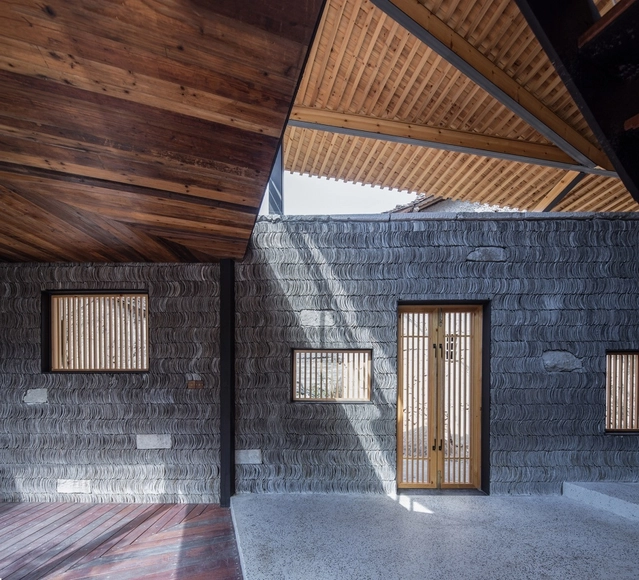
Constrained by a lack of transportation and resources, vernacular architecture has started adapting the distinct strategy of utilizing local materials. By analyzing projects which have successfully incorporated these features into their design, this article gives an overview of how traditional materials, such as tiles, metal, rocks, bamboo, wooden sticks, timber, rammed earth and bricks are being transformed through vernacular architecture in China.

Acoustic Environments / AREA and Electrotexture Lab

Subscriber Access | 
Acoustic Environments / AREA and Electrotexture Lab - Image 1 of 4
Courtesy of AREA and Electrotexture Lab

The Acoustic Pavilion Project, developed by AREA and Electrotexture Lab, is created from evolutionary algorithms that search the optimum form and reflective environment for electronic music within the context of Aalborg’s harbor front. More images and brief project description after the break.