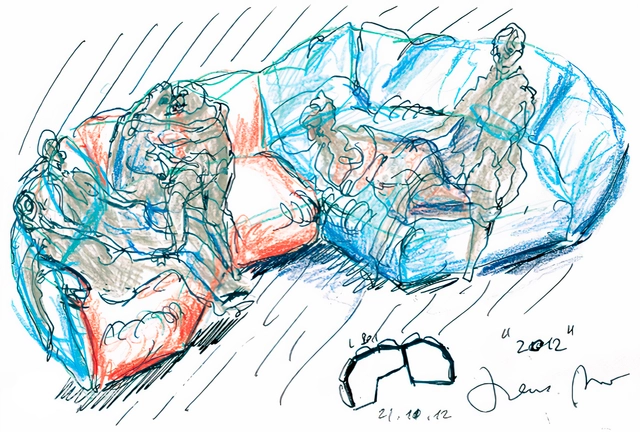
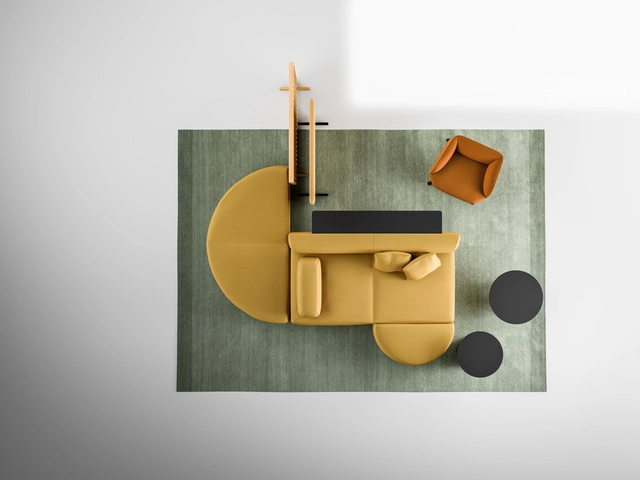
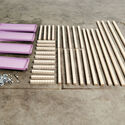
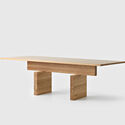
Standard, project sketches. Francesco Binfaré, 2012. Image Courtesy of Edra
The earliest vestiges of furniture in society can be traced back to the Fourth Dynasty of Egypt when the armchair of Queen Hetepheres I (ca. 2600 BC) was discovered. This armchair marked a significant milestone in the history of furniture. It is not surprising, therefore, that the chronology of furniture is intertwined with architectural, pictorial, and sculptural expressions of the time, where these elements often act as witnesses and, in exceptional cases, as central objects in the history of art and design.
Furniture consists of everyday objects designed to meet specific needs in our daily lives. However, sometimes they transcend their practical function and take on an autonomous presence. A piece of furniture has no nobler purpose than its interaction with human beings, therefore, separating these objects from their utilitarian dimension becomes an act of disruption. As a result, designers such as Francesco Binfaré have described sofas as “The most mysterious object amongst the furniture populating the interior design universe”. In this context, Edra creates unique objects that blend art and industrial production, reflecting contemporary domestic landscapes and experimenting with new shapes and materials.
https://www.archdaily.com/1002698/the-renaissance-of-the-sofa-innovations-atypical-shapes-and-anthropometryEnrique Tovar
As true spatial orchestrators, architects’ expertise extends beyond the mere construction of buildings, often transcending the physical realm of design. They possess the unique ability to craft spaces that are not only visually appealing, but that also feel welcoming, harmonious, and, above all, functional. Embracing this vital role involves careful consideration of all the bits and pieces that make up a project; from a building’s foundations to a sofa, architects must ensure that all the elements, in every scale, tie together in a way that is cohesive and positively influences our everyday lives.
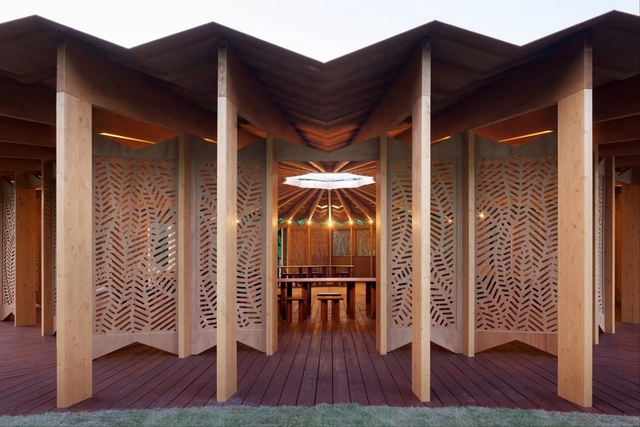
As you make your way through the symphony of wooden colonnades, leafy screen walls, and unfurled roofing, towards the converging veins of flooring and ceiling ribs leading to the light, it feels like a space that was always meant to be there. Part of the park, the pavilion complements the nature around it, reflecting its patterns, and illuminates a main interior feature: a concentric set of tables and stools that inspire people to sit at the moment, hold conversations, and connect with each other. This narrative tells the tale of this year's Serpentine Pavilion, designed by French-Lebanese architect Lina Ghotmeh.
Titled, À table, It draws inspiration from the designer’s connection with nature growing up and is reminiscent of the French call to sit together at a table, share a meal and enter a dialogue. It foregrounds the table as a laboratory of ideas, concerns, joys, connections, and essentially brings people together. It further reflects on the architectural ideals that can provoke and welcome moments of collective conversations.
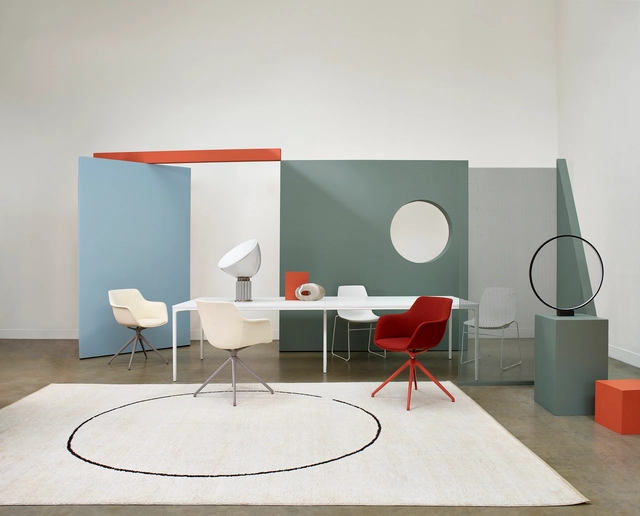
Designing a good chair is a much more challenging task than we might think. To begin with, several factors must be addressed, such as ergonomics, aesthetics, materials, functionality and durability. In addition, it is essential to define the purpose for which it will be used: an office chair has different requirements than a reading armchair or a dining chair, for example. Only when all these elements are carefully balanced and thought-out can you achieve a truly excellent chair. And often, a good design can end up triggering many other variations throughout the years.
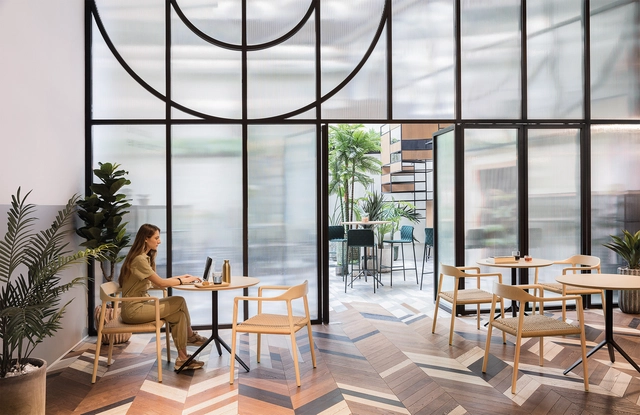
Some pieces of furniture are so versatile that they are equally at home in a home, in an office or in a cafeteria. The Liceo armchair by Piergiorgio Cazzaniga and the Triada table by Layer Design for Andreu World with height adjustement are perfect example of this. Image Cortesia de Andreu World
How can a space that is no longer essential become valued again? The traditional office as we know it is disappearing with the changes brought about by technological advances and globalization, all of which was accelerated by the impositions of the pandemic. As living and working become inseparable activities and hybrid, flexible work arrangements are now the norm in many fields, offices will need to become increasingly sustainable, healthier, and also more comfortable. But how can architects and designers design workspaces so that people will continue to want to inhabit them? What solutions and furnishings can meet the needs of occupants, with flexible solutions that can adapt to a variety of activities and purposes?
Flexibility and open spaces are themes in contemporary house design. Multifunctional spaces and creative storage solutions are more than welcome when seeking easily adaptable environments to meet owners' constantly changing needs. To give you some fresh inspiration, we have selected ten projects that feature countertops that integrate different programs and serve more than one function in the home.
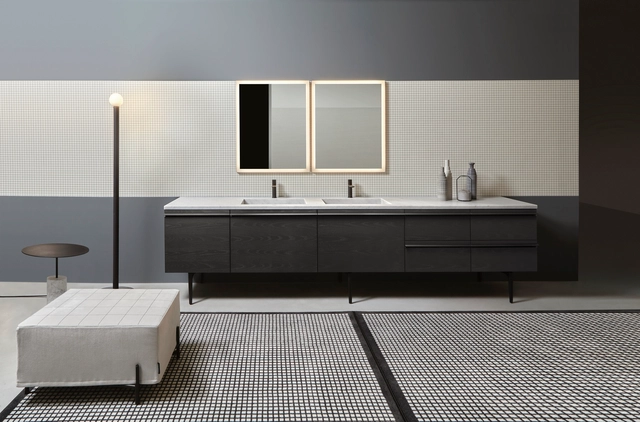
Throughout history, the functional essence of bathrooms has remained unchanged due to their design being shaped by biological parameters. Initially, the function of bathrooms was solely related to hygiene and waste management, resulting in the conception of bathrooms as unhealthy and merely utilitarian spaces. This led to their separation from the rest of the spaces designated for coexistence.
However, the implementation of water supply systems and general drainage networks has vindicated the role of bathrooms in living spaces. They have acquired a primordial role in design proposals for interior design and reflect the user's personality through the combination of colors, coverings, accessories and decorative elements. In the evolution of bathroom design, proposals that stand out for their formal cleanliness, multiple nuances, subtle coexistence of elements, and customization possibilities have emerged. Brands like antoniolupi have developed bathroom furnishings that integrate these proposals and take the limits of design much further by collaborating with renowned architects and designers like Paolo Ulian, Brian Sironi, Luca Galofaro, and Mario Ferrarini, just to mention a few. Continuing with this series of collaborations, Carlo Colombo was in charge of developing Borderline.
https://www.archdaily.com/998711/pushing-the-limits-of-bathroom-furnishing-through-tailor-made-designEnrique Tovar
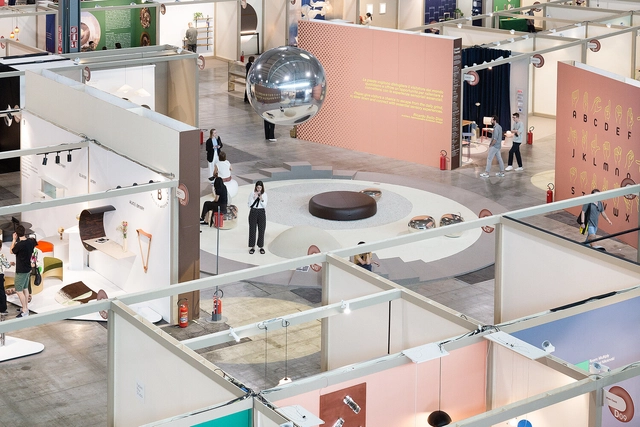
The Salone del Mobile.Milano 2023 entrusted the Milanese architecture and engineering studio Lombardini22 with curating the exhibition space and redefining its layout and circulation flows to ensure an increasingly engaging and contemporary business platform. On a similar note, Formafantasma was appointed to take care of the large Arena and the Cameos, small exhibitions layout in the trade fair site. During this year’s edition, seven exhibitions will be held simultaneously at Fiera Milano fairgrounds in Rho. The events are open to professionals from Tuesday 18th until Sunday 23rd of April, and to the general public on Saturday and Sunday.
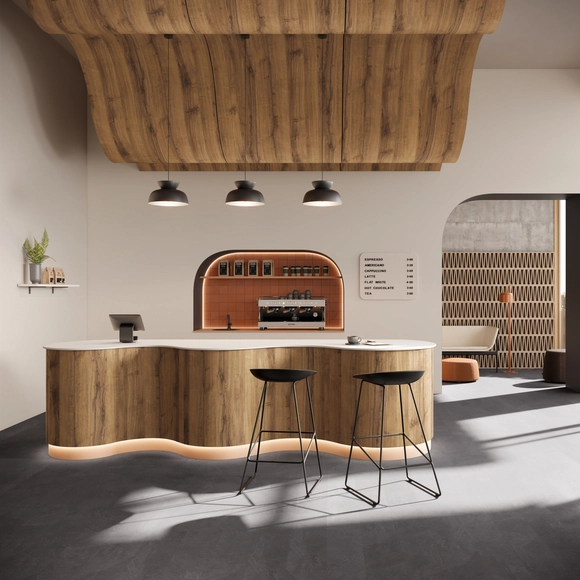
Laminates combine look, feel and function in a practical way. Image Courtesy of Egger
Playing with the balance between form and function, laminates enable architecture to perform a variety of tasks at the same time, being robust, flame-retardant, stain-resistant and antibacterial. With a wide range of applications in architecture, Egger has developed a range of products that can be applied to many of the spaces we inhabit daily, such as kitchens, bathrooms, offices, hotels and shops. Diving into the specifics of laminates and how they can be applied in architecture, we showcase how these materials are an ideal coating material with extra-wide format alternatives.
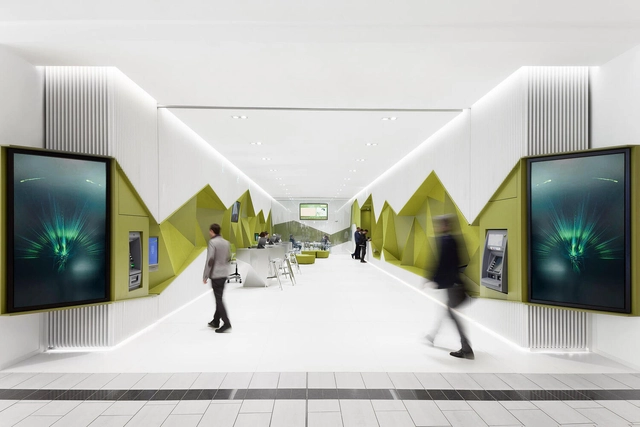
Popping down to a high-street bank branch to pay in a cheque, get out some cash or even open an account are to-do list tasks of the past. With almost all financial services now available online and digital transactions taking more of the market share (up from 28% to 41% from 2019 to 2022), more and more retail branches are shutting up shop.
The complicated worlds of both technology and finance, however, continue to fill many customers with confusion and dread, so perhaps the friendly face of a physical bank storefront with actual humans still has a place. These evolved retail banking interiors hark back to a longed-for time when we knew our local bank manager’s name, but work in conjunction with technology to offer hybrid financial services alongside more personal advice, in comfortable and comforting surroundings.
The Youtube channel Never Too Small boasts 2.25 million subscribers — a platform featuring the imaginative manipulation of space in tiny footprints. Videos of micro-apartments, in Paris, London, and beyond, get views in the millions. Clearly, there is a demand for content geared towards living small, as a global housing crisis has precipitated the ever-dwindling availability of affordable, larger-footprint residences in urban areas. Architects, working in this constrained contemporary reality, have been necessitated to make the most out of limited space, configuring sub-40 square-meter floor areas to create a non-claustrophobic spatial experience.
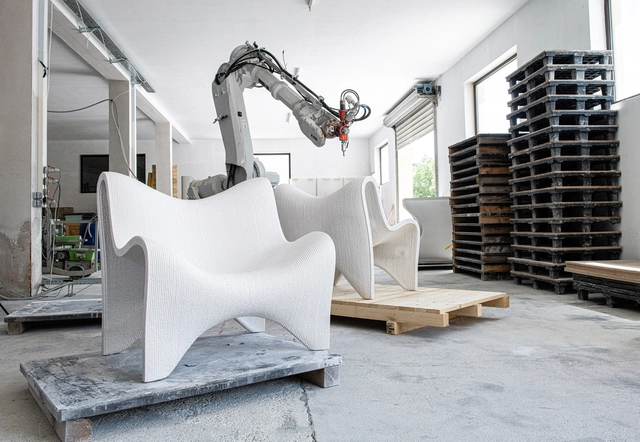
Can you imagine being able to prototype a piece of furniture at the touch of a button and testing it in just a few hours? This might become a common practice sooner than we may think. Fueled by material innovation, automation and cutting-edge technology, a new era in home decor is emerging; one where 3D printing opens up a world of creative possibilities that transcend the bounds of traditional design. Yes, furniture is still mass-produced using conventional methods –molding, cutting, bending–, but 3D printing continues to disrupt the industry. As the revolutionary technology evolves and becomes more accessible, it has unleashed an unparalleled level of creative expression and efficiency. The concept is simple: a digital design is created using 3D modeling software and then printed, layer by layer, in the form of a physical object, bringing complex geometries to life. It’s a whole new kind of digital craftsmanship.
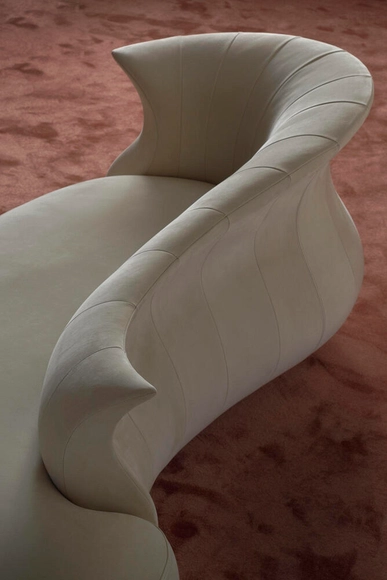
Set in open space, Desforma’s sinuous shifting designs are furniture as landscape. Image Courtesy of Desforma
The Desforma range is quite unique in the design world. It doesn't do reheated mid-century modern or strict straight lines or no-nonsense functionalism in powdered steel. Desforma does swooping, fluid lines and organic curves, sofas composed of sine waves that seem shaped by natural forces and summon up swaying sea life, chairs that might have blossomed into being.
Salone del Mobile 2022. Image Courtesy of UNStudio
The 61st edition of The Salone del Mobile transformed its general layout and program, including Euroluce, the iconic International Lighting Exhibition in Milan. Curated by architect Beppe Finessi, in collaboration with Formafantasma and the studio Lombardini22, the new vision for The Salone del Mobile will improve accessibility and the trade fair and user experience. Running from 18th to 23rd April 2023 at Rho Fiera Milano, the 2023 Salone will focus on schools and universities under the theme "Design School."
In many cultures, the kitchen has become not only a workspace, but also a meeting place, a social environment where family and friends gather for conversation and meals. Seeking to respond to this transformation from more integrated architectural plans and appliances that also have an aesthetic appeal, as well as practical, the choice of kitchen equipment, such as the stove, is no longer restricted to its technical conditions. Check out how to combine practical, technical and aesthetic aspects when choosing a stove.
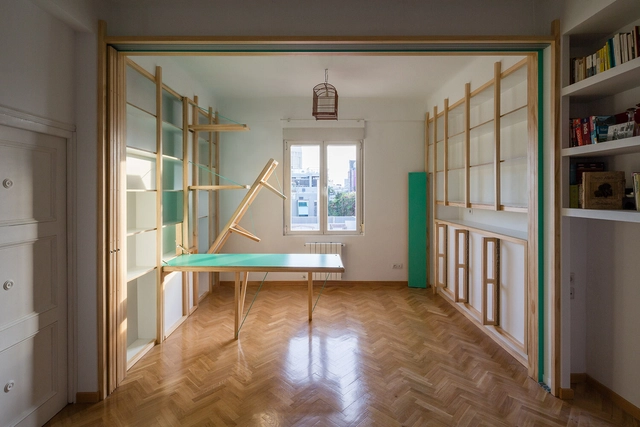
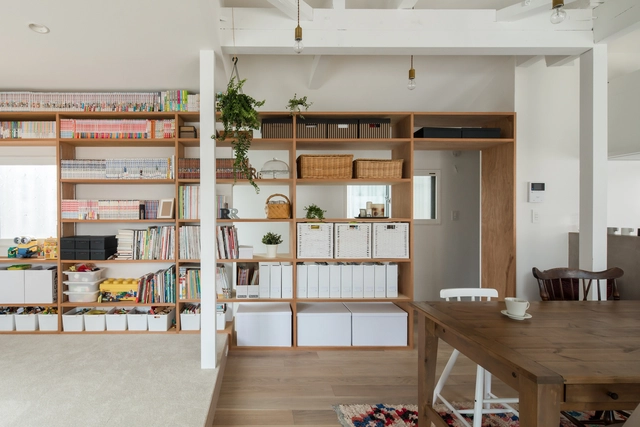
Shelves have a clear function: to organize, store and display. This simple, yet vital role has made them a must in every household, keeping the place neat and tidy by holding books, clothes, toys or any other items that would otherwise be scattered on the floor. Although usually found in closets, bedrooms, bathrooms and kitchens, shelves are useful wherever the extra storage is necessary. They are especially ideal for making the most out of small rooms, which will always benefit from having cleaner, clutter-free floor space. Responding to this crucial storage need and following a strict 'form follows function' approach, traditional shelves are often comprised of minimal, flat horizontal planes attached to a wall –a simple layout that is not particularly meant to draw attention. Hence, people don’t tend to think about shelving ideas beyond storage, and in that sense, the countless design possibilities they offer are often overlooked.
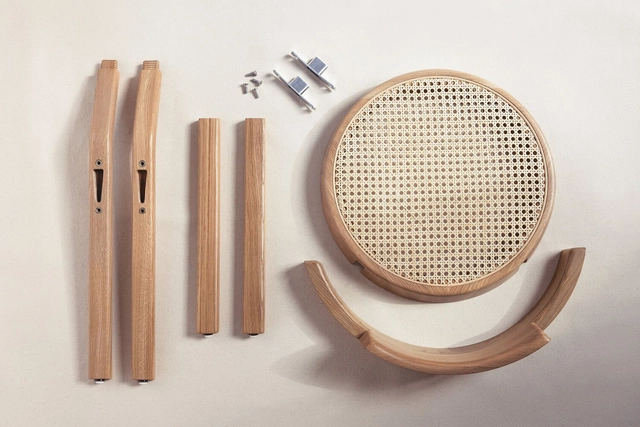
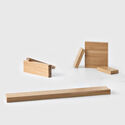
Design for assembly (DFA) is hardly new. Thonet’s 1859 No. 14 chair, when disassembled, could be shipped in batches of 36 per 40-square-inch box.
Those cost savings tied to DFA are still valuable. And as it helped revolutionize shipping in the industrial era, it now carries prestige as a powerful carbon-reduction tool. In fact, DFA is currently the distinguishing feature of at least six highly visible product launches among commercial furniture manufacturers in just the past year.
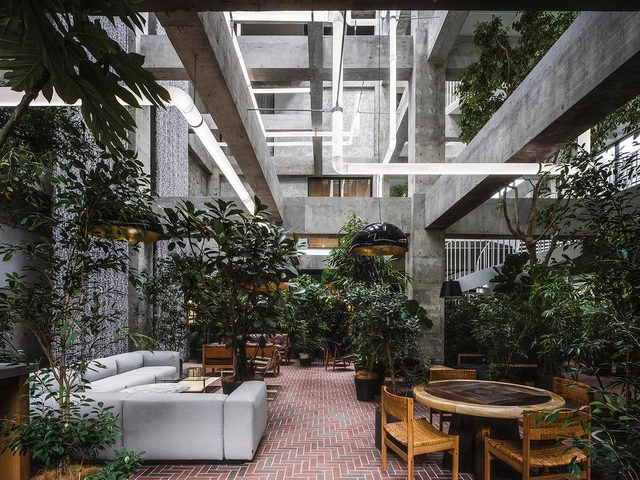
Widely recognized as being responsible for 8% of global CO2 emissions, concrete should be a blacklisted material, relegated to the shameful annals of architectural history. Rapid global urbanization, however, will ensure its unequaled production simplicity and structural strength help retain concrete’s firm grip on the construction industry.
If you can’t beat it, improve it: is the industry’s mantra on innovation, currently developing various alternatives to concrete or its constituent parts and admixtures. So with a concrete set for the environmental green list, the concrete revolution –using the material as an aesthetic exterior facade, interior decoration and fittings, or even in furniture and lighting, as well as a structural framework– is free to continue.