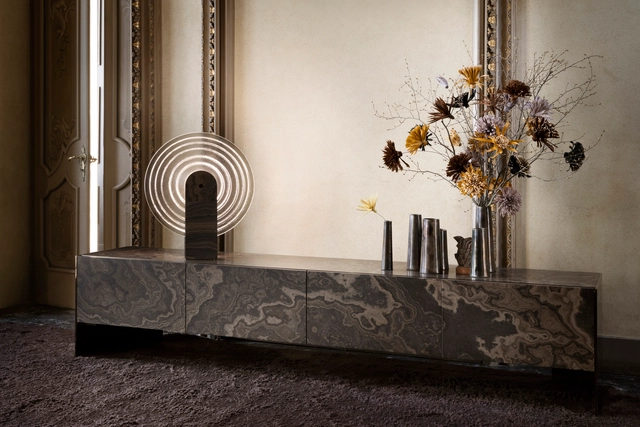
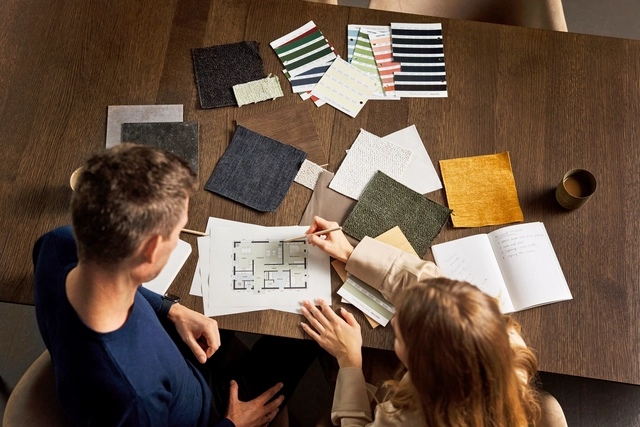
The 2025 edition of Milan Design Week took place from April 8 to April 13, 2025. During these five days, the city of Milan hosted special events, exhibitions, installations, and discussions centered on the creative disciplines, including the 63rd edition of the Salone del Mobile at Fiera Milano fairgrounds. Among the numerous activities, the event serves as an ideal opportunity to introduce the latest trends and showcase upcoming pieces from brands and designers worldwide. Among the new releases and product launches, the ArchDaily team identified a selection of products designed by architects, ranging from lighting and furniture systems to materials and small objects.
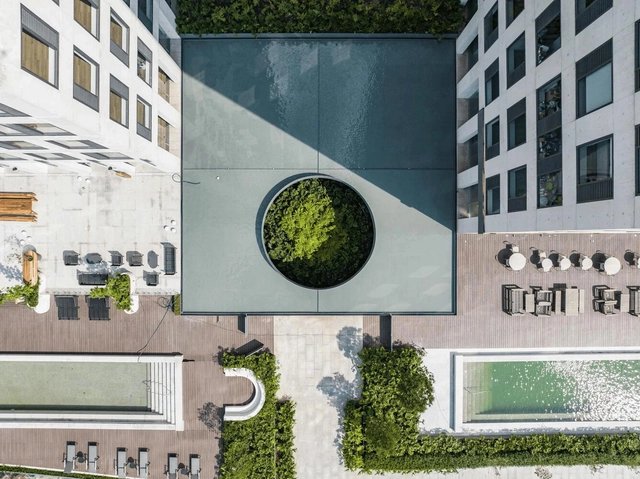
Riga Bosques, a build-to-rent project in Mexico City’s Santa Fe district, features 110 rental apartments designed by architect Enrique Macotela
When the seeds that would bloom into BoConcept were planted by cabinet makers Tage Mølholm and Jens Ærthøj, in the small Danish town of Herning in 1947, its founders could hardly have foreseen that their nascent furniture company would eventually become a global leader in contemporary Scandinavian design.
But such is the way. BoConcept now operates 300 dedicated stores in over 65 countries, and many of its pieces – from the minimal, organic and ergonomic Adelaide chair, designed by Henrik Pedersen; to Morten Georgsen's classically-inflected, ceramic-topped Santiago dining table – have become touchstones for interior designers and aesthetically minded consumers alike. Its global reach is supported by dedicated franchisers, such as Carlos Salamonovitz, who recently brought BoConcept's vision to a new residential project in Mexico City.
BoConcept combines heritage, simplicity, craftsmanship, functionality, and quality at the heart of their design philosophy
The modest origins of BoConcept – the furniture company founded in 1947 by young cabinetmakers Jens Ærthøj and Tage Mølholm, in the sleepy Jutland town of Herning – belie its standing as a beacon of Danish design. By harnessing and refining the key tenets of heritage, simplicity, craftsmanship, functionality and quality over 70 years, the brand has become Denmark's most globally recognizable name in furniture. It's a fact exemplified in timeless pieces such as its midcentury-style Imola armchair (inspired by the form of a deconstructed tennis ball) and the marshmallow minimalism of its Bellagio sofa – not to mention a proliferation of more than 300 stores in over 65 countries.
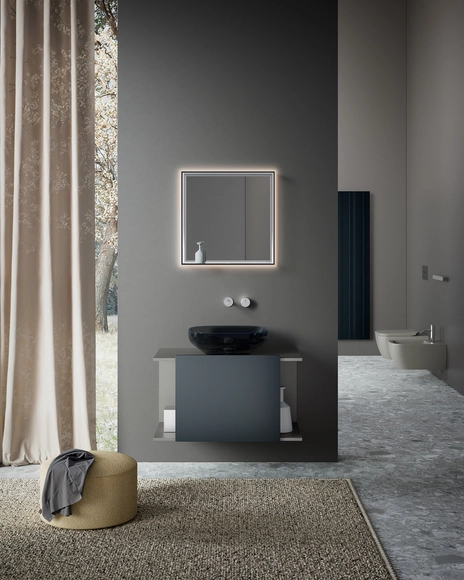
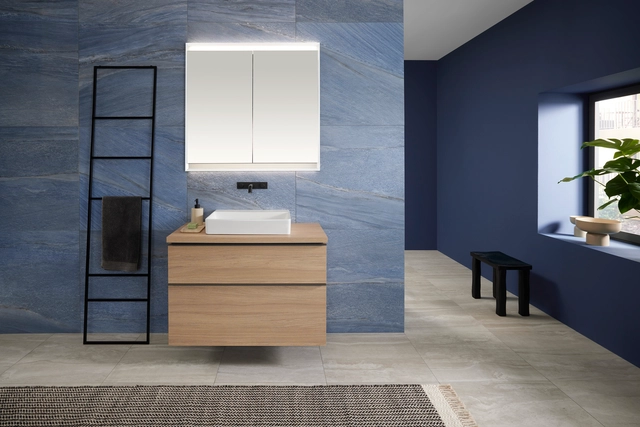
Every detail in the construction of an environment has a significant impact. The layout, composition, furniture, color range, and materials work together to create a cohesive and immersive experience in the perception of space. In bathroom design, this integration extends beyond aesthetics, aiming to ensure that every choice— from materiality to the form of furniture— contributes to economically viable, functional spaces with an aesthetic that doesn't rely on exclusivity. Architects and designers can shape diverse settings without sacrificing quality or visual coherence by focusing on cost-effectiveness and well-resolved solutions. In this sense, a democratic approach to design becomes a tool for creating environments where quality, functionality, and affordability are core principles.
https://www.archdaily.com/1028204/next-gen-living-customizable-high-quality-bathroom-design-within-reachEnrique Tovar
Between silence and chaos, we shape our world. Every space we inhabit tells a story, evokes emotions, and influences our thoughts. Minimalism, with its lightness and purpose, invites serenity. Maximalism, exuberant and vibrant, celebrates personality in every detail. But how do these philosophies affect our minds? Understanding their psychological impact can be key to creating environments that enhance well-being and bring harmony to life.
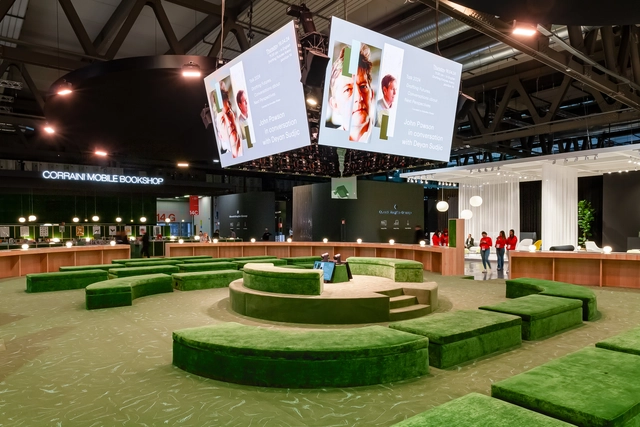
The 63rd edition of the Salone del Mobile will take place in Milan from April 8 to 13, 2025. Dating back to 1961, Salone del Mobile is a trade fair that covers a wide range of interior design products. The theme of this edition focuses on exploring the deep connections between humanity and design, aiming to establish the event as a creative platform beyond its commercial functions. The fair also serves as a laboratory for experimentation and the exchange of ideas, where new prototypes for furniture and domestic spaces are presented in settings that bring different narratives about ways of living to life. In addition to the furniture exhibition, the event will feature installations, conferences, and workshops, all taking place over the five days at Milan's Rho Fiera fairgrounds.
What is our vision of public spaces from the past? Consider, for instance, a park—arguably the most iconic example of this typology. It is an environment designed with winding paths and rest areas, where we often find tables and fixed benches, positioned along the way. Its design prioritizes permanence and contemplation. But when we turn to the present, how do we envision it now? Indeed, the traditional concept of public space has not disappeared entirely. However, our way of interacting with it has changed, driven by the need for flexibility in ever-changing environments. This shift has sparked the exploration of new design approaches. As a result, modular seating systems have become a dynamic field of experimentation, continuously adapting to changing uses and perceptions.
https://www.archdaily.com/1027386/are-modular-seating-systems-redefining-our-perception-of-public-spacesEnrique Tovar
From January 24 to May 11, 2025, the Danish Architecture Center (DAC) will host an exhibition dedicated to the work of designer Nanna Ditzel. Crowned "The Grand Dame of Danish Design," Ditzel remains a significant figure in the field, known for her iconic creations such as the Hanging Egg Chair, Hallingdal Fabric, and the Trinidad Chair. Born in 1923, she established herself as a pioneer in furniture design, experimenting with unconventional materials, including the then-untested foam rubber, polyester, and fiberglass. She also transformed traditional materials such as wicker, laminated wood, and silver into innovative furniture and jewelry pieces that became icons of modern design, many of which will be showcased in this retrospective exhibition.
Winston Churchill once wisely stated, "We shape our buildings, and in turn, our buildings shape us," a reflection that highlights how architecture, in its dynamic nature, responds to functional needs and molds the experiences of its users. Workplaces have been no exception, evolving with the social and technological changes that have redefined our understanding of organizational interactions. Almost in the blink of an eye, the once-restrictive cubicles and closed offices have made way for open layouts, while hybrid models have transformed offices into destination spaces. Furniture elements like office pods are at the forefront of this change—balancing collaboration and privacy. Designed to adapt, they have continually evolved alongside the shifting demands of modern workspaces and their inhabitants.
https://www.archdaily.com/1025776/an-eden-within-the-workplace-flexible-pods-with-biophilic-and-human-centered-designEnrique Tovar
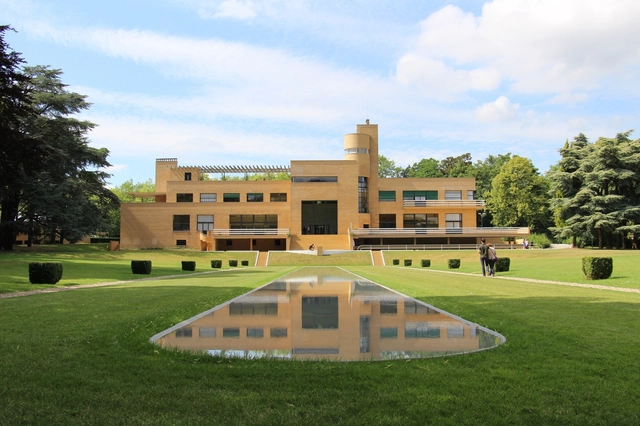
The Villa Cavrois stands as a powerful testament to early modernist architecture and the vision of architect Robert Mallet-Stevens. Built between 1929 and 1932 in Croix, France, this landmark residence was commissioned by Paul Cavrois, a prominent textile industrialist, to embody modern values and house his growing family. Mallet-Stevens' design merges Modernist ideals with a luxurious, functional aesthetic that breaks sharply from traditional styles, creating a space defined by clean lines, balanced proportions, and innovative materials.
More than just a family home, Villa Cavrois was designed as an architectural manifesto, presenting bold new ideas in residential design that would inspire generations. Its meticulously crafted layout, advanced technological features, and harmonious connection to the surrounding landscape positioned it as a symbol of modern living.
Not all people share the same routines, habits, or customs, yet we all have the same fundamental needs, regardless of age, social class, gender, culture, or religion. Designing bathroom spaces involves considering parameters of accessibility, technology, cleanliness, comfort, and durability, while offering efficient and sustainable solutions that ensure optimal performance. But what does functionality in architecture really mean? How do usage patterns evolve over time? Geberit products showcase various design proposals through their Mix and Match approach that blend furniture, sinks, and other bathroom accessories, all conceived to meet the diverse requirements of their users.
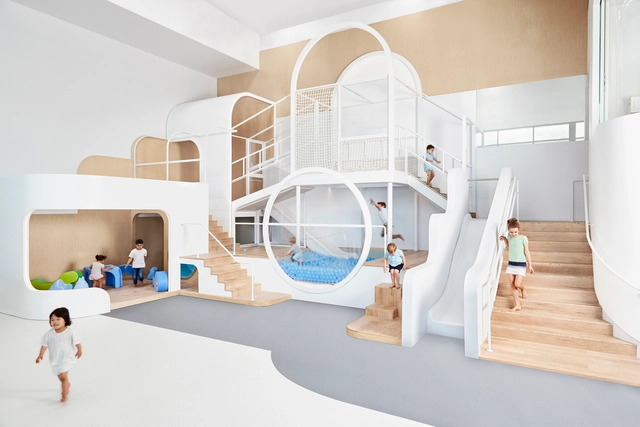
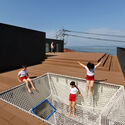
Designing for children is certainly not child's play. While adults lead the design process, the end-users are often children, as seen in kindergartens, schools, and parks. Architects have the responsibility to create built environments that provide children with opportunities to play, explore, and learn, even in today's digital age.
Italy's influence on contemporary design has been profound and captivating, with Italian architecture consistently bridging cultural heritage and innovation, from advancements in construction techniques to the evolution of the neoclassical style. A prime example of this integration is the Italian villa typology, which reached its zenith during the Renaissance with groundbreaking innovations. Villa Almerico —designed by Andrea Palladio and inspired by Alberti's treatise De re aedificatoria— exemplifies this evolution. Renowned for its centralized and symmetrical plan, its construction marked a turning point with classical proportions and the incorporation of courtyards and gardens as extensions of the living space, highlighting a remarkable contextual relationship.
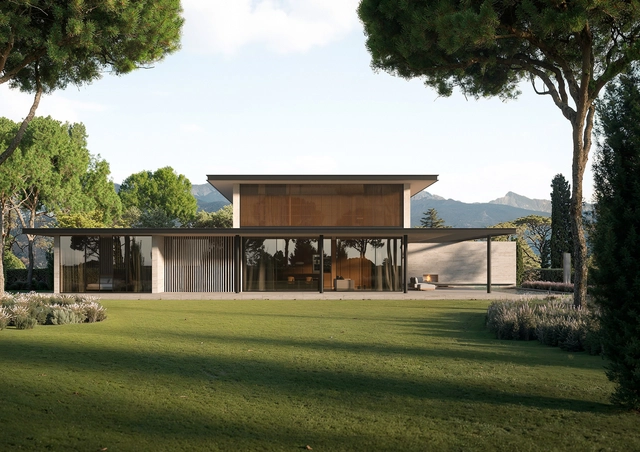
Although Palladio's influence was so profound that his style defined much of European and American architecture in subsequent centuries, the concept of the Italian villa has endured and evolved. Its ability to combine functionality, aesthetics, and respect for the environment has allowed its fundamental principles to remain in force, now merging with new currents of contemporary design. A clear example is Villa Apua, a project by PAN Architetti inspired by the Versilian concept of buen ritiro. The house's meticulous design addresses the needs of its inhabitants while fostering an intimate, thoughtful connection with the landscape and the memory of Forte dei Marmi, a town nestled between the Mediterranean coast and the Apuan Alps. This harmony is further enhanced by the great flexibility of the antoniolupi collections, whose rich finishes and materials seamlessly integrate the living space with its furnishings and the surrounding environment.
https://www.archdaily.com/1021313/where-italian-style-meets-wellness-and-serenity-the-case-of-villa-apuaEnrique Tovar
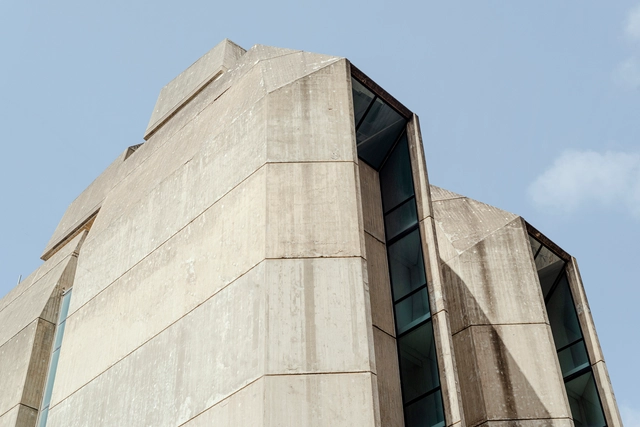
In Beirut, a city marked by transformation, the Interdesign Building echoes the vision of an architect steadfast in his conviction. Designed by Lebanese architect Khalil Khouri in 1973 during a period of economic growth, the building took 23 years to build, a process halted by the onset of the Lebanese Civil War. By the time it was completed in 1996, the urban landscape that surrounded it had changed. The structure has stood largely unused since, as a relic of hopeful modernity. While its design is singular in its narrative and expression, this structure illustrates the tension between aspiration and struggle throughout its complex history.
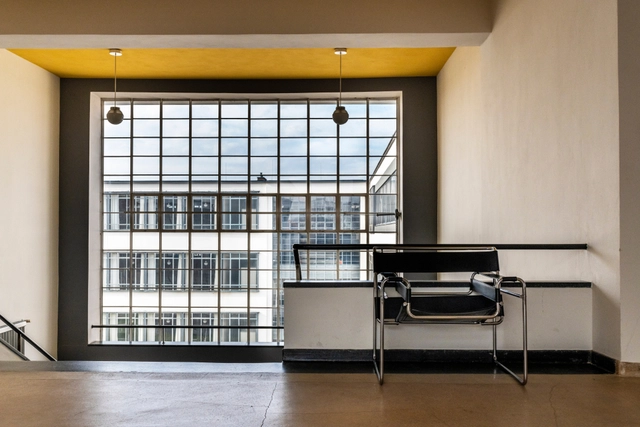
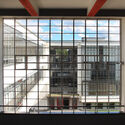
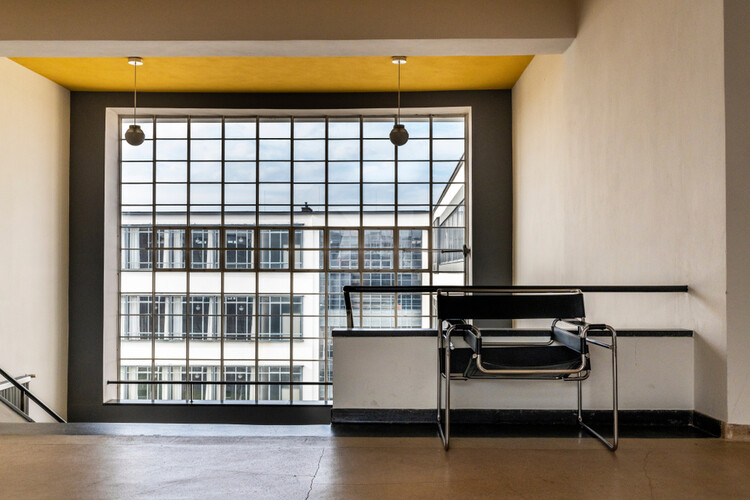
Bauhaus's designs have influenced our contemporary society in obvious and subtle ways. Iconic examples include Marcel Breuer’s Wassily Chair, the B55 Chair, the Bauhaus typeface, and the graphic design principles emphasizing clean lines, primary colors, and geometric shapes. However, the architectural construction details of the Bauhaus movement are much less discussed. While most can readily identify modern or Bauhaus buildings by their geometric forms, functionality, and industrial materials, their architectural details are often overlooked. They not only echo the design language of Breuer’s renowned furniture pieces but also have influenced the much-celebrated architectural glass details of Mies van der Rohe. How were Bauhaus's details executed, and how might they be translated into contemporary details today?
Furniture made from natural materials is widely valued for its beauty and texture, especially when it comes to wood, bamboo, reed, and rattan. However, they often face challenges such as weather damage, pest infestations, and high maintenance requirements like regular cleaning and treatments to prevent fading and structural weakening. Additionally, their lack of uniformity and strength can compromise consistent quality, while harvesting the raw materials can have negative environmental impacts. These issues, combined with inconsistent availability and higher costs, have driven innovations in synthetic materials that aim to replicate the aesthetics of natural products, often using recycled materials to promote sustainability.
The act of play creates a welcome escape from the demands of daily life, encouraging joy, creativity and collaboration, with tangible benefits from stress relief to improved cognitive function. So when it comes to the interiors of spaces for play—for leisure and socializing for example—how can design enhance these effects? Specifying adaptable modular furniture that can blend the boundaries between indoor and out is one method to improving the freedom and spontaneity of space, bringing agency to moments of joy, possibilities for fresh configurations and equipping interiors for shifting future dynamics.
For Italian designer Matteo Nunziati’s latest collection of outdoor furniture for Unopiù, the Davos collection, he was inspired by the geometric simplicity of children’s games as functional devices for enlightenment and to reconnect spaces to movement and expression. The generous yet lightweight modular seating system, which includes sofas, chaise longues, armchairs and coffee tables, is easy to assemble and offers infinitely adaptable scenarios to encourage play in daily life. To unlock these qualities, Nunziati was drawn in particular to the logical beauty of the abacus, with its magnetic balls connected on linear elements.