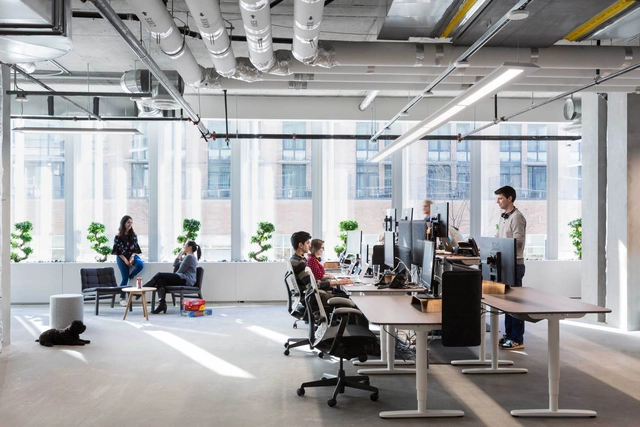
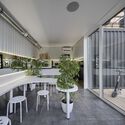
Vibrant colors, ping-pong tables, video games, free food and extravagant decorations. Photographs of the Silicon Valley offices of the early 2000s became the model for ideal, disruptive work environments, meticulously designed to attract and retain new talent in a highly competitive job market. Most importantly, they were the extreme opposite of the famous cubicles of previous decades. Over time, these same companies have invested in creating healthier and more dynamic working environments, giving special consideration to providing contact with nature and better ergonomics for employees. Among the innovations of the past years, the so-called “standing desks” have been gaining popularity, as they offer flexibility and promote a culture of health and well-being. Having the flexibility to work either standing up or sitting down encourages more movement throughout the day and has been proven to improve health and stretching, burn more calories and even increase concentration.
According to Norman Foster, "as an architect you design for the present, with an awareness of the past." In this sense, present-day architecture, interiors, and furniture have undergone a radical evolution in recent years, driven by a paradigm shift in the conception of space and our interaction with it. This contemporary approach has steered us towards less constrained, more collaborative, and multi-purpose spaces, which can also provide privacy and functionality. In addition, they must serve as temporary workspaces in specific contexts, adapting to the dynamism of contemporary needs and activities.
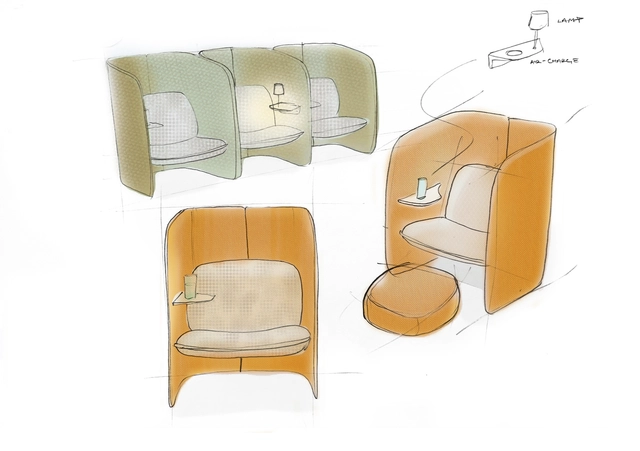
From this new approach, architects and designers are reshaping interior environments to accommodate new behaviors, facilitating the discovery of renewed ergonomics in human activities. Today, architectural thinking is merging to create spaces that enable conducting our lives in motion, a trend particularly evident in dynamic environments such as airports, encompassing intimate and social moments with people on the move. Consequently, a new kind of furniture has re-emerged, becoming commonplace in airport settings and other shared spaces: the booth.
https://www.archdaily.com/1016389/a-new-level-of-functional-privacy-in-airports-the-rise-of-lounges-and-work-cabinsEnrique Tovar
Humans are social beings.The interaction between individuals is an essential part of the human experience and helps improve society as a whole. While architecture plays an important role in promoting spaces for people to meet, exchange and socialize, furniture can be a strategic tool for achieving this goal.
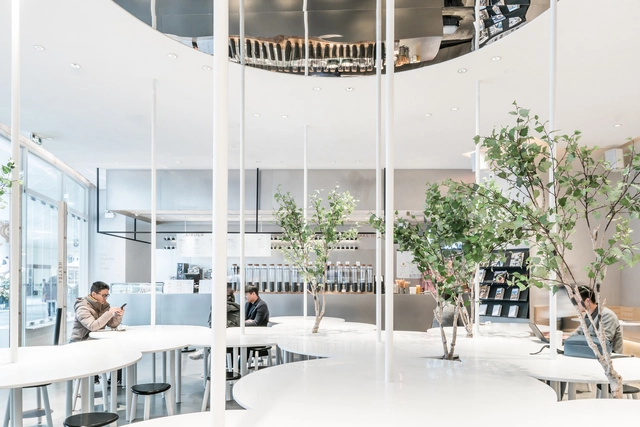
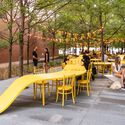
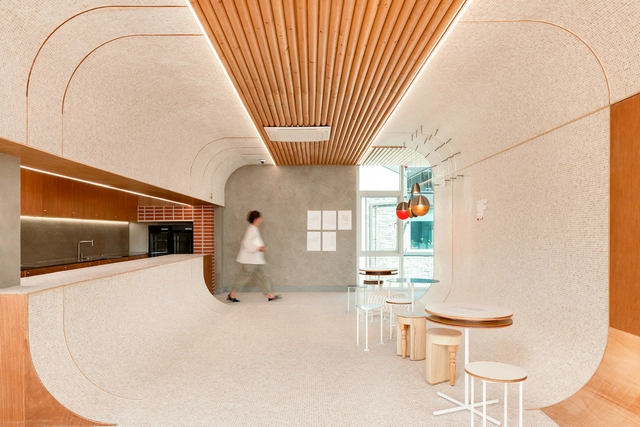
Browsing through our project library, one can find a number of examples of cafes and public spaces where communal tables become a central element in providing a place to meet. In many of these projects, the sinuous design of the tables, with protrusions and recesses, provides not only the possibility of various configurations of chairs for different group sizes but also different uses for the tables themselves, at times as planters, at others as slides or extensions of a workbench.
This year's Milan Design Week brought together designers, architects, producers, and key figures from the design world. The events were divided between the Salone del Mobile at Rho Fiera, a trade fair with over 1950 exhibitors, and Fourisalone, featuring various events across Milan. With numerous installations throughout the city and a wide range of events, conferences, and debates, Milan Design Week stands as one of the most significant design-focused events worldwide. For architects, this represents an opportunity to not only exchange ideas but also to actively contribute through collaborations and explorations across disciplines.
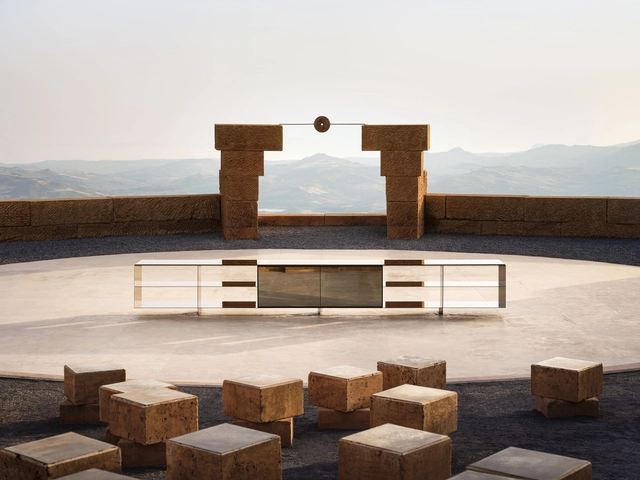
This year, many internationally recognized architects have entered collaborations with furniture and light design companies, exploring the intersection of design and architecture. Despite the change in scale, many of these products reflect the recognizable architectural language of their designers, offering an insight into the principles that guide their practice. In addition to aesthetic explorations, many of the products selected are tackling important themes of interest, from the need to develop more sustainable materials with a reduced carbon footprint, to the potential impact of new technologies such as artificial intelligence.
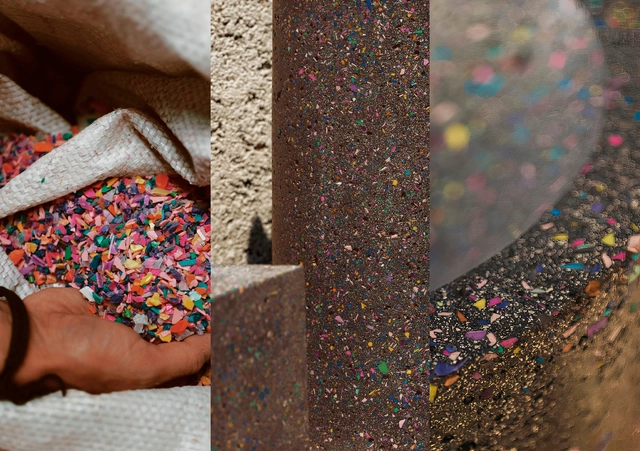
For decades, our society and the development of our built environment have been strongly associated with intensive extractive processes. While these methods were fundamental to the growth of urban areas, they also laid the groundwork for significant challenges that contemporary generations face today. Nowadays, construction debris accumulates on the peripheries of our cities, and plastic waste floats in the oceans.
In this context, and similarly to the idea expressed by Alvar Aalto, who stated that "modern architecture does not imply the use of new materials, but rather employing existing materials more humanely," it is crucial to reconsider how we manage our resources and waste. This shift in direction provides us with new opportunities to address the challenges that the ongoing climate crisis has brought. In response, various actions are now being taken, using materials such as food waste, recycled wood, and plastic debris, among others, exploring innovations in a context where raw materials are becoming increasingly scarce.
https://www.archdaily.com/1013787/casting-furniture-with-upcycled-plastics-and-urban-debris-los-colados-projectEnrique Tovar
Often associated with an industrial aesthetic, metal has become more prevalent in residential and commercial architecture. Its reflective quality has broadened the scope of texture and color combinations, giving rise to a fresh aesthetic for interior design. Consequently, architects and designers increasingly incorporate metallic surfaces to define floors, benches, and other furniture elements, thereby defining spatial layouts and infusing them with a contemporary vibe. To inspire this trend, we explore various methods for incorporating aluminum or similar materials into your space.
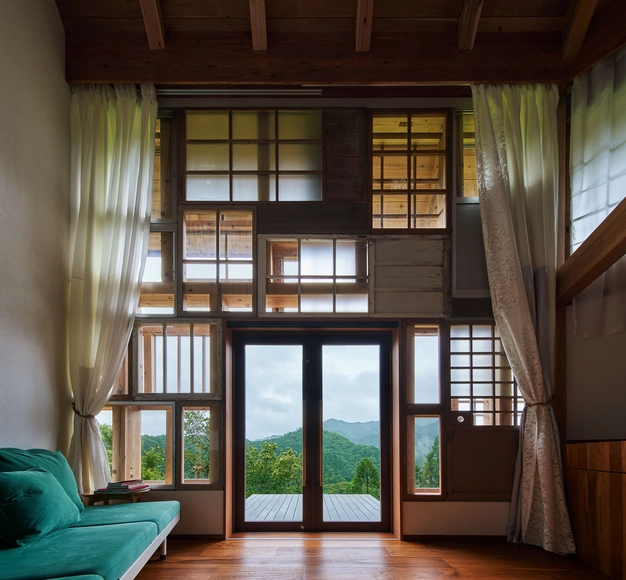
A vital aspect of a circular economy lies in shifting our view of waste. Labeling an item "waste" implies voiding its value and ending its useful role in a traditionally linear economy. While the item might be out of sight and out of mind, its life continues in the landfill. This shift in perspective regarding waste means opening our minds to the opportunity that the abundance of junk presents. These designers and architects have managed to not only effectively reclaim discarded objects but also to make them look precious, imbuing them with new meaning and value through their careful curation.
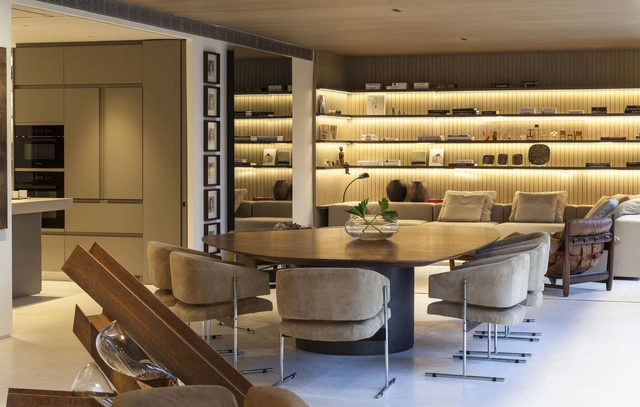
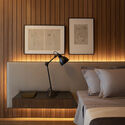
Well-planned lighting makes all the difference in an interior design project, impacting various aspects. It goes beyond mere aesthetics to play a crucial role in creating atmospheres capable of influencing and altering people's emotions and perceptions within spaces. While direct lighting can provide overall and uniform brightness, ensuring proper illumination for daily activities, indirect lighting offers a more subtle and effective approach, which creates cozy, gentle, and pleasant environments.
As we head towards the end of 2023, an eventful year that could be defined as the year of "shifts", we take a look at how global events and trends impacted the design of interior spaces. Looking back, people questioned everything, and the architectural practice was no exception. A new voice was given to nations often forgotten as architects searched for alternative ways of designing and building. We questioned colonialism, consumer culture, waste, tradition, and authenticity, bringing about new perspectives within the discipline. Interior design in 2023, however, was reserved; explorative, but a lot more modest and subtle compared to previous years. Following years of constant changes, it seems as though people felt the need to pause, slow down, and embrace simplicity, while expressing their individuality through acupuncture interventions.
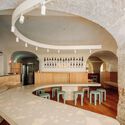
A familiar attraction in more populous cities, bistros are said to have been born in Paris, where enterprising residents would set up makeshift stalls in front of their homes, selling their leftover produce to earn a little extra income. What started out as a neat little side hustle turned into the homely or perhaps even cozy restaurants and café spaces we know as bistros today. With minimal space inside their small-scale premises, these small-scale eateries often continue their ancestors’ traditions and pitch up tables and chairs outside.
Fighting for their lives in the hazy pandemic months, small hospitality spaces took advantage when major cities relaxed their rules surrounding outdoor dining. Anywhere and everywhere from piazza-facing pizzerias in Porto to cobbled back-alley sandwich bars in Edinburgh cordoned off what little space they had with as many tables and chairs as they could. Enabling safe fresh-air dining, the furniture also served to entice customers in – once allowed.
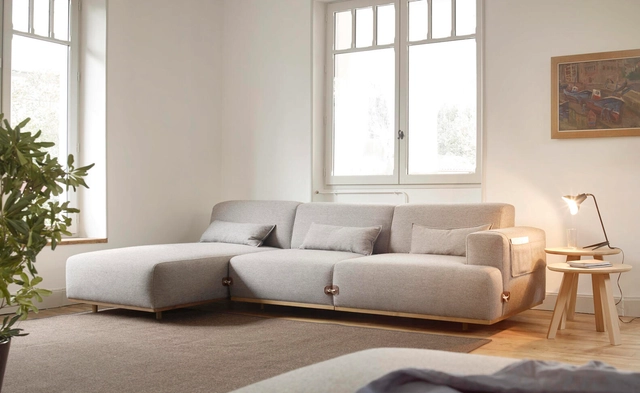
The Duffle is a modular system that can create an armchair, or a much larger composition of units joined together, offering a broad spectrum of possibilities depending on the space it occupies. Image Courtesy of BOSC
There’s something old-fashioned, or indeed anti-fashion about a duffle coat. It’s charmingly naïf, the stuff of school uniforms and Paddington Bear, with a history that goes way back to the mid-19th century. It had a life in the military, as part of the uniform for the Royal Navy, and like much service attire, was then reimagined by the world of high fashion. Jean Cocteau used to stroll with close friend Coco Chanel, wearing his white version. Decades later, Rei Kawakubo made an oversized statement with versions at Comme des Garçons, and it remains a favorite of arch Modernist Margaret Howell. When Jean Louis Iratzoki was working on plans for a new sofa to join his ever-growing range of designs at BOSC, he took inspiration from the toggles and nostalgia of all things duffle. It was a subtle way to infuse what is a contemporary and highly sophisticated piece of furniture with a touch of something softer, from the past.
https://www.archdaily.com/1007402/nostalgic-comfort-the-charm-of-the-duffle-coat-on-a-sofaMark C. O'Flaherty
The role and relationship of furniture in architecture and space design are of great relevance. Designers such as Eileen Gray, Alvar Aalto, Mies Van der Rohe, and Verner Panton conceived furniture —primarily stools and chairs— that endure over time as powerful and timeless elements, with a determining impact on the interior atmosphere. Thus, the relationship between furniture and space becomes a constant dialogue in which design, aesthetics, and materials contribute their dimension.
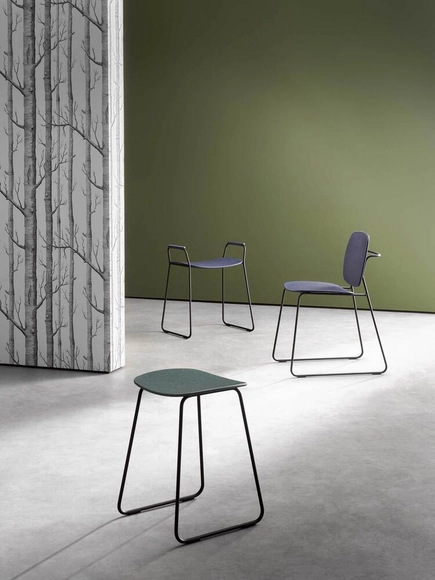
Today, furniture should not be limited solely to fulfilling an aesthetic and functional role, but should also have a purpose in the context of contemporary design and sustainable development. It is essential to reflect on and question the processes and choice of materials in the manufacturing of these elements, in addition to the value they bring to interior spaces. In this context, HEWI has taken a step forward by creating the Re-seat family, consisting of stools and chairs made from post-industrial recycled materials (PIR), sourced in part from the processes of the company itself and a regional supplier, both based in Bad Arolsen, Germany. It also features integrated solutions with universal design in mind, making a statement in favor of innovation and eco-design.
https://www.archdaily.com/1007326/re-purposing-materials-from-post-industrial-recyclate-to-accessible-furnitureEnrique Tovar
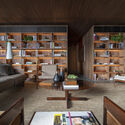
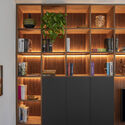
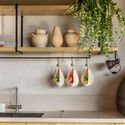
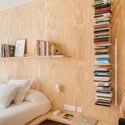
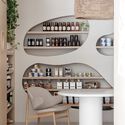
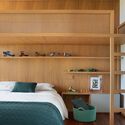
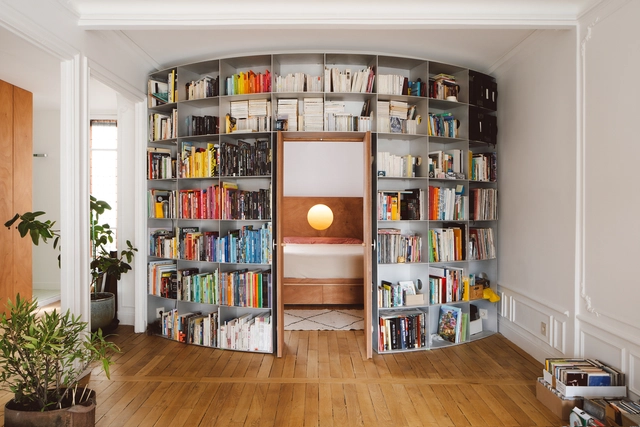
Shelves are incredibly versatile furniture items that are vital in organizing, decorating, and maximizing efficiency in various spaces, including homes, businesses, and industries. Crafted from a wide range of materials and available in numerous designs, shelves enhance compact environments by adding flexibility and easy access. With this in mind, we've compiled suggestions to elevate these ubiquitous solutions — temporary additions or integrated architectural features — into prominent elements within interior design.
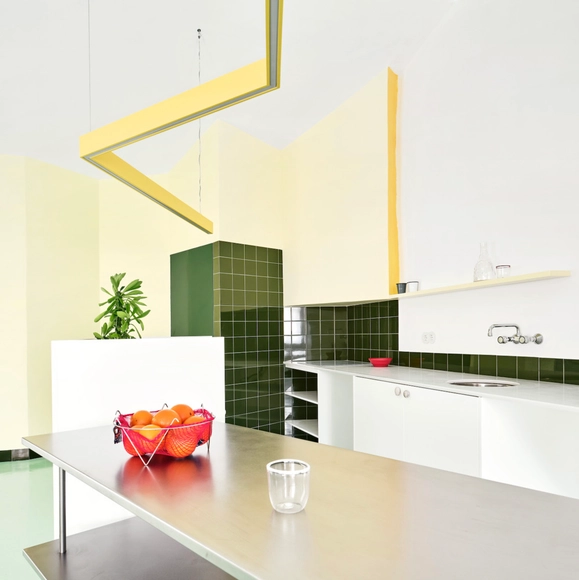
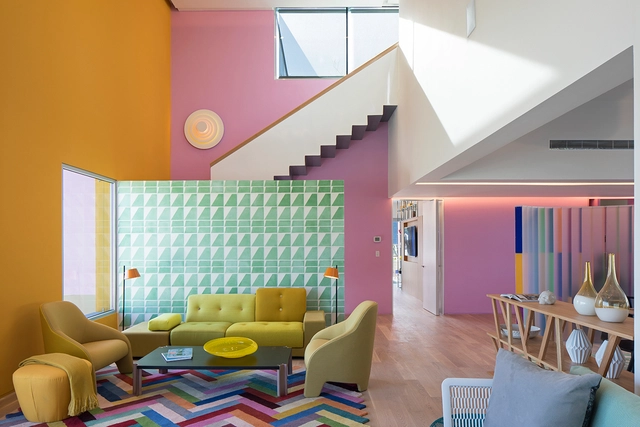
Color plays a significant role in the world. Partly because of the significance attached to each hue, the use of color in architecture – especially in interiors – changes the ambiance of each project. In commercial establishments, color has a considerable influence on highlighting a given brand, and in homes, it can reflect the resident’s personality and complement the language adopted in the project. This exploration can take place directly in the tectonic object (architecture) through the surfaces that constitute the building, or it can take advantage of mobile elements, easily changeable.
Circles, as a fundamental geometric shape, possess a captivating and harmonious quality that has been seamlessly integrated into architecture and design across various eras and styles. From subtle accents to bold focal points, the use of circles in interior design transcends mere ornamentation, often symbolizing continuity, connection, and a soothing visual rhythm. With their endless and unbroken curves, they offer a sense of unity, movement, and balance that can transform spaces into inviting and aesthetically pleasing environments – an effect especially useful for interior design. In this article, we take a look at 27 projects from our ArchDaily database that illustrate circular forms in interiors across the globe.
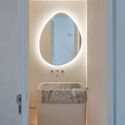
After years of dominance, orthogonal lines and right angles are giving way to organic designs and rounded shapes within interior design projects. This profound shift in formal language has led to the infiltration of gentle curves and amorphous volumes into design pieces, furniture, and decorative elements, a transformation that's becoming increasingly evident. Some argue that this change may be indirectly linked to the growing interest in sustainability and the pursuit of strategies that reconnect people with nature, as seen in the consistent presence of biophilia across projects of various scales. The period of social isolation during the COVID-19 pandemic further heightened this inclination, prompting individuals to devise ways to incorporate nature into their living spaces, thereby enhancing well-being in day-to-day life.
Sun protection is a universal need for human beings. While sunlight benefits our health and mood, it is also essential to protect ourselves from its harmful effects on our well-being and comfort. Throughout history, architecture has provided solutions to this need by offering shelter and comfort in shaded areas. Since ancient Egypt, sunshades made of palm leaves attached to a pole have been used to protect against the sun in open spaces.
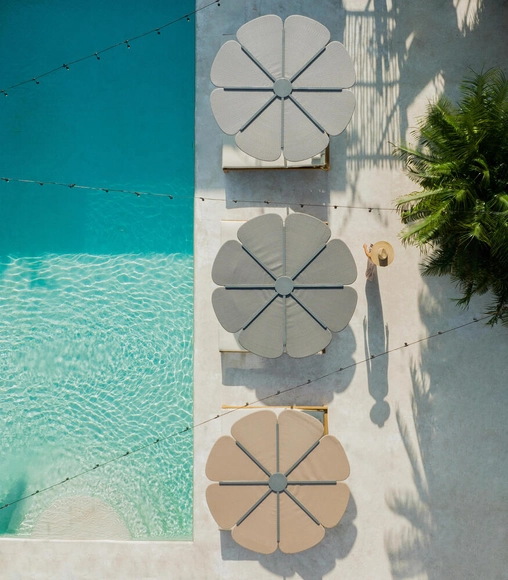
Thanks to contemporary materials, we can now develop more durable outdoor structures and furniture than the palm leaves used by the Egyptians 4000 years ago. This has resulted in lightweight and aesthetically pleasing structures that resulted from the designs and materials that emerged in the 20th century. Although these designs are not made from natural elements, they incorporate pieces that replicate their characteristics, providing shade with unique shapes and a distinctive design. In this context, cbdesign has created the Daisy umbrella. This flower-shaped parasol reproduces the colors found in natural surroundings, such as the sea, yellow frangipani, the blue sky, and purple bougainvillea.
https://www.archdaily.com/1002858/aesthetic-accents-flower-shaped-umbrellas-that-fuse-beauty-and-utilityEnrique Tovar
Curved design has a timeless appeal that has captivated designers throughout history, transcending mere functionality and aesthetics in interior furnishings. Incorporating curves adds captivating visual appeal, infusing spaces with intrigue and a sense of harmonious flow. Furthermore, curved furniture has the ability to transform the spatial dynamics of an environment, introducing fluidity and softness into a world often dominated by rigid, linear forms. While curves are sometimes associated with an old-fashioned look, contemporary curvilinear furniture presents a fresh and modern approach, combining elements of softness, comfort, and simplicity.