

-
Architects: bucci quentin
- Area: 150 m²
- Year: 2025

Public spaces remain some of the most dynamic sites for unbuilt architectural experimentation, revealing how cities and architects can imagine accessibility, gathering, and civic identity. In this curated Unbuilt edition, submitted by the ArchDaily community, the selected proposals examine parks, pedestrian corridors, cultural landscapes, and open-access urban environments that invite people to meet, move, rest, and participate in collective life. Rather than treating public space as leftover terrain, these projects position it as essential infrastructure—shaping urban health, memory, and social interaction.
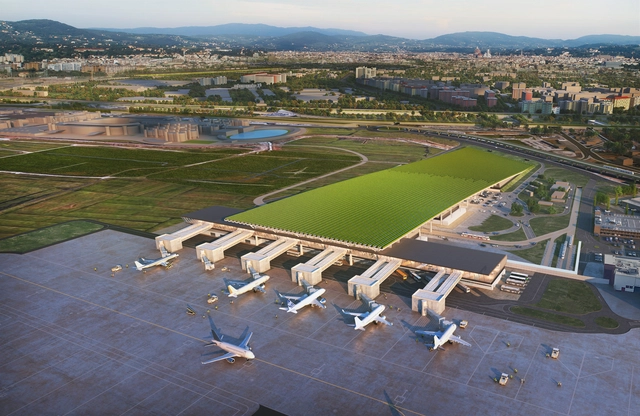
Rafael Viñoly Architects has released new renderings of their design for the new international terminal at Aeroporto Amerigo Vespucci in Florence, Italy. According to the architects, upon completion, the new terminal is expected to welcome over 5.9 million passengers a year, becoming one of the largest airports in the Tuscany region of Italy. In a nod to the Tuscan traditions of winemaking, the terminal’s rooftop features a 19-acre productive vineyard. The project is divided into two construction phases, with the first one scheduled to be completed in 2026, and the second in 2035.
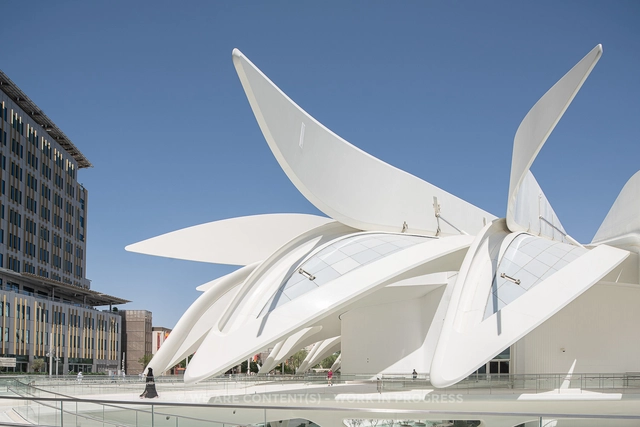
The XIV Florence Biennale of Art and Design announced that Santiago Calatrava will receive the Lifetime Achievement Award, a "tribute to one of the most influential architects of our times and a recognition of your audacious experimentation, extraordinary talent, and ingenious ability to combine architecture and art in projects imagined and designed in harmony with nature and oriented towards the ideals of beauty.”
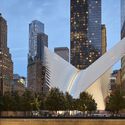
The award ceremony is scheduled for 19 October in the theater area of the Spandolini Pavilion of the Fortezza da Basso, where the architect, engineer, and artist will give a speech. From designing and constructing the Ponte della Constitution in Venice, the World Trade Center Transportation Hub in New York, the UAE Pavilion at the 2020 Expo, and the Zubizuri Bridge across the Nervion River in Bilbao, Spain, amongst many other infamous works, Calatrava is one of the most influential architects of the past 50 years, establishing himself as a pioneer in the industry, from architecture, and engineering, to drawing, and sculpting.
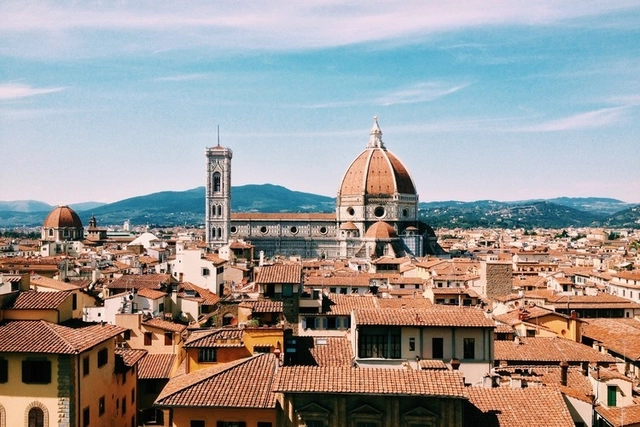
After a prolonged period known as the Middle-Ages, a growing desire to both study and mimic nature itself began to emerge, with an inclination to discover and explore the world. Between 1400-1600 A.D. Europe was to witness a significant revival of the fine arts, painting, sculpture, and Architecture. The ‘Renaissance’, meaning ‘rebirth’ in French typically refers to this period of European history, although most closely associated with Italy, countries including England and France went through many of the same cultural changes at varying timescales.
Prior to the dawn of the Renaissance, Europe was dominated by ornate and asymmetrical Gothic Architecture. Devoured by the plague, the continent lost approximately a third of its population, vastly changing society in terms of economic, social and religious effect. Contributing to Europe’s emergence into the Renaissance, the period ushered in a new era of architecture after a phase of Gothic art, with the rise of notions of ‘Humanism’. The idea of attaching much importance to the essence of individualism. The effect of Humanism included the emergence of the individual figure, greater realism and attention to detail, especially in depictions in art.
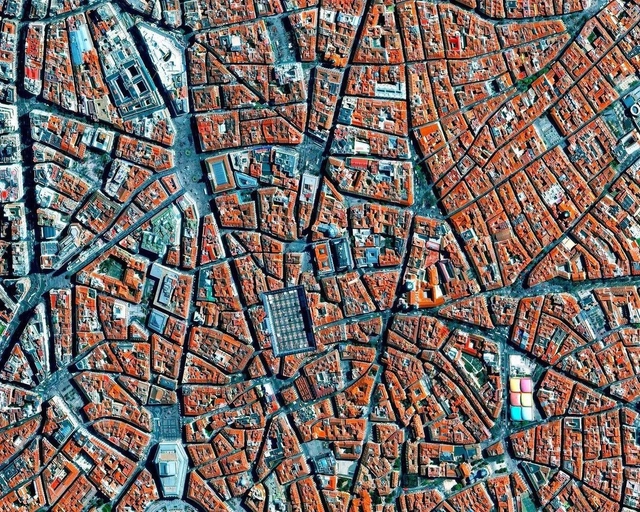
In his book Breve Historia del Urbanismo (Brief History of Urbanism), Fernando Chueca Goitia states that the medieval city appeared at the beginning of the 11th century and flourished only between the 12th and 13th centuries. According to the author, this growth was closely linked to the development of commerce that allowed permanent occupations, resulting in a city no longer composed mainly of travelers. In other words, the bourgeoisie was formed thanks to the most diverse activities - craftsmen, tradesmen, blacksmiths, longshoremen - which stimulated the development of the medieval city.

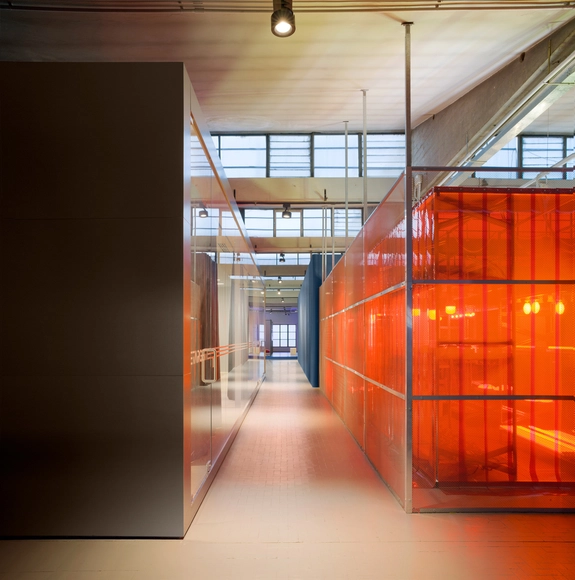
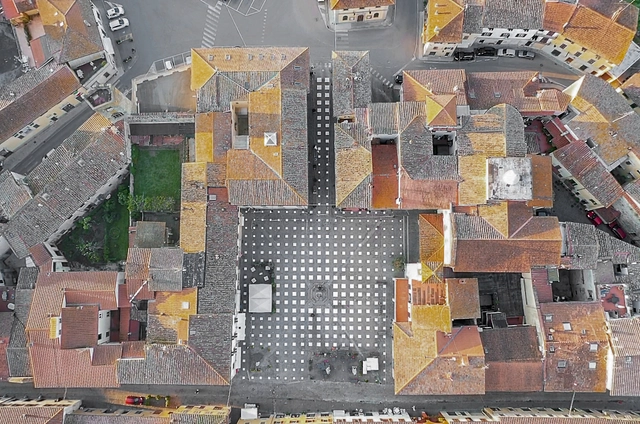
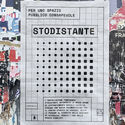
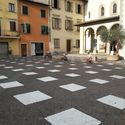
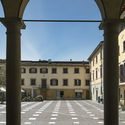
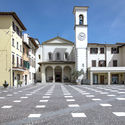
As architects around the world reimagine public spaces in the midst of the coronavirus, Italian architecture firm Caret Studio has envisioned the “StoDistante” installation. Searching to reconcile people with the outdoors, and allowing theses spaces to reopen safely while respecting the social distancing measures, Caret Studio created a temporary installation that reflects our current situation.
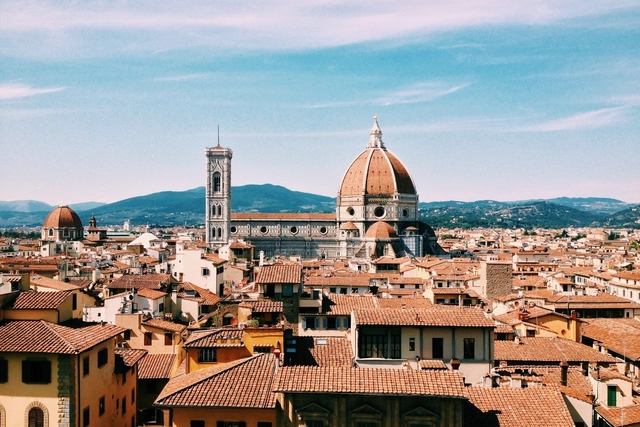
More than 500 years after it was built, Filippo Brunelleschi's dome of Santa Maria del Fiore in Florence, Italy, remains the largest masonry dome ever built. But the dome's construction methods are still a secret, as no plans or sketches have been discovered. The only clue Brunelleschi left behind was a wooden and brick model. While the dome has been plagued by cracks for centuries, new breakthroughs in muon imaging may help preservationists uncover how to save the iconic structure and reveal new ideas on its construction.

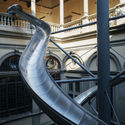
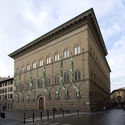
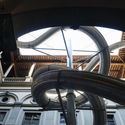
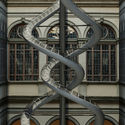
Throughout the spring and summer of 2018, the Palazzo Strozzi in Florence, Italy will host a new site-specific project seeking to further our understanding of ecology, and the relationship between humans and the natural world. “The Florence Experiment” will connect internal and external spaces of the famed Renaissance palace through two separate experiences: an intertwined set of 65-foot-high (20-meter-high) slides, and a “live analysis” of the impact of human emotion on plant growth.
The Florence Experiment has been devised by German artist Carsten Höller and plant neurobiologist Stefano Mancuso, with the vision of turning the Palazzo Strozzi’s façade and courtyard into engaging areas of scientific and artistic experiment. Inspired by the Renaissance alliance between art and science, the project aims to create a new awareness of the way we see, understand, and interact with plant life.
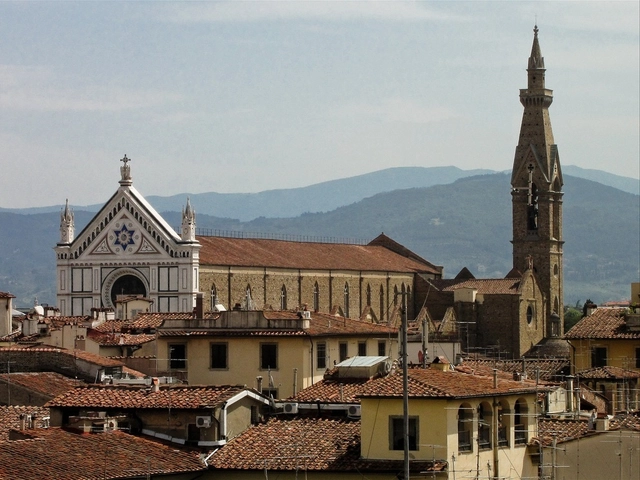
A Spanish tourist has been killed by a piece of falling masonry in the Basilica of Santa Croce in Florence, Italy. As reported by The Guardian, the 52-year old victim was hit by "a piece of decorative stone that fell from a height of 20 metres (66 ft) as he visited the religious building with his wife." Reports suggest that the fragment was around 15cm by 15cm (6 by 6 inches) in size; according to Yahoo, the fragment "had supported a beam in the right transept of the Basilica."
Following the incident, the attraction has been closed to visitors indefinitely.
Each year, thousands of tourists flock to the Italian region of Tuscany to view works of architectural mastery. Renowned architectural figures such as Michelangelo and Brunelleschi transformed Tuscan cities to be stages of cultural rebirth during the 14th-17th century. These times, however, have passed. Today, Tuscany is faced with problems such as the decline of suburbs, abandoned buildings, and property speculation. The modern Italian architecture scene is in decline, and the country is experiencing an oversupply of architects, requiring many to emigrate in search of work.
Can the spirits of these Renaissance architectural masterminds be emulated today in modern Tuscany? This is exactly the topic that cultural association 120g explores in their new documentary, Tuscanyness. The film depicts how this nature of cultural rebirth is alive today through the architects born and educated in the Tuscan region. Here, emerging architects have the unique opportunity to listen to the teachings of the past to inform the architecture of the future.
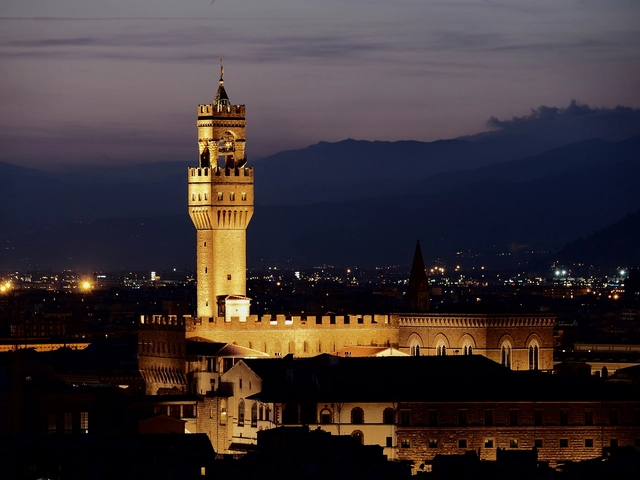
The Italian city of Florence is, according to an article for The Observer, seeking "a better class of tourist." Palazzos are being sold off and converted into hotels and spas, and the ubiquitous 'luxury apartment' development brands are creeping ever closer to some of the city's most treasured architectural monuments. In response, a recent report from UNESCO is urging the municipal government to consider the long-term effects of proposed infrastructural plans on the city, which was inscribed in 1982. "For many vocal and disgruntled Florentines," Stephanie Kirchgaessner writes, "the Palazzo Vecchio is looking less like a stately symbol of civic pride and more like an estate agency."

The new Florentine museum of the Opera del Duomo, affiliated to the city's cathedral of Santa Maria del Fiore, is set to reopen its doors to the public next week following years of restoration and reconstruction. 6000 square metres of exhibition space, designed by Adolfo Natalini and Guicciardini & Magni architetti, will house the largest collection of Florentine medieval and Renaissance sculpture in the world, including pieces by Donatello, Michelangelo (the Florentine Pietà), Andrea Pisano, Lorenzo Ghiberti (Gates of Paradise), and Luca della Robbia. It will also exhibit fifteen 14th century statues and almost seventy fragments from the cathedral's original medieval façade.
Read Monsignor Timothy Verdon's, Director of the Opera, narrative of the new spaces after the break.
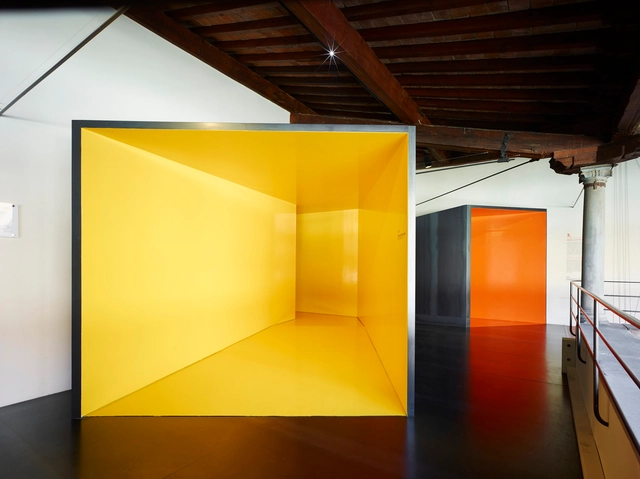
The Pazzi Chapel is a landmark of architecture in the city that was once the cradle of the Italian Renaissance: Florence. Located in the Santa Croce church complex (the largest Franciscan church in the world), the chapel was designed by Filippo Brunelleschi - the goldsmith-turned-architect who dedicated his life to engineering the dome of Florence's Santa Maria del Fiore. It is "a prime example of 15th-century architectural decoration in grey pietra serena sandstone, colourful maiolica, and terracotta."
550 years have taken their toll on this structure and its decoration. Concern for the state of the loggia of the chapel is now so great that the non-profit institution in charge of the church’s administration - the Opera di Santa Croce - have raised 50% of the funds needed to carry out a restoration, set to begin in early 2015. They are now looking to crowdfunding to source the remaining half ($95,000) and, in so doing, are inviting people from around the world to become part of the 720-year-long history of Santa Croce.
More than 500 years after it was built, Filippo Brunelleschi's dome of Santa Maria del Fiore in Florence, Italy, remains the largest masonry dome ever built. Leaving no plans or sketches behind, some of the secrets of its construction that Brunelleschi pioneered are still an enigma today. This short animation, presented by National Geographic and created by Fernando Baptista and Matthew Twombly, gives an idea of how the dome of the Duomo might have been built. Demonstrating the complexity of the task, made harder due to poor construction prior to Brunelleschi's commission, this film serves as a reminder of just how long it can take to create something timeless.
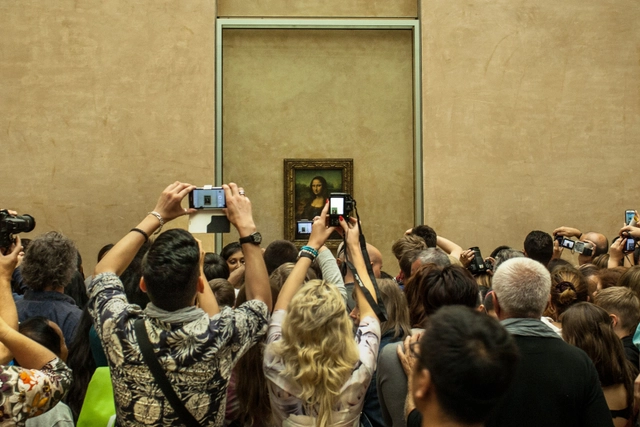
In an article for the New York Times Rachel Donadio examines Masterworks vs. the Masses. From the Louvre in Paris to London's British Museum, Florence's Uffizi to the Vatican Museums, the increasing surge of visitors to these international cultural nodes "has turned many museums into crowded, sauna-like spaces." Balancing everyone's right to be "nourished" by cultural experiences with protecting and preserving the works of art in question is a very real problem. According to Donadio, "even when the art is secure, the experience can become irksome." With some museums seeing annual visitors of up to 6.7 million visitors (British Museum), addressing the issues faced by institutions that are a victim of their own success is becoming more and more pressing. Read the article in full here.














.jpg?1436235121 "© Pietro Savorelli")
