1. ArchDaily
  2. Estudio Teddy Cruz + Fonna Forman

Estudio Teddy Cruz + Fonna Forman: The Latest Architecture and News

Cities Need Care, Not Perfection: Rethinking How We Build the Urban Future

Subscriber Access | 

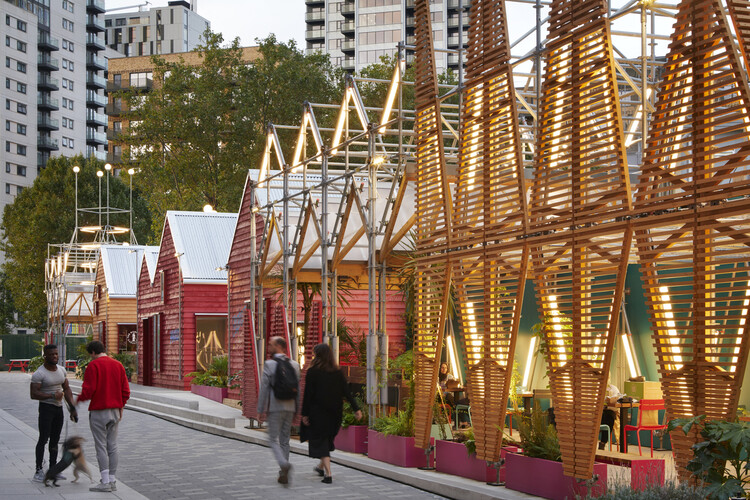
What does optimism feel like in cities that can no longer rely on perfection as their ultimate ambition? Across the world, urban environments bear the weight of overlapping pressures: climate volatility, spatial inequality, political fragmentation, public distrust, and chronic infrastructural disinvestment. These realities render the idea of an ideal city increasingly detached from lived experience. Yet the hope for building better systems persists. While utopian visions may seem like an escape from the growing complexities of the modern world, the greater challenge for contemporary city-making is to confront those complexities rather than avoid them.

Cities Need Care, Not Perfection: Rethinking How We Build the Urban Future - Image 1 of 4Cities Need Care, Not Perfection: Rethinking How We Build the Urban Future - Image 2 of 4Cities Need Care, Not Perfection: Rethinking How We Build the Urban Future - Image 3 of 4Cities Need Care, Not Perfection: Rethinking How We Build the Urban Future - Image 4 of 4Cities Need Care, Not Perfection: Rethinking How We Build the Urban Future - More Images+ 16

Material Migration: How Architecture Transforms Between Borders

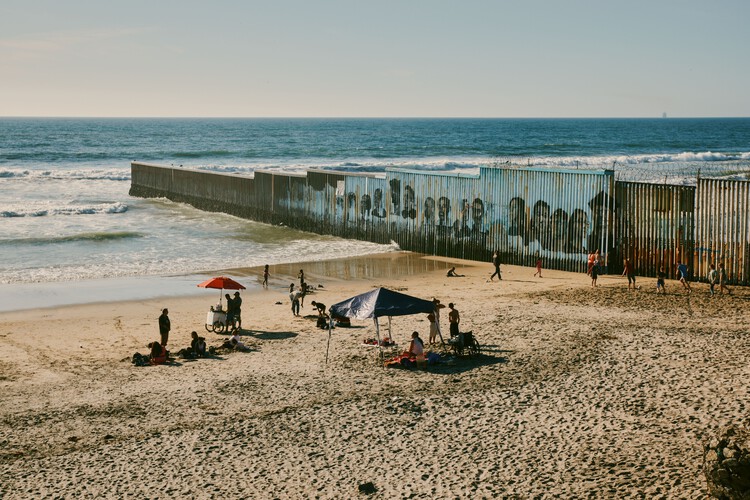
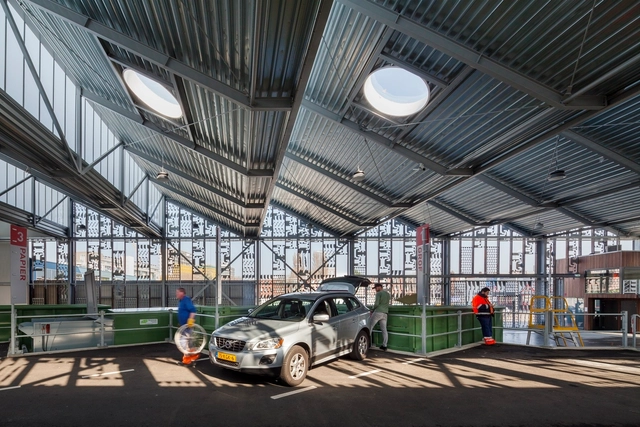
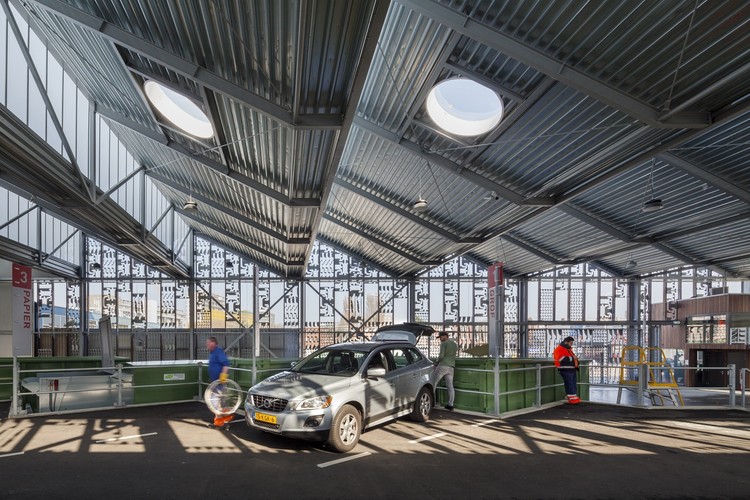
How materials move shapes both architecture and how we design. While architects often consider both material sourcing and manufacturing, the physical products and assemblies themselves also move and adapt as they cross geographic and national lines. How materials migrate, and in turn design ideas themselves, tells a story of architecture that transcends construction and climate, as well as borders both real and imagined. 

Material Migration: How Architecture Transforms Between Borders - Image 1 of 4Material Migration: How Architecture Transforms Between Borders - Image 2 of 4Material Migration: How Architecture Transforms Between Borders - Image 3 of 4Material Migration: How Architecture Transforms Between Borders - Image 4 of 4Material Migration: How Architecture Transforms Between Borders - More Images+ 4

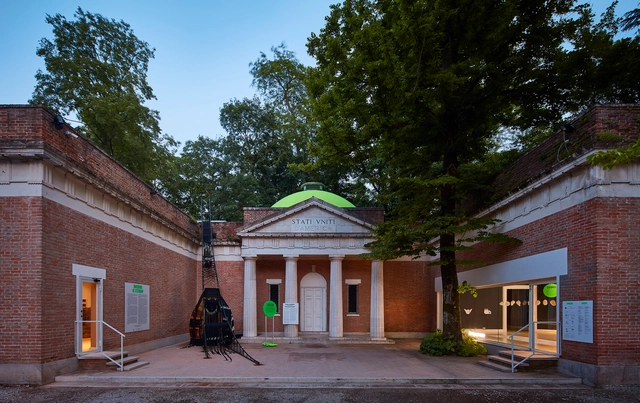
Dimensions of Citizenship: The US Pavilion at the 2018 Venice Biennale

As part of our 2018 Venice Architecture Biennale coverage, we present the completed United States Pavilion. To read the initial proposal, refer to our previously published posts, “Curators and Theme Announced for US Pavilion at 2018 Venice Biennale” and "Studio Gang, Diller Scofidio + Renfro Among Exhibitors Selected for US Pavilion at 2018 Venice Biennale"

The pavilion representing the United States at this year’s biennale brings together the work of seven different transdisciplinary teams who each prepared an installation addressing the concept of citizenship at a different scale. Entitled Dimensions of Citizenship, the exhibition is intended to challenge the definition and conception of citizenship, examining issues and citing examples on the scale of the citizen, civitas, region, nation, globe, network and cosmos. The pavilion was commissioned on behalf of the US Department of State’s Bureau of Educational and Cultural Affairs by the School of the Art Institute of Chicago and the University of Chicago.

Dimensions of Citizenship: The US Pavilion at the 2018 Venice Biennale - Image 1 of 4Dimensions of Citizenship: The US Pavilion at the 2018 Venice Biennale - Image 2 of 4Dimensions of Citizenship: The US Pavilion at the 2018 Venice Biennale - Image 3 of 4Dimensions of Citizenship: The US Pavilion at the 2018 Venice Biennale - Image 4 of 4Dimensions of Citizenship: The US Pavilion at the 2018 Venice Biennale - More Images+ 23