1. ArchDaily
  2. Energy Plant

Energy Plant: The Latest Architecture and News

Making Infrastructure Visible: When Systems Become Architecture

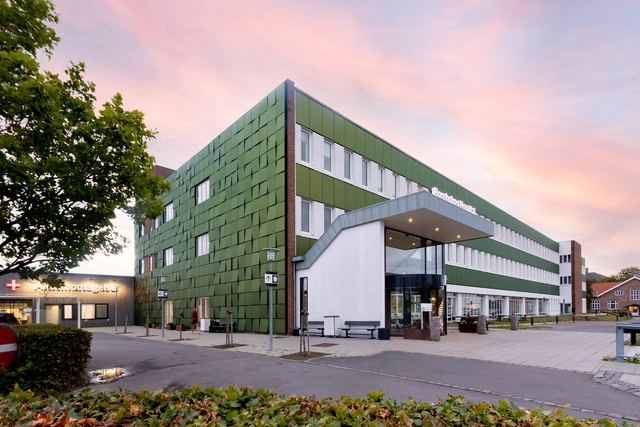
For centuries, large-scale infrastructure operated in the background. Ports, power plants, and energy facilities were positioned at the edges of cities, designed primarily for efficiency, and rarely considered part of civic life. Their function was indispensable, yet their architectural presence remained secondary. These structures supported urban growth and global exchange while maintaining a spatial distance from everyday urban experience.

Today, this condition is gradually shifting. As global trade intensifies and energy systems expand in complexity, the buildings that coordinate and house these networks are becoming more visible within the urban landscape. Rather than remaining neutral containers for technical operations, they begin to assert spatial identity. Infrastructure is no longer only operational; it is increasingly institutional, symbolic, and urban. The architecture that supports these systems now participates in how cities project themselves.

Making Infrastructure Visible: When Systems Become Architecture - Image 1 of 4Making Infrastructure Visible: When Systems Become Architecture - Image 2 of 4Making Infrastructure Visible: When Systems Become Architecture - Image 3 of 4Making Infrastructure Visible: When Systems Become Architecture - Image 4 of 4Making Infrastructure Visible: When Systems Become Architecture - More Images+ 6

The Future of Energy: Can Buildings Become Reservoirs of Power?

Subscriber Access | 

Environmental degradation has shed light on the need for new sources of energy. A shift in energy sources calls for innovative means of storing energy. For centuries, buildings have proven able to store people, objects, and systems, inviting a conversation about their untapped potential to efficiently store large amounts of energy. In this new era, can buildings go beyond being structures of function to potential reservoirs of power?

The Future of Energy: Can Buildings Become Reservoirs of Power?  - Image 1 of 4The Future of Energy: Can Buildings Become Reservoirs of Power?  - Image 2 of 4The Future of Energy: Can Buildings Become Reservoirs of Power?  - Image 3 of 4The Future of Energy: Can Buildings Become Reservoirs of Power?  - Image 4 of 4The Future of Energy: Can Buildings Become Reservoirs of Power?  - More Images

New York State of Wind: Future Looks Breezy for Offshore Empire

This article was originally published on Common Edge.

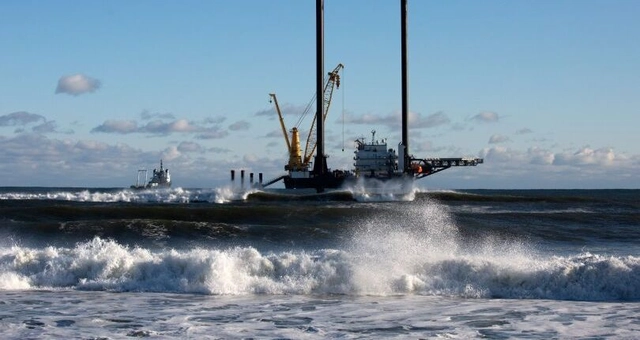
While approaching Wainscott Beach on Long Island’s South Fork in early December, one could see the most tangible aspect of offshore wind’s New York progress even before hearing the crash of waves: three pillars, each about as tall as the Statue of Liberty, jutting up from the ocean. They were the legs of the Jill, a liftboat from the Gulf of Mexico stationed about a third of a mile off the coast of Long Island’s South Fork.

Power on Campus - Harvard Energy Facility Showcases the Beauty of Infrastructure

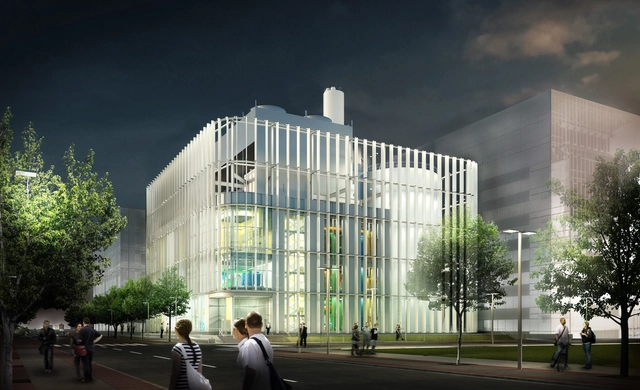
On a prominent, highly visible site within Harvard University’s Allston Campus, a celebration of the beauty of infrastructure is beginning to take shape. Designed by Boston-based Leers Weinzapfel Associates, the 58,000 square foot Allston Campus District Energy Facility (DEF) represents a new, highly efficient infrastructure typology, delivering electricity and water for the campus, whilst simultaneously showcasing the intricate complexity of engineering and design.

Power on Campus - Harvard Energy Facility Showcases the Beauty of Infrastructure - SustainabilityPower on Campus - Harvard Energy Facility Showcases the Beauty of Infrastructure - SustainabilityPower on Campus - Harvard Energy Facility Showcases the Beauty of Infrastructure - SustainabilityPower on Campus - Harvard Energy Facility Showcases the Beauty of Infrastructure - SustainabilityPower on Campus - Harvard Energy Facility Showcases the Beauty of Infrastructure - More Images

6 Compete to Design World's Largest Waste-to-Energy Plant in Shenzhen

Six teams have been shortlisted to design the world's largest waste-to-energy plant in Shenzhen, China: Arup, Atkins, AECOM, Gerber Architekten, Schmidt Hammer Lassen with Gottlieb Paludan Architects, and local firm Tanghua Architects. Aiming to manage Shenzhen's growing population (and waste accumulation), the "Shenzhen East Waste-to-Energy Plant" plans to incinerate 5000 tonnes of waste daily and generate an estimated 550 million kWh per year.