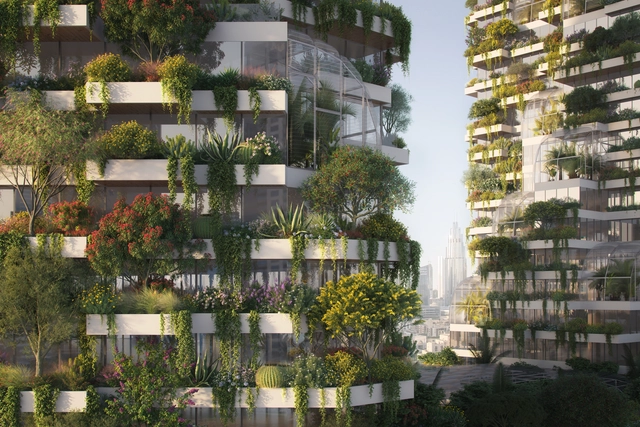
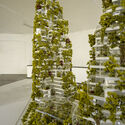
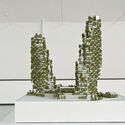
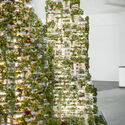
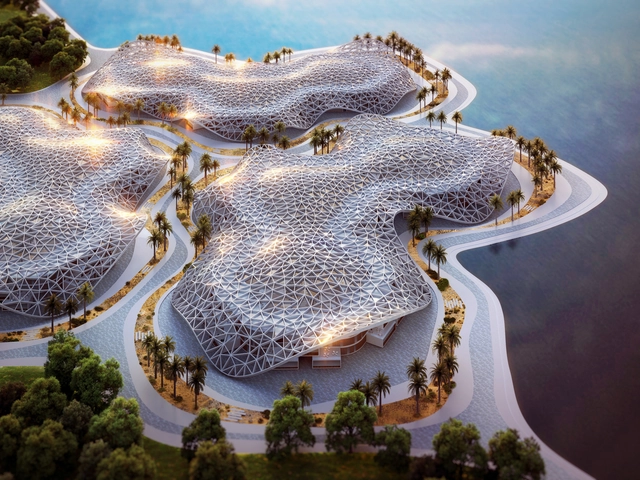
Stefano Boeri Architetti presented a new design for the Vertical Forest towers during COP27 in Sharm El-Sheikh, Egypt. The prototype would be in Dubai, the most populous city in the United Arab Emirates (UAE), and the next host of COP28 in 2023. The ambitious project would represent the first Vertical Forest prototype for the MENA (Middle East and North Africa), and it is the latest in an extended list of greenery-covered buildings by Boeri Architetti, including the Bosco Verticale in Milan, the Easyhome Huanggang in China, and a prototype of the First Dutch Vertical Forest.
A new urban tech district is planned for the Creekside of Al Jaddaf area in Dubai. Developed by URB, the district aims to generate over four thousand jobs in urban technologies, education, and training, while also welcoming entrepreneurs to encourage a collaborative tech ecosystem. The district will provide facilities for training, research, conferences, business incubations, shared-desk spaces, and dedicated offices. It will also be home to an urban tech institute, which hopes to drive innovation by investing in applied research and by enabling public-private partnerships.
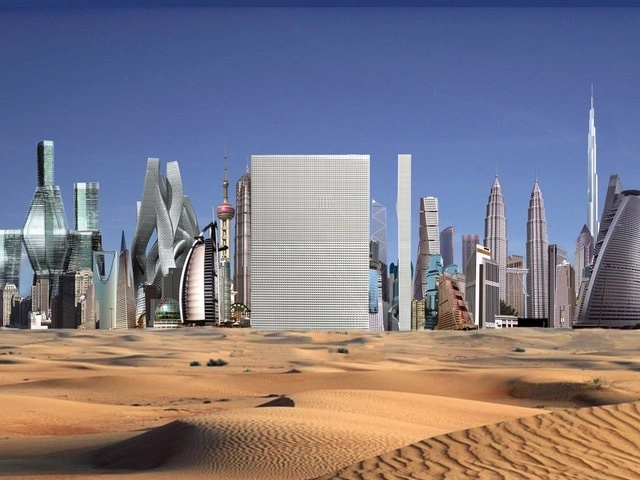
Rem Koolhaas, co-founder of Office for Metropolitan Architecture (OMA), receiver of the Pritzker Prize Award in 2000, and leading urban theorist, was one of the first to question the high-rise phenomenon and its influence on city transformation. Particularly intrigued by the Gulf region and the urban ambitions of this area, in 2009, during the 9th edition of the Sharjah Biennial, he delivered a lecture on the potential of re-inventing urbanization in the Emirates.
On the occasion of the golden jubilee of UAE, marking 50 years since the Emirates were founded in 1971, 50U, published by Archis explores the different developments in the Gulf, this region that “witnessed the transformation of a partly nomadic, partly town-based community into a globally active metropolitan society”. After Al Manakh, in 2007, followed in 2010 by Al Manakh Cont’d, 50U tells the story of the UAE through 50 portraits of people, plants, and places. The book also shares an excerpt of Koolhaas’ 2009 talk that reflects on contemporary conditions, focusing specifically on his reading of Dubai, his architectural involvement as well as his future urban predictions.
Ahead of the official opening of the Expo City Dubai site on October 1st, the organizers have announced that visitors will have the chance to discover two of the Expo's thematic pavilions: Alif and Terrastarting September 1st, marking its inauguration. The pre-launch will also feature access to Garden in the Sky, a 360-degrees platform that offers panoramic views of the site.
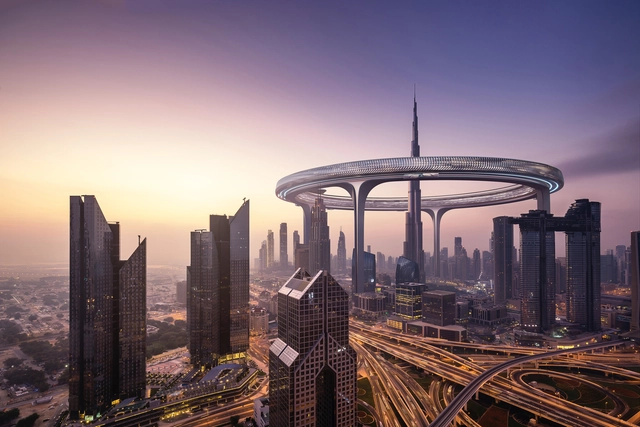
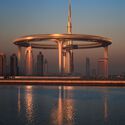
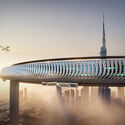
Dubai-based architecture firm ZNera Space has proposed a new type of contemporary symbol for the city: a green and natural landmark that serves as a "continuous metropolis" around Burj Khalifa. Dubbed "Downtown Circle", the project features installing a giant ring-like structure of 550 meters in length around the world’s tallest free-standing structure. The structure will "investigate how at this critical time in the country’s development, architects, and urban planners can move away from previous urban models of isolated skyscrapers, towards a more humane typology that seeks to emulate nature and create diverse public spaces".
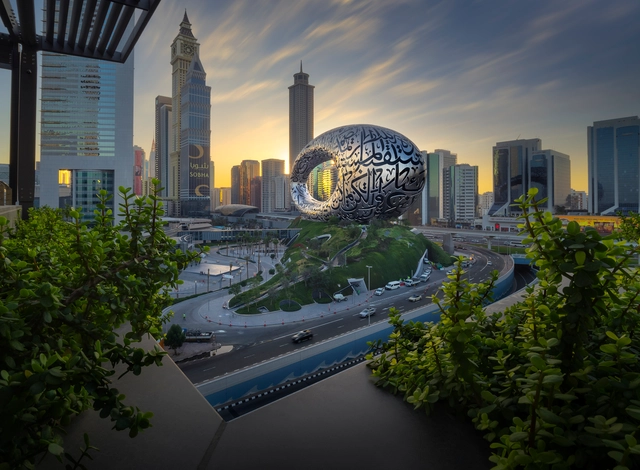
Standing at 78 meters tall, the Museum of the Future (MOTF) is far from reaching Dubai’s famous skyline, which features skyscrapers like the unparalleled Burj Khalifa – the world’s tallest tower. However, with its bold shape and striking façade illuminated by more than 14,000 meters of Arabic calligraphy, it certainly succeeds in taking its place among the city’s most iconic buildings. The award-winning project by Killa Design and Buro Happold, described by many as ‘the most beautiful building in the world’, opened in February of 2022 in Dubai’s Financial District. In a total built up area of 30,000 sqm, it accommodates exhibition spaces for innovative ideologies, services, and products, as well as theater spaces, a laboratory, and a research center.
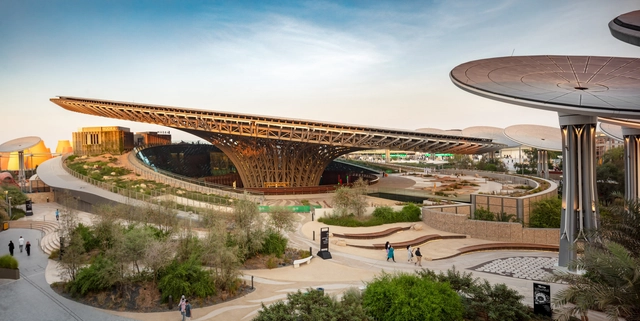
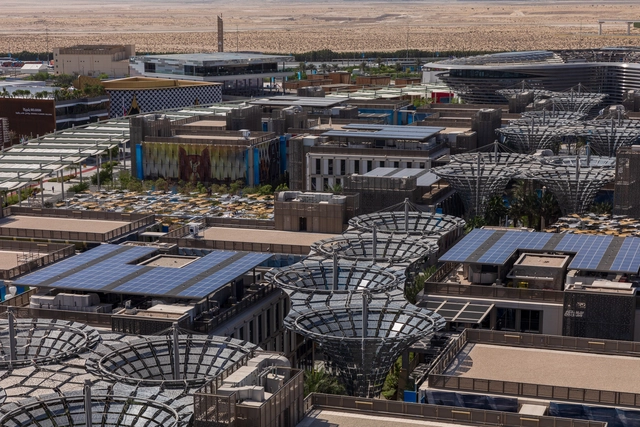
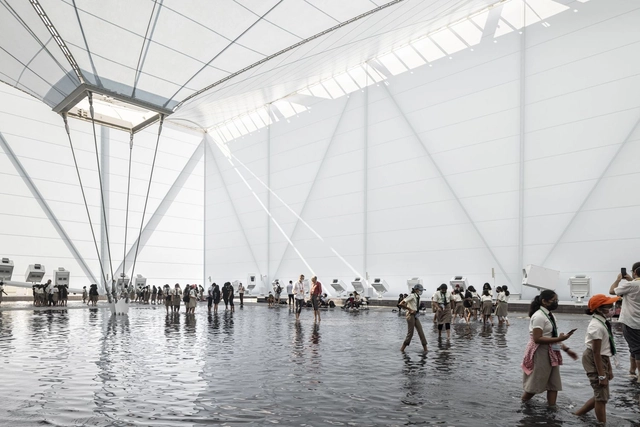
During the past two years spent photographing Expo 2020 Dubai, I was often asked by friends what exactly it was. To align with its closure on the 31st of March, I would like to address that question from two angles. Most readers will be aware that the expo is part of a tradition dating back to the 19th century - a Showcase for companies and countries, a tourist attraction, a testing ground for technical innovation. But it is also a collection of paradigm studies on opportunity, sustainability, and mobility, as well as a lucrative building project creating a new neighbourhood in the Emirates and a future means of dwelling. Perhaps this last frame of reference is the most interesting for it is what most distinguishes this expo from others.
Global Finance's ranking of the world's best cities to live in, during 2022 has just been released. Centered on 8 different parameters that calculate and compare the quality of life of people living in urban areas such as economy, culture, population, environment, etc., this year’s edition also took into consideration Covid-19 deaths per thousand for each country, to reflect the new reality we live in. With data from the Global City Power index, Johns Hopkins University, Statista, and Macrotrends, the list seeks to have a complete vision, putting together traditional metrics with new factors.
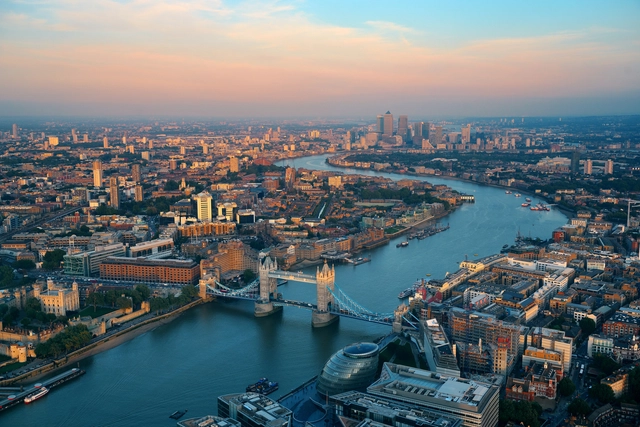
Claiming the first position is London, U.K, a city that although didn’t get high rankings in its Covid-19 metrics, still topped the list, mainly due to its scores in culture, accessibility, and population growth. Tokyo was selected for the second position, showing weakness in one parameter, population, as its numbers have been declining for the past 10 years. Shanghai followed next, in the third position, because of relatively low Covid-19 death figures and strong population growth. Singapore and Melbourne came in 4th and 5th positions.
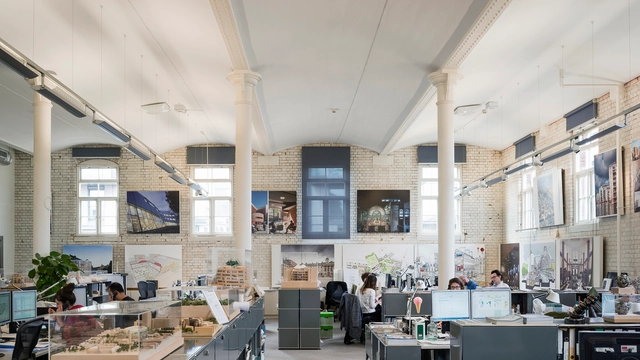
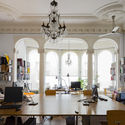
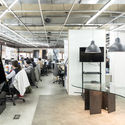
Moving forward with his "ultra-marathon of photoshoots", architectural photographer Marc Goodwin is putting together an Atlas of Architectural Atmospheres by Arcmospheres, a project that seeks to document diverse architecture and design studios from around the world. Since 2016, the architectural photographer has been traveling "far and wide to capture the atmospheres of architecture studios in order to produce an online and print resource for the architecture community", and after a two-year hiatus due to the pandemic, Goodwin resumed his project with an exploration of Berlin's architecture offices, capturing the work environment of renowned firms such as Hesse, LAVA, JWA, and FAR frohn&rojas, to name a few.
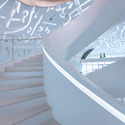
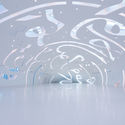
New images of Dubai's Museum of the Future by Killa Design and Buro Happold have been unveiled ahead of its official opening on February 22nd, 2022. The museum promises a one-of-a-kind experience that merges science, technology, and the environment through distinct themes and immersive environments that tap into all five senses. The project aims to "transform the very perception of the future as we know it", showcasing a world that is imaginable 50 years from now.
Videos
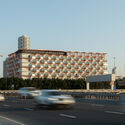
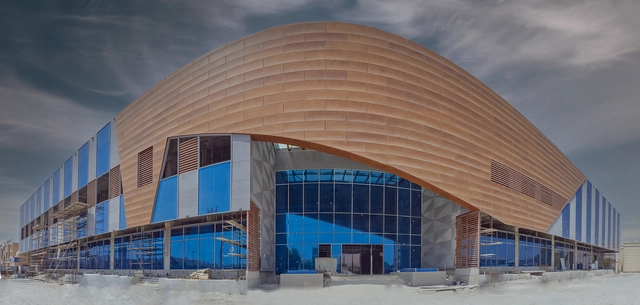
Hospital Mirdiff, Dubai, U.A.E. Image Courtesy of Equitone
Made of cement reinforced with cellulose fibers, fiber cement cladding is a building material used to cover the exterior of a wide range of buildings, including hotels, schools, office buildings, retail centers, hospitals, corporate centers, and residential buildings. Fibre cement panels are aesthetically pleasing, long-lasting, and highly resistant to fire and weathering.
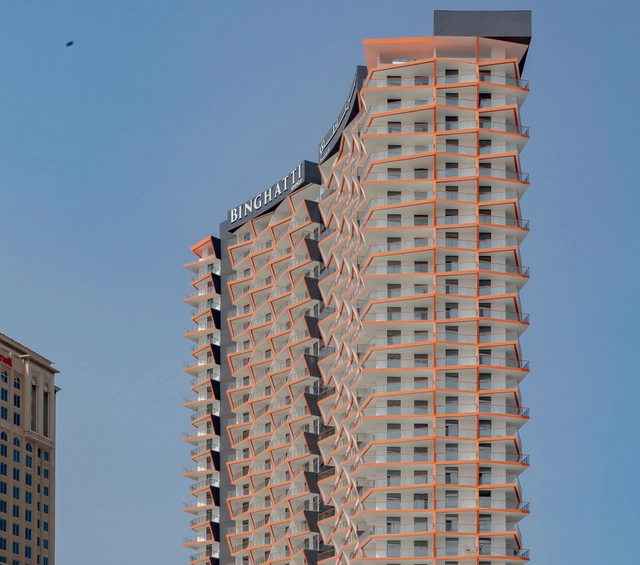
Architect Diana Najib Hamad provides interesting case studies for the use of fiber cement in three recent Dubai-based commissions.