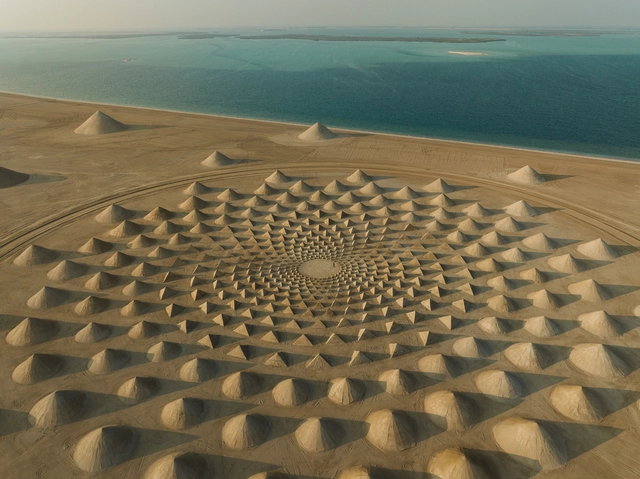
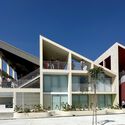
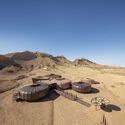
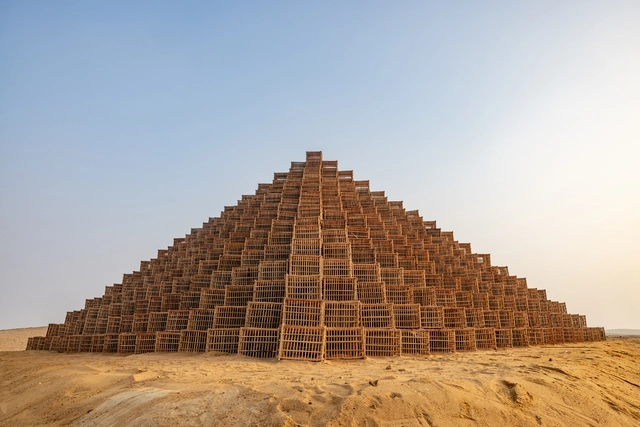
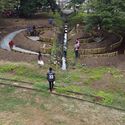
“Self Similar,” a sprawling and immersive land artwork created by Jim Denevan has just debuted in Abu Dhabi,UAE as part of a more extensive city-wide exhibition. Curated by Reem Fadda, Director of Abu Dhabi Culture Programming and Cultural Foundation, along with Alia Zaal Lootah, this city-wide exhibition showcases 35 distinct site-specific artworks by both local and international artists. Scheduled to run until January 30, 2024, the exhibit is a diverse collection aiming to engage audiences.
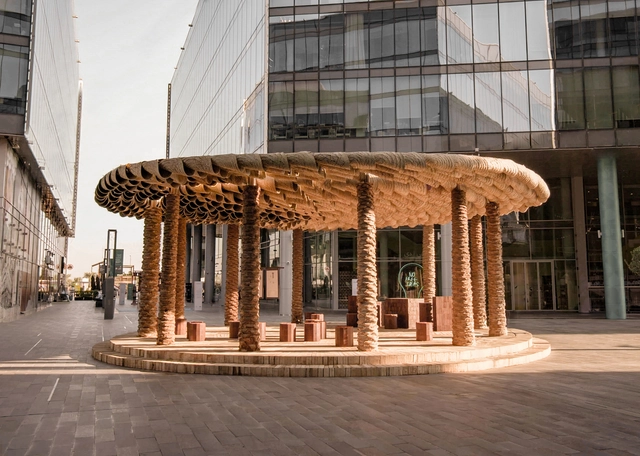
Of Palm / Abdalla Almula. Image Courtesy of Abdalla Almula
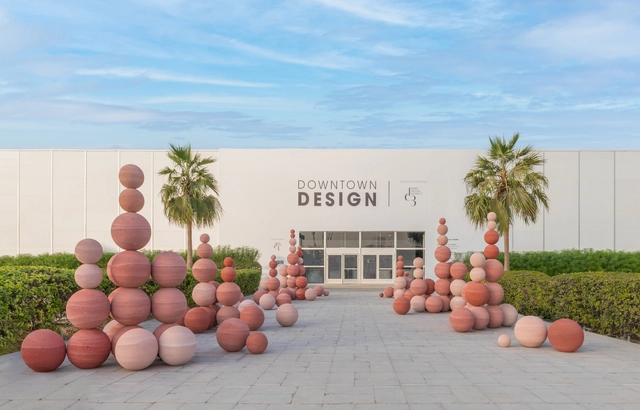
Happening between November 7 and 12, Dubai Design Week 2023 brought together over 500 designers, architects, and creative practitioners to explore the relationship between traditional practices and emerging technologies in an effort to create more environmental sustainability and design-led social impact solutions. As one of the most important cultural events in the Middle East, the festival brings forward a wide offering of installations, artworks, and immersive experiences, all exploring important topics of eco-friendly design.
This year’s interventions and installations drew inspiration from the region’s natural ecosystems as well as local traditions and craftsmanship while merging these practices with innovative technologies, biomaterial explorations, and reimagined ways of practicing. Across the interventions, a recurring motif emerges, that of celebrating Middle Eastern heritage and engaging productively with vernacular practices.
Sharjah, the captivating territory in the United Arab Emirates, is a cultural hub that blends tradition with contemporary modernity. Situated on the Arabian coastline, the city is known for its commitment to preserving its rich history, promoting the arts and culture, and providing a platform for creative and intellectual pursuits. In fact, the 2023 Sharjah Architecture Triennial (SAT) will take place from November 11, 2023, to March 10, 2024, under the theme "The Beauty of Impermanence: An Architecture of Adaptability." The Triennial is curated by Tosin Oshinowo, exploring innovative design solutions emerging from conditions of scarcity in the Global South.
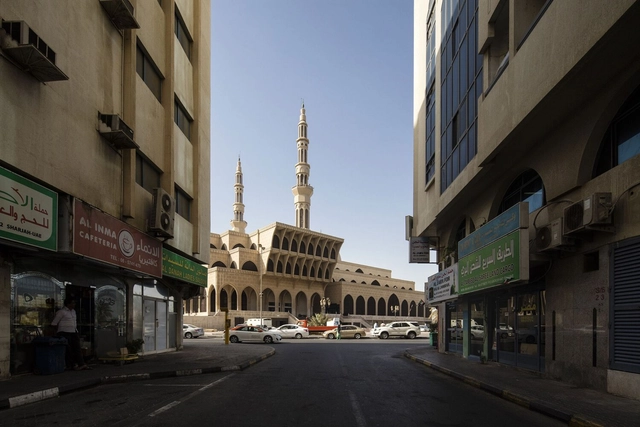
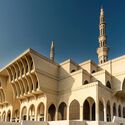
With a deep-rooted connection to its cultural heritage, the emirate is home to an array of museums that showcase a journey through multiple timelines, from Islamic civilization to traditional lifestyles. Now a hotspot for emerging designers, the city has taken a leading role as a patron of fine arts. In the contemporary city, attractions are designed by many architects, from Foster + Partners, Zaha Hadid Architects, 51-1 Arquitectos, to Hopkins Architects. In addition to this emerging cultural scene, old Sharjah is a valuable embodiment of historical tradition, having been transformed into useable attractions and art facilities. The old Sharjah also flaunts landmarks such as the modernist King Faisal Mosque, the Museum of Islamic Civilization, and the Sharjah Art Museum.
Last week in Cairo, CulturVator – Art D’Egypte launched its third edition of the annual international exhibition “Forever is Now.” Set by the backdrop of the Great Pyramids of Giza, the display features the work of 14 international artists. In essence, the exhibition “underscores the significance of cultural exchange among artists at the core of history and ancient Egyptian civilization.”
The third installment "Forever Is Now," running from October 26th to November 18th, presents a diverse ensemble of artists hailing from various corners of the globe. Among them are Egyptian artist Mohamed Banawy and Saudi Arabian talent Rashed Al Shashai, as well as American visual artist Carol A. Feuerman and Belgian creative Arne Quinze. Collectively, these artists have come together to creatively interact with one of the world's most iconic historical sites, crafting immersive visual narratives that seamlessly fuse contemporary elements with the past, weaving tales of the land and its inhabitants.
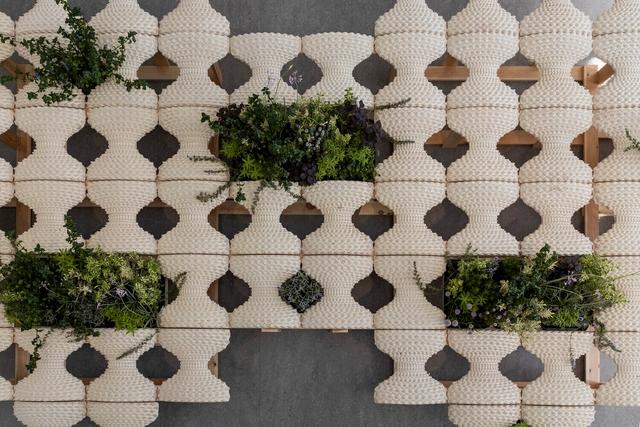
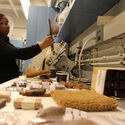
Willow Technologies is a material research and building technology practice that has been selected as part of ArchDaily's 2023 Best New Practices. Founded by Ghanaian-Filipino designer and architectural scientist Mae-Ling Lokko, it operates in the gap between research, development, and diffusion of bio-based building materials. Working with agro-waste and bio-based materials usually incurs technical questions regarding scalability, industrial production, standardization, fireproofing, and mechanical strength. Exploring this data is where Willow Technologies situates itself, but peculiarly through the lens of developing regions in West Africa. Through comprehensive works with coconuts, moringa, rice, and other indigenous crops, Lokko’s practice has been able to investigate and catalog the material character of various crops, their possible by-products, local transformation techniques, and the prospect and challenges of scalability as building materials.
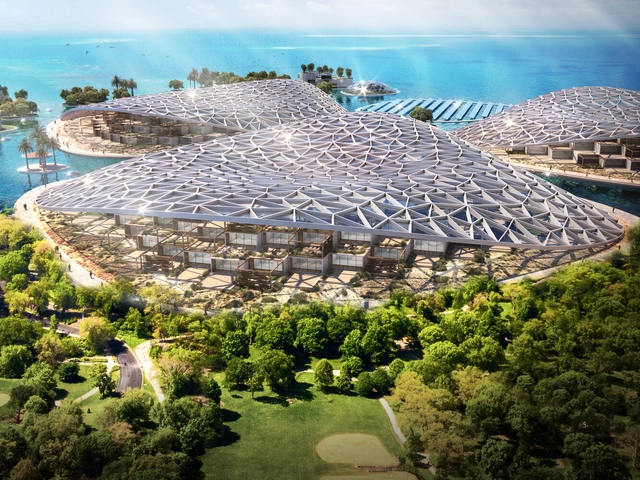
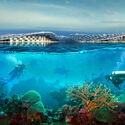
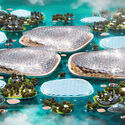
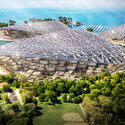
URB has revealed 'Dubai Reefs,' a floating living lab designed to restore marine ecosystems and promote ecotourism. The project's primary objective is to generate over 30,000 employment opportunities within a green economy in the city. Dubai Reefs encompasses a sustainable floating community dedicated to marine research, regeneration, and ecotourism, comprising residential, hospitality, retail, educational, and research facilities.
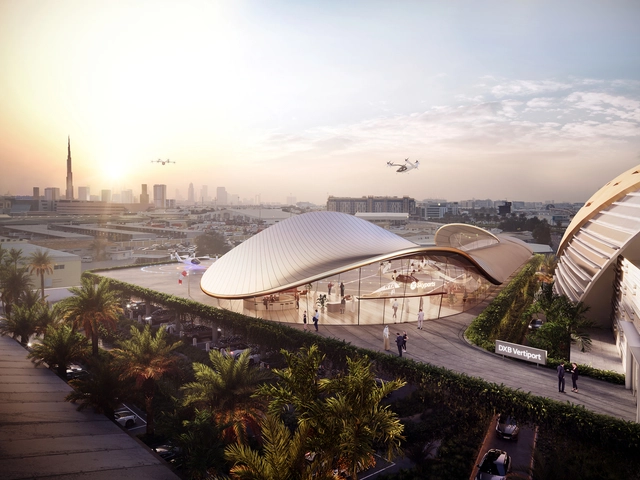
Vertiport Terminal, Dubai. Image Courtesy of Foster + Partners
Foster + Partners has developed a provisional concept design for a Vertiport terminal, located next to Dubai International Airport, in collaboration with Skysports Infrastructure, the leading designer and operator of Vertiport technology for advanced air mobility.
Skyports Infrastructure and Dubai's Highways and Transport Authority are now considering four initial locations, with the DXB vertiport being one of them (RTA). The locations are envisioned as part of an electric vertical take-off and landing (eVTOL) infrastructure network that will link Dubai's most populated and well-known places and offer high-speed, zero-emission transportation. The RTA's Dubai Metro network and Dubai International Airport are just two existing transportation hubs with which the vertiport network will interact. By 2026, the RTA and Skyports Infrastructure intend to have a network of vertiports ready for use for air taxi services.
For the past year, I have been in conversation with architects and designers who are involved in the creation of immersive environments. They see themselves as naturally responsible for leading the construction of these environments, and this should serve as a reminder that architects have the potential to take on this role.
Despite how obvious it might sound, the metaverse has mostly been designed by developers and graphic designers, Therefore, it should work as a wake-up call for architects to be involved since they have skills particularly apt for it.
Whether the metaverse can be utilized as a narrative to claim a changing role for architects remains to be seen, but 2023 could be the year.
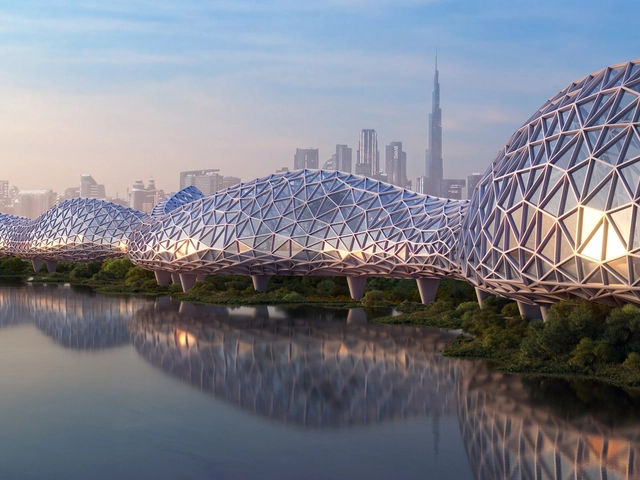
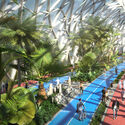
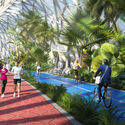
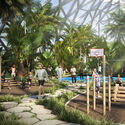
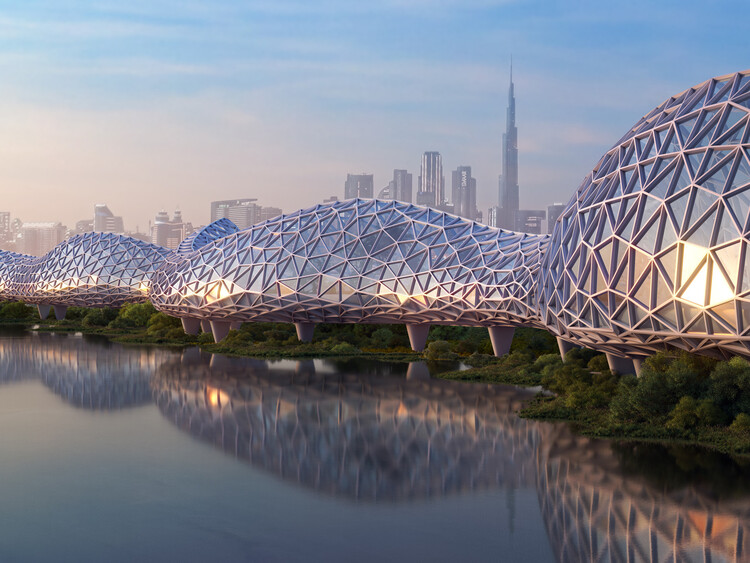
Designed by URB, The LOOP is a 93-kilometer-long sustainable highway that aims to encourage Dubai’s residents to opt for a healthy mode of transportation. The structure provides a climate-controlled all-year environment to make walking and cycling the preferred type of transportation in the city. The initiative aligns with Dubai’s 20-minute city initiative, which hopes to see 80% of Dubai’s residents commute to work by walking or cycling. The project is currently in the research and development phase.
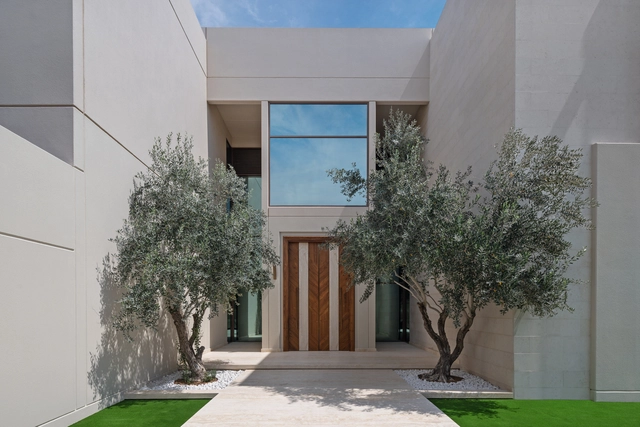
Tu Casa by Lutolli Architects + Partners. Image Courtesy of Lutolli Architects + Partners
Architects play an important role in creating healthy, functional and aesthetically pleasing environments. Interior design represents a natural continuation of the same prerogative, and its importance has been accentuated in recent years, from the lockdown forcing many people to remain indoors for extended periods of time, to the rise of remote work. The task of the interior designer is not decorating spaces, but planning for an effective use of space, understanding the needs of the user and highlighting the intrinsic qualities of a space. Acoustics, lighting, material properties and proportions all play a role in achieving a coherent and enjoyable interior space.
This week’s curated selection of Best Unbuilt Architecture highlights interior design projects submitted by the ArchDaily community. From a pastel-colored library in Turkey to a renovated symphony hall in San Diego, US, this selection of unbuilt projects showcases how architects design interior spaces by integrating textures, materials, light, and color in well-proportioned spaces. The article includes projects from Turkey, US, Switzerland, Indonesia, UK, and Denmark.
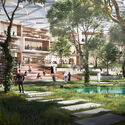
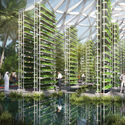
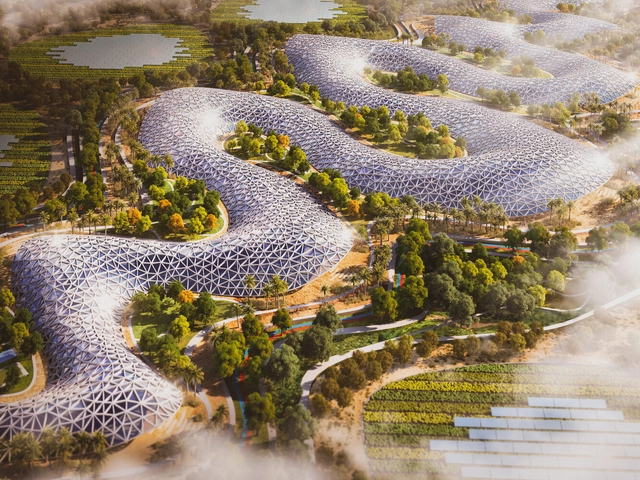
URB to develop the world's largest agritourism destination in Dubai, providing food security and to foster sustainability of the local communities, heritage, and cultural landscapes. In line with the city's ambition of making its rural areas restorative land facilities, "Agri Hub" targets to create 10,000 new jobs across various sectors, including a new agricultural research institute and a public farm for educational and retail purposes.
Cities evolve over countless years, each moment of change building up to larger societal and architectural shifts. Metropolises across the world are constantly subject to social, political, economic, or environmental forces that alter their fundamental identity - a character that is meant to be dynamic. As cities develop in size and impact, advancements in the understanding of cities and urbanism grow more complex.
Cities are formed from a sequence of narratives, characteristics, relations, and socio-spatial values that reflect the identity of the place. The livelihood of the city also depends on its people and a mutual relationship with them. Along with their communities and their circumstances, cities morph to reflect their residents' needs and values.