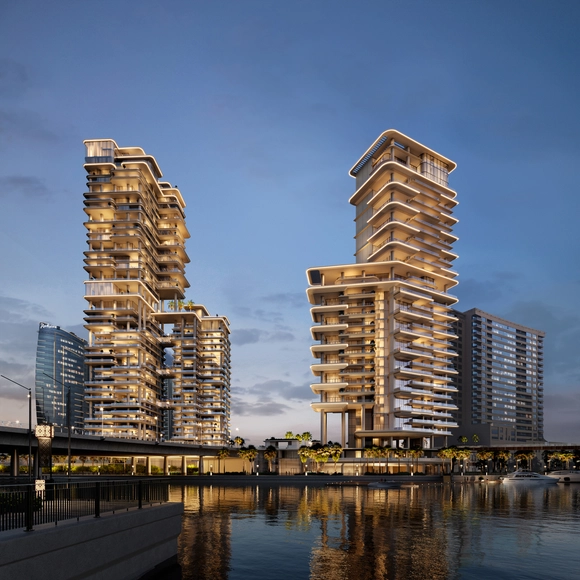
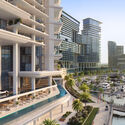
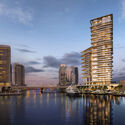
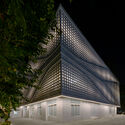
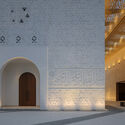
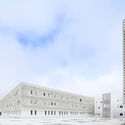
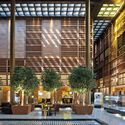
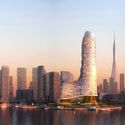
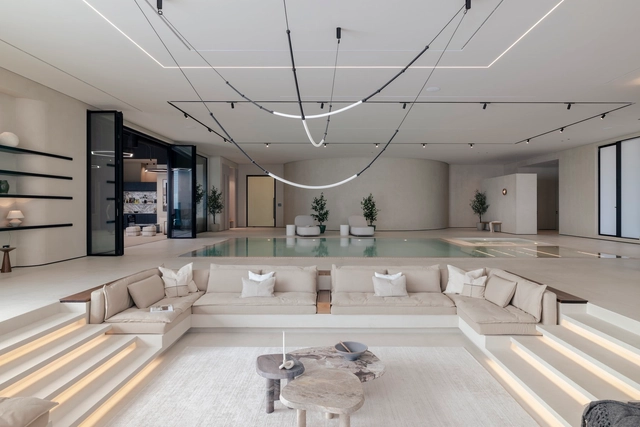
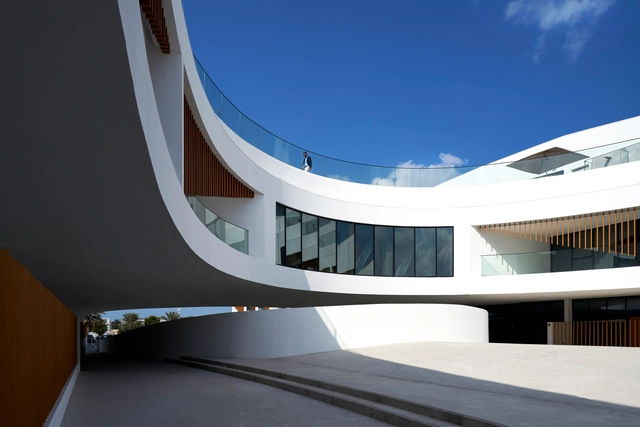
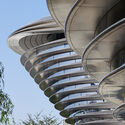
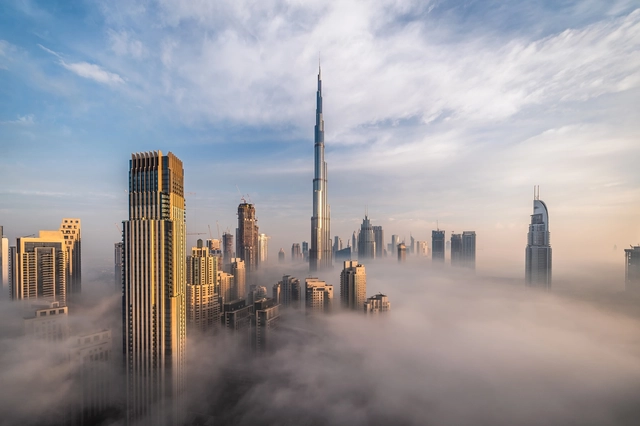
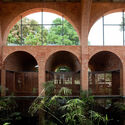
Foster + Partners has just unveiled the designs of two neighboring residential towers in Dubai, United Arab Emirates. Named VELA and VELA VIENO, the two towers offer waterfront living, providing direct access to the promenade and the marina. Situated in Dubai’s Marasi Bay with a direct view of the Burj Khalifa, the developments are “characterized by a horizontal rhythm, emphasized structure, and strategic voids in the massing.”
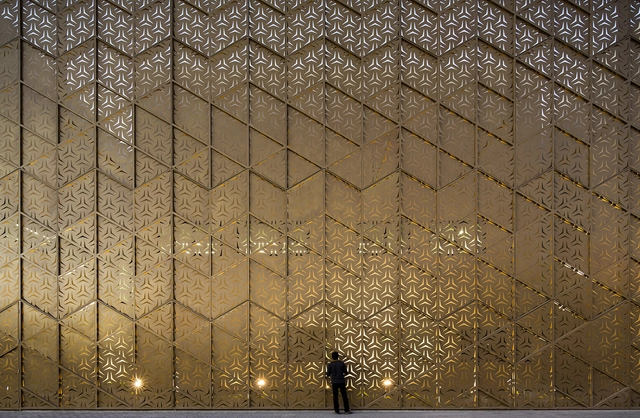
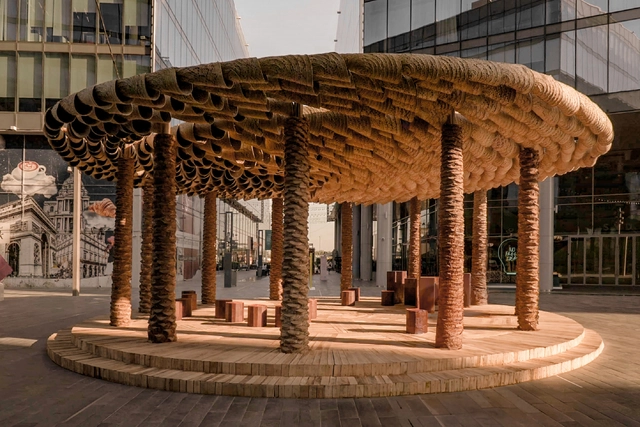
For centuries, arid environments have solved the problem of light, privacy, and heat through a statement architectural feature of Islamic and Arab architecture, the mashrabiya. Crafted from geometric patterns traditionally made from short lengths of turned wood, the mashrabiya features lattice-like patterns that form large areas. Traditionally, it was used to catch wind and offer passive cooling in the dry Middle Eastern desert heat. Frequently used on the side street of a built structure, water jars, and basins were placed inside it to activate evaporative cooling. The cool air from the street would pass through the wooden screen, providing air movement for the occupants.
Similar to the Indian jali, the vernacular language also offers a playful experience with daylight while still maintaining a certain degree of privacy. Traced back to Ottoman origins, the perforated screens protected occupants’ from the sun while simultaneously letting daylight through in calculated doses. Although the mashrabiya was a statement in arab and Islamic architecture languages, it wasn’t until 1987 that the archetypal element began appearing with a revised contemporary application.
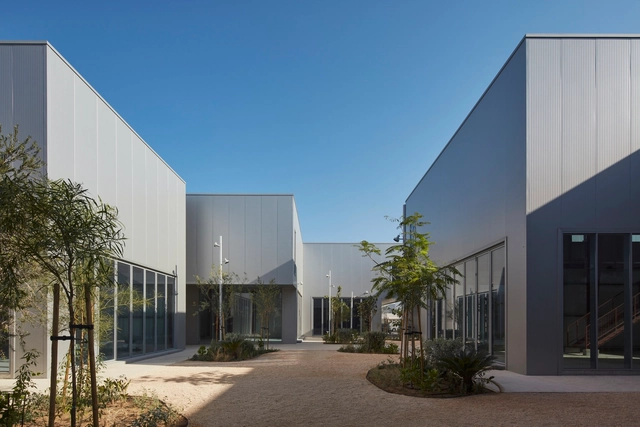
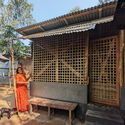
This curated collection unfolds the narratives of some of the most compelling architectural projects by women from the Global South. From the unique streets of Dubai to the rural landscapes of Niger, each project serves as a testament to the power of architecture to transcend gender boundaries and create meaningful designs that connect people and their surroundings.
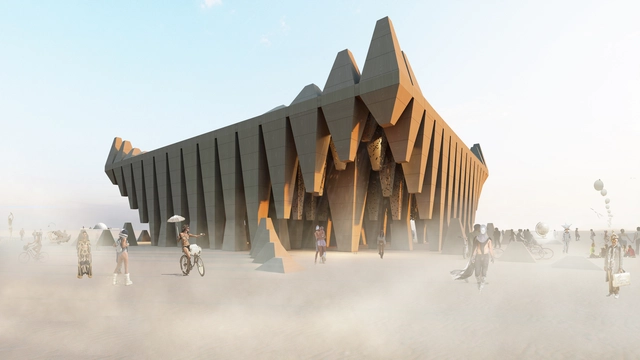
The Sacred Grove Burning Man Temple / DIALOG. Image Courtesy of DIALOG
In the world of architecture, competitions serve as catalysts for innovation and creativity. By promoting the architectural community to contemplate a given theme and intervene in well-defined spaces, they provide some of the best platforms for experimentation, allowing architects and designers to explore new concepts, challenge conventions, and address pressing societal needs, all while comparing the wide variety of emerging solutions. This week's curated roundup gathers examples of worldwide competition proposals submitted by the ArchDaily Community.
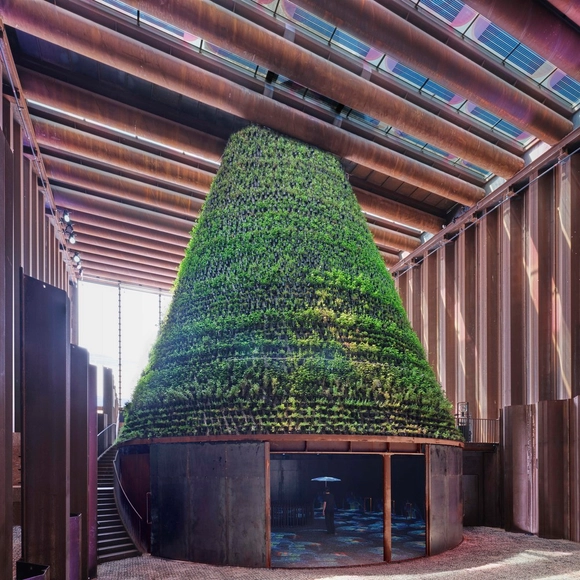
The selected projects vary in size and program, from world-renowned competitions such as those hosted for the national pavilions at the next World Expo in Osaka, or the Temple at the center of Black Rock City at Burning Man, to local interventions that highlight unique spaces such as the creative reimagining of a popular market space in the historic center of Sibiu, Romania, or the subtle presence of a villa in the Mediterranean wilderness.
Religious architecture has always had a unique power to transcend the physical realm, transporting visitors to a spiritual journey. In many belief systems, it serves as a space between the earthly and the universal divine. This designed experience can often be facilitated through different choices, where light, form, materiality, and circulation play essential roles. Furthermore, architecture and design hold the power to have a profound impact on one’s lived spiritual experience.
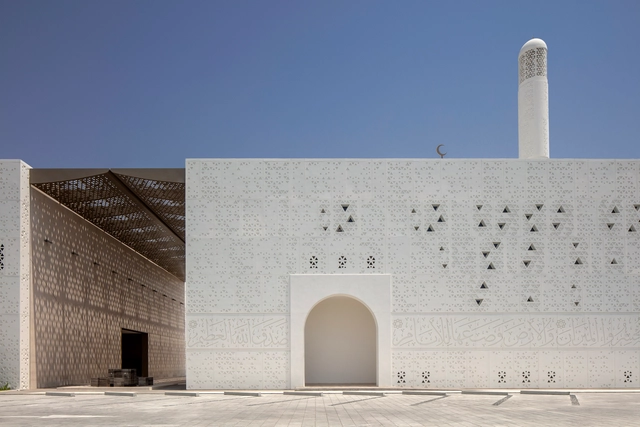
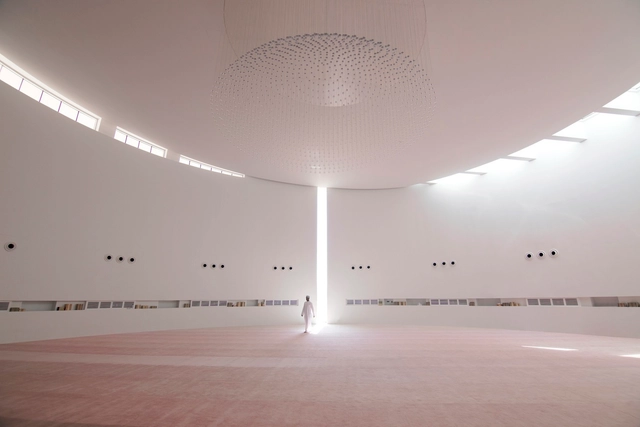
This exploration of religious architecture in the global south showcases the integration of tradition and contemporary innovation. Whether it’s the Omani Mosque, where heritage and Islamic tradition are honored, or the Abrahamic Family House that features a mosque, a church, and a synagogue in dialogue and coexistence. Form and public access are explored through a design in Brazil, while a monastery in Uganda expands its size to serve guests and novitiate.
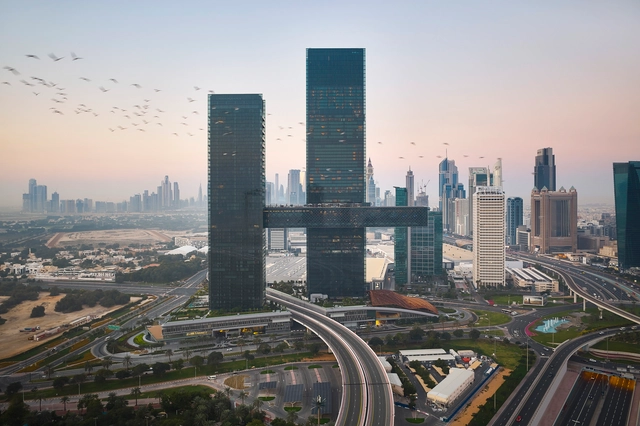
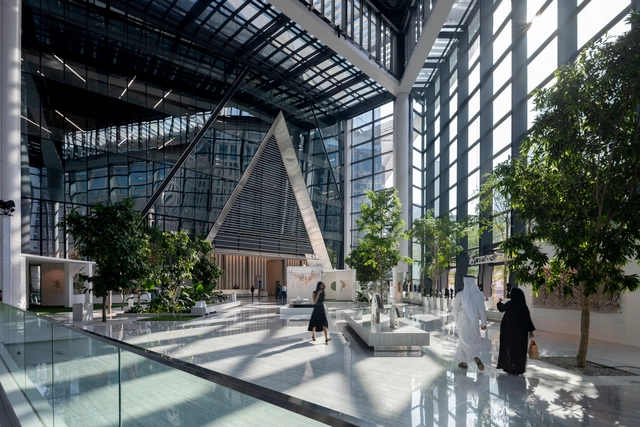
Japanese design firm Nikken Sekkei has just completed a new building in Dubai’s central financial district, encompassing the “World’s Longest Cantilever,” which floats 100m above ground. Compromising two towers connected by an enclosed horizontal bridge, “One Za’abeel” acts as a new point of entry into the city. Designed to be a symbol of Dubai’s growth and expansion, the project offers easy access to the downtown region. The scheme features restaurants, retail spaces, workspaces, and urban hotel accommodations.
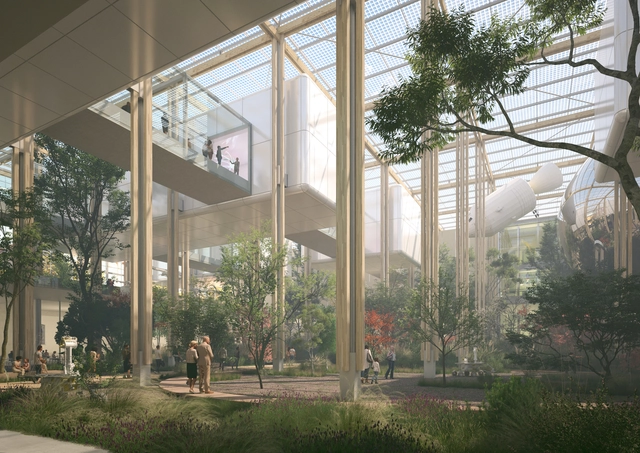
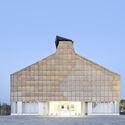
Science Forest / ADAT Studio. Image Courtesy of ADAT Studio
In the contemporary context, museums face contradictory sets of ideas: becoming attractions on and of themselves but presenting an understated image that shifts the attention to the exhibits, creating a safe and protected environment for the artifacts, yet opening them up to the public, becoming repositories of history yet catalysts for innovation. Searching for the balance between all of these constraints has resulted in the flourishing of diverse types of museums and cultural institutions, from those dedicated to the remembrance of a single event or persona to temporary homes for cultural events or spaces that expand their cultural offering beyond exhibition areas.
This curated selection of Best Unbuilt Architecture highlights projects submitted by the ArchDaily community that demonstrate the fusion of art, technology, and innovation within the realm of museums and cultural centers. Among the featured designs are works from renowned architectural offices, including CAA architects, NextOffice – Alireza Taghaboni, and Fentress Architects, along with several emerging firms. Ranging from a sculptural art museum in Dubai to a local cultural and recreational complex in Senegal, or an immersive science museum in Rome, Italy, this diverse compilation strives to showcase the spectrum of scales and purposes of cultural institutions.
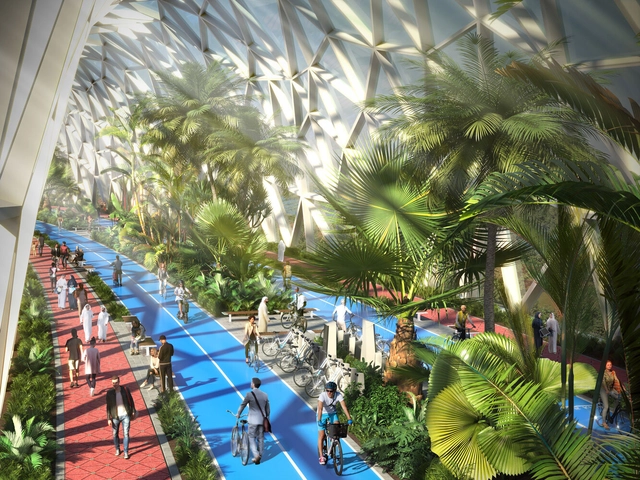
URB has released a study for “Dubai Cycle City 2040,” envisioning diverse cycling infrastructure in the Emirate. The initiative aims to revolutionize transportation in Dubai, allowing residents quick access to critical services and locations by cycling or walking. In a city where cars have reigned supreme as a transportation mode, plans are underway to transform urban mobility.
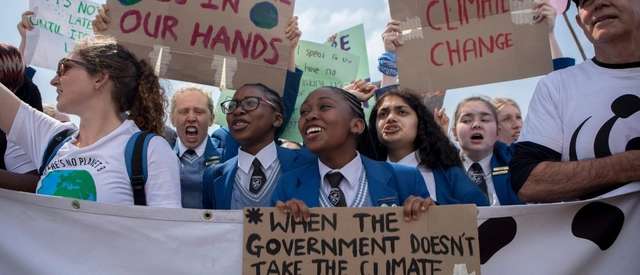
The biennale UN climate conference, COP28, concluded in Dubai this week with a commitment to the eventual “phasing out” of fossil fuels. It was a classic glass-half-empty/glass-half-full gesture. Yes, as optimists pointed out, it was the first time any reference to moving away from fossil fuels had made it into the text of the final communique. But, like previous COPs, this resolution, too, is nonbinding and was reached over howls of protest from both oil-producing countries and developing countries reliant on existing energy supply chains for future growth. The tortuous nature of the outcome, watered down and officially toothless, left me feeling glum. If we can’t agree on the nature of the problem, it will be exceptionally difficult to fix it.
To offer perspective, I reached out to longtime activist Bill McKibben. A professor at Middlebury College, he has published 20 books; his first, The End of Nature, appeared in 1989. He was, along with Dr. James Hansen, one of the first to sound the climate alarm. McKibbin is a contributing writer to the New Yorker, and a founder of Third Act, which organizes people over the age of 60 to work on climate and racial justice. In collaboration with seven Middlebury students, he founded 350.org, the first global grassroots climate campaign.
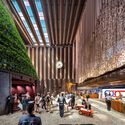
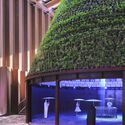
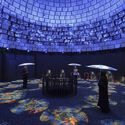
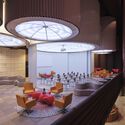
COP28, or the 2023 United Nations Conference of the Parties, was held in Dubai between November 30 and December 13. The annual meeting gathers representatives from 198 countries, as well as industry leaders to discuss and establish strategies to limit the extent of climate change and its adverse effects. The ultimate goal of these meetings is to find ways to limit the global temperature rise below 1.5 degrees Celsius compared to pre-industrial times. At the moment, the global temperature rise is already at 1.2 degrees Celsius. As the construction industry at large accounts for 39% of global emissions, architects and planners have a shared interest in the results of thee international summit, Read on to discover some of the key takeaways of COP28.
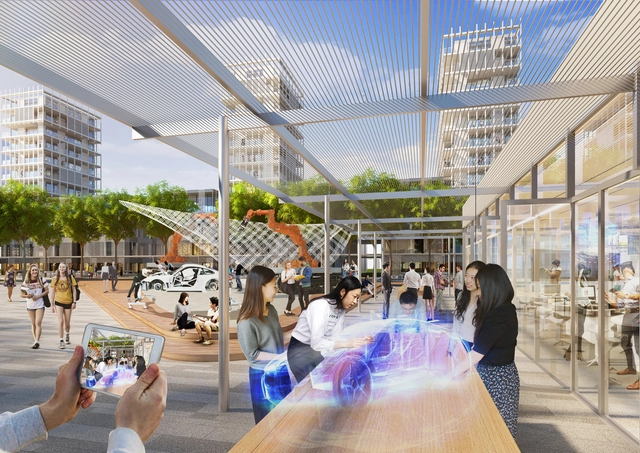
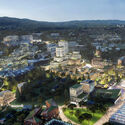
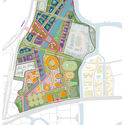
Ho Chi Minh City Innovation District / Sasaki. Image Courtesy of Sasaki
As technology and infrastructure rapidly evolve, a new buzzword finds itself in conversations across industries - innovation. The word is more relevant in light of future-facing challenges such as climate change, inequality, and economic crises. As a result of a surging interest in these concepts, innovation hubs have emerged across the world, aiming to foster creative and collaborative economies to spark quick change. What are innovation districts and how do they influence the built environment?
On November 30, 2023, the UN COP28 climate summit begins in Dubai, the United Arab Emirates. The name stands for the Conference of the Parties under the UNFCCC, and symbolizes the annual meeting of world governments for the purpose of establishing strategies to limit the extent of climate change and its adverse effects. Last year’s summit concluded with several important measures, including the promise of a global fund aimed at providing financial aid to developing countries affected by climate disasters.
The main purpose of COP is to reinforce the commitments of the Paris Agreement, signed in 2015, which strives to keep the global temperature rise under 1.5C degrees. As the construction industry accounts for 39% of global emissions, architecture plays an important role in helping to lower our carbon footprint, making COP28 a crucial event for architects.