1. ArchDaily
  2. Design for Freedom

Design for Freedom: The Latest Architecture and News

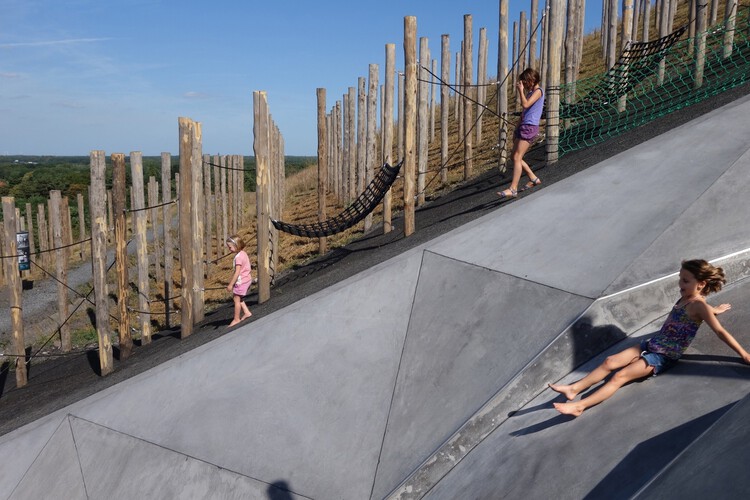
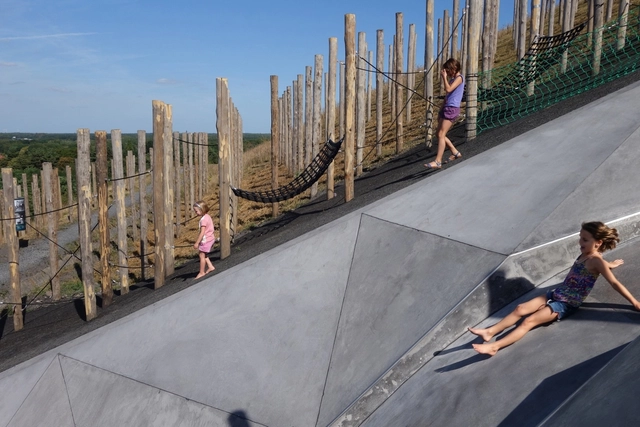
Playgrounds as Political Spaces: Negotiating Risk, Space, and Childhood

Playgrounds are spatial instruments through which society projects its expectations on childhood, testing the boundaries between control and autonomy, exposure and protection. They regulate how children relate to space, to others, and their bodies — encoding, often invisibly, social norms, fears, and aspirations. In this sense, playgrounds are not peripheral spaces of leisure; they are political constructs shaped by specific ideologies about what childhood is and how it should unfold. Since 1989, the right to play has been formally recognised in the United Nations Convention on the Rights of the Child, affirming that play is a fundamental part of human development. To design a playground is not only to draw lines on a plan or to install equipment in a park; it is to define the conditions under which play is permitted, imagined, or constrained.


Playgrounds as Political Spaces: Negotiating Risk, Space, and Childhood - Image 1 of 4Playgrounds as Political Spaces: Negotiating Risk, Space, and Childhood - Image 2 of 4Playgrounds as Political Spaces: Negotiating Risk, Space, and Childhood - Image 3 of 4Playgrounds as Political Spaces: Negotiating Risk, Space, and Childhood - Image 4 of 4Playgrounds as Political Spaces: Negotiating Risk, Space, and Childhood - More Images+ 21

On Human Rights Day, Grace Farms Launches a Toolkit of Ethical Strategies for Architects

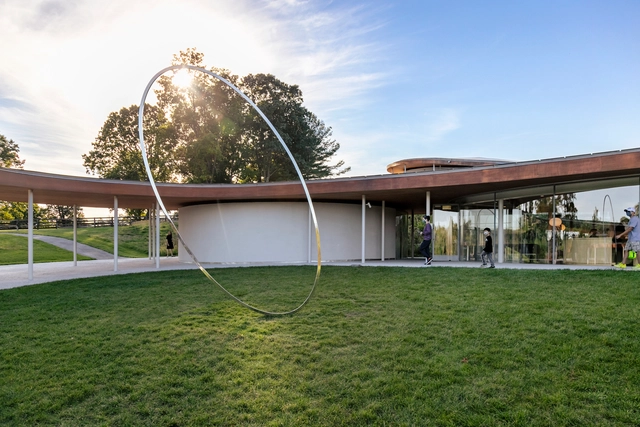
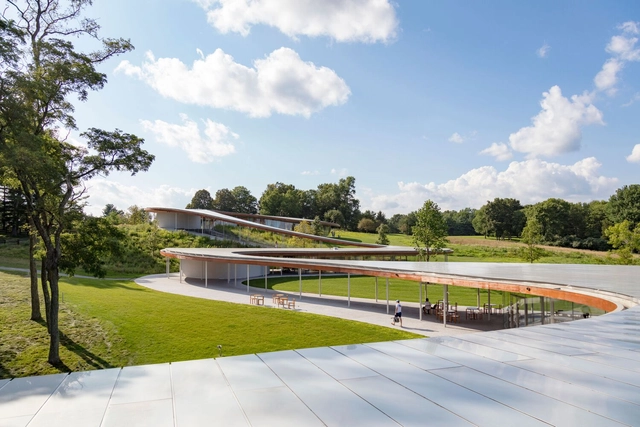
Design for Freedom, an initiative launched by Grace Farms Foundation, has released an updated International Guidance & Toolkit designed to help architects and construction professionals source building materials ethically and avoid products linked to forced labor. The comprehensive online resource addresses the critical issue of forced labor within global supply chains, offering practical tools and strategies for implementation. The toolkit provides detailed information on twelve high-risk materials commonly used in construction, including glass, concrete, steel, timber, and bricks, highlighting the often inhumane conditions under which they are extracted and produced. The release of the guide coincides with Human Rights Day, further highlighting the urgency and global importance of addressing forced labor in the construction industry.

On Human Rights Day, Grace Farms Launches a Toolkit of Ethical Strategies for Architects - Image 1 of 4On Human Rights Day, Grace Farms Launches a Toolkit of Ethical Strategies for Architects - Image 2 of 4On Human Rights Day, Grace Farms Launches a Toolkit of Ethical Strategies for Architects - Image 3 of 4On Human Rights Day, Grace Farms Launches a Toolkit of Ethical Strategies for Architects - Image 4 of 4On Human Rights Day, Grace Farms Launches a Toolkit of Ethical Strategies for Architects - More Images

On Ethics and Fair Labor in Architecture: The Example of Theaster Gates’ Serpentine Pavilion Design

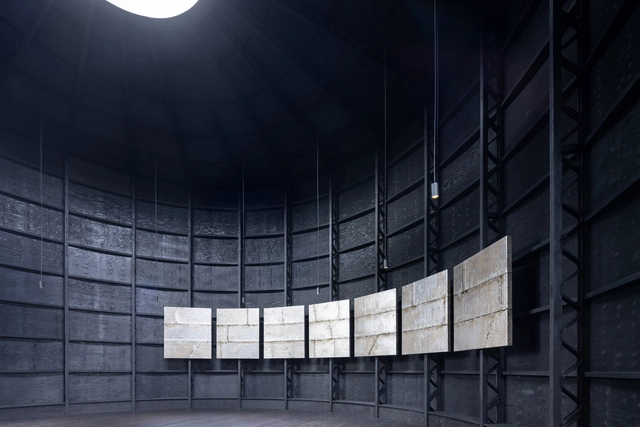
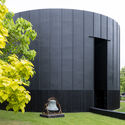
When he was invited to design the 21st Serpentine Pavilion in London’s Kensington Gardens public park, Chicago-based artist Theaster Gates envisioned a calm space to offer respite and a subtle exploration into the power of sound and music in architecture. Created out of lightweight stained wood, the “Black Chapel” demonstrates more than just artistic and architectural sensibilities. In addition to the use of sustainable materials, the project also pays close attention to how the building materials are sourced, bringing visibility to the problem of modern slavery in the construction materials supply chain.

To ensure fair labor conditions not just on-site, but throughout the entire production process, the Serpentine Pavilion collaborated with Grace Farms, a US-based non-profit foundation helping designers and industry leaders to eliminate forced labor in the building materials supply chain, thus establishing more ethical practices and a more humane future.

On Ethics and Fair Labor in Architecture: The Example of Theaster Gates’ Serpentine Pavilion Design - Image 1 of 4On Ethics and Fair Labor in Architecture: The Example of Theaster Gates’ Serpentine Pavilion Design - Image 2 of 4On Ethics and Fair Labor in Architecture: The Example of Theaster Gates’ Serpentine Pavilion Design - Image 3 of 4On Ethics and Fair Labor in Architecture: The Example of Theaster Gates’ Serpentine Pavilion Design - Image 4 of 4On Ethics and Fair Labor in Architecture: The Example of Theaster Gates’ Serpentine Pavilion Design - More Images+ 2

Grace Farms Opens Long-Term Exhibition Focused on Forced Labor and Building Materials Supply Chains

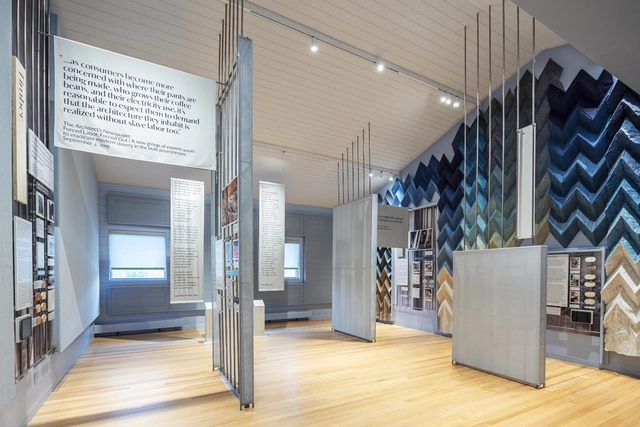
On May 4, 2024, cultural center Grace Farms opened a new long-term exhibition that aims to shed light on the inner workings of the building industry, offering insights into the methods of producing and distributing building materials, as well as the pervasive practices of forced labor happening in the materials supply chain worldwide. The exhibition also presents the work of “Design for Freedom,” a collaborative global movement launched in 2020 at Grace Farms. The initiative aims to change architecture by raising awareness of these issues and helping disrupt forced labor in the construction industry. Titled “With Every Fiber,” the exhibit is free to visit both at its physical location in New Canaan, Connecticut, and online as a virtual exhibition.

Grace Farms Opens Long-Term Exhibition Focused on  Forced Labor and Building Materials Supply Chains  - Image 1 of 4Grace Farms Opens Long-Term Exhibition Focused on  Forced Labor and Building Materials Supply Chains  - Image 2 of 4Grace Farms Opens Long-Term Exhibition Focused on  Forced Labor and Building Materials Supply Chains  - Image 3 of 4Grace Farms Opens Long-Term Exhibition Focused on  Forced Labor and Building Materials Supply Chains  - Image 4 of 4Grace Farms Opens Long-Term Exhibition Focused on  Forced Labor and Building Materials Supply Chains  - More Images+ 15

Architecture and the Stain of Modern Day Slavery

This article was originally published on Common Edge.

Exploring the question of slavery in Architecture, the building materials and the construction industry, Michael J. Crosbie interviews Sharon Prince, the women behind Design for Freedom, discussing the initiative's report "on the pervasive use of slavery in the design and construction industry, and how design professionals can respond".