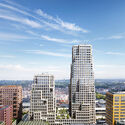
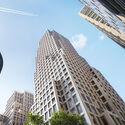
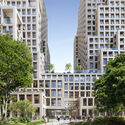
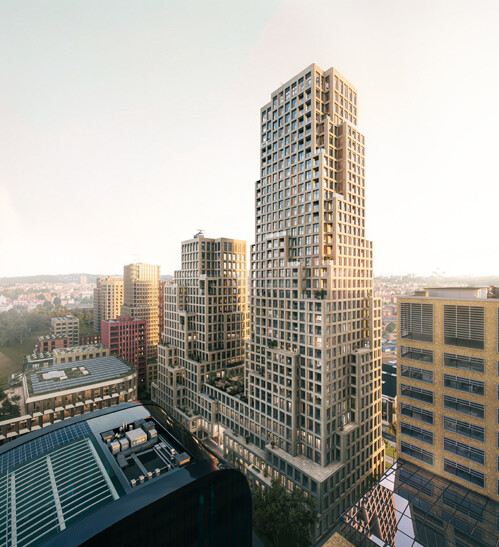
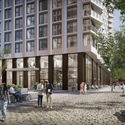
Rotterdam-based firm MVRDV has announced a new milestone in the development of its Tour & Taxis Towers, a mixed-use project in Brussels, Belgium. The design was commissioned by real estate investor and developer Nextensa in 2021, within the framework of a site-specific land use masterplan also designed by MVRDV. The two-tower project combines offices, housing, and public amenities across 58,000 m², forming a landmark in the neighbourhood and reaching 126 metres at its highest point. Recently granted construction permission, the project is designed to reduce embodied carbon through the use of a hybrid structure and lightweight façade elements, aiming to minimize the use of concrete in both the structure and foundations. From the early stages, the firm has employed its CarbonSpace software to guide these decisions.
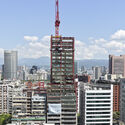
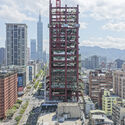
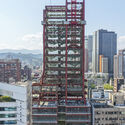
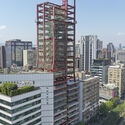
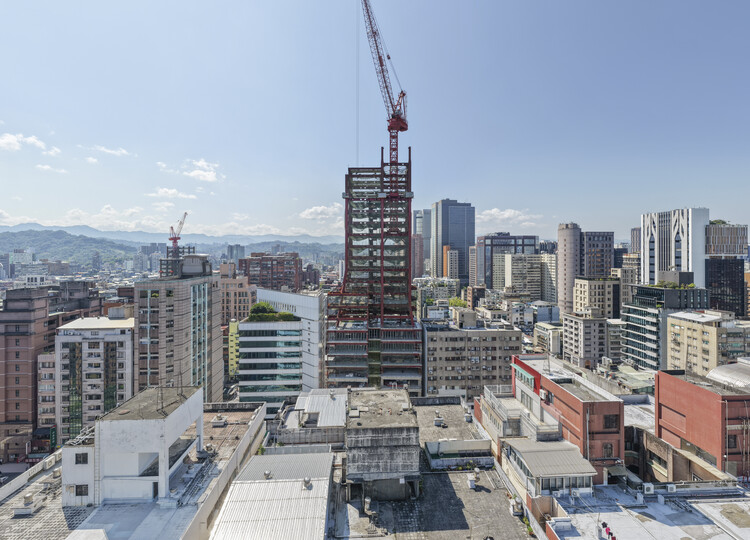
OMA's Metropolitan Village, also known as Taipei Xinyi–Wenchang Residence, is a new high-rise residential tower located in Taipei's Xinyi Central Business District. The project, led by David Gianotten and Chiaju Lin, with HCCH & Associates Architects Planners & Engineers as local collaborator, provides 11,961 m² of residential floor area on a 736 m² site. The 95 m, 23-storey building follows the concept of a "vertical village," reflecting the increasingly fluid boundary between living and working identified by the architects in post-pandemic Taipei. Commissioned by Continental Development Corporation, the project broke ground in 2024 and is scheduled for completion in 2027. Recent images show construction progress, with the highest structural element now being installed.
Meta fitting in Matte Black. Image Courtesy of Dornbracht
Are living spaces getting smaller? As cities densify and the global population continues its steady migration toward urban centers—projected to reach around 70% by 2050—domestic space is becoming increasingly compressed. Rising land prices, high construction costs, and a surge in single-person households push developers toward smaller units and tighter floor plans. At the same time, cultural shifts toward resource efficiency and minimal living support this move. Shrinking living spaces require fewer materials, consume less energy, and encourage people to live closer to their means.
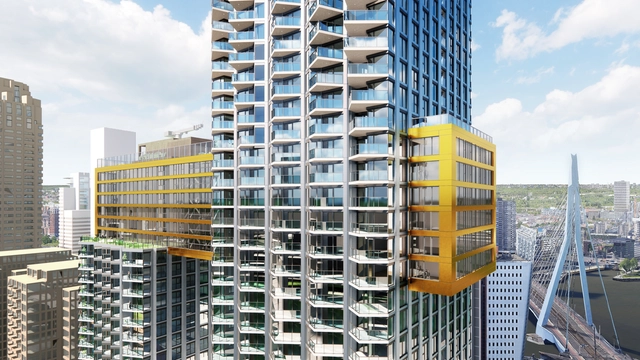
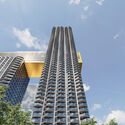
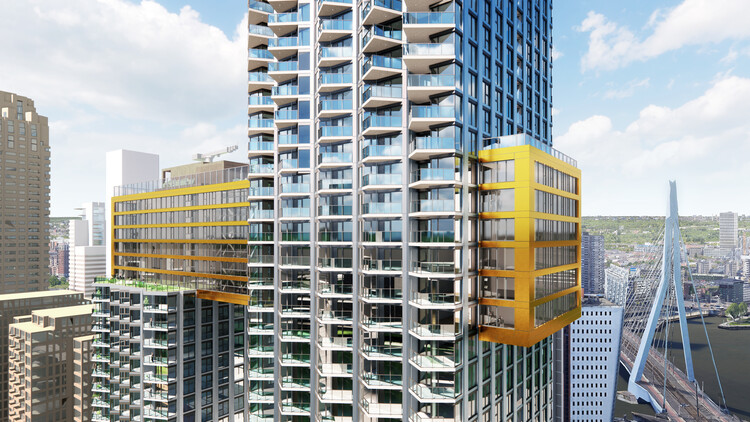
The Sax residential towers by MVRDV. Render. Image Courtesy of MVRDV
The City of Rotterdam, developers BPD and Synchroon, and architecture firm MVRDV have officially begun construction on The Sax, a major residential project located on Rotterdam's Wilhelminapier. Designed to contribute to the city's ongoing densification efforts, the development will deliver 916 apartments within two interconnected towers. Once completed, The Sax will make Wilhelminapier the most densely populated area in the Netherlands, making the project an example of compact urban growth. The design comprises two towers, combining a wide mix of housing types and shared amenities with strong connections to public transport and sustainable mobility solutions, including parking for 1,800 bicycles and a fully automated car garage. With its silver façade and undulating balconies, the building's form echoes the shape of a saxophone, reflecting the character of Rotterdam.
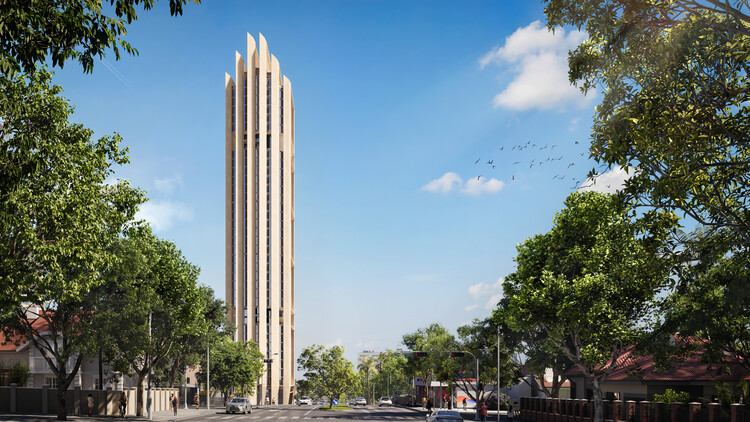
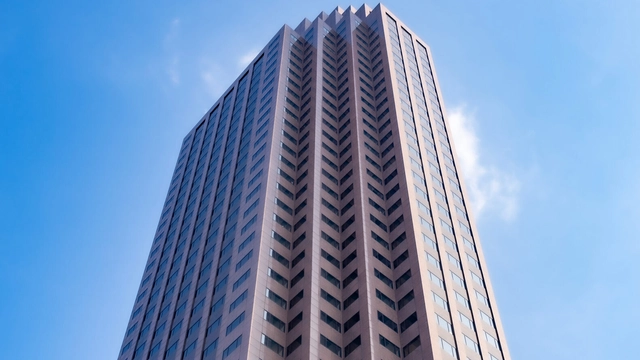
The 39 storey Sudameris Plaza office tower. Image Courtesy of Foster + Partners
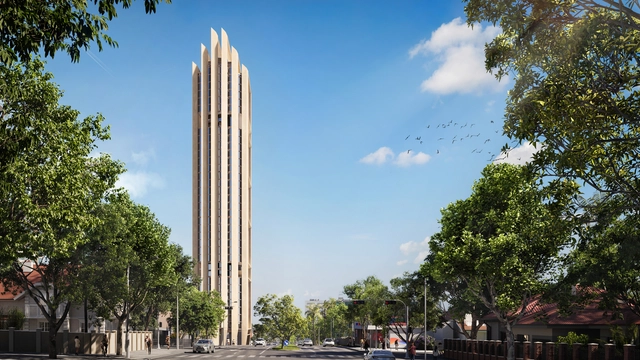
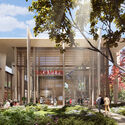
Foster + Partners has won an international competition to design the headquarters of Sudameris Bank in Asunción, Paraguay. The project, named Sudameris Plaza, is a 39-storey office tower featuring an exposed concrete frame and an angular form. It includes a landscaped plaza, art gallery, auditorium, and a large public garden at the tower's base. The studio aims to integrate greenery throughout the shared spaces of the building, fostering a strong connection with nature from within the tower.
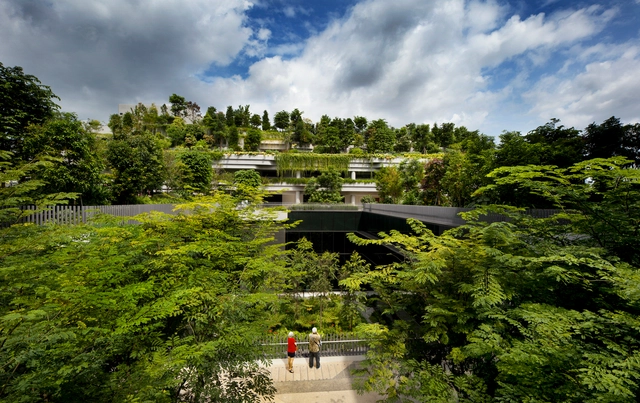
Kampung Admiralty / Ramboll Studio Dreiseitl + WOHA. Image Courtesy of WOHA
Ebenezer Howard's verdant visions for cities have spread eastwards, far beyond his British roots. In the 1900s, city planning welcomed the Garden City Movement as a champion of good design - a response to Western industrial urbanization. Soon, Asian cities conceived their archetypes, juggling local constraints in climate and density. Designs and development, from colonial-era experiments to contemporary mega-projects, have embraced and reinvented Howard's vision well into the 21st century.
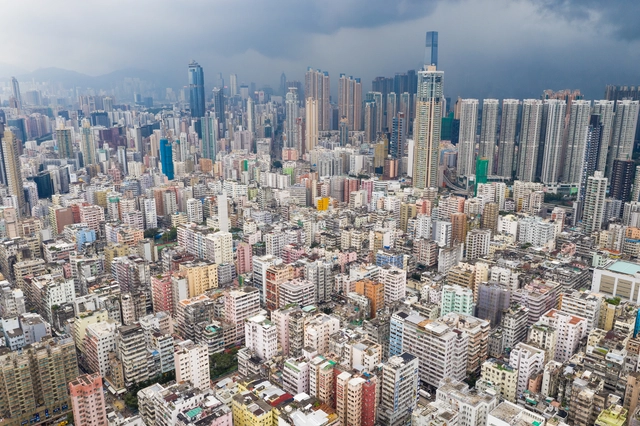
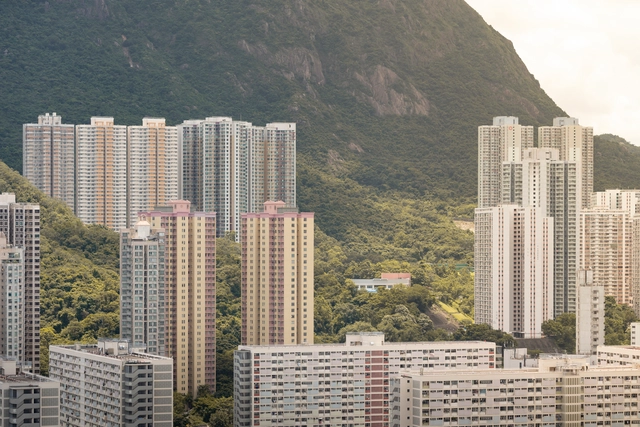
Situated in one of the fastest-developing regions over the past decade—the southern part of China, including Hong Kong and the Greater Bay Area—urban growth has been driven by an overwhelming wave of commercial ambition. Projects here are often designed for maximum density, height, and efficiency, resulting in developments of enormous scale that can easily span several acres. Prioritizing transit-oriented development, these complexes frequently take the form of sprawling malls built directly above major transportation hubs. Designed to disorient and prolong foot traffic to encourage economic activities, these mega-structures have become commonplace in cities like Hong Kong and Shenzhen.
While this typology of megastructures offers clear advantages—economic efficiency, high development returns, and convenience for transit users—it almost invariably ignores its urban context and environment. These developments often turn a blind eye, deliberately so, to their environmental footprint and the city's walkability. At such overwhelming scales, the human walking experience is diminished, if not outright neglected. Pedestrians become interiorized—trapped within the insulated world of these complexes.
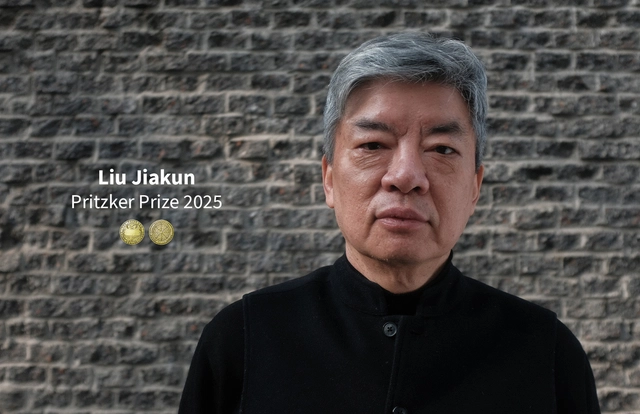
Chinese architect and educator Liu Jiakun has been announced as the laureate of the 2025 Pritzker Architecture Prize, the highest honor in the architecture field. This prestigious award recognizes Jiakun, founder of Jiakun Architects (established 1999), for his ability to blend traditional Chinese elements with contemporary design and for his commitment to social equity in the built environment. Born in Chengdu, China, where he continues to live and work, he becomes the second Chinese architect to receive the accolade, following Wang Shu (2012). Jiakun joins a distinguished list of previous laureates including Riken Yamamoto in 2024, David Chipperfield in 2023, and Francis Kéré in 2022. The award ceremony will be held this spring at the Jean Nouvel-designed Louvre Abu Dhabi, with a global video release of the presentation this fall, followed by the 2025 Laureates' Lecture and Symposium in May.
SO-IL (Solid Objectives – Idenburg Liu) is an architectural design firm based in Brooklyn, New York, founded in 2008 by Florian Idenburg and Jing Liu. Known for an architecture deeply engaged with social, cultural, and environmental contexts, the studio focuses on exploring innovative materials, creating fluid spatial experiences, and prioritizing ecological sustainability. SO-IL's work spans various scales and program types, reflecting their versatile approach to design. In 2024, their housing project 450 Warren in Brooklyn was selected as ArchDaily's Building of the Year by the audience in the housing category.
In their latest book, In Depth: Urban Domesticities Today, SO-IL explores the evolving concept of home in contemporary urban contexts, transforming it "from a source of vulnerability into a tool for empowerment." The book redefines domesticity as an active and shared experience and examines how architects can address pressing urban challenges such as affordability, density, and sustainability. SO-IL's work advocates for flexible, resilient housing that fosters community while integrating ecological and social dimensions. ArchDaily spoke with the architects about the innovative solutions and ideas presented in the book, delving into how their projects challenge conventional systems and envision a future where architecture is a tool for empowerment.
Naturally, a higher population density prevents the formation of ghost towns and vacant shops, which can become hotbeds for crime. However, these positive views on dense living environments often rest on optimistic assumptions about urbanism, such as minimal friction among individuals, easily maintained hygiene and a natural formation of diversity.
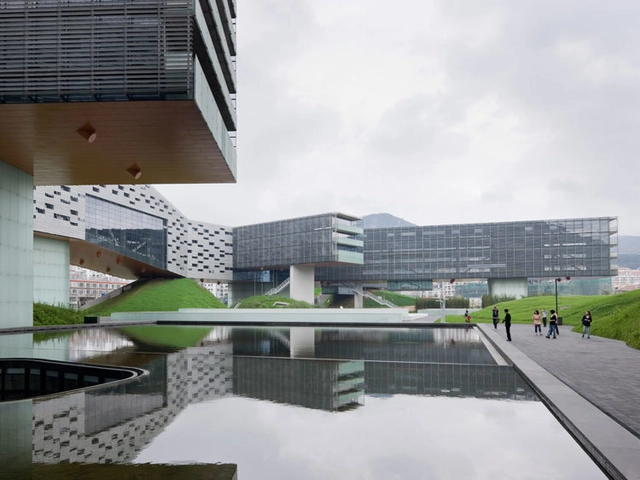
A ground scraper is essentially the opposite of a skyscraper - a large building that sprawls outward horizontally instead of soaring vertically into the sky. Though no strict definition exists, groundscrapers are generally described as extremely long but low-rise buildings with over 1 million square feet of space, sometimes called sidescrapers or landscrapers. The term came into the spotlight with Google's plans for their massive $1.3 billion London headquarters. Designed to be only 11 stories tall but over 1,000 feet long, this vast office block epitomizes using horizontal expansion to create immense space for thousands of employees.
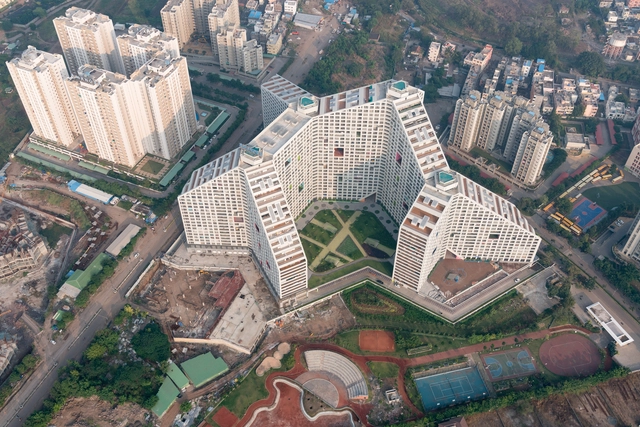
Like most countries, India faces a perpetual housing crisis. As the world’s most populous nation, with an urban population expected to grow from 410 million in 2014 to 814 million by 2050, this becomes a pressing concern. The Indian built landscape brings further complexities in the form of a pervasive market-driven approach and the need for socially relevant housing. Looking into the future, how will India address the needs of its growing population to house the next million urbanites?
For the past three decades, YIMBYs and NIMBYs have been fighting pitched battles across the U.S. for the heart and soul of future development, but the housing crisis has only grown worse, especially since the crash of 2008, which changed so many things on the supply side.
This was followed a dozen years later by 2020, the strangest year of our lifetimes, which made those supply-side challenges even more pronounced. The roots of the problem, however, go back further than that, with mistakes made as long as 75 years ago now being repeated by completely new generations. Failure to understand those errors—and even why they are errors and not good practice—will perpetuate and exacerbate today’s crisis into future generations.
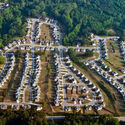
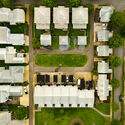
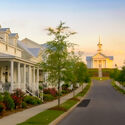
There are three primary settings in which lower-density urbanism can be useful, and where conditions favored by YIMBYs are weak or nonexistent: as a replacement for what is currently slated to be built out as sprawl, as a recovery process for existing sprawl, and in small towns that are growing. Giving up on these settings forces all development intended to combat the housing crisis into urban settings, ideally near transit, where land is much more expensive to acquire and to develop. It also allows the sprawl machine to roll on unimpeded.The best vehicle for implementing principles illustrated here at the scale of a neighborhood, hamlet, or village is not a major production builder, as these principles violate almost all of their conventional industrial practices. Instead, look to the record of stronger New Urbanist developers who are no strangers to doing things considered unconventional by the Industrial Development Complex in the interest of better places with stronger lifetime returns.
In this fourth feature, we met with co-chairs ofdesign for Health architectArif Hasan, former Visiting Professor NED University Karachi and member of UNs Advisory Group on Forced Evictions, and architectChristian Benimana, Senior Principal and Co-Executive Director atMASS Design Group
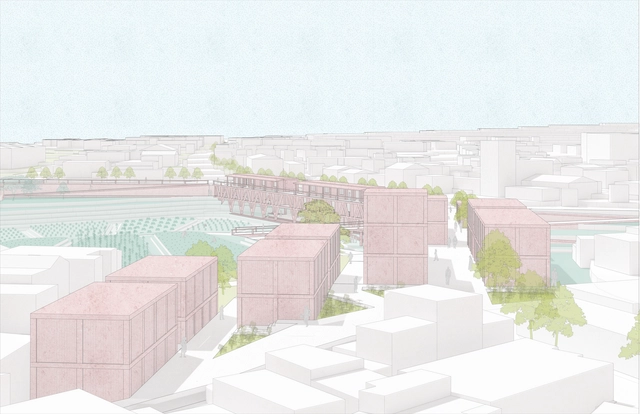
The 2021 edition of Dutch Design Week (DDW) that took place in October in Eindhoven brought forward a range of explorations and innovative ideas that have the potential of shaping a positive future in the direction of less waste and sustainable consumption. As part of the programme, the Future Cities talk discussed the challenges faced by urban environments and addressed the potential of carefully considered inward growth and densification in tackling housing shortage and achieving sustainable development.
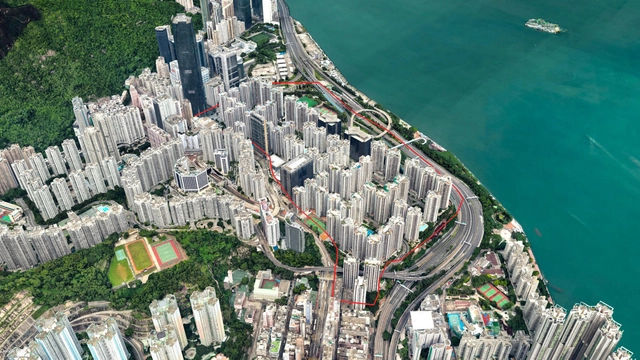
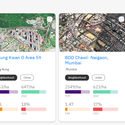
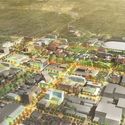
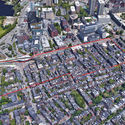
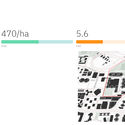
Global design firm Sasaki has announced the launch of Density Atlas, a new online platform for planners, urban designers, developers, and students immersed in the public realm, to have a better understanding about density. The platform explores the limitations of density and defines a more standardized set of metrics for understanding and comparing density across different global contexts, such as in urban centers, college campuses, or community under development.