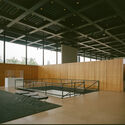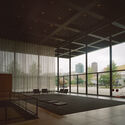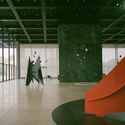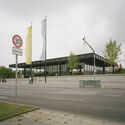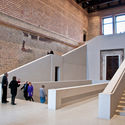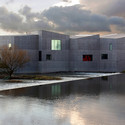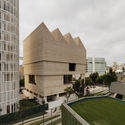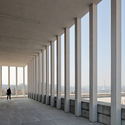
After being closed for six and a half years for a renovation by David Chipperfield Architects, the Berlin museum reopened Sunday, August 22.



After being closed for six and a half years for a renovation by David Chipperfield Architects, the Berlin museum reopened Sunday, August 22.
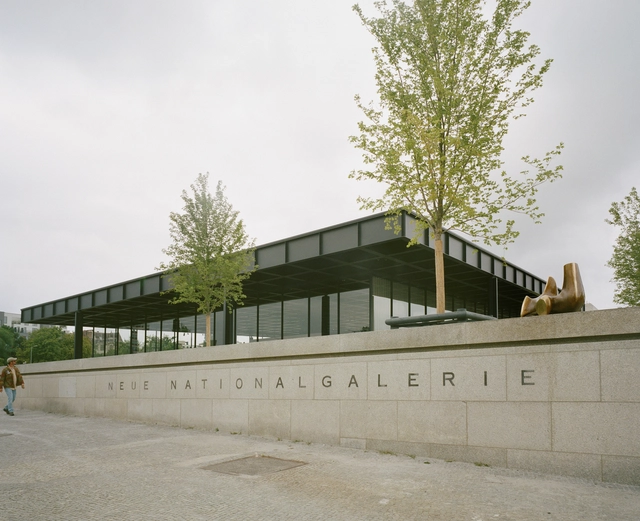
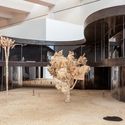
When David Chipperfield was asked about what visitors should expect to see when he concludes the renovation of Mies van der Rohe’s Neue Nationalgalerie in Berlin, he said: “Imagine a 1965 Mercedes. It looks fine, but it’s falling apart on the inside. We want to put it in the shop, take it apart and put it back together again, so when someone turns on the switch - the engine will work.” Due to the ongoing pandemic health regulations, the 2021 re-opening saw a limited number of journalists and visitors to tour alongside Chipperfield and explore the newly-renovated architecture. Editor and photographer Gili Merin had the opportunity to photograph the project during the pre-opening event and interview the world-renowned architect.

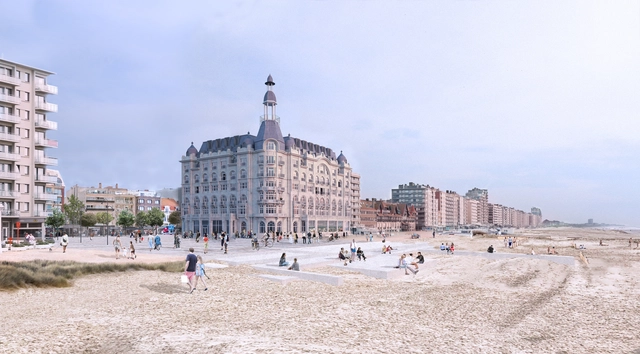
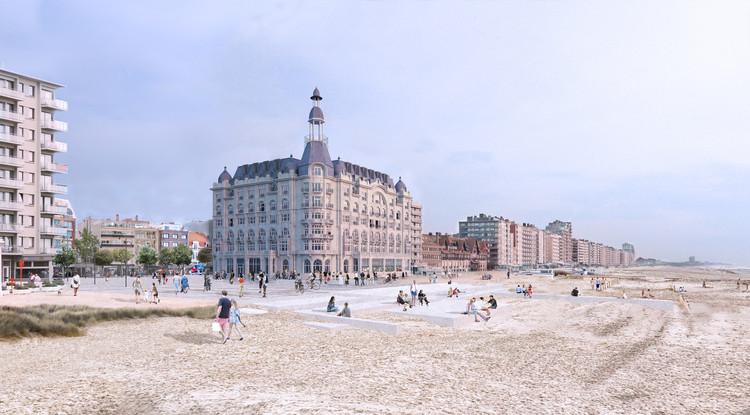
David Chipperfield Architects has unveiled his restoration plans for the Grand Hotel in Nieuwpoort, Belgium. Started in 2019, the project converts the structure into a residential building, while seeking to reinstate its landmark status. Becoming “The Grand residential building”, the architecture will also take on an extension that underlines a “sensitive understanding of heritage value and entails reinterpretation and invention as well as restoration”.


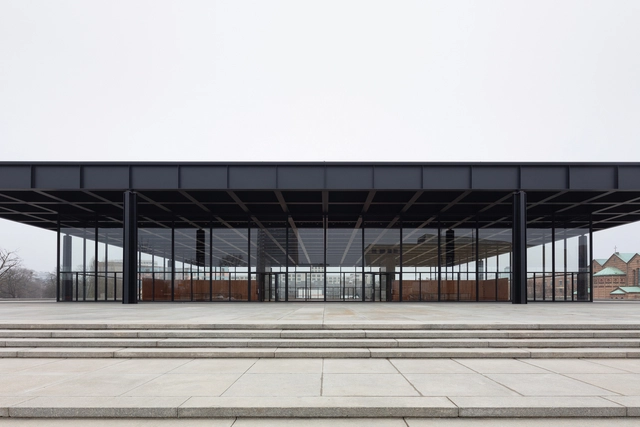
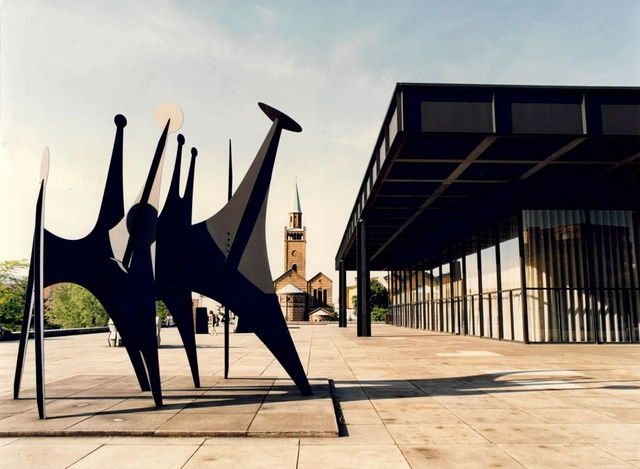
Renovation works of Mies van der Rohe’s Neue Nationalgalerie in Berlin are in their final phase. Overseen by David Chipperfield Architects, the restoration was much needed after almost 40 years. Set to reopen in the summer of 2021, the concrete, steel, and glass landmark, dedicated to culture and the fine arts, is in fact Mies van der Rohe’s only work in Germany after World War II.
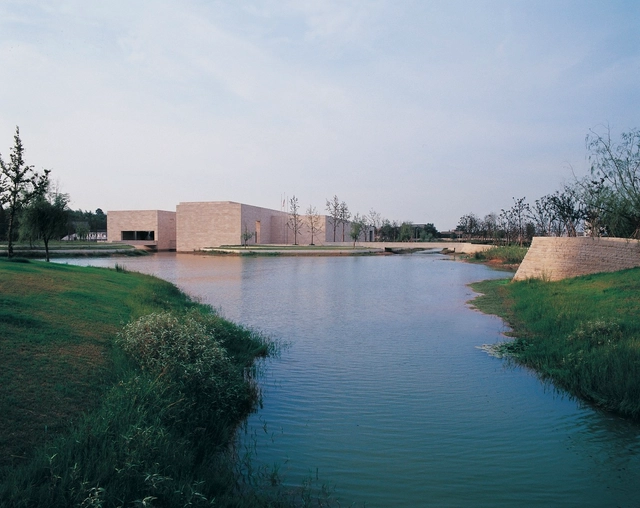
Urban development in China has been a contentious issue, represented by megacities and endless gated communities, remnants of the country’s large communal working and living units, the ‘danwei’. However, in recent years, the paradigm has been shifted largely by developers for more innovative living concepts, the practice of designing inclusive communities anchored by public and cultural buildings serving the wider community. One of the earliest experiments, Liangzhu New Town by Vanke is now a benchmark for creating diverse community.
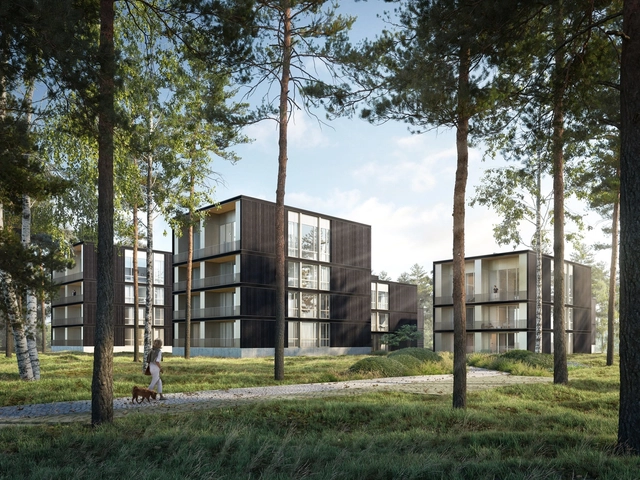
David Chipperfield Architects and landscape architect Enzo Enea have designed a luxury residential retreat on the shores of Lake Scharmützelsee in Germany. Dubbed the Marina Apartments, the project was created for Artprojekt Group as an exclusive development in Bad Saarow. Opening up to nearby forests and the waterfront, the project was designed to be in harmony with nature.
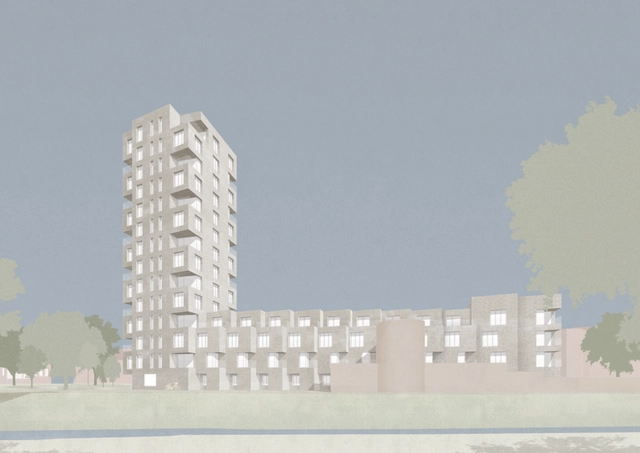
David Chipperfield Architects has received planning permission for Hertogensite residences in Leuven, a new 14-story residential tower in Belgium. Part of a global vision to redevelop a former hospital campus, the project is connected to nine townhouses and a four-story apartment building.
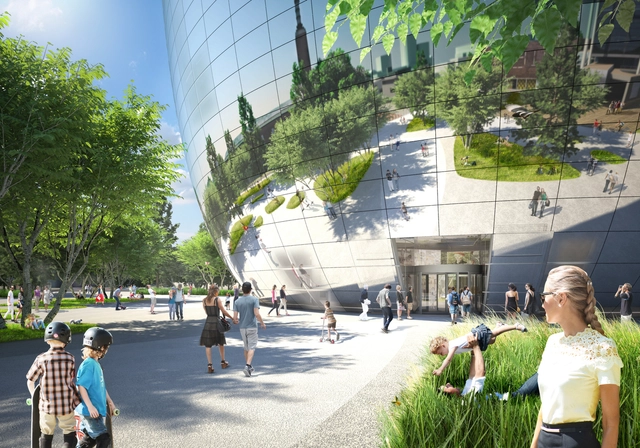
As architects rely heavily on imagery to convey abstract information to a broad audience, there is a recurrent conversation on the role of visualizations in architecture and how they impact the general perception of the built environment.
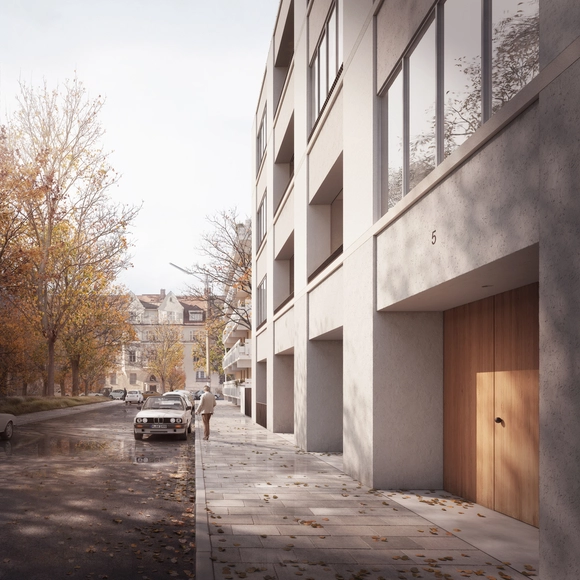
Commissioned by real estate developer Euroboden, Kolberger 5 is a contemporary take on the historical typology of Munich’s Stadtpalais. Designed by David Chipperfield Architects and Studio Mark Randel, the project featuring different size apartments is located at the entrance of historic Herzog Park.
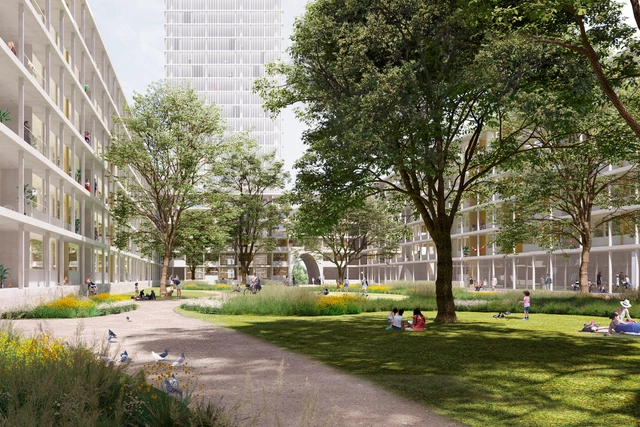
David Chipperfield Architects with Wirtz International Landscape Architects have won an urban competition in Berlin to convert the abandoned industrial and production site Georg-Knorr-Park into a lively residential and commercial neighborhood.

The career of British architect David Chipperfield (born 18 December 1953) has spanned decades and continents as an architect, designer and professor. Since 1984, he has been at the helm of David Chipperfield Architects, an award winning firm with over 180 staff at offices in London, Berlin, Milan, and Shanghai. Chipperfield is an honorary fellow of the American Institute of Architects and Germany's Bund Deutscher Architekten, and was appointed a Commander of the Order of the British Empire (CBE) in 2004. In 2012, Chipperfield curated the Venice Biennale of Architecture under the theme Common Ground.
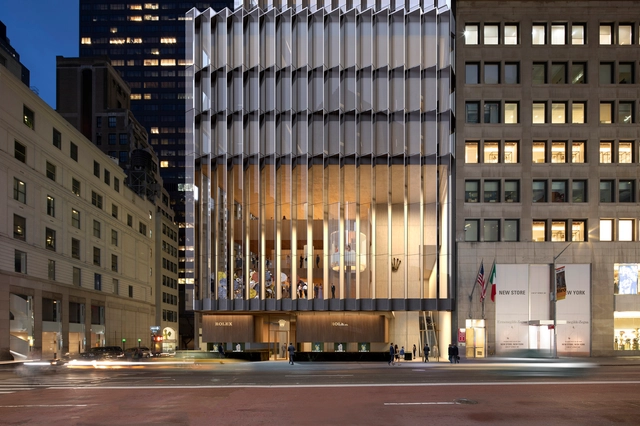
The international competition for the Rolex USA headquarters in New York selected the English firm, David Chipperfield Architects as the winning practice to design the anticipated tower. The new construction will replace the existing building, home to the Rolex company since the ’70s.
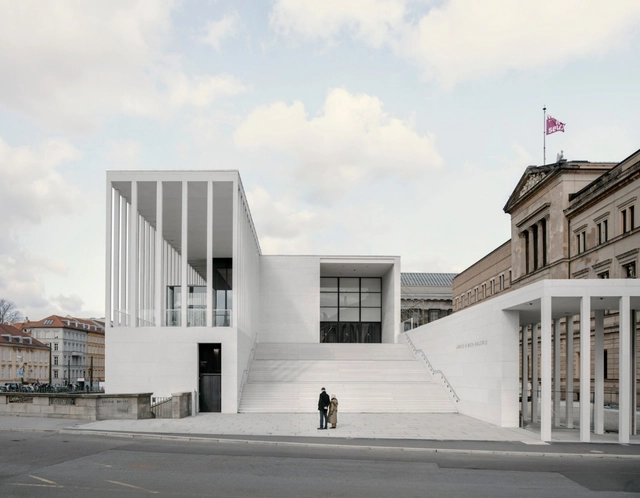
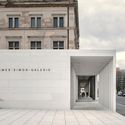
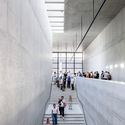
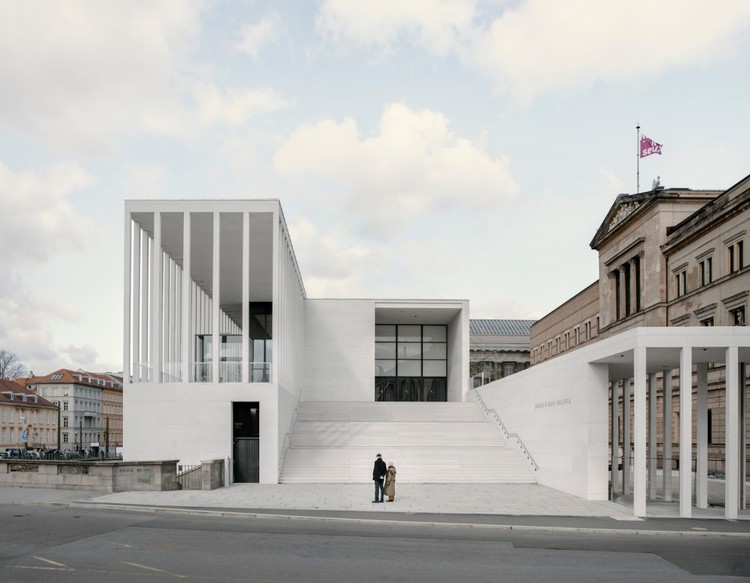
David Chipperfield's James-Simon-Galerie has opened on Museum Island in Berlin. The project serves as a new entrance between the Kupfergraben canal and the Neues Museum. The design was made to welcome large numbers of visitors while housing all the additional facilities needed by the museum. Featuring an iconic colonnade above a stone plinth, the project was made to express a classical piano nobile.
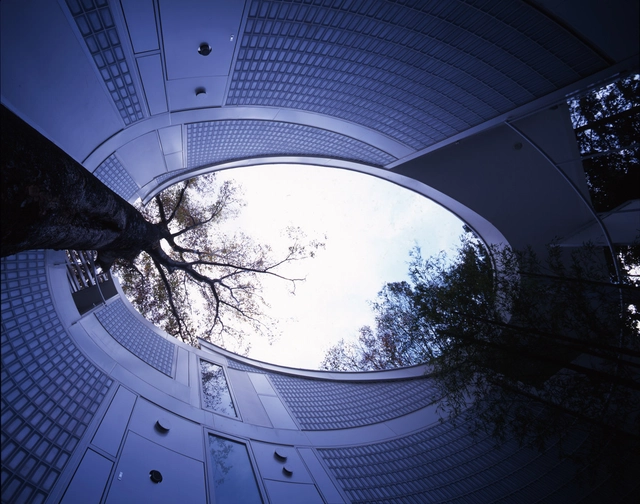
Originally published in Metropolis Magazine as "Inside the Homes and Workspaces of 8 Great Architects", this article shows the spaces occupied by some of the best-known architects in the world. Documented for an exhibition that will be featured at the Milan Design Week 2014, the images give a glimpse inside the private worlds of some of our favorite designers.
It's a cliche that architects have messy workspaces. From chaos comes creation, so the phrase goes. But an upcoming exhibition at this year's Salone del Mobile intends to dispel the myth. Studio Mumbai.
Curator Francesca Molteni interviewed each of the designers in their private homes and came away with one finding: architects are actually quite tidy. The studios are all pristinely ordered; books are neatly stowed away, figurines and objets astutely displayed, and table tops swept clean. The photographs below are part of the exhibition materials, produced with the help of scenographer Davide Pizzigoni, which faithfully document the physical environments in images, video, and audio. These will be used to recreate the architects’ “rooms” at Salone del Mobile in April.
Where Architects Live is not limited to satisfying our curiosity about what these architects’ homes look like. Richard Rogers’ affirmation that “a room is the beginning of a city” resonates with the project’s aim in trying to articulate its subjects’ personal tastes and obsessions, and how those are reflected in their architectural work.
Read on to see more images of the inside of architects' homes and studios
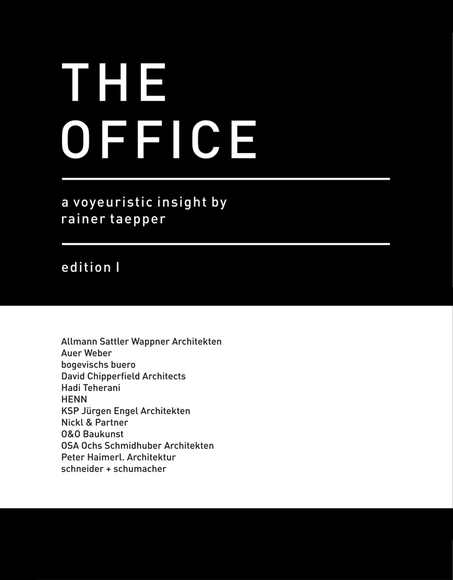
The first edition of a book series called “The Office”. A book that looks behind the scenes and gives an insight into the architectural offices. It is not dedicated to their buildings, but rather portrays the creators, the creative people whose intellectual work lays the foundation for the creation of a building. The result is an authentic photographic report, taken from the knowledge-hungry perspective of a secret observer, a voyeurist of good design.
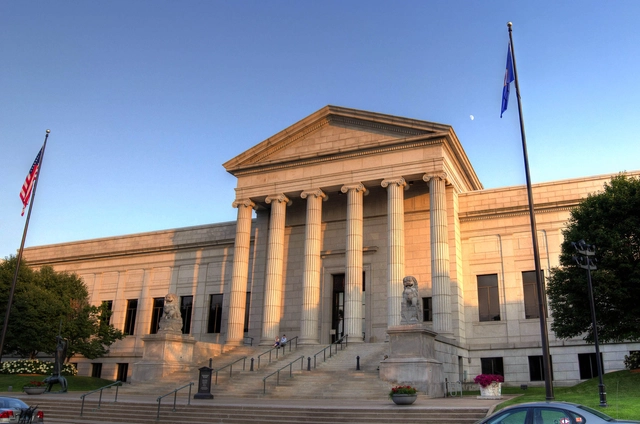
The Minneapolis Institute of Art (MIA) has selected David Chipperfield Architects to lead the design of a new masterplan for the museum that will “enhance the visitor experience and to expand the community’s access to the museum as a community resource.”
The planning process will aim to diagnose potential improvements and provide a conceptual solution for a long-term growth plan for the Museum. Several pressing needs have already been identified, including improved parking facilities, additional art storage and increased and improved public gathering spaces. The Museum also hopes to question the current visitor circulation, as well as consider upgrades to their restaurant and auditorium.
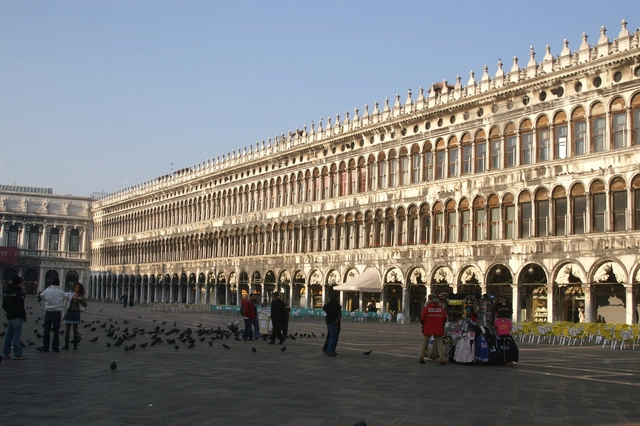
David Chipperfield has been selected to lead a multi-million dollar restoration of Venice’s Procuratie Vecchie, a monumental building located on one edge of the city’s most famous square, Piazza San Marco, reports the Telegraph.
The city’s longest building, stretching 500 feet along the square, Procuratie Vecchie will be transformed into a venue of art exhibitions and seminars, as well a the home of a philanthropic institution with the mission of supporting vulnerable groups of people such as refugees. Its completion will mark the first time in 500 years that the public will be able to access the building.