
-
Architects: FR-EE / Fernando Romero Enterprise
- Area: 250 m²
- Year: 2006




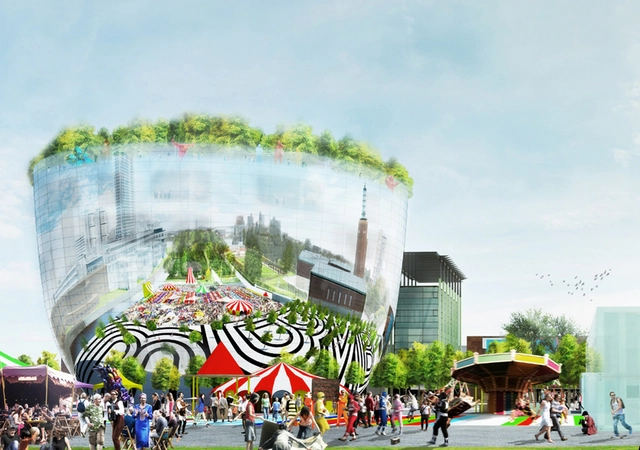
The City of Rotterdam has unveiled MVRDV’s competition winning design for a new public art depot in Rotterdam’s Museumpark. Clad in a highly reflective glass, the cylindrical BREEAM Excellent-planned “Collection Building” will store the “precious art collection of Rotterdam” as well as offer commercial interior storage for private collectors. It is designed to expose the inter workings of a museum, winding visitors up a public route, past storage rooms and restoration workshops, to a rooftop exhibition space, sculpture garden and restaurant.
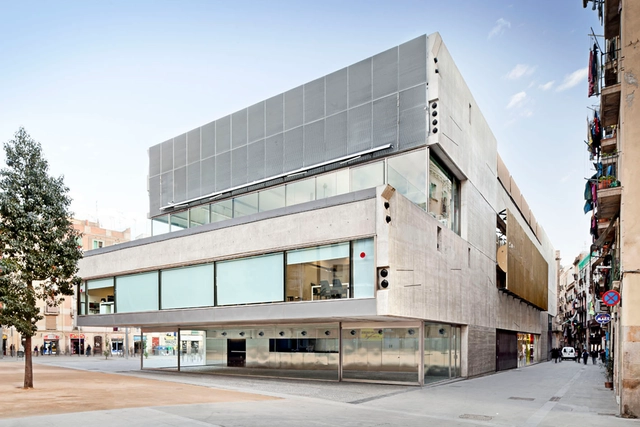

Tsinghua University, alongside New York-based Studio Link-Arc, has been announced as winners of a competition to design the Chinese Pavilion at the 2015 Milan Expo. Expanding on the Expo’s overarching theme, “Feeding the Planet - Energy for Life,” the pavilion’s “Land of Hope” is centered on the idea that “hope can be realized when nature and the city exist in harmony.”

Text description provided by the architects. The Cube, a sixteen meter tall painted steel and rope installation designed for the 2013 Beijing Biennale by the Oyler Wu Collaborative, challenges the volumetric perception of its own archetypal geometry. The aspiration of the installation is to achieve the transcendence of the first dimension - the line - by simulating warping two-dimensional planes, which penetrate and populate the object framework, to create the perception of inhabitable three-dimensional space.
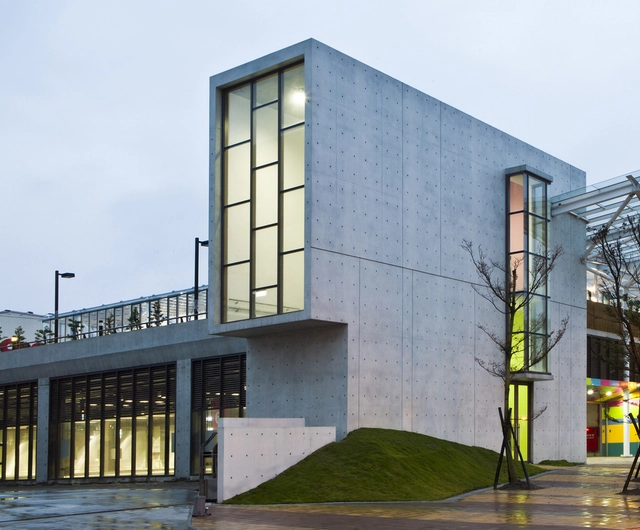

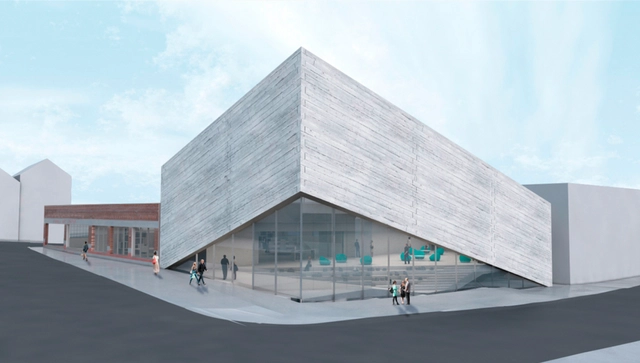
BIG has unveiled new plans for the Kimball Art Center in Park City, Utah. Departing from his original competition winning design, a twisted 76-foot tall log cabin whose height caused its demise due to public disapproval, the new scheme will now top out at a more modest 46-feet as two slanted concrete walls lift towards the sky and expose the center’s interior to the historic Old Main Street.
"The building seems to rise with Main Street and the mountain landscape, while bowing down to match the scale of the existing Kimball," described Bjarke Ingels in a statement.
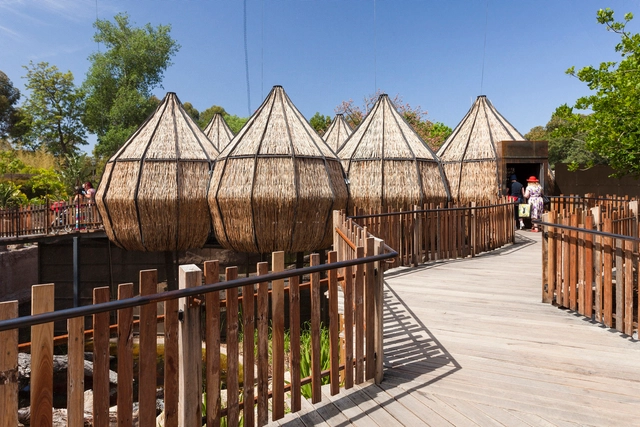


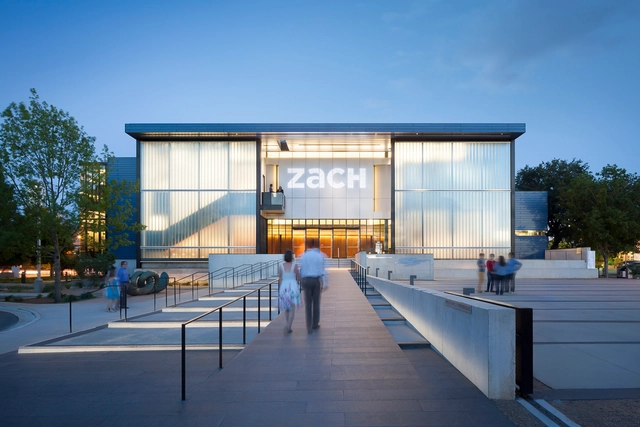
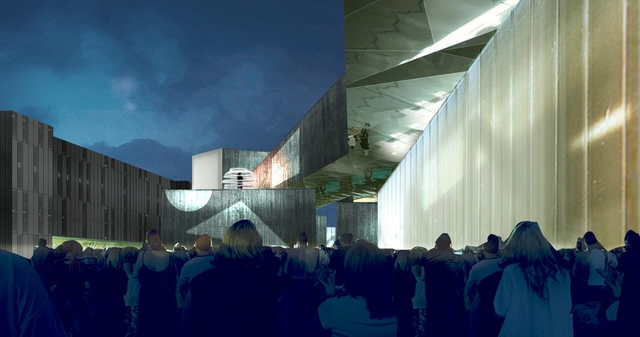
Reaching the second stage of the international competition to design Russia’s National Centre for Contemporary Arts (NCCA), which was won by Heneghan Peng Architects, WAI Think Tank put forth a proposal that projects the NCCA as not just a center "for the creation, study, and support of contemporary art in Russia" but also "a building as manifesto." WAI Think Tank focused on giving a flexible autonomy to the enclosed and external spaces, designing the galleries as extensions of the city, in an attempt to design "the first archetype of Museum as City."












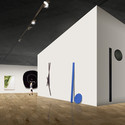

.jpg?1392935132 "© Pedro Pegenaute")
.jpg?1392935131 "© Pedro Pegenaute")
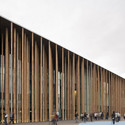
.jpg?1392935200 "© Pedro Pegenaute")