1. ArchDaily
  2. Colors

Colors: The Latest Architecture and News

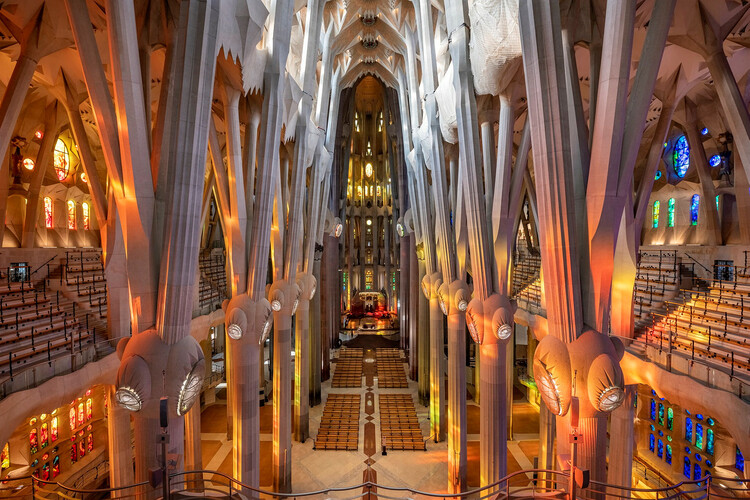
Contemplative Drama: How Gaudí Shaped Light and Color at Sagrada Família

Subscriber Access | 

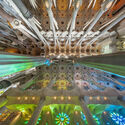
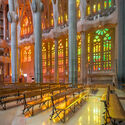
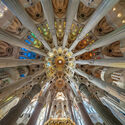
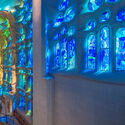
It is afternoon in the summer, and the nave of the Sagrada Família is saturated with warm colors. Shafts of amber and crimson sweep across the stone floor, shift as a cloud passes over Barcelona, then deepen again. Around you, visitors slow without quite realizing it. Some raise their phones — not to capture the architecture, but to step into the light itself, positioning themselves in a pool of orange or gold as if the colours were something you could wear.

They are, without knowing it, doing exactly what Gaudí intended: surrendering, however briefly, to the sensation of being bathed in something larger than themselves.

Contemplative Drama: How Gaudí Shaped Light and Color at Sagrada Família - Image 1 of 4Contemplative Drama: How Gaudí Shaped Light and Color at Sagrada Família - Image 2 of 4Contemplative Drama: How Gaudí Shaped Light and Color at Sagrada Família - Image 3 of 4Contemplative Drama: How Gaudí Shaped Light and Color at Sagrada Família - Image 4 of 4Contemplative Drama: How Gaudí Shaped Light and Color at Sagrada Família - More Images+ 14

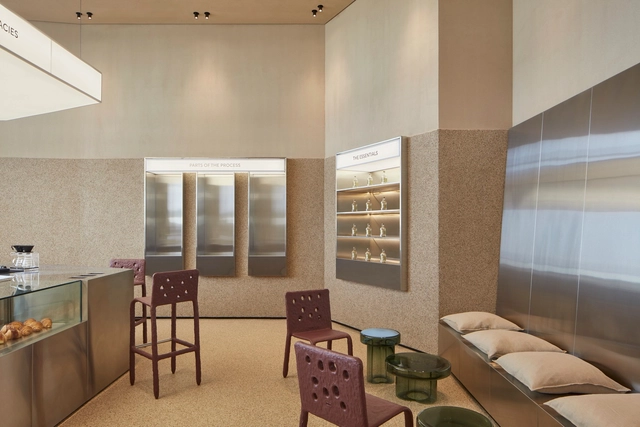
Interiors of Pastry Shops and Bakeries: Design Strategies that Integrate Functions, Users, and Materials

Subscriber Access | 

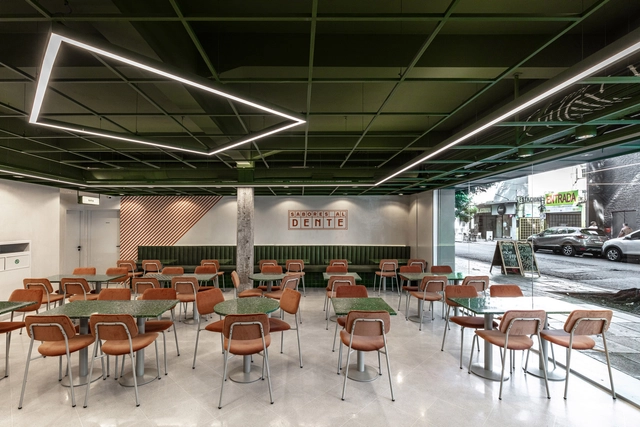
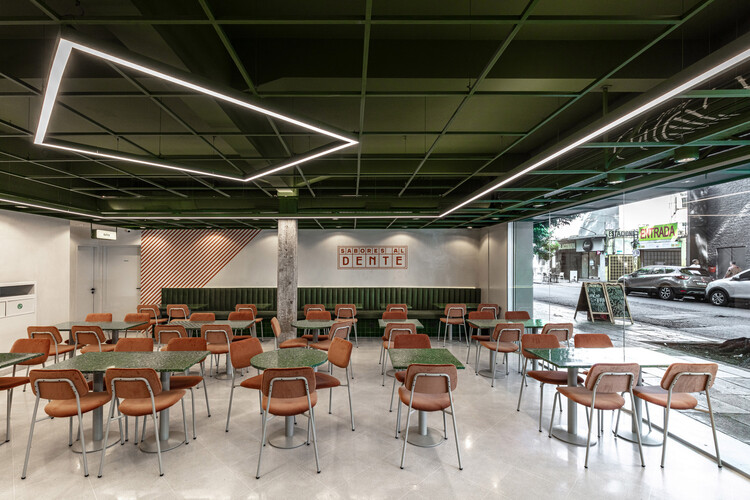
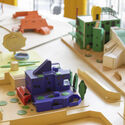
What is the link between architecture and pastry? What design strategies are applied in the contemporary interiors of bakeries and pastry shops? While architecture can serve as inspiration for the design of forms and configurations of edible elements, it also contributes the techniques of descriptive drawing, architectural composition, and staged planning to the culinary language. Focusing their thinking on people and their needs, both disciplines strive for precision, with interior design being a broad field where the use of figures, colors, materials, and various equipment can be explored to enhance user experiences.

Interiors of Pastry Shops and Bakeries: Design Strategies that Integrate Functions, Users, and Materials - Image 1 of 4Interiors of Pastry Shops and Bakeries: Design Strategies that Integrate Functions, Users, and Materials - Image 2 of 4Interiors of Pastry Shops and Bakeries: Design Strategies that Integrate Functions, Users, and Materials - Image 3 of 4Interiors of Pastry Shops and Bakeries: Design Strategies that Integrate Functions, Users, and Materials - Image 4 of 4Interiors of Pastry Shops and Bakeries: Design Strategies that Integrate Functions, Users, and Materials - More Images+ 36

Beyond the Dropped Ceiling: 10 Interior Projects for Making Services and Conduits Part of the Architecture

Subscriber Access | 

In contemporary interior architecture, service provisionsmechanical, electrical, HVAC, plumbing—are almost always treated as elements to be concealed. Thickened wall cavities, extensive dropped ceilings, and, in regions where solid construction such as brick or concrete prevails, furred-out walls are routinely employed to hide these systems. This approach has become so normalized that it often forms the starting assumption for spatial planning, inherently constraining imagination and reducing the range of spatial possibilities. The priority shifts towards covering-up, rather than exploring how these systems might coexist visibly within a design language.

Beyond the Dropped Ceiling: 10 Interior Projects for Making Services and Conduits Part of the Architecture - Image 1 of 4Beyond the Dropped Ceiling: 10 Interior Projects for Making Services and Conduits Part of the Architecture - Image 2 of 4Beyond the Dropped Ceiling: 10 Interior Projects for Making Services and Conduits Part of the Architecture - Image 3 of 4Beyond the Dropped Ceiling: 10 Interior Projects for Making Services and Conduits Part of the Architecture - Image 4 of 4Beyond the Dropped Ceiling: 10 Interior Projects for Making Services and Conduits Part of the Architecture - More Images+ 35

Clorindo Testa's Artistic and Architectural Experimentation: Colors and Asymmetrical Plays in Spaces of Worship

Subscriber Access | 

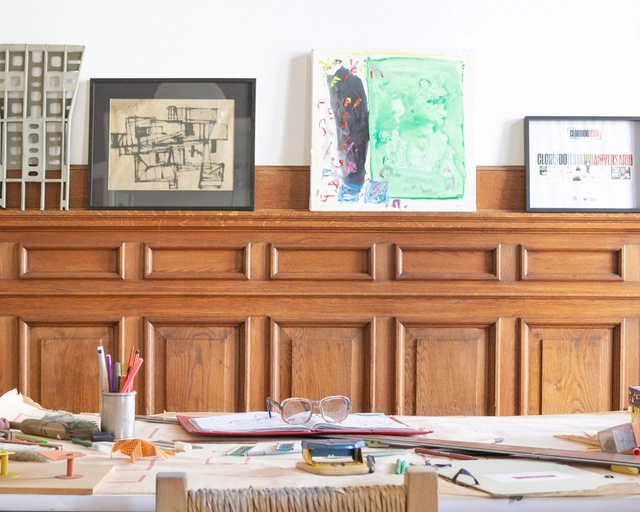
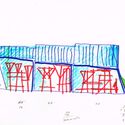
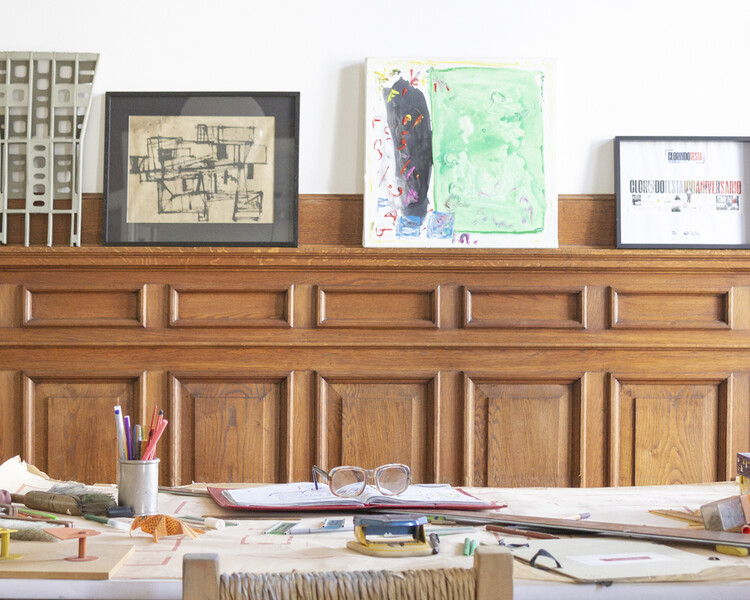
Amid questions, reflections, and debates, the work of Clorindo Testa embodies an innate connection between artistic and architectural experimentation, reflected in many of his built projects, sketches, models, and plans. From the Mariano Moreno National Library to the former Bank of London building in Buenos Aires, his production is of such scope, diversity, and complexity that it constitutes a major source of study, one that also includes unbuilt projects that deserve visibility and recognition on a global scale. In his final years of professional activity, two unbuilt projects of religious architecture highlight Testa’s work not only as an architect but also as a visual artist.

The use of primary colors, pure forms, and concrete represent some of the most distinctive characteristics of Clorindo Testa’s architecture, which is inseparable from his visual art. Reflecting on themes such as living in large cities or the conditions of life in urban spaces, the powerful expressiveness and plasticity of his works, together with the character of the line, his typical color palette, and the frequent presence of the human figure, reveal the importance and meaning he attributed to scales, uses, and perceptions as an architect who never settled for the first idea.

Clorindo Testa's  Artistic and Architectural Experimentation: Colors and Asymmetrical Plays in Spaces of Worship - Image 1 of 4Clorindo Testa's  Artistic and Architectural Experimentation: Colors and Asymmetrical Plays in Spaces of Worship - Image 2 of 4Clorindo Testa's  Artistic and Architectural Experimentation: Colors and Asymmetrical Plays in Spaces of Worship - Image 3 of 4Clorindo Testa's  Artistic and Architectural Experimentation: Colors and Asymmetrical Plays in Spaces of Worship - Image 4 of 4Clorindo Testa's  Artistic and Architectural Experimentation: Colors and Asymmetrical Plays in Spaces of Worship - More Images+ 34

Swan Taps, Checkered Seashell Fixtures, and the New Frontier of Bespoke Design

 | Sponsored Content

At the heart of design lies the intersection of technique and creativity—a space where ideas take shape and environments are reimagined. In a world prevalent with mass-produced objects, the focus is shifting toward something more deliberate, where every decision opens up new possibilities and allows design to break free from the conventional. Think of the LC1 armchair by Le Corbusier or Mies van der Rohe's Barcelona chair—not simply furniture, but outcomes that illustrate a studio-driven freedom where ideas, materials, and finishes are allowed to converse, not conform. These pieces don't just fill a room; they reimagine it. This spirit of innovation now extends to every detail, from kitchen to bathroom fittings, where the range of choices—materials, form, and function—becomes an opportunity to craft something truly unique.

Crafting an Aura of Perfection with Intense Metallic Finishes in Modern Interiors

 | Sponsored Content

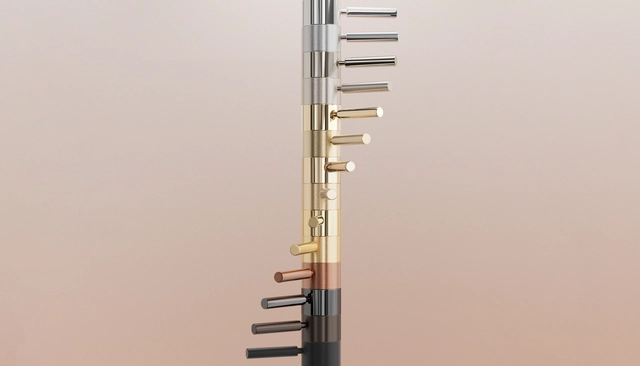
Functionality is non-negotiable when designing, but crafting the right ambiance is crucial—especially in bathrooms and kitchens, where a few well-chosen finishes, hues, and fittings can completely transform the atmosphere and favor the composition of a cohesive environment. Concepts such as beauty, quality, and variety drive much of the design process of these spaces, encouraging what some might perceive as an aspiration for perfection in all dimensions. The interaction of these factors enhances both the visual composition and the user experience, shaping a balanced and appealing setting that adapts to the evolving architectural and design language.

Pink as a Design Tool: Atmosphere, Identity, and Experimentation in Interior Design

Subscriber Access | 

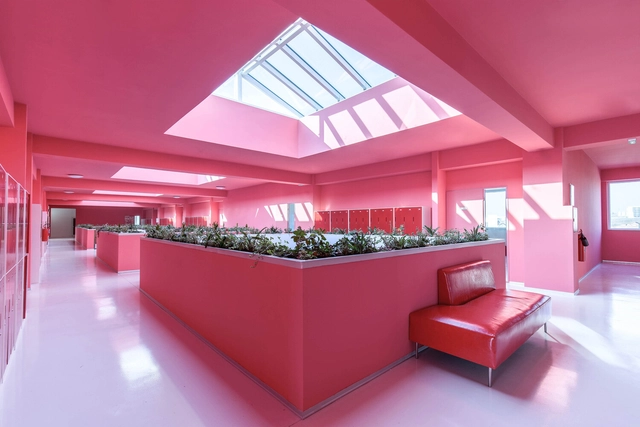
In recent years, pink has evolved beyond its traditional associations to become a sophisticated and versatile element in architecture and interior design. Defined by a broad spectrum of shades, pink encompasses both warm and cool tones, ranging from pure red tints (R) to blends with yellow (Y80R, Y90R) or blue (R10B, R20B, R30B), as classified by the Natural Color System (NCS). While difficult to define by a single shade, this color balances vibrancy and softness, making it adaptable across different materials and contexts. As pink continues to gain prominence in contemporary interiors, its role extends beyond being a mere color choice—it is a design strategy. The recent transition from the bold, playful pinks of the "Barbiecore" trend to softer, powdery hues seen in fashion and design in 2025 fashion collections, highlights the color's adaptability. Its presence in Pantone's 2025 color palettes, also reinforces its appeal across disciplines. When applied thoughtfully, pink can transform spaces, making them feel inviting, expansive, or timeless.

Pink as a Design Tool: Atmosphere, Identity, and Experimentation in Interior Design - Image 2 of 4Pink as a Design Tool: Atmosphere, Identity, and Experimentation in Interior Design - Image 4 of 4Pink as a Design Tool: Atmosphere, Identity, and Experimentation in Interior Design - Image 1 of 4Pink as a Design Tool: Atmosphere, Identity, and Experimentation in Interior Design - Image 5 of 4Pink as a Design Tool: Atmosphere, Identity, and Experimentation in Interior Design - More Images+ 7

2025 Color Trends in Architecture: Embracing Earth Tones and Vibrant Hues

Unlike the 2024 Color of the Year selections, the 2025 picks reveal more commonalities among the colors chosen by major paint industry leaders. Each year, designers and enthusiasts from various fields gather within companies worldwide to reignite the conversation about color and its connection to contemporary culture. For the 2025 forecast, earth tones seem to be the big winners: Pantone's Mousse Chocolate is joined by cinnamon, brown, and burgundy shades from Benjamin Moore, Graham & Brown, Behr, and C2 Paint. Companies like AkzoNobel, Valspar, and Comex opted for more vibrant colors to celebrate optimism and joy, while Sherwin-Williams and Jotun didn't limit themselves to a single color. Instead, they introduced entire palettes centered on tranquility and relaxation. These concepts appear to be the guiding themes for 2025.

2025 Color Trends in Architecture: Embracing Earth Tones and Vibrant Hues - Image 1 of 42025 Color Trends in Architecture: Embracing Earth Tones and Vibrant Hues - Image 2 of 42025 Color Trends in Architecture: Embracing Earth Tones and Vibrant Hues - Image 3 of 42025 Color Trends in Architecture: Embracing Earth Tones and Vibrant Hues - Image 4 of 42025 Color Trends in Architecture: Embracing Earth Tones and Vibrant Hues - More Images+ 8

Vibrancy and Utility: Embracing Color in Urban Apartment Kitchens

Subscriber Access | 

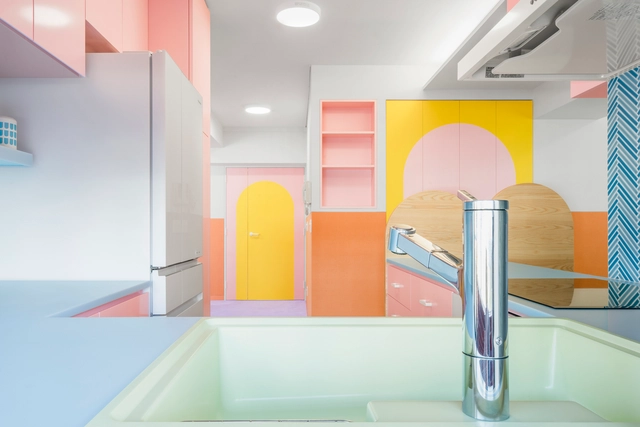
Urban apartments are frequently praised for their clever use of space, but what of their approach to color? Thoughtfully incorporating color is more than an aesthetic decision; it has the potential to shape emotional responses, influence mood, and create spatial illusions. Research in color psychology shows that colors affect our social, cultural, and psychological reactions, making them powerful design tools. Variations of blue, for instance, have been shown to slow melatonin production, keeping people more awake and alert, while shades of green relieve strain on our nervous systems, helping us feel calmer and more grounded. Color in architectural spaces can even alter our perception, creating illusions of depth, movement, and texture that influence how we experience space. Warmer hues like oranges and reds tend to make a room feel more intimate and cozy, while cool whites and blues lend a sense of openness, making spaces appear taller and more expansive.

Vibrancy and Utility: Embracing Color in Urban Apartment Kitchens - Image 2 of 4Vibrancy and Utility: Embracing Color in Urban Apartment Kitchens - Image 1 of 4Vibrancy and Utility: Embracing Color in Urban Apartment Kitchens - Image 8 of 4Vibrancy and Utility: Embracing Color in Urban Apartment Kitchens - Image 3 of 4Vibrancy and Utility: Embracing Color in Urban Apartment Kitchens - More Images+ 29

From Favela to the World: The Story Behind the Lá da Favelinha Cultural Center

In Belo Horizonte’s Aglomerado da Serra, Brazil’s third-largest favela complex with 50,000 residents, the Lá da Favelinha Cultural Center stands out as a vibrant hub of art and education. Founded in 2015 by the multifaceted artist Kdu do Anjos, the striking red building that stands out in the outskirts has gained recognition in both national and international architectural circles, earning several prestigious awards Yet, the recent renovation by Coletivo LEVANTE—honored as one of the Best New Architectural Practices of 2024—represents far more than vivid colors and bold design. It symbolizes the creativity and potential of the community itself. As a space for support and inspiration, Lá da Favelinha reflects a collective, democratic vision that merges the community’s dreams with the dedication of its founders.

From Favela to the World: The Story Behind the Lá da Favelinha Cultural Center - Image 4 of 4From Favela to the World: The Story Behind the Lá da Favelinha Cultural Center - Image 1 of 4From Favela to the World: The Story Behind the Lá da Favelinha Cultural Center - Image 5 of 4From Favela to the World: The Story Behind the Lá da Favelinha Cultural Center - Image 2 of 4From Favela to the World: The Story Behind the Lá da Favelinha Cultural Center - More Images+ 15

Smart and Retro: Advanced Toggle Switches Harmonized with Le Corbusier's Color System

 | Sponsored Content

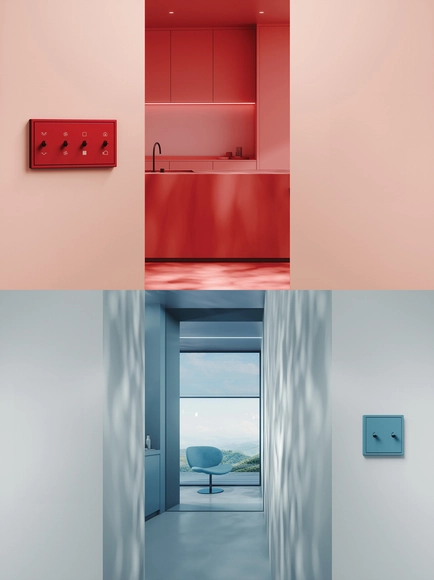
Barragán, Bofill, Graves, and Le Corbusier are architects renowned for their exceptional and sensitive use of color. In their approaches, color takes on an importance comparable almost to functionality, achieved through a nuanced and comprehensive perception of their context. But what is color? From a technical standpoint, it is a visual perception that arises from the interaction of light with our eyes and brain. However, when we explore its meaning on a more emotional and poetic level, it takes on a deeper significance. For Ricardo Bofill, color infuses life into architecture, while for Charles-Édouard Jeanneret, —better known as Le Corbusier—, it serves as a powerful tool to evoke emotions and create spatial illusions.

In 'Polychromie Architecturale' Le Corbusier argues that color is not only a decorative element but also a fundamental tool for creating environments and enhancing the functionality of architectural spaces. This idea, developed between 1931 and 1959, is articulated around a system composed of a range of colors, where each tone has its relevance and contributes to creating atmospheres that transcend mere architectural design. An example is JUNG's LS 1912 toggle switch range, which combines classic design with advanced control options and showcases the diverse hue variants of the 63 colors in Le Corbusier's color system.

A Multicolored Glass Canopy for Senses, Shelter and Hospitality: The Vertical Panorama Pavilion

 | Sponsored Content

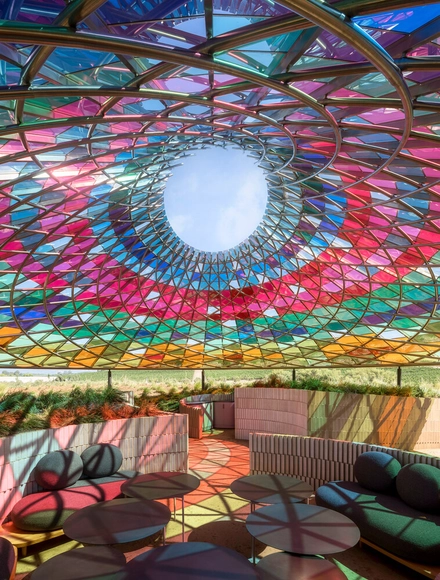
Although the sensory approach in the built environment is often based primarily on visual aspects, such as color and light, as we delve deeper into the relationship of architecture with the senses other essential elements emerge, such as aromas, textures, sounds, and even flavors. These components are fundamental to creating a profound experience between the user and the environment in which it takes place, demonstrating that design and sensory experience are intrinsically connected.

Thus, sensory design offers an immersive atmosphere for a full spectrum of senses where its perception extends beyond physical boundaries. An example of this is the Vertical Panorama Pavilion, located in a region of California (USA) with a strong identity linked to the wine tradition. This structure, with a glass canopy of Color PVB interlayers, serves as a shelter for hospitality. Inspired by nature, the pavilion’s canopy engages all the senses: from the texture of the gravel on the walking path to the wind currents in the area and the characteristic aromas of the region.

Doha's Architectural History: In Conversation with Péter Tamás Nagy, Curator of "Colors of the City" at Design Doha 2024

Subscriber Access | 

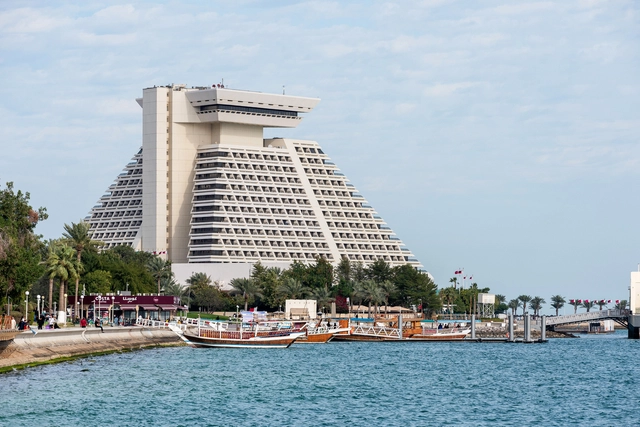
As part of the Design Doha 2024 Biennial, Glenn Adamson and Péter Tamás Nagy present the exhibition “Colors of the City: A Century of Architecture in Doha” investigating the architectural evolution of the capital of Qatar based on multiple global influences that characterize it. Running until March 30, 2024, the exhibition offers a journey through Doha's architectural history featuring various styles such as Classicism, Art Deco, and Modernism, contemplating the Qatari adaptations of these styles developed by architects from Europe, America, the Middle East, and South Asia.

Doha's Architectural History: In Conversation with Péter Tamás Nagy, Curator of "Colors of the City" at Design Doha 2024 - Image 1 of 4Doha's Architectural History: In Conversation with Péter Tamás Nagy, Curator of "Colors of the City" at Design Doha 2024 - Image 2 of 4Doha's Architectural History: In Conversation with Péter Tamás Nagy, Curator of "Colors of the City" at Design Doha 2024 - Image 3 of 4Doha's Architectural History: In Conversation with Péter Tamás Nagy, Curator of "Colors of the City" at Design Doha 2024 - Image 4 of 4Doha's Architectural History: In Conversation with Péter Tamás Nagy, Curator of Colors of the City at Design Doha 2024 - More Images+ 47

16 Multi-Colored Office Spaces That Use Chromaticism to Organize and Inspire Their Workforce

Subscriber Access | 

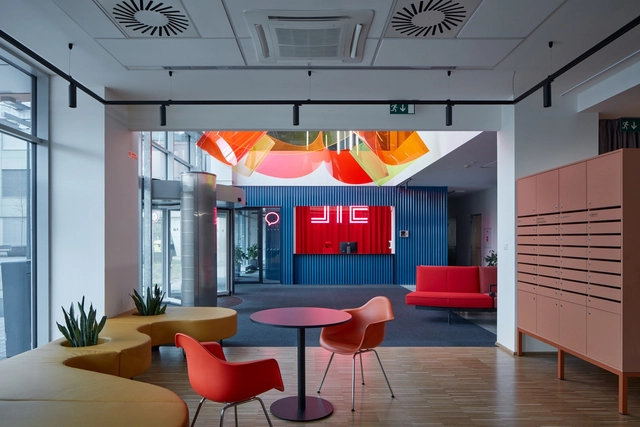
When a brief to design a new office space asks for something fresh, energetic, and modern – a space where employees enjoy being and, crucially, enjoy working in, which helps them to focus on individual tasks but also to relax, collaborate, and create – there are few better places to begin than a color wheel. As the world of work and the varied environments it takes place in become less formal and restricted in their design, architects, designers, and, more importantly, their clients are handing the boring, monotone office its redundancy papers and looking outside the establishment at more expressive colorful options.

While blue’s ability to improve concentration, stimulate thinking, and provide mental clarity helps to increase productivity, the human body needs regular periods of rest and relaxation, too. For this, warm colors like yellows provide relaxation through warmth and comfort – perfect for break-out areas. Meanwhile, reds and oranges promote creativity and expression, meaning they can be useful for areas designated for social collaboration, whilst green encourages a calmer, more balanced approach, for a different kind of meeting.

16 Multi-Colored Office Spaces That Use Chromaticism to Organize and Inspire Their Workforce - Image 1 of 416 Multi-Colored Office Spaces That Use Chromaticism to Organize and Inspire Their Workforce - Image 2 of 416 Multi-Colored Office Spaces That Use Chromaticism to Organize and Inspire Their Workforce - Image 3 of 416 Multi-Colored Office Spaces That Use Chromaticism to Organize and Inspire Their Workforce - Image 4 of 416 Multi-Colored Office Spaces That Use Chromaticism to Organize and Inspire Their Workforce - More Images+ 12

From Wood, Stone, Steel, and Uni Colors: A Decorative Collection for Fast-Moving Trends

 | Sponsored Content

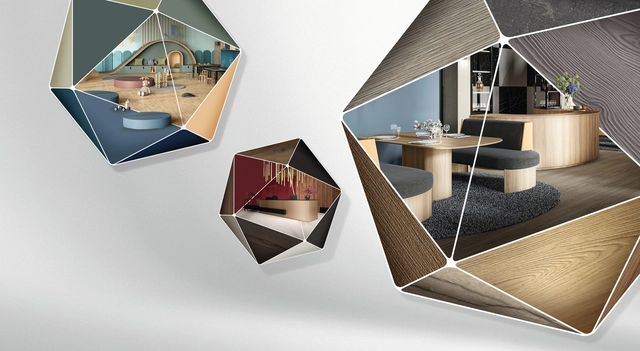
Nowadays, the cycles of change around society and architecture have generated new urban models, emerging technologies, and design trends that underline the need for constant adaptability in all areas. In this context, aspects such as flexibility, reliability, and simplicity emerge as distinctive elements, both in architecture and in the components that constitute it, including materials. This is why lines such as the EGGER Decorative Collection 24+, crafted from wood-derived materials, seek to redefine concepts through a rolling series, updated at most every two years. This dynamic enables a more agile response to new trends, influences, and product innovations that arise in the built environment.

Pantone Reveals Peach Fuzz as Color of the Year 2024

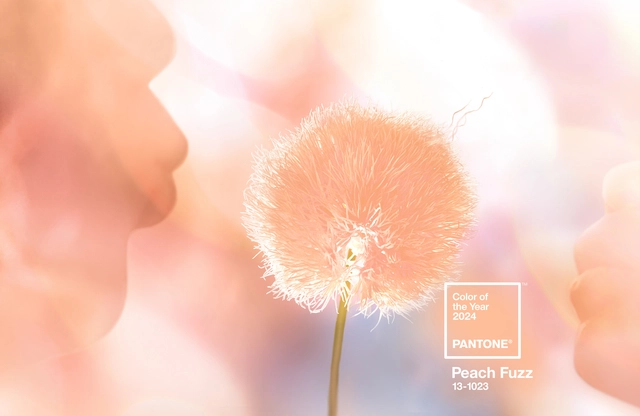
Pantone has just just announced “Peach Fuzz” or PANTONE 13-1023,” the 2024 Color of the Year. Known for its color standards and digital solutions in the design community, Pantone announced the color aiming to move towards empathy and understanding. A hue between pink and orange, the color is soft and inviting and offers “tenderness and communicating a message of caring, community, and collaboration.”

Pantone Reveals Peach Fuzz as Color of the Year 2024 - Image 1 of 4Pantone Reveals Peach Fuzz as Color of the Year 2024 - Image 2 of 4Pantone Reveals Peach Fuzz as Color of the Year 2024 - Image 3 of 4Pantone Reveals Peach Fuzz as Color of the Year 2024 - Image 4 of 4Pantone Reveals Peach Fuzz as Color of the Year 2024 - More Images+ 14

Sensory Design: Architecture for a Full Spectrum of Senses

Subscriber Access | 

A space is much more than just its appearance. Textures, smells, and sounds can strongly affect the user's experience. Based on this, sensory architecture can transform the interaction between people and the built environment into something even deeper.

Sensory Design: Architecture for a Full Spectrum of Senses - Image 1 of 4Sensory Design: Architecture for a Full Spectrum of Senses - Image 2 of 4Sensory Design: Architecture for a Full Spectrum of Senses - Image 3 of 4Sensory Design: Architecture for a Full Spectrum of Senses - Image 4 of 4Sensory Design: Architecture for a Full Spectrum of Senses - More Images+ 4

2024 Color of the Year Picks Unveiled by Paint Leaders Such as Benjamin Moore and Sherwin Williams

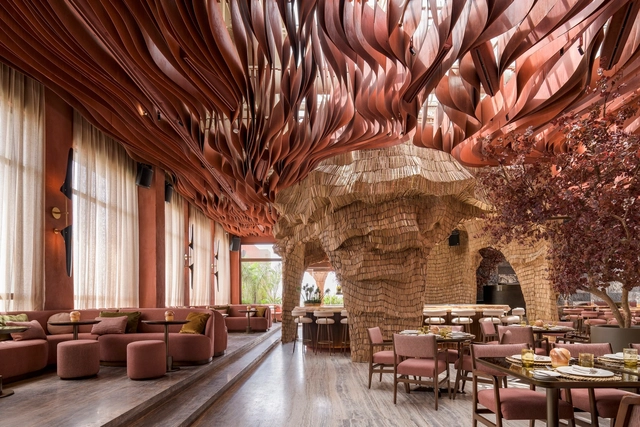
The year 2024 brings forth an intriguing array of Color of the Year selections from renowned paint manufacturers, each offering a unique perspective on the hues that will influence our living spaces. Striving to capture the moods and aspirations of the coming year, color experts have veered towards soft and calming shades, hoping to bring a sense of serenity to counter the hectic and tumulus passing year. Countering the bold color chosen by Pantone in 2023 as their previous Color of the Year, Benjamin Moore embraces a softly saturated and nuanced shade, AkzoNobel emphasizes calmness and stability, Sherwin Williams aims to inspire mindfulness, Graham & Brown fosters warmth and tranquility, and C2 Paint focuses on freshness and sustainability.
2024 Color of the Year Picks Unveiled by Paint Leaders Such as Benjamin Moore and Sherwin Williams - Image 1 of 42024 Color of the Year Picks Unveiled by Paint Leaders Such as Benjamin Moore and Sherwin Williams - Image 2 of 42024 Color of the Year Picks Unveiled by Paint Leaders Such as Benjamin Moore and Sherwin Williams - Image 3 of 42024 Color of the Year Picks Unveiled by Paint Leaders Such as Benjamin Moore and Sherwin Williams - Image 4 of 42024 Color of the Year Picks Unveiled by Paint Leaders Such as Benjamin Moore and Sherwin Williams - More Images+ 2