1. ArchDaily
  2. Code

Code: The Latest Architecture and News

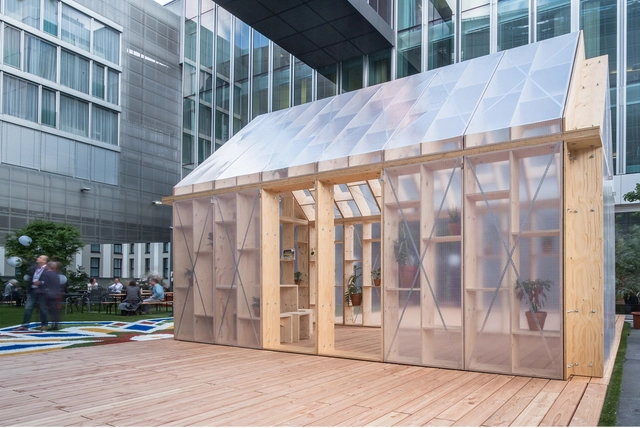
Expanding Practice: Architecture Think Tanks at the Intersection of Research and Design

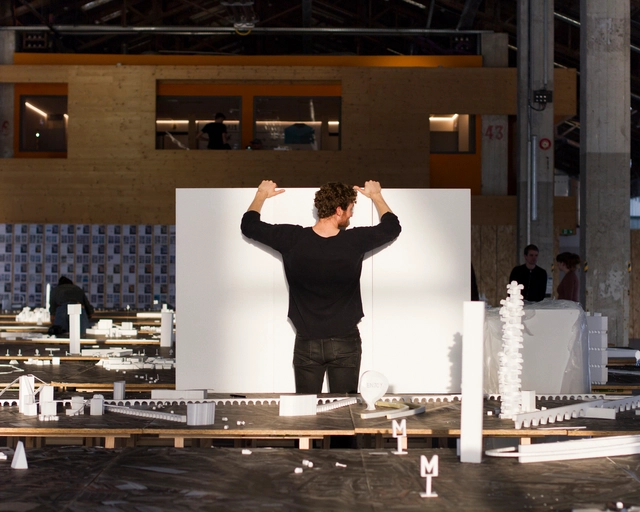
In architecture, most practices revolve around delivering projects to clients. Offices are shaped by deadlines, budgets, and clear briefs. While this structure produces buildings, it rarely leaves space for architects to question broader issues — about how we live, how cities are changing, or what the future demands of design. But alongside this production-focused system, a quieter movement has emerged: studios, collectives, and foundations that prioritize research, experimentation, and reflection. These are the architecture think tanks — spaces designed not to build immediately, but to think first.

The idea of a think tank is not new. Traditionally found in politics, economics, or science, think tanks bring together experts to study complex problems and propose solutions. In architecture, their rise reveals a tension at the heart of the discipline. If architecture is to remain socially and environmentally relevant, can it continue to rely only on client-driven practice? Or must it carve out space for slower, deeper inquiry?

Expanding Practice: Architecture Think Tanks at the Intersection of Research and Design - Image 1 of 4Expanding Practice: Architecture Think Tanks at the Intersection of Research and Design - Image 2 of 4Expanding Practice: Architecture Think Tanks at the Intersection of Research and Design - Image 3 of 4Expanding Practice: Architecture Think Tanks at the Intersection of Research and Design - Image 4 of 4Expanding Practice: Architecture Think Tanks at the Intersection of Research and Design - More Images+ 48

Dialogue with the Code: Calibrating Standards for Adaptive Reuse to Thrive

There is growing awareness around sustainability—and the environmental cost of prematurely demolishing safe, structurally sound buildings only to replace them with new construction. In the broader race to reduce carbon emissions, corporations and institutions are placing greater emphasis on ESG performance (environmental impact, social responsibility, and governance). Many now require carbon accounting, set "carbon-neutral" targets, or purchase carbon credits to offset footprints.

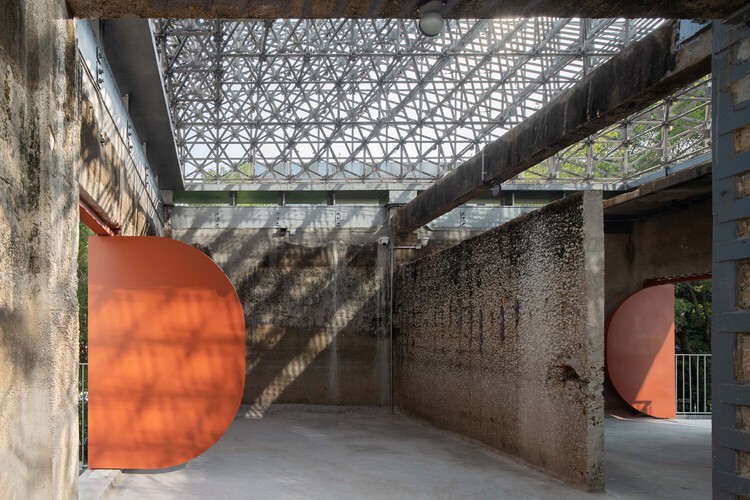
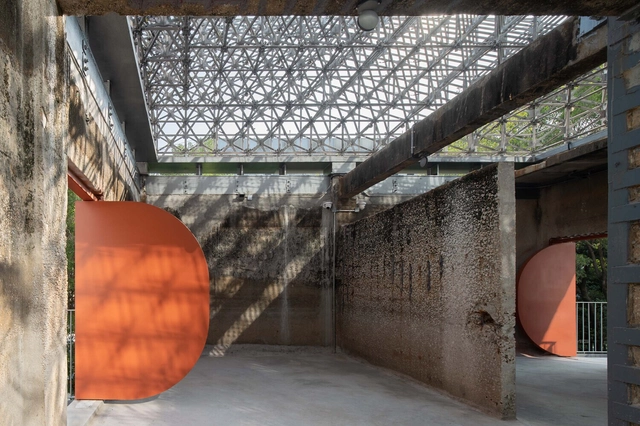
This shift, together with a wave of exemplary adaptive-reuse projects worldwide—Herzog & de Meuron's Tai Kwun in Hong Kong, Powerhouse Arts in Brooklyn, David Chipperfield's The Ned Doha, and Xu Tiantian's transformations of factories, quarries, and rammed-earth fortresses in China—has accelerated serious reconsideration of reuse as a primary development strategy. Yet despite its many benefits, adaptive reuse is still not as prevalent as it could be. Why and what might be the main obstacles and tensions?

Dialogue with the Code: Calibrating Standards for Adaptive Reuse to Thrive - Image 1 of 4Dialogue with the Code: Calibrating Standards for Adaptive Reuse to Thrive - Image 2 of 4Dialogue with the Code: Calibrating Standards for Adaptive Reuse to Thrive - Image 3 of 4Dialogue with the Code: Calibrating Standards for Adaptive Reuse to Thrive - Image 4 of 4Dialogue with the Code: Calibrating Standards for Adaptive Reuse to Thrive - More Images+ 29

Architecture in the Age of Platforms: What Role Does Software Play in Practice Today?

Subscriber Access | 

How many software tools and platforms are involved today in developing a contemporary project? From designing a single-family house to a public library, relying on just one or two programs is no longer common. Instead, multiple tools combine, overlap, and interact throughout various stages, including analysis, design, rendering, coordination, and construction. This widespread use of software in the virtual world reflects not only the technical complexity of today's practice but also a more subtle yet equally significant shift: software has become less a specific tool and more an environment that accompanies and even challenges the process.

Cultivating Spaces: Where Architecture Meets the Farm-to-Table Movement

Subscriber Access | 

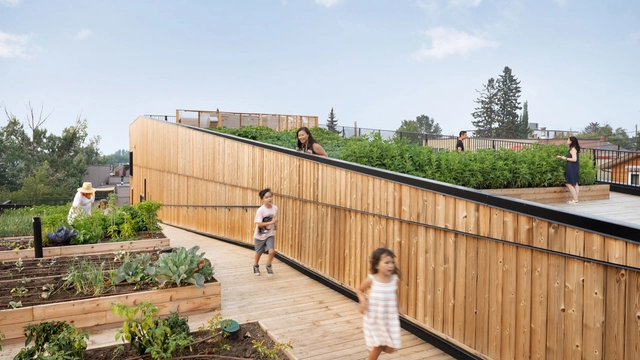
The farm-to-table movement represents a profound shift in how food is grown, distributed, and consumed. Rooted in sustainability and the support of local economies, it prioritizes fresh, locally sourced ingredients and fosters direct relationships between producers and consumers. While the concept focuses on food, the spaces where these connections occur are equally important in shaping the experience, highlighting the critical role of architecture.

Cultivating Spaces: Where Architecture Meets the Farm-to-Table Movement - Image 1 of 4Cultivating Spaces: Where Architecture Meets the Farm-to-Table Movement - Image 5 of 4Cultivating Spaces: Where Architecture Meets the Farm-to-Table Movement - Image 2 of 4Cultivating Spaces: Where Architecture Meets the Farm-to-Table Movement - Image 3 of 4Cultivating Spaces: Where Architecture Meets the Farm-to-Table Movement - More Images+ 60

Mass Timber: Shattering the Myth of Code Exceptions

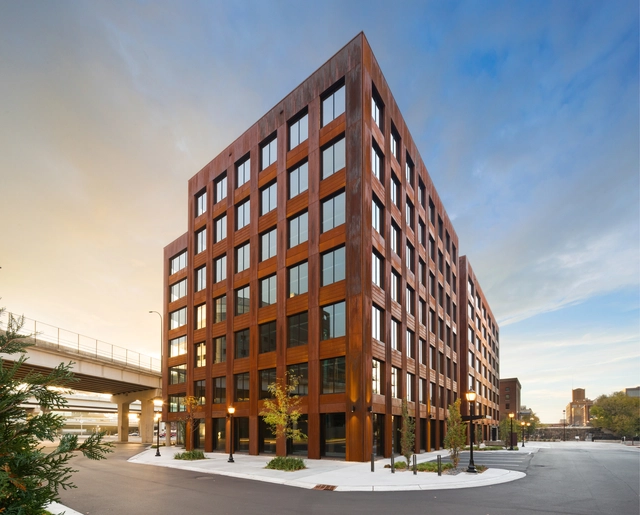
Structural timber is in the midst of a renaissance; an ironic trend given that timber is arguably the most ancient of building materials. But new innovations in structural timber design have inspired a range of boundary-pushing plans for the age-old material, including everything from bridges to skyscrapers. Even more crucially, these designs are on the path to realization, acceding to building codes that many (mistakenly) view as restrictive to the point of impossibility.

The timber structures of today aren't just breaking records - they're doing it without breaking the rules. 

What Happens When Building Codes Rule Design?

Subscriber Access | 

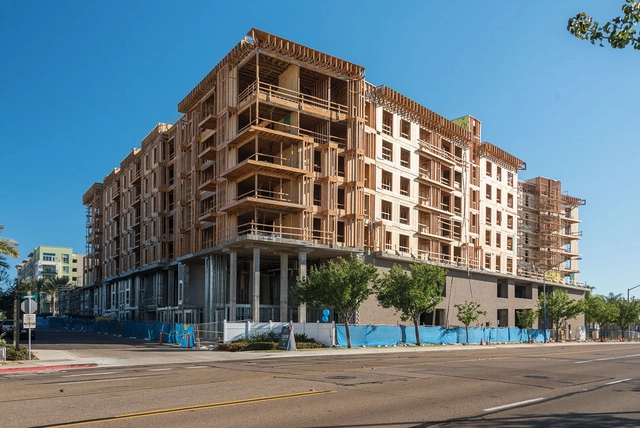
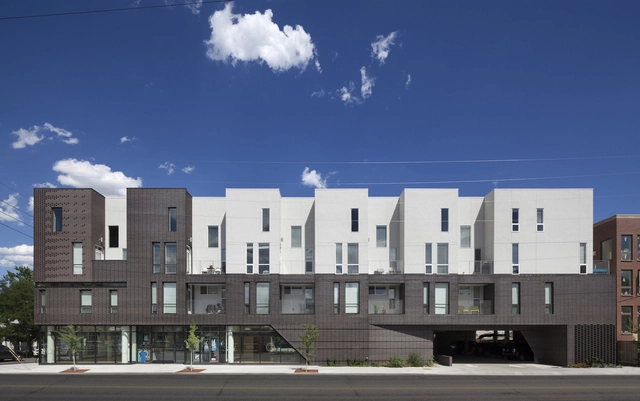
In an ideal world, architects would have free reign to design whatever they imagined. But the reality of the profession is that it comes with strings attached, and our visions are limited by clients, budgets, and perhaps the most dominating force, building codes. These codes have restricted and reshaped architecture so much, that it has forged a new type of building- the “stick frame over podium”, or “five over two” design. The result is a very distinct aesthetic of buildings and a notable monotony that has nearly redefined mid-rise residential architecture across the country.

Timber Tutorial: How to Build Taller with Wood

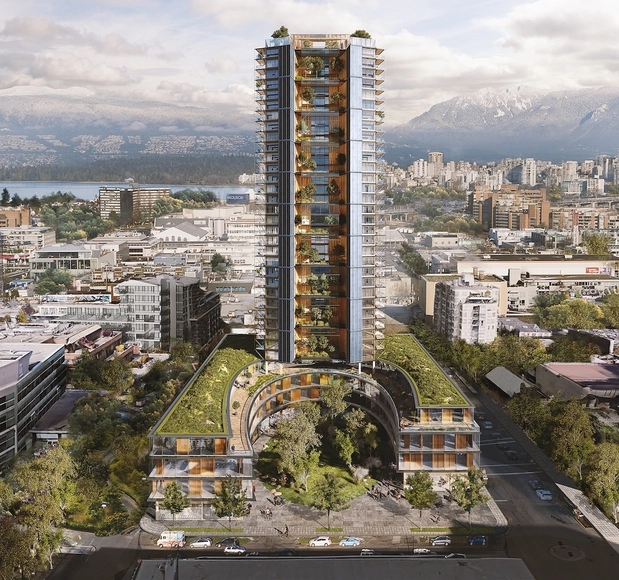
Tall timber buildings are on the rise. Design teams around the world are taking advantage of ever-evolving mass timber technologies, resulting in taller and taller structures. Building off our recent article exploring the future of high-rise buildings, we’re taking a deeper dive into new emerging timber technologies and the advantages of building taller with wood. This tutorial explores how to make tall timber structures a reality.

Timber Tutorial: How to Build Taller with Wood - Image 1 of 4Timber Tutorial: How to Build Taller with Wood - Image 2 of 4Timber Tutorial: How to Build Taller with Wood - Image 3 of 4Timber Tutorial: How to Build Taller with Wood - Image 4 of 4Timber Tutorial: How to Build Taller with Wood - More Images+ 2

Laws Behind LA's Flat Skyscrapers

Subscriber Access | 
Laws Behind LA's Flat Skyscrapers - Featured Image
© Wikimedia Commons / Pintaric

Ever wonder why the skyline of Los Angeles is peppered with flat top skyscrapers? Or for that matter, why does such a global cosmopolitan city have so relatively few skyscrapers dotting its cityscape, the majority residing in downtown LA?

The answer lies in a section of the Los Angeles Municipal Code introduced in 1974 – Sec. 57.118.12 – “Emergency Helicopter Landing Facility.” The code stipulates that “Each building shall have a rooftop emergency helicopter landing facility in a location approved by the Chief.” The text also dictates that the helipads measure 50′x50′ in addition to a 25′ safety buffer. The resulting skyline thus far has been dominated by flat roof skyscrapers that would only make it through the planning process if in strict accordance with this code. However, a newly introduced proposal called the Hollywood Community Plan would allow skyscrapers to be constructed along the subway served “Hollywood Corridor.” In lieu of embarking on a plan that would surely result in more box type towers, an amendment has been introduced into the plan that would exempt skyscrapers within the corridor from having to conform to Sec. 57.118.12 helipad requirements. More After the break.