1. ArchDaily
  2. Cobe Notes x ArchDaily

Cobe Notes x ArchDaily: The Latest Architecture and News

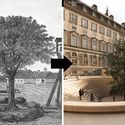
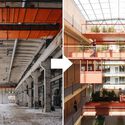
Stories as a Resource: How Narrative Design Builds Resilience

Subscriber Access | 
Audio available

This article is part of "Thresholds", a special edition printed newspaper by Cobe Notes x ArchDaily.

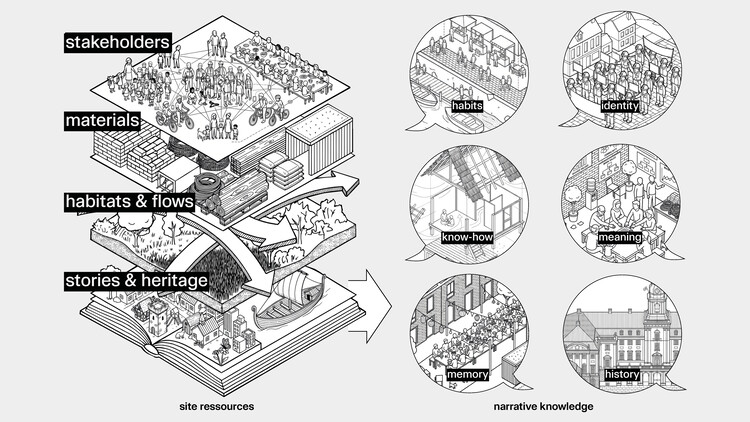
There are two unique things about being human that made us survive the early years and spread over the whole planet: sweating and storytelling. Sweating helps cool down the body when running long distances. Stories help us collaborate in big numbers and share knowledge across groups and generations. As architects, we still rely on the same tools to make visions become reality.

As professor of stories Angus Fletcher points out in his book Primal Intelligence, there is a common misconception about the role of stories: when our "rational" brain has developed an idea that we fail to explain to a wider group, we pack it into a story, and suddenly everybody understands. Fletcher argues that it actually works the other way around: ideas come from stories, our brain works in stories, and stories form reality. Architects have a derogatory term for turning that process the wrong side up: "post-rationalisation", for example when diagrams are made to explain a design that is already decided.

Stories as a Resource: How Narrative Design Builds Resilience - Image 1 of 4Stories as a Resource: How Narrative Design Builds Resilience - Image 2 of 4Stories as a Resource: How Narrative Design Builds Resilience - Image 3 of 4Stories as a Resource: How Narrative Design Builds Resilience - Image 4 of 4Stories as a Resource: How Narrative Design Builds Resilience - More Images

A Day in the Bazaar: When Architecture Is Observed in Time

Audio available

This article is part of "Thresholds", a special edition printed newspaper by Cobe Notes x ArchDaily.

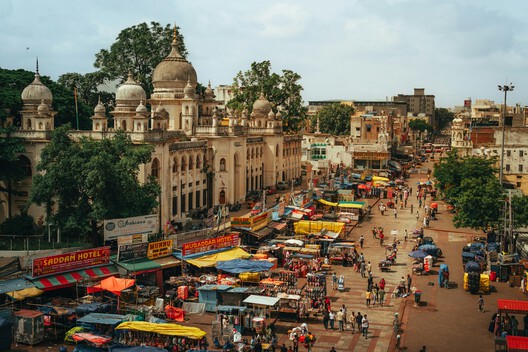
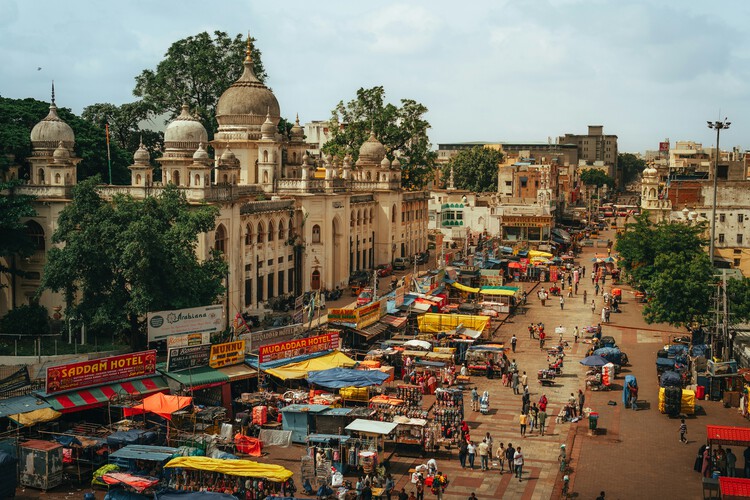
Architecture is most often represented as a stable object: a building captured at a moment of visual clarity, isolated from surrounding contingencies. Plans, sections, and photographs promise legibility by suspending time. Yet many of the world's most enduring public environments resist this mode of representation altogether. They are not designed to be read instantaneously, nor do they reveal their logic through form alone. Their spatial intelligence emerges gradually, through repetition, occupation, and duration.

The bazaar belongs firmly within this category. It cannot be understood through a single drawing or a finished elevation. Its organization is not fixed but rehearsed. What sustains it is not purely architectural composition, but shared timing, collective memory, and long-standing patterns of use. Togetherness in the bazaar does not arise from formal design decisions; it is produced through repeated encounters, negotiated proximities, and social familiarity accumulated over time.

A Day in the Bazaar: When Architecture Is Observed in Time - Image 1 of 4A Day in the Bazaar: When Architecture Is Observed in Time - Image 2 of 4A Day in the Bazaar: When Architecture Is Observed in Time - Image 3 of 4A Day in the Bazaar: When Architecture Is Observed in Time - Image 4 of 4A Day in the Bazaar: When Architecture Is Observed in Time - More Images+ 3

Architecture as Nation-Building: Modernism and Independence in Africa

Subscriber Access | 
Audio available

This article is part of "Thresholds", a special edition printed newspaper by Cobe Notes x ArchDaily.

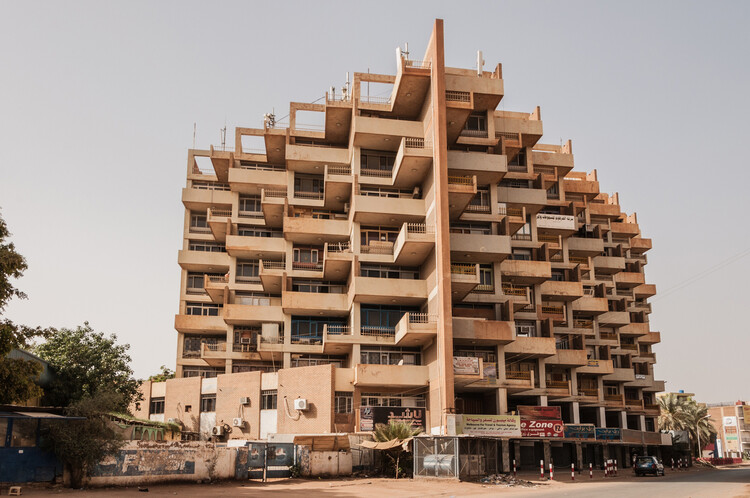
Launched in September 2024, the Rediscovering Modernism in Africa series joined a growing worldwide interest in this topic. Previously underrepresented in architectural discussions, the work of architects and researchers on the continent and abroad has continued to tell the story of these high-quality modern works of architecture. These buildings represent designers striving to create locally suited architecture using global concepts and technologies, coinciding with huge political changes as most African countries gained their independence.

Architecture as Nation-Building: Modernism and Independence in Africa - Image 1 of 4Architecture as Nation-Building: Modernism and Independence in Africa - Image 2 of 4Architecture as Nation-Building: Modernism and Independence in Africa - Image 3 of 4Architecture as Nation-Building: Modernism and Independence in Africa - Image 4 of 4Architecture as Nation-Building: Modernism and Independence in Africa - More Images+ 8

Who decides what deserves to be preserved? Power and heritage in Latin America

Audio available

This article is part of "Thresholds", a special edition printed newspaper by Cobe Notes x ArchDaily.

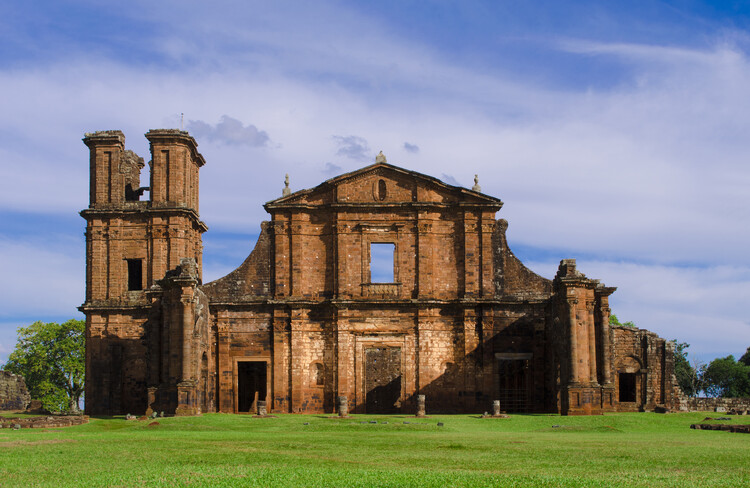
When we enter a museum, walk through a historic center, or check a country's heritage list, we rarely think about the process behind these choices. Who decided, on behalf of us all, that these objects, places, and architectures deserved to be preserved and promoted, while others are cast aside?

Generally, it is specialist professionals who hold the decision-making power—be they historians, museologists, architects, or geographers. But on what basis are these decisions made? Can the complexity of history fit into a checklist? Or, even more fundamentally, on which version of history are these decisions being based?

Who decides what deserves to be preserved? Power and heritage in Latin America - Image 1 of 4Who decides what deserves to be preserved? Power and heritage in Latin America - Image 2 of 4Who decides what deserves to be preserved? Power and heritage in Latin America - Image 3 of 4Who decides what deserves to be preserved? Power and heritage in Latin America - Image 4 of 4Who decides what deserves to be preserved? Power and heritage in Latin America - More Images+ 13

Form, Function, and Funding: The High-Tech Urbanism of San Francisco

Subscriber Access | 
Audio available

This article is part of "Thresholds", a special edition printed newspaper by Cobe Notes x ArchDaily.

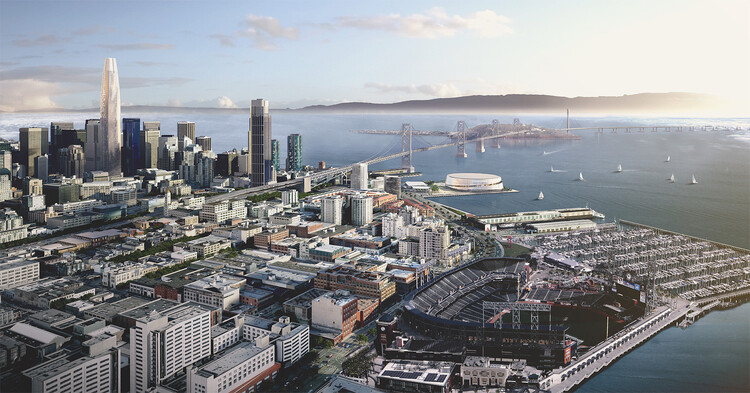
San Francisco is a city that has always remade itself under pressure. Its Victorian streetscapes have survived seismic retrofits and glass towers, its neighborhoods defined as much by change as by its resistance to change. But no force in the city's history has reshaped the built environment as completely, or as quickly, as the technology economy. What began in the postwar sprawl of Silicon Valley migrated north and inscribed its logic onto the skyline and the lives of residents. The result of this logic is an architectural culture of considerable technical refinement and refined material palettes, yet one that remains largely indifferent to the existing population.

The cost of indifference is measurable and mounting. San Francisco must accommodate more than 82,000 additional housing units by 2031 under California's Regional Housing Needs Allocation framework, in a city where median rent already ranks among the highest of any American metropolitan area. Teachers, healthcare workers, and service employees are actively displaced by a real estate market calibrated to a single sector's income levels rather than the city's largest workforce.

Form, Function, and Funding: The High-Tech Urbanism of San Francisco - Image 1 of 4Form, Function, and Funding: The High-Tech Urbanism of San Francisco - Image 2 of 4Form, Function, and Funding: The High-Tech Urbanism of San Francisco - Image 3 of 4Form, Function, and Funding: The High-Tech Urbanism of San Francisco - Image 4 of 4Form, Function, and Funding: The High-Tech Urbanism of San Francisco - More Images+ 25

Unearthing the Ground: Architecture and the Politics of Oil

Audio available

This article is part of "Thresholds", a special edition printed newspaper by Cobe Notes x ArchDaily.

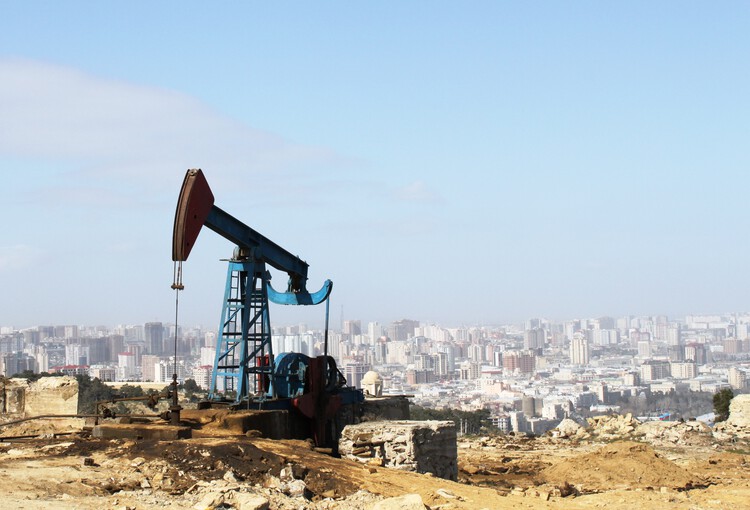
Beneath the ground lies a material that has quietly shaped the architecture of the modern world. Petroleum is rarely discussed within architectural discourse, yet the extraction, circulation, and consumption of oil have profoundly reorganized the spatial logic of territories. Pipelines, refineries, drilling platforms, ports, highways, and petrochemical complexes form a vast infrastructural landscape that sustains contemporary life, composing a dispersed architecture of energy.

Throughout the twentieth and twenty-first centuries, oil became the material foundation of industrial society. It fueled transportation, powered factories, and supported the growth of cities whose spatial organisation depended on continuous energy flows. Yet the infrastructures that enable these flows rarely become objects of architectural inquiry. Attention remains largely directed toward form, typology, or urban density, while the material systems that sustain these environments tend to remain displaced within the discipline.

Unearthing the Ground: Architecture and the Politics of Oil - Image 1 of 4Unearthing the Ground: Architecture and the Politics of Oil - Image 2 of 4Unearthing the Ground: Architecture and the Politics of Oil - Image 3 of 4Unearthing the Ground: Architecture and the Politics of Oil - Image 4 of 4Unearthing the Ground: Architecture and the Politics of Oil - More Images+ 15

Cobe Notes x ArchDaily IRL: On Thresholds in Architecture

Cobe and ArchDaily invite you to the launch of the guest-edited edition of Cobe Notes x ArchDaily, on June 10, 2026. Focused on the theme of Thresholds, the event will explore architecture as a condition of ongoing transition.

Hosted at the Cobe Bookcafé, the public launch will feature a live conversation with Christele Harrouk, Editor-in-Chief of ArchDaily, Mads Birgens, Head of Urbanism at Cobe, and Jacob Blak, Head of Sustainability, moderated by Kristoffer Lindhardt Weiss, CEO and Publisher of the Danish Architectural Press.