It's that time of year again: students and their families are busy preparing for the start of school, while some of us are gearing up to step in front of the classroom. While preparing to teach an intro course on climate, I'm reminded of why we use the term climate change and not global warming.
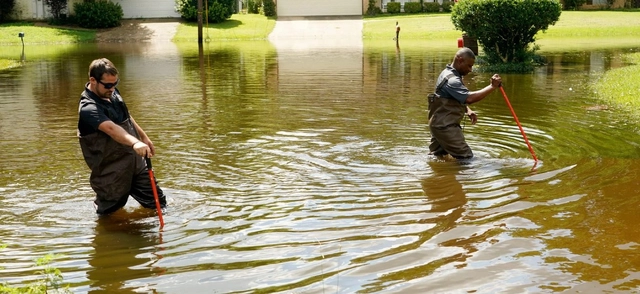
Yes, the Earth is warming from a thickening layer of greenhouse gases in the atmosphere caused by us. But climate changes range from sea level rise to increasing storms, floods, fires, and drought, which are all negatively impacting biodiversity as well. So, not just warming. Recent storms that battered the eastern U.S. coast and Bermuda remind us of this difference. While some communities face extreme heat, others brace for storms and rising waters, and many face multiple impacts.
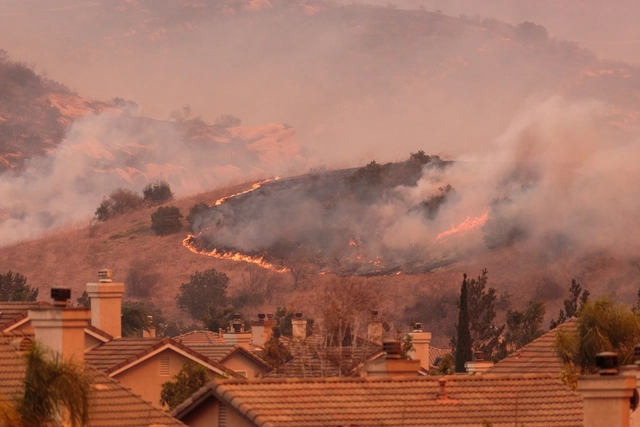
As the world grapples with the effects of climate change, natural disasters like flooding, and the spread of incontrollable wildfires are increasingly threatening cities and inhabitants. While architecture and urban planning cannot prevent these occurrences, they still possess strategies to minimize the damage associated with these events and help protect the citizens. Unfortunate events over the course of last year, like the earthquake that hit central Turkey and north-west Syria this February or the more recent earthquake in western Afghanistan, the flooding and dam failures in Libya, and the wildfires that devastated the city of Lahaina, Hawaii, demonstrate the urgency of implementing preventative and mitigation measures in addition to creating procedures for emergency intervention. This article explores the strategies and resources available to architects and urban planners to address these challenges in three types of natural disasters: flooding, wildfires, and earthquakes.
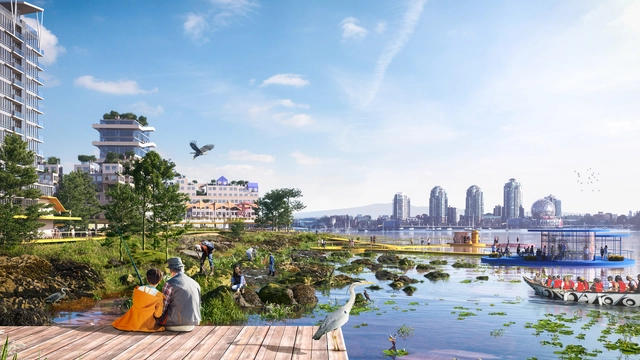
Architects, urban planners, and researchers from around the world are working on solutions to address the rising threat of climate change and climate-induced rise in sea levels and storm surges. Among them, MVRDV, as part of the North Creek Collective, has released a series of proposals for the city of Vancouver, mapping out possible adaptations of waterfront buildings, landscape, and infrastructure. On a similar note, a group of researchers led by Adrian Lahoud has developed the Second Sea Calculator, a digital tool that estimates the financial damages owned to coastal cities by different nations, while Human Climate Horizons has developed a platform for visualizing how different levels of global heating will affect people’s lives.
Land reclamation from the sea has become a popular phenomenon in coastal development. It is the most preferred solution to the need for land in coastal areas and has been implemented for various use cases, including flood control and agriculture. Nowadays, it has become a famous urban response to the rapid increase in coastal urbanization, economic activity, and global population. Countries like China and the Netherlands lead the chart on the amount of land area reclaimed. However, most reclamation projects today take place within urban centers in the global south. Cities in West Africa, East Asia, and the Middle East produce these new lands as economic forerunners for their commercial industry and as platforms to house luxury residences.
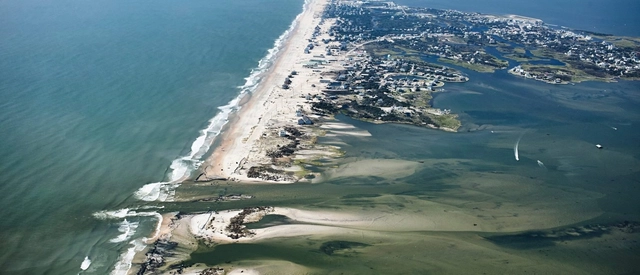
But the relationship between the design and production of reclaimed lands and the response of water in ocean environments is complex. It requires a symbiotic relationship with water bodies for stability but can provoke natural forces when negligently imposed on the sea. Ocean water behaviors, including tidal accumulation, sea level rise, connection to wetlands, and aquatic biodiversity, can question the success or failure of land reclamation projects in different contexts.
Every year since its establishment in 1970, Earth Day aims to bring into focus not only the increasingly threatening effects of climate change but also highlight the effective measures and adaptation efforts that can improve the quality of our environment. This year’s event comes after a report from the United Nations’ Intergovernmental Panel on Climate Change (IPCC) in March, which presented another warning on the magnitude of changes produced by human-induced global warming and its impact on people and ecosystems. The same report does offer some hopeful prospects as well, showing that adaptation measures can build resilience, but those urgent systemwide transformations are needed to secure a net-zero future. In response to these findings, the 2023 Earth Day is focused on the theme of “Investing in Our Planet,” as an encouragement for governments, institutions, businesses, and civil society to accelerate the change. Read on to discover several citywide initiatives aligned with these objectives of building resilience and a more sustainable future through legislation, civic involvement, and innovative systems.
Climate change has been one of the most pressing topics of this year, and for a good reason. Its effects are visible not only in natural habitats but also in urban environments. The construction industry has an important role to play in this dynamic. Throughout the year, events such as COP27 emphasized the importance of striving to achieve net carbon zero and the challenges faced by developing countries affected by increasingly devastating natural disasters. Possible directions for development include actions at varying stages and scales, from optimizing green spaces for urban heat control to employing local and innovative building materials to minimize the carbon footprint or passing laws that help create more sustainable urban and natural environments.
This article represents a roundup of articles published on ArchDaily during the course of 2022 with themes related to climate change and architecture’s potential to make a difference. It breaks down the topic into four main questions: What Are Cities Doing to Mitigate Urban Heat? How to Tackle Rising Sea Levels? What Was COP27 and Why Does It Matter? Can Building Materials Play a Role in Achieving These Goals? The last section presents an overview of new legislation approved during 2022 as a way of understanding how state and local governments are imposing this need for change.
The passage of the Biden Administration’s climate change package, the so-called “Inflation Reduction Act,” has predictably split along partisan lines, with Republicans characterizing the bill as an act of reckless government spending, certain to raise taxes and fuel further inflation. But does this act really represent reckless spending? The legislation authorizes $430 billion in spending, the bulk of which—more than $300 billion—is earmarked for tax credits; other spending, and initiatives aimed at stimulating the clean energy economy; and reducing carbon emissions. (The bill also allows Medicare to negotiate prices with drug companies for certain expensive drugs.) The bill is funded in part by a 15% minimum tax on large corporations and an excise tax on companies that repurchase shares of their own stock. Given the scope of the problem, and the escalating future costs of climate inaction, this legislation is an exceedingly modest, but very necessary, first step.
https://www.archdaily.com/988604/its-time-to-be-honest-about-the-impending-costs-of-climate-changeMartin C. Pedersen, Steven Bingler
The impact that the climate crisis has had on the globe over the last decade is a critical influence on how architects and urban planners design future cities. It’s clear that both at an individual and corporate level, it’s important to take action and protect the earth before the negative impacts change our familiar environments forever- and time is running out fast. When it comes to creating ways to save our cities from “the next big one”, whether it be a hurricane, flood, snowstorm, or fire, the way that we design the preventative infrastructure neglects a significant number of people. Climate change doesn’t just impact the wealthiest places in the world, it actually has greater effects on the most impoverished.
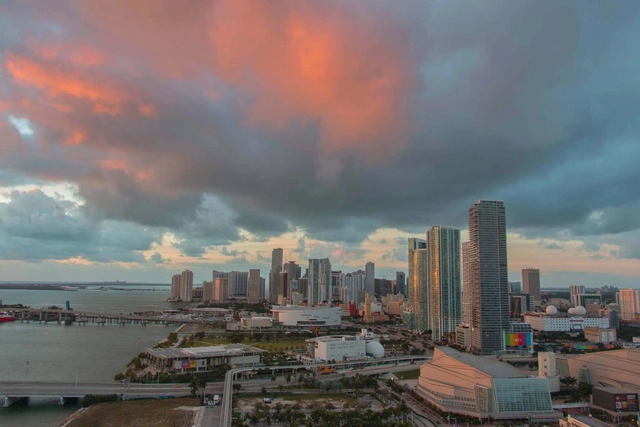
Earlier this month, the city of Miami released a draft version of its comprehensive plan to combat the effects of climate change. The so-called Stormwater Master Plan (SWMP) will be implemented to alleviate the threat of flooding throughout the city, improve the quality of water in Biscayne Bay, and fortify its coastline against stronger and more frequent storm surges over the next 40 years, at an overall cost estimate of $3.8 billion.
In this week's reprint, Martin C. Pedersen talks with John Englander, author of Moving to Higher Ground: Rising Sea Level and the Path Forward, about the “unstoppable” sea-level rise. The article explores the importance of planning for this challenge right away. In fact, "we have some time, but not all the time in the world" states John Englander.
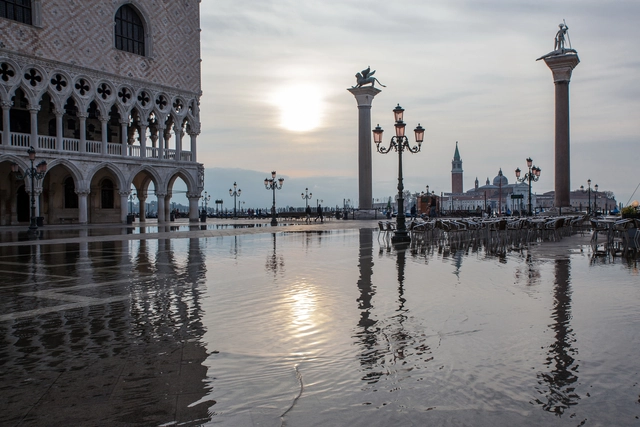
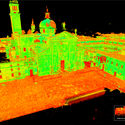
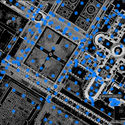
Factum Foundation, a nonprofit dedicated to the use of digital technology for cultural heritage conservation, in collaboration with the Fondazione Giorgio Cini, Ecole Polytechnique Fédérale de Lausanne (EPFL) and Iconem have recorded the Island of San Giorgio Maggiore, in Venice, Italy, in its entirety. For more than 10 days, the team using photogrammetry and LiDAR technologies scanned the 10-hectare island. The project entitled ARCHiVe, linked with EPFL's Venice Time Machine aims to "efficiently and effectively aid in the preservation of Venice's fragile cultural heritage".
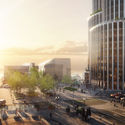
Heatherwick Studio has designed the Cove, a new waterfront experience for San Francisco. Seeking to activate and improve the beachfront, “while future-proofing the historic district and the City against the risks of earthquakes and climate change”, the Cove will put in place a next-generation, high-performance waterfront community that uniquely identifies with San Francisco.
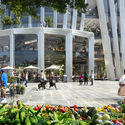
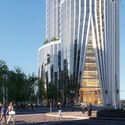
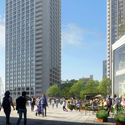
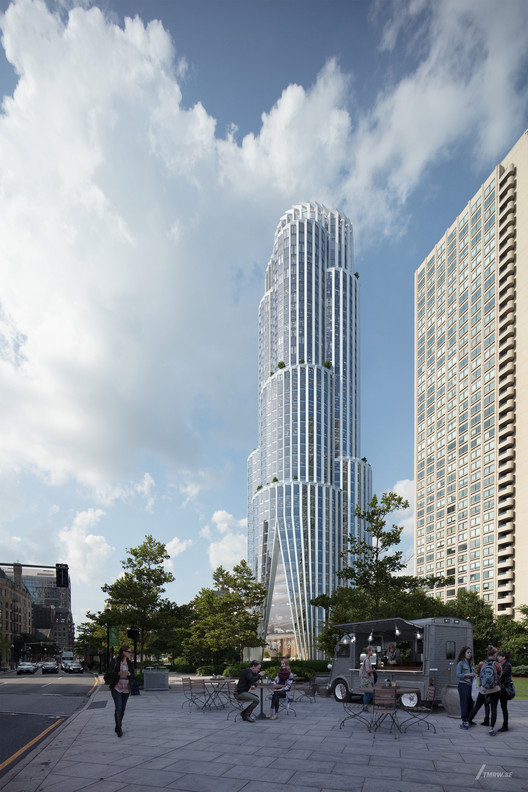
KPF and the Chiofaro Company have released images of their latest project The Pinnacle at Central Wharf, a high performance and resilient mixed-use development on the Boston Harbor waterfront. Aiming to reconnect Downtown Boston to the waterfront, the project also puts in place a new public space.
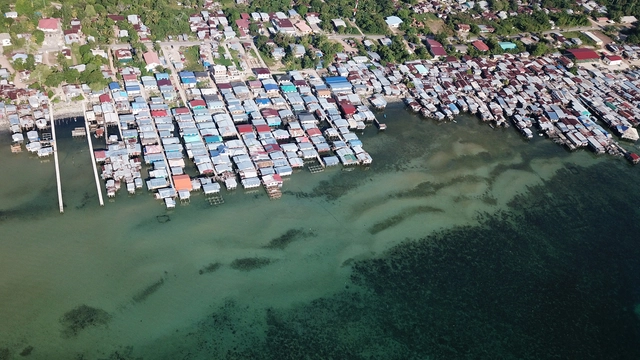
Goldman Sachs has released a report on the effects of climate change on cities across the world. The study explored the major changes that will transform the planet and highlighted several metropolises that will be at risk of flooding.
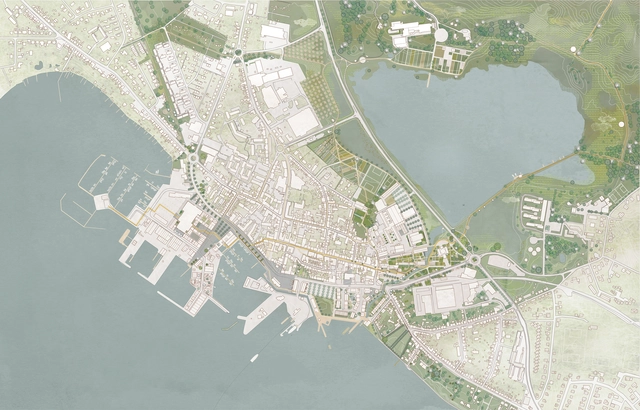
Kjellander Sjöberg, one of the leading architectural practices in Scandinavia, in collaboration with GHB Landskabsarkitekter, Mogens A. Morgen, Realise and Tyréns, was selected to design a strategic development plan for Faaborg. The coastal town in southern Denmark is facing many challenges like a high risk of flooding and an important decrease in its population.
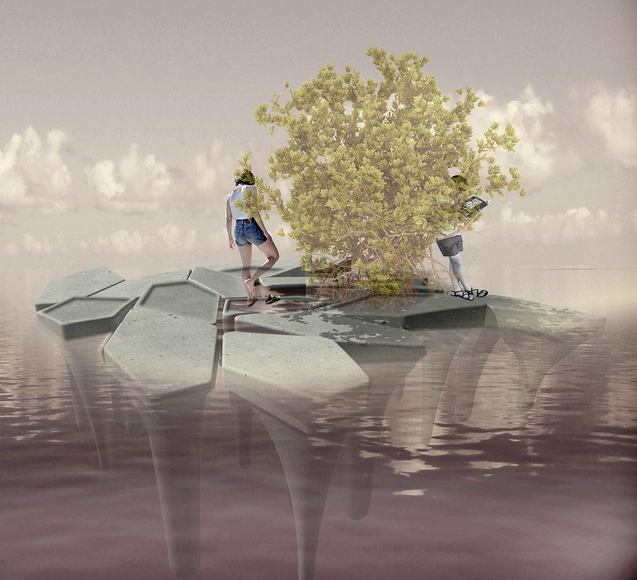
Mangroves are vital for stabilizing shorelines, but their recent depletion presents impending doom for coastal habitats.
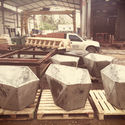
Aptum Architecture and CEMEX Research Group might have a solution. Their collaborative project, Rhizolith Island (Isla Rhizolith), is a prototype that explores the potential for floating concrete structures to revitalize deteriorating shorelines. The structure was just installed in Cartagena, Columbia as part of the RC 2016 (Reunion del Concreto), an international Expo and Academic Conference on Concrete.



















.jpg?1600849698&format=webp&width=640&height=580)


.jpg?1600849698)