1. ArchDaily
  2. COP27

COP27: The Latest Architecture and News

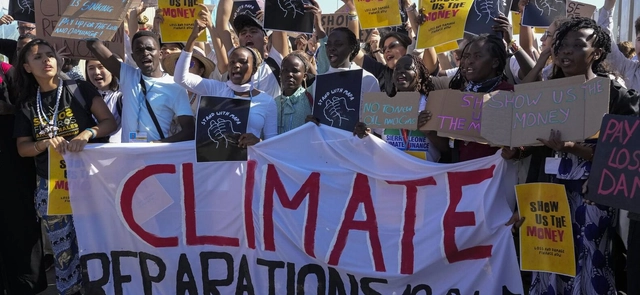
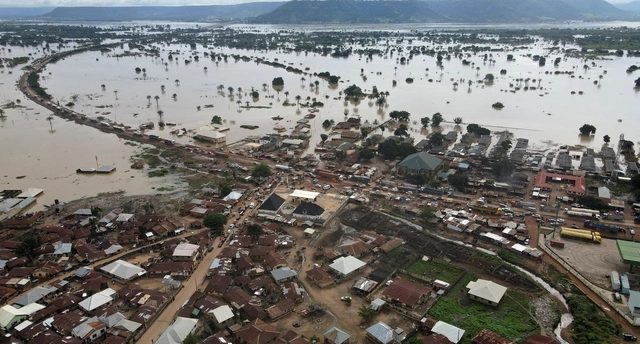
Progress and Reparations: Unpacking the Loss and Damage Fund from COP27

Subscriber Access | 

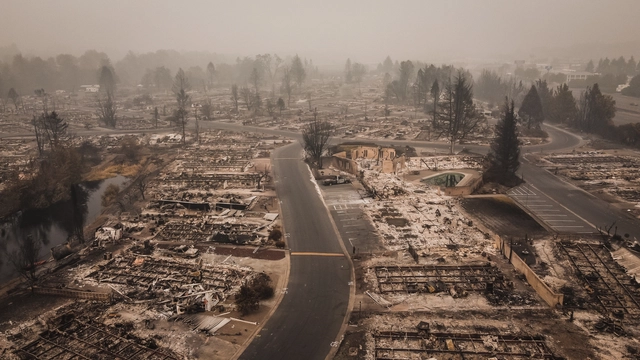
In November of 2022, the coastal city of Sharm El Sheikh, Egypt, hosted the 27th convention of the United Nations Conference of the Parties, known as COP27. Since signing the Paris Agreement in 2015, the nearly annual conference has gained momentum as a global leader in sharing knowledge and developing frameworks to mitigate climate change worldwide. While the more recent COP28, held in Dubai in 2023, focused on conversations of energy production, this previous conference focused on urban contexts, as they deal with the urgent need for incorporating loss, damage, and climate reparations into climate action plans. As two years have now passed since COP27, it is important to revisit these discussions and hold governing bodies accountable for the promises made and the benchmarks set for climate change mitigation. One of the most ambitious plans from COP27 highlights an urgent debate in our urban environments: how will we define loss, damage, and climate reparations in the twenty-first century?

Progress and Reparations: Unpacking the Loss and Damage Fund from COP27 - Image 3 of 4Progress and Reparations: Unpacking the Loss and Damage Fund from COP27 - Image 5 of 4Progress and Reparations: Unpacking the Loss and Damage Fund from COP27 - Image 2 of 4Progress and Reparations: Unpacking the Loss and Damage Fund from COP27 - Image 4 of 4Progress and Reparations: Unpacking the Loss and Damage Fund from COP27 - More Images+ 7

Decarbonization and Regional Solutions: The Main Architecture-Related Themes to Look Out for at COP28

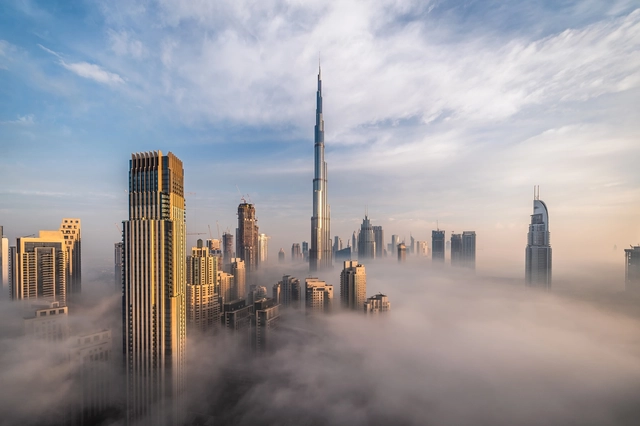
On November 30, 2023, the UN COP28 climate summit begins in Dubai, the United Arab Emirates. The name stands for the Conference of the Parties under the UNFCCC, and symbolizes the annual meeting of world governments for the purpose of establishing strategies to limit the extent of climate change and its adverse effects. Last year’s summit concluded with several important measures, including the promise of a global fund aimed at providing financial aid to developing countries affected by climate disasters.

The main purpose of COP is to reinforce the commitments of the Paris Agreement, signed in 2015, which strives to keep the global temperature rise under 1.5C degrees. As the construction industry accounts for 39% of global emissions, architecture plays an important role in helping to lower our carbon footprint, making COP28 a crucial event for architects.

Decarbonization and Regional Solutions: The Main Architecture-Related Themes to Look Out for at COP28 - Image 1 of 4Decarbonization and Regional Solutions: The Main Architecture-Related Themes to Look Out for at COP28 - Image 2 of 4Decarbonization and Regional Solutions: The Main Architecture-Related Themes to Look Out for at COP28 - Image 3 of 4Decarbonization and Regional Solutions: The Main Architecture-Related Themes to Look Out for at COP28 - Image 4 of 4Decarbonization and Regional Solutions: The Main Architecture-Related Themes to Look Out for at COP28 - More Images+ 1

Looking Forward to COP28: Can Decisions About the Built Environment Save Us From the Climate Crisis?
The 2023 United Nations Conference of the Parties, more frequently referred to as COP28 is a joining of over 160 countries that intrinsically agree to combat harmful human impacts on the climate. The International Climate Summit takes place annually, bringing together heads of state, delegates, and representatives from various countries to negotiate actions and agreements related to climate mitigation. Last year, COP 27 was held between November 6 and November 18, 2022, in Sharm El Sheikh, Egypt. As the upcoming COP 28 in the United Arab Emirates is around the corner, it is worth looking at the conference’s impact and what to expect.

COP 28 will convene from November 30 to December 12 2023 in Dubai, United Arab Emirates. In this year’s COP28, the program will be geared towards responding to the Global Stocktake and “closing the gaps to 2023.” The COP presidency has launched a consultation on thematic areas, encouraging international stakeholders to highlight the most pressing issues that should be prioritized in COP28. The themes for this year are Technology & Innovation, Inclusion, Frontline Communities, and Finance.

Looking Forward to COP28: Can Decisions About the Built Environment Save Us From the Climate Crisis? - Image 1 of 4Looking Forward to COP28: Can Decisions About the Built Environment Save Us From the Climate Crisis? - Image 2 of 4Looking Forward to COP28: Can Decisions About the Built Environment Save Us From the Climate Crisis? - Image 3 of 4Looking Forward to COP28: Can Decisions About the Built Environment Save Us From the Climate Crisis? - Image 4 of 4Looking Forward to COP28: Can Decisions About the Built Environment Save Us From the Climate Crisis? - More Images+ 3

It’s Time for Africa to Chart Its Own Climate Change Agenda

This article was originally published on Common Edge.

Last November, the annual climate conference COP 27 came to a close in Sharm el-Sheikh with a tentative agreement, reached at the last moment, to set up a “loss and damage” climate fund for Africa and other developing countries. For Africans, this was cause for muted celebration, because for generations the continent has built its climate change agenda almost exclusively around the pursuit of climate justice, a desire to enforce liability on the industrialized nations responsible for the bulk of global carbon emissions. All of this has unfolded, in a sort of willful blindness, while a majority of Africans struggled with the most prosaic challenges: inefficient urban sanitation; poor stormwater management; a paucity of water, sanitation, and hygiene facilities; willful and unabated deforestation; and environmental degradation.

What COP27 Meant for Architecture and the Construction Industry

The 2022 United Nations Conference of the Parties, more commonly referred to as COP27, was held between November 6 and November 18, 2022, in Sharm El Sheikh, Egypt. The conference included more than 90 heads of state and an estimated 35,000 representatives, or delegates, from 190 countries. Aimed at encouraging and guiding countries to take effective action against climate change, the next edition of these conferences, COP28, is already scheduled from 30 November to 12 December 2023, in the United Arab Emirates. The CEO of the Abu Dhabi National Oil Co, an oil company chief who also oversees renewable energy efforts in the Emirates, was appointed to preside over the negotiations and talks, which led to a wave of criticism from environmental activists.

What COP27 Meant for Architecture and the Construction Industry - Image 1 of 4What COP27 Meant for Architecture and the Construction Industry - Image 2 of 4What COP27 Meant for Architecture and the Construction Industry - Image 3 of 4What COP27 Meant for Architecture and the Construction Industry - Image 4 of 4What COP27 Meant for Architecture and the Construction Industry - More Images+ 1

Can Architecture and Urban Planning Fight Back Against Climate Change?

Climate change has been one of the most pressing topics of this year, and for a good reason. Its effects are visible not only in natural habitats but also in urban environments. The construction industry has an important role to play in this dynamic. Throughout the year, events such as COP27 emphasized the importance of striving to achieve net carbon zero and the challenges faced by developing countries affected by increasingly devastating natural disasters. Possible directions for development include actions at varying stages and scales, from optimizing green spaces for urban heat control to employing local and innovative building materials to minimize the carbon footprint or passing laws that help create more sustainable urban and natural environments.

This article represents a roundup of articles published on ArchDaily during the course of 2022 with themes related to climate change and architecture’s potential to make a difference. It breaks down the topic into four main questions: What Are Cities Doing to Mitigate Urban Heat? How to Tackle Rising Sea Levels? What Was COP27 and Why Does It Matter? Can Building Materials Play a Role in Achieving These Goals? The last section presents an overview of new legislation approved during 2022 as a way of understanding how state and local governments are imposing this need for change.

Can Architecture and Urban Planning Fight Back Against Climate Change? - Image 1 of 4Can Architecture and Urban Planning Fight Back Against Climate Change? - Image 2 of 4Can Architecture and Urban Planning Fight Back Against Climate Change? - Image 3 of 4Can Architecture and Urban Planning Fight Back Against Climate Change? - Image 4 of 4Can Architecture and Urban Planning Fight Back Against Climate Change? - More Images+ 25

Nigeria’s Ambitious Climate Agenda and Its Misplaced Fixation on Carbon Footprint

This article was originally published on Common Edge.

A few days ago, the world gathered at Sharm El Sheik, Egypt, for its annual climate change summit: COP27. Like the rest of Africa, Nigeria is represented by its retinue of bureaucrats, climate advocates, and other interest groups. Since the last meeting in Scotland (COP26), Nigeria signed the Climate Change Act into law, setting a target of attaining net-zero greenhouse gas emissions between 2050 and 2070. In the interim, Nigeria has developed an ambitious energy plan that would see it transition from fossil fuels to renewable energy, using its vast reserve of natural gas as a hedge. The country is at the forefront of the African Carbon Markets Initiative and plans to raise at least $500 million from carbon crediting trading to offset emitted carbon.

Stefano Boeri Architetti Unveils Vertical Forest Prototype at COP27

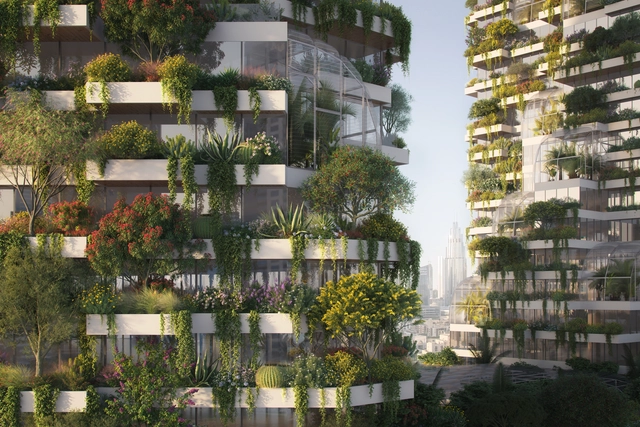
Stefano Boeri Architetti presented a new design for the Vertical Forest towers during COP27 in Sharm El-Sheikh, Egypt. The prototype would be in Dubai, the most populous city in the United Arab Emirates (UAE), and the next host of COP28 in 2023. The ambitious project would represent the first Vertical Forest prototype for the MENA (Middle East and North Africa), and it is the latest in an extended list of greenery-covered buildings by Boeri Architetti, including the Bosco Verticale in Milan, the Easyhome Huanggang in China, and a prototype of the First Dutch Vertical Forest.

Stefano Boeri Architetti Unveils Vertical Forest Prototype at COP27 - Image 1 of 4Stefano Boeri Architetti Unveils Vertical Forest Prototype at COP27 - Image 2 of 4Stefano Boeri Architetti Unveils Vertical Forest Prototype at COP27 - Image 3 of 4Stefano Boeri Architetti Unveils Vertical Forest Prototype at COP27 - Image 4 of 4Stefano Boeri Architetti Unveils Vertical Forest Prototype at COP27 - More Images

At COP27, SOM Presents Urban Sequoia, a Building Proposal that Absorbs Carbon from the Atmosphere

In a presentation at the Buildings Pavilion Auditorium during COP27, the UN Climate Change Conference in Sharm El-Sheikh, Egypt, Skidmore, Owings & Merrill (SOM) presented the Urban Sequoia NOW concept. The proposal, developed by an interdisciplinary team at SOM, represents a design that can sequester carbon from the atmosphere throughout its lifecycle. The design can be implemented with today’s technologies. This represents SOM’s concept of going beyond net zero carbon by combining multiple strategies: reducing embodied carbon, generating energy, absorbing carbon, and increasing the typical 60-year lifespan of the building.

During COP27, the Necessity to Achieve Net Zero Comes into Sharp Focus

Starting on November 6, world leaders are gathering in Sharm el Sheikh, Egypt, for COP27. The name stands for the 27th conference of parties, an almost annual event started under the 1992 UN framework convention on climate change (UNFCCC). The purpose of these conferences is to ensure that counties around the world are committed to taking action to avoid dangerous climate change and find ways to reduce greenhouse gas emissions globally in an equitable way. The effectiveness of these meetings varied throughout the years, with some successful initiatives, like the 2015 Paris Agreement, a legally binding international treaty adopted by 196 Parties with the goal of limiting global warming below 2, preferably 1.5 degrees Celsius, compared to pre-industrial levels.

During COP27, the Necessity to Achieve Net Zero Comes into Sharp Focus - Image 1 of 4During COP27, the Necessity to Achieve Net Zero Comes into Sharp Focus - Image 2 of 4During COP27, the Necessity to Achieve Net Zero Comes into Sharp Focus - Image 3 of 4During COP27, the Necessity to Achieve Net Zero Comes into Sharp Focus - Image 4 of 4During COP27, the Necessity to Achieve Net Zero Comes into Sharp Focus - More Images+ 1

San Marino Declaration for Sustainable and Inclusive Architecture Receives Signatures of Norman Foster and Stefano Boeri

While the United Nations has been continuously urging architects, engineers, and city shapers to put the 2030 agenda and the SDGs into action, and the IPCC report revealed intensifying climate change, sparking widespread discussion over insufficient action, the 83rd ongoing session of The United Nations Economic Commission for Europe - UNECE Committee on Urban Development, Housing and Land Management taking place in San Marino, has just issued a special declaration on “how to build better, safer, more inclusive, and resilient" cities, ahead of COP27. This set of “Principles for Sustainable and Inclusive Urban Design and Architecture”, or the San Marino declaration has gathered the signatures of Norman Foster and Stefano Boeri.