Architecture is not simply building. Over 2,000 years ago, Roman architect Marcus Vitruvius Pollio defined two base realities in building: “Firmness” (Safety) and “Commodity” (Use) and then offered what turns building into architecture: “Delight” (Beauty).
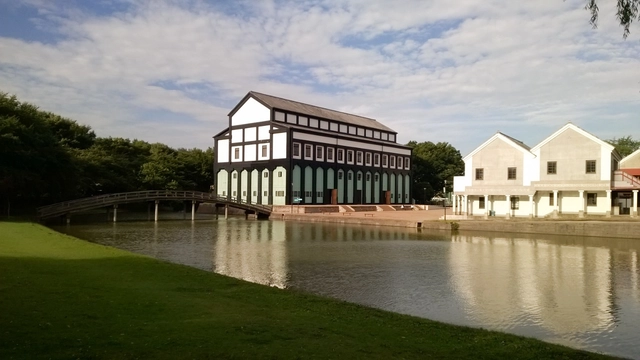
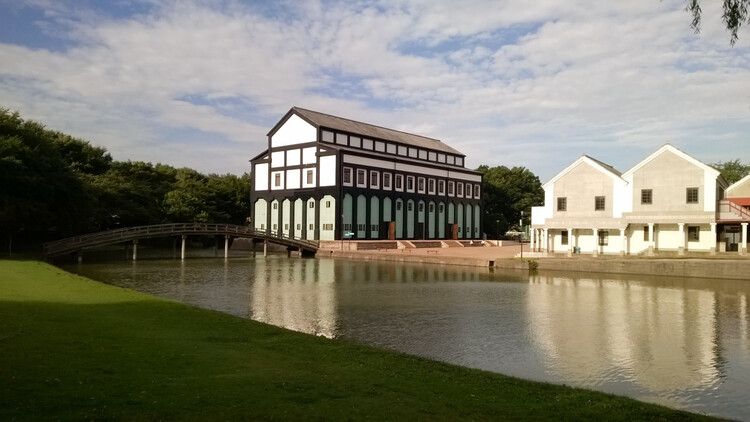
“Firmness” has been recoined in this century as “Resilience”. After being unscathed in five hurricanes over thirty years, does this building have “Delight” beyond its “Firmness”? The property of “Commodity” is found in any design’s usefulness and fit: is this archive, in constant use, have “Delight” beyond its “Commodity”?
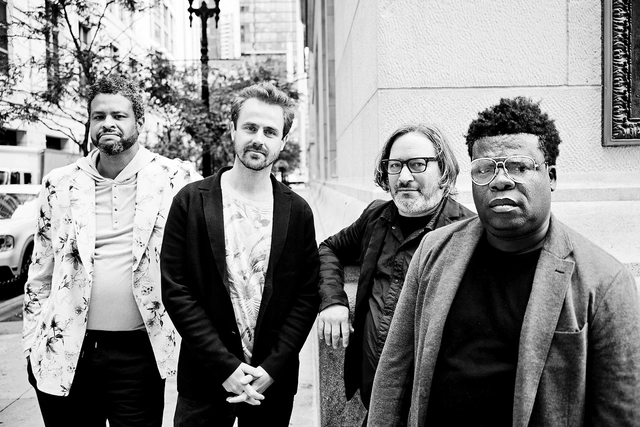
The Chicago Architecture Biennial (CAB) has announced the art collective Floating Museum as the leading artistic team of CAB’s fifth edition, opening in September 2023. For this edition, titled “This is a Rehearsal”, the Biennial explores environmental, political, and economic issues present in today’s society, yet addressed differently around the world through art, architecture, infrastructure, and civic participation. The Floating Museum, a collective of artists, designers, poets, and educators, aims to push the CAB 5 exhibition and program model to prioritize presenting innovative ideas that could shape the future of architecture and design.
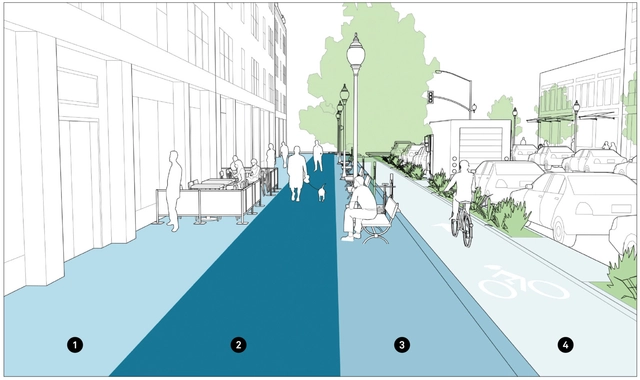
Future planning methods for sidewalks and public transit space. Image via Global Designing Cities Initiative
Whether you live in an urban, suburban, or rural area, there’s a good chance that using a sidewalk, in some capacity, is part of your everyday routine. Whether crossing over a sidewalk to get to your car in a parking lot or walking several blocks on your commute to your office downtown, sidewalks are critical for creating safe places for pedestrians away from the streets. But what happens when cities don’t take ownership over sidewalk maintenance, and they’re left to be protected by the people who just use them?
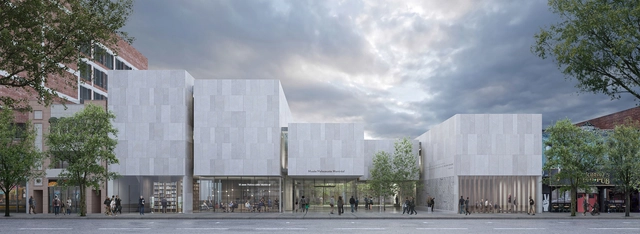
Exterior perspective from Saint-Laurent Boulevard. Image Courtesy of KPMB Architects + Daoust Lestage Lizotte Stecker Architecture
Following an international competition, the Montreal Holocaust Museum (MHM) has selected architecture offices KPMB Architects and Daoust Lestage Lizotte Stecker Architecture to design the new downtown museum building. Located on Blvd. St-Laurent, the museum is scheduled for opening in 2025. The MHM chose to move from its current location in response to the growing demand for its educational programs, which tackle important subjects such as the Holocaust, genocide, and human rights. The new building will contain multiple exhibition spaces, classrooms, an auditorium, a memorial garden, and a dedicated survivor testimony room.
Have you ever thought that practically all the cities in the world, since the dawn of humanity, were and continue to be created and designed by men? From urban design to building projects, from public transport to chairs – women have not been part of the process of creating everything around us.
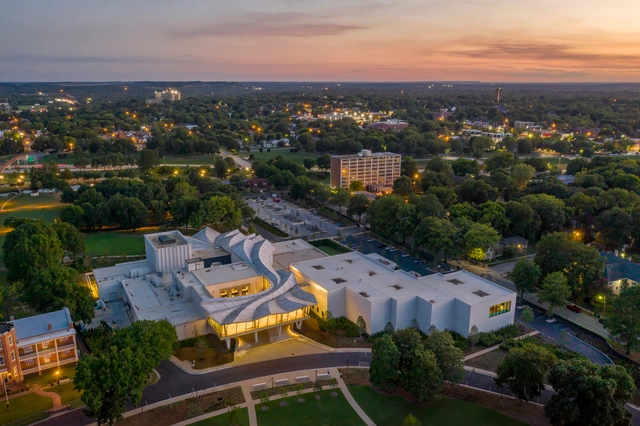
The newly transformed Arkansas Museum of Fine Arts in Little Rock, US, is ready to open to the public on April 22, 2023. Designed by architecture practice Studio Gang in collaboration with Polk Stanley Wilcox and landscape architecture and urban design practice SCAPE, The Museum’s new architectural identity aims to signify its role as a leading arts institution in the region. One of the Museum’s most recognizable features, the folded plate concrete roof, is now complete. The new roofline spans the length of the building, connecting the new construction and the renovated spaces to create a coherent architectural character for the cultural institution.
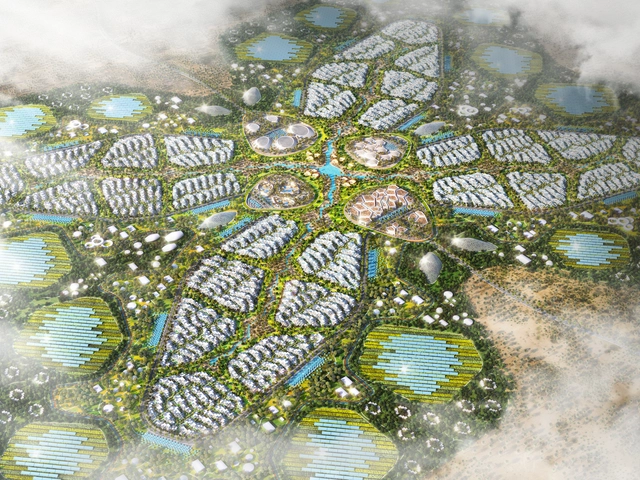
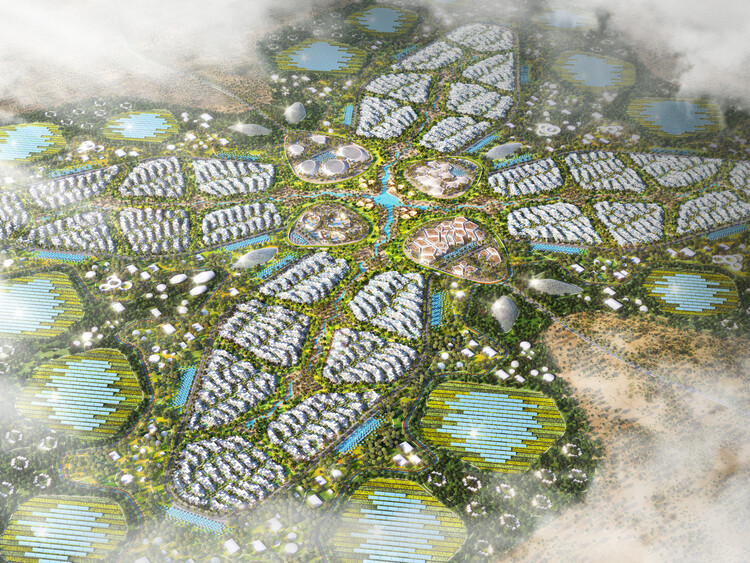
Kuwait is planning a 1,600-hectare development that will provide residential units, jobs, and amenities for 100,000 residents. Developed by URB, the ambitious project aims to promote a sustainable lifestyle with high standards of living, yet a low impact on the environment. The masterplan for the smart city is designed to optimize density and amenities distribution to create a walkable city, while also optimizing the green space ratio. This will help mitigate the effects of rising temperatures and the urban heat island effect. The green transportation systems and dedicated cycling tracks will make this a car-free city, apart from a ring road that allows for limited vehicular access. The city also promotes a circular economy that aims to provide food and energy security for the residents.
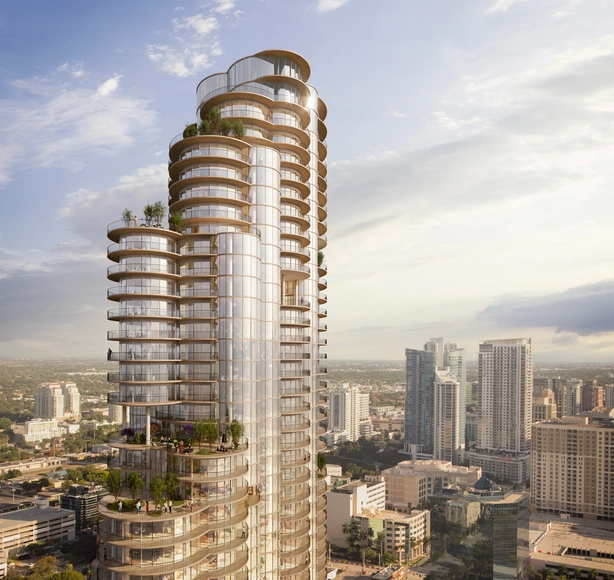
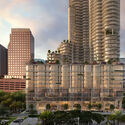
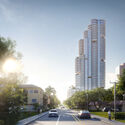
New York-based architecture studio ODA has revealed the design of its newest project in Fort Lauderdale, Florida. The 47-story tower is located south of the New River in the Rio Vista neighborhood. The program comprises 830 residential units, studios with two bedrooms, while also offering ample space for amenities and commercial use, measuring 13,000 square feet. At ground level, the project incorporates a large corner plaza. By placing functions for the public at the lower levels, the project aims to activate the walkways and public spaces, thus adding to the life of the neighborhood.
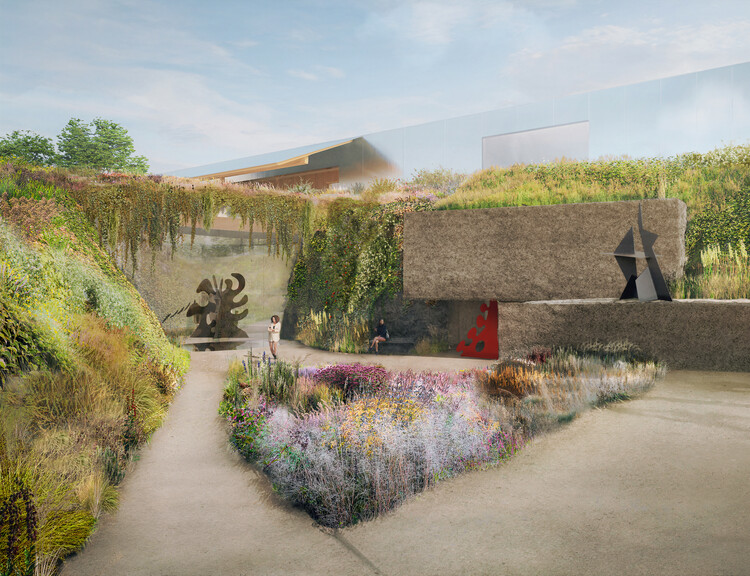
Herzog & de Meuron and landscape designer Piet Oudolf are collaborating to create Calder Gardens, which will house and display artworks by American sculptor Alexander Calder. Located between Vine Street and Benjamin Franklin Parkway in Philadelphia, the 6,500 square meter site will house a two-story building, half of which is developed underground. Instead of developing the site as a typical museum, the team decided to transform it into a garden as an attractive alternative for the people of Philadelphia.
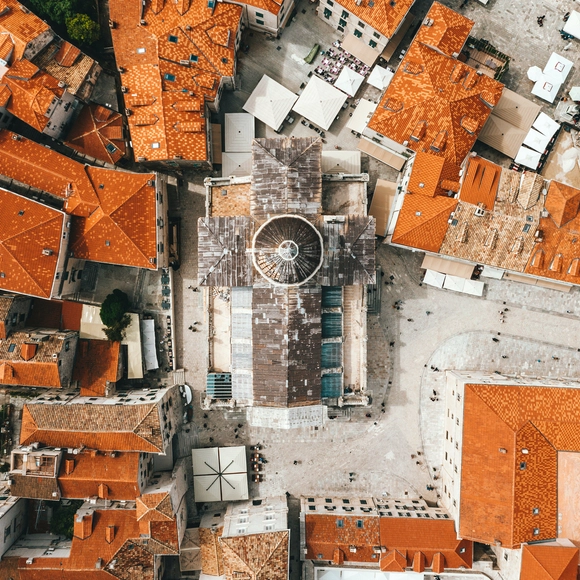
Dubrovnik, Croatia. Drone photo by @spencerdavisphoto
Some of the most characteristic features of city squares are related to the presence of people in the space and the purposes they are given, such as places for socializing, sports, tourism, and demonstrations. These different uses, often not foreseen in the project, are closely associated with the ground level, where people can walk around and experience the space. Viewed from an aerial perspective, on the other hand, squares can reveal other aspects related to their architectural design and their placement in the urban context.
Housing is a mess in Northwest Arkansas. The metropolitan area between the college town of Fayetteville, the buzzing art hub of Bentonville, and the bedroom communities of Rogers and Springdale are expected to double in size over the next two decades, and like many quickly growing urban areas across the country, there aren’t enough places to live.
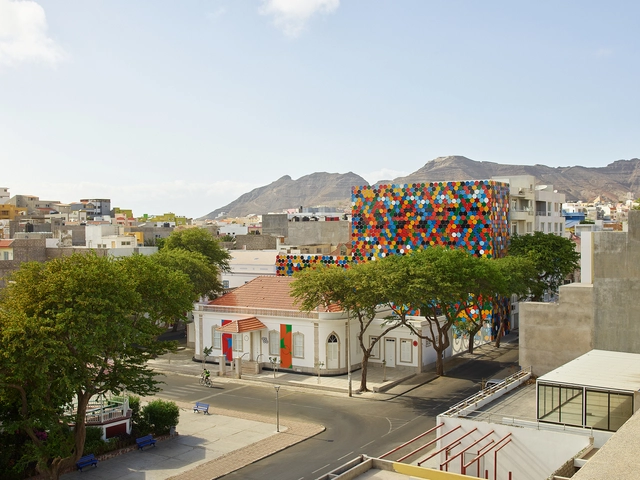
There are two ways to get to Cape Verde, by sea or sky. Either way, we are surprised by the landscape of immense rocky masses sprouting from the Atlantic’s navel before setting foot on land. Unpopulated until the middle of the 15th century, the volcanic archipelago is made up of ten islands, nine of which are currently inhabited, with unique characteristics in each one of them — some more touristy, like Sal, others more rural, like Santo Antão — and a version of Kriolu Kabuverdianu, which is not the official language (Portuguese occupies this place), but which is by far the most widely spoken.
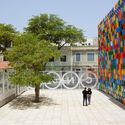
São Vicente is the second most populous island in the country and makes up the northern insular group called Sotavento, along with Santo Antão, Santa Luzia, São Nicolau, Sal and Boa Vista. Its largest city, Mindelo, has a port vocation and has historically been the point of departure and arrival for people and goods. Marked by traffic, the city is a place of passage and intense cultural exchanges. It is also home to the first museum built in the country, the National Centre for Art, Crafts and Design — CNAD.
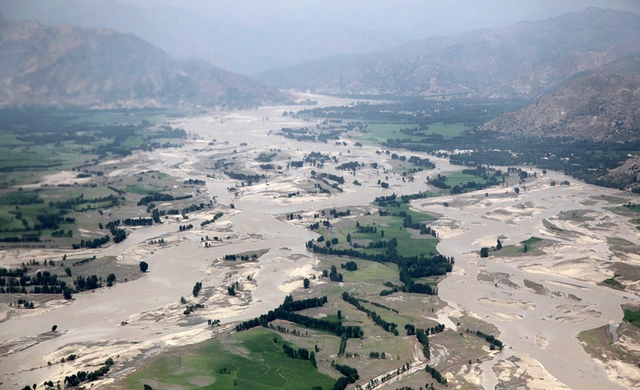
Record monsoon rains, in part due to melting glaciers in Pakistan’s northern mountains, have brought devastating floods that have covered over a third of the country’s surface. According to BBC and UN estimates, around 33 million Pakistani, one in seven people, have been affected by the floods, as more than 500,000 houses have been destroyed or severely damaged. Flood waters have also swept away an estimated 700,000 heads of livestock and damaged over 3.6 million acres of crops. The Sindh province is the hardest hit, receiving 464% more rain than the 30-year average.
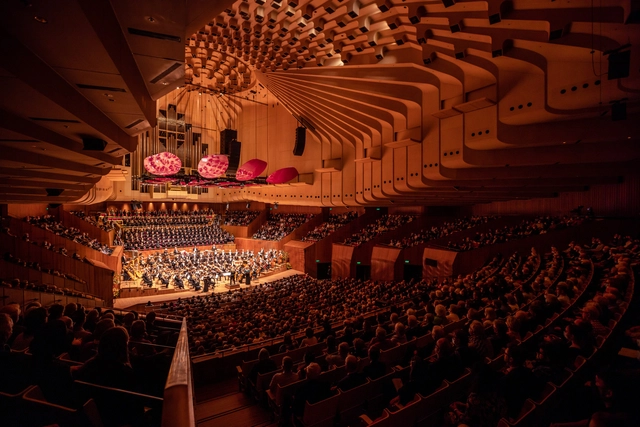
The Sydney Opera House has reopened its largest performance space, the Concert Hall. Since the venue closed for renovations in February 2020, the space has undergone extensive renovations to improve the acoustic performance, enhance access for people with mobility needs, and upgrade the staging systems. The renovation process respects the original interiors, while better equipping the hall to present a wide range of performances. This is the largest and final project in the Opera House’s Decade of Renewal, a 10-year program of renovation works totaling almost $300 million to upgrade the World Heritage-listed monument ahead of its 50th anniversary in 2023.
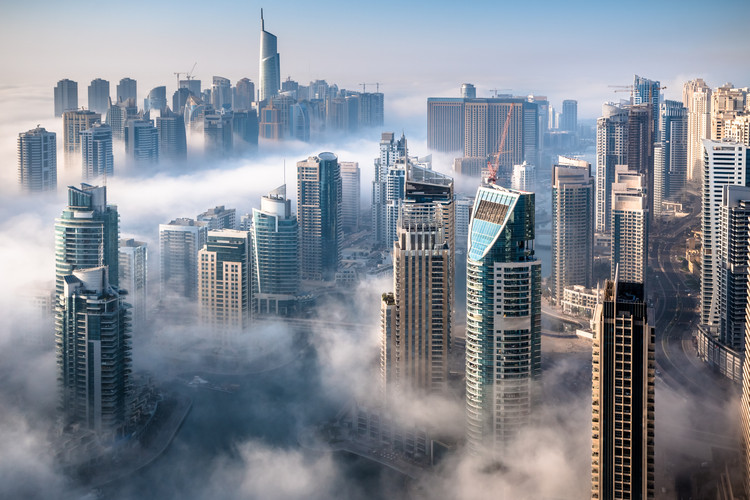
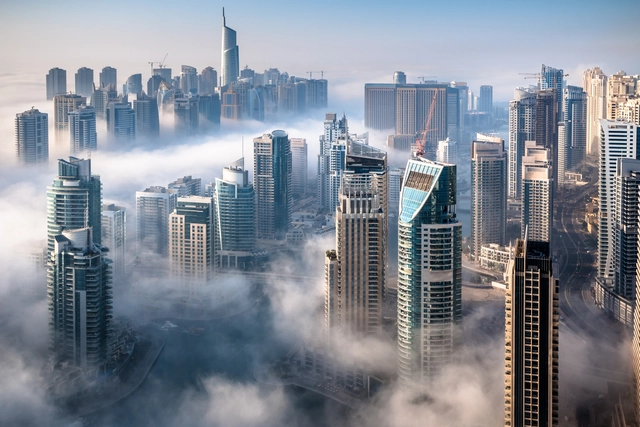
Almost a century ago, the world was introduced to a new architectural typology that changed the entire construction industry. Starting off with the Home Insurance Building in 1885, leading to the Empire State and Chrysler Buildings in Manhattan, skyscrapers became a symbol of power and financial abundance. Soon enough, they were being constructed in almost every city across the world with state-of-the-art designs that defy engineering norms. But with all the changes taking place in the architecture practice, what does the future hold for these heavily criticized yet constantly developed buildings?
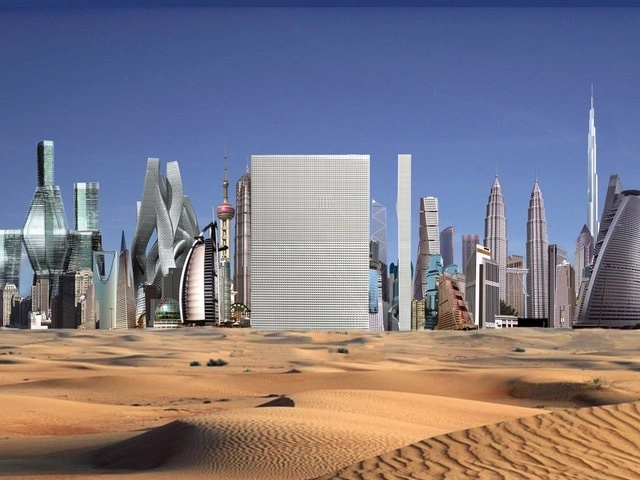
Rem Koolhaas, co-founder of Office for Metropolitan Architecture (OMA), receiver of the Pritzker Prize Award in 2000, and leading urban theorist, was one of the first to question the high-rise phenomenon and its influence on city transformation. Particularly intrigued by the Gulf region and the urban ambitions of this area, in 2009, during the 9th edition of the Sharjah Biennial, he delivered a lecture on the potential of re-inventing urbanization in the Emirates.
On the occasion of the golden jubilee of UAE, marking 50 years since the Emirates were founded in 1971, 50U, published by Archis explores the different developments in the Gulf, this region that “witnessed the transformation of a partly nomadic, partly town-based community into a globally active metropolitan society”. After Al Manakh, in 2007, followed in 2010 by Al Manakh Cont’d, 50U tells the story of the UAE through 50 portraits of people, plants, and places. The book also shares an excerpt of Koolhaas’ 2009 talk that reflects on contemporary conditions, focusing specifically on his reading of Dubai, his architectural involvement as well as his future urban predictions.
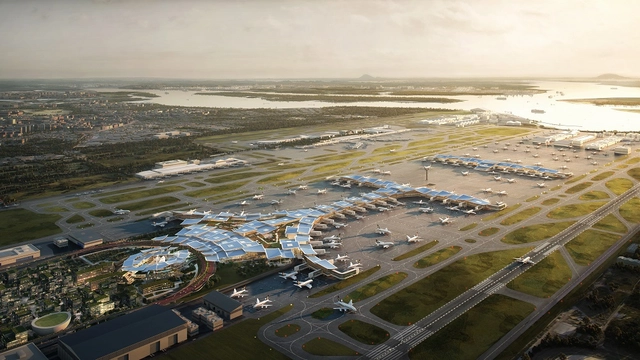
KPF and Heatherwick Studio have revealed the design for the fifth terminal of Changi Airport in Singapore. The concept behind it revolves around the concept of “airport as a city”, presenting itself as a social extension of the namesake district of Changi, at the eastern end of Singapore. The terminal is planned to add a capacity of 50 million passengers per year. Instead of a single monotonous structure, the terminal is comprised of a series of human-centered social spaces, offering different qualities of light, atmosphere, and experience to both visitors and residents of Singapore.
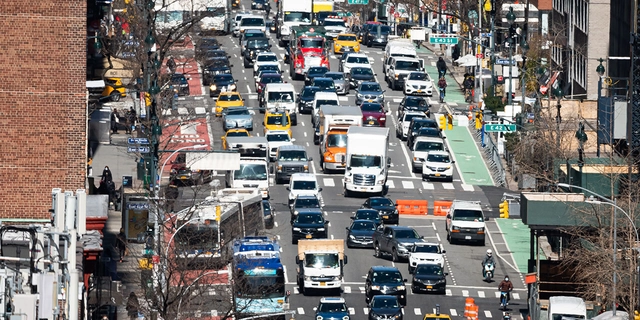
In 2007, New York City Mayor Michael Bloomberg proposed congestion pricing for Manhattan. The state legislature rejected the plan. Fifteen years later, we’re still debating the idea, fiddling while the planet burns.
The newest problem is that a new environmental study and traffic model from the MTA, The Central Business District Tolling Program Environmental Assessment, says that what’s good for 1.63 million residents of Manhattan and the planet, in general, will increase the pollution in the already unhealthy air in the Bronx. Yes, that’s a problem. Turning the perfect into the enemy of the good is also a problem. We need a plan that benefits all.






























_Nick_Merrick_for_Hedrich_Blessing_(10).jpg?1637696683 "Burj Khalifa by SOM. Image © SOM")