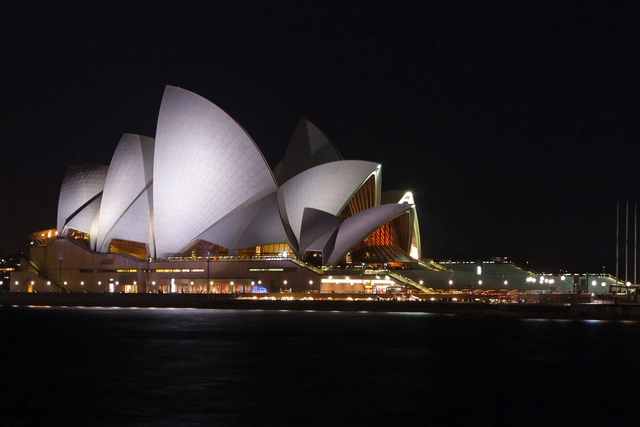
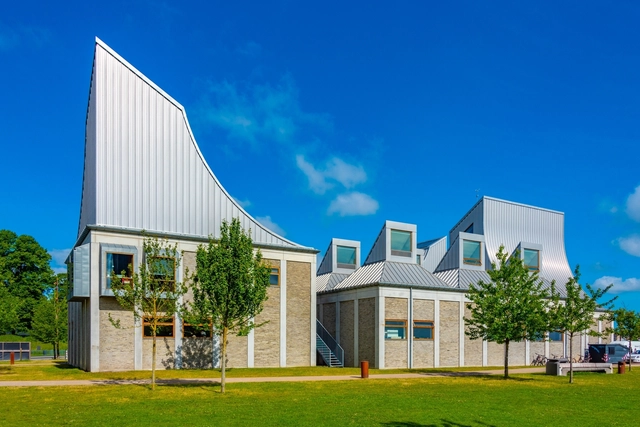
Architect Jørn Utzon, globally recognized for projects like the Sydney Opera House, introduced an innovative design featuring its iconic shell-shaped roofs. Though he achieved great fame in Oceania, Utzon was born in Denmark, and it was in his childhood city that his final project was realized. Inaugurated in 2008, the Utzon Center, which hosted the 2024 Obel Award ceremony, not only honors the culmination of his distinguished career but also marks the beginning of his enduring legacy.
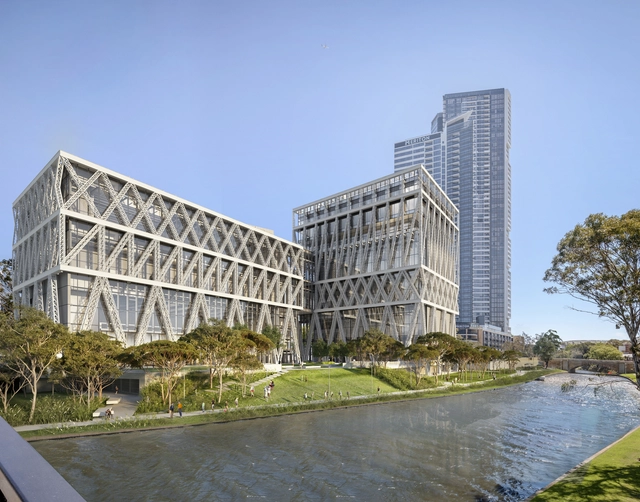
Powerhouse Parramata, Sydney’s new largest museum, has been announced to open in early 2025. The museum group overseeing the project sits at the intersection of the arts, design, science, and technology industries. Designed by Moreau Kusunoki in collaboration with local practice Genton, the museum will be located on the south bank of the Parramatta River in Western Sydney, acting as the largest cultural infrastructure project in the Australian capital city since the Sydney Opera House.
The 1970’s were a dark time for New York City. While the economy was down, crime rates were at an all-time high. The negative public image also kept tourists away, driving the city into a financial crisis. To change perceptions about The Big Apple, the New York State Department for Economic Development approached advertising firm Wells Rich Greene to create an inviting marketing operation. After 45 years, the resulting I Love NY campaign remains fresh in the minds of locals and tourists, successfully revamping New York City’s brand. Cities across the world like Paris, Amsterdam and Jerusalem have similarly invested heavily in constructing magnetic brands for themselves.
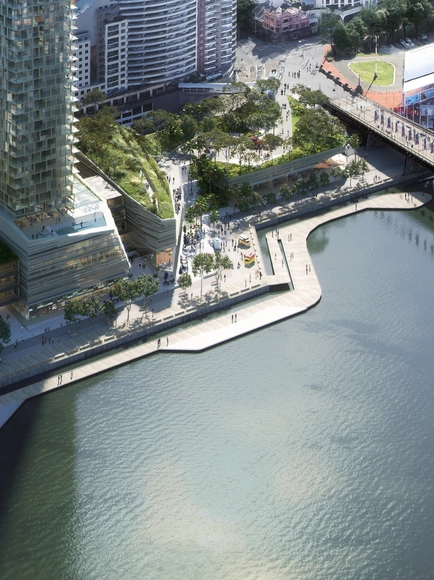
Snøhetta+Hassell were selected by competition to redesign Harbourside in Darling Harbour, Sydney. Expected to kick off in 2023, the 42-story residential tower and the 13500 square meters of public spaces will extend along the over 240 meters of water frontage within Sydney's iconic Darling Harbor area. Property developer Mirvac target to achieve 5 and 6 Star Green Star and WELL ratings, making the project one of Australia's most sustainable districts.
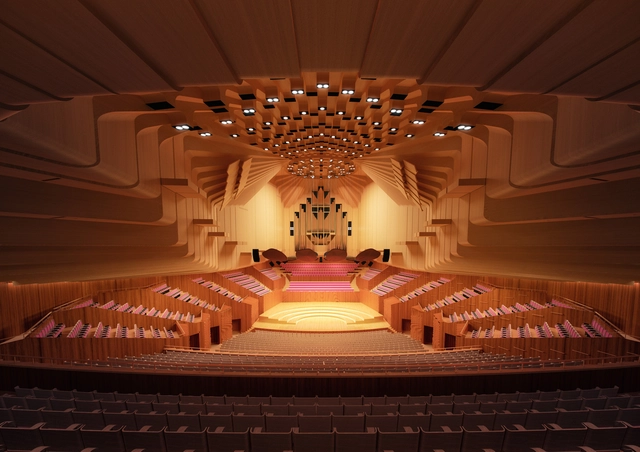
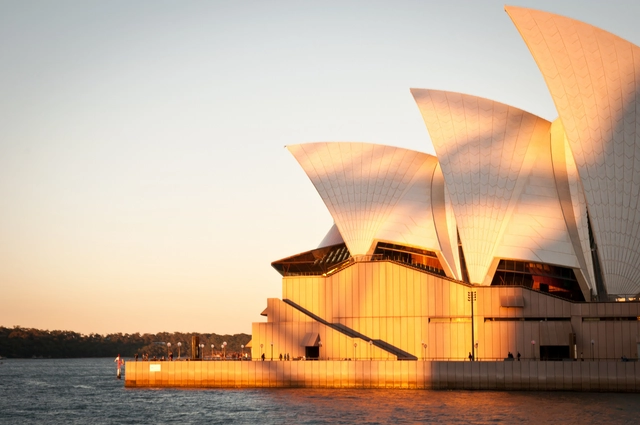
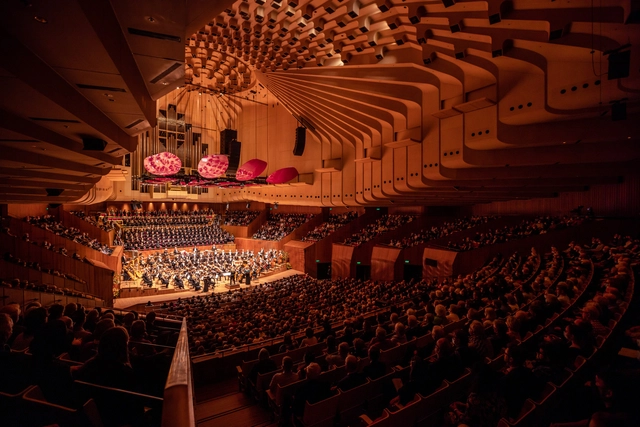
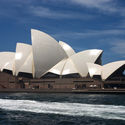
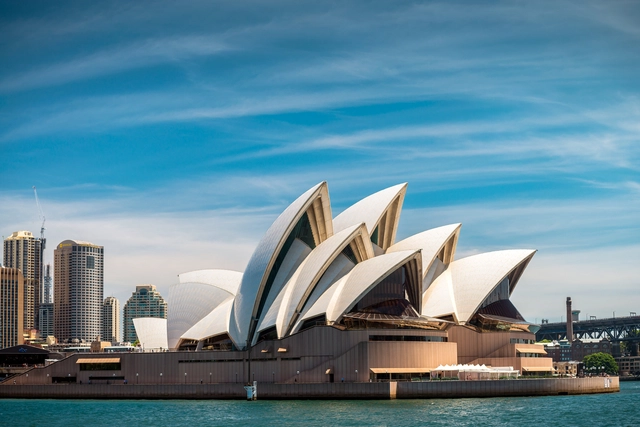
The Sydney Opera House has reopened its largest performance space, the Concert Hall. Since the venue closed for renovations in February 2020, the space has undergone extensive renovations to improve the acoustic performance, enhance access for people with mobility needs, and upgrade the staging systems. The renovation process respects the original interiors, while better equipping the hall to present a wide range of performances. This is the largest and final project in the Opera House’s Decade of Renewal, a 10-year program of renovation works totaling almost $300 million to upgrade the World Heritage-listed monument ahead of its 50th anniversary in 2023.
Pritzker Prize winning architect Jørn Utzon (9 April 1918 – 29 November 2008) was the relatively unknown Dane who, on the 29th January 1957, was announced as the winner of the "International competition for a national opera house at Bennelong Point, Sydney’." When speaking about this iconic building, Louis Kahn stated that "The sun did not know how beautiful its light was, until it was reflected off this building." Unfortunately, Utzon never saw the Sydney Opera House, his most popular work, completed.
The history behind the Opera House and its creation is as rich as the architecture itself. In 1956 the New South Wales Government called an open competition for the design of two performance halls, for opera and for symphony concerts, hoping to establish Sydney as a major city. Danish architect Jørn Utzon won the competition with an entry that consisted of a few simple sketches that intrigued the jury.
https://www.archdaily.com/911580/7-rejected-proposals-for-sydney-opera-houseNiall Patrick Walsh
Today marks what would have been the 100th birthday of the leading Danish architect, Jørn Utzon. Notably responsible for what could be argued to be the most prominent building in the world, the Sydney Opera House, Utzon accomplished what many architects can only dream of: a global icon. To celebrate this special occasion, Louisiana Channel has collaborated with the Utzon Center in Aalborg, Denmark to put together a video series to hear prominent architects and designers talk, including Bjarke Ingels and Renzo Piano, about their experiences with Utzon and his work—from his unrivalled visual awareness of the world, to his uncompromising attitude that led him to create such strong architectural statements.
Unlike many architects around at the time of Jørn Utzon, who as modernists rejected tradition in favour of new technologies and orthogonal plans, Utzon combined these usually contradictory qualities in an exceptional manner. As the architects recount, he was a globalist with a Nordic base, that has inspired the next generation to travel the world and challenge their concepts. Many of them compare his work to Alvar Aalto’s, as both shared an organic approach to architecture, looking at growth patterns in nature for inspiration. Utzon even coined this approach "Additive Architecture," whereby both natural and cultural forms are united to form buildings that are designed more freely.
A city’s monuments are integral parts of its metropolitan identity. They stand proud and tall and are often the subject of a few of your vacation photos. It is their form and design which makes them instantly recognizable, but what if their design had turned out differently?
Paris’ iconic and stunning Arc de Triomphe could have been a giant elephant, large enough to hold banquets and balls, and the Lincoln Memorial in Washington D.C. could have featured an impressive pyramid.
GoCompare has compiled and illustrated a series of rejected designs for monuments and placed them in a modern context to commemorate what could have been. Here are a few of our favorites:
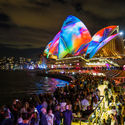
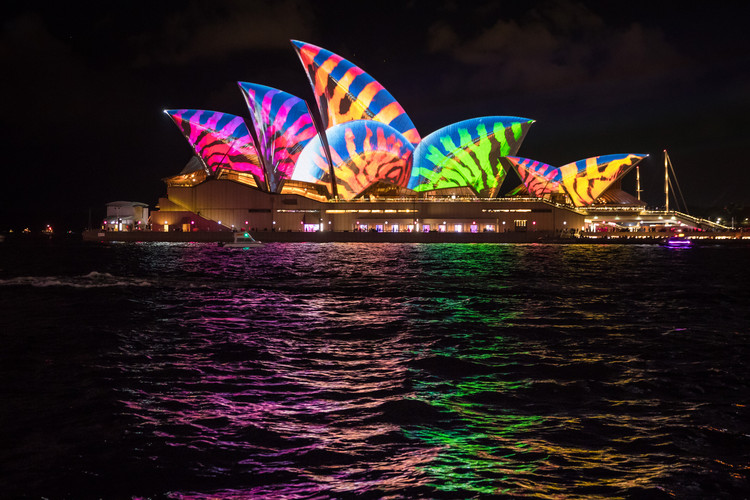
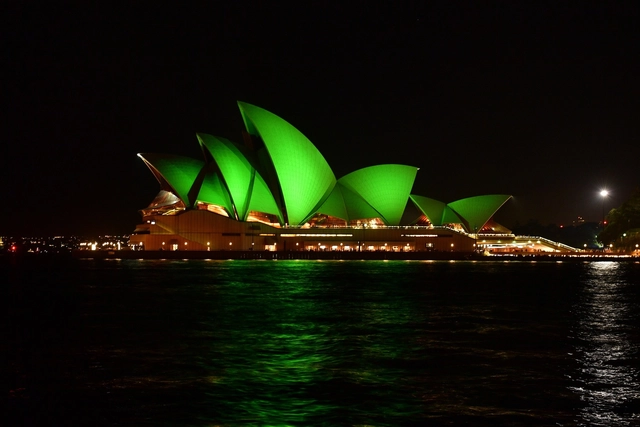
Vivid LIVE, part of the annual festival of lights and music known as Vivid Sydney, is taking place this weekend. As in previous years, the event was launched with a mesmerizing video projection mapped onto the sails of Sydney's iconic Opera House. Titled "Audio Creatures," this year's projection was created by Ash Bolland sees the Opera House writhe and squirm to a soundtrack by Amon Tobin; at times the shells of the building crack open to reveal new life inside, at other moments, infestations crawl their way across from the building's edges.
Read on to see more photographs from the show and the full video of the event.
Construction is an exercise in frugality and compromise. To see their work realized, architects have to juggle the demands of developers, contractors, clients, engineers—sometimes even governments. The resulting concessions often leave designers with a bruised ego and a dissatisfying architectural result. While these architects always do their best to rectify any problems, some disputes get so heated that the architect feels they have no choice but to walk away from their own work. Here are 6 of the most notable examples:
Videos
Concert Hall. Image Courtesy of Sydney Opera House
The Sydney Opera House has revealed designs for a $202 million renovation project, the largest upgrade program to the Jørn Utzon-designed building since it opened in 1973. Announced by New South Wales Deputy Premier and Minister for the Arts, Troy Grant, the project’s main goal is to “improve access and ensure it meets the needs and expectations of audiences, artists and the 8.2 million people who visit each year.”
Courtesy of Flickr user Chris Maidlow, licensed under Creative Commons 2.0
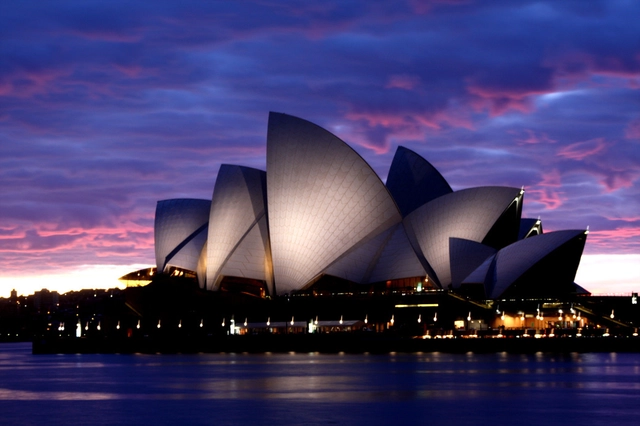
The Sydney Opera House is one of the most iconic buildings in the world. A momentous achievement in design and engineering, the building quickly cemented itself as a defining feature of the Australian cultural landscape. But the realization of the building was not a straightforward one, and almost immediately after the project was awarded it became fraught with controversy and uncertainty. At the center of this controversy was the architect, Jørn Utzon, who eventually resigned after mounting conflict with the state government. Now, this period of Utzon's life will be chronicled in a new feature length film, Utzon, The Man Behind the Opera House, reportsThe Guardian.
Videos
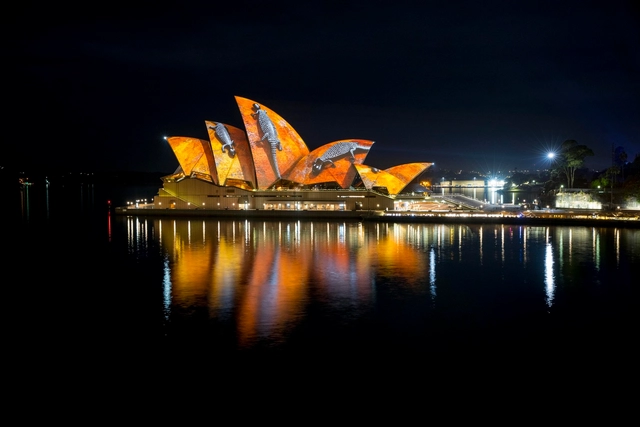
Opera House Songlines. Image Courtesy of Destination New South Wales
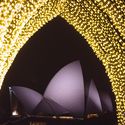
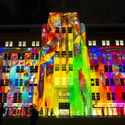
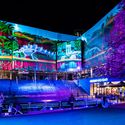
Vivid Sydney, the Australian city's annual festival of lights, began today with colorful installations that reinvent icons like the Sydney Harbour Bridge and Jørn Utzon’s renowned Opera House. The event is host to over 90 light installations devised by more than 150 artists from 23 countries, appearing in eight precincts across the city.
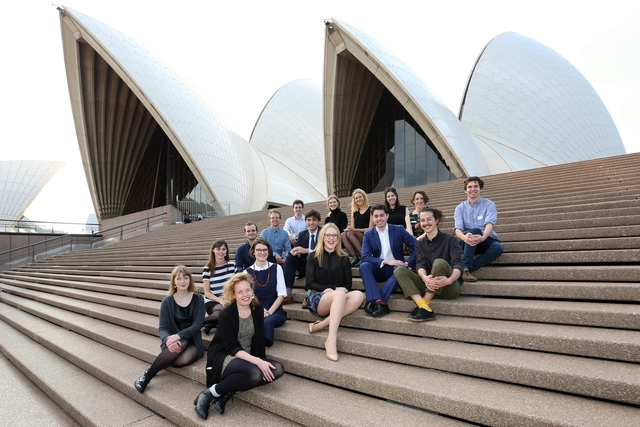
The 2015 session of MADE—the Multidisciplinary Australian Danish Exchange—has recently been completed and presented to the public. Established in 2013 by the Sydney Opera House, the MADE Program is an extracurricular experience for Australian and Danish students of architecture, engineering, and design.
Teams of five students are exchanged between Australia and Denmark and work in multidisciplinary teams of two architects, two engineers, and one designer for six weeks on a collaborative project aligned with Jørn Utzon’s Design Principles.
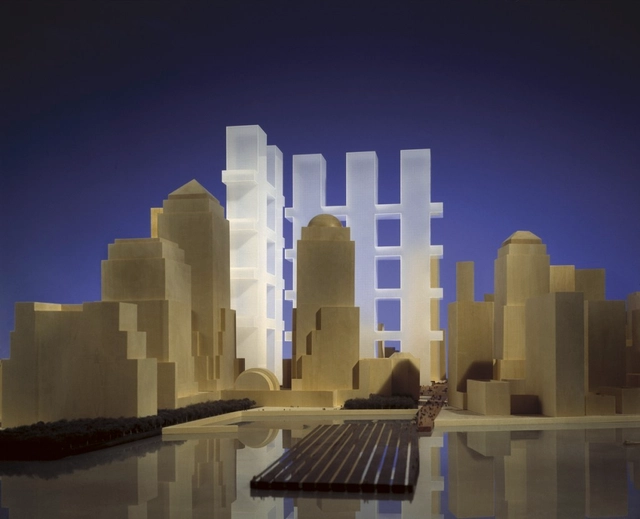
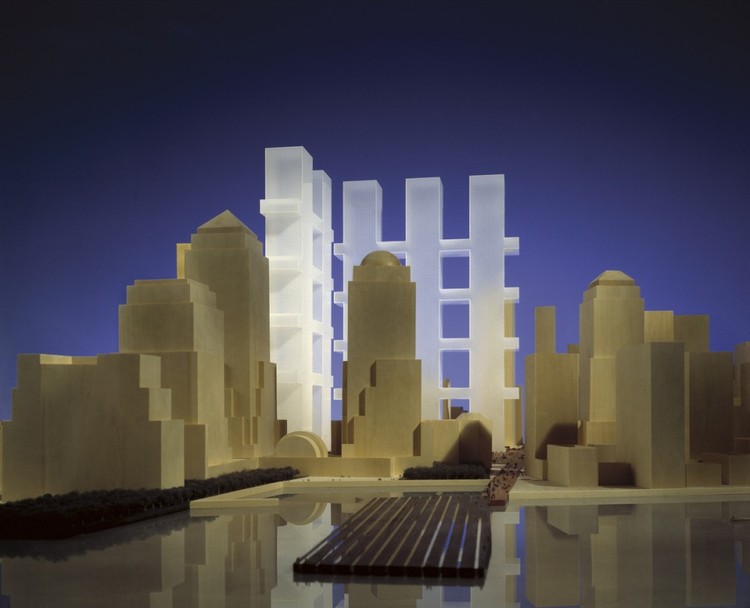
In It’s A Wonderful Life the film’s protagonist George Bailey, facing a crisis of faith, is visited by his guardian angel, and shown an alternate reality where he doesn’t exist. The experience gives meaning to George’s life, showing him his own importance to others. With the increasing scale of design competitions these days, architectural “could-have-beens” are piling up in record numbers, and just as George Bailey's sense of self was restored by seeing his alternate reality, hypothesizing about alternative outcomes in architecture is a chance to reflect on our current architectural moment.
Today marks the one-year-anniversary of the opening of Phase 3 of the High Line. While New Yorkers and urbanists the world over have lauded the success of this industrial-utility-turned-urban-oasis, the park and the slew of other urban improvements it has inspired almost happened very differently. Although we have come to know and love the High Line of Diller Scofidio + Renfro and James Corner Field Operations, in the original ideas competition four finalists were chosen and the alternatives show stark contrasts in how things might have shaped up.
On this key date for one of the most crucial designs of this generation, we decided to look back at some of the most important competitions of the last century to see how things might have been different.















_Prudence_Upton.jpg?1537804562 "© Prudence Upton")


_Hamilton_Lund_2017251.jpg?1537804531 "© Hamilton Lund")