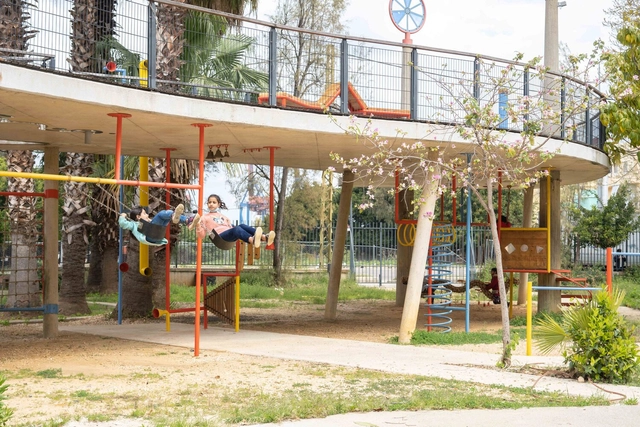
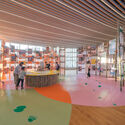
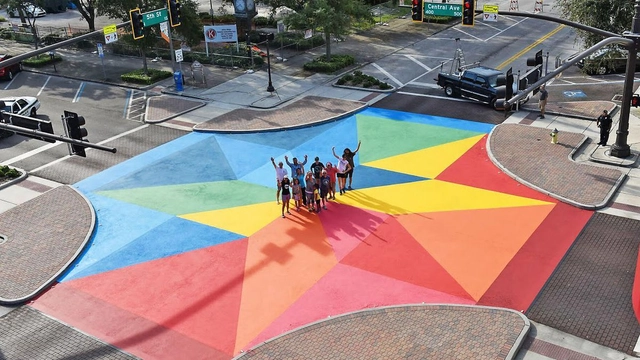
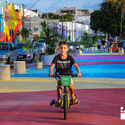
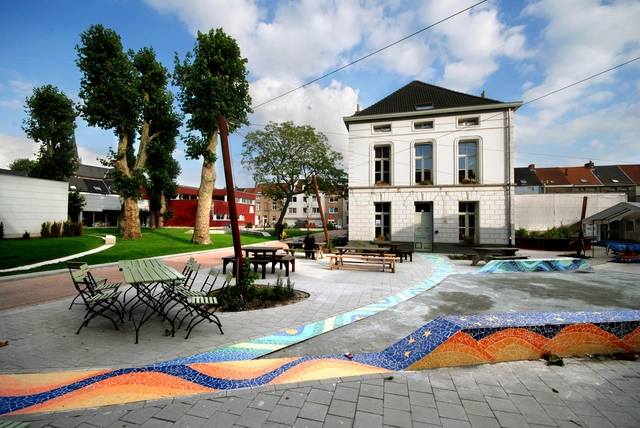
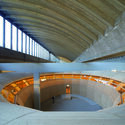
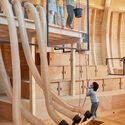
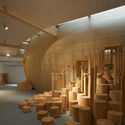
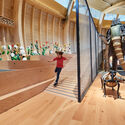
Karantina Public Park 2020-2023. Image Courtesy of CatalyticAction
Public spaces are not always shaped by planning but by the practices they host. Their existence stems from our inherent need for connection with others. As spaces of encounter, these urban, open, and accessible areas reflect how we interact with our surroundings and each other while offering places for exercise, play, socializing, and recreation.
Recognizing that public spaces are more than just physical environments, CatalyticAction is dedicated to fostering a sense of community, safety, and belonging, especially for children, who are among the most vulnerable in society. Their mission is not only to create spaces where children can play and grow but also to empower them, ensuring they have a voice in shaping their surroundings. To learn more about their work, Christele Harrouk, ArchDaily's Editor-in-Chief, spoke with Joana Dabaj, Co-founder and Director of Programmes at CatalyticAction.
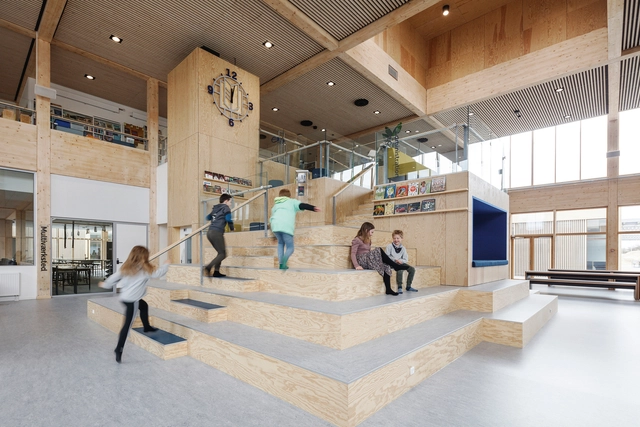
With spaces for children, “you have the opportunity to create architecture that in many ways is unformulated architecture. Children react to spaces completely spontaneously. It is almost an enhanced architecture”, says Dorte Mandrup. The implication is that design can contribute to forming critical thinking, encouraging autonomy, and responsibility, and helping forge future citizens. For the most part, the educational system and its spatial expression haven’t changed significantly in the last hundred years. Nonetheless, with access to information becoming ubiquitous, the focus is slowly moving from accumulating information to nurturing critical thinking, and new teaching methods open up a new area of architectural experimentation. The following explores the impact of space on learning, specifically in primary and secondary education, discussing how architecture could aid the educational process, becoming a teaching tool.
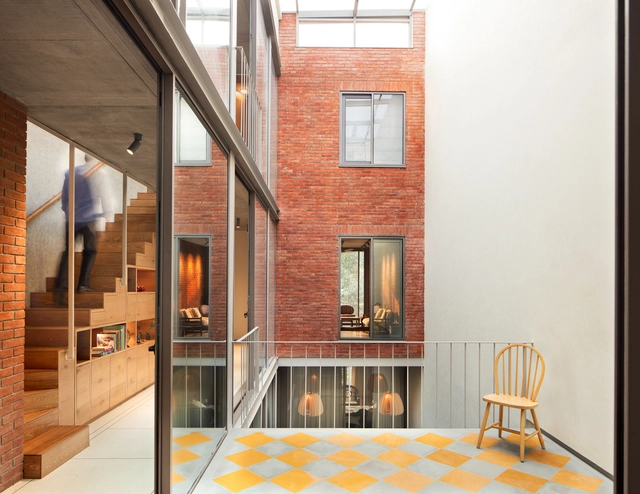
Designing a home is always a significant challenge. Technical and construction expertise must align with the expectations of its future resident, gently embracing their daily routine and tasks. Thus, mapping out the needs and rituals that will unfold within the house is fundamental for the success of the task. In the abundance of personalities, preferences, and quirks, residential architecture needs to mediate intentions and embrace diversities.
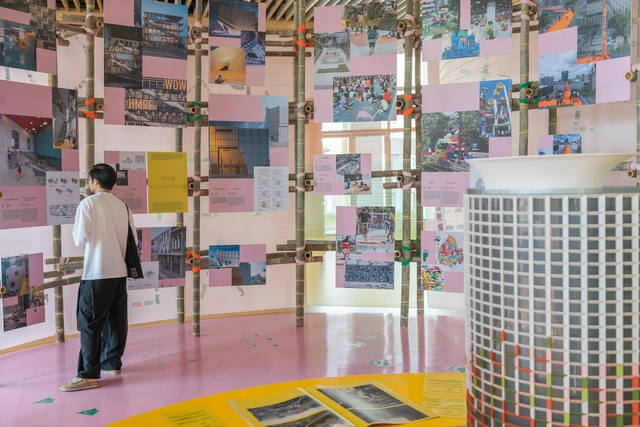
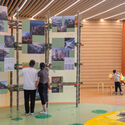
“ReviveR,” a new exhibition by MVRDV opened at the Shenzhen Women & Children’s Centre, focused on the different narratives surrounding its hosting building, from the role of play and social interaction, to the importance of fun environments for people of all ages, along with the need to reduce carbon emissions by applying principles of circularity. The exhibition is on display in the building’s 5th-floor auditorium from December 6, 2023, until February 28, 2024.
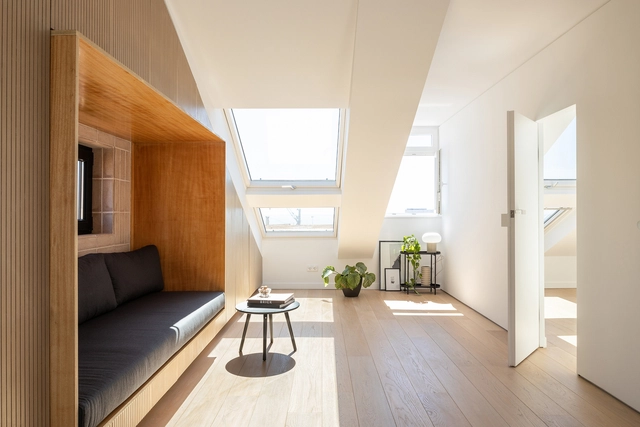
By converting the unused areas hidden in the roofspace, homeowners are able to add extra bedrooms, games rooms, or simply give themselves easier-to-access storage space, without having to move house or apply for planning approval. And with more of our lives now occurring under our own roofs, the additional space provided by an attic conversion is more popular than ever.
Without the ability to alter the roof’s pitch, however, the low-height areas of an attic room often remain unusable, and the resulting usable space is restricted by how low its functions can go. By positioning low-height features and activities in these nooks and crannies, attic rooms can make the best of the space they’re given.
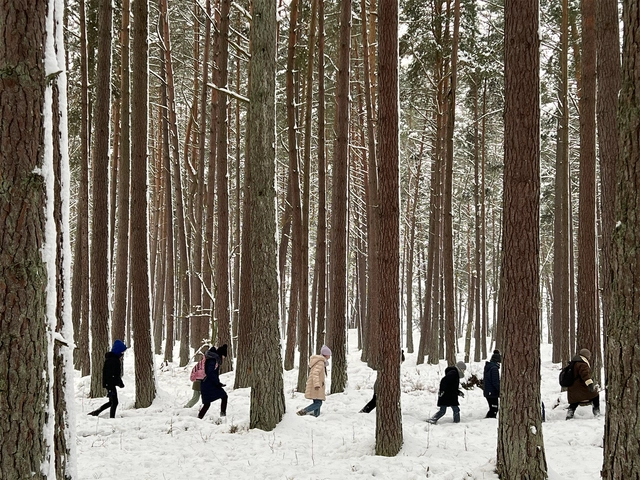
For the 18th International Architecture Exhibition – La Biennale di Venezia, the Lithuanian Pavilion will present an exhibition titled “Children’s Forest Pavilion”, curated by Jurga Daubaraitė, Egija Inzule, and Jonas Žukauskas. The intervention aims to become a playscape, acknowledging the unique perspectives through which children observe and interact with their environment. The project strives to explain the ecosystem of the forest, bringing together works and findings developed in parallel to outdoor activities held with children in the woodlands of Lithuania and Finland. Environmental educators, activists, architects and foresters will discuss the idea of forests as negotiated spaces where all actors play an important role. The Pavilion will be open from May 20th until November 26th, 2023.
Home spaces filled with clutter and mess can be mentally exhausting, making it impossible to relax with the weight of life visually bearing down on an interior. ‘Tidy space, tidy mind’ as the idiom instructs, and home environments that focus on clean lines – either with a minimalist lifestyle, decluttering, or expansive and well-organized storage systems – cultivate a more meditative mindset. Perhaps, however, the demonization of clutter and these are, characterless spaces it creates, can get a little, well, boring.
So-called ‘clutter’ can still spark joy when given an opportunity, however. So whether they hold treasured memories in photo frames, bookcases of stories not just in print, proud achievements, inspiring equipment, or functional items kept close to hand, open storage elements like shelving, doorless cabinetry, or hanging hooks and pegs can create decorative, textured and, most importantly, personalized surfaces.
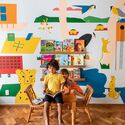
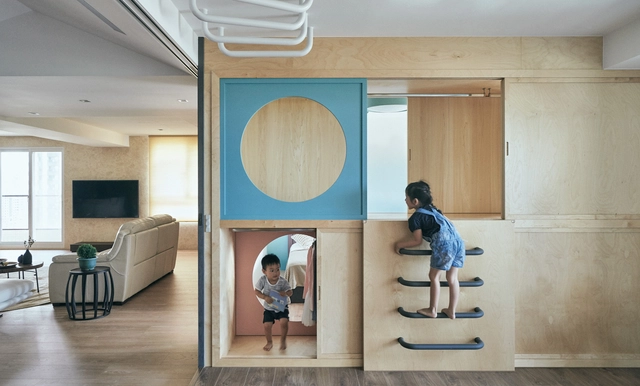
In the majority of family homes, it’s common for children to be given the smallest rooms. They are, after all, the smallest people. But where grown-ups have the rest of the house to fill with their accrued material wealth, children’s only freedom to decide what they do and where things go, is in that one small room.
Learning about the world can be frustrating, and quickly lead to misdiagnosed ‘bad’ behavior. So creating a safe, welcoming, comfortable space where children can feel calm, loved, and protected while enjoying their independence and individuality, is essential for a happy, healthy childhood. Children’s bedroom design, therefore, has more in common with open-plan living than simple sleeping quarters.
In the book Design of Childhood, architect and researcher Alexandra Lange states that children were considered nonpersons throughout almost the entire history of ancient and modern architecture, being excluded from the process of creating urban and interior spaces. This process has caused and is still causing several problems when children reach adulthood, since these children grew up being constantly watched by fear of movement and the eyes of adults.
Last week, the Global Designing Cities Initiative (GDCI) released Designing Streets for Kids to set a new global baseline for designing urban streets. Designing Streets for Kids builds upon the approach of putting people first, with a focus on the specific needs of babies, children, and their caregivers as pedestrians, cyclists, and transit users in urban streets around the world.
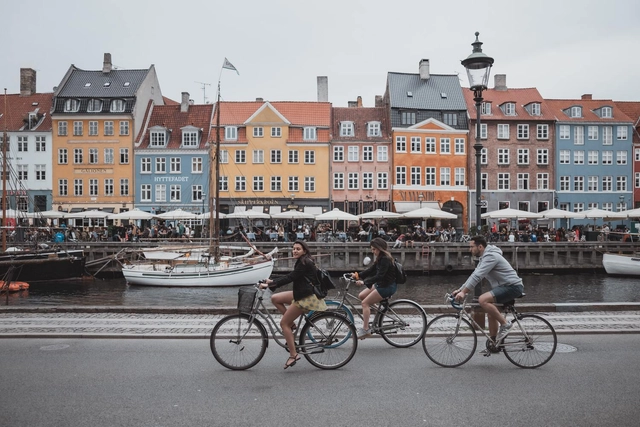
According to the World Happiness Report, Denmark has continually topped the survey of happiest countries for years. Copenhagen, the capital of Denmark, is known for its brightly colored waterfront buildings and radical contemporary architecture, both reflecting the joyful ethos of the city. The maritime metropolis is an urban designer’s favorite case study with its carbon-neutral infrastructure, pedestrian and bike-friendliness, and thriving public realm.Danish designers have cracked the code to build happier cities, leaving plenty of models to learn from.
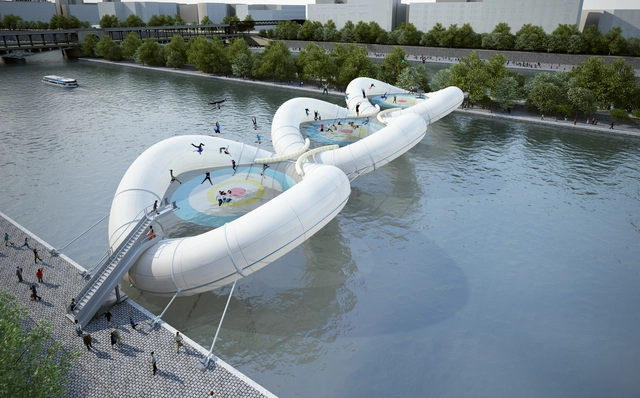
Trampoline Bridge / AZC Architects. Image Courtesy of AZC Architects
Humane cities center around the relationships between people and places. Communities thrive on shared resources, public spaces, and a collective vision for their locality. To nurture happy and healthy cities, designers and the public apply methods of placemaking to the urban setting. Placemaking—the creation of meaningful places—strongly relies on community-based participation to effectively produce magnetic public spaces.
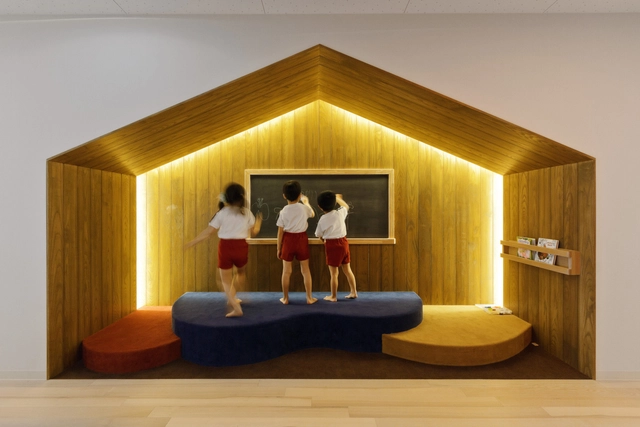
Reminiscing on his childhood, Peter Zumthor once said: “Memories like these contain the deepest architectural experience that I know. They are the reservoirs of the architectural atmospheres and images that I explore in my work as an architect.” These words allude to a fundamental concept behind kid friendly-design: everything we encounter in the first years of our lives, including architecture, can have a great impact on our future perspective of the world. When spaces are designed according to children’s specific needs, they stimulate their physical and mental well-being, as well as boosting autonomy, self-esteem and socialization skills. Therefore, architects have the responsibility to ensure that kids live, play and learn in environments that contribute to their long-term healthy development.
Many believe that lighting is of little importance beyond its aesthetic function, considering primarily the appearance of light fixtures and ensuring only that they produce at least an adequate amount of light. However, there is a strong consensus among architects that good lighting design can vastly improve the comfort of interior spaces, adding an enormous aesthetic, functional, and environmental value. In addition, the choice of lighting system may contribute to improved efficiency and sustainability within the building as a whole.
As for the needs of children, it is essential to pay attention to the quantity, quality, and type of lamp for every different environment, whether it be a space to sleep, play, or learn. Below, we delineate more specific considerations.
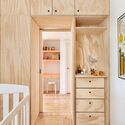
The room for babies or children is a space designed not only for rest and sleep time, but also to encourage imagination, bring symbols that help build perception of the world and, without forgetting, provide fun to the little ones. In addition to sheltering childhood, bringing functionality to this environment and adapting so many functions in the same area often require huge creativity by mothers and fathers, so the search for an architecture professional can be more than welcome.
https://www.archdaily.com/974422/nurseries-and-childrens-rooms-20-examples-to-inspire-the-imaginationEquipe ArchDaily Brasil
In this episode of Design and the City - a podcast by reSITE on how to make cities more liveable – scholar, writer and consultant Tim Gill, author of Urban Playground: How Child-Friendly Planning and Design Can Save Cities, talks about the importance of designing cities that can foster play and empower children autonomy, as a way of creating inclusive urban environments fit for all ages and abilities. Gill argues for enhancing children's everyday freedom and discusses his research into ideas and principles that would make neighbourhoods rich in experiences in possibilities, which he defines as child-friendly urban planning.
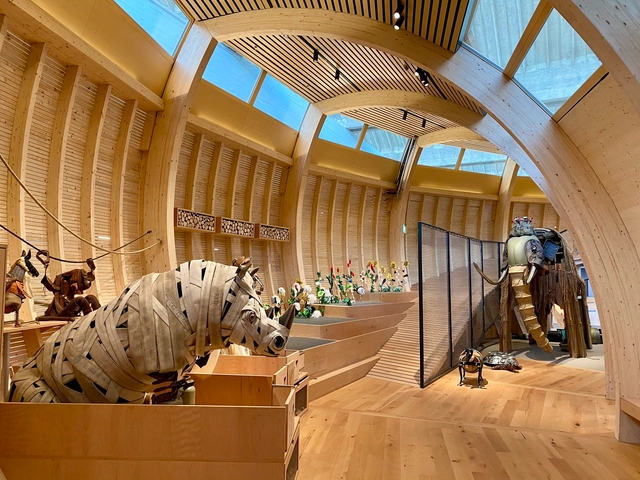
Completed in 2020, amidst the pandemic, ANOHA- The Children’s World designed by Olson Kundig for the Jewish Museum in Berlin is finally opening its doors to the young public. The design reinterprets the myth of Noah’s Ark and furthers the concept and ideas of a similar installation at Skirball Cultural Center in Los Angeles, created by the firm then named Olson Sundberg Kundig Allen. More than a museum experience, the project is a space for community building, a place for imagination and play that enacts a universal story, creating an inclusive environment for children and families of all cultures and backgrounds.
Maria Montessori began to develop her educational method at the beginning of the 20th century. In general terms, the method is a scientific pedagogy that promotes an education that positively contributes to the development of children's brains, respecting their individuality and stimulating their autonomy, self-esteem, and self-confidence.
Although the method was created in the last century, science is currently beginning to test much of the information investigated by Maria Montessori. For this reason, it is increasingly being applied to architecture for children’s educational spaces, improving the quality of children's learning and development and providing them with better tools for their future lives.