1. ArchDaily
  2. Brickwork

Brickwork: The Latest Architecture and News

Populous Designs New Wrexham AFC Stadium Kop Stand with Signature Brickwork Pattern

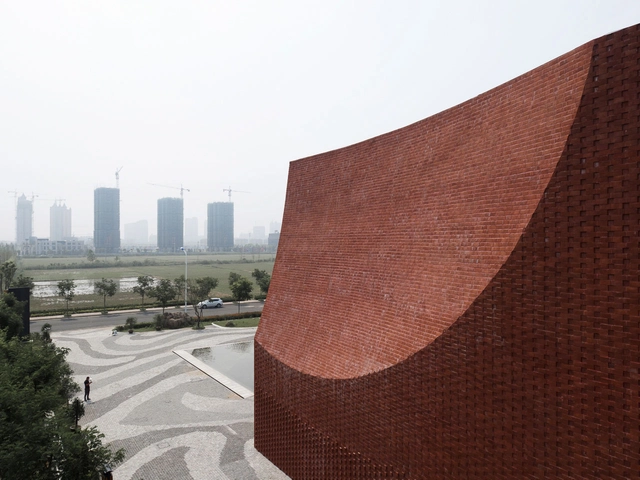
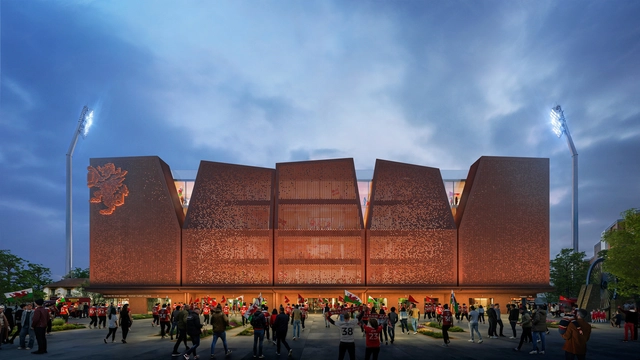
The term "Kop," traditionally referring to the summit of a hill or peak, reflects the origins of passionate fan gatherings in football stadiums. In the UK, a "Kop Stand" specifically designates a typically single-tiered stand situated at the goal end of a stadium, renowned for housing the loudest and most dedicated supporters of a football club. Sports and entertainment-focused architecture office Populous has just released the design of the new Kop Stand for Wrexham AFC's stadium. The proposal pays homage to Wrexham's architectural character by incorporating a brick façade pattern that mirrors the city's traditional building styles.

Populous Designs New Wrexham AFC Stadium Kop Stand with Signature Brickwork Pattern - Image 1 of 4Populous Designs New Wrexham AFC Stadium Kop Stand with Signature Brickwork Pattern - Image 2 of 4Populous Designs New Wrexham AFC Stadium Kop Stand with Signature Brickwork Pattern - Image 3 of 4Populous Designs New Wrexham AFC Stadium Kop Stand with Signature Brickwork Pattern - Image 4 of 4Populous Designs New Wrexham AFC Stadium Kop Stand with Signature Brickwork Pattern - More Images+ 1

The Craft of Brick Bonding: 4 Projects That Explore Textural Designs Adapted to Canada's Winter Conditions

Subscriber Access | 

Canada's climate is known for its dramatic contrasts, ranging from frigid winters to hot summers. Large metropolitan areas such as Toronto, Montreal, and Vancouver experience a variety of extreme weather conditions: heavy snowfall, ice storms, and freezing temperatures are common. In some cases, temperatures can plummet to below -30 degrees Celsius, especially in cities like Montreal or Quebec. In turn, this weather creates certain challenges for architects and engineers when designing with certain materials. In this context, brick remains a popular construction material not only because of its relatively low thermal conductivity, making it a good insulator during the winter but also because of its connection to the country's architectural heritage.

While brick was once a primary load-bearing material, its role has shifted in modern architecture to being used predominantly for non-bearing walls and exterior cladding. This allows architects to experiment with brick as a texture and design feature, rather than focusing on its structural capabilities. Even though the climate does influence material choices, brick's historical significance and its ability to create intricate textures and patterns in facades make it a compelling choice for contemporary projects across Canada. Modern architects are constantly finding new ways to reinterpret this classic material, exploring various bond layouts and surface textures that add aesthetic richness while ensuring the buildings remain resilient to extreme weather conditions.

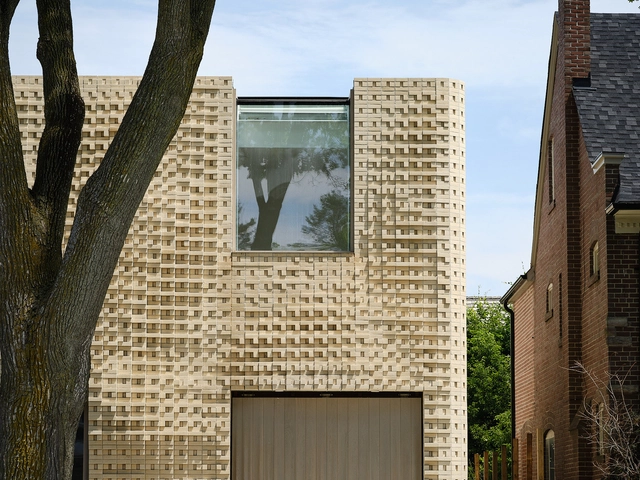
The Craft of Brick Bonding: 4 Projects That Explore Textural Designs Adapted to Canada's Winter Conditions - Image 1 of 4The Craft of Brick Bonding: 4 Projects That Explore Textural Designs Adapted to Canada's Winter Conditions - Image 2 of 4The Craft of Brick Bonding: 4 Projects That Explore Textural Designs Adapted to Canada's Winter Conditions - Image 3 of 4The Craft of Brick Bonding: 4 Projects That Explore Textural Designs Adapted to Canada's Winter Conditions - Image 4 of 4The Craft of Brick Bonding: 4 Projects That Explore Textural Designs Adapted to Canada's Winter Conditions - More Images+ 5

15 Projects in India Using Traditional Jali Wall Facades: Solution to Control Light, Temperature and Ventilation

Natural light, fresh air, and a constant, comfortable temperature. These are three of the most basic components we need in our interior spaces. By expanding and increasing the use of glass in contemporary building facades, we can increase natural light. However, to combine these wall-to-wall glazed surfaces with ventilation and temperature control, high-powered technical solutions are often required.

As the architecture industry shifts its focus towards greater sustainability and energy efficiency, many modern projects in the world’s hottest (and getting hotter) environments are unearthing more traditional ways to control temperature, light, and ventilation by learning from the past to save us from the future.

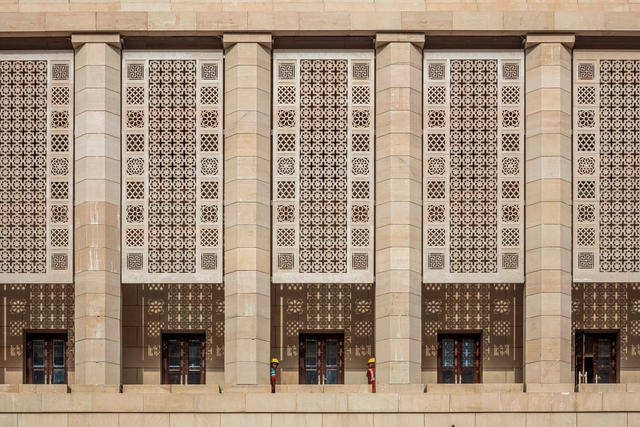
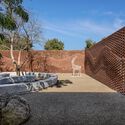
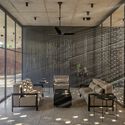
15 Projects in India Using Traditional Jali Wall Facades: Solution to Control Light, Temperature and Ventilation  - Image 1 of 415 Projects in India Using Traditional Jali Wall Facades: Solution to Control Light, Temperature and Ventilation  - Image 2 of 415 Projects in India Using Traditional Jali Wall Facades: Solution to Control Light, Temperature and Ventilation  - Image 3 of 415 Projects in India Using Traditional Jali Wall Facades: Solution to Control Light, Temperature and Ventilation  - Image 4 of 415 Projects in India Using Traditional Jali Wall Facades: Solution to Control Light, Temperature and Ventilation  - More Images+ 17

Notre Dame Cathedral, Bangui: A Local Iteration of French Architecture in Central Africa

Subscriber Access | 

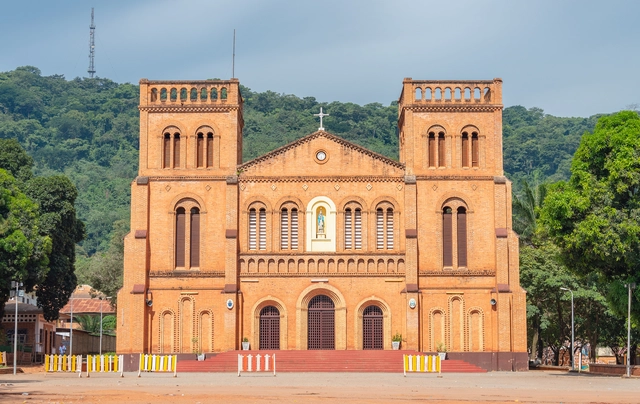
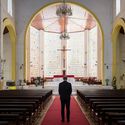
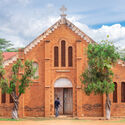
Located in the city of Bangui, the capital of the Central African Republic, is the Notre Dame Cathedral. This large red brick church was built in the early 1900s in the French colonial style. As the city grew from a small outpost to a colonial capital, the building was formed as a cultural and symbolic fusion of European and Central African architectural styles. Designed by French architect Roger Erell, the cathedral showcases local construction craftsmanship, provides a space for spiritual solace, and contributes to the national identity of the country.
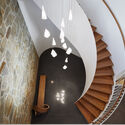
Notre Dame Cathedral, Bangui: A Local Iteration of French Architecture in Central Africa - Image 1 of 4Notre Dame Cathedral, Bangui: A Local Iteration of French Architecture in Central Africa - Image 2 of 4Notre Dame Cathedral, Bangui: A Local Iteration of French Architecture in Central Africa - Image 3 of 4Notre Dame Cathedral, Bangui: A Local Iteration of French Architecture in Central Africa - Image 4 of 4Notre Dame Cathedral, Bangui: A Local Iteration of French Architecture in Central Africa - More Images+ 6

Exploring Linear Brick Aesthetics in Contemporary Architecture

 | Sponsored Content

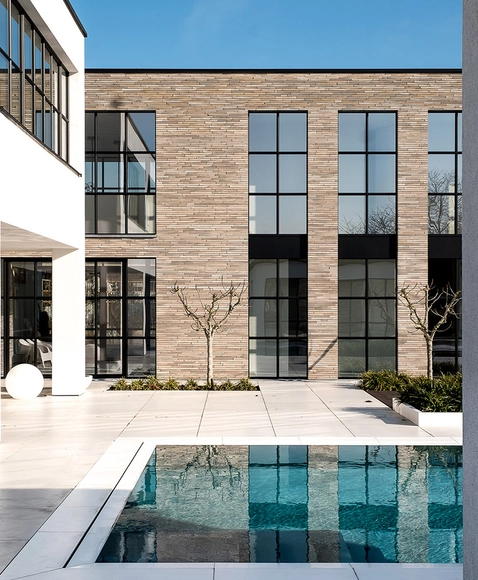
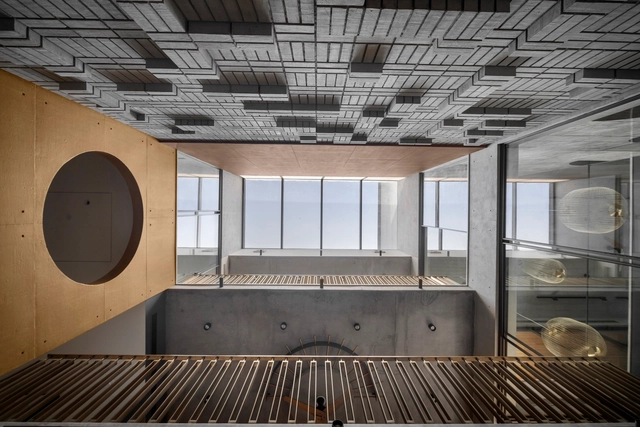
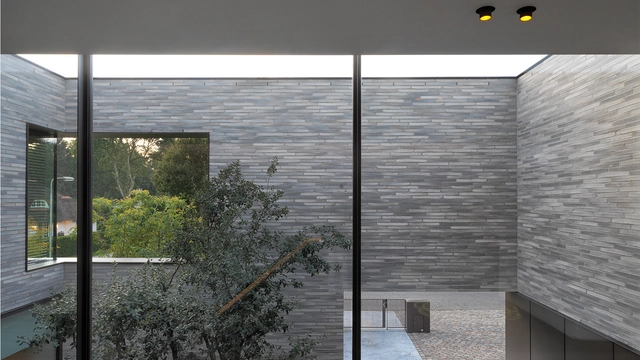
Bricks are versatile and long-lasting building materials that combine technical and aesthetic qualities. In a variety of shapes, dimensions, textures, and colors –depending on the manufacturing process and type of clay– incorporating bricks into architecture creates dynamic facades and structures. From traditional to modern styles, these versatile elements can be arranged in different patterns and easily integrated with other building materials, enabling diverse architectural expressions. In addition to these qualities, the use of bricks in contemporary architecture is distinguished by experimenting with placement, orientation, and material textures, as well as embracing minimalistic design principles focused on simple and clean lines.
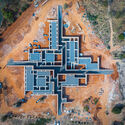
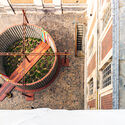
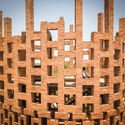
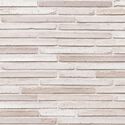
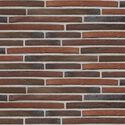
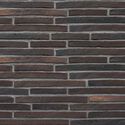
Among the different types of bricks, designing with a linear or elongated style involves playing with horizontal and vertical arrangements –or a combination of both– creating modular patterns for a rhythmic and harmonious visual appeal. Following this format, Randers Tegl has developed the Ultima waterstruck brick collection, which integrates craftsmanship, high-quality materials, and timeless appeal. By analyzing various projects, we showcase how the aesthetics of linear bricks are applied in contemporary architecture.

Exploring Linear Brick Aesthetics in Contemporary Architecture  - Image 1 of 4Exploring Linear Brick Aesthetics in Contemporary Architecture  - Image 2 of 4Exploring Linear Brick Aesthetics in Contemporary Architecture  - Image 3 of 4Exploring Linear Brick Aesthetics in Contemporary Architecture  - Image 4 of 4Exploring Linear Brick Aesthetics in Contemporary Architecture  - More Images+ 29

33 Open Homes With Multiple Stories Across a Vertical Open Plan

Subscriber Access | 

For over half a century, the open floor plan has remained at the cutting edge of interior architecture, with both new-build and renovation clients choosing to splice together rooms and their functions to bring more harmonious connectivity to their homes. Families, despite busier schedules, were able to cook, talk, study, and relax together, all at the same time.

As it can force users to share their space with competing sounds, smells, and ambiances, however, many are turning away from the open plan with new concepts such as the broken plan gaining ground. Another evolutionary route for the open-plan, meanwhile, is to move upwards. In combination with double-, triple-, or even higher-story living spaces, the open-plan is given the space it needs to breathe while staying connected to the rest of the home.

33 Open Homes With Multiple Stories Across a Vertical Open Plan - Image 1 of 433 Open Homes With Multiple Stories Across a Vertical Open Plan - Image 2 of 433 Open Homes With Multiple Stories Across a Vertical Open Plan - Image 3 of 433 Open Homes With Multiple Stories Across a Vertical Open Plan - Image 4 of 433 Open Homes With Multiple Stories Across a Vertical Open Plan - More Images+ 38

"Awareness Makes us Human": In Conversation with Boonserm Premthada, Founder of Bangkok Project Studio

Subscriber Access | 

"It's all about attitude and adjusting to the existing circumstances", explains Boonserm Premthada, when asked about his conceptual process. Founder of Bangkok Project Studio, and one of today's most influential Thai figures in architecture, Premthada has been the subject of Bêka & Lemoine's latest documentary, ‘Big Ears Listen With Feet’. The film highlights the personal story of the architect, unveiling all the events and happenings that shaped his unique identity and sensibility. "Deaf from birth", the short movie looks at how the architect's disability led him to listen in a different way, learning from elephants. who "despite their large ears [...] perceive sound mostly through their feet."

ArchDaily had the chance to talk with Boonserm Premthada, during Milan Design Week 2022 at the DAAily bar. Recipient of the Design Prize 2021|22 for social impact curated by designboom, the architect shared insights about his beginnings, his office as well as his creative approach, and his projects.

"Awareness Makes us Human": In Conversation with Boonserm Premthada, Founder of Bangkok Project Studio - Image 1 of 4"Awareness Makes us Human": In Conversation with Boonserm Premthada, Founder of Bangkok Project Studio - Image 2 of 4"Awareness Makes us Human": In Conversation with Boonserm Premthada, Founder of Bangkok Project Studio - Image 3 of 4"Awareness Makes us Human": In Conversation with Boonserm Premthada, Founder of Bangkok Project Studio - Image 4 of 4Awareness Makes us Human: In Conversation with Boonserm Premthada, Founder of Bangkok Project Studio - More Images+ 10

Biophilic-Inspired Design Takes Center Stage: How Bricks Bring Nature In

 | Sponsored Content

Largely driven by rural migration to cities and overall population growth, 68% of people worldwide will live in urban areas by 2050. By doing so, many will benefit from greater access to basic services, proximity to public transportation, and better education and employment opportunities. But the pursuit of living urbanized lives also leads to isolation from the outdoors –be it a forest, a meadow or the mountains– that can negatively impact our physical and mental health. Exposure to nature has long been proven to reduce stress levels, boost mood, foster productivity and, above all, enhance well-being. So, considering we typically spend around 93% of our time indoors (and that the pandemic has magnified that statistic), now more than ever we find ourselves seeking a connection with the outdoors and all its inherent benefits. Architects thus face the important challenge of bringing nature in, which is precisely where biophilic design comes into play.

The Colors of Brick

Subscriber Access | 

The Colors of Brick - Image 1 of 4The Colors of Brick - Image 2 of 4The Colors of Brick - Image 3 of 4The Colors of Brick - Image 4 of 4The Colors of Brick - More Images+ 43

Brick is one of the most popular materials for architects designing with a vintage or rustic aesthetic: exposed brick walls are often touted as highly desirable for apartments, restaurants, and stores, and exterior brick facades can make a building or home feel warmer and more inviting. However, the color and cut of the brick can greatly influence the atmosphere it emanates, with white brick lending itself to more minimalist design and tan brick tending to feel more rustic and earthy. In this article, we will explore some of the most popular brick colors, ways to artificially color brick, and recent projects that use brick facades or interior brick elements effectively.

Marc Thorpe Proposes Houses for the Workers of Moroso on the Outskirts of Dakar Senegal

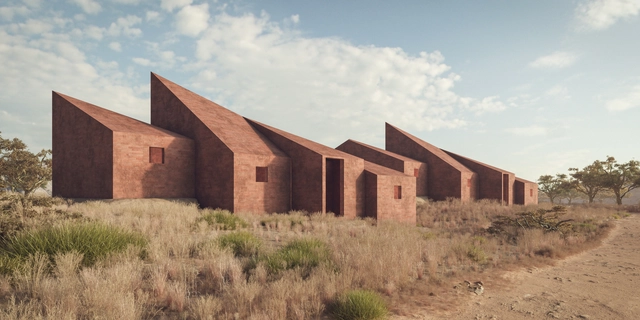
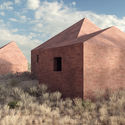
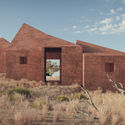
Marc Thorpe, New York-based architect and multidisciplinary studio, has designed the Dakar Houses for the workers of Moroso M’Afrique furniture collection. Located on the outskirts of the Senegalese capital in West Africa, the prototype houses are made from earth bricks.

Marc Thorpe Proposes Houses for the Workers of Moroso on the Outskirts of Dakar Senegal - Image 1 of 4Marc Thorpe Proposes Houses for the Workers of Moroso on the Outskirts of Dakar Senegal - Image 2 of 4Marc Thorpe Proposes Houses for the Workers of Moroso on the Outskirts of Dakar Senegal - Image 3 of 4Marc Thorpe Proposes Houses for the Workers of Moroso on the Outskirts of Dakar Senegal - Image 4 of 4Marc Thorpe Proposes Houses for the Workers of Moroso on the Outskirts of Dakar Senegal - More Images+ 3

Manuel Herz to Design Curvilinear Expansion of Rural Senegal Hospital

Manuel Herz has been chosen to design the expansion of the Tambacounda Hospital in rural Senegal, conceived and funded by the Josef and Anni Albers Foundation and American Friends of Le Korsa.

The extension is viewed as an urgent project to address overcrowding in the vital facility, with the demands of 20,000 annual patients resulting in hot, overcrowded communal spaces, and children sharing beds in wards. The Foundation described Manuel Herz as the “unanimous choice” with an approach showing “a mix of visual flair, practical understanding, and profound humanitarianism.”

Manuel Herz to Design Curvilinear Expansion of Rural Senegal Hospital - Image 1 of 4Manuel Herz to Design Curvilinear Expansion of Rural Senegal Hospital - Image 2 of 4Manuel Herz to Design Curvilinear Expansion of Rural Senegal Hospital - Featured ImageManuel Herz to Design Curvilinear Expansion of Rural Senegal Hospital - Image 3 of 4Manuel Herz to Design Curvilinear Expansion of Rural Senegal Hospital - More Images

"DIY For Architects": This Parametric Brick Facade Was Built Using Traditional Craft Techniques

Subscriber Access | 

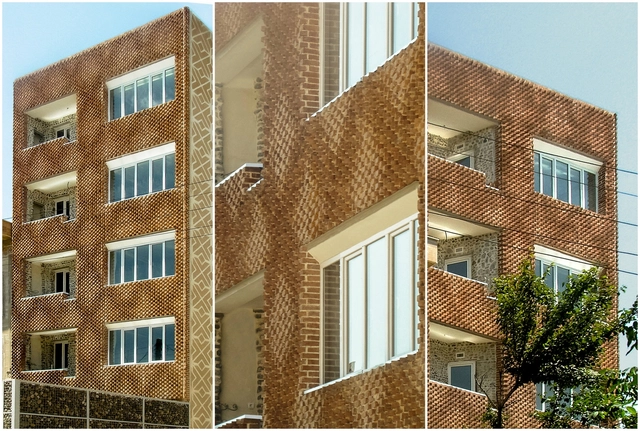
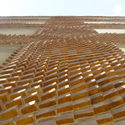
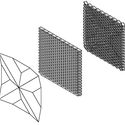
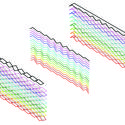
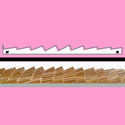
With their latest facade construction, Iranian architecture firm Sstudiomm explores the potential that brick can offer by utilizing parametric architecture. Instead of relying on unique construction elements for assembly on-site at a later date, in their new project (called, in full, "Negative Precision. On-Site Fabrication of a Parametric Brick Facade // A DIY for Architects") the firm considers how a simple mass-produced element like the brick can be assembled in unique ways by taking advantage of digital technology. While firms like Gramazio Kohler have already developed industrial methods of assembling brickwork following parametric designs, Sstudiomm aims for a more lo-fi approach, creating parametric brick walls using little more than the traditional construction methods found in Iran and a dose of ingenuity.

"DIY For Architects": This Parametric Brick Facade Was Built Using Traditional Craft Techniques - Image 1 of 4"DIY For Architects": This Parametric Brick Facade Was Built Using Traditional Craft Techniques - Image 8 of 4"DIY For Architects": This Parametric Brick Facade Was Built Using Traditional Craft Techniques - Image 9 of 4"DIY For Architects": This Parametric Brick Facade Was Built Using Traditional Craft Techniques - Image 10 of 4DIY For Architects: This Parametric Brick Facade Was Built Using Traditional Craft Techniques - More Images+ 12