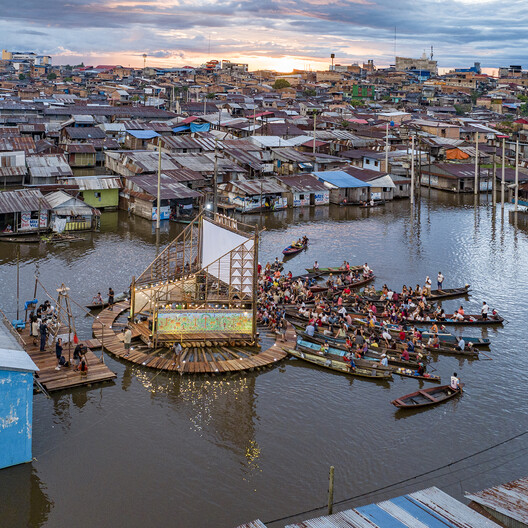
-
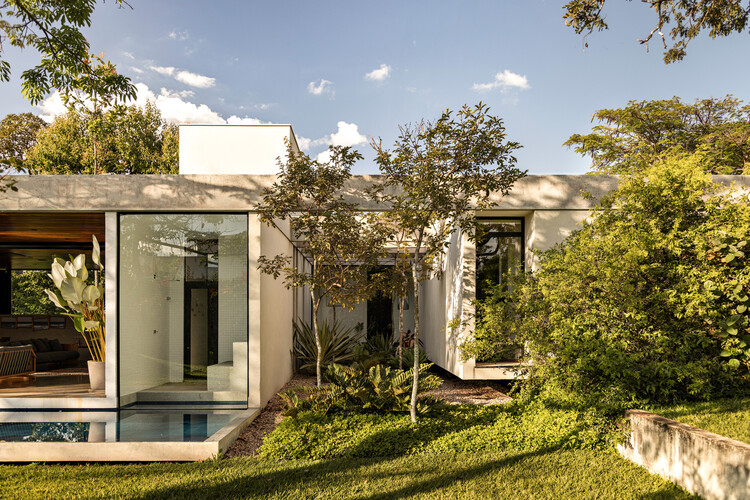
Architects: BLOCO Arquitetos
- Area: 180 m²
- Year: 2026

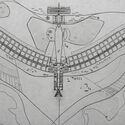
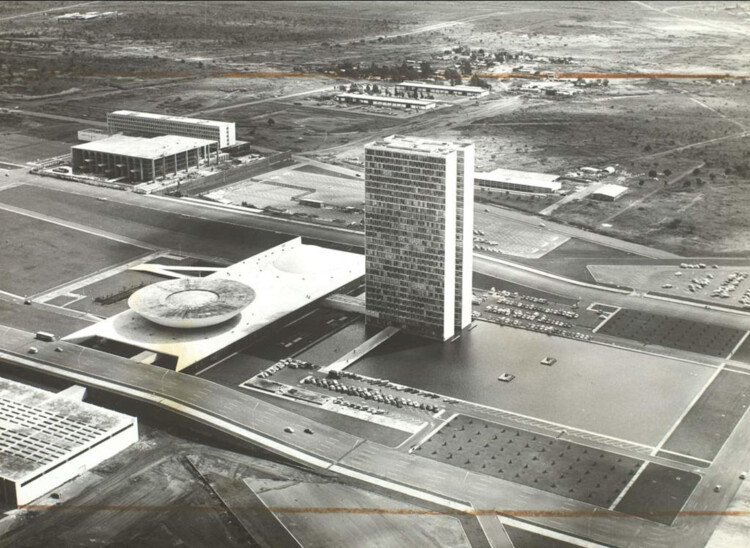
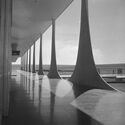
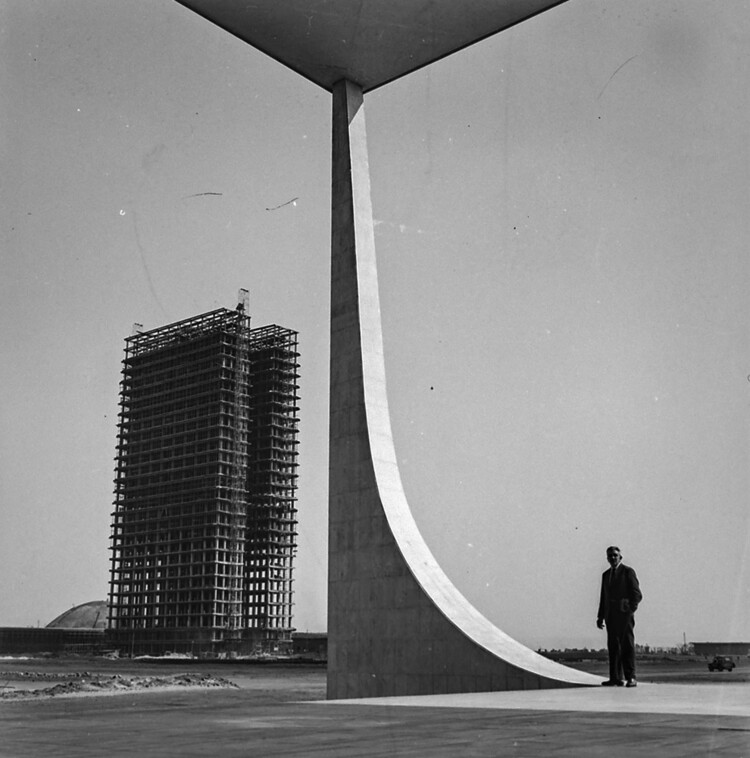
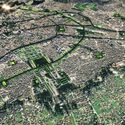
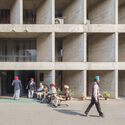
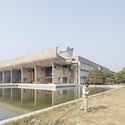
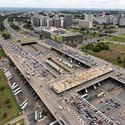
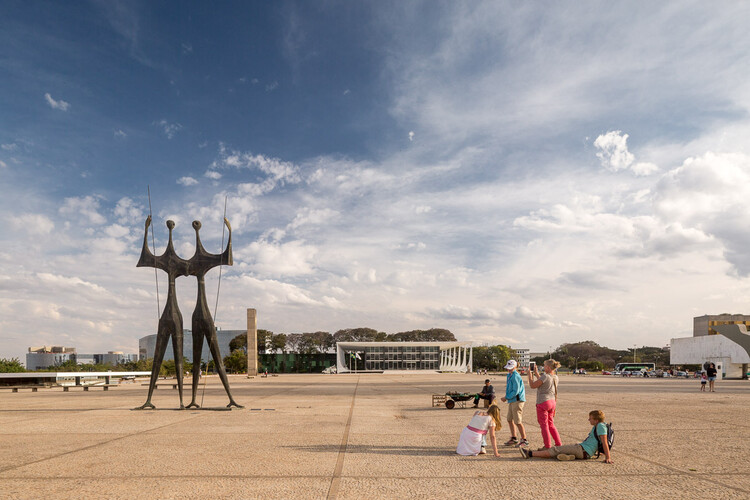
Between the 1950s and 1960s, two cities were built that would leave a lasting mark on the history of architecture and urbanism. Born from a shared vision yet separated by more than 14,000 kilometers, Brasília in Brazil and Chandigarh in India were both planned and constructed from scratch, deeply shaped by modernist principles.
Emerging during a period of profound political and social transformation, when many nations sought to redefine their capitals as symbols of progress, both cities assumed a strategic role. Through their architectural language, they reinforced ideological and national narratives closely tied to state power.
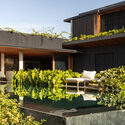
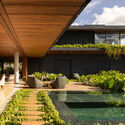
These were cities conceived in the abstract, guided by a utopian vision. They were intended to be avant-garde urban centers, free from the deficiencies that plagued mid-twentieth-century cities, embodying aesthetic principles aligned with progressive political ideals and embracing new technologies—most notably the automobile.
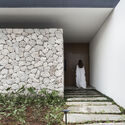
Yet this promise of the future also generated significant challenges. While these difficulties undoubtedly reflect the social and economic realities of their respective countries, they were also shaped by a modernist vision that is increasingly being reassessed today.

Architecture is often presented as the visible expression of its time, its desires, its faith in progress, its idea of order. Yet this reading tends to flatten the conditions under which buildings are produced. It suggests that architecture follows history when, in many cases, it actively participates in it. Few periods make this more evident than the twentieth century, when architecture became deeply entangled with political programs, economic systems, and competing visions of how collective life should be organized.
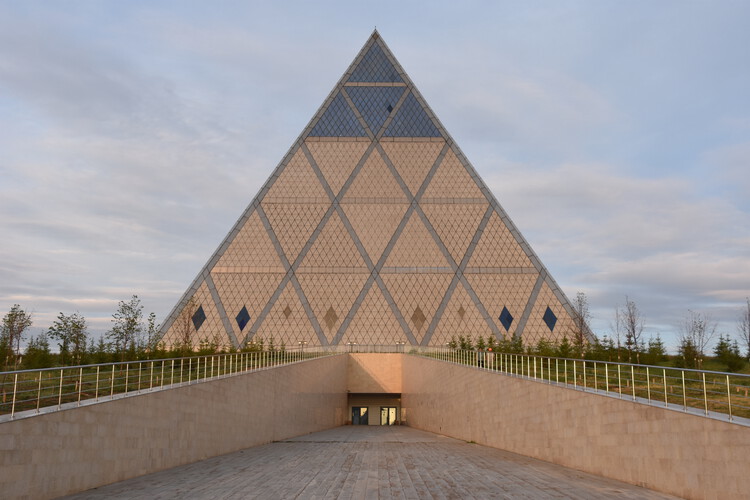
What is commonly grouped under the label of Modernism is often described as a coherent project, defined by formal clarity, technological optimism, and a break with historical styles. But this apparent coherence dissolves when we look beyond its canonical centres. The same spatial principles (standardization, functional zoning, industrial production) were adopted in political and economic contexts that differed significantly in their structures and objectives. A static movement unfolded as a flexible system continuously reoriented according to the priorities of each regime. What appeared as a shared language was, in practice, a set of tools applied to distinct agendas.

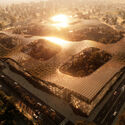
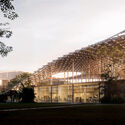
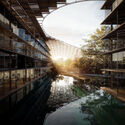
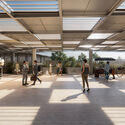
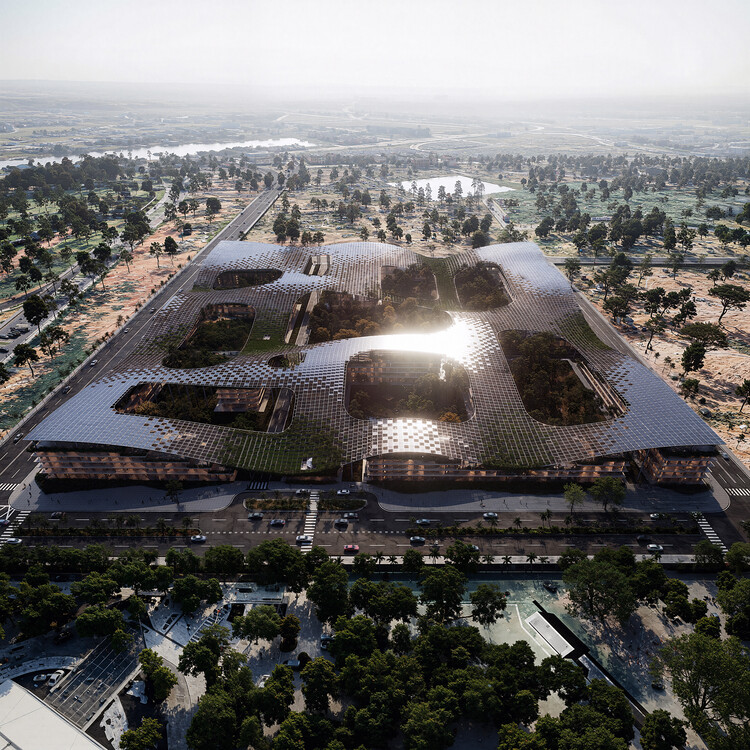
Located within the Parque Tecnológico de Brasília, the World Trade Center Biotic is a mixed-use development designed by Brazilian studio Architects Office as part of the district's broader urban expansion. The project is part of the master plan developed in 2020 by Carlo Ratti Associati and is currently being developed. Conceived as a multi-program complex, the proposal brings together offices, residential units, a hotel, retail spaces, and shared facilities within a single urban framework. The project occupies a site of approximately 70,000 square meters and is planned to reach about 180,000 square meters of built area, with an estimated 150,000 square meters expected to be completed by 2030.

Living in residences designed by renowned modern architects is a dream sought after by many. Projects that have become iconic are major attractions for new residents who value both the authorial signature and history of the building, as well as the innovative architectural solutions that have contributed to the prominence of such projects.
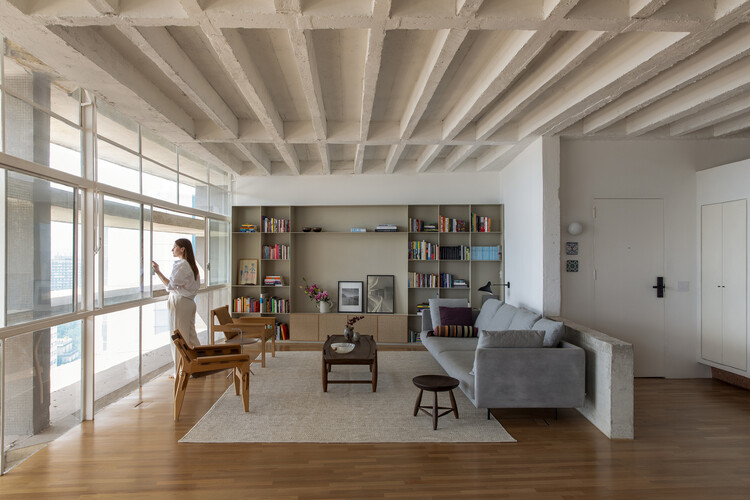
As for the work of Oscar Niemeyer, fluidity and flexibility may best express his plans and typologies. These features provide great potential for the architects working on renovations within these buildings. São Paulo’s Copan Building is a prime example: its 1160 units, spread over six blocks, vary from 25m² studio apartments to larger units of over 150m². Niemeyer’s extensive portfolio includes other residential landmarks in São Paulo — like the Montreal, California, and Eiffel buildings — plus others in Belo Horizonte and Brasília, even reaching as far as Berlin with the Interbau Apartment House.


Brazilian modern architecture is often celebrated as a landmark of innovation and national identity, projecting the country onto the international stage with iconic works and a distinctive aesthetic. However, recent research and publications have highlighted its deep entanglement with colonial narratives, both in its influences and its social impact. Although modernism emerged as an attempt to break away from European academic traditions, it remained dependent on foreign references and incorporated strategies of domination that echoed colonial logic.


In the south of France, a 40-minute drive east of Montpellier, lies the otherworldly resort town of La Grande Motte. Named after a nearby sand dune, the city is characterized by futuristic, pyramid-shaped apartment blocks in various relief forms, adorned with diverse vegetation including pines, planes, olives, poplars, and cypresses. Artists Charly Broyez and Laurent Kronental describe this unique character as "a fairy-tale vision of a land emerging from the uncharted territories of our psyche, loaded with memories, images, sounds, colors, history." Through their meticulous images, they reveal the city's distinctive architecture.