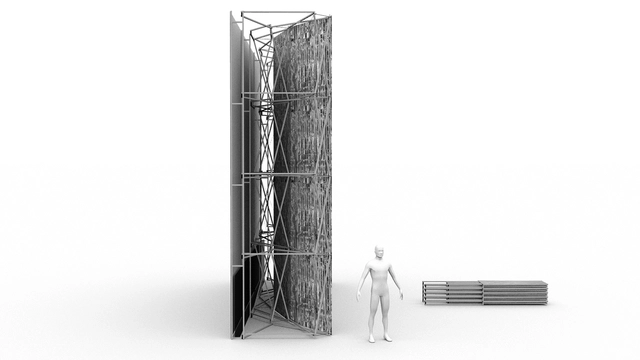
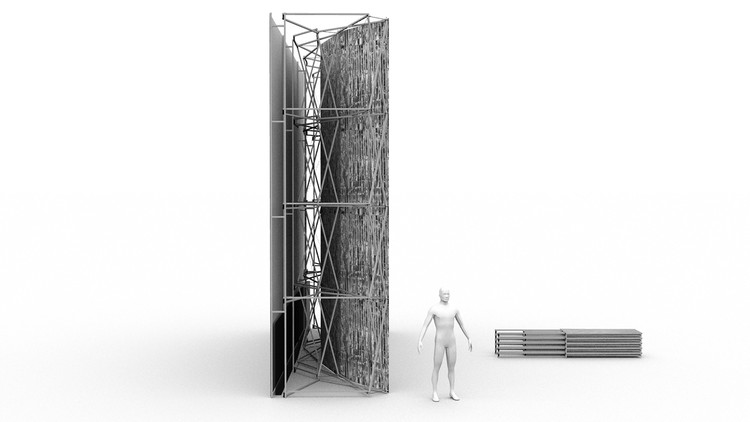
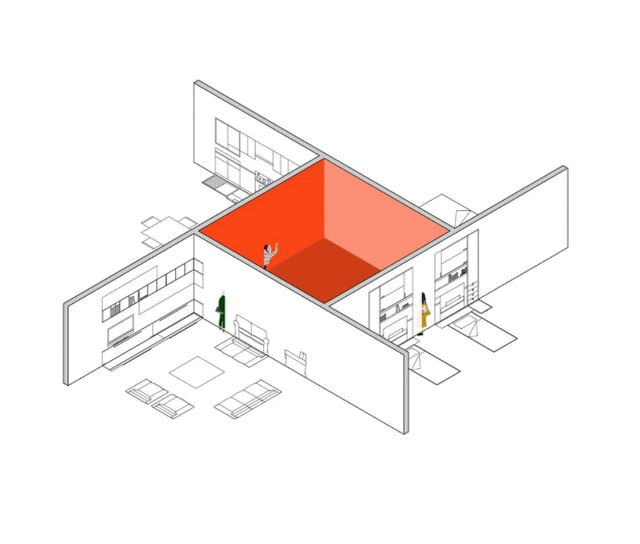
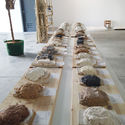
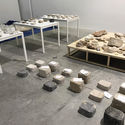
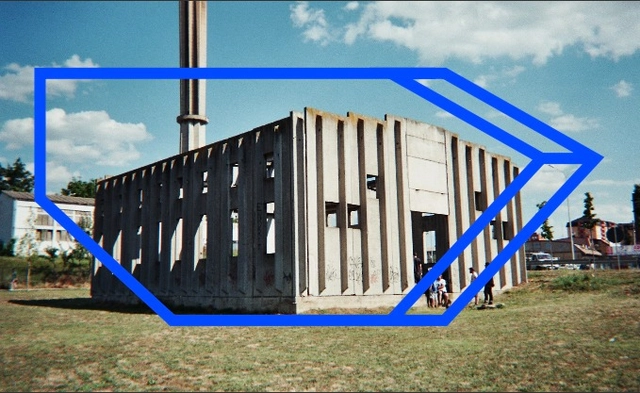
The Ministry of Culture of the Government of Mexico and the National Institute of Fine Arts and Literature (INBAL) have unveiled the Mexican pavilion at the Venice Biennale 2021 entitled Displacements("Desplazamientos"), a curatorial work led by Isadora Hastings, Natalia de La Rosa, Mauricio Rocha, and Elena Tudela.
https://www.archdaily.com/961998/mexican-pavilion-at-the-2021-venice-biennale-explores-the-value-of-mexican-contemporary-architectureArchDaily Team
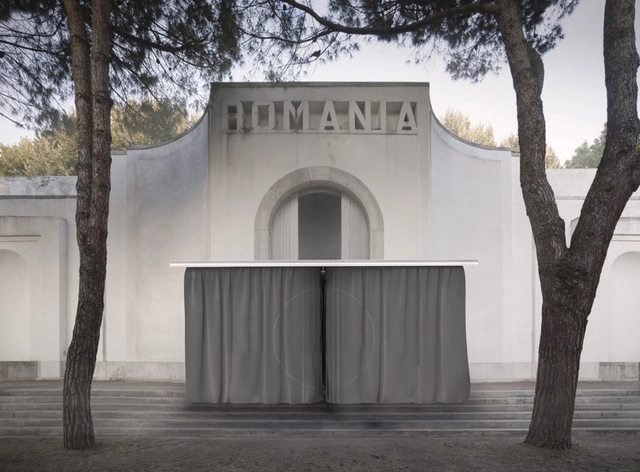
Romania’s contribution to the 17th Venice Architecture Biennale showcases a new perspective on mass migration, a phenomenon with a wide array of causes, ranking high on the international public agenda. Titled Fading Borders and curated by architects Irina Meliță and Ștefan Simion, the exhibition explores the challenges and opportunities of migration and its consequences on the built environment. Using Romania as a study case, where three million people have left the country in the last decade in pursuit of a better life abroad, the curatorial project frames a conversation around the role of architecture in the successful management of the migration phenomenon, as territorial boundaries continue to fade around the globe.
Videos
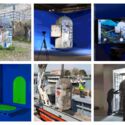
Toronto's Dundas and Ossington intersection, re-imagined as 1962 Baltimore by special effects studio MR. X for the film The Shape of Water. Image Courtesy of The Canadian Pavilion
Canada’s contribution to the 17th Venice Architecture Biennale explores Canadian cities’ established “career” in cinema as stand-ins for the world’s metropoles, raising questions of authenticity, architectural identity and the collective understanding of the built environment. Curated by David Theodore of McGill University and realized by Montréal architecture and design practice T B A / Thomas Balaban Architect, the exhibition Impostor Citieshighlights the diversity and versatility of Canada’s cityscapes as portrayed on film.
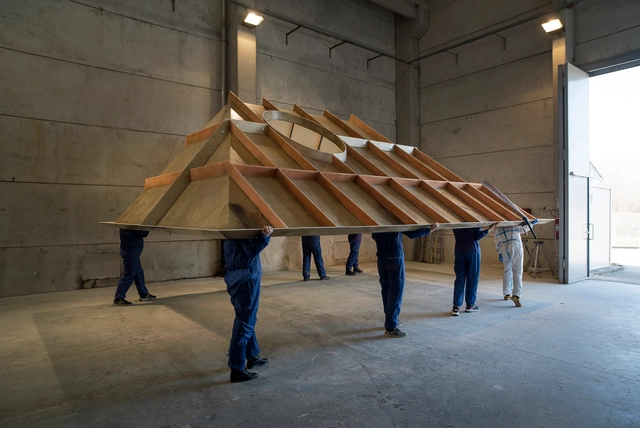
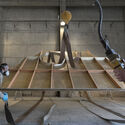
The Majlis undergoing construction at San Giorgio Maggiore. Image Courtesy of Caravane Foundation
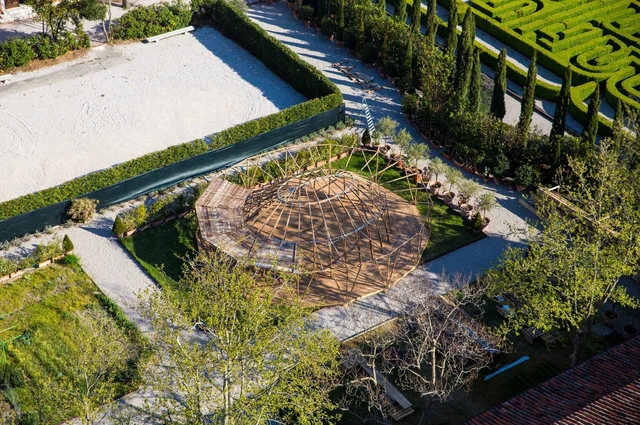
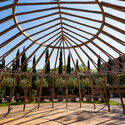
Part of the official collateral events of the 17th International Architecture Exhibition of la Biennale di Venezia, Caravane Earth Foundation will bring a unique bamboo Majlis, to the gardens of the Abbazia di San Giorgio Maggiore in Venice. Designed by internationally acclaimed bamboo architects Simón Vélez and Stefana Simic, the project will be on display from 22 May to 21 November 2021.
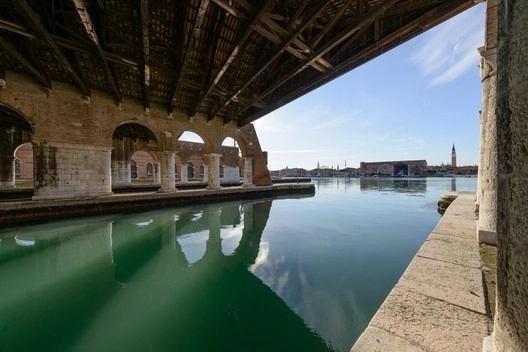
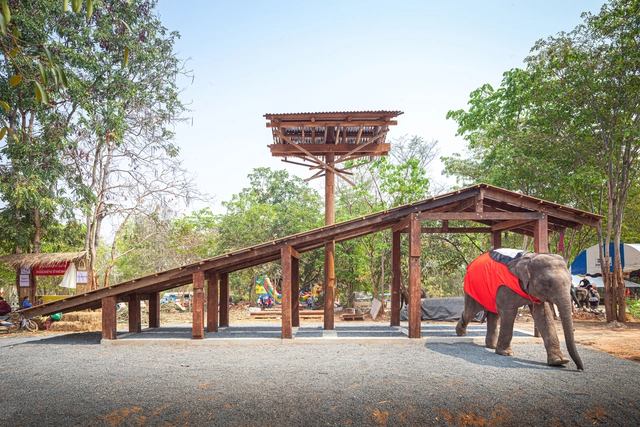
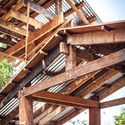
Titled "elephant", the Thai pavilion at the 17th International Architecture Exhibition - La Biennale di Venezia answers the question of how architecture can promote the way human beings and other species live together naturally and culturally based on the culture of Kuy and their elephants. Curated by Apiradee Kasemsook and designed by Boonserm Premtada of Bangkok Project Studio, the Thai pavilion will be on display at the Sale d’Armi, Arsenale, from May 22nd to November 21st.
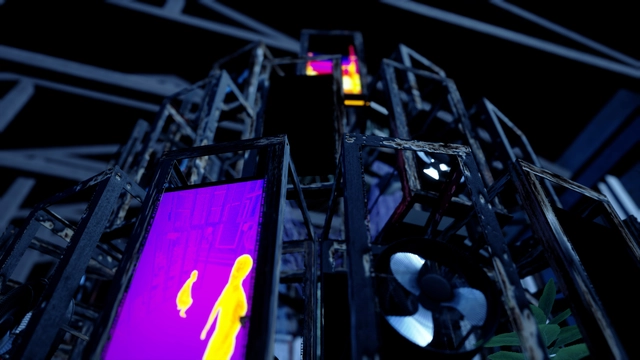
For this edition of the Venice Architecture Biennale, the Irish Pavilion focuses on data technologies and their presence within the physical landscape, exploring the cultural end environmental implications of data production and consumption. Titled Entanglement and curated by the multidisciplinary research and design collective ANNEX, the exhibition challenges the presumed immateriality of the Cloud, highlighting the infrastructure of data production and its impact on everyday life while also examining Ireland’s role in the evolution of global communication.
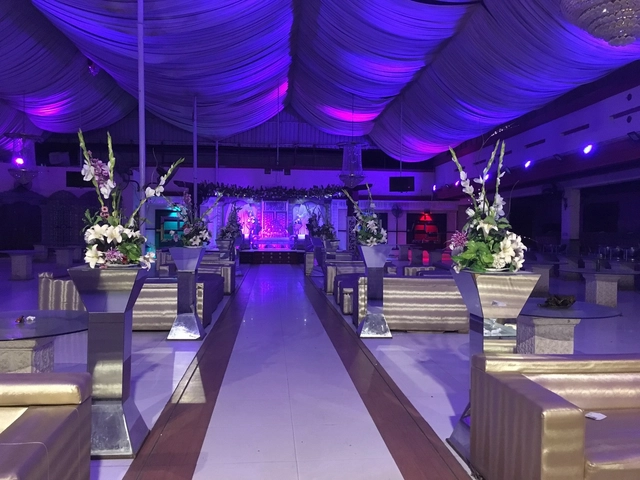
Titled "Mapping Festivities", the Pakistan Pavilion at the 17th International Architecture Exhibition – La Biennale di Venezia, explores the national wedding hall as an architectural typology of post-colonial Pakistan. Curated by Sara M. Anwar, the pavilion will be on display on the second floor of the Palazzo Mora from May 22nd until November 21st.
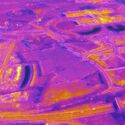
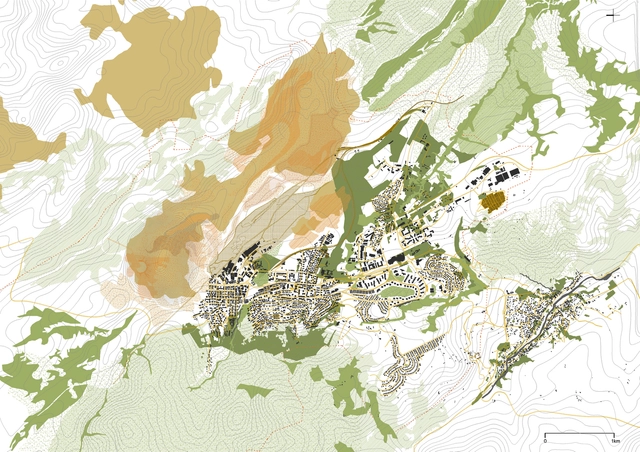
The Serbian contribution to the 17th Venice Architecture Biennale explores the connection between a city's economy and its urban structure -that the curatorial team defines as the life-work relationship- investigating the prospective futures of mono-functional industrial cities. Titled 8th Kilometer and developed by MuBGD, the exhibition uses the mining town of Bor, located in eastern Serbia, as a study case for how economic activities have not only shaped the urban environment but the forms of collectivity connected to it.
The Croatian Pavilion for the 17th Venice Architecture Biennale explores how repurposing architectural elements reshapes the individual’s relationship with space and constructs a new place of encounter. Titled Togetherness / Togetherless, the project curated by Idis Turato is a spatial composition of ready-made elements, which are given new meanings and functions, developing a new perspective on architectural space and enabling a temporary community.
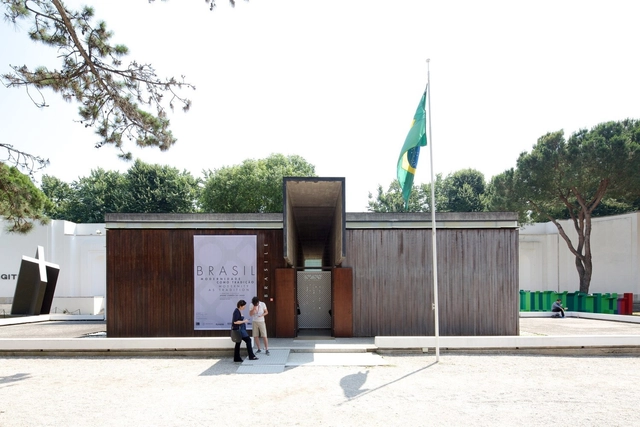
Entitled utopias of common life, Brazil's official participation in the 17th Bienalle Architettura 2021 is curated by the collaborative studio Arquitetos Associados and the visual designer Henrique Penha. The exhibition at the Brazilian Pavilion in the Giardini, in Venice, begins by mapping utopias that exist on Brazilian soil, from the Guarani world vision of a Land Without Evil to contemporary times, highlighting a few singular moments among them.
Conceived before the Covid-19 pandemic, which has temporarily suspended the possibility of physical proximity in a large part of the world, the proposal gains new meanings in the current context and dialogues with the overall theme, by curator Hashim Sarkis: How Will We Live Together?
For this year's edition of the Venice Biennale, the Japan Pavilion invites visitors to reflect on the movement of goods fuelling mass consumption and rethink sustainability and reuse in architecture. Titled Co-ownership of Action: Trajectories of Elements, the project curated by Kadowaki Kozo involves dismantling an old wooden Japanese house and transporting it to Venice to be reconstructed in a new configuration with the addition of modern materials. The exhibition exemplifies how old materials could be given an entirely new existence by putting the current movement of goods in the service of reuse rather than consumption.
The Italian Pavilion for the 17th Venice Architecture Biennale explores the capabilities for transformation and adaptation of Italian communities in an attempt to define tangible solutions to current global challenges. Titled "Resilient Communities", the exhibition curated by Alessandro Melis presents Italian research and innovation across many fields, exploring ideas for improving the conditions of the built environment and addressing climate change, with the hope of defining the building blocks for a sustainable future.
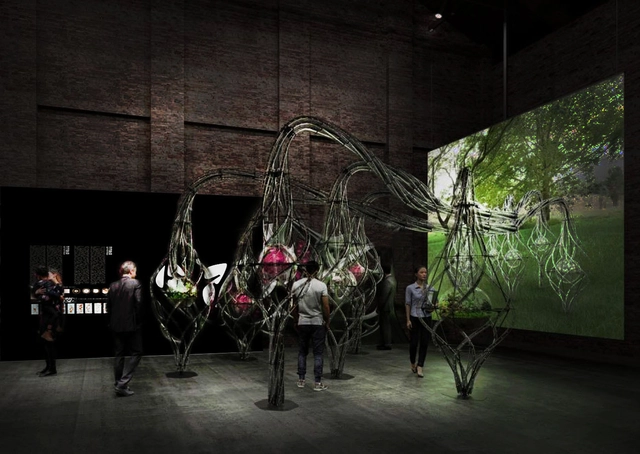
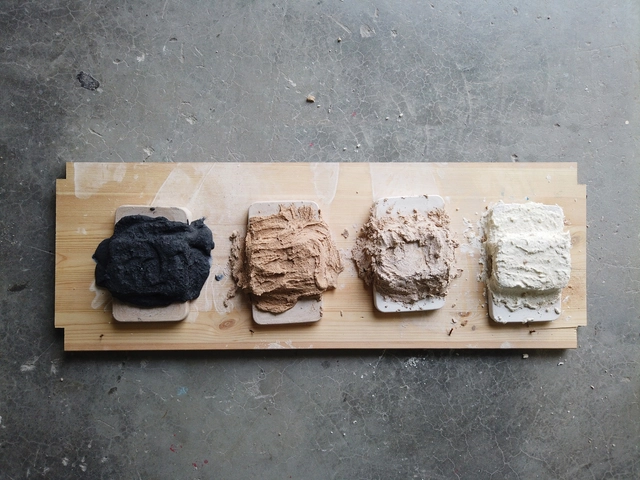
Wael Al Awar and Kenichi Teramoto, both principals of Dubai-based Waiwai design, have been appointed as the curators for the National Pavilion of the UAE at the 2021 Venice Biennale. Entitled Wetland, the exhibition presents an experimental solution to the critical environmental impact of the construction industry. The intervention will present a large-scale prototype structure created from an innovative, environmentally friendly cement made of recycled industrial waste brine. The exhibitionwill open to the public at the 17th International Architecture Exhibition of the Venice Biennale from Saturday, May 22nd to Sunday, November 21st, 2021.
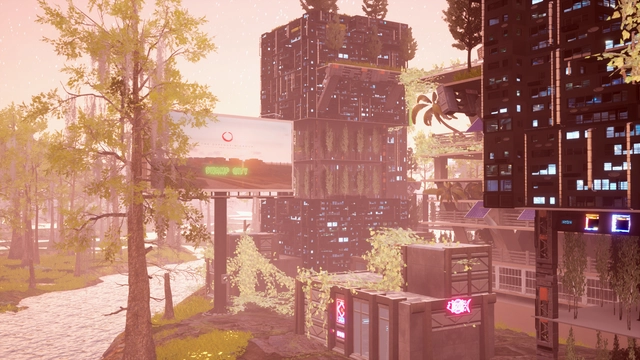
The Russian Federation Pavilion for the 2021 Venice Biennale explores the role of cultural institutions across physical and digital spaces. Titled Open, the program investigates the subject on multiple fronts, from the renovation of its physical architecture to the research into the social role of virtual environments and a collection of perspectives on the new ways of thinking in the institutional realm. The contribution builds on the Open? project, which debuted in May 2020 and continued throughout the year as a virtual platform for creatives and thinkers.