1. ArchDaily
  2. BC architects

BC architects: The Latest Architecture and News

UIA 2026 Barcelona Reveals Program Structured Around Six Thematic “Becomings”

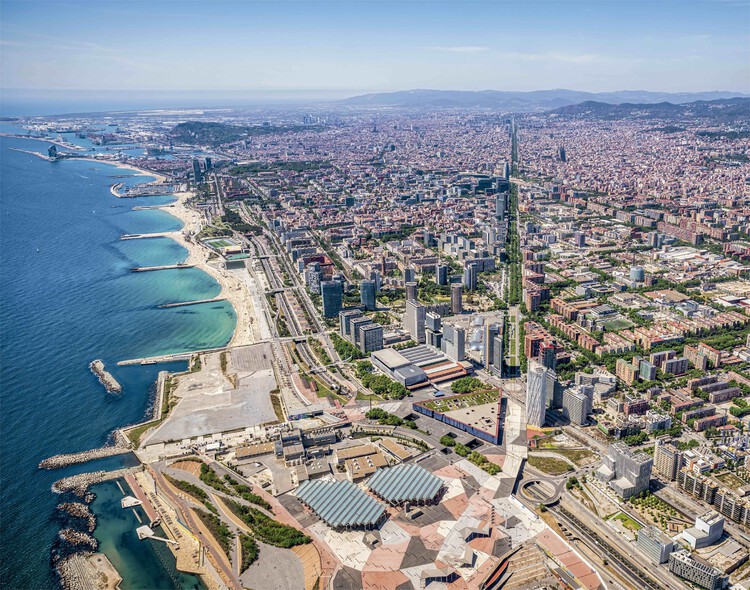
More than three decades after previously hosting the event, Barcelona is set to welcome the UIA World Congress of Architects 2026 Barcelona (UIA2026BCN), bringing the global architectural community back to the city between 28 June and 2 July 2026. Organized under the theme "Becoming. Architectures for a Planet in Transition," the Congress is expected to gather approximately 10,000 participants from over 130 countries, including practitioners, researchers, and students. Rather than being confined to a single venue, the event will unfold across multiple locations along the Mediterranean seafront, among them the Three Chimneys complex, positioning the city itself as an active platform for exchange, discussion, and public programming.

UIA 2026 Barcelona Reveals Program Structured Around Six Thematic “Becomings” - Image 1 of 4UIA 2026 Barcelona Reveals Program Structured Around Six Thematic “Becomings” - Image 2 of 4UIA 2026 Barcelona Reveals Program Structured Around Six Thematic “Becomings” - Image 3 of 4UIA 2026 Barcelona Reveals Program Structured Around Six Thematic “Becomings” - Image 4 of 4UIA 2026 Barcelona Reveals Program Structured Around Six Thematic “Becomings” - More Images+ 13

Obsolete Typologies Revived Through 17 Adaptive Reuse Projects

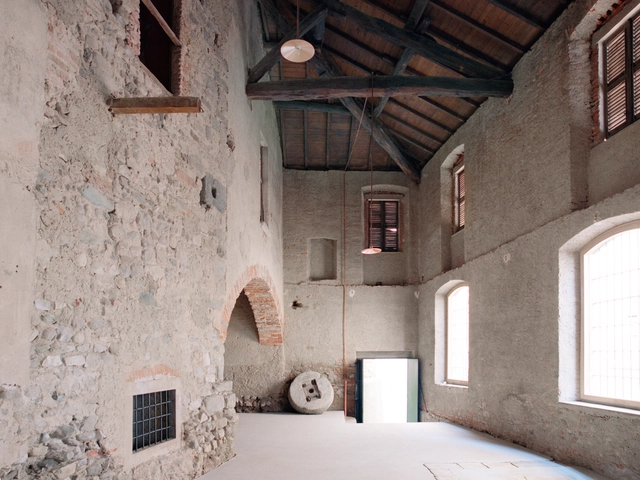
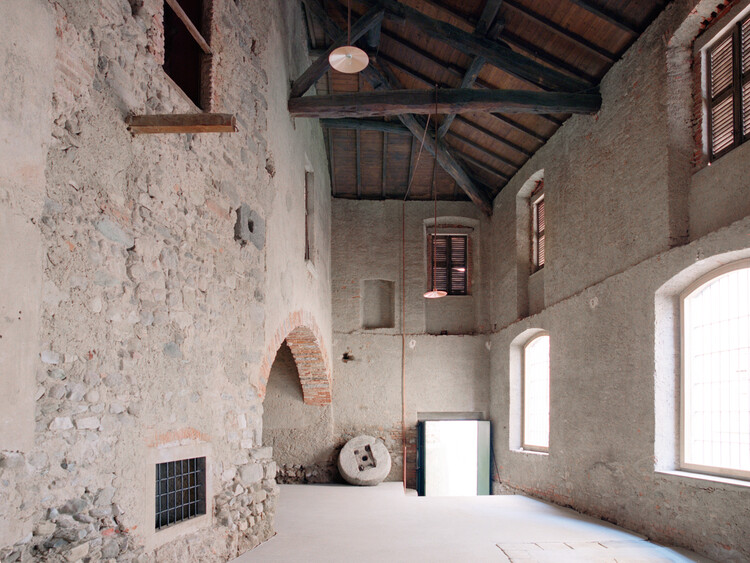
Adaptive reuse is shifting from simple preservation to active revitalization, a process of structurally rescuing and reprogramming architectural typologies whose original functions are no longer relevant. The obsolescence of architectural spaces occurs for varied reasons: sociological shifts, leaving spaces uninhabited; technological advances, phasing out specific machinery; and economic changes, making centralized functions necessary. The strategy of repurposing focuses on achieving spatial and functional longevity through minimal interventions, allowing the original structure to serve as the memory anchor of the project.

This wave of adaptive reuse treats the historic shell as a limited resource, prioritizing structural permanence over surface aesthetics. Designers are engaging in a sort of archaeological process by exposing the original structural essence: the heavy timber, raw concrete, or monumental masonry. Interventions are confined to meeting new programmatic needs, often appearing as an independent insertion within the ancient envelope. This contrast redefines the building's lifespan not as a singular narrative but as a layered story of continuous events.

Obsolete Typologies Revived Through 17 Adaptive Reuse Projects - Image 9 of 4Obsolete Typologies Revived Through 17 Adaptive Reuse Projects - Image 4 of 4Obsolete Typologies Revived Through 17 Adaptive Reuse Projects - Image 13 of 4Obsolete Typologies Revived Through 17 Adaptive Reuse Projects - Image 5 of 4Obsolete Typologies Revived Through 17 Adaptive Reuse Projects - More Images+ 13

How Emerging Practices Approach Sustainability in Architecture

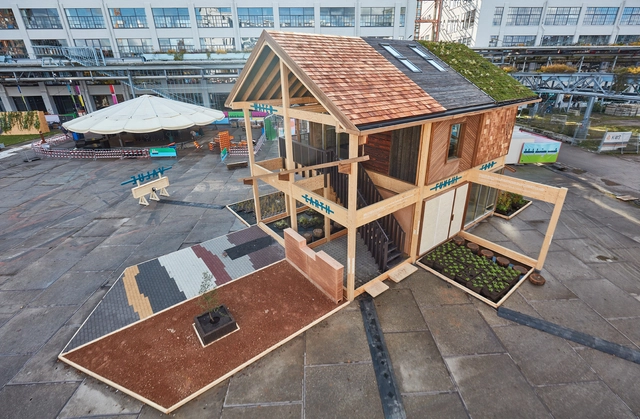
The climate crisis has become a staple of the architecture discourse, with the field slowly acknowledging its contribution to environmental issues and seeking to reframe its values and approaches. However, there is an evident lack of commitment and consistency in addressing the matter and an absence of systemic change. Emerging practices, organizations and startups are carving a new architecture practice, slowly unfolding a paradigm shift beyond "green" add-ons and technical equipment. Addressing environmental issues on multiple levels, from policy and design strategies to materials and construction processes, the following are some of the actors reframing the profession's relationship with sustainability.

How Emerging Practices Approach Sustainability in Architecture - Image 1 of 4How Emerging Practices Approach Sustainability in Architecture - Image 2 of 4How Emerging Practices Approach Sustainability in Architecture - Image 3 of 4How Emerging Practices Approach Sustainability in Architecture - Image 4 of 4How Emerging Practices Approach Sustainability in Architecture - More Images+ 2

BOGDAN & VAN BROECK and BC ARCHITECTS & STUDIES Design Centre for Drug Users in Brussels

BOGDAN & VAN BROECK and BC ARCHITECTS & STUDIES Design Centre for Drug Users in Brussels - Featured Image
© BOGDAN & VAN BROECK and BC ARCHITECTS & STUDIES

The two Belgian practices BOGDAN & VAN BROECK and BC Architects & Studies are currently designing a care centre for drug users in Brussels, which would provide this vulnerable group with a safe and welcoming environment accessible 24/7. Featuring temporary residencies and community spaces, the building neighbouring the city’s port functions as a contemporary version of an inn, bringing a domestic character to an underwise sterile institutional program.

BOGDAN & VAN BROECK and BC ARCHITECTS & STUDIES Design Centre for Drug Users in Brussels - Image 1 of 4BOGDAN & VAN BROECK and BC ARCHITECTS & STUDIES Design Centre for Drug Users in Brussels - Image 2 of 4BOGDAN & VAN BROECK and BC ARCHITECTS & STUDIES Design Centre for Drug Users in Brussels - Image 3 of 4BOGDAN & VAN BROECK and BC ARCHITECTS & STUDIES Design Centre for Drug Users in Brussels - Image 4 of 4BOGDAN & VAN BROECK and BC ARCHITECTS & STUDIES Design Centre for Drug Users in Brussels - More Images+ 10

Re-evaluating Critical Regionalism: An Architecture of the Place

Subscriber Access | 

In his 1983 now-classic essay Towards a Critical Regionalism, Six Points of an Architecture of Resistance, Kenneth Frampton discussed an alternative approach to architecture, one defined by climate, topography and tectonics, as a form of resistance to the placeness of Modern Architecture and the gratuitous ornamentation of Postmodernism. An architectural attitude, Critical Regionalism proposed an architecture that would embrace global influences while firmly rooted in its context. The following explores the value and contribution of Frampton’s ideas for contemporary architecture.

Re-evaluating Critical Regionalism: An Architecture of the Place - Image 4 of 4Re-evaluating Critical Regionalism: An Architecture of the Place - Image 3 of 4Re-evaluating Critical Regionalism: An Architecture of the Place - Image 5 of 4Re-evaluating Critical Regionalism: An Architecture of the Place - Featured ImageRe-evaluating Critical Regionalism: An Architecture of the Place - More Images+ 1

Modern Morocco: Building a New Vernacular

Modern Morocco: Building a New Vernacular - Image 1 of 4Modern Morocco: Building a New Vernacular - Image 2 of 4Modern Morocco: Building a New Vernacular - Image 3 of 4Modern Morocco: Building a New Vernacular - Image 4 of 4Modern Morocco: Building a New Vernacular - More Images+ 7

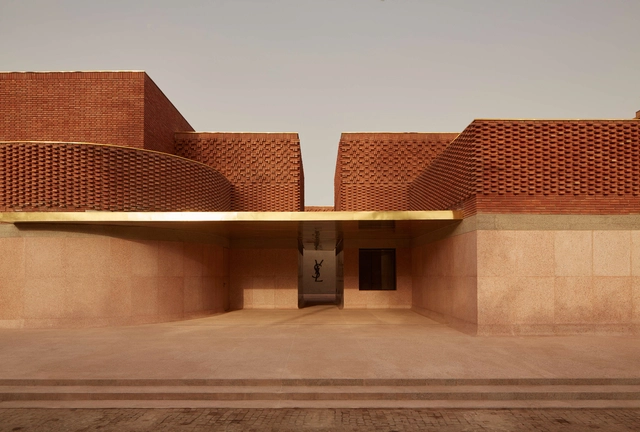
Modern Moroccan architecture is reinterpreting vernacular traditions. Taking its name from the Arabic al-maġhrib, or the “place the sun sets; the west”, the kingdom is a sovereign state home to numerous examples of Islamic design, as well as detailed art and ornamentation found within geometric patterns, friezes and open courtyards.

12 Projects Win Regional Holcim Awards 2014 for Africa Middle East

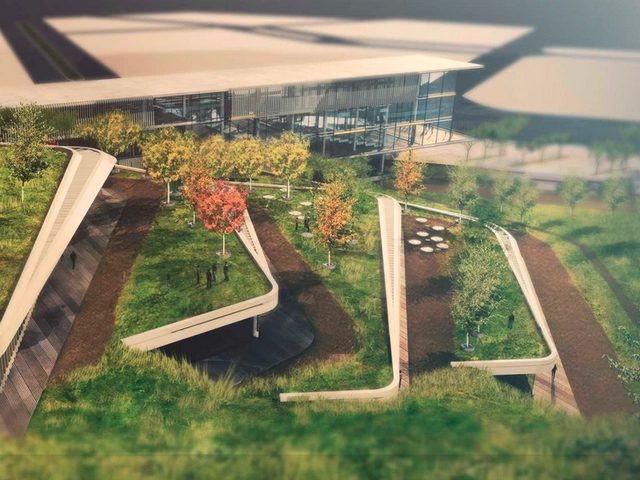
Teams from Turkey and Lebanon have received top honors in the 2014 regional Holcim Awards for Africa Middle East, an award which recognizes the most innovative and advanced sustainable construction designs. Among the top three winners is an “Eco-Park” sustainable research and technology center embedded within the terraced, industrial landscape of Ankara.

The 12 recognized projects will share over $300,000 in prize money, with the top three projects overall going on to be considered for the global Holcim Awards, to be selected in 2015.

The full list of Africa Middle East winners, after the break…