1. ArchDaily
  2. Arts & Culture

Arts & Culture: The Latest Architecture and News

Democratizing Access to Culture: The Past, Present, and Future of Cultural Centers

The cultural center is an architectural typology that has fascinated architects and urban planners for decades. Whether due to its multifaceted program, its often emblematic scale, or its potential to transform the urban context in which it is inserted, it is a building type that carries strong symbolic and conceptual value. The wide circulation of international references—many designed by renowned architects—reinforces the aura of prestige associated with this program, frequently seen as a privileged ground for formal and conceptual experimentation. Not by chance, cultural center designs are among the most recurring themes in competitions, exhibitions, and academic studios.

Yet behind this contemporary fascination lies a complex history in which the notion of space dedicated to culture has been redefined over time, gradually taking the form we recognize today. This ongoing evolution invites us to reflect not only on the historical path of these spaces but also on the possibilities that will shape their future.
Democratizing Access to Culture: The Past, Present, and Future of Cultural Centers - Image 1 of 4Democratizing Access to Culture: The Past, Present, and Future of Cultural Centers - Image 2 of 4Democratizing Access to Culture: The Past, Present, and Future of Cultural Centers - Image 3 of 4Democratizing Access to Culture: The Past, Present, and Future of Cultural Centers - Image 4 of 4Democratizing Access to Culture: The Past, Present, and Future of Cultural Centers - More Images+ 8

Architectural Rebuilding as Cultural Memory: The Paradox of Ever-Fresh Heritage

Architecture—one of the few cultural artifacts made to be publicly lived with, preserved, and often capable of standing for centuries—contributes significantly to the cultural identity of places and people. Historically, buildings have expressed institutional attitudes, influence, and power; they are clear demonstrations of culture. Yet longevity complicates preservation: when a structure is rebuilt, repaired, or entirely reassembled, in what sense is it still the same building?

There's the classic Ship of Theseus puzzle from Plutarch. if a ship's planks are replaced one by one over time, is it still the same ship? Thomas Hobbes adds a twist—if the original planks are reassembled elsewhere, which ship is "the original"? The paradox tests what grounds identity: material fabric, continuous use and history, or shared recognition. In architecture and conservation, it reframes preservation as a choice among keeping matter, maintaining form and function, or sustaining the stories and practices that give a place meaning.

Architectural Rebuilding as Cultural Memory: The Paradox of Ever-Fresh Heritage - Image 1 of 4Architectural Rebuilding as Cultural Memory: The Paradox of Ever-Fresh Heritage - Image 2 of 4Architectural Rebuilding as Cultural Memory: The Paradox of Ever-Fresh Heritage - Image 3 of 4Architectural Rebuilding as Cultural Memory: The Paradox of Ever-Fresh Heritage - Image 4 of 4Architectural Rebuilding as Cultural Memory: The Paradox of Ever-Fresh Heritage - More Images+ 17

Scroll & Stroll: How Social Media Is Rewriting Architectural Cultural Tourism

Historically—like other cultural forms—architecture has been documented, shared, and promoted primarily through print. Books, journals, and magazines carried the discipline's arguments and images, and because architectural practice relies so heavily on visual communication, printed journals created a bridge between academic publications and commercial magazines. Through the postwar decades, beautifully produced volumes curated a collective point of view, signaling what the field broadly considered discussion-worthy or exemplary.

Across major cultural centers, a handful of publications shaped this discourse: Their perspectives were typically sophisticated, professional, and carefully edited—distilling an unruly global output into a small constellation of remarkable projects. The system arguably privileged certain practices and geographies, but it also amplified architecture for wider audiences. Buildings began to lodge in public imagination; cultural travel—journeys taken expressly to experience architecture—moved from rarity toward ritual.

Scroll & Stroll: How Social Media Is Rewriting Architectural Cultural Tourism - Image 1 of 4Scroll & Stroll: How Social Media Is Rewriting Architectural Cultural Tourism - Image 2 of 4Scroll & Stroll: How Social Media Is Rewriting Architectural Cultural Tourism - Image 3 of 4Scroll & Stroll: How Social Media Is Rewriting Architectural Cultural Tourism - Image 4 of 4Scroll & Stroll: How Social Media Is Rewriting Architectural Cultural Tourism - More Images+ 4

First Chapter of the 18th Istanbul Biennial Opens, Exploring Self-Preservation and Futurity

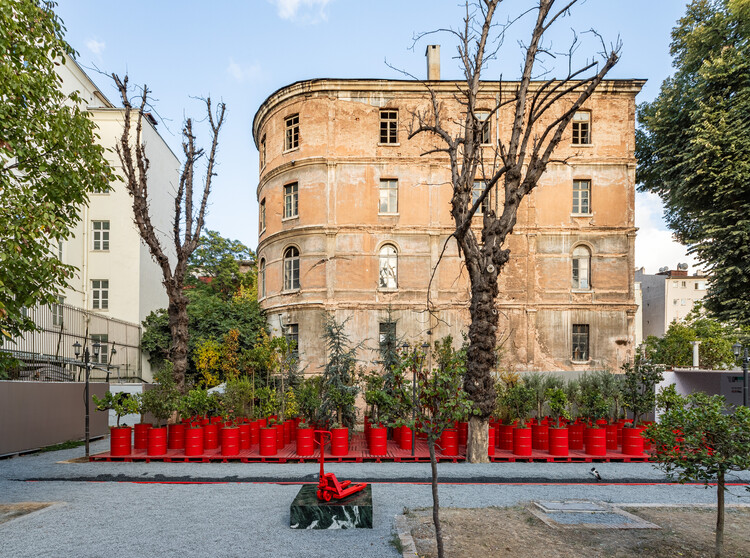
The 18th Istanbul Biennial, organized by the Istanbul Foundation for Culture and Arts (İKSV), has opened its first phase to visitors and will remain on view until November 23, 2025. Curated by Christine Tohmé under the title "The Three-Legged Cat," the biennial is envisioned as a three-year process unfolding between 2025 and 2027. The second phase, scheduled for 2026, will focus on establishing an academy and collaborating with local initiatives through a series of public programs. The third and final chapter in 2027 will bring together the accumulated encounters through exhibitions and workshops.

First Chapter of the 18th Istanbul Biennial Opens, Exploring Self-Preservation and Futurity - Image 1 of 4First Chapter of the 18th Istanbul Biennial Opens, Exploring Self-Preservation and Futurity - Image 2 of 4First Chapter of the 18th Istanbul Biennial Opens, Exploring Self-Preservation and Futurity - Image 3 of 4First Chapter of the 18th Istanbul Biennial Opens, Exploring Self-Preservation and Futurity - Image 4 of 4First Chapter of the 18th Istanbul Biennial Opens, Exploring Self-Preservation and Futurity - More Images+ 8

The 18th Istanbul Biennial Unveils Venues and Artists for Its First Leg

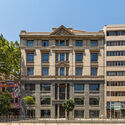
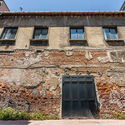
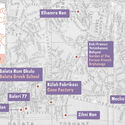
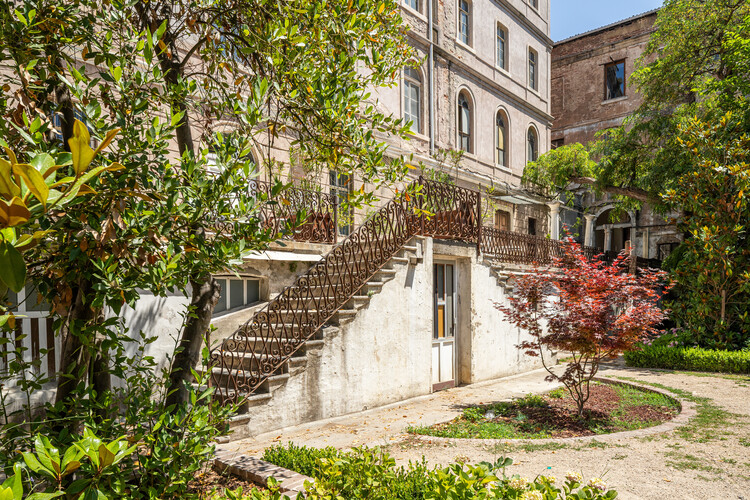
Organized by the Istanbul Foundation for Culture and Arts (İKSV), the 18th Istanbul Biennial will be realized in three stages between 2025 and 2027, continuing to be Türkiye's largest international exhibition dedicated to contemporary art. Curated by Christine Tohmé under the title The Three-Legged Cat, the first leg will be held from September 20 to November 23, 2025. Continuing the Biennial's approach of engaging directly with Istanbul through a dispersed model rather than a fixed venue, this edition will use eight sites located within walking distance along the BeyoğluKaraköy axis. Over this period, works by 47 artists from more than 30 countries will be presented to the public, accompanied by a program of performances, screenings, and live events during the opening week.

The 18th Istanbul Biennial Unveils Venues and Artists for Its First Leg - Image 1 of 4The 18th Istanbul Biennial Unveils Venues and Artists for Its First Leg - Image 2 of 4The 18th Istanbul Biennial Unveils Venues and Artists for Its First Leg - Image 3 of 4The 18th Istanbul Biennial Unveils Venues and Artists for Its First Leg - Image 4 of 4The 18th Istanbul Biennial Unveils Venues and Artists for Its First Leg - More Images+ 4

Interiors of Bars and Restaurants that Blend Cultures, Arts, and Materials: El Equipo Creativo and Their Works in Barcelona

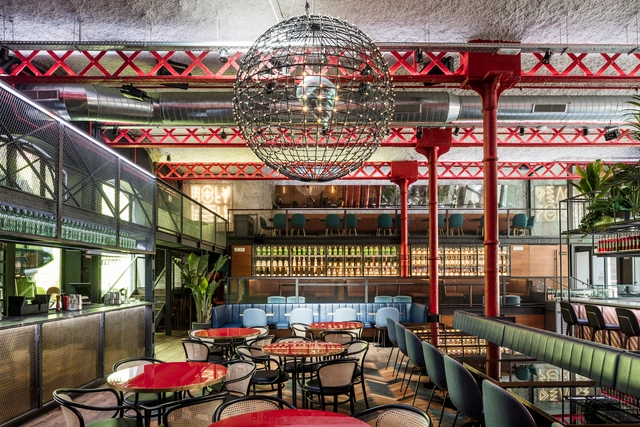
How does the design of contemporary interiors create different experiences through its materials? How does the adaptability and reuse of certain materials make it possible to generate contrasting and/or complementary atmospheres within a single space? According to each material's textures, proportions, colors, or properties, interior architecture currently recognizes the opportunity to create environments where materiality plays more than just an aesthetic role. With special attention to the final experience of its users, El Equipo Creativo aims to combine designs where landscape, nature, culture, and art stand out in interior compositions that accommodate broad programs and audiences.

Interiors of Bars and Restaurants that Blend Cultures, Arts, and Materials: El Equipo Creativo and Their Works in Barcelona - Image 1 of 4Interiors of Bars and Restaurants that Blend Cultures, Arts, and Materials: El Equipo Creativo and Their Works in Barcelona - Image 2 of 4Interiors of Bars and Restaurants that Blend Cultures, Arts, and Materials: El Equipo Creativo and Their Works in Barcelona - Image 3 of 4Interiors of Bars and Restaurants that Blend Cultures, Arts, and Materials: El Equipo Creativo and Their Works in Barcelona - Image 4 of 4Interiors of Bars and Restaurants that Blend Cultures, Arts, and Materials: El Equipo Creativo and Their Works in Barcelona - More Images+ 9

Spaces for Browsing: Balancing Commerce and Community in the Design of Bookstores

Subscriber Access | 

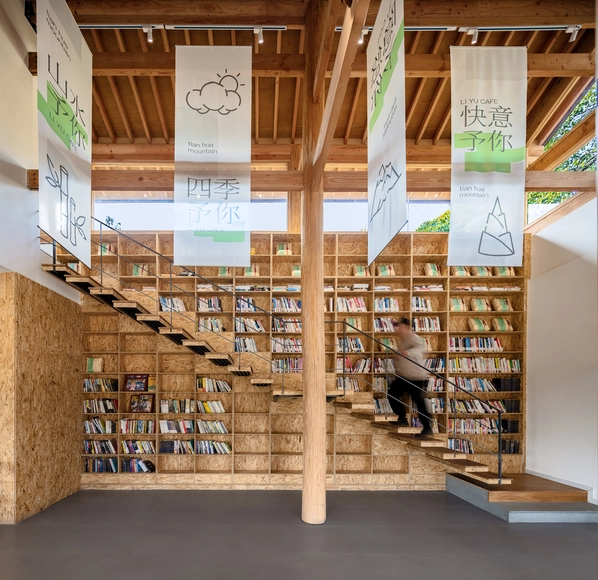
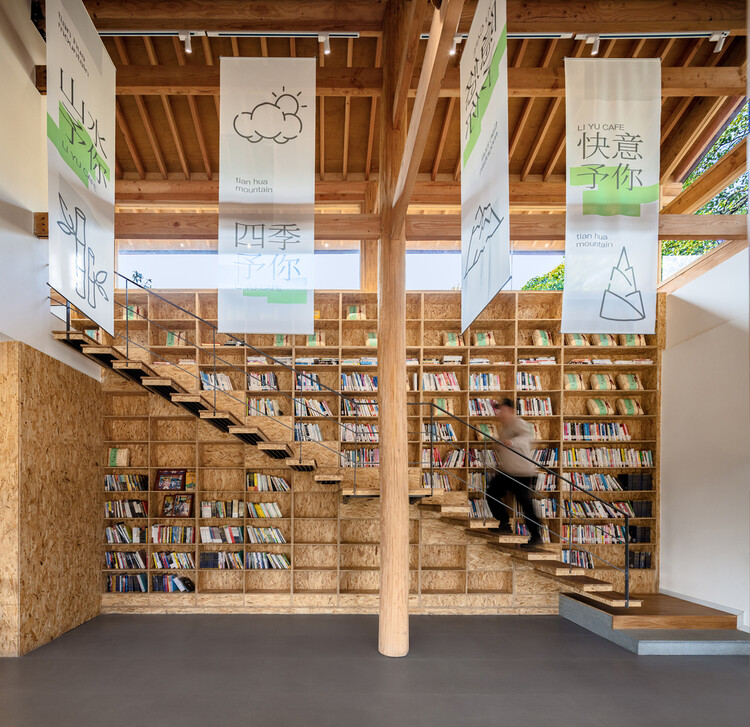
The contemporary bookstore is a paradoxical space. It is commercial, but rarely commercialized; public, but often privately owned; small in scale, but expansive in impact. As adjacent architectural typologies evolve under the pressures of digital consumption, economic precarity, and changing social habits, the bookstore has not dimensioned, but adapted to the twenty first century. It is not a site for private or institutional literary exchange, but a spatial hybrid that accommodates ritual, rest, performance, and socialization.

Spaces for Browsing: Balancing Commerce and Community in the Design of Bookstores - Image 1 of 4Spaces for Browsing: Balancing Commerce and Community in the Design of Bookstores - Image 2 of 4Spaces for Browsing: Balancing Commerce and Community in the Design of Bookstores - Image 3 of 4Spaces for Browsing: Balancing Commerce and Community in the Design of Bookstores - Image 4 of 4Spaces for Browsing: Balancing Commerce and Community in the Design of Bookstores - More Images+ 30

Zaha Hadid Architects Designs River Culture and Art Center in China

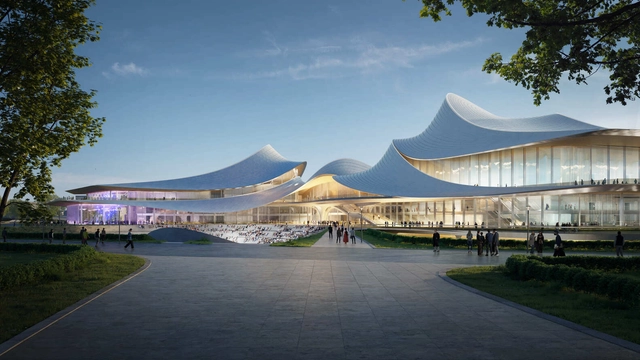
Zaha Hadid Architects has been selected to design the Zhejiang Shaoxing Shangyu District Cao'e River Culture and Art Center, located within a newly planned cultural district in Shaoxing's Shangyu area in Zhejiang province, China. The project is situated along the Cao'e River, a location with historical significance, and is envisioned to serve as a key cultural and artistic space for both the local community and visitors. Its design seeks to integrate contemporary functionality with the architectural and cultural traditions of the region.

Zaha Hadid Architects Designs River Culture and Art Center in China - Featured ImageZaha Hadid Architects Designs River Culture and Art Center in China - Image 1 of 4Zaha Hadid Architects Designs River Culture and Art Center in China - Image 2 of 4Zaha Hadid Architects Designs River Culture and Art Center in China - Image 3 of 4Zaha Hadid Architects Designs River Culture and Art Center in China - More Images+ 7

Art Galleries that Draw You In: 5 Artistic Spaces in Brazil Connecting Indoors and Outdoors

Subscriber Access | 

Art and architecture go through a series of interpretive processes before their creation that involve recognizing a capacity for wonder, experimentation, communication, and imagination. Sharing sensitivities and creative quests, they can transform the experience of the world by responding to a collective set of ideas that, at times, design, paint, and write about themes related to the connection with nature, the role of society in the built environment, the sensations conveyed by spaces, and more.

Art Galleries that Draw You In: 5 Artistic Spaces in Brazil Connecting Indoors and Outdoors - Image 1 of 4Art Galleries that Draw You In: 5 Artistic Spaces in Brazil Connecting Indoors and Outdoors - Image 2 of 4Art Galleries that Draw You In: 5 Artistic Spaces in Brazil Connecting Indoors and Outdoors - Image 3 of 4Art Galleries that Draw You In: 5 Artistic Spaces in Brazil Connecting Indoors and Outdoors - Image 4 of 4Art Galleries that Draw You In: 5 Artistic Spaces in Brazil Connecting Indoors and Outdoors - More Images+ 7

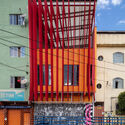
From Favela to the World: The Story Behind the Lá da Favelinha Cultural Center

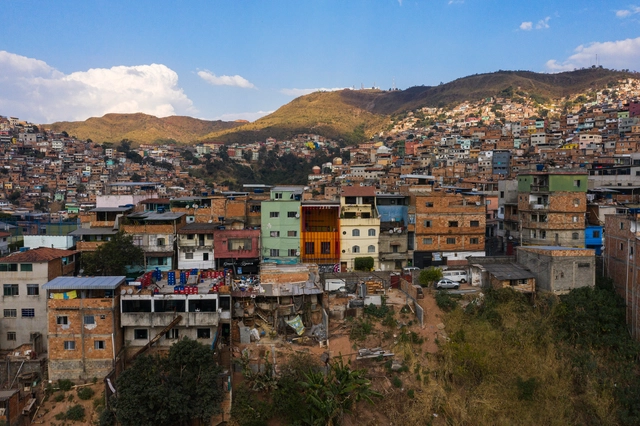
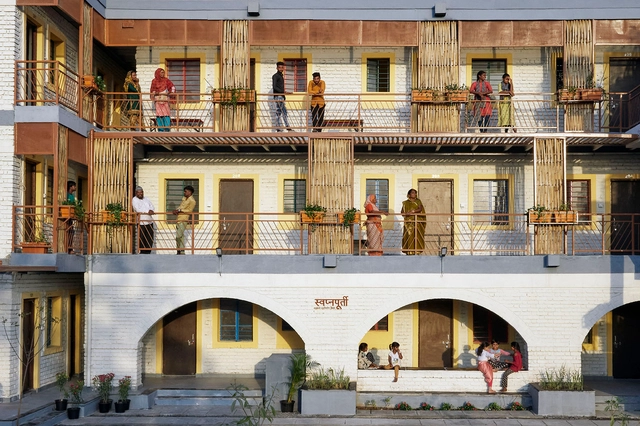
In Belo Horizonte’s Aglomerado da Serra, Brazil’s third-largest favela complex with 50,000 residents, the Lá da Favelinha Cultural Center stands out as a vibrant hub of art and education. Founded in 2015 by the multifaceted artist Kdu do Anjos, the striking red building that stands out in the outskirts has gained recognition in both national and international architectural circles, earning several prestigious awards Yet, the recent renovation by Coletivo LEVANTE—honored as one of the Best New Architectural Practices of 2024—represents far more than vivid colors and bold design. It symbolizes the creativity and potential of the community itself. As a space for support and inspiration, Lá da Favelinha reflects a collective, democratic vision that merges the community’s dreams with the dedication of its founders.

From Favela to the World: The Story Behind the Lá da Favelinha Cultural Center - Image 4 of 4From Favela to the World: The Story Behind the Lá da Favelinha Cultural Center - Image 1 of 4From Favela to the World: The Story Behind the Lá da Favelinha Cultural Center - Image 5 of 4From Favela to the World: The Story Behind the Lá da Favelinha Cultural Center - Image 2 of 4From Favela to the World: The Story Behind the Lá da Favelinha Cultural Center - More Images+ 15

How to Adapt Static Structures for New Demands ? Lessons from SoHo in New York City and Wong Chuk Hang in Hong Kong

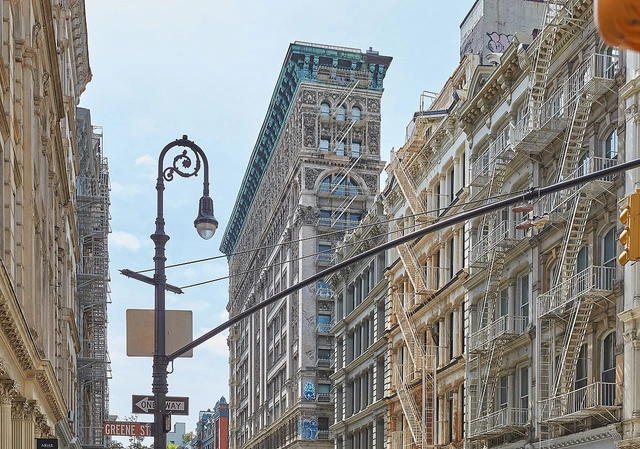
How have architecture and building design adapted to unforeseen future uses? As cities evolve, their needs for buildings inevitably change. Buildings may transition between cultural, commercial, industrial, and office functions depending on a city's identity and economic activity. In a world that is becoming increasingly dynamic and fast-paced, it's essential to consider the challenges static structures face when required to meet new demands. Cities have repurposed these static structures in ways not anticipated during their original design, with many successes in repurposing industrial buildings. Unlike structures designed with flexibility in mind, most manufacturing facilities were not initially intended for multiple uses. Yet, how have cities, communities, and occupants used these spaces, and what are the challenges of transforming a building’s existing uses?

How to Adapt Static Structures for New Demands ? Lessons from SoHo in New York City and Wong Chuk Hang in Hong Kong - Image 1 of 4How to Adapt Static Structures for New Demands ? Lessons from SoHo in New York City and Wong Chuk Hang in Hong Kong - Image 2 of 4How to Adapt Static Structures for New Demands ? Lessons from SoHo in New York City and Wong Chuk Hang in Hong Kong - Image 3 of 4How to Adapt Static Structures for New Demands ? Lessons from SoHo in New York City and Wong Chuk Hang in Hong Kong - Image 4 of 4How to Adapt Static Structures for New Demands ? Lessons from SoHo in New York City and Wong Chuk Hang in Hong Kong - More Images+ 1

World Architecture Day 2023: Fostering Resilient Communities through Architecture

Subscriber Access | 

As has become customary in recent years, on the first Monday of October, we celebrate both World Architecture Day and World Habitat Day, serving as a reminder to the global community of its collective responsibility for the well-being of the built environment. This edition, like its predecessors, sheds light on the realm of architecture and the challenges faced by our cities, introducing new themes, contemplating the state of our urban areas, and proposing constructive strategies.

Since urban economies have encountered significant difficulties this year, the UN's World Habitat Day focuses on "Resilient Urban Economies: cities as drivers of growth and recovery." Launching Urban October, this event seeks to bring together diverse urban stakeholders to deliberate on policies to help cities recover after the dual economic impacts caused by the COVID-19 pandemic and conflicts worldwide. Aligned with this concept, World Architecture Day, created by the UIA in 1985, has chosen to concentrate on "Architecture for Resilient Communities," emphasizing the role and duty of architecture in fostering thriving community existence while initiating a global dialogue regarding the interconnectedness of urban and rural regions within every nation.

World Architecture Day 2023: Fostering Resilient Communities through Architecture - Image 1 of 4World Architecture Day 2023: Fostering Resilient Communities through Architecture - Image 2 of 4World Architecture Day 2023: Fostering Resilient Communities through Architecture - Image 3 of 4World Architecture Day 2023: Fostering Resilient Communities through Architecture - Image 4 of 4World Architecture Day 2023: Fostering Resilient Communities through Architecture - More Images+ 1

Catalonia’s National Theatre Designed by Ricardo Bofill Celebrates Its 25th Anniversary

Subscriber Access | 

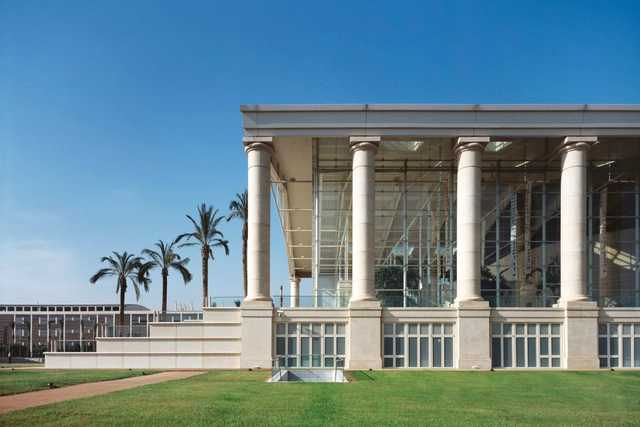
Catalonia's National Theatre, known by the abbreviation TNC, is a public theatre located in the Plaça de les Arts, near Plaça de Glòries, in Barcelona. It is one of the city's most prestigious buildings and one of the most important cultural institutions in Catalonia.

Visit Over 4,500 Museums and Sites Worldwide From Your Desk With Google Arts & Culture

Users now can virtually visit museums all over the world thanks to Google Arts & Culture. The project offers 360 ° views of places that can often be inaccessible due to financial costs or distance.