1. ArchDaily
  2. River

River: The Latest Architecture and News

Local Knowledge and Ecological Context: City Making Lessons from Chicago’s Wild Mile

Subscriber Access | 

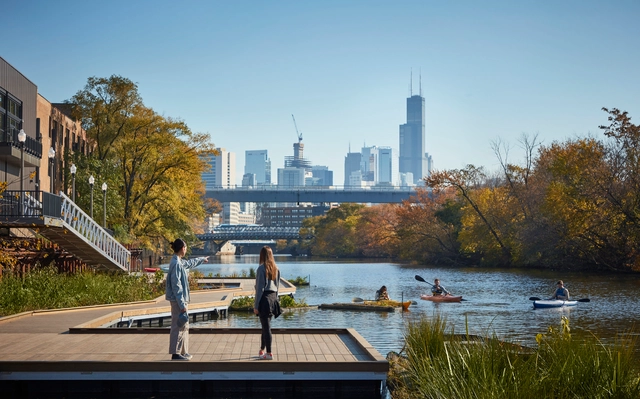
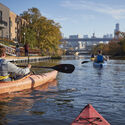
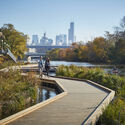
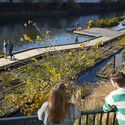
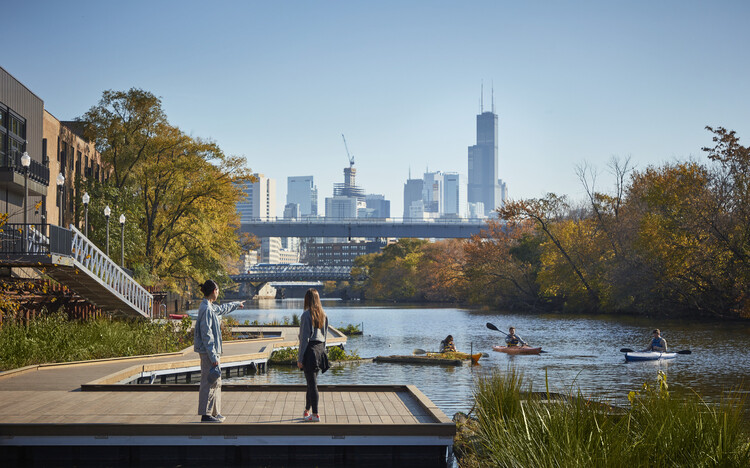
For more than a century, residents of growing American cities reshaped their rivers to serve industrial and manufacturing needs. Waterways were straightened, deepened, paved, or buried to support shipping routes and to move materials efficiently across regions. These transformations created an urban landscape in which rivers were treated as productive infrastructure rather than as living ecological systems.

This approach left a lasting imprint. Riparian habitats disappeared, water quality declined, regional biodiversity grew vulnerable, and communities grew accustomed to river corridors dominated by steel walls and concrete channels. The industrial reshaping of rivers in places such as Chicago, Los Angeles, and the Mississippi basin created durable patterns of development that still influence how cities function today.

Local Knowledge and Ecological Context: City Making Lessons from Chicago’s Wild Mile - Image 1 of 4Local Knowledge and Ecological Context: City Making Lessons from Chicago’s Wild Mile - Image 2 of 4Local Knowledge and Ecological Context: City Making Lessons from Chicago’s Wild Mile - Image 3 of 4Local Knowledge and Ecological Context: City Making Lessons from Chicago’s Wild Mile - Image 4 of 4Local Knowledge and Ecological Context: City Making Lessons from Chicago’s Wild Mile - More Images+ 7

Snøhetta Selected to Design the New Qiantang Bay Art Museum in Hangzhou, China

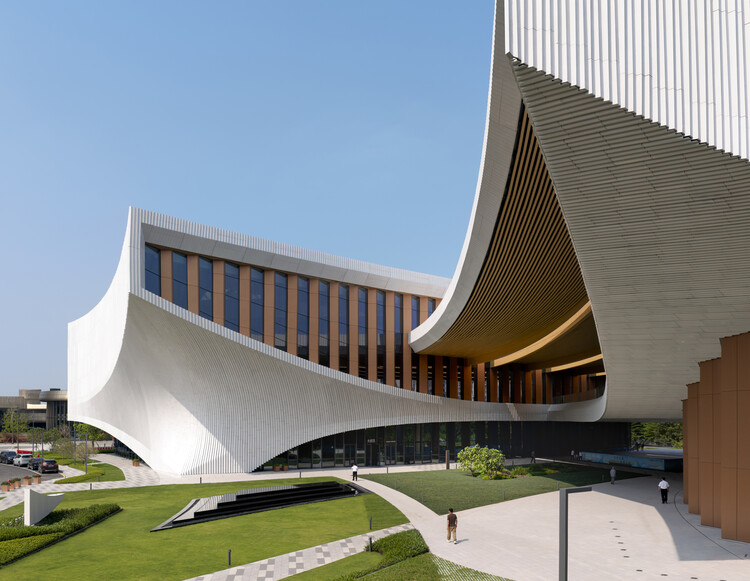
Snøhetta has been selected to design the Qiantang Bay Art Museum, a new cultural landmark within the Qiantang Bay Future Headquarters development in Xiaoshan District, Hangzhou, China. Conceived in collaboration with the Architectural Design & Research Institute of Zhejiang University Co., Ltd. and Buro Happold, the project encompasses architecture, landscape architecture, and interior design over 18,000 square meters. The museum will form part of Hangzhou's expanding downtown area along the Qiantang River, serving as an important destination for art, culture, and public life.

Snøhetta Selected to Design the New Qiantang Bay Art Museum in Hangzhou, China - Image 1 of 4Snøhetta Selected to Design the New Qiantang Bay Art Museum in Hangzhou, China - Image 2 of 4Snøhetta Selected to Design the New Qiantang Bay Art Museum in Hangzhou, China - Image 3 of 4Snøhetta Selected to Design the New Qiantang Bay Art Museum in Hangzhou, China - Image 4 of 4Snøhetta Selected to Design the New Qiantang Bay Art Museum in Hangzhou, China - More Images+ 2

Zaha Hadid Architects’ Danjiang Bridge Nears Completion Ahead of 2026 Opening in Taipei, Taiwan

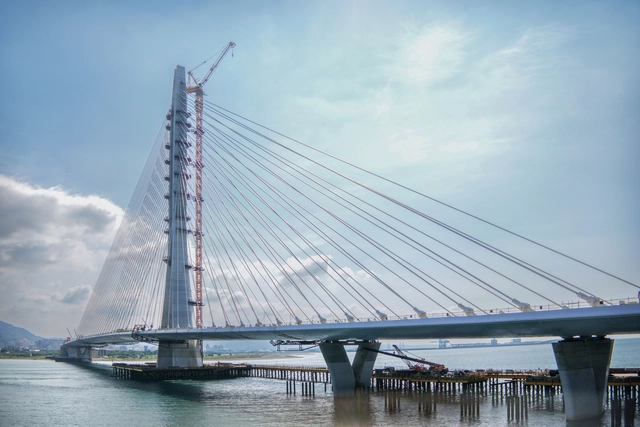
Zaha Hadid Architects was announced as the winner of the Danjiang Bridge International Competition in 2015. At the time, the design proposal sought to minimize the bridge's visual impact by employing a single concrete structural mast to support a 920-meter-long cable-stayed span. Construction began in 2019 on what would become the world's longest single-mast, asymmetric cable-stayed bridge. In October 2025, the final segment of the bridge's steel decking was installed, connecting the east and west banks of the Tamsui River estuary in Taiwan for the first time and confirming its opening date for May 12, 2026.

Zaha Hadid Architects’ Danjiang Bridge Nears Completion Ahead of 2026 Opening in Taipei, Taiwan - Image 1 of 4Zaha Hadid Architects’ Danjiang Bridge Nears Completion Ahead of 2026 Opening in Taipei, Taiwan - Image 2 of 4Zaha Hadid Architects’ Danjiang Bridge Nears Completion Ahead of 2026 Opening in Taipei, Taiwan - Image 3 of 4Zaha Hadid Architects’ Danjiang Bridge Nears Completion Ahead of 2026 Opening in Taipei, Taiwan - Image 4 of 4Zaha Hadid Architects’ Danjiang Bridge Nears Completion Ahead of 2026 Opening in Taipei, Taiwan - More Images+ 12

Shifting Sediments: Rivers as an Architectural and Cultural Catalyst

Subscriber Access | 

Rivers generate a distinct typology of architecture bound by design threads of material practice, environmental adaptation, cultural symbolism, and imagination. Each river system produces a unique ecosystem where water, soil, vegetation, and settlement converge to form a living network. Designing within this environment requires a capacity to read movement rather than resist it, to build on uncertain ground, and to understand permanence as a balance in motion. Unlike the fixed horizon of the sea, the river is never still. It teaches architects to think in gradients rather than boundaries, and to design as part of an evolving landscape.

Shifting Sediments: Rivers as an Architectural and Cultural Catalyst - Image 1 of 4Shifting Sediments: Rivers as an Architectural and Cultural Catalyst - Image 2 of 4Shifting Sediments: Rivers as an Architectural and Cultural Catalyst - Image 3 of 4Shifting Sediments: Rivers as an Architectural and Cultural Catalyst - Image 4 of 4Shifting Sediments: Rivers as an Architectural and Cultural Catalyst - More Images+ 8

Designing at the Edge: 8 Conceptual Projects Where Architecture Meets Nature from the ArchDaily Community

Subscriber Access | 

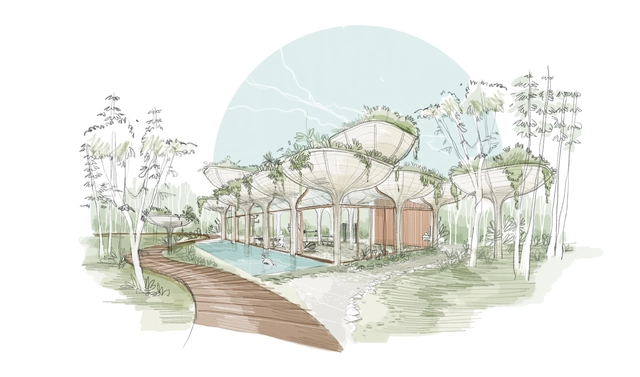
At a time when architectural practice is increasingly tied to climate and context, the boundary between the built and the natural has become a critical site of experimentation. This month's unbuilt selection gathers eight conceptual projects that work with the edges of landscape. In Ramia by João Teles Atelier, the architecture draws directly from the metaphor of a seed breaking through soil, using wood, concrete, and water to create a sensorial route through Tulum's ecology. Meanwhile, Mobius Pier by X Atelier loops gently over the river edge, becoming both infrastructure and observation point. Similarly, Il mare degli Umbri approaches the threshold differently, restoring the historic shoreline of Lake Trasimeno and reintroducing local wetland ecologies. Each project in this collection reflects a unique position: some treat the edge as a spatial experience, others as a regulatory line, and others still as a point of cultural or ecological return.

From Concrete to Green Canopies: Revitalizing Cities Through Natural Design

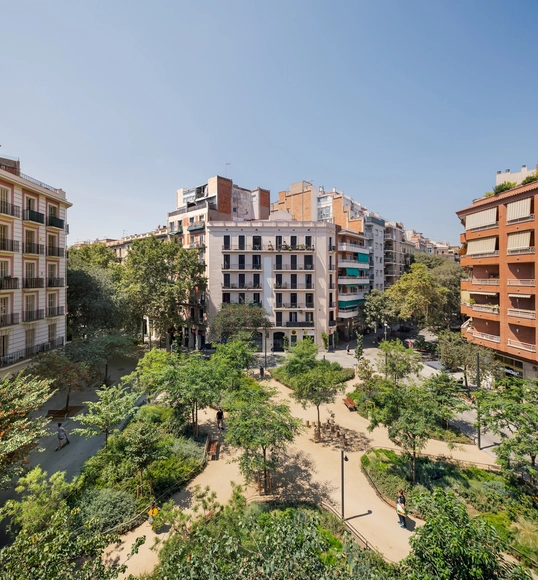
The journey toward renaturalizing urban spaces is an ongoing effort that began as early as the 1970s and continues to shape cities worldwide today. From transforming highways into vibrant parks to restoring waterways and integrating nature into urban planning, these projects reflect a shared commitment to sustainability, livability, and resilience. In Portland, the 1978 creation of Tom McCall Waterfront Park set a pioneering example by replacing a highway with green spaces. Decades later, Boston followed with the Rose Kennedy Greenway, reclaiming land from the elevated Central Artery.

From Concrete to Green Canopies: Revitalizing Cities Through Natural Design - Image 1 of 4From Concrete to Green Canopies: Revitalizing Cities Through Natural Design - Image 2 of 4From Concrete to Green Canopies: Revitalizing Cities Through Natural Design - Image 3 of 4From Concrete to Green Canopies: Revitalizing Cities Through Natural Design - Image 4 of 4From Concrete to Green Canopies: Revitalizing Cities Through Natural Design - More Images+ 3

Zaha Hadid Architects Designs River Culture and Art Center in China

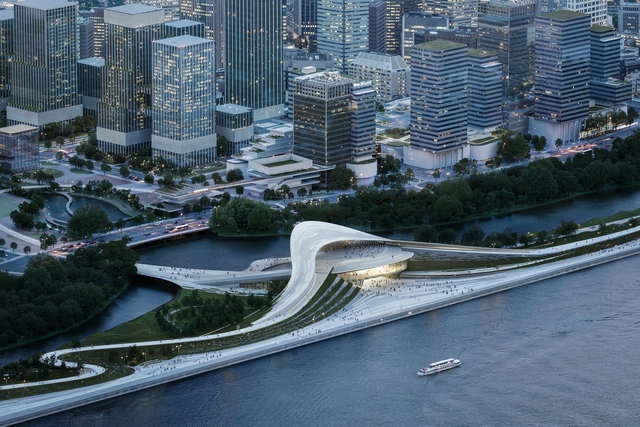
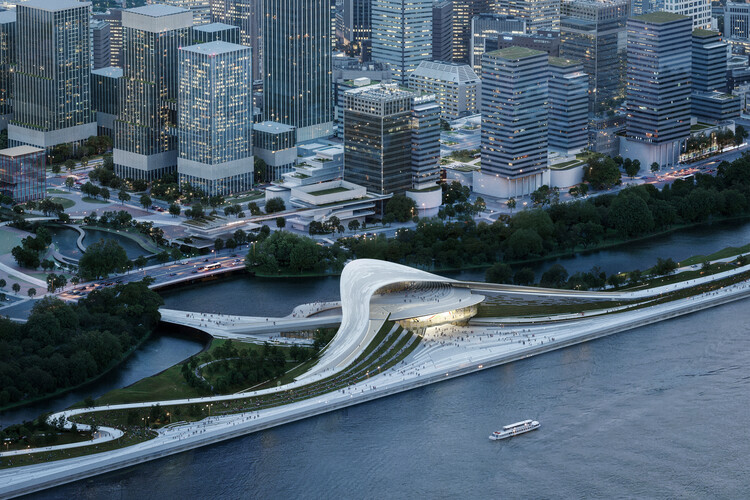
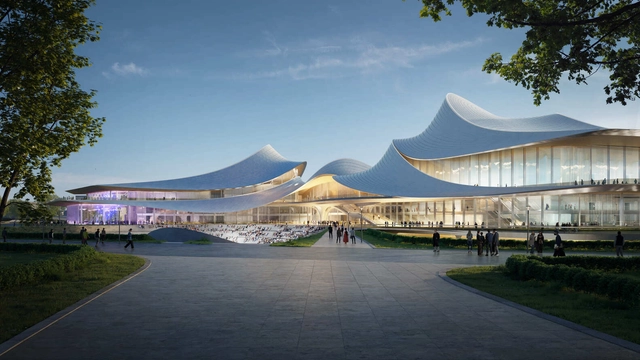
Zaha Hadid Architects has been selected to design the Zhejiang Shaoxing Shangyu District Cao'e River Culture and Art Center, located within a newly planned cultural district in Shaoxing's Shangyu area in Zhejiang province, China. The project is situated along the Cao'e River, a location with historical significance, and is envisioned to serve as a key cultural and artistic space for both the local community and visitors. Its design seeks to integrate contemporary functionality with the architectural and cultural traditions of the region.

Zaha Hadid Architects Designs River Culture and Art Center in China - Featured ImageZaha Hadid Architects Designs River Culture and Art Center in China - Image 1 of 4Zaha Hadid Architects Designs River Culture and Art Center in China - Image 2 of 4Zaha Hadid Architects Designs River Culture and Art Center in China - Image 3 of 4Zaha Hadid Architects Designs River Culture and Art Center in China - More Images+ 7

Foster + Partners Begins Construction on Mixed-Use Development in Shanghai's Sanlin Riverside

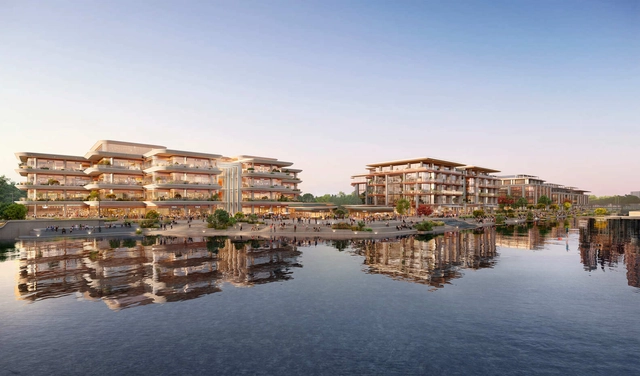
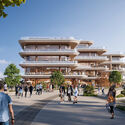
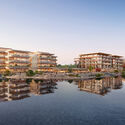
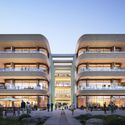
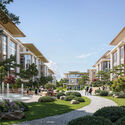
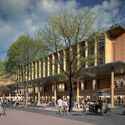
Construction has just begun on a new mixed-use project within the Sanlin Riverside development in Shanghai, designed by Foster + Partners. A recent groundbreaking ceremony marked the start of work on the site, which is envisioned to serve as a significant addition to the larger area. The development is designed to include modern office spaces in the northern section, with retail facilities and additional workspaces situated in the south. These components are connected by landscaped plazas, gardens, courtyards, and a park designed to host community markets, festivals, and waterfront activities. The site will also feature a colonnade along the river, aiming to appeal as a community gathering space.

Foster + Partners Begins Construction on Mixed-Use Development in Shanghai's Sanlin Riverside - Image 1 of 4Foster + Partners Begins Construction on Mixed-Use Development in Shanghai's Sanlin Riverside - Featured ImageFoster + Partners Begins Construction on Mixed-Use Development in Shanghai's Sanlin Riverside - Image 2 of 4Foster + Partners Begins Construction on Mixed-Use Development in Shanghai's Sanlin Riverside - Image 3 of 4Foster + Partners Begins Construction on Mixed-Use Development in Shanghai's Sanlin Riverside - More Images+ 1

Protecting Cultural Heritage: Sustainable Solutions for India's Rivers

Subscriber Access | 

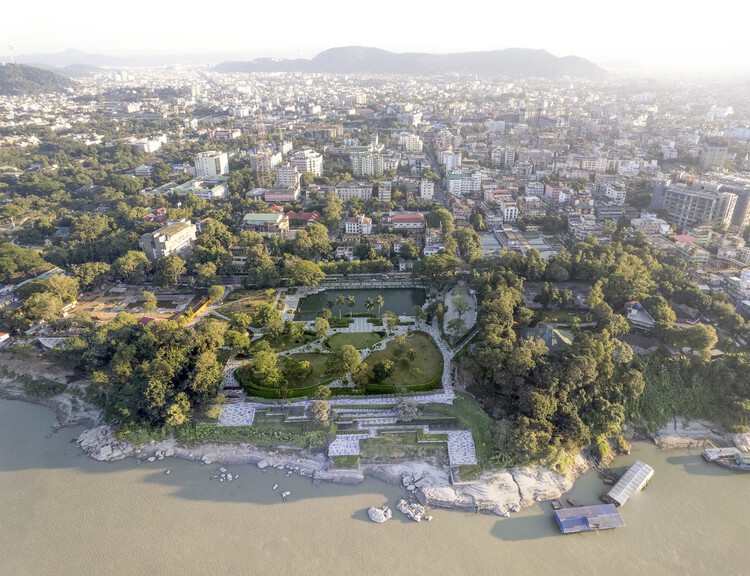
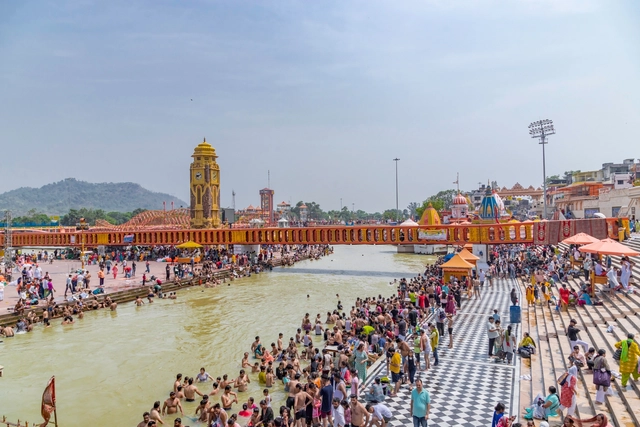
Ancient Indian civilizations once thrived along the banks of the country's many rivers, solidifying a connection between water and culture that endures to the present. Rivers have been integral to India's diverse communities, serving as essential resources for daily life and spiritual practice. Historically, these water bodies experienced an entrenched sense of custodianship; being cared for collectively by the communities that depended on them. Today, responsibility for the rivers shifts between the hands of multiple stakeholders, calling for a joint endeavor that acknowledges their cultural significance.

Protecting Cultural Heritage: Sustainable Solutions for India's Rivers - Image 1 of 4Protecting Cultural Heritage: Sustainable Solutions for India's Rivers - Image 2 of 4Protecting Cultural Heritage: Sustainable Solutions for India's Rivers - Image 3 of 4Protecting Cultural Heritage: Sustainable Solutions for India's Rivers - Image 4 of 4Protecting Cultural Heritage: Sustainable Solutions for India's Rivers - More Images+ 6

Urban Waterways Reborn: European Cities Leading the Change in River Restoration and Revitalization

Subscriber Access | 

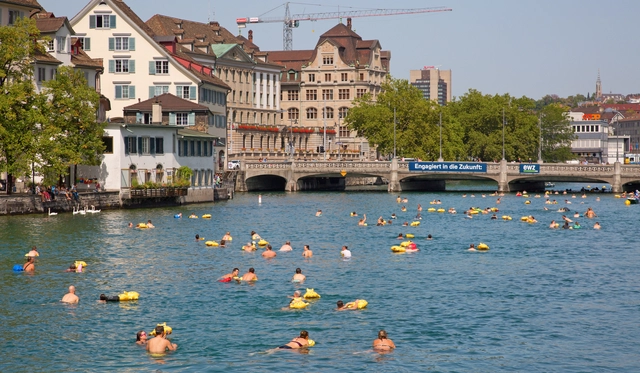
In 1988, Jacques Chirac made a never-fulfilled promise to make swimming accessible in the Seine River within 5 years. With swimming in the Seine officially banned by the French government in 1923, the river has been neglected for decades, flooded with high levels of bacteria and pollution resulting from industrialization and urbanization. With the XXXIII Olympic Games happening in Paris, Mayor Anne Hidalgo has drafted a “Swimming Plan,” aiming to finally transform the Seine River into a swimmable urban waterway. The billion-dollar effort outlines the river as a venue for this summer’s aquatic Olympic events.

Throughout history, rivers played a crucial role in the social structures of cities. Along riverbanks, communities often congregated for socializing, swimming, and fishing. Swimming in rivers was a popular summertime activity enjoyed by people of all ages. Whether it was the Thames in London or the Seine in Paris, rivers were bustling with swimmers; integrated into urban lifestyles.

Urban Waterways Reborn: European Cities Leading the Change in River Restoration and Revitalization - Image 1 of 4Urban Waterways Reborn: European Cities Leading the Change in River Restoration and Revitalization - Image 2 of 4Urban Waterways Reborn: European Cities Leading the Change in River Restoration and Revitalization - Image 3 of 4Urban Waterways Reborn: European Cities Leading the Change in River Restoration and Revitalization - Image 4 of 4Urban Waterways Reborn: European Cities Leading the Change in River Restoration and Revitalization - More Images+ 1

With 200 Days Left, Paris Prepares for the 2024 Olympic Games

As the countdown to the XXXIII Olympic Games in Paris ticks away, the city is making preparations that will completely shift its urban landscape and infrastructure. Set to be the largest event ever organized in France, the games will start on 26 July and continue till 11 August 2024. With only 200 days left, the Paris City Council has approved around 43 new initiatives acting as a catalyst for the city's transformation – aiming for a greener, healthier, and mobile Paris. From cleaning the Seine River to building a cycling lane, activating a transit line, and banning non-essential city traffic, the heart of the French capital is on a mission against time to revitalize its historic urban core.

With 200 Days Left, Paris Prepares for the 2024 Olympic Games - Image 1 of 4With 200 Days Left, Paris Prepares for the 2024 Olympic Games - Image 2 of 4With 200 Days Left, Paris Prepares for the 2024 Olympic Games - Image 3 of 4With 200 Days Left, Paris Prepares for the 2024 Olympic Games - Image 4 of 4With 200 Days Left, Paris Prepares for the 2024 Olympic Games - More Images

Snøhetta's Airside Mixed-Use Project Opens in Hong Kong

Built on a former airport site in Hong Kong, Snøhetta Asia has unveiled its latest project in Hong Kong, Airside. This mixed-use landmark was actually Snøhetta’s first project in the country and serves as a central hub in a redeveloped business district. The project boasts ample public areas and gardens, including outdoor plazas and rooftop gardens that may be used for events, dining, urban farming, and leisure. As the first project in Hong Kong to obtain five of the highest green building certifications, this development integrates several sustainable practices.

Snøhetta's Airside Mixed-Use Project Opens in Hong Kong - Image 1 of 4Snøhetta's Airside Mixed-Use Project Opens in Hong Kong - Image 2 of 4Snøhetta's Airside Mixed-Use Project Opens in Hong Kong - Image 3 of 4Snøhetta's Airside Mixed-Use Project Opens in Hong Kong - Image 4 of 4Snøhetta's Airside Mixed-Use Project Opens in Hong Kong - More Images+ 10

MAD Architects Reimagines a Former Cement Factory Warehouse in Shanghai with a Floating Ark

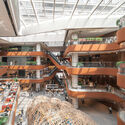
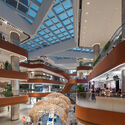
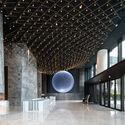
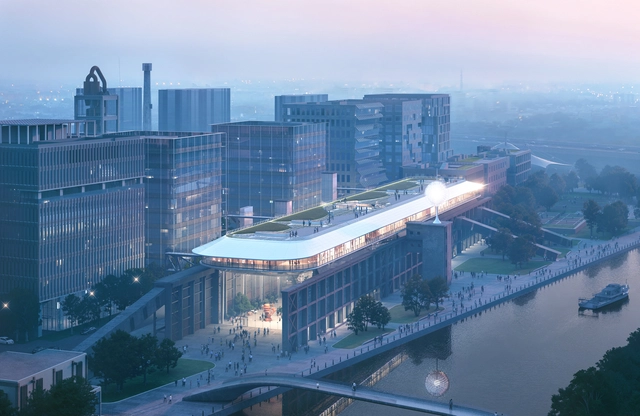
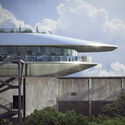
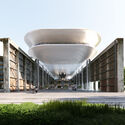
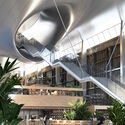
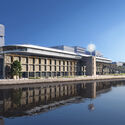
MAD Architects has unveiled the project for the renovation of the "Wanmicang" warehouse on the southside of the Shanghai Zhangjiang Cement Factory. The building is set to be transformed into a multifunctional public waterfront space for culture, creativity, and commerce. The project maintains the character of the former industrial site but introduces a new addition in the form of an ark-like metal 'floating' volume, creating a stark contrast between the old and new structures. The project is scheduled for completion by 2026.

MAD Architects Reimagines a Former Cement Factory Warehouse in Shanghai with a Floating Ark - Image 1 of 4MAD Architects Reimagines a Former Cement Factory Warehouse in Shanghai with a Floating Ark - Image 2 of 4MAD Architects Reimagines a Former Cement Factory Warehouse in Shanghai with a Floating Ark - Image 3 of 4MAD Architects Reimagines a Former Cement Factory Warehouse in Shanghai with a Floating Ark - Image 4 of 4MAD Architects Reimagines a Former Cement Factory Warehouse in Shanghai with a Floating Ark - More Images+ 19

Fortyseven Thermal Wellness Spa: A Contemporary Sanctuary Designed by Mario Botta and Captured by Paul Clemence

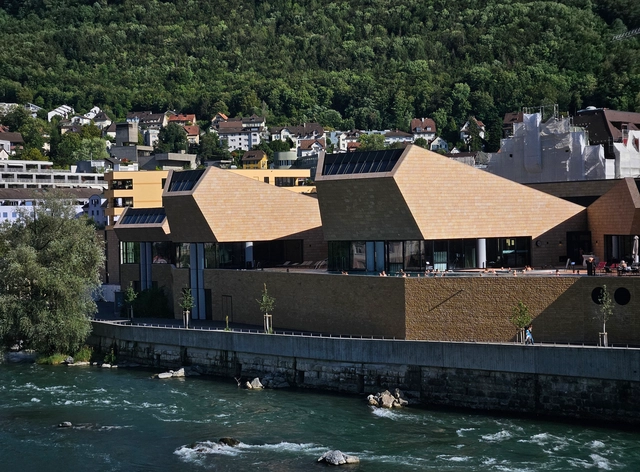
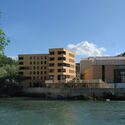
Fortyseven is a novel thermal wellness spa designed by the architect Mario Botta, nestled alongside the Limmat River in Baden, Switzerland. Baden, renowned for its rich cultural and wellness offerings, boasts a spa heritage that extends over thousands of years. The Fortyseven Thermal Wellness Spa has revitalized this historical legacy by presenting wellness culture through a modern lens. Designed by Mario Botta, this project offers an immersive encounter for the body, mind, and soul. The essence of the site and its design is captured by the lens of architectural photographer Paul Clemence, in his latest series.

Fortyseven Thermal Wellness Spa: A Contemporary Sanctuary Designed by Mario Botta and Captured by Paul Clemence - Image 1 of 4Fortyseven Thermal Wellness Spa: A Contemporary Sanctuary Designed by Mario Botta and Captured by Paul Clemence - Image 2 of 4Fortyseven Thermal Wellness Spa: A Contemporary Sanctuary Designed by Mario Botta and Captured by Paul Clemence - Image 3 of 4Fortyseven Thermal Wellness Spa: A Contemporary Sanctuary Designed by Mario Botta and Captured by Paul Clemence - Image 5 of 4Fortyseven Thermal Wellness Spa: A Contemporary Sanctuary Designed by Mario Botta and Captured by Paul Clemence - More Images+ 13

OÜ Kolm Pluss Üks Wins Competition for Tartu Downtown Cultural Center in Estonia

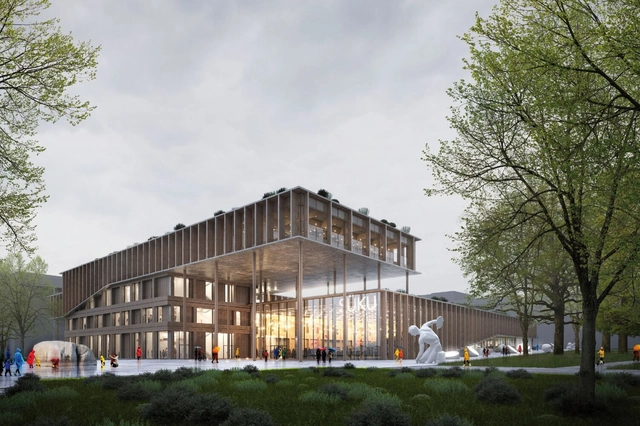
Estonian studio OÜ Kolm Pluss Üks won the international architecture competition for the Tartu Cultural Center. Selected out of a total of 107 proposals, the winning project titled “Paabel” is set to become the cultural heart of the city center, capturing the competition's main goal and developing an outdoor space solution. Kadarik Tüür Arhitektid OÜ took the second position for their design of “Tarte Tatin”, while the third place went to Denmark-based architectural studio Atelier Lorentzen Langkilde Aps.

OÜ Kolm Pluss Üks Wins Competition for Tartu Downtown Cultural Center in Estonia  - Image 1 of 4OÜ Kolm Pluss Üks Wins Competition for Tartu Downtown Cultural Center in Estonia  - Image 2 of 4OÜ Kolm Pluss Üks Wins Competition for Tartu Downtown Cultural Center in Estonia  - Image 3 of 4OÜ Kolm Pluss Üks Wins Competition for Tartu Downtown Cultural Center in Estonia  - Image 4 of 4OÜ Kolm Pluss Üks Wins Competition for Tartu Downtown Cultural Center in Estonia  - More Images

Diller Scofidio + Renfro Wins International Competition to Design the New Pina Bausch Center in Wuppertal, Germany

Diller Scofidio + Renfro has won an international competition to design the new Pina Bausch Zentrum in Wuppertal, Germany. Pina Bausch’s legacy as a dancer and choreographer will be celebrated in the design and revitalization of the Tanztheater Wuppertal, as well as in the creation of a new production center. The building will emerge out of the ethos of Pina Bausch, setting an example for a new generation of leadership in the world of choreography.

Apart from the production stage centers, the design includes an archive of Pina Bausch's enormous artistic legacy, comprising a library, study, and research areas, and a public platform to promote community involvement with many creative and academic disciplines. Various contrasting and flexible spaces that encourage and foster conversation across the project's numerous program components are found throughout the proposed design.
Diller Scofidio + Renfro Wins International Competition to Design the New Pina Bausch Center in Wuppertal, Germany - Image 1 of 4Diller Scofidio + Renfro Wins International Competition to Design the New Pina Bausch Center in Wuppertal, Germany - Image 2 of 4Diller Scofidio + Renfro Wins International Competition to Design the New Pina Bausch Center in Wuppertal, Germany - Image 3 of 4Diller Scofidio + Renfro Wins International Competition to Design the New Pina Bausch Center in Wuppertal, Germany - Image 4 of 4Diller Scofidio + Renfro Wins International Competition to Design the New Pina Bausch Center in Wuppertal, Germany - More Images+ 4

David Adjaye Reveals Design for the Cuyahoga Riverfront Master Plan in Downtown Cleveland

David Adjaye, in partnership with Bedrock and the city of Cleveland, unveiled the masterplan for the Cuyahoga Riverfront, a 15-to-20-year vision that will transform 35 acres of the riverfront to improve accessibility, equity, sustainability, and resilience of the downtown area. The design embraces the city’s rich history and connection to nature and creates a sustainable infrastructure that prioritizes pedestrian movement and activates open public spaces. David Adjaye, a British-Ghanian architect, has been awarded Britain’s Order of Merit, making him the fifth architect to be appointed the honor.
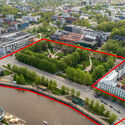
David Adjaye Reveals Design for the Cuyahoga Riverfront Master Plan in Downtown Cleveland - Image 1 of 4David Adjaye Reveals Design for the Cuyahoga Riverfront Master Plan in Downtown Cleveland - Featured ImageDavid Adjaye Reveals Design for the Cuyahoga Riverfront Master Plan in Downtown Cleveland - Image 2 of 4David Adjaye Reveals Design for the Cuyahoga Riverfront Master Plan in Downtown Cleveland - Image 3 of 4David Adjaye Reveals Design for the Cuyahoga Riverfront Master Plan in Downtown Cleveland - More Images

Federico Fiorino’s Ethereal Design Wins Competition for the Floating Pavilion on the Drava River in Maribor, Slovenia

The Outsider magazine and the City Municipality of Maribor have announced the winners of the international competition “Floating Pavilion on the Drava River.” The purpose of the competition was to obtain an innovative design for a floating pavilion that would have two main functions: a space for smaller events during the Lent Festival and a space for contemplation by the river. The City Municipality of Maribor will invite the winning candidate to participate in the implementation of the project.

Federico Fiorino’s Ethereal Design Wins Competition for the Floating Pavilion on the Drava River in Maribor, Slovenia - Image 1 of 4Federico Fiorino’s Ethereal Design Wins Competition for the Floating Pavilion on the Drava River in Maribor, Slovenia - Image 2 of 4Federico Fiorino’s Ethereal Design Wins Competition for the Floating Pavilion on the Drava River in Maribor, Slovenia - Image 3 of 4Federico Fiorino’s Ethereal Design Wins Competition for the Floating Pavilion on the Drava River in Maribor, Slovenia - Image 4 of 4Federico Fiorino’s Ethereal Design Wins Competition for the Floating Pavilion on the Drava River in Maribor, Slovenia - More Images+ 7