1. ArchDaily
  2. Animal

Animal: The Latest Architecture and News

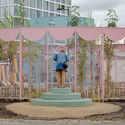
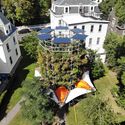
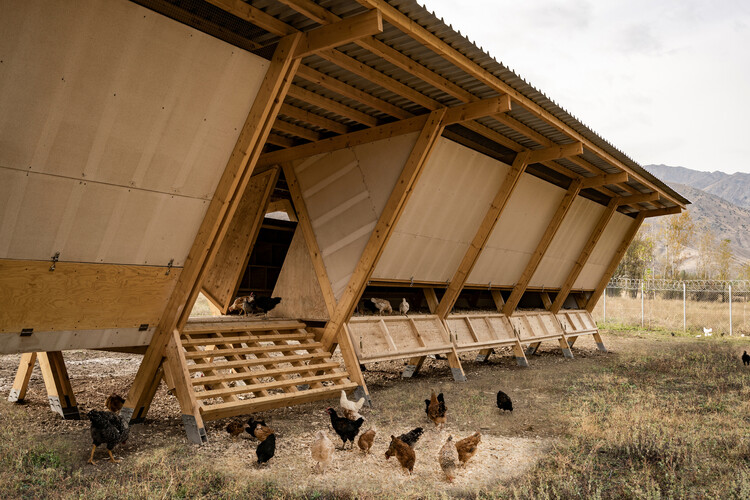
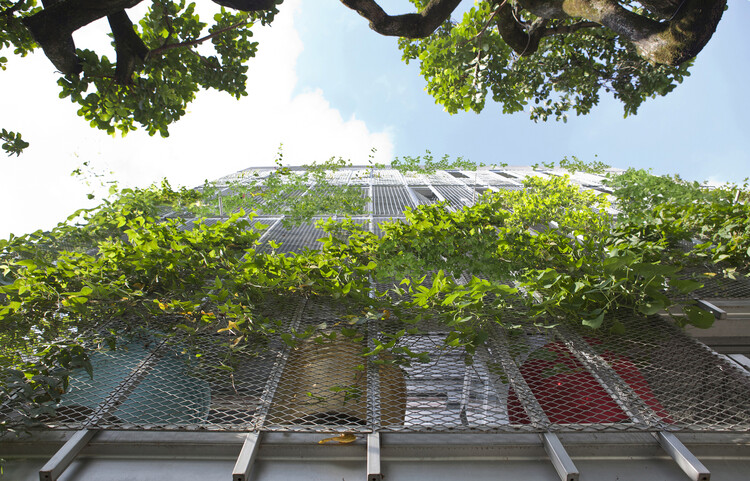
When Façades Become Habitats: Architecture Making Room for Other Species

When we think of façades, we rarely think of them as habitats. We see them as the elements that separate interior from exterior, regulate temperature, reduce noise, and protect buildings from external conditions. They give architecture its visual language, but they are also expected to keep the outside world at a distance. In doing so, façades have often been understood as barriers: surfaces that define where human comfort begins and where the environment is meant to remain outside.

But the outside of a building is never empty. For centuries, architecture has unintentionally created opportunities for other forms of life. Birds nested beneath roof tiles, insects occupied cracks in masonry walls, and mosses or plants took root along ledges, gutters, and rough stone surfaces. These conditions were rarely designed with other species in mind, but they created small opportunities for life to inhabit them.

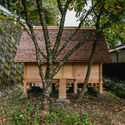
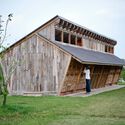
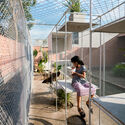
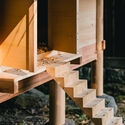
When Façades Become Habitats: Architecture Making Room for Other Species - Imagen 1 de 4When Façades Become Habitats: Architecture Making Room for Other Species - Imagen 2 de 4When Façades Become Habitats: Architecture Making Room for Other Species - Imagen 3 de 4When Façades Become Habitats: Architecture Making Room for Other Species - Imagen 4 de 4When Façades Become Habitats: Architecture Making Room for Other Species - More Images+ 21

Transspecies Architecture: ArchDaily’s June Editorial Focus

Western philosophical tradition has long placed culture in opposition to nature. This dual thinking has shaped the canon of the sciences and humanities, and architecture was not left aside. Under that logic, everything that is not human exists to be exploited by them and is named "natural resource". This extractivist mindset has shaped the development of many parts of the world in the last centuries, leaving deep—sometimes irreparable—marks on the planet. Nevertheless, other ways of living have always existed. From West-African religious practices based on animism to the herbal sciences of the masters of the Sacred Jurema in Brazil; from indigenous communities in India whose life rhythm mirrors the monsoons, to the Arctic's Inuits who can see dozens of shades of white: humans and nature bear no distinction, what exists is life.

Contemporary authors bring this discussion to the realms of philosophy and, more specifically, architecture. Donna Haraway, Antônio Bispo dos Santos, Achille Mbembe, and Beatriz Colomina are only a few whose work has helped expand the narrow Western perspective, shedding light on alternative ways of living together—with other humans and more-than-humans—on this planet.

Beyond Circulation: Stair Solutions for Small-Footprint Living in Asia

Subscriber Access | 

In many high-density cities across Asia, the staircase is often treated as a necessary evil. Whether in apartment buildings, private homes, or retail interiors, it is frequently hidden, tucked away, or pushed to the margins—an element to be minimized so more area can be given to "usable" space. Yet as density intensifies and square footage becomes increasingly scarce, architects and designers are forced to rethink this vertical puzzle.

The question shifts from how to conceal the staircase to how to make it work harder: can it become a productive addition to the interior—an architectural device that does more than connect levels, performing dual (or multiple) duties rather than simply consuming floor area?

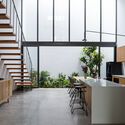
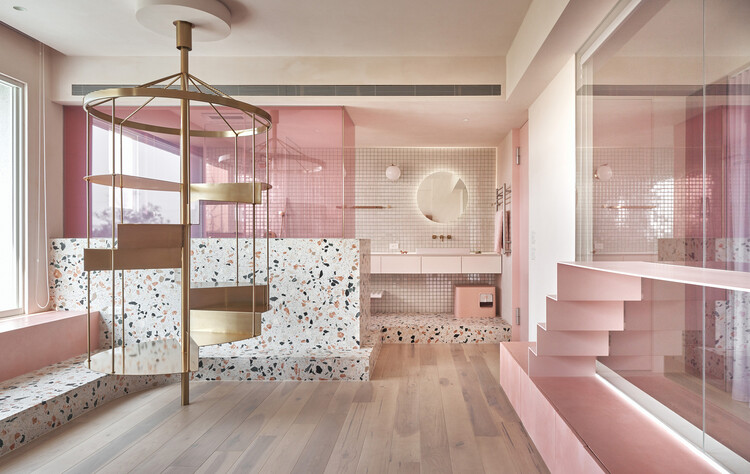
Beyond Circulation: Stair Solutions for Small-Footprint Living in Asia - Image 1 of 4Beyond Circulation: Stair Solutions for Small-Footprint Living in Asia - Image 2 of 4Beyond Circulation: Stair Solutions for Small-Footprint Living in Asia - Image 3 of 4Beyond Circulation: Stair Solutions for Small-Footprint Living in Asia - Image 4 of 4Beyond Circulation: Stair Solutions for Small-Footprint Living in Asia - More Images+ 11

Designing for Companionship: Reimagining Urban Life with Pets

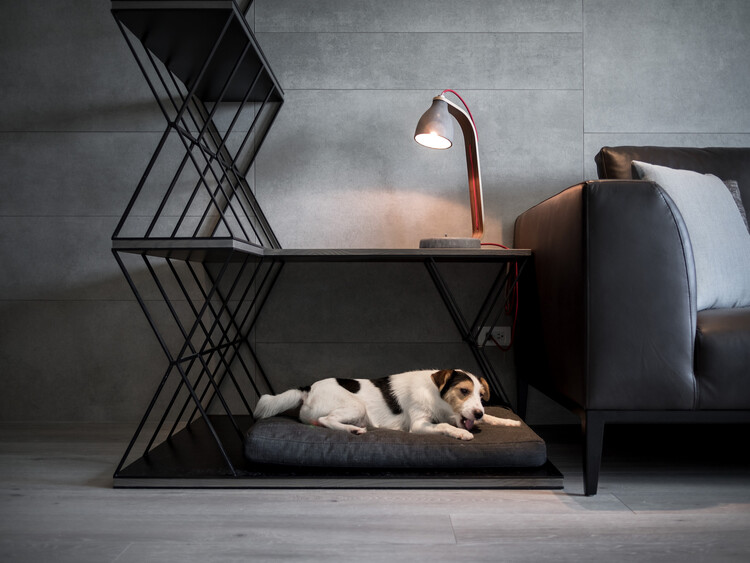
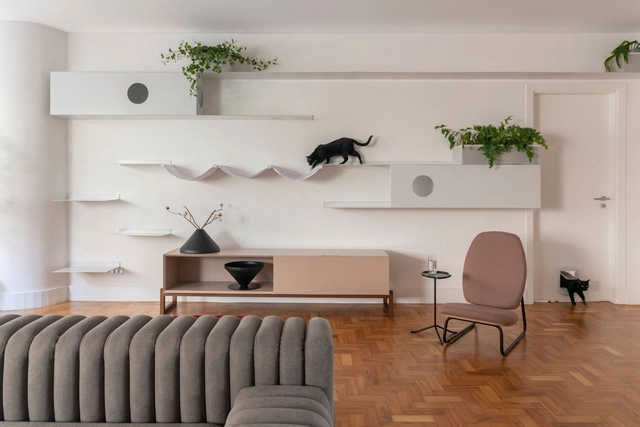
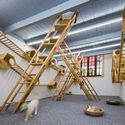
Humans and pets have long shared a deep and inseparable bond—and today, how we live alongside them is becoming increasingly important. Beyond offering companionship, pets are now often regarded as life partners, providing powerful support for mental health and emotional well-being. Yet it is not only the emotional connection that matters: the way we design and curate spaces for cohabitation with them plays a critical role in shaping meaningful spatial relationships between humans and their animal companions.

Whether through custom-designed furniture or more seamlessly integrated solutions like wall cavities and built-in nooks, an increasing amount of attention is being paid to how we can better coexist with pets in our homes. This shift reflects more than just affluence or pet ownership; it signals a broader evolution of companionship—one rooted in mutual support, emotional health, and shared environments.

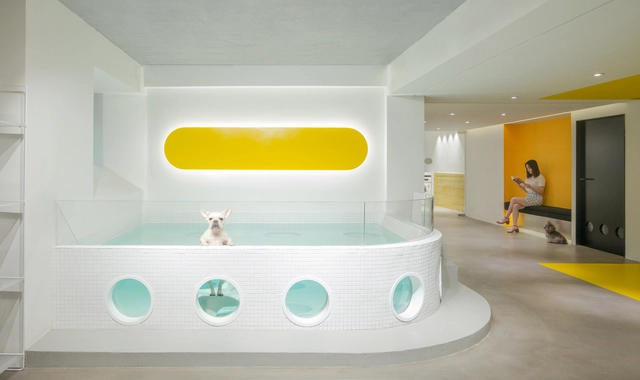
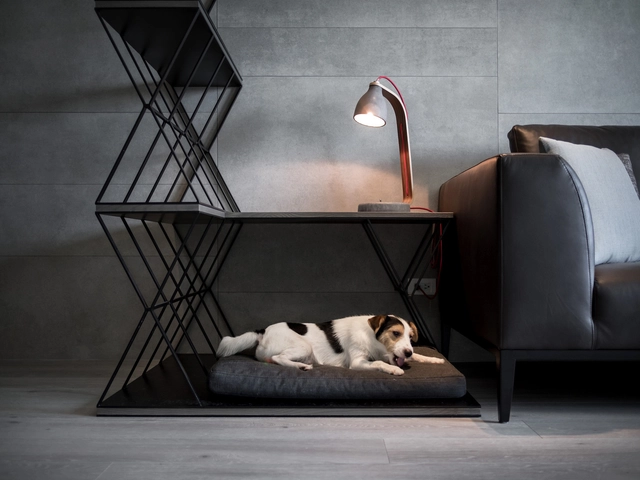
Designing for Companionship: Reimagining Urban Life with Pets - Image 1 of 4Designing for Companionship: Reimagining Urban Life with Pets - Image 2 of 4Designing for Companionship: Reimagining Urban Life with Pets - Image 3 of 4Designing for Companionship: Reimagining Urban Life with Pets - Image 4 of 4Designing for Companionship: Reimagining Urban Life with Pets - More Images+ 15

Architecture Beyond Humanity: Designing for Non-Human Species

Are humans the only stewards of the built environment? For many architects and planners, spaces are designed with a focus on the needs, comfort, and health of humans. A spatial ordering, in constructed spaces and the urban fabric, designates humans as the default, singular user in this scenario. However, as much as humans have influenced the trajectory of the world, other species play a crucial role in designing, forming, and maintaining the urban landscapes of the twenty-first century.

Architecture Beyond Humanity: Designing for Non-Human Species - Image 1 of 4Architecture Beyond Humanity: Designing for Non-Human Species - Image 2 of 4Architecture Beyond Humanity: Designing for Non-Human Species - Image 3 of 4Architecture Beyond Humanity: Designing for Non-Human Species - Image 4 of 4Architecture Beyond Humanity: Designing for Non-Human Species - More Images+ 30

Designing Comfortable and Playful Spaces For Life With a Pet: 31 Homes and Environments

Subscriber Access | 

It’s said that our ability as a species to easily form strong emotional bonds with creatures of another species is one of the unique characteristics that differentiate humans from animals. But what about the love we receive in return? Scientists have even gone as far as to measure and compare the blood pressure and oxytocin levels of our pets when we’re together, and when we’re apart, in order to prove such a fact.

With the reciprocated familial love shared between pets and owners coming close to between family members themselves, it’s no wonder our pets feel like part of our families. But why, then, are we less likely to include them in the major design decisions of our homes?

Designing Comfortable and Playful Spaces For Life With a Pet: 31 Homes and Environments  - Image 1 of 4Designing Comfortable and Playful Spaces For Life With a Pet: 31 Homes and Environments  - Image 2 of 4Designing Comfortable and Playful Spaces For Life With a Pet: 31 Homes and Environments  - Image 3 of 4Designing Comfortable and Playful Spaces For Life With a Pet: 31 Homes and Environments  - Image 4 of 4Designing Comfortable and Playful Spaces For Life With a Pet: 31 Homes and Environments  - More Images+ 41

70°N arkitektur, Together with Snøhetta and Artist Joar Nango, Designs a National Theater for the Indigenous Sámi People in Norway

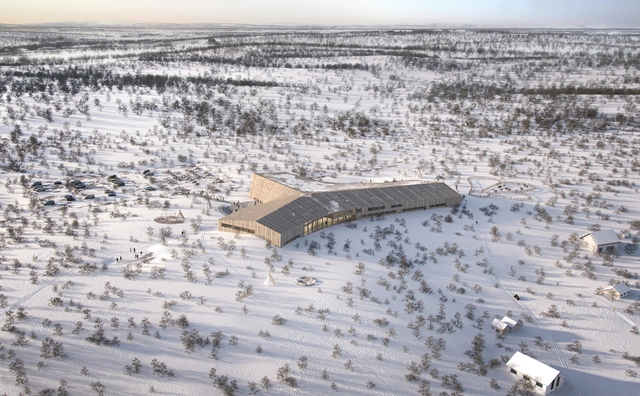
The Sámi National Theater Beaivváš and Sámi High School and Reindeer Husbandry School are two of the most important cultural institutions of Sápmi, a region in northern Norway, Sweden, and Finland traditionally inhabited by the Sámi people. To strengthen the position of the two institutions, a project was initiated in June 2021 to create a shared cultural and educational facility. A design proposal by 70°N arkitektur, in collaboration with Snøhetta and artist and architect Joar Nango, was chosen following a competition. The building, also known as Čoarvemátta, is currently under construction and is expected to be completed by 2024.

How Will We Live With Livestock?

Subscriber Access | 

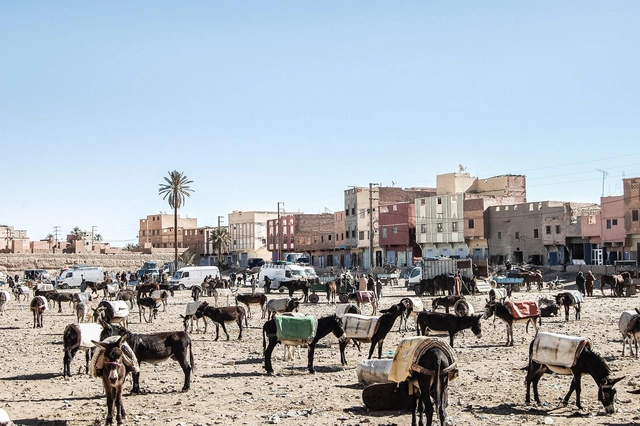
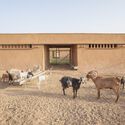
As populations continue to migrate from rural to urban areas, space is at a premium. Many settlements are becoming ever-more congested – with adequate, affordable housing in short supply and transport systems struggling to serve their respective residents. But as much the conversation about urbanization is about people, it is sometimes also about the animals that come with those people – urban livestock that play a key role at providing sustenance on an individual level, in addition to becoming an avenue for communal trade.

How Will We Live With Livestock? - Image 1 of 4How Will We Live With Livestock? - Image 2 of 4How Will We Live With Livestock? - Image 3 of 4How Will We Live With Livestock? - Image 4 of 4How Will We Live With Livestock? - More Images+ 4

New Residential Complex in Amsterdam Creates Room for Wildlife

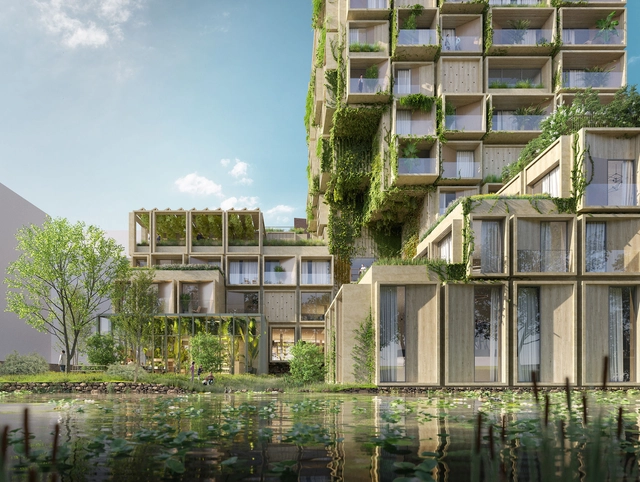
The new apartment complex designed by Venhoeven CS and DS Landschapsarchitecten is characterized by the intention to stimulate biodiversity. Located on a four-acre plot in the Sluisbuurt on the Zeeburgereiland in Amsterdam, the complex will include 82 homes, a parking garage, and spaces for shops and businesses. The nature-inclusive project pays special attention to the design of green roofs, terraces, and facades to create micro-environments for local flora and fauna and to optimize energy consumption.

New Residential Complex in Amsterdam Creates Room for Wildlife - Image 1 of 4New Residential Complex in Amsterdam Creates Room for Wildlife - Image 2 of 4New Residential Complex in Amsterdam Creates Room for Wildlife - Image 3 of 4New Residential Complex in Amsterdam Creates Room for Wildlife - Image 4 of 4New Residential Complex in Amsterdam Creates Room for Wildlife - More Images

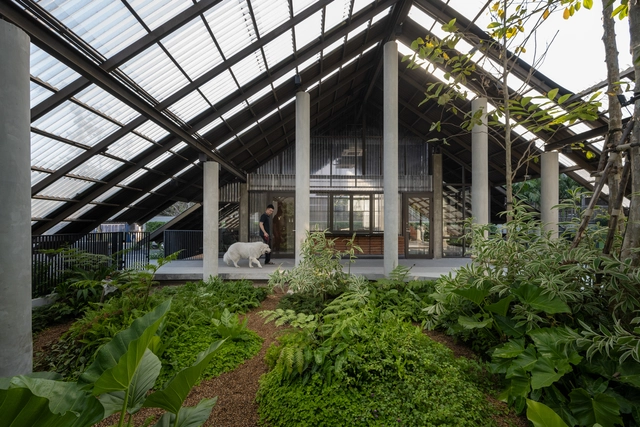
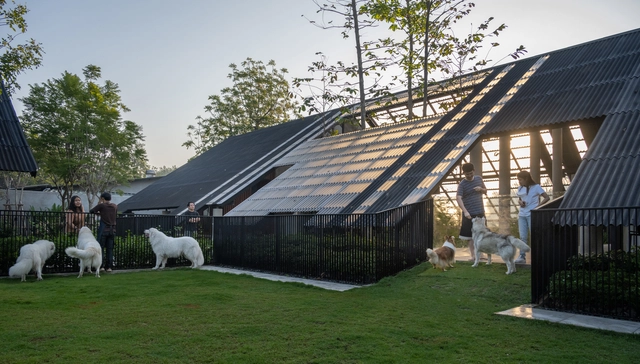
Dog / Human House / EKAR

Dog / Human House / EKAR - Exterior Photography, Houses, Garden, Facade, Arch, LightingDog / Human House / EKAR - Exterior Photography, Houses, Garden, Facade, LightingDog / Human House / EKAR - Interior Photography, Houses, Bedroom, BedDog / Human House / EKAR - Exterior Photography, Houses, Garden, Facade, Beam, Arch, ForestDog / Human House / EKAR - More Images+ 33

Phra Prathom Chedi Sub-district, Thailand

20 Times Architecture Sheltered Animals, Not Humans

Subscriber Access | 

Architecture may have its roots in sheltering humans from the elements, but that is not to say that architecture is for humans alone. Around the world, there are numerous examples of buildings and shelters designed by architects for other species. Some of these can be whimsical, such as the Dogchitecture exhibit by 10 Mexican architecture firms back in 2013, or the series of BowWow Haus kennels designed by over 80 architects back in 2017, including Zaha Hadid Architects. But others are designed for a more direct impact.

20 Times Architecture Sheltered Animals, Not Humans - Image 1 of 420 Times Architecture Sheltered Animals, Not Humans - Image 2 of 420 Times Architecture Sheltered Animals, Not Humans - Image 3 of 420 Times Architecture Sheltered Animals, Not Humans - Image 4 of 420 Times Architecture Sheltered Animals, Not Humans - More Images+ 42

From Aristocratic Displays to Eco-parks: The Current Questions and Future Design of Zoos

Subscriber Access | 

Around the world, zoos draw in hundreds of millions of visitors each year. For some cities, they’re major tourist attractions and economic hubs that generate taxpayer dollars and create long-term employment for thousands of people. But beyond these statistics, people have been criticizing the role that zoos play in our society and the way in which we design them that holds the potential a more positive and natural environment for animals.

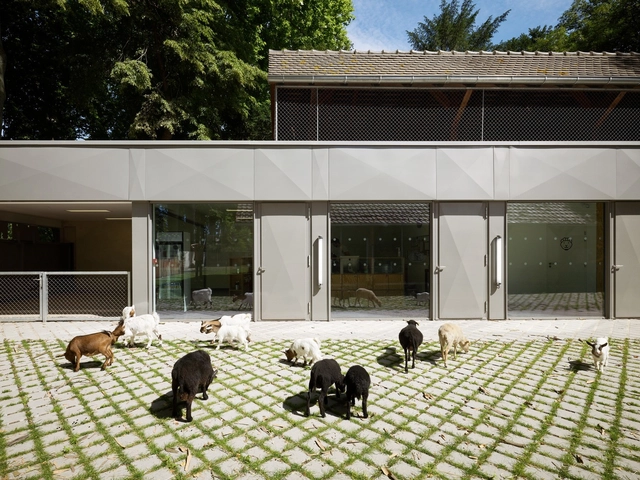
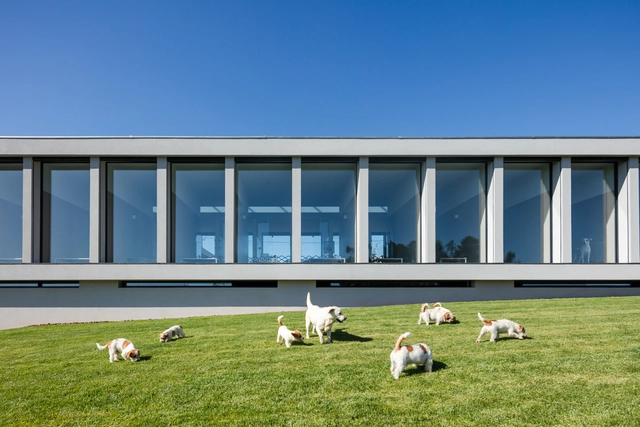
Canine and Feline Hotel / Raulino Silva Arquitecto

Canine and Feline Hotel / Raulino Silva Arquitecto - Exterior Photography, Hotels, FacadeCanine and Feline Hotel / Raulino Silva Arquitecto - Interior Photography, Hotels, FacadeCanine and Feline Hotel / Raulino Silva Arquitecto - Interior Photography, HotelsCanine and Feline Hotel / Raulino Silva Arquitecto - Interior Photography, HotelsCanine and Feline Hotel / Raulino Silva Arquitecto - More Images+ 23

  • Architects: Raulino Silva
  • Area Area of this architecture project Area:  797
  • Year Completion year of this architecture project Year:  2019

China's New Ecology Center Takes A Crab-tivating Form

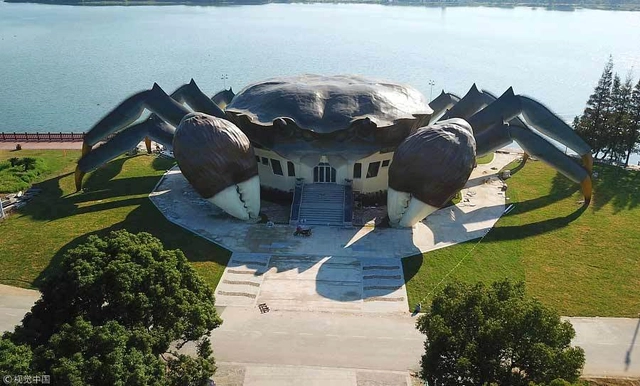
Only three years after President Xi Jinping declared, no more "weird buildings," in China, a giant mimetic crab construction on Yangcheng Lake's eastern shore, adds to the world's ever-growing list of "duck" buildings.

9 Weird and Wonderful Architectural "Ducks"

They exist for a reason.

Coined by Robert Venturi and Denise Scott Brown in Learning from Las Vegas, “Ducks” are buildings that project their meaning in a literal way [1]. No architectural metaphors here - they are exactly what they look like. Many emerged alongside interstate highways, a lone doughnut or dinosaur punctuating the road trip across America. Places like Las Vegas and Macau have built their identity in the kitsch and literal language of architecture – with the duck a strong contributor. Though they get relegated to one of the weird forays of the postmodern era, ducks still make current-day appearances (like the Chicago Apple Store’s recent Macbook roof). Are they fun, kitschy, or just plain ugly? Love them or hate them, ducks have a light-hearted presence in our architectural history. Below are 9 weird and wonderful examples of buildings that make no apologies for being exactly what they are:

9 Weird and Wonderful Architectural "Ducks" - Image 1 of 49 Weird and Wonderful Architectural "Ducks" - Image 2 of 49 Weird and Wonderful Architectural "Ducks" - Image 3 of 49 Weird and Wonderful Architectural "Ducks" - Image 4 of 49 Weird and Wonderful Architectural Ducks - More Images+ 5

Espacios de Paz 2015: 5 Cities, 5 Communities, 20 Architecture Collectives

Between Sunday, May 17 and Monday, May 18 projects developed under the second phase of Espacios de Paz (Spaces of Peace) were inaugurated in five cities across Venezuela. A genuine exercise in participative design, 20 Latin American architecture groups worked for five weeks with communities in neighborhoods dominated by violence, high dropout rates and crime to convert deteriorated and abandoned spaces into public places of peace.

For each project, four groups of young architects worked together to carry out a process of dialogue, research, design, and ultimately the construction of either an athletic, social or educational facility to be administrated by the local community. Espacios de Paz is coordinated by the local office of PICO Estudio, with guidance from public institutions and under the leadership of Isis Ochoa, the High Presidential Commissioner for Peace and Life.
ArchDaily en Español Editors, Nicolás Valencia M. and José Tomás Franco, were invited by PICO Estudio to document and view the five projects in their final phase of construction and speak with the architects and community representatives about the development of the projects and some of the challenges faced in the process.

Learn more about each of the five projects after the break.