1. ArchDaily
  2. afrofuturism

afrofuturism: The Latest Architecture and News

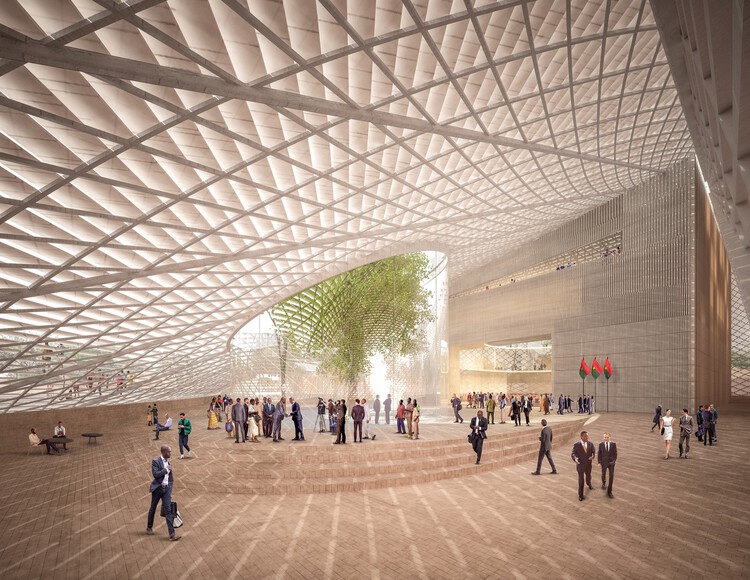
Architecture as Translation: Africanfuturism in Folklore, Film, and Speculative Art

Audio available

"Take your dream suppressants." The opening line in Wanuri Kahiū's Pumzi, directed at our protagonist Asha, enforces the order of severing ties with hopeful futures and ancestral memories in pasts shared to compel her focus on the perpetual present in the Maitu Community's heterotopia of an enclave. The bird's-eye view shot of the Maitu reveals a sterile, drone-like structure with a panoptic sphere at its center where normal human behavior is medicalized. The layout is built around closed-loop recycling systems as apt as a self-sufficient organism, designed to escape the toxic environment of a sickly Earth, where every pipe and corridor is engineered to harvest human excretion for water generation, thereby absorbing the roles of nature and state both. The community's architecture perfectly translates the film's message with its physicality.

Across folklore, film, and art, the same move recurs: architecture translates an elsewhere, whether ancestral, spiritual, or speculative, into form that can be seen or entered. The sections below follow that translation from the Kasubi Tombs to Kizazi Moto, and show that the elsewhere is a way of reading the present.


Architecture as Translation: Africanfuturism in Folklore, Film, and Speculative Art - Imagen 1 de 4Architecture as Translation: Africanfuturism in Folklore, Film, and Speculative Art - Imagen 2 de 4Architecture as Translation: Africanfuturism in Folklore, Film, and Speculative Art - Imagen 3 de 4Architecture as Translation: Africanfuturism in Folklore, Film, and Speculative Art - Imagen 4 de 4Architecture as Translation: Africanfuturism in Folklore, Film, and Speculative Art - More Images+ 7

Subscriber Access

Utopian Practice, Political Power, and Community in Architecture: An Interview with Olalekan Jeyifous

After being awarded the prestigious Silver Lion for his contribution to this year's Venice Architecture Biennale, Brooklyn-based artist Olalekan Jeyifous shows no signs of slowing down. Currently in the midst of preparing his entry to the next Sharjah Architecture Triennial, he also recently celebrated the opening of Climate Futurism, a group exhibition that highlights the power and efficacy of artists’ methods and processes to imagine a more equitable future – and is working on a public monument to former United States Representative Shirley Chisholm as part of New York City's She Built NYC initiative, among other projects.

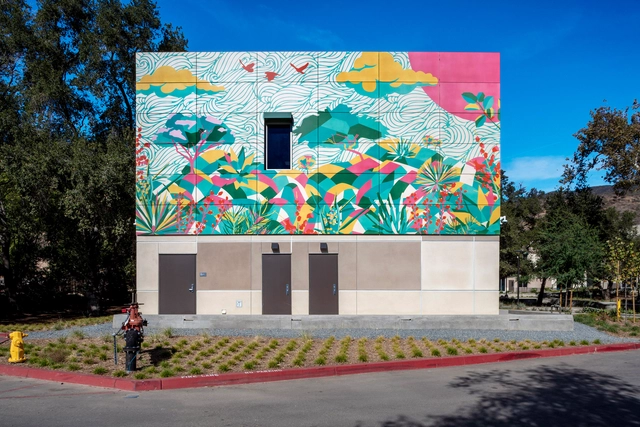
Utopian Practice, Political Power, and Community in Architecture: An Interview with Olalekan Jeyifous - Imagem 1 de 4Utopian Practice, Political Power, and Community in Architecture: An Interview with Olalekan Jeyifous - Imagem 2 de 4Utopian Practice, Political Power, and Community in Architecture: An Interview with Olalekan Jeyifous - Imagem 3 de 4Utopian Practice, Political Power, and Community in Architecture: An Interview with Olalekan Jeyifous - Imagem 4 de 4Utopian Practice, Political Power, and Community in Architecture: An Interview with Olalekan Jeyifous - More Images+ 3

Representing Africa at the 2023 Venice Architecture Biennale: Recurring Concepts and Approaches

The 18th International Architecture Exhibition, curated by Ghanaian-Scottish architect, educator, and novelist Lesley Lokko – who is also Founder and Director of the African Futures Institute (AFI) based in Accra, Ghana – officially opened to the public on May 20th and is now on view through Nov. 26. Entitled The Laboratory of the Future, this year's Venice Architecture Biennale for the first time highlights the African continent as a leading force in shaping the world to come and Lokko's curatorial mission prompts entries to question traditional notions of what the future can hold and what architecture looks like.

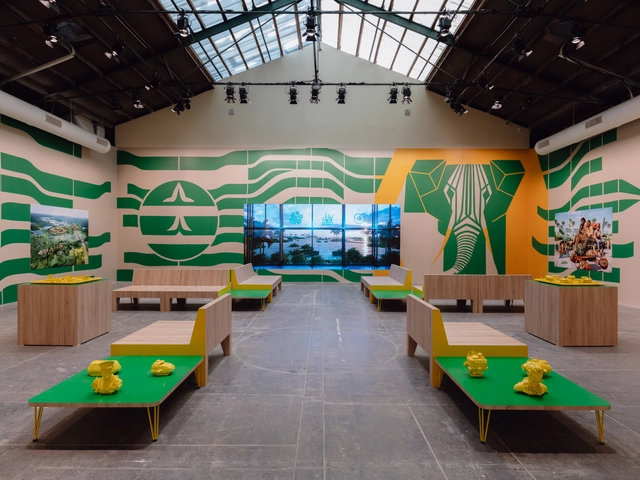
Representing Africa at the 2023 Venice Architecture Biennale: Recurring Concepts and Approaches - Imagen 1 de 4Representing Africa at the 2023 Venice Architecture Biennale: Recurring Concepts and Approaches - Imagen 2 de 4Representing Africa at the 2023 Venice Architecture Biennale: Recurring Concepts and Approaches - Imagen 3 de 4Representing Africa at the 2023 Venice Architecture Biennale: Recurring Concepts and Approaches - Imagen 4 de 4Representing Africa at the 2023 Venice Architecture Biennale: Recurring Concepts and Approaches - More Images+ 10

The Pritzker Architecture Prize Releases Ceremony Video to Honor 2022 Laureate, Francis Kéré

Honoring the 2022 Laureate, the Burkinabé architect Francis Kére, The Pritzker Prize releases a ceremony video from the recently opened Marshall Building at the LSE, designed by the 2020 Pritzker Laureates Yvonne Farrell, and Shelley McNamara. The documentary includes remarks by the awardee, Tom Pritzker, and previous Laureates such as Alejandro Aravena, Norman Foster, Anne Lacaton, and Jean-Philippe Vassal. This ceremony presents Kéré with the 2022 Pritzker Prize medallion, the highest honor in architecture, certifying him as a Laureate for his extraordinary work with communities and architectural ingenuity.

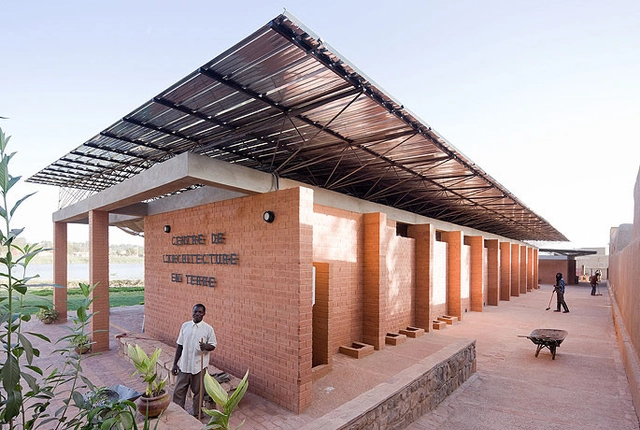
The Pritzker Architecture Prize Releases Ceremony Video to Honor 2022 Laureate, Francis Kéré - Image 1 of 4The Pritzker Architecture Prize Releases Ceremony Video to Honor 2022 Laureate, Francis Kéré - Image 2 of 4The Pritzker Architecture Prize Releases Ceremony Video to Honor 2022 Laureate, Francis Kéré - Image 3 of 4The Pritzker Architecture Prize Releases Ceremony Video to Honor 2022 Laureate, Francis Kéré - Image 4 of 4The Pritzker Architecture Prize Releases Ceremony Video to Honor 2022 Laureate, Francis Kéré - More Images+ 2

Michelle Mlati's Afrofuturist Approach To Spatial Planning

With an academic background that includes social sciences, curatorship, and architecture, Michelle Mlati's trajectory is an interesting one; more so for the way her current work dabbles in these areas simultaneously.  

Describing herself as an afrofuturist critical spatial designer, Johannesburg-based Mlati’s practice investigates elements of the city, from sustainability through to social dynamics, architecture to aural and visual cultures.