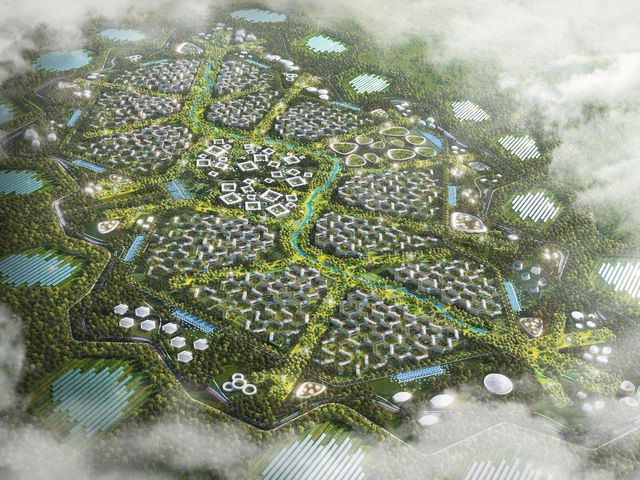
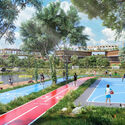
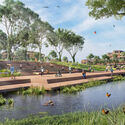
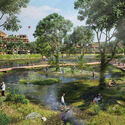
URB has unveiled plans to develop Africa's most sustainable city, a development that can host 150,000 residents. Known as The Parks, the city plans to produce 100% of its energy, water & food on-site through biodomes, solar-powered air-to-water generators, and biogas production. The 1,700-hectare project will feature residential, medical, ecotourism, and educational hubs to become one of the significant contributors to the growing green and tech economy in South Africa.
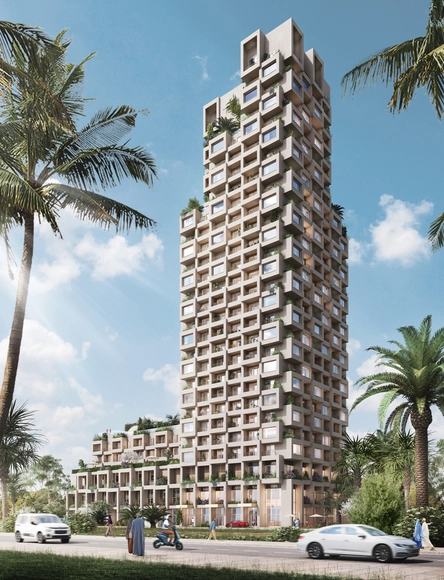
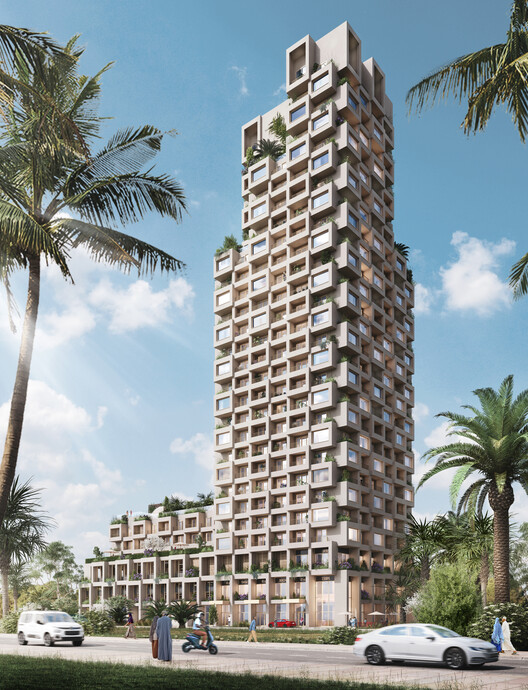
German-based architecture firm OMT designed Africa's tallest hybrid timber tower in Zanzibar City, Tanzania. In partnership with Birk Heilmeyer Frenzel Architects, engineering firm Knippers Helbig Advanced Engineers, and CPS Developers, the "Burj Zanzibar" will rise 96 meters tall to accommodate 266 residences and recreational and conferencing facilities. The mixed-use tower will promote the locally available wood and support the growing urban infrastructure that, according to the government plans, expects to attract tech companies to turn the island into a leading hub for Africa's technology companies.
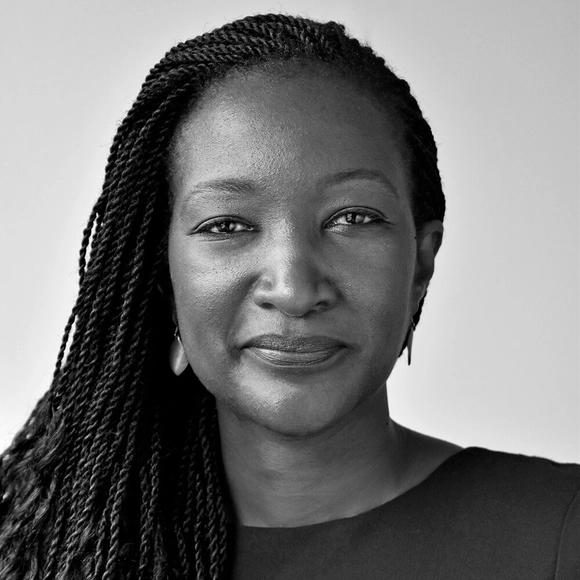
Doreen Adengo, Ugandan architect and trailblazer, passed away on July the 22nd of this year, after battling a long-term illness. She founded Adengo Architecture, a studio based out of her home city of Kampala. A designer who studied in the United States, worked in firms in New York, Washington, and London, and was teaching at Uganda Martyrs University – her legacy is nothing short of extraordinary. It is a legacy that spans disciplines and geographies – but a legacy, too, that is deeply rooted in the context of Africa, Uganda, and Kampala.
Doreen Adengo. Image Courtesy of Adengo Architecture
Doreen Adengo, architect from Kampala, Uganda has passed away, as reported by African Futures Institute’s Instagram Account, after a long battle with cancer. Founder of Adengo Architecture in 2015, a research-based multi-disciplinary practice operating out of her hometown Kampala, Doreen, a registered architect in the United States and Uganda, had earned her undergraduate at the Catholic University (Bachelor of Science in Architecture) and graduate studies at Yale (Masters of Architecture). She has taught at The New School and Pratt Institute in New York, the University of Johannesburg’s Graduate School of Architecture, and was currently teaching at Uganda Martyrs University. In celebration of International Women’s Day 2022, Doreen Adengo was recognized by ArchDaily as one of the established practitioners implicated in change.
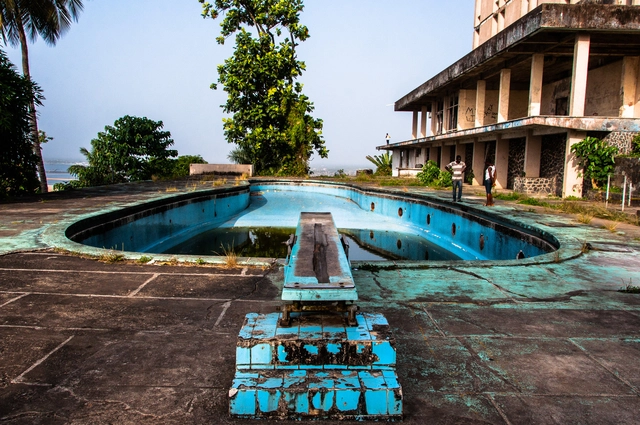
The luxury hotel, as an architectural typology, is distinctive. In effect, it's a self-contained community, a building that immerses the well-off visitor into their local context. Self-contained communities they might be, but these hotels are also vessels of the wider socioeconomic character of a place, where luxury living is often next door to informal settlements in the most extreme examples of social inequality.
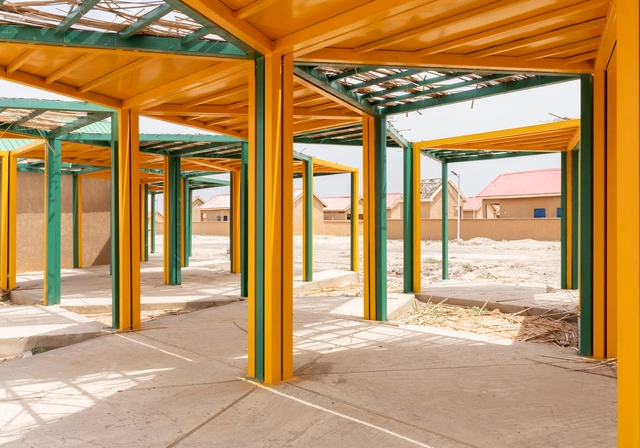
The United Nations Development Programme (UNDP) is working with the Nigerian Government to develop Rebuilding Ngarannam, a stabilization program in Northeast Nigeria that offers a new village to a community displaced by Boko Haram. The new urban plan and infrastructure were designed by Nigerian Consultant Architect Tosin Oshninowo, who consulted with the community to create a settlement that reflects and speaks to their culture. The first phase, which includes housing and essential services like education and healthcare facilities, is set to be complete in the summer of 2022.
At the turn of the 19th century, a British publishing house would release a book written by an English urban planner – a book with an optimistic title. The title of this book was To-morrow: A Peaceful Path to Real Reform, later reprinted as Garden Cities of To-morrow. The English urban planner in question was Ebenezer Howard – and this book would lay the foundations for what would later become known as the Garden City Movement. This movement would go on to produce green suburbs praised for their lofty aims, but it would also produce satellite communities that only catered to a privileged few.
“And the Lord God planted a garden in Eden, in the east, where He placed the man He had formed. Out of the ground the Lord God gave growth to every tree that is pleasing to the eye and good for food.”
This is how the Garden of Eden is portrayed in the first book of the bible, Genesis, which describes the origin of the universe and the heavenly place where Adam and Eve were placed. Such a paradise, despite being little characterized in the original words, has been inhabiting the imagination of the faithful and other enthusiasts of the matter for centuries. The scenes of this idyllic place, reinforced by the paintings and sculptures created over time, present a landscape considered ideal, an Edenic nature, expressed many times by the vibrant and contourless color – just like a painting by Monet –, probably emphasizing the representation of the spiritual world, where the image is seen through the contrast of colors, shadows and lights.
An online search away from any computer are eye-level views of many of the world’s cities. This technology is powerful – allowing people to have an in-depth look at the cities they might one day visit, live in, or work in. It’s a useful tool for understanding buildings on a more comprehensive level than photographs. This technology is, of course, Google Street View – which recently turned fifteen years old.
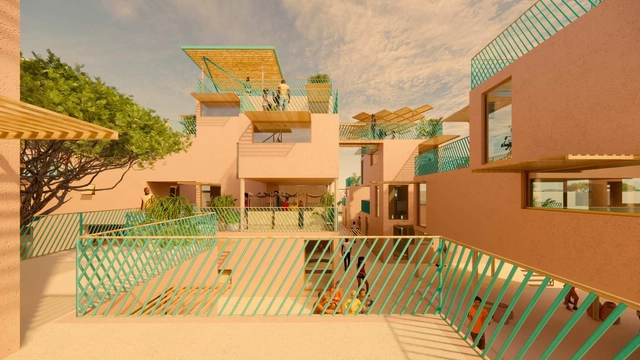
Render of affordable homes created out of plastic waste. Image Courtesy of Othalo
A lot of people around the world would agree that we are currently in a climate emergency. The IPCC report, released last year, makes for difficult reading. Practitioners in the built environment have taken to direct climate action, with organizations such as ACAN and Architects Declare fostering carbon literacy and calling for designers to re-evaluate how they practice.
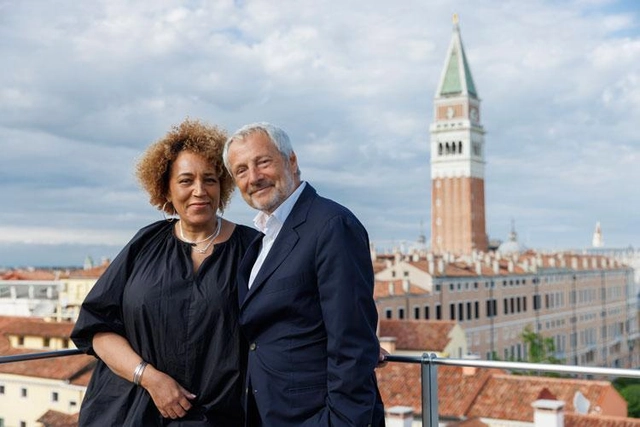
The President of La Biennale di Venezia, Roberto Cicutto, and the Curator of the 18th International Architecture Exhibition, Lesley Lokko by Jacopo Salvi. Image Courtesy of La Biennale di Venezia
Running from May 20th to November 26th, 2023 in the Giardini, at the Arsenale, and at various sites around Venice, the 18th International Architecture Exhibition will be titled: The Laboratory of the Future. Announced today by the President of La Biennale di Venezia, Roberto Cicutto, and the Curator of the exhibition, Lesley Lokko, the theme and title of this edition will consider the African continent as the protagonist of the future. “There is one place on this planet where all these questions of equity, race, hope, and fear converge and coalesce. Africa. At an anthropological level, we are all African. And what happens in Africa happens to us all”, explains Lokko.
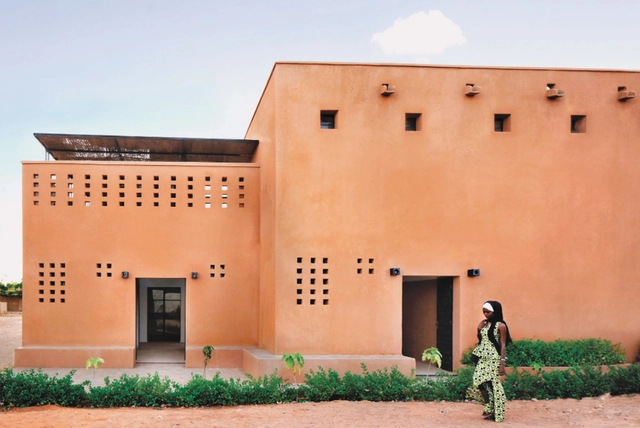
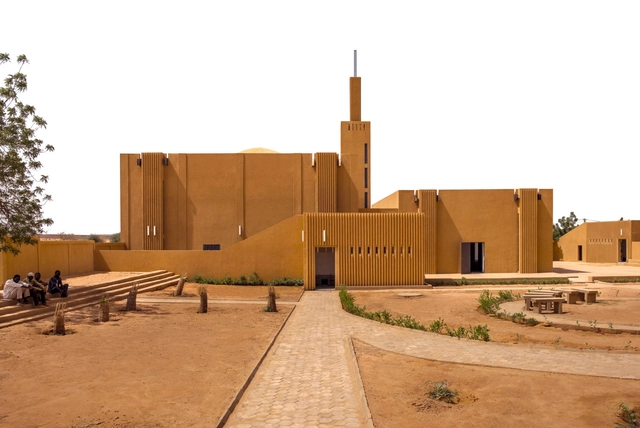
Architect Mariam Kamara—founder of Niamey, Niger-based firm Atelier Masōmī—is a contrarian of design pedagogy as it is largely practiced today. To Kamara, modern is not synonymous with European forms, architecture is not only for Westerners to define, and the so-called canon of great buildings actually ignores most of the built world. The Niger-based architect's rapidly growing practice informs a series of lectures she has delivered recently at MIT, Columbia University GSAPP, the African Futures Institute in Ghana, and Harvard GSD.
Videos
Background photograph courtesy of Charlie Hui, Viswerk. 2020
Led by architectural designers Khensani de Klerk and Solange Mbanefo, Matri-Archi is a collective based between Switzerland and South Africa that aims to bring African women together for the development of spatial education in African cities. Through design practice, writing, podcasts, and other initiatives, Matri-Archi — one of ArchDaily's Best New Practices of 2021 — focuses on the recognition and empowerment of women in the spatial field and architectural industry.
ArchDaily had the opportunity to talk to the co-directors of the collective on hegemonic space, informal architecture, technology, local idiosyncrasies, and the future of African and global cities. Read the full interview below.
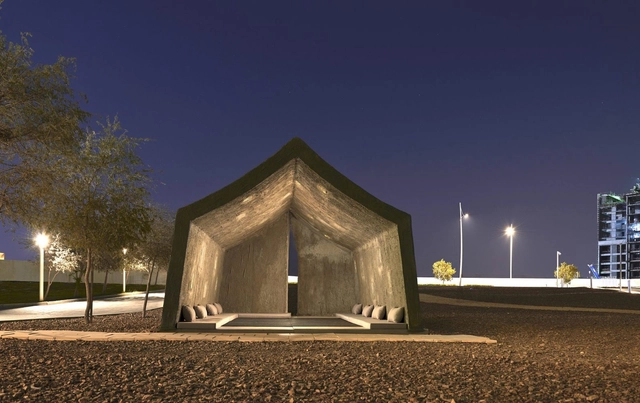
It’s a ubiquitous architectural form. An architectural typology that spans centuries and borders, a staple across cultures. The tent. In its simplest form – it’s a shelter, with material draped over a frame of poles. It’s an architectural language that is intrinsically linked to nomadic living. Yurts, for instance, functions as an easily portable dwelling for the Kazakh and Kyrgyz peoples. At the same time, tents have proved a popular stylistic precedent for architects, the lightweight structures of German architect Frei Paul Otto being a case in point. The tent is a complicated architectural language – one that straddles the line between temporary and permanent, and one that also functions as a symbol of wealth and a symbol of scarcity.
Compared to that of the West and East, awareness and knowledge of the architecture of sub-Saharan Africa—Africa south of the Sahara Desert—is scant. A new book intends to mitigate this oversight, and it’s a significant accomplishment. Architectural Guide Sub-Saharan Africa (DOM publishers, 2021), edited by Philipp Meuser, Adil Dalbai, and Livingstone Mukasa, was more than six years in the making. The seven-volume guide presents architecture in the continent’s 49 sub-Saharan nation-states, includes contributions by nearly 340 authors, 5,000 photos, more than 850 buildings, and 49 articles expressly devoted to theorizing African architecture in its social, economic, historical, and cultural context. I interviewed two of the editors—Adil Dalbai, an architectural researcher and practitioner specializing in sub-Saharan Africa, and Livingstone Mukasa, a native Ugandan architect interested in the intersections of architectural history and cultural anthropology—about the challenges of creating the guide, some of its revelations about the architecture of Africa, and its potential impact.
https://www.archdaily.com/979526/a-remarkably-comprehensive-new-guide-to-the-architecture-of-sub-saharan-africaMichael J. Crosbie
Meet 2022 Pritzker Architecture Prize winner, Francis Kéré, Burkina Faso-born black architect, in an interview about his architectural philosophy, with Louisiana Channel. As the official statement of the Pritzker Architecture Prize notes, “Through buildings that demonstrate beauty, modesty, and invention, and by the integrity of his architecture and geste, Kéré gracefully upholds the mission of this Prize”, continually “empowering and transforming communities through the process of architecture.”
The election of Kéré is not only symbolic in a time of identity demands, where the institutions that make up the mainstream are required to more faithfully represent the social, cultural, and sexual realities that make up our societies, but it also confirms the recent approach of the Pritzker Prize jury.














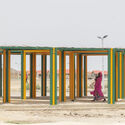
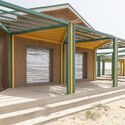
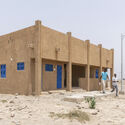






















.jpg?1648133923 "Burkina Institute of Technology (BIT) / Kéré Architecture. Image Courtesy of Francis Kéré")



.jpg?1647823485 "Gando Primary School Extension / Kéré Architecture. Image © Erik Jan Ouwerkerk")
.jpg?1647822667 "Serpentine Pavilion / Kéré Architecture. Image")
.jpg?1647822697 "Startup Lions Campus / Kéré Architecture. Image")
.jpg?1647823274)