1. ArchDaily
  2. Africa

Africa: The Latest Architecture and News

Holcim Foundation for Sustainable Construction Reveals 20 Winning Projects of the 2025 Holcim Awards

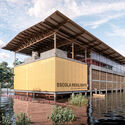
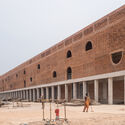
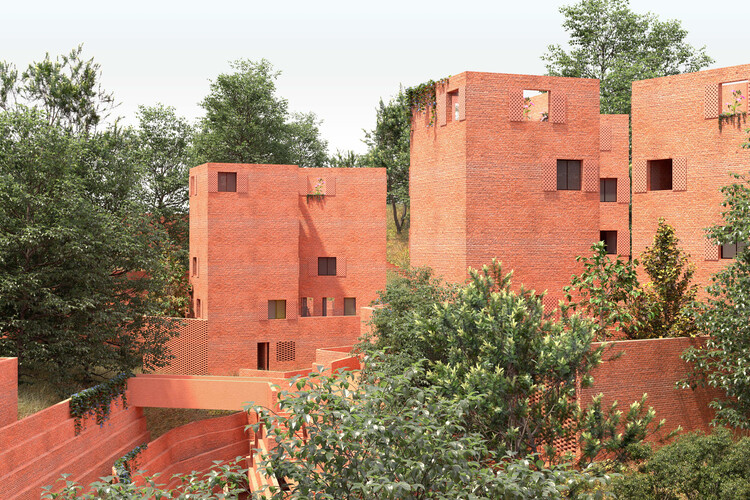
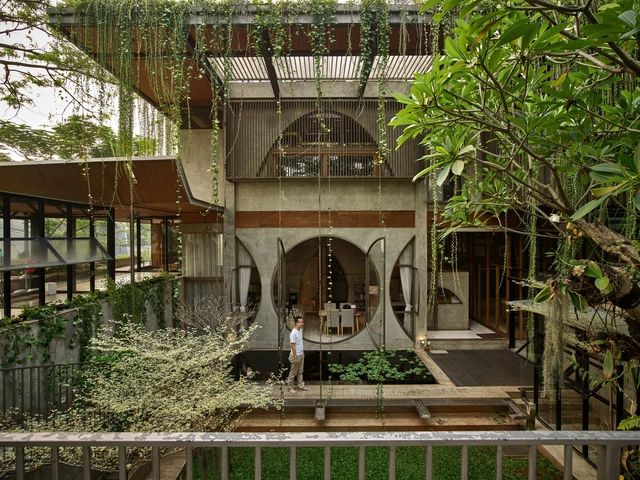
The Holcim Foundation for Sustainable Construction has announced the 20 winning projects of the 2025 Holcim Foundation Awards, recognizing contributions to sustainable design and construction across five regions: Asia Pacific, Europe, Latin America, the Middle East and Africa, and North America. This year's selection spans a broad range of scales, from a 200-square-meter semi-permanent school in a Kenyan forest to major urban regeneration initiatives in Madrid, Dhaka, and Shenzhen, reflecting the diversity and reach of sustainable architecture today. This year introduces a new Grand Prize format, replacing the traditional Gold, Silver, and Bronze rankings. Each region will now honor one Grand Prize winner, emphasizing excellence without comparison and acknowledging the diverse approaches to sustainability.

Holcim Foundation for Sustainable Construction Reveals 20 Winning Projects of the 2025 Holcim Awards - Image 1 of 4Holcim Foundation for Sustainable Construction Reveals 20 Winning Projects of the 2025 Holcim Awards - Image 2 of 4Holcim Foundation for Sustainable Construction Reveals 20 Winning Projects of the 2025 Holcim Awards - Image 3 of 4Holcim Foundation for Sustainable Construction Reveals 20 Winning Projects of the 2025 Holcim Awards - Image 4 of 4Holcim Foundation for Sustainable Construction Reveals 20 Winning Projects of the 2025 Holcim Awards - More Images+ 17

The Safari Lodge: An Overlooked Typology with Social and Environmental Potential

Subscriber Access | 

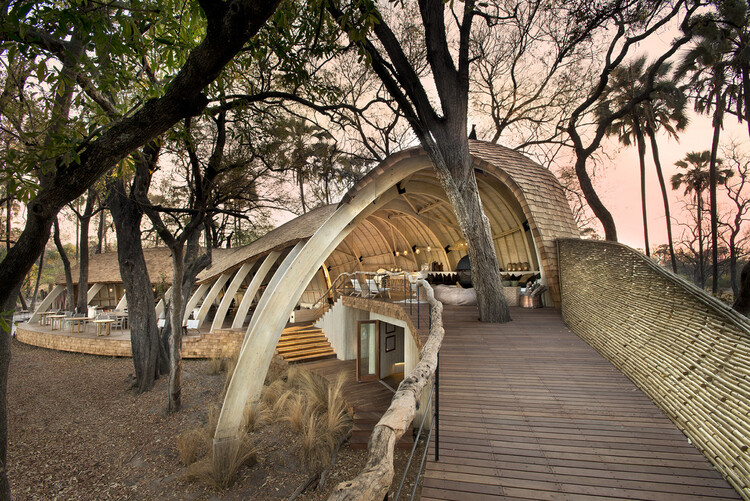
In Eastern and Southern Africa, safari lodges attract tourists from around the world wishing to witness the landscapes and fauna of the natural world. Usually situated in national parks and game reserves, their remote locations make for costly journeys and are therefore suitable for luxury stays. Often overlooked as an architectural typology, many lodges risk falling into the trap of being contextually insensitive or crudely mimicking vernacular building methods, resulting in pastiche. On the other hand, the safari lodge sits at the intersection of the man-made and natural worlds, bringing together rural dwellers and townfolk, wealth and poverty, wildlife and humans. Thus, it can be an opportunity to design with the highest social and environmental responsibility.

The Safari Lodge: An Overlooked Typology with Social and Environmental Potential - Image 1 of 4The Safari Lodge: An Overlooked Typology with Social and Environmental Potential - Image 2 of 4The Safari Lodge: An Overlooked Typology with Social and Environmental Potential - Image 3 of 4The Safari Lodge: An Overlooked Typology with Social and Environmental Potential - Image 4 of 4The Safari Lodge: An Overlooked Typology with Social and Environmental Potential - More Images+ 9

Reclaiming the Narrative: A New Generation of Museums in West Africa

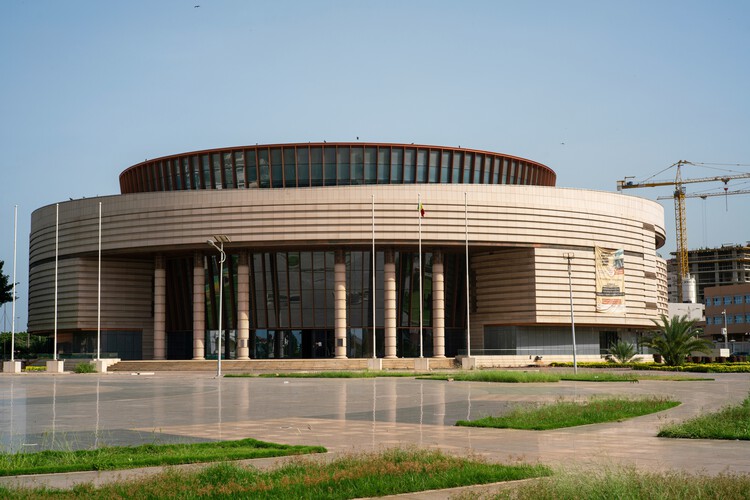
As countries in Africa emerged from colonialism in the mid-twentieth century, many expressed their independent identities through architecture. This process continues several decades later, exemplified by several new museums in West Africa, recently completed or in planning. Although varying in purpose and form, they have some common goals: addressing the need for restitution of many artifacts taken during colonialism and mostly kept in European museums; and defining a museum with local identity as opposed to a non-contextual import.

Reclaiming the Narrative: A New Generation of Museums in West Africa - Image 1 of 4Reclaiming the Narrative: A New Generation of Museums in West Africa - Image 2 of 4Reclaiming the Narrative: A New Generation of Museums in West Africa - Image 3 of 4Reclaiming the Narrative: A New Generation of Museums in West Africa - Image 4 of 4Reclaiming the Narrative: A New Generation of Museums in West Africa - More Images+ 12

Populous Completes Prince Moulay Abdellah Stadium in Rabat as Morocco’s New National Venue

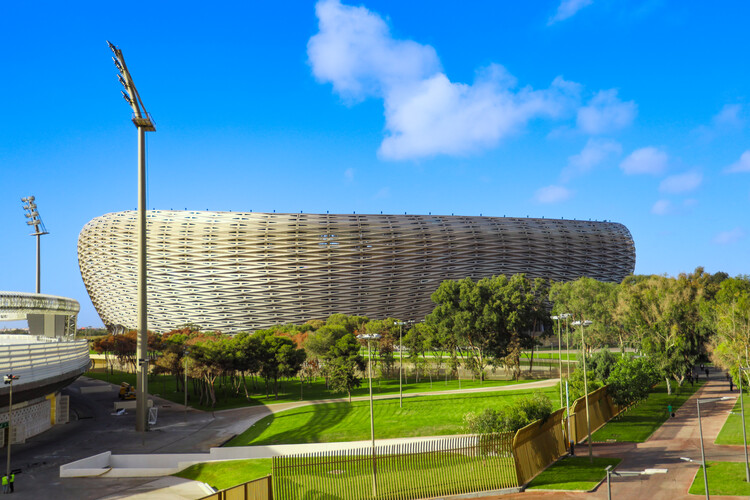
The Prince Moulay Abdellah Stadium in Rabat has officially opened as Morocco's new national stadium, following its inauguration by Crown Prince Moulay El Hassan on September 4, 2025. Designed by Populous, the stadium has a capacity of 68,700 and was developed under the direction of the National Agency for Public Facilities of Morocco to meet FIFA standards, enabling it to host matches up to the semi-finals of the 2030 FIFA World Cup. The redevelopment replaces the original 1983 stadium, positioning it as Morocco's flagship sports venue ahead of a series of international events.

Populous Completes Prince Moulay Abdellah Stadium in Rabat as Morocco’s New National Venue - Image 1 of 4Populous Completes Prince Moulay Abdellah Stadium in Rabat as Morocco’s New National Venue - Image 2 of 4Populous Completes Prince Moulay Abdellah Stadium in Rabat as Morocco’s New National Venue - Image 3 of 4Populous Completes Prince Moulay Abdellah Stadium in Rabat as Morocco’s New National Venue - Image 4 of 4Populous Completes Prince Moulay Abdellah Stadium in Rabat as Morocco’s New National Venue - More Images+ 3

UNESCO Adds 26 New World Heritage Sites Highlighting African Heritage and Shared Prehistory

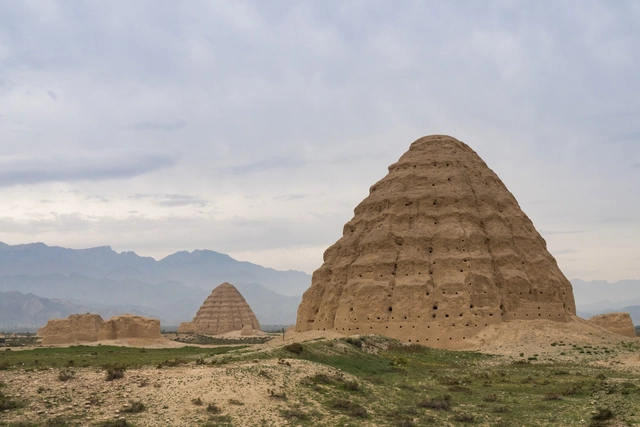
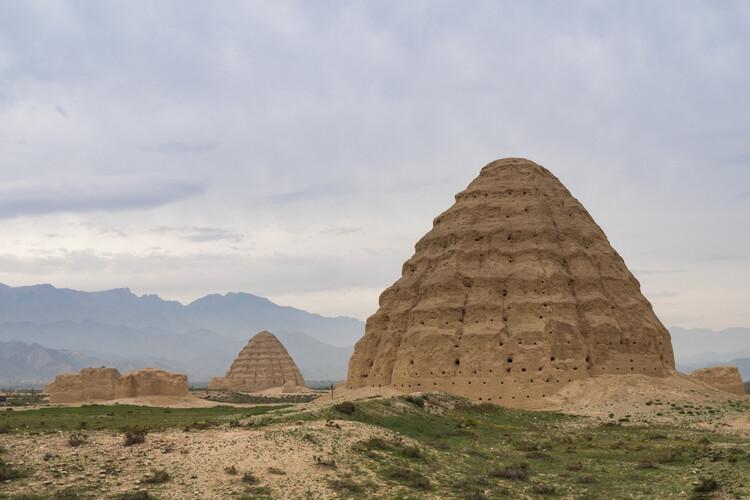
During the 47th session of the World Heritage Committee, held from July 6 to 16, 2025, at UNESCO Headquarters in Paris, France, 26 new properties were inscribed on the World Heritage List. In addition to examining new nominations, the Committee reviewed the conservation and management of existing sites, addressed the impact of climate change on heritage, and approved the extension of two existing sites to create new transboundary natural parks. According to UNESCO, the session placed the work of local communities at the center of safeguarding policies, reinforced efforts to preserve African heritage, and acknowledged the growing recognition of remembrance sites and the protection of humanity's shared prehistory. These 26 properties, located across 26 countries, now benefit from the highest level of international heritage protection.

UNESCO Adds 26 New World Heritage Sites Highlighting African Heritage and Shared Prehistory - Featured ImageUNESCO Adds 26 New World Heritage Sites Highlighting African Heritage and Shared Prehistory - Image 1 of 4UNESCO Adds 26 New World Heritage Sites Highlighting African Heritage and Shared Prehistory - Image 2 of 4UNESCO Adds 26 New World Heritage Sites Highlighting African Heritage and Shared Prehistory - Image 3 of 4UNESCO Adds 26 New World Heritage Sites Highlighting African Heritage and Shared Prehistory - More Images+ 1

Carlo Ratti Associati Presents New Cultural Center and Open-Air Stage in Addis Ababa, Ethiopia

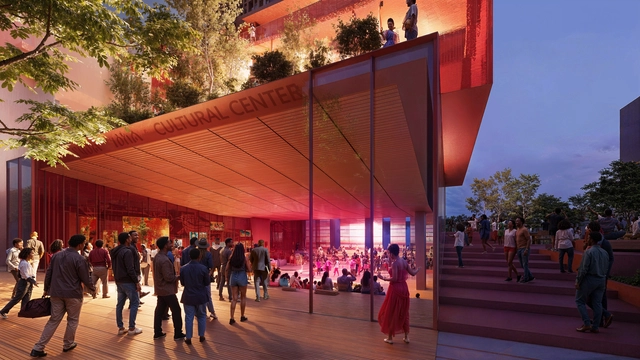
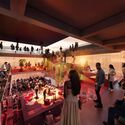
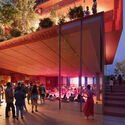
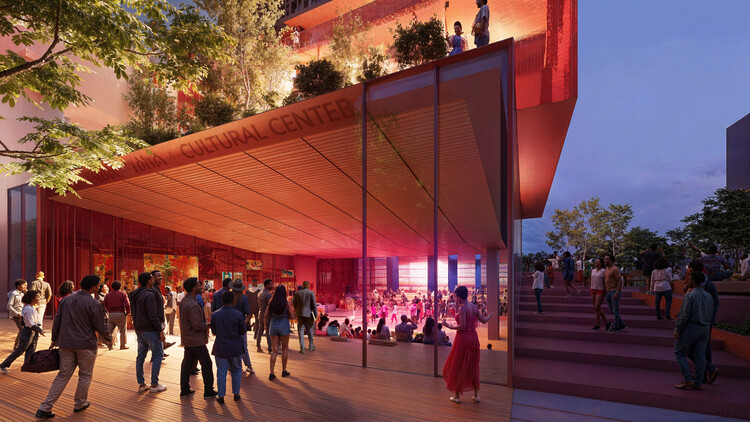
CRA-Carlo Ratti Associati has unveiled images of its design for a new cultural center in Addis Ababa, the capital of Ethiopia. The project is located in Kazanchis, a cultural, musical, and historic neighborhood currently undergoing transformation as part of a government-led urban renewal program focused on corridor development. This neighborhood was home to the traditional compound of the Fendika Cultural Center, a hub for Ethiopia's traditional and experimental arts, which was demolished on October 23, 2024, after the site was designated for redevelopment as part of the systematic clearing of the area. In recognition of Fendika's cultural significance, the Addis Ababa Municipality offered the institution the opportunity to remain on-site and rebuild in a way that aligned with the city's plans for the neighborhood. CRA's project responds to this context with an open stage and a four-story civic space.

Carlo Ratti Associati Presents New Cultural Center and Open-Air Stage in Addis Ababa, Ethiopia - Image 1 of 4Carlo Ratti Associati Presents New Cultural Center and Open-Air Stage in Addis Ababa, Ethiopia - Image 2 of 4Carlo Ratti Associati Presents New Cultural Center and Open-Air Stage in Addis Ababa, Ethiopia - Image 3 of 4Carlo Ratti Associati Presents New Cultural Center and Open-Air Stage in Addis Ababa, Ethiopia - Featured ImageCarlo Ratti Associati Presents New Cultural Center and Open-Air Stage in Addis Ababa, Ethiopia - More Images

Angola Introduces Large-Scale Concrete 3D-Printing to Address Housing Crisis

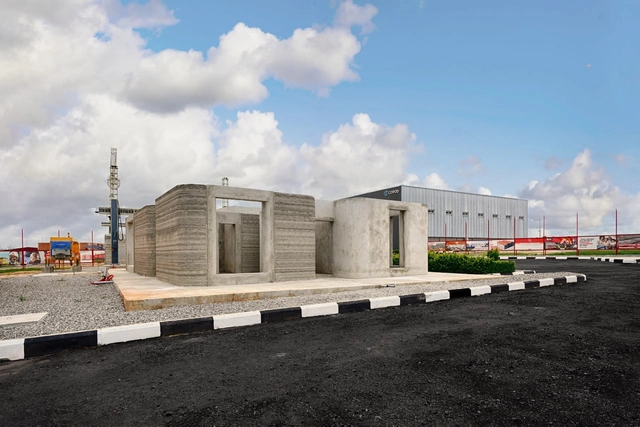
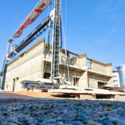
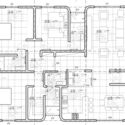
According to the World Bank, the Angola National Urbanization and Housing Program (PNUH), launched in 2008, aimed to build one million new housing units. However, by 2024, it had delivered only approximately 220,000. Power2Build, an Angolan construction startup, estimates the current housing deficit in Angola at around three million homes, with the situation particularly critical in Luanda, one of the fastest-growing cities on the African continent. With an entirely Angolan multidisciplinary team, Power2Build aims to contribute to reducing this deficit through the use of automated 3D concrete printing technology. Implemented on-site with large-scale construction printers from Danish company COBOD, the system is expected to accelerate construction timelines and improve building quality. Large-scale cement-based 3D printing eliminates the need for traditional molds by precisely placing or solidifying specific volumes of material in sequential layers using computer-controlled positioning. The process involves three key stages: data preparation, material preparation, and printing.

Angola Introduces Large-Scale Concrete 3D-Printing to Address Housing Crisis - Image 1 of 4Angola Introduces Large-Scale Concrete 3D-Printing to Address Housing Crisis - Image 2 of 4Angola Introduces Large-Scale Concrete 3D-Printing to Address Housing Crisis - Image 3 of 4Angola Introduces Large-Scale Concrete 3D-Printing to Address Housing Crisis - Image 4 of 4Angola Introduces Large-Scale Concrete 3D-Printing to Address Housing Crisis - More Images+ 13

Moroccan Pavilion at the Venice Architecture Biennale Showcases Earth as a Sustainable Building Material

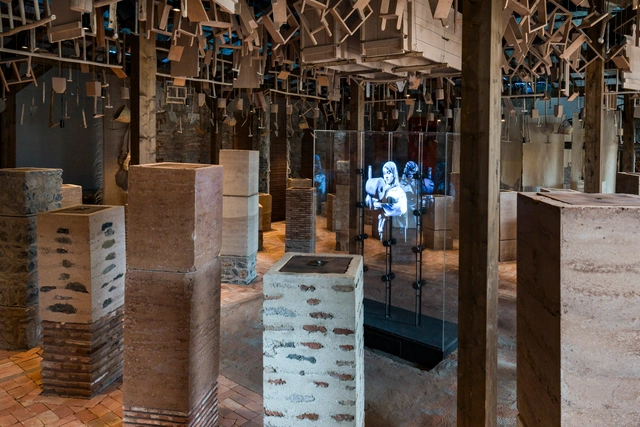
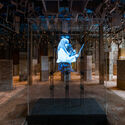
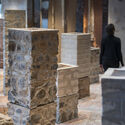
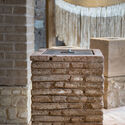
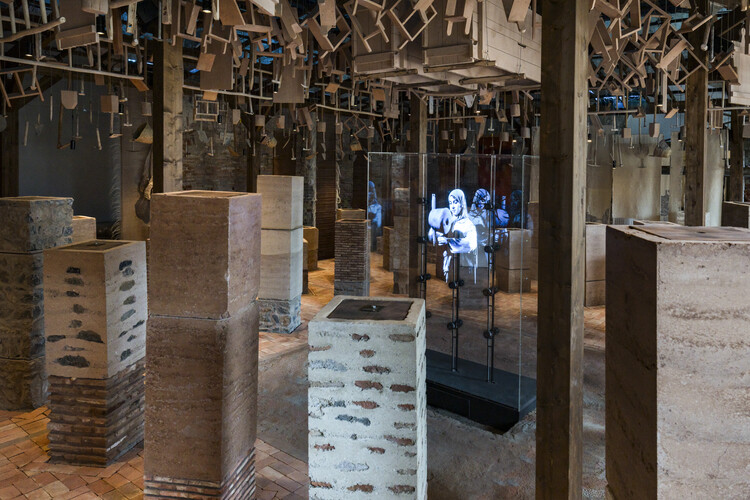
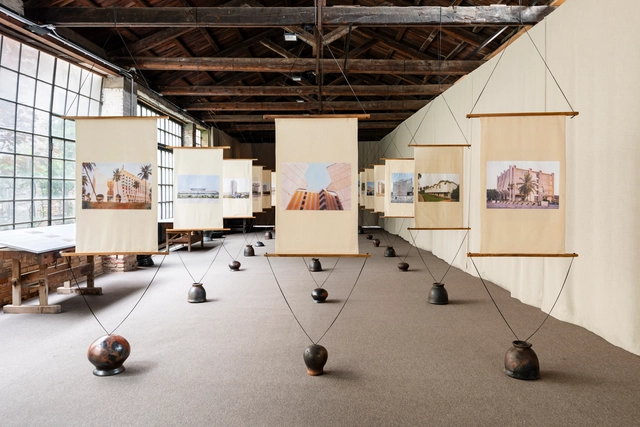
The Kingdom of Morocco's exhibition at the 19th International Architecture Exhibition – La Biennale di Venezia highlights Moroccan earth architecture and traditional construction techniques. The exhibition, titled Materiae Palimpsest, was curated by architects Khalil Morad El Ghilali and El Mehdi Belyasmine. In an exploration that blends ancient techniques with digital technologies, the exhibit features textile works by architect and artist Soumyia Jalal, along with holograms of artisans and tactile installations. The narrative presents earth as a renewable resource and sustainable material, and earth construction as a key to both preserving architectural heritage and addressing contemporary ecological and social challenges. Materiae Palimpsest offers an invitation to rethink architecture's current relationship with building materials, opening the way to locally rooted construction methods.

Moroccan Pavilion at the Venice Architecture Biennale Showcases Earth as a Sustainable Building Material - Image 1 of 4Moroccan Pavilion at the Venice Architecture Biennale Showcases Earth as a Sustainable Building Material - Image 2 of 4Moroccan Pavilion at the Venice Architecture Biennale Showcases Earth as a Sustainable Building Material - Image 3 of 4Moroccan Pavilion at the Venice Architecture Biennale Showcases Earth as a Sustainable Building Material - Image 4 of 4Moroccan Pavilion at the Venice Architecture Biennale Showcases Earth as a Sustainable Building Material - More Images+ 17

The Nubian Vault: Reviving Ancient Techniques for Modern Solutions

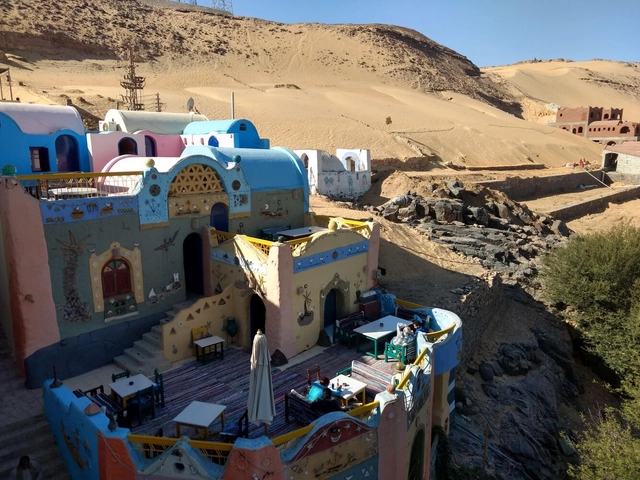
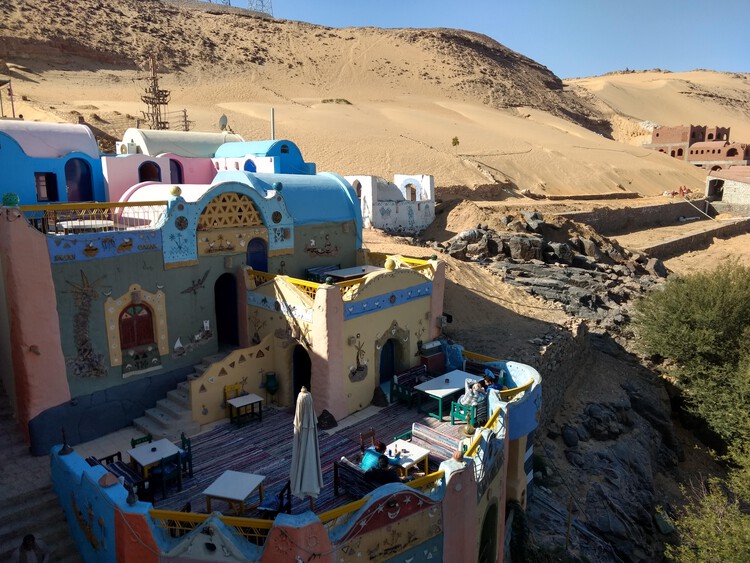
The colorful houses of Aswan in the south of modern-day Egypt attract tourists who venture that far up the River Nile. Accessed by small river boats, islands like Suheil West are the homes of Nubian communities, some of whom had had to relocate after the building of the Aswan High Dam in the 1960s. Behind the picturesque views of plastered walls covered in murals and motifs, perched on rocky hills overlooking the Nile, is a construction technique used locally for centuries. It uses locally sourced materials, conserves nature, and regulates internal temperatures against the heat in the day and the cold at night.

The Nubian Vault: Reviving Ancient Techniques for Modern Solutions - Image 1 of 4The Nubian Vault: Reviving Ancient Techniques for Modern Solutions - Image 2 of 4The Nubian Vault: Reviving Ancient Techniques for Modern Solutions - Image 3 of 4The Nubian Vault: Reviving Ancient Techniques for Modern Solutions - Image 4 of 4The Nubian Vault: Reviving Ancient Techniques for Modern Solutions - More Images+ 8

Sharjah Architecture Triennial 2026 Announces Theme to Rethink Civic Infrastructure for Collective Futures

The Sharjah Architecture Triennial has announced the theme for its upcoming edition: Architecture Otherwise: Building Civic Infrastructure for Collective Futures. Scheduled for November 2026, the event will unfold across the city and the Emirate of Sharjah, UAE, through site-specific installations, exhibitions, performances, workshops, and public programs. Positioned as a platform for architectural and urban exploration across West Asia, South Asia, and the African continent, the Triennial will combine practical and theoretical approaches to contemporary urban life. Conceived by its curators, Vyjayanthi Rao and Tau Tavengwa, SAT03 aims to explore how architecture can shape collective life in regions undergoing rapid urban transformation. Consequently, selected participants will take part in month-long residencies, embedding their work within the social and cultural fabric of Sharjah.

Sharjah Architecture Triennial 2026 Announces Theme to Rethink Civic Infrastructure for Collective Futures - Image 1 of 4Sharjah Architecture Triennial 2026 Announces Theme to Rethink Civic Infrastructure for Collective Futures - Image 2 of 4Sharjah Architecture Triennial 2026 Announces Theme to Rethink Civic Infrastructure for Collective Futures - Image 3 of 4Sharjah Architecture Triennial 2026 Announces Theme to Rethink Civic Infrastructure for Collective Futures - Image 4 of 4Sharjah Architecture Triennial 2026 Announces Theme to Rethink Civic Infrastructure for Collective Futures - More Images+ 4

Turning Water into Land: Major Landfill Projects Around the World

Subscriber Access | 

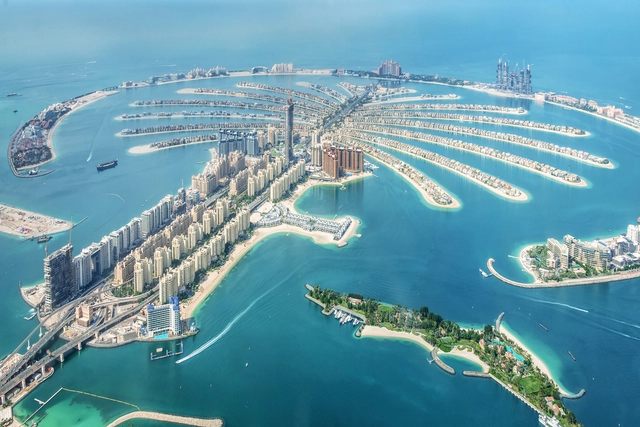
The idea of transforming water into land has captivated humanity for centuries. The Netherlands, for example, is a pioneering nation in this field, where approximately 20% of the territory has been reclaimed from the sea or lakes using dikes to control water flow and dry the surfaces. As technology has advanced, this practice has become more widespread. Today, China leads the way, joined by urban centers in the global south, such as cities in West Africa, East Asia, and the Middle East.

These megalomaniacal land reclamations are primarily undertaken in areas with extensive coastlines but insufficient landmass to meet their needs. In this regard, the newly reclaimed areas serve many purposes, ranging from the development of luxury residential complexes to an entertainment archipelago featuring hotels, restaurants, theaters, and shops.

Turning Water into Land: Major Landfill Projects Around the World - Image 1 of 4Turning Water into Land: Major Landfill Projects Around the World - Image 2 of 4Turning Water into Land: Major Landfill Projects Around the World - Image 3 of 4Turning Water into Land: Major Landfill Projects Around the World - Image 4 of 4Turning Water into Land: Major Landfill Projects Around the World - More Images+ 6

From Fragility to Resilience: Curating the Inaugural Pan-African Architecture Biennale

Subscriber Access | 

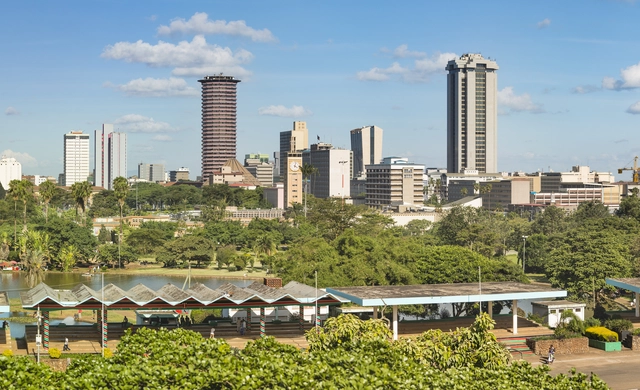
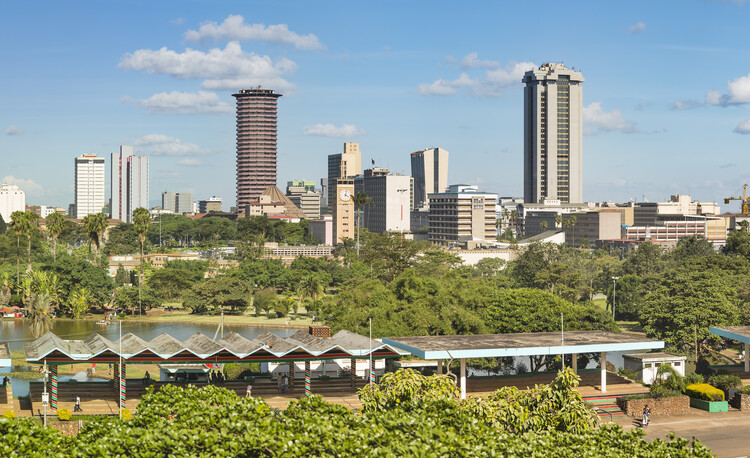
A Pan-African Biennale of Architecture is planned for 2026 in Nairobi, Kenya. According to the curator, it "represents an unprecedented opportunity to reclaim Africa's architectural narrative, reasserting the continent's role as a global leader in urban resilience, sustainability, and cultural expression."

Omar Degan, the curator in partnership with the Architectural Association of Kenya, is a practicing architect, professor, and teacher. He leads an architecture office known as DO Architecture Group, which was established between Italy and Somalia—two places deeply connected to his identity. His work focuses on what he describes as "fragile contexts" around the world, including areas affected by natural disasters, refugee camps, slum upgrades, and underserved neighborhoods.

From Fragility to Resilience: Curating the Inaugural Pan-African Architecture Biennale - Image 1 of 4From Fragility to Resilience: Curating the Inaugural Pan-African Architecture Biennale - Image 2 of 4From Fragility to Resilience: Curating the Inaugural Pan-African Architecture Biennale - Image 3 of 4From Fragility to Resilience: Curating the Inaugural Pan-African Architecture Biennale - Image 4 of 4From Fragility to Resilience: Curating the Inaugural Pan-African Architecture Biennale - More Images+ 5

Togo’s First Participation in the Venice Architecture Biennale Presents a Curated View of Its National Heritage

The Republic of Togo presents its first pavilion at the 19th International Architecture Exhibition – La Biennale di Venezia 2025 with a project titled Considering Togo's Architectural Heritage. The inaugural pavilion is curated by Studio NEiDA, an architecture and research practice co-founded by architect Jeanne Autran-Edorh and curator Fabiola Büchele. Based in Lomé and Berlin, the studio is dedicated to equitable design processes, applying an Afrocentric lens to contemporary architectural discourse. The exhibition, located at Venice's Squero Castello, explores Togo's architectural narratives from the early 20th century, focusing on themes of conservation and transformation.

Togo’s First Participation in the Venice Architecture Biennale Presents a Curated View of Its National Heritage - Image 1 of 4Togo’s First Participation in the Venice Architecture Biennale Presents a Curated View of Its National Heritage - Image 2 of 4Togo’s First Participation in the Venice Architecture Biennale Presents a Curated View of Its National Heritage - Image 3 of 4Togo’s First Participation in the Venice Architecture Biennale Presents a Curated View of Its National Heritage - Image 4 of 4Togo’s First Participation in the Venice Architecture Biennale Presents a Curated View of Its National Heritage - More Images+ 21

Lesley Lokko Launches Nomadic African Studio to Lead Architecture Workshops Across Africa

Lesley Lokko, the Scottish-Ghanaian architect, curator of the 18th Venice Architecture Biennale, and the first Black woman to receive the RIBA Royal Gold Medal, has recently launched Nomadic African Studio, an educational program for young architects. The initiative is organized by Lokko's African Futures Institute (AFI) and is inspired by her experience establishing the Biennale College Architettura in 2023, a program for graduate students, recent graduates, early-career academics, and emerging practitioners to explore new possibilities for architectural education, which has also been continued for the 2025 edition. Nomadic African Studio consists of a series of fully funded, month-long studios across the African continent, "basing locations on themes, rather than places." The first edition is set to begin in July 2025, in Fez, Morocco.

Lesley Lokko Launches Nomadic African Studio to Lead Architecture Workshops Across Africa - Image 1 of 4Lesley Lokko Launches Nomadic African Studio to Lead Architecture Workshops Across Africa - Image 2 of 4Lesley Lokko Launches Nomadic African Studio to Lead Architecture Workshops Across Africa - Image 3 of 4Lesley Lokko Launches Nomadic African Studio to Lead Architecture Workshops Across Africa - Image 4 of 4Lesley Lokko Launches Nomadic African Studio to Lead Architecture Workshops Across Africa - More Images+ 2

Abdelmoneim Mustafa: How the Father of Sudanese Modernism Navigated Modernity and Tradition, Progress and Decolonialism

Subscriber Access | 

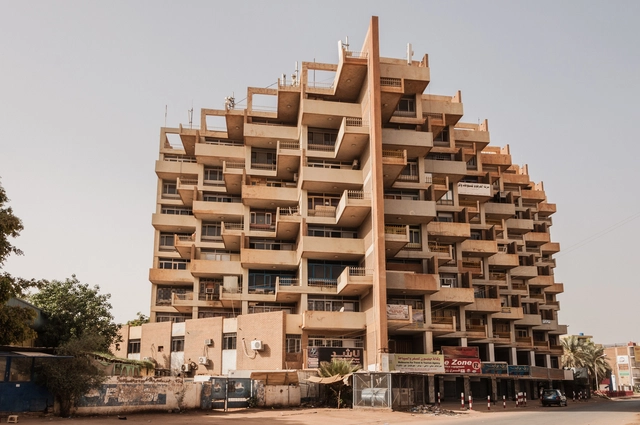
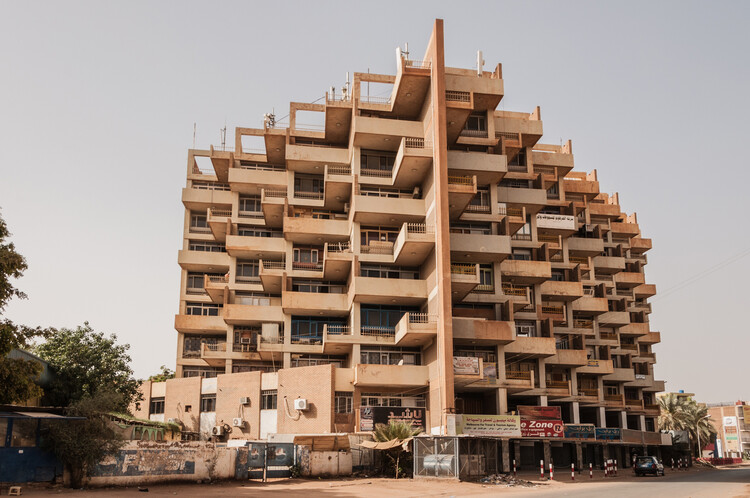
Little has been written about the work of Abdelmoneim Mustafa, one of the most respected architects in his homeland of Sudan and a pioneer in his profession in the mid-twentieth century. Esra Akcan, who made extensive research of his work with a team in Sudan during a small window of opportunity between 2019 and 2021, laments this lack of recognition thus, "How could someone as gifted as Moneim Mustafa… designer of some of the most exciting mid-century modernist buildings anywhere, be so neglected, so ignored out of Sudan, that to this day there is no internationally accessible publication in his name." Akcan's writings, coupled with the personal blog of Hashim Khalifa, who trained under Mustafa, shed light on his extensive legacy.

Abdelmoneim Mustafa: How the Father of Sudanese Modernism Navigated Modernity and Tradition, Progress and Decolonialism - Image 1 of 4Abdelmoneim Mustafa: How the Father of Sudanese Modernism Navigated Modernity and Tradition, Progress and Decolonialism - Image 2 of 4Abdelmoneim Mustafa: How the Father of Sudanese Modernism Navigated Modernity and Tradition, Progress and Decolonialism - Image 3 of 4Abdelmoneim Mustafa: How the Father of Sudanese Modernism Navigated Modernity and Tradition, Progress and Decolonialism - Image 4 of 4Abdelmoneim Mustafa: How the Father of Sudanese Modernism Navigated Modernity and Tradition, Progress and Decolonialism - More Images+ 17

Nigerian Architect Blossom Eromosele Designs Refugee Shelter Inspired by Traditional African Huts

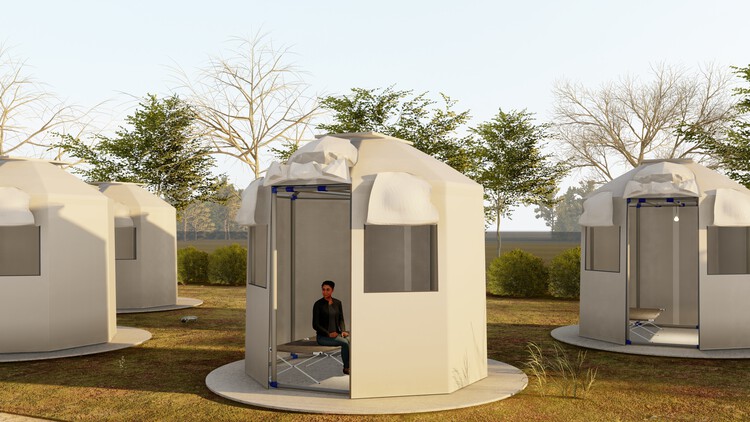
Nigerian-born architect Blossom Eromosele has developed AllSpace, a modular housing design inspired by traditional African architecture. The design was created as part of the Swarovski Foundation's fourth edition of the Creatives for Our Future global mentorship and grant program, developed in collaboration with the United Nations Office for Partnerships. Among the six selected projects, AllSpace seeks to respond to the current Nigerian refugee crisis with a low-cost, solar-powered housing solution for camps.

Nigerian Architect Blossom Eromosele Designs Refugee Shelter Inspired by Traditional African Huts - Featured ImageNigerian Architect Blossom Eromosele Designs Refugee Shelter Inspired by Traditional African Huts - Image 1 of 4Nigerian Architect Blossom Eromosele Designs Refugee Shelter Inspired by Traditional African Huts - Image 2 of 4Nigerian Architect Blossom Eromosele Designs Refugee Shelter Inspired by Traditional African Huts - Image 3 of 4Nigerian Architect Blossom Eromosele Designs Refugee Shelter Inspired by Traditional African Huts - More Images

Oshinowo Studio Reveals Design for New Commonwealth War Graves Memorial Honoring Sierra Leone’s WWI Carrier Corps

Lagos-based architects Oshinowo Studio have revealed a new memorial design commissioned by the Commonwealth War Graves Commission (CWGC) to honor the fallen of the Sierra Leone Carrier Corps during World War I. The design is an intervention into the existing Freetown Memorial, built in 1930 and designed by Sir Edwin Lutyens.

The existing podium, located outside the Secretariat Building in Freetown, commemorates soldiers of the First World War and later incorporated servicemen from the Second World War by removing a small mention of the men of the Carrier Corps, a removal this project seeks to address. Studio founder Tosin Oshinowo is the first woman and the first West African architect to design a memorial for the CWGC.

The Colonial Legacy of Concrete in the Global South

Subscriber Access | 

Concrete towers dominate the skylines of Asian and African cities - looming edifices embodying development. With access to the tools and materials of industrial modernity, the Global South steps onto the world stage showcasing its bounty. Yet, at the depths of rising ambitions, the construction material speaks to colonial legacies and extractive economics that result in power imbalances in the geopolitical sphere. A climate crisis on the horizon only intensifies the complicated relationship between building materials, sustainability demands, and sovereignty of many countries.


The Colonial Legacy of Concrete in the Global South - Image 1 of 4The Colonial Legacy of Concrete in the Global South - Image 2 of 4The Colonial Legacy of Concrete in the Global South - Image 3 of 4The Colonial Legacy of Concrete in the Global South - Image 4 of 4The Colonial Legacy of Concrete in the Global South - More Images+ 3