

Founded in 2006 in Copenhagen, Cobe Architects has become known for its focus on public life, urban transformation, and strategic master planning. From cultural buildings and public spaces to large-scale urban developments, the office has played a central role in shaping Copenhagen's contemporary identity, particularly through its work on harbor regeneration. Among these, the Nordhavn master plan stands out as one of Europe's most ambitious waterfront redevelopments. During the Copenhagen Architecture Biennial, ArchDaily's Editor-in-Chief, Christele Harrouk, met with Mads Birgens, Head of Urbanism at Cobe, at the firm's office in Nordhavn. In the conversation, Birgens reflected on the evolution of the project since the office first won the open international competition in 2008, and on the broader lessons of designing cities for proximity, diversity, and long-term adaptability.
affordable housing: The Latest Architecture and News
“It Takes a Lifetime to Build a City”: In Conversation With Mads Birgens From Cobe Architects


To Build Law: The CCA Documents HouseEurope!’s Campaign for Legal Change in European Architecture
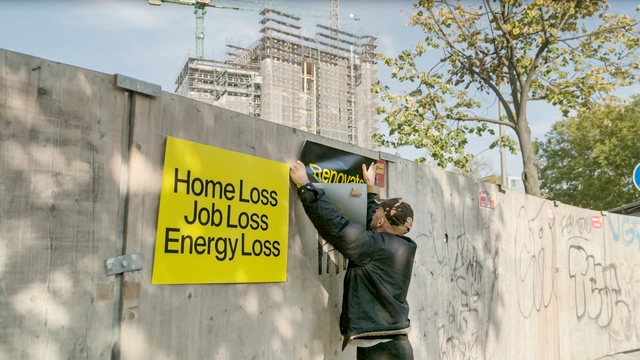
During 2024, the Canadian Centre for Architecture (CCA) launched a three-part documentary and exhibition series titled Groundwork, exploring alternative modes of practice in light of the current climate crisis. The process began with a series of studio visits in search of offices addressing substantial questions for contemporary architecture through practice, culminating in the selection of three projects: Xu Tiantian's "minimal intervention" museum on Meizhou Island, Carla Juaçaba's community pavilions in a coffee field in Minas Gerais, and bplus.xyz (b+)'s European Citizens' Initiative for a new legal framework to facilitate the renovation and transformation of existing buildings. The latter, HouseEurope!, was recently recognized as the winner of the seventh edition of the OBEL Award and was showcased at the international exhibition of the Venice Architecture Biennale 2025.





BIG and Dencityworks Design New Mixed-Use Waterfront Tower in Brooklyn, New York
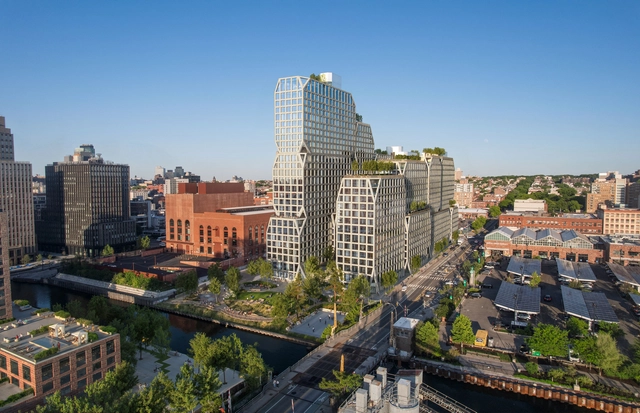
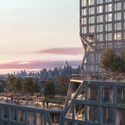
The proposed mixed-use tower at 175 Third Street is the fifth building planned across four sites within the Gowanus Wharf development in Brooklyn, New York. With views toward Manhattan and the Statue of Liberty, the 1,080,000 sq ft proposal includes affordable housing, retail and artist spaces, fitness areas, social and entertainment spaces, culminating in a rooftop with lounging zones and an outdoor pool. The project also envisions a 28,000-sq-ft public waterfront esplanade designed by Field Operations, intended to contribute to the ecological rehabilitation of the Gowanus Canal, continuing the broader transformation of this industrial neighborhood. Other project collaborators include dencityworks | architecture, AKRF, bucharest.studio, DeSimone, Ettinger Engineering Associates, Fried Frank, Hatfield Group, Impact Environmental, and Jenkins and Huntington.


Metal Façade Systems with Community Resonance: The Case of Africatown Plaza
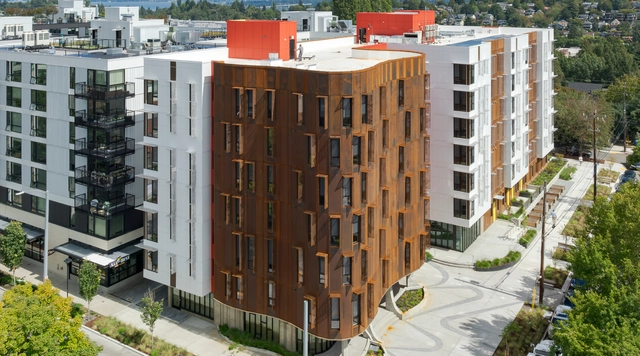
As urban neighborhoods continue to evolve, design plays a key role in shaping how buildings respond to urbanization, functional demands, and the character of their surroundings. Intertwined, these elements guide the transformation of urban life and influence how new developments engage with their context—a dynamic clearly visible in Seattle's Central District. Long considered a historic hub for the city's African American community, the Africatown Plaza project proposes a comprehensive approach that integrates architectural performance with community resonance, using the building envelope as a primary medium.
Gensler Announces Plans to Transform Times Square Office Tower into Housing in New York City
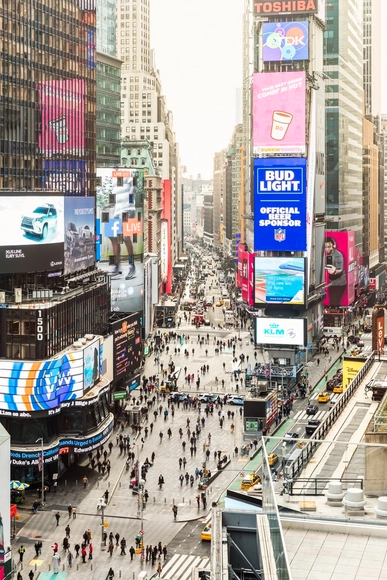
The Empire State Development (ESD) Board of Directors has approved a major office-to-residential conversion project at 5 Times Square, New York City, as announced by the New York state government. Originally built in 2002 as the headquarters for Ernst & Young, with Kohn Pedersen Fox (KPF) as the design architect, the building has been largely vacant since the corporation vacated the premises in 2022, with vacancy rates remaining around 75 percent. Gensler's proposal aims to repurpose this underutilized office space into a mixed-use complex, introducing up to 1,250 new homes, including 313 permanently affordable units.


The Promise of Accessibility: Can Modular Systems Contribute to Democratizing the Design Process?
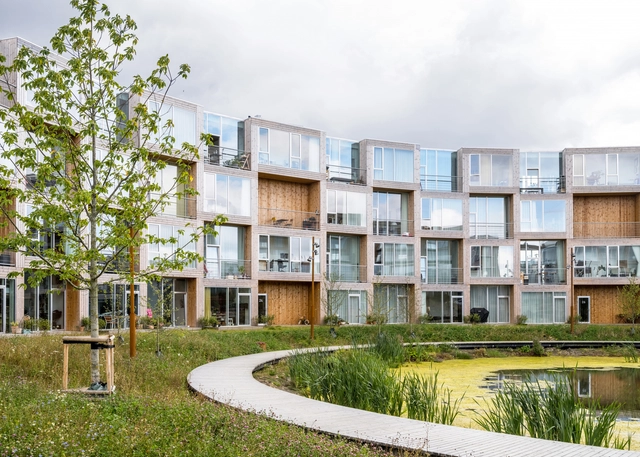
At the dawn of Modernism, in the fervent search for innovative, efficient, and cost-effective building systems, the idea of modular construction offered the promise of exactly that: an industrialized system comprised of ready-to-assemble elements, easily configured, cost-effective, and quality-controlled. While the idea did not gain as much traction as was initially expected, it has remained an attractive premise for architects and designers. Now, new developments in the field have led to a renewed interest in the matter, as modular housing emerges as an effective measure in various fields, from affordable housing to emergency shelters, or even as platforms for interdisciplinary collaboration, participation, and co-design. The following article explores this promise of accessibility, creativity, and affordability that has become an integral part of the debate around modular architecture.

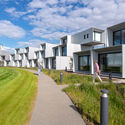

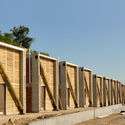

Unpolished Narratives: Exposed Materials in Latin American Affordable Housing
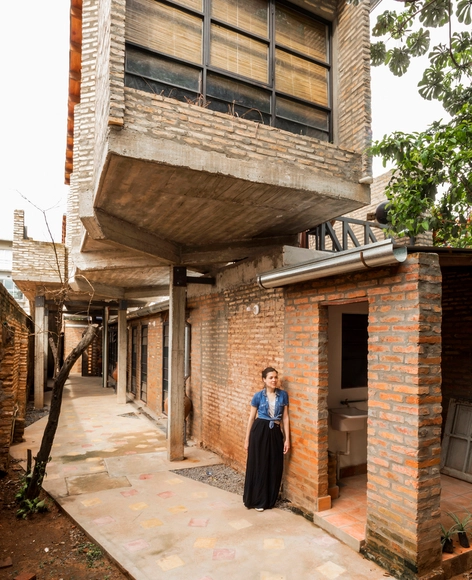
What makes a building architecture? The eternal debate over what distinguishes architecture from mere utilitarian construction has often included affordable and social housing as an influential topic, sparking different points of view. This question is particularly significant in the Latin American context, where unique conditions go beyond cost concerns, whether imposed or unavoidable. Limited access to financing, the prevalence of self-construction, and the spread of informal settlements are interconnected factors shaping the built environment. These dynamics foster an aesthetic that, for some, challenges notions of good architecture, manifesting in urban landscapes where exposed materials become a defining feature.
The Austrian Pavilion at the 2025 Venice Architecture Biennale to Focus on Migration and Affordable Housing
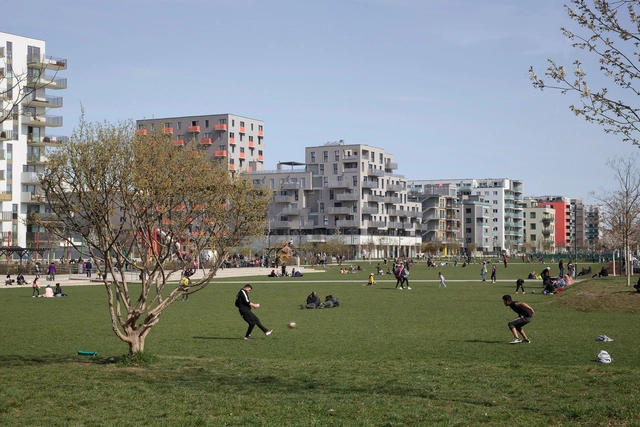
What defines good housing and a good living environment? What political framework is needed to create them? How can we design socially equitable, affordable housing? And what strategies lead to the best results? These are the questions guiding Lorenzo Romito, Sabine Pollak, and Michael Obrist's proposal for the Austrian Pavilion at the Venice Architecture Biennale 2025. The building, designed by Josef Hoffmann and inaugurated in 1934, will become an interactive space with the opening of the "Agency for Better Living", an exhibition dedicated to exploring the new political dimension of the fundamental right to housing. The proposal takes as its starting point a comparison of social housing models in Vienna and Rome, creating a space for sharing ideas on better living for all.


Redefining Urban Domesticity: How SO-IL Transforms the Concept of Home
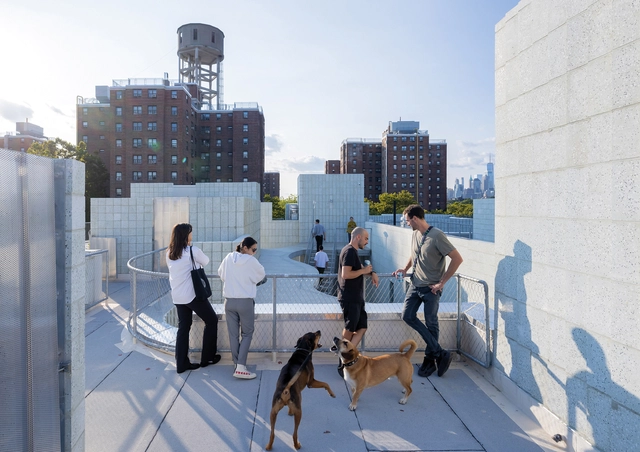
SO-IL (Solid Objectives – Idenburg Liu) is an architectural design firm based in Brooklyn, New York, founded in 2008 by Florian Idenburg and Jing Liu. Known for an architecture deeply engaged with social, cultural, and environmental contexts, the studio focuses on exploring innovative materials, creating fluid spatial experiences, and prioritizing ecological sustainability. SO-IL's work spans various scales and program types, reflecting their versatile approach to design. In 2024, their housing project 450 Warren in Brooklyn was selected as ArchDaily's Building of the Year by the audience in the housing category.
In their latest book, In Depth: Urban Domesticities Today, SO-IL explores the evolving concept of home in contemporary urban contexts, transforming it "from a source of vulnerability into a tool for empowerment." The book redefines domesticity as an active and shared experience and examines how architects can address pressing urban challenges such as affordability, density, and sustainability. SO-IL's work advocates for flexible, resilient housing that fosters community while integrating ecological and social dimensions. ArchDaily spoke with the architects about the innovative solutions and ideas presented in the book, delving into how their projects challenge conventional systems and envision a future where architecture is a tool for empowerment.


Social Modern Housing in Spain: Addressing the Crisis with Adaptable and Sustainable Solutions
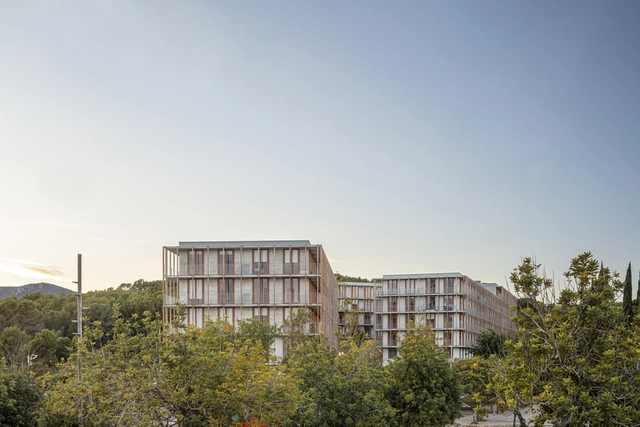
The housing crisis, the need for effective land management policies, and the growing demand for housing aid are global challenges, and Spain has taken significant steps to address these issues in recent years. While this effort is closely tied to rehabilitating obsolete buildings, it also tackles the challenges of densification and gentrification. These factors have prompted the exploration of new housing models and ways of living, leading to the development of affordable residential buildings designed to accommodate large numbers of inhabitants while maintaining high-quality living standards.


Maximized Density: How Co-Living Spaces Do More with Less
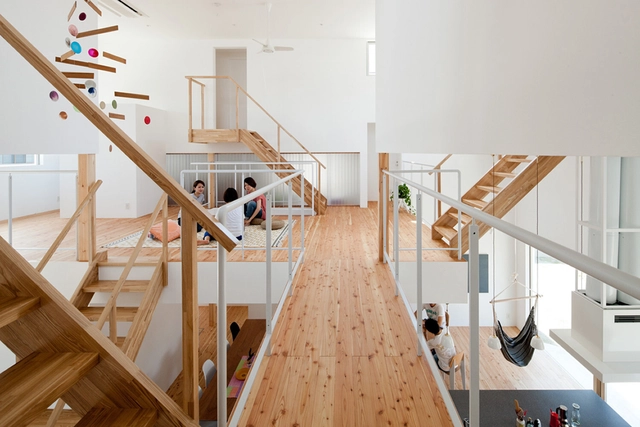
Rising populations and soaring real estate prices pose significant challenged to urban housing. In a desperate hunt for affordable living options, communal co-living spaces have emerged as a creative solution, offering quality living conditions through clever space optimization strategies. By implementing innovative design techniques, these shared living communities maximize every square foot to create functional spaces within compact footprints.


Perkins&Will Leads Revitalization of Louisiana’s Transformative Urban Corridor in United States
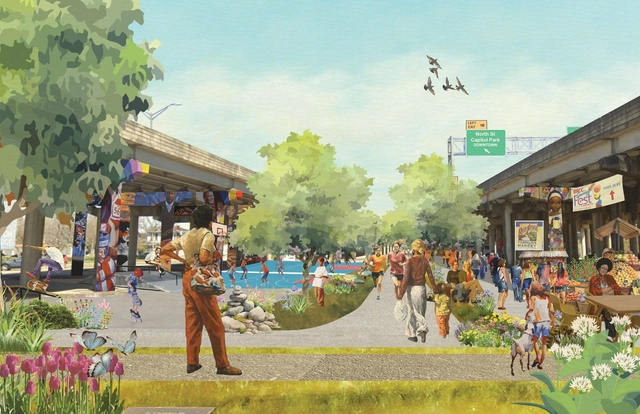
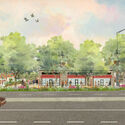
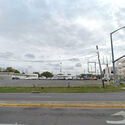
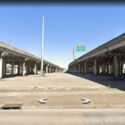
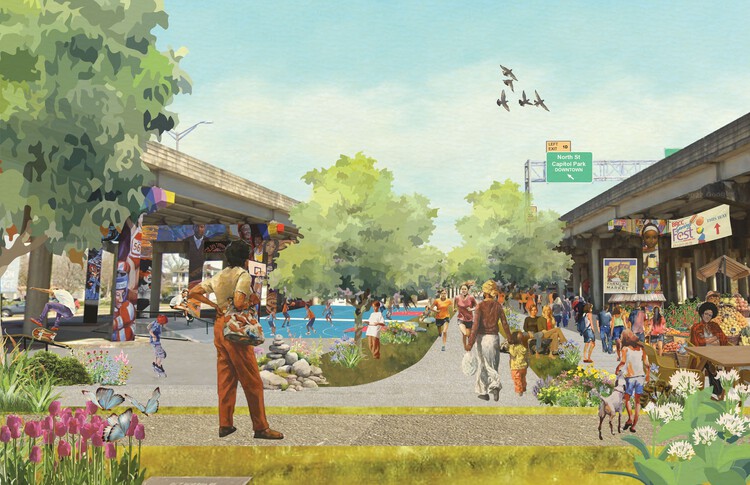
Global design firm Perkins&Will has just announced final plans have been approved for the Florida Corridor Plan in Baton Rouge, Louisiana, on which the firm is the leading planner and urban designer. This initiative, recently approved by the East Baton Rouge Metropolitan Council, aims to transform and rejuvenate a 12-mile stretch connecting downtown Baton Rouge to the Livingston Parish line.

From Modernism to Multiculturalism: The Historical Evolution of Student Housing
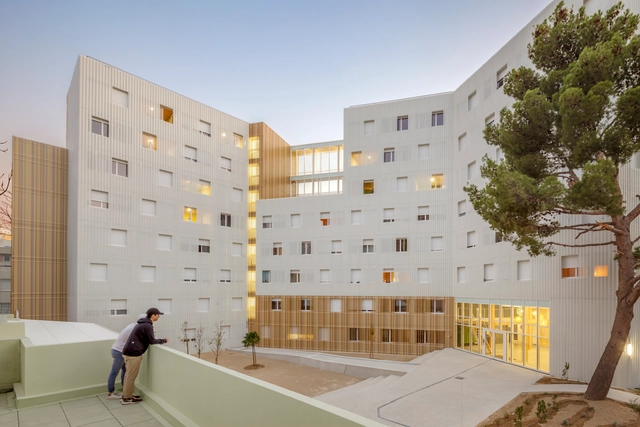
Student housing has undergone a remarkable transformation over the last century. Once seen as a utilitarian necessity, providing shelter and basic amenities for students, this architectural typology has evolved to address increasingly complex societal, cultural, and urban demands. Starting with Le Corbusier's modernist approach at the Cité Universitaire in Paris, student housing has reflected broader trends in architecture, urbanism, and social change.
Today, these buildings must cater to a highly diverse and transient population, navigating the pressures of affordability, density, and the evolving living standards of young adults. With rapid urbanization and increasing student mobility, universities now face the challenge of designing housing that is not only functional but also adaptable to different cultural and social contexts. This has led to more flexible, innovative solutions that promote both privacy and community living.


World Cities Day 2024: Transforming Urban Futures Through Preservation, Innovation, and Resilience
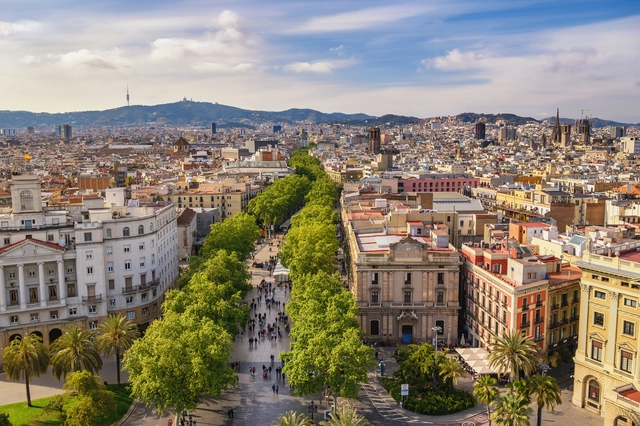
In honor of World Cities Day, which concludes Urban October, this year's theme, "Youth Leading Climate and Local Action for Cities," reflects a growing momentum for sustainable urban solutions championed by local communities and progressive policies. Around the world, cities face intensified demands for resilience, preservation, and innovation as they address challenges from the climate crisis to cultural heritage conservation. These initiatives illustrate a global trend in urban planning, where sustainability, adaptability, and inclusive community priorities take center stage.
In this roundup, ArchDaily consolidates this year's transformative updates in cities worldwide, organized into thematic clusters that capture the evolving nature of urban design and policy in 2024. Projects like the extensive renovations of Barcelona's La Rambla and the preservation efforts around Chicago's historic skyscrapers highlight preservation of urban heritage, while initiatives in Venice and Los Angeles respond to overtourism and housing pressures, balancing livability with growth. Meanwhile, ambitious master plans have been announced, including the revitalization of industrial sites in Tallinn and Connecticut, reflect how cities are reimagining their urban fabric. Finally, post-disaster rebuilding in Kharkiv and Türkiye underscores the urgency of resilience-driven design, ensuring that cities can endure and evolve even in challenging times. Together, these updates offer a glimpse into the global forces reshaping urban landscapes
By Residents for Residents: What is the Baugruppe System?
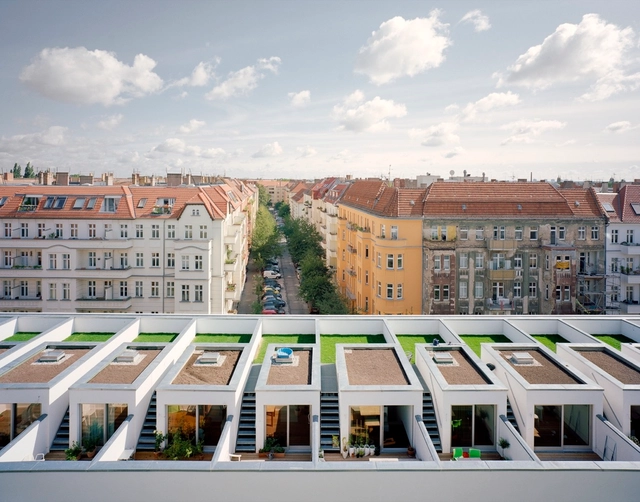
Designing a typical residential building rarely involves its future residents. Often created by property developers in response to predefined market demands, the projects are rarely optimized for livability. An emerging development system that began in Germany aims to change this dynamic and reposition the residents at the core of the new housing developments. The Baugruppe system, German for "building group," proposes an alternative approach to housing that allows groups of individuals to come together to design and construct their residential spaces, bypassing traditional developers to create personalized and sustainable living environments.



Designing with Empathy: Architecture for Social Equity
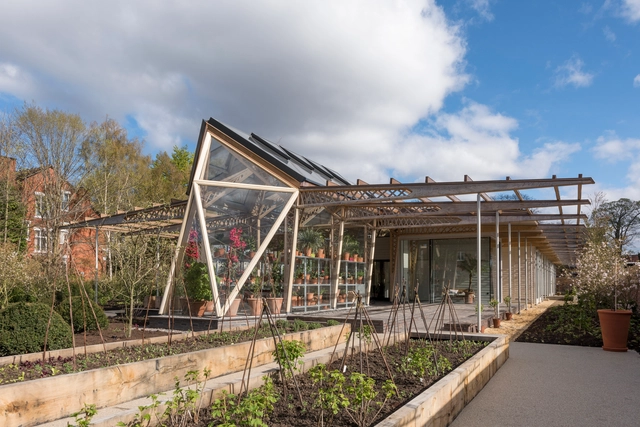
Architecture has long been understood as a powerful tool for shaping the physical environment and social dynamics within it. However, its potential to foster social equity is often overlooked. Empathy-driven design invites architects to approach their work not only as creators of space but as facilitators of human connection and community well-being. This approach centers on understanding people's lived experiences, struggles, and aspirations — particularly marginalized communities — and responding to their needs through thoughtful, inclusive architecture. It goes beyond aesthetics and functionality, instead focusing on creating spaces fostering dignity, accessibility, and social equity. By prioritizing empathy, architects can design environments that uplift communities, address disparities, and create inclusive spaces that promote positive societal change in a tangible, human-centered way.



SOM and Weiss/Manfredi Break Ground on New Campus for the New Jersey Performing Arts Center
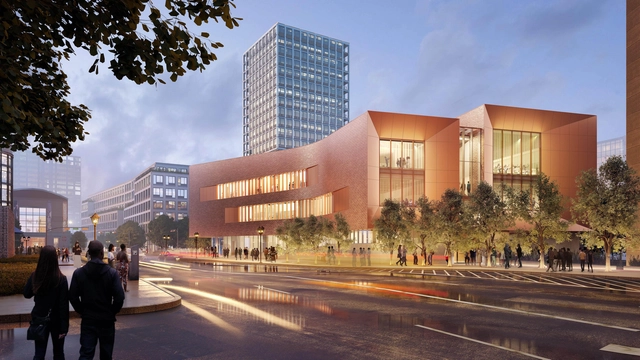
The New Jersey Performing Arts Center (NJPAC) has announced a three-year redevelopment of its 2-acre downtown Newark campus. The project, designed by architectural firms Skidmore, Owings & Merrill (SOM), and Weiss/Manfredi, has recently broken ground and is scheduled for completion in the fall of 2027. It integrates 350 mixed-income residential units, retail spaces, and a dynamic education and community center, in addition to rehearsal spaces, a new headquarters for jazz public radio station WBGO, and various outdoor gathering areas.
“Make Universal Unique”: WoHo Systems' Approach to Prefabrication, Sustainability, and Adaptable Design
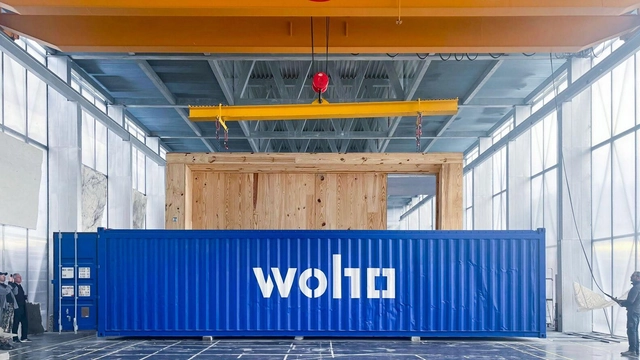
Contemporary challenges and technological developments inevitably trigger changes in how we design and build our cities. The traditional construction industry suffers from inefficiencies that render methods slow, expensive, or harmful to the environment. Excessive material waste and lengthy build times pose significant challenges to built environment professionals, calling attention to the complexity and rigidity of conventional construction processes. The optimization of time and physical resources in construction calls for innovative methods that enhance efficiency.
In an industry where innovation often moves with the eagerness of setting mortar, WoHo Systems, one of ArchDaily's 2024 Best New Practices, has emerged as a disruptor aiming to address global sustainability and housing affordability issues. Born from the experimental roots of Ensamble Studio, this architectural startup wields prefabrication and sustainability as core pillars to redefine construction norms and deliver adaptable building solutions. Their solutions aim to speed up and simplify the construction process, as well as reduce costs and minimize environmental impact.


