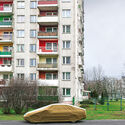
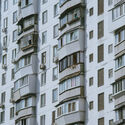
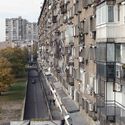
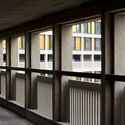
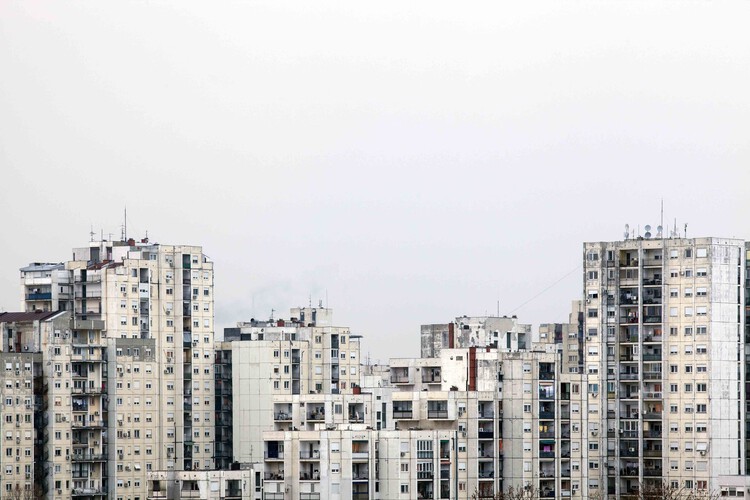
A housing block in New Belgrade appears orderly from a distance. Concrete slabs repeat with disciplined consistency, windows align into measured grids, and balconies stack with the confidence of a system certain of itself. However, proximity changes the reading. One balcony is enclosed in aluminum glazing, another softened with improvised shading. Insulation thickens part of a façade while laundry frames another edge like an accidental elevation study. The district still reads as planned, though occupation has made its order less uniform. Within that order, repetition has gradually been rewritten through occupation.
How can the most structured elements in architecture give rise to unplanned forms of everyday life? "Spontaneous order" describes how structured systems can generate unplanned but coherent patterns of behavior. In urban discourse, it is often used to describe cities: frameworks of streets, plots, and buildings that are designed, while everyday life is not. Movement, encounters, routines, and informal uses emerge from simple spatial rules rather than explicit programming. In cities, this is visible in how sidewalks, stations, and thresholds operate. The structure is fixed, but the social order is fluid, setting conditions for behavior rather than defining it.
A similar logic can be observed in architectural micro-infrastructures such as locker systems. Like cities, lockers rely on structured frameworks that do not prescribe how life unfolds within them. A locker system is highly controlled in architectural terms: repetitive modules, strict grids, standardized dimensions, controlled access. Yet once in use, it produces spontaneous behaviors. People pause in corridors, return at irregular times, linger near locker zones, or briefly interact with others doing the same. What appears to be a strictly infrastructural storage system begins to generate informal social and spatial behavior.
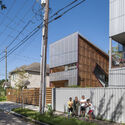
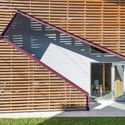
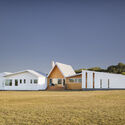
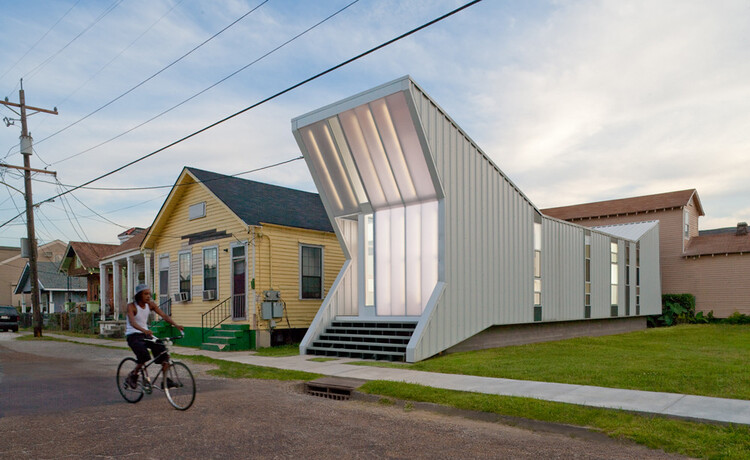
Emerging in port cities and working-class neighborhoods throughout the nineteenth century, the shotgun house became a durable response to density, climate, and constrained urban parcels, becoming one of the defining domestic forms of the Southern United States. Its narrow footprint, sequential plan, and deeply shaded porches produced a spatial logic that was economical and environmentally responsive before either term became central to architectural discourse. From New Orleans and Mobile to Houston and Louisville, shotgun houses formed the physical fabric of neighborhoods shaped by migration, labor, community, and cultural life. Though often dismissed as ordinary, vernacular construction, the housing typology has long embodied sophisticated ideas about climate adaptation, social adjacency, and incremental urban growth, making it one of the most influential domestic forms in the history of the American city.
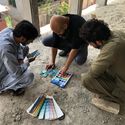
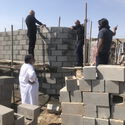
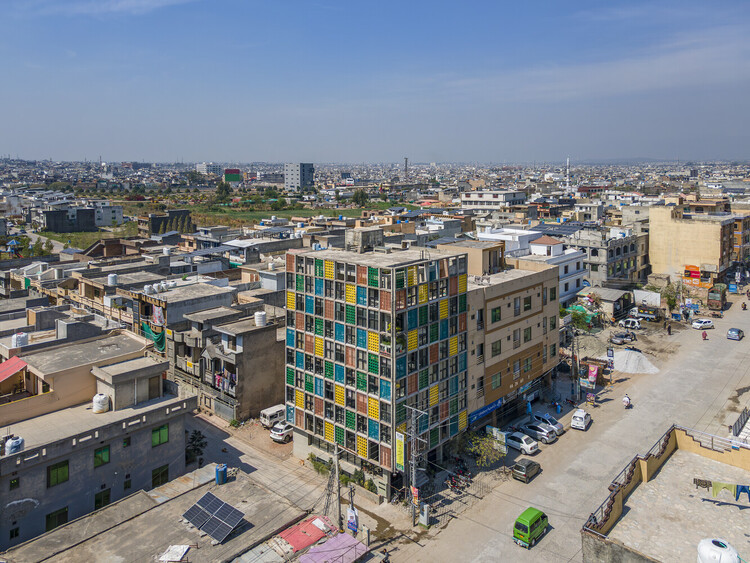
For DB Studios, architecture is not only about building, but about belonging. It is about creating a situated practice, one that responds to its context, its people, and its local identity, expressed through materials, color, and spatial decisions. In this sense, design becomes a way of articulating a language rooted in its context and shaped by the people it serves.
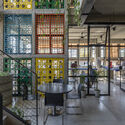
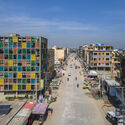
This position becomes especially evident in Vision Pakistan, a project by DB Studios recently recognized with the 2025 Aga Khan Award for Architecture. Beyond recognizing the project's architectural qualities, the award highlights a broader commitment: creating a supportive environment for underprivileged youth in which education, vocational training, and spatial design work together to foster independence and social mobility. Through its form, façade, and interior organization, the building responds closely to its context, reinforcing a sense of ownership among its users while fostering pride in the surrounding community and among emerging local practitioners.
In the nineteenth century, entire railway networks became obsolete almost overnight, not due to physical deterioration, but because of changes in the technical standards that supported them. The expansion of railroads across Europe and North America adopted different track gauges (the transverse distance between rails), and as a dominant standard gradually emerged, these infrastructures became incompatible with one another. This required large-scale adaptations, conversions, or even complete reconstruction, in what became known as the "Gauge War."
With the mass adoption of telecommunications networks in the twentieth century, cities around the world built large telephone exchange buildings filled with electromechanical equipment responsible for routing calls between regions. These structures were highly specialized pieces of infrastructure, often occupying entire city blocks and organized around large-scale technical machinery. With the transition to digital switching technologies and, later, the widespread adoption of mobile telephony, much of this equipment became obsolete within a few decades. The buildings themselves often remained structurally sound, but the systems they were designed to support had already evolved beyond them.
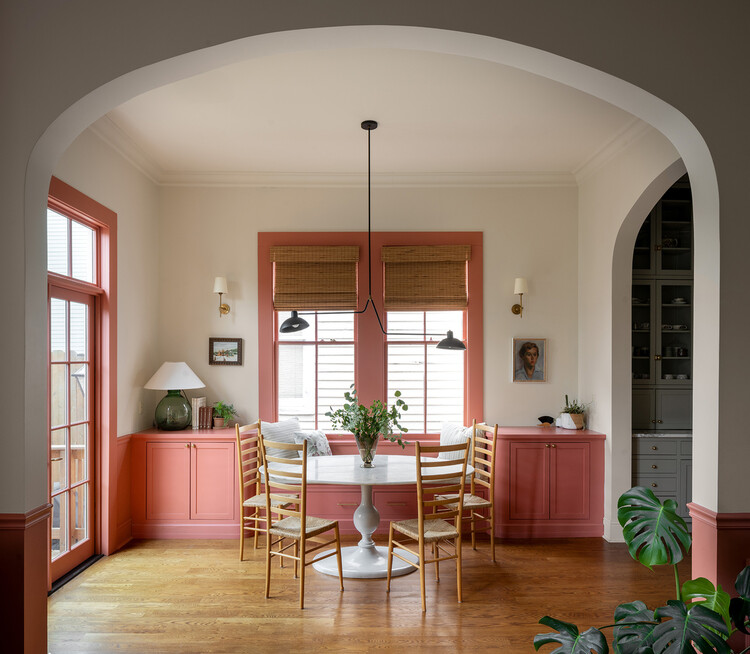
Breakfast nooks emerged in the early twentieth century in response to increasing domestic density and shifting ideas about everyday life. Rooted in the American Arts and Crafts movement and popularized through bungalow housing of the 1910s and 1920s, they evolved from the more formal Victorian breakfast room into compact, built-in spaces embedded within the kitchen. As houses grew smaller and more economical, architects and millwork companies used fixed benches and tables to occupy corners, alcoves, and bay windows that might otherwise be inefficient. These light-filled enclosures provided an affordable means of concentrating daily activities while preserving comfort and spatial clarity.
Having explored adaptability at the city scale, we are now zooming in on the building itself—and, crucially, on practice. How can architects, developers, and consultants embed adaptability as a measurable, mainstream outcome? This question will be on the agenda at the Adaptable Building Conference (ABC) on January 22 at the Nieuwe Instituut in Rotterdam, where architects, engineers, policymakers, and industry leaders will explore the potential of adaptable buildings—and how to deliver them at scale.
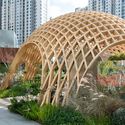
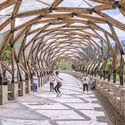
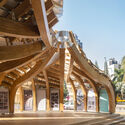
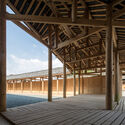
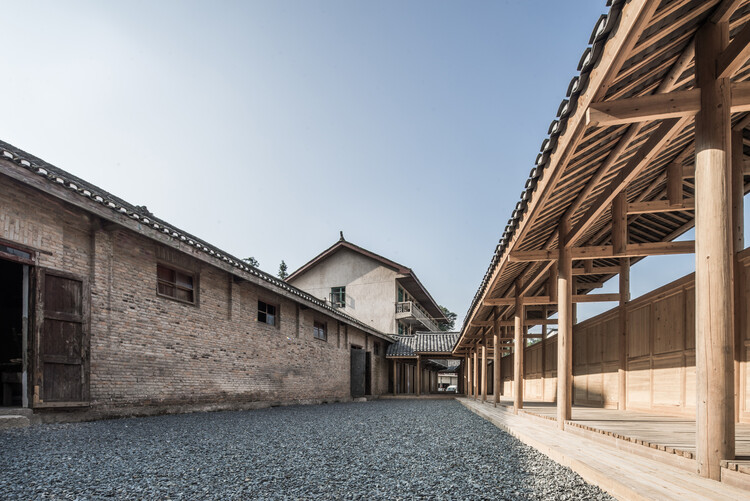
In much of China, concrete remains the dominant construction material. Despite growing concerns over its environmental impact, concrete continues to align with the priorities of many developers and clients—it is fast, cost-effective, and highly durable. As a result, most building types in China still rely heavily on concrete. This reliance is further reinforced by China's position as the world's largest producer of Portland cement. A deeply entrenched supply chain, rooted in raw material manufacturing and economic infrastructure, ensures that concrete remains the default choice in the construction industry.
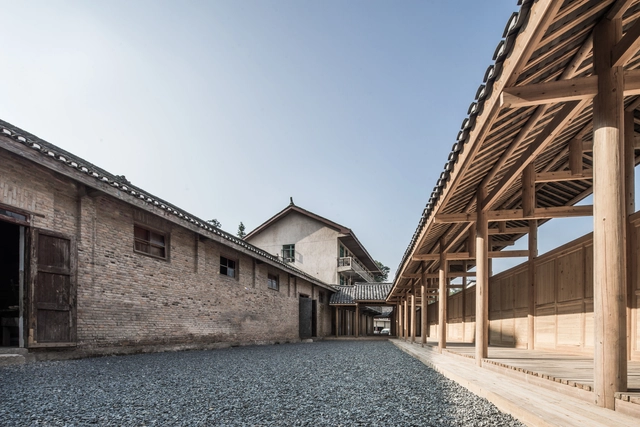
Yet historically, Chinese architecture was built upon a rich tradition of timber construction. The Forbidden City is a prime example: not only is it emblematic of China's architectural heritage, but it also remains one of the largest and best-preserved collections of ancient wooden structures in the world. This legacy prompts an important question: does timber construction have a meaningful future in China's contemporary building industry?
Where cities were once shaped by simple structures that could adapt to new uses, they are now packed with rigid dwellings—often designed with a single use in mind and fixed in both layout and lifespan. As climate deadlines tighten, communities demand more resilient, resource-conscious spaces, and work and living patterns continue to shift, this rigidity is becoming a liability. When buildings refuse to bend, they are often treated as disposable, triggering cycles of demolition, downtime, and loss. Adaptability, once considered an added convenience, is becoming an imperative—something the inaugural Adaptable Building Conference (ABC) in Rotterdam aims to put front and center.
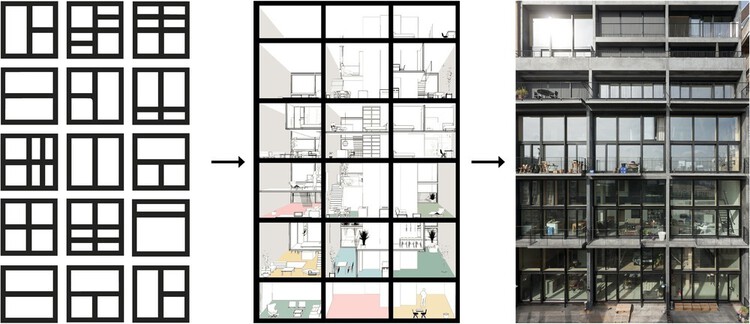
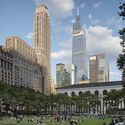
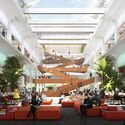
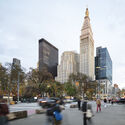
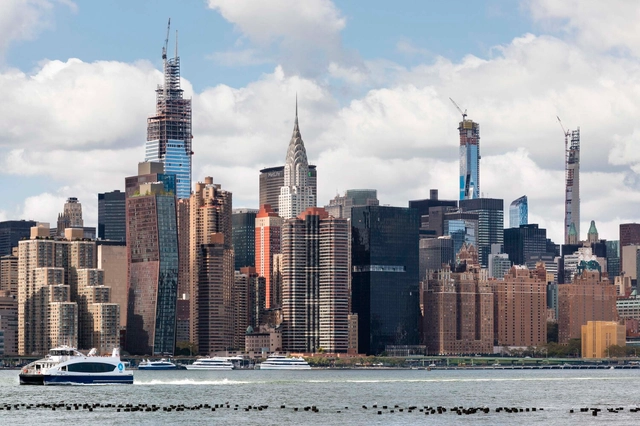
Le Corbusier's Unité d'Habitation imagined a "vertical neighborhood," a building able to integrate housing, commerce, leisure, and collective spaces within a single structural organism. Around the same time, Jane Jacobs argued that diversity of use is what produces safety, identity, and social life at the street level. Later, Rem Koolhaas, in Delirious New York, described the skyscraper as an early experiment in "vertical urbanism," capable of stacking incompatible programs under one roof. In cities like Tokyo and Hong Kong, this ambition matured into complex hybrid buildings where different uses, such as transit hubs, retail, offices, hotels, and housing, coexist and interact continuously.
Videos
ARCHISONIC® Cotton MOSAIC and ARCHISONIC® Felt CIRC shaping spaces with sustainable elegance. Image Courtesy of Impact Acoustic
What defines a space first when entering: the sound or the visual impression? Architecture is often communicated through structure and surfaces, yet one of its most essential components moves unseen through the air: sound. It shapes how a space feels long before a wall or ceiling is noticed. Computational design brings these dimensions together, allowing architects and designers to create unique structures where acoustics and aesthetics inform one another rather than exist in parallel. By leveraging advanced algorithms, complex design processes transform into intuitive, accessible solutions that shape bespoke acoustic and visual highlights for every project. This approach combines parametric logic with material innovation, balancing efficiency, sustainability, and expressive design in equal measure.
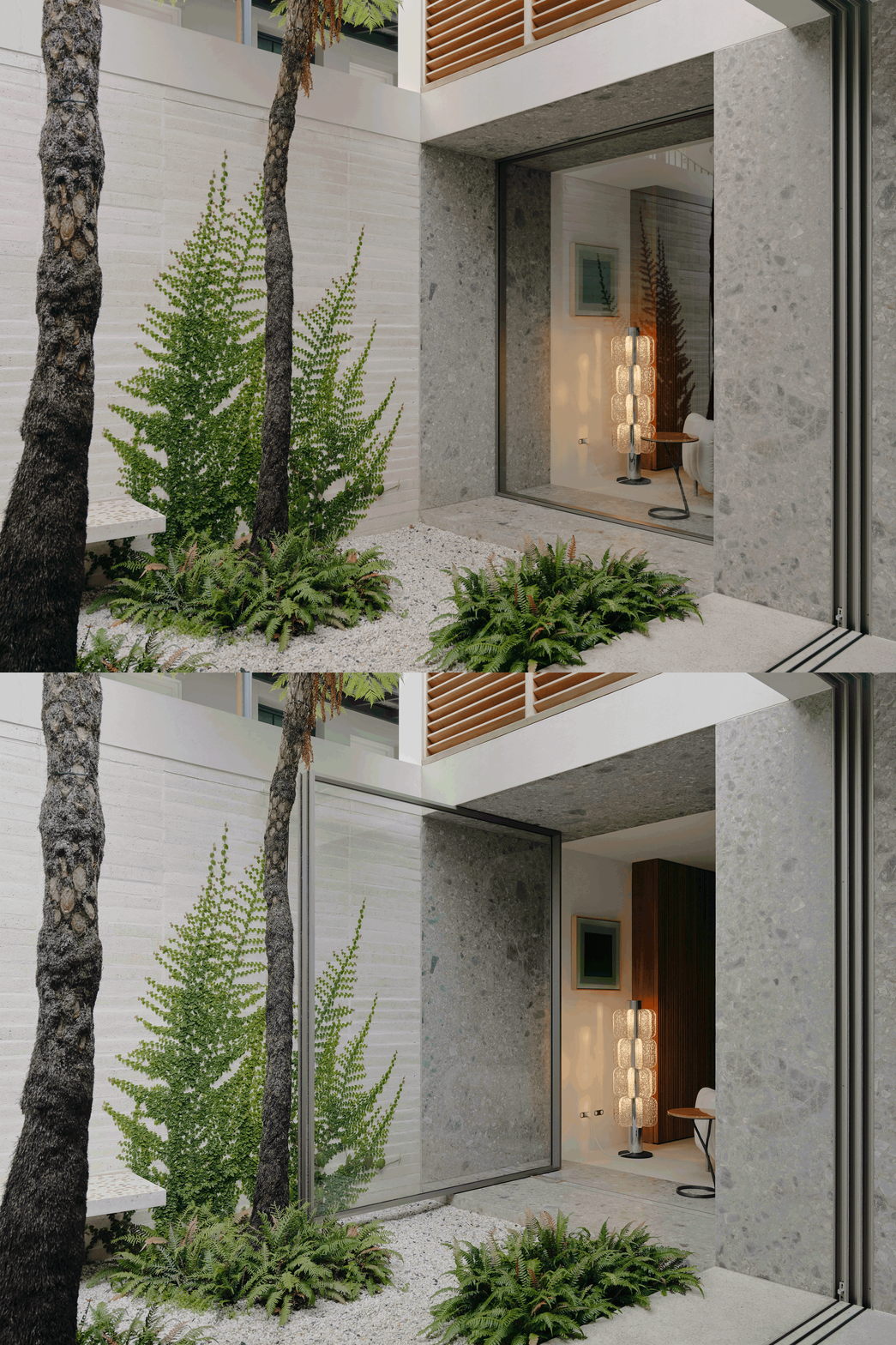
Architectural space has long been framed by permanence: rooms for fixed functions, facades that clearly define where exterior ends and interior begins. Yet contemporary life is defined by overlap and transition: between work and living, interior and exterior, privacy and community. Spatial needs evolve continually, demanding architecture that can respond, adapt, and remain relevant over time.
In this context, adaptability has emerged not only as a design ambition but as a sustainable necessity. Buildings that adjust to shifting uses, evolving climates, or new forms of living extend their lifespan and reduce the need for demolition or extensive retrofits. Flexibility becomes a measure of resilience, allowing structures to remain vital across decades. But how can architecture respond to the evolving ways we inhabit and experience space?
Chimneys are among the most quietly persistent elements in architectural history. Yet their presence persists in nearly every cultural and climatic context, serving as a technical feature and a spatial, atmospheric, and symbolic device. It populates dense city skylines and anchors rural horizons alike, its vertical silhouette as ordinary as a window or a doorframe. This apparent ordinariness is deceptive. The chimney is one of the few architectural components that links the intimate scale of interior life with the expansive forces of the environment. For architects and designers, the necessity of the chimney presents a choice: to let it recede quietly into the building's functional fabric or to amplify it as a central, expressive element that shapes a project's identity.
Buildings must change faster than they were built to. Shifting tenant needs, tightening climate policies, and rising office vacancies expose the cost of static stock: waste, noise, downtime, and—in the worst case—stranded assets. The consequence is clear: buildings across typologies must be designed to adapt over time. The inaugural Adaptable Building Conference (ABC), taking place on January 22, 2026, at the Nieuwe Instituut in Rotterdam, brings the industry together to turn adaptability from principle into practice.
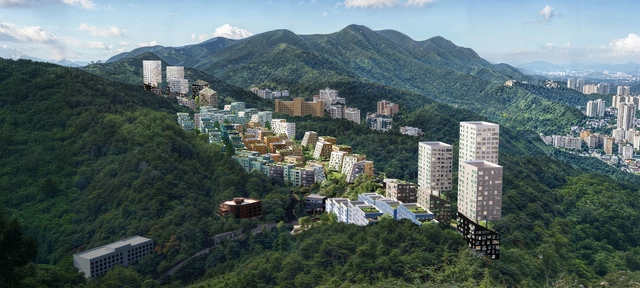
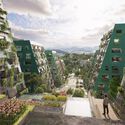
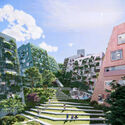
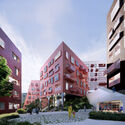
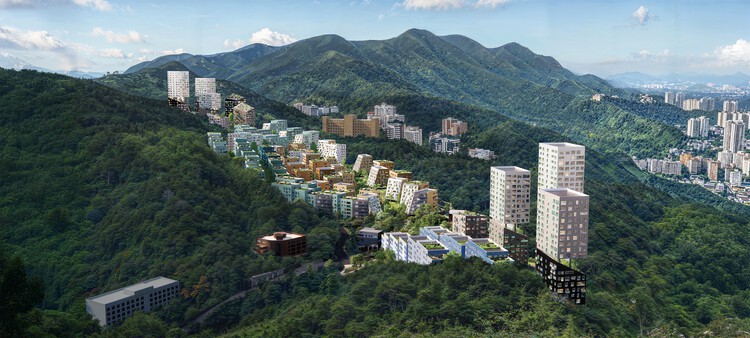
The Busan Slope Housing project by OMA addresses urban redevelopment on the steep hillsides of Busan, South Korea, drawing on the city's topographical complexity and historical settlement patterns. Developed in collaboration with the BusanArchitecture Festival and the Department of Housing and Architecture, the project explores strategies to rethink hillside neighborhoods while responding to both contemporaryhousing needs and the social and spatial legacies of these areas. Rather than replacing these areas with conventional high-rise estates, OMA envisions a flexible, context-responsive framework that integrates contemporaryhousing typologies with the site's inherited structure.