1. ArchDaily
  2. Accessible City

Accessible City: The Latest Architecture and News

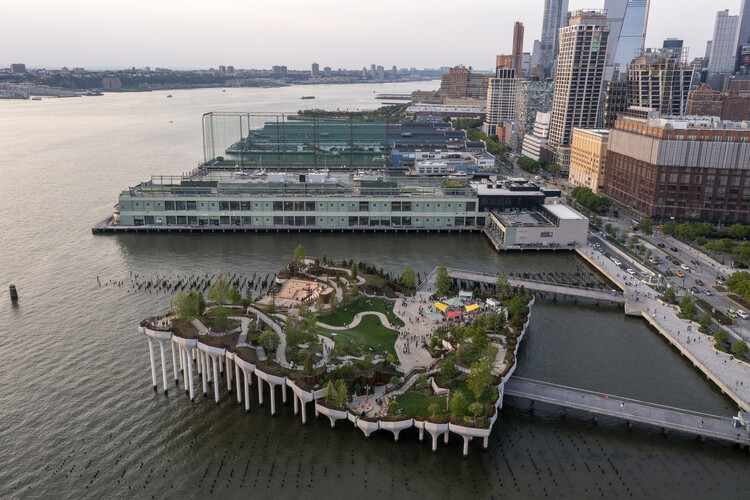
Building at the Edge: New York and Hong Kong’s Competing Waterfront Logics

Subscriber Access | 

Coastal development in major cities has long been a terrain of opportunity and contention—shaped at once by the pursuit of capital (premium views, scarce land, and the promise of reclamation), by civic demands for public access and collective waterfront life, and by contemporary aspirations for sustainability and place-defining urban identity. Precisely because these agendas rarely align, extracting the full potential of waterfront sites is never straightforward.

Yet in New York City and Hong Kong, we can trace each city's ambitions—despite differing strategies, priorities, and political logics—through a set of keystone projects that anchor their coastlines. Read together, these projects reveal not only what each city chooses to value, but also what it is willing to trade off in order to build at the edge.
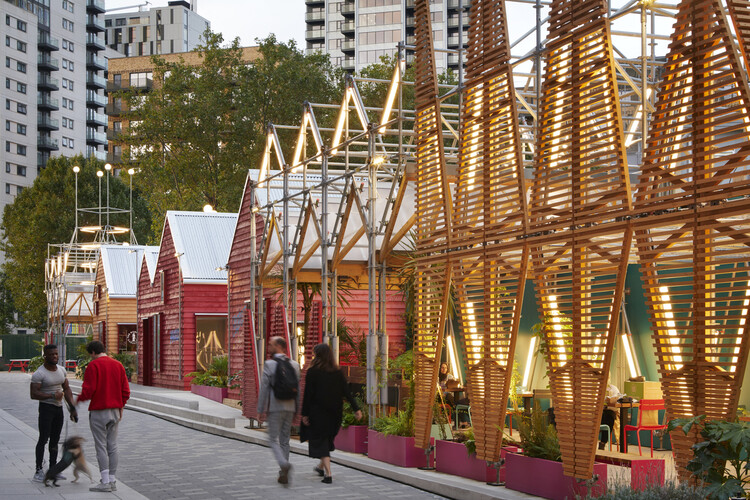
Building at the Edge: New York and Hong Kong’s Competing Waterfront Logics - Image 1 of 4Building at the Edge: New York and Hong Kong’s Competing Waterfront Logics - Image 2 of 4Building at the Edge: New York and Hong Kong’s Competing Waterfront Logics - Image 3 of 4Building at the Edge: New York and Hong Kong’s Competing Waterfront Logics - Image 4 of 4Building at the Edge: New York and Hong Kong’s Competing Waterfront Logics - More Images+ 15

Cities Need Care, Not Perfection: Rethinking How We Build the Urban Future

Subscriber Access | 

What does optimism feel like in cities that can no longer rely on perfection as their ultimate ambition? Across the world, urban environments bear the weight of overlapping pressures: climate volatility, spatial inequality, political fragmentation, public distrust, and chronic infrastructural disinvestment. These realities render the idea of an ideal city increasingly detached from lived experience. Yet the hope for building better systems persists. While utopian visions may seem like an escape from the growing complexities of the modern world, the greater challenge for contemporary city-making is to confront those complexities rather than avoid them.

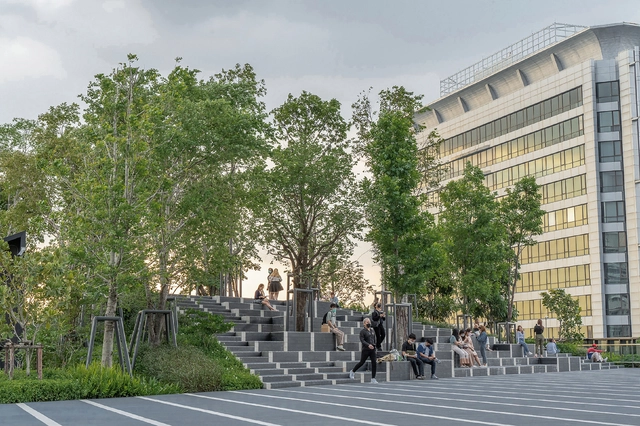
Cities Need Care, Not Perfection: Rethinking How We Build the Urban Future - Image 1 of 4Cities Need Care, Not Perfection: Rethinking How We Build the Urban Future - Image 2 of 4Cities Need Care, Not Perfection: Rethinking How We Build the Urban Future - Image 3 of 4Cities Need Care, Not Perfection: Rethinking How We Build the Urban Future - Image 4 of 4Cities Need Care, Not Perfection: Rethinking How We Build the Urban Future - More Images+ 16

The Quiet Tensions of POPS: How Private Institutions Shape Public Urban Wellness and Access

In contemporary urban development, the concept of Privately Owned Public Space (POPS) has gained increasing prominence. These are spaces that, while built, owned, and maintained by private developers, are legally required to remain publicly accessible. Often the result of negotiated planning incentives—such as zoning bonuses or increased floor area—POPS have become especially prevalent in dense urban environments where land is limited and demand for public amenities is high.

The Quiet Tensions of POPS: How Private Institutions Shape Public Urban Wellness and Access - Image 1 of 4The Quiet Tensions of POPS: How Private Institutions Shape Public Urban Wellness and Access - Image 2 of 4The Quiet Tensions of POPS: How Private Institutions Shape Public Urban Wellness and Access - Image 3 of 4The Quiet Tensions of POPS: How Private Institutions Shape Public Urban Wellness and Access - Image 4 of 4The Quiet Tensions of POPS: How Private Institutions Shape Public Urban Wellness and Access - More Images+ 24

UNStudio, HKS, and Gehl Reveal First Images of the Design Framework for the Austin Light Rail in Texas, United States

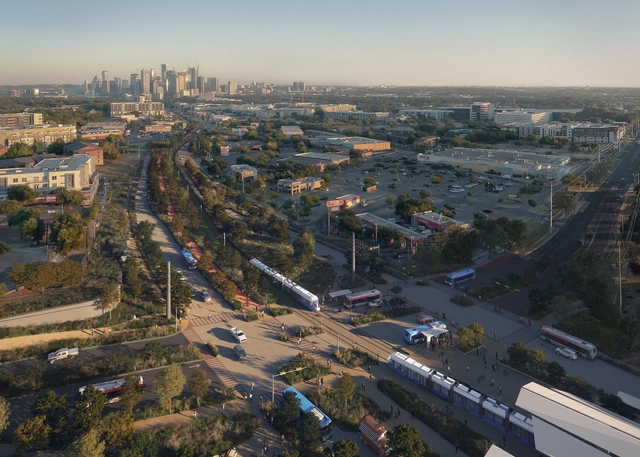
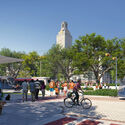
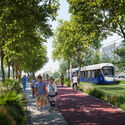
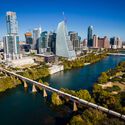
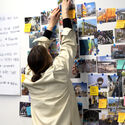
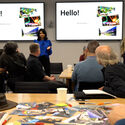
In March 2023, the Austin Transit Partnership (ATP) announced the selection of UNStudio, HKS, and Gehl to lead the architecture and urban design of Project Connect, an expansion of Austin's public transportation system in Texas, United States. Led by ATP, the system aims to connect communities, enhance public spaces, and integrate with the city's evolving urban fabric. The design framework, developed by the four entities, establishes the foundation for how the light rail will interact with Austin's neighborhoods. The design team states that the project's priorities are in people-first infrastructure and the creation of dynamic public spaces, which they seek to reflect in the newly unveiled images. As a voter-approved initiative, Project Connect actively encourages public participation, allowing Austin residents to provide feedback throughout its development.

UNStudio, HKS, and Gehl Reveal First Images of the Design Framework for the Austin Light Rail in Texas, United States - Image 1 of 4UNStudio, HKS, and Gehl Reveal First Images of the Design Framework for the Austin Light Rail in Texas, United States - Image 2 of 4UNStudio, HKS, and Gehl Reveal First Images of the Design Framework for the Austin Light Rail in Texas, United States - Image 3 of 4UNStudio, HKS, and Gehl Reveal First Images of the Design Framework for the Austin Light Rail in Texas, United States - Image 4 of 4UNStudio, HKS, and Gehl Reveal First Images of the Design Framework for the Austin Light Rail in Texas, United States - More Images

Paris 2024 Olympics: Iconic Landmarks to Host Sporting Events

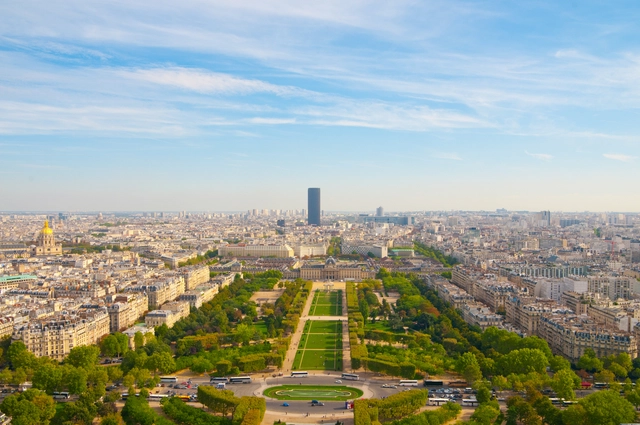
As France prepares for the XXXIII Olympic Games, Paris plans to showcase its rich cultural legacy. The 2024 Olympics, which will begin on July 25, 2024, are set to be a momentous occasion for the city as it anticipates competitors and spectators worldwide. Embracing a “pioneering approach,” Paris 2024 aims to reimagine the Olympic experience by departing from the traditional stadium venues and “integrating sports into the fabric of the city.” From the iconic Grand Palais to the Eiffel Tower, the Gardens of Versailles, and the famous La Concorde, world-famous landmarks are set to host the 2024 games.

Paris 2024 Olympics: Iconic Landmarks to Host Sporting Events - Image 1 of 4Paris 2024 Olympics: Iconic Landmarks to Host Sporting Events - Image 2 of 4Paris 2024 Olympics: Iconic Landmarks to Host Sporting Events - Image 3 of 4Paris 2024 Olympics: Iconic Landmarks to Host Sporting Events - Image 4 of 4Paris 2024 Olympics: Iconic Landmarks to Host Sporting Events - More Images+ 3

Interior Urbanism: The Implications of Indoor Public Space

Subscriber Access | 

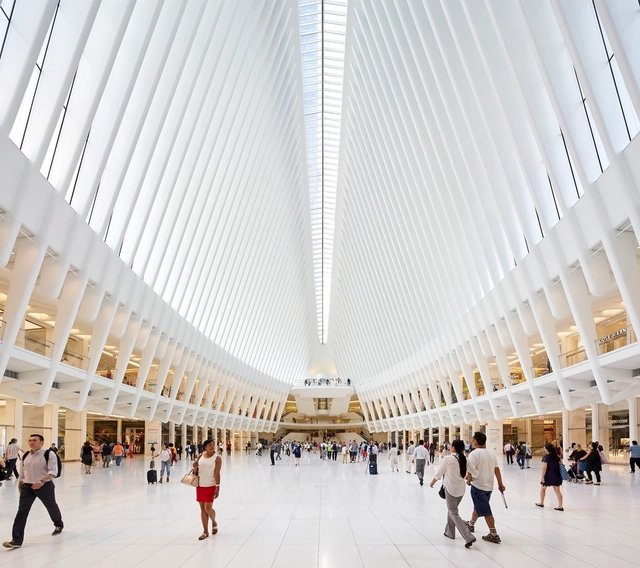
Contemporary cityscapes vary greatly from their early precedents, hosting urban life in sprawling interior spaces like mega-hotels, shopping malls, and transportation hubs. Soaring atriums and expansive concourses are now a normal part of the urban experience, allowing for public activity 'inside' the city. Interiors and urbanism are often considered at far ends of the spatial spectrum, with architecture serving as a mediator between the two. The growing significance of 'interior urbanism' in the functioning of the built environment demands the question - how can cities be reinvented from the inside out?

Interior Urbanism: The Implications of Indoor Public Space  - Image 1 of 4Interior Urbanism: The Implications of Indoor Public Space  - Image 2 of 4Interior Urbanism: The Implications of Indoor Public Space  - Image 3 of 4Interior Urbanism: The Implications of Indoor Public Space  - Image 4 of 4Interior Urbanism: The Implications of Indoor Public Space  - More Images

The Curb Cut Effect: How Accessible Architecture is Benefiting Everybody

Subscriber Access | 

The fabric of our cities is shaped by millions of small decisions and adaptations, many of which have become integral to our experience. Nowadays taken for granted, some of these elements were revolutionary at the time of their implementation. One such element is the curb cut, the small ramp grading down the sidewalk to connect it to the adjoining street, allowing wheelchair users and people with motor disabilities to easily move onto and off the sidewalk. This seemingly small adaptation has proven to be unexpectedly useful for a wider range of people, including parents with strollers, cyclists, delivery workers, etc. Consequently, it lends its name to a wider phenomenon, the “curb cut effect”, where accommodations and improvements made for a minority end up benefiting a much larger population in expected and unexpected ways.

The Curb Cut Effect: How Accessible Architecture is Benefiting Everybody - Image 1 of 4The Curb Cut Effect: How Accessible Architecture is Benefiting Everybody - Image 2 of 4The Curb Cut Effect: How Accessible Architecture is Benefiting Everybody - Image 3 of 4The Curb Cut Effect: How Accessible Architecture is Benefiting Everybody - Image 4 of 4The Curb Cut Effect: How Accessible Architecture is Benefiting Everybody - More Images+ 5

Kuwait Pavilion at La Biennale di Venezia Explores Consequences of Modernist Urban Planning on Historic Built Environment

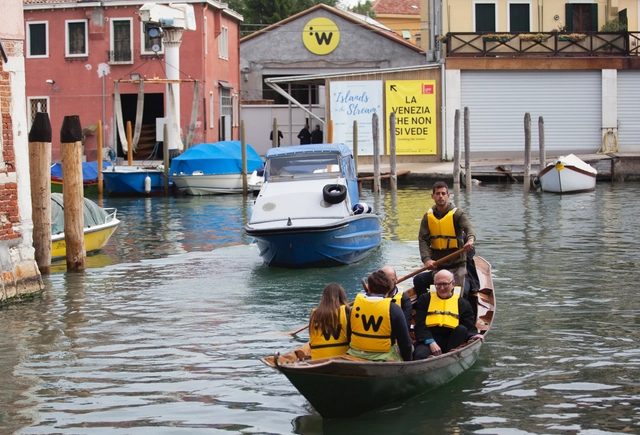
The Kuwait Pavilion, titled 'Rethinking Rethinking Kuwait,' at the 18th International Architecture Exhibition — La Biennale di Venezia, delves into innovative architectural and urban design methods arising from space and time. The project is an ongoing exploration addressing the consequences of modernist urban planning, which erased much of Kuwait's historic built environment.

Kuwait Pavilion at La Biennale di Venezia Explores Consequences of Modernist Urban Planning on Historic Built Environment - Image 1 of 4Kuwait Pavilion at La Biennale di Venezia Explores Consequences of Modernist Urban Planning on Historic Built Environment - Image 2 of 4Kuwait Pavilion at La Biennale di Venezia Explores Consequences of Modernist Urban Planning on Historic Built Environment - Image 3 of 4Kuwait Pavilion at La Biennale di Venezia Explores Consequences of Modernist Urban Planning on Historic Built Environment - Image 4 of 4Kuwait Pavilion at La Biennale di Venezia Explores Consequences of Modernist Urban Planning on Historic Built Environment - More Images+ 1

UNStudio, HKS, and Gehl Selected to Lead a Major Expansion of the Public Transit System in Austin, Texas

The Austin Transit Partnership has selected UNStudio, HKS, and Gehl to lead the architecture and urban design of Project Connect, a major expansion of the public transportation system in Austin, Texas, in the United States. The project is set to become a transformative investment, including and integrating the light rail system, expanded bus routes, and connectivity with more services across the city. The initiative is also voter-approved. In November 2020, Austin citizens approved Project Connect, leading to the creation of the independent entity Austin Transit Partnership charged with implementing the project. The citizens of Austin are invited to continue to get involved and provide feedback.

UNStudio, HKS, and Gehl Selected to Lead a Major Expansion of the Public Transit System in Austin, Texas - Image 1 of 4UNStudio, HKS, and Gehl Selected to Lead a Major Expansion of the Public Transit System in Austin, Texas - Image 2 of 4UNStudio, HKS, and Gehl Selected to Lead a Major Expansion of the Public Transit System in Austin, Texas - Image 3 of 4UNStudio, HKS, and Gehl Selected to Lead a Major Expansion of the Public Transit System in Austin, Texas - Image 4 of 4UNStudio, HKS, and Gehl Selected to Lead a Major Expansion of the Public Transit System in Austin, Texas - More Images

How to Develop More Equitable Cities? ICLEI Launches a Guidebook for Urban Practitioners

ICLEI Circulars has launched a new practical Equitable Transitions Guidebook to help cities make sure that their urban development projects are equitable for all groups of citizens. The guidebook is based on multiple case studies from cities worldwide under the Urban Transitions Alliance project. The guide’s purpose is to provide insights, recommendations, and tools for city practitioners to understand better and unpack what social equity means at the local level. The publication is free to download.

How to Develop More Equitable Cities? ICLEI Launches a Guidebook for Urban Practitioners - Image 1 of 4How to Develop More Equitable Cities? ICLEI Launches a Guidebook for Urban Practitioners - Image 2 of 4How to Develop More Equitable Cities? ICLEI Launches a Guidebook for Urban Practitioners - Image 3 of 4How to Develop More Equitable Cities? ICLEI Launches a Guidebook for Urban Practitioners - Image 4 of 4How to Develop More Equitable Cities? ICLEI Launches a Guidebook for Urban Practitioners - More Images+ 1

Where Did All of the Public Benches Go?

Subscriber Access | 

The design and functionality of public spaces in cities are always under scrutiny. Whether its accessibility to public parks and green spaces, the distance people live from public transportation, or the ways that spaces can be designed to make city life more safe and equitable. But now a new issue and one that lives at a smaller scale is starting to arise- where did all of the public seats go?

Where Did All of the Public Benches Go? - Image 1 of 4Where Did All of the Public Benches Go? - Image 2 of 4Where Did All of the Public Benches Go? - Image 3 of 4Where Did All of the Public Benches Go? - Image 4 of 4Where Did All of the Public Benches Go? - More Images+ 1

Disabled Are the Cities, Not Their Citizens

Subscriber Access | 

Cities with disabilities are those that present spaces and environments that impede or make it difficult for citizens to access, participate and interact, regardless of any loss or abnormality related to their psychological, physiological or anatomical structure or function. I invite readers to, with me, change the focus of the approach on disabilities, transferring to cities and built environments the inability to meet in a dignified and effective way the diversity of abilities and capacities inherent to human beings.

A Brief History of Ibiza’s Instant City

Subscriber Access | 

André Ricard and Daniel Giralt-Miracle, the member responsible for ADI/FAD, proposed the island of Ibiza as the venue for the ICSID Biennial Congress in 1971. That's how the story began. At that time, the so-called "Urquinaona Open Design Group" already existed in Barcelona. From the group, and with Carlos Ferrater at the head, they offered their help to the organization of the congress. They refused, as everything seemed to have already been organised. Together with Fernando Bendito, Ferrater asks about accommodation for the students. They still had nothing. They get the opportunity they were waiting for. Thousands of invitations are sent out to students all over the world. The number of replies was greater than the number of registered students.

A Brief History of Ibiza’s Instant City - Image 1 of 4A Brief History of Ibiza’s Instant City - Image 2 of 4A Brief History of Ibiza’s Instant City - Image 3 of 4A Brief History of Ibiza’s Instant City - Image 4 of 4A Brief History of Ibiza’s Instant City - More Images+ 16

World’s Cities Day 2021: Resilience, Climate Crisis and Sustainable Urbanization

Subscriber Access | 

As cities grow in scale, dimensions, and amplitude, taking in 60% of the world population, the United Nations has designated the 31st of October as “World Cities Day”, an opportunity to talk furthermore about global urbanization, addressing challenges, encouraging opportunities across borders and highlighting responses. Focusing this edition on the theme of “Adapting Cities for Climate Resilience”, this day, part of Urban October, seeks to raise awareness about the climate crisis and its repercussions on the built environment.

Cities, at the center of the global challenges, are hubs for institutions, society, economy, commerce, and transportation. Understanding the importance of “Thinking the City”, we have compiled in this roundup, articles published by ArchDaily’s editors that offer planning tools and guidelines, tackle the different components of the urban realm and highlight worldwide as well as contextual questions and responses.

Karen Braitmayer, Founder of Studio Pacifica, Weighs in on Accessible Design

Karen Braitmayer, a disabled architect, consultant, and volunteer, brings her unique life experiences to Studio Pacifica, the Seattle‐based practice she founded in 1993. With deep expertise in code compliance and regulations, Braitmayer and her team work with architectural firms like Olson Kundig and Perkins and Will to help create barrier‐free civic, residential, and commercial buildings. Studio Pacifica has served as consultants on notable projects ranging from the Space Needle renovation to the Bill & Melinda Gates Foundation Discovery Center and student housing at Smith College. Braitmayer was appointed by President Barack Obama to the United States Access Board, a position she still holds today.
As we mark the 30th anniversary of the passage of the Americans with Disabilities Act (ADA) this month, we spoke to her about how far we’ve come, and how we can continue to advance accessible design in the built environment.

Karen Braitmayer, Founder of Studio Pacifica, Weighs in on Accessible Design - Image 1 of 4Karen Braitmayer, Founder of Studio Pacifica, Weighs in on Accessible Design - Image 2 of 4Karen Braitmayer, Founder of Studio Pacifica, Weighs in on Accessible Design - Image 3 of 4Karen Braitmayer, Founder of Studio Pacifica, Weighs in on Accessible Design - Image 4 of 4Karen Braitmayer, Founder of Studio Pacifica, Weighs in on Accessible Design - More Images+ 1

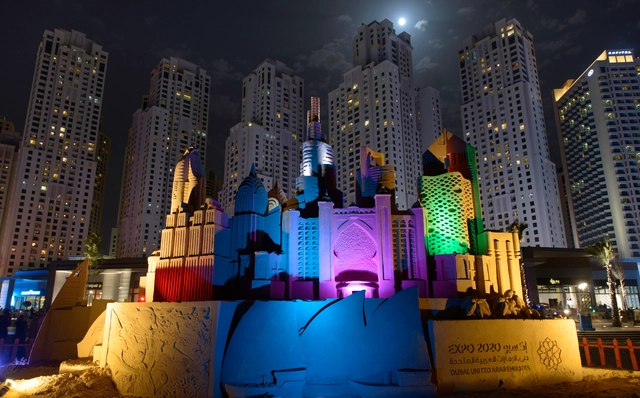
On Accessibility and Expo 2020: “Expo 2020 Dubai to Be Accessible For People of All Abilities”

Expo Dubai 2020 will showcase new levels of accessibility, ensuring that the topic is thought through at the very first stages of design and that the approach is anchored in the project and the program. With the help of the UK based company Direct Access consultancy, specialized in the incorporation of accessibility into building designs, the expo will try to put in place solutions for regularly faced issues.

Universal Signage: The First Step in Making Cities More Accessible

Of all the steps a city can take to make itself more pedestrian-friendly, developing a integral system of signage is both a quick and easy improvement that makes a world of difference--as shown by initiatives like Legible London, New York's WalkNYC, or Rio on Foot, in Río de Janeiro.

Avanti-Avanti Studio: "Design for All, the Start of the Creative Process is Through Individual Diversity"

Avanti-Avanti Studio is a design studio dedicated to the development of creative communication strategies, particularly specialized in “Design for All.” Founded by Alex Dobaño (graphic designer and member of the Design For All Foundation) and Elvira Muñoz (architect), the duo leads a multidisciplinary team of professional people in communication, design, and technology, and work with companies and institutions specialized in leisure, tourism, culture, museums, and cities. They describe their practice as a meeting point, where professionals from different fields come together for every new venture, to ensure that the built environments are suitable and inclusive for anyone experiencing them.

We talked to Alex, founder and creative director of the studio, to learn more about their work and the importance of introducing the Design for All concept in the integrated space design projects.