1. ArchDaily
  2. AAU Anastas

AAU Anastas: The Latest Architecture and News

Concéntrico Festival 2026 Unveils 24 Urban Installations Across Logroño, Spain

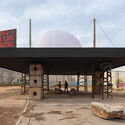
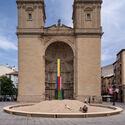
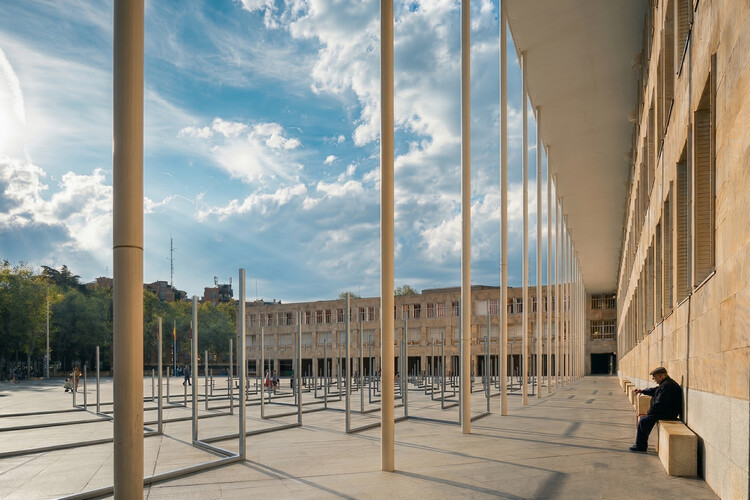
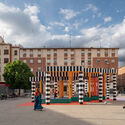
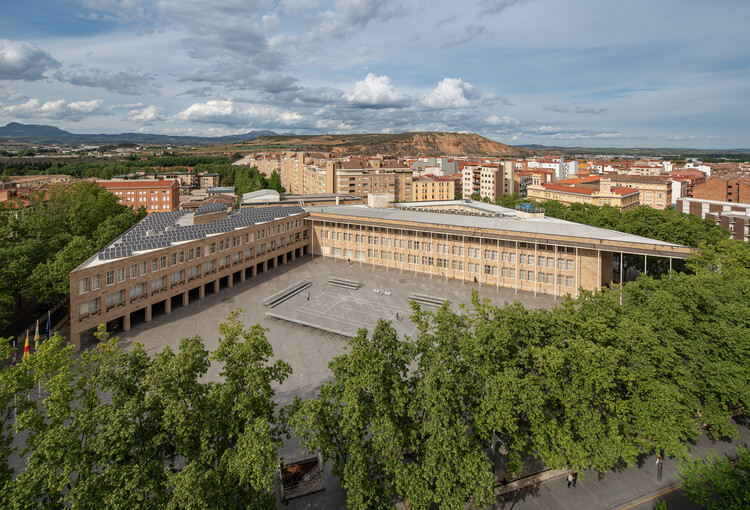
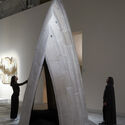
Concéntrico Festival 2026 will take place in Logroño, Spain, from June 18 to 23, transforming the city into a large-scale laboratory for architecture, design, and urban experimentation. Over six days, more than twenty interventions will be distributed across squares, vacant plots, streets, bridges, and emblematic spaces throughout the city, bringing together leading studios, researchers, and creators from the international scene, including Chilean architect Smiljan Radić, the raumlabor collective, Matilde Cassani, AAU Anastas, and Sahra Hersi, among others. This edition introduces a shift towards more collective, festive, and performative practices in public space, with a strong emphasis on sonic experiences and projects linked to accessibility, inclusion, and urban transformation. The programme is structured around three thematic axes: Identity and Fiction, Urban Ecologies, and Ephemeral Agents, ranging from architectures that understand public space as ritual or celebration to experimental approaches exploring materials, sound, and processes of reuse.

Concéntrico Festival 2026 Unveils 24 Urban Installations Across Logroño, Spain - Image 1 of 4Concéntrico Festival 2026 Unveils 24 Urban Installations Across Logroño, Spain - Image 2 of 4Concéntrico Festival 2026 Unveils 24 Urban Installations Across Logroño, Spain - Image 3 of 4Concéntrico Festival 2026 Unveils 24 Urban Installations Across Logroño, Spain - Image 4 of 4Concéntrico Festival 2026 Unveils 24 Urban Installations Across Logroño, Spain - More Images+ 36

Concéntrico 2026 Features Smiljan Radić Installation and 26 Urban Interventions in Logroño, Spain

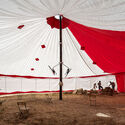
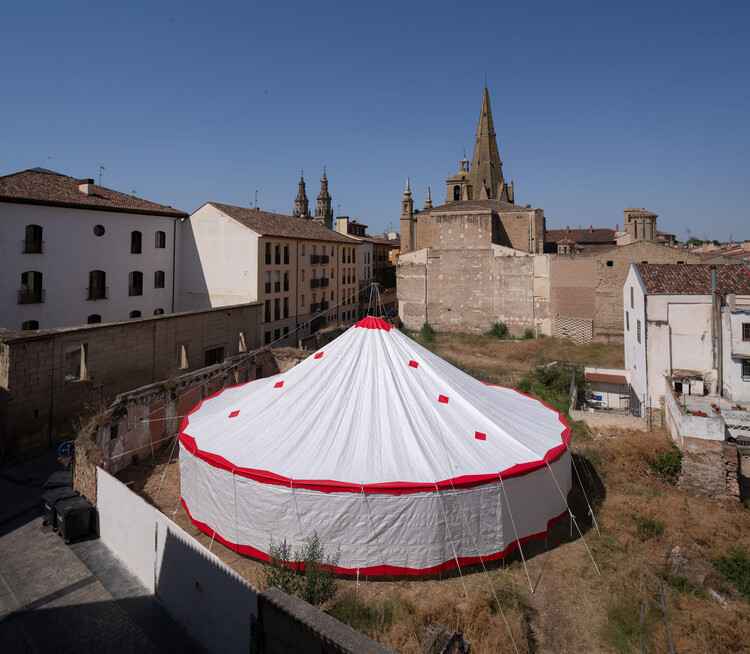
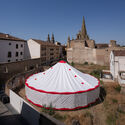
Concéntrico, the Spanish laboratory for urban innovation exploring new ways of inhabiting public space through temporary urban installations, presented the program for its upcoming edition on March 17th, along with its main lines of work for the 2025–2026 season. The festival invites architects, designers, artists, and researchers from different geographies to propose interventions that activate squares, streets, riverbanks, and vacant spaces in the city. This year's edition includes the participation of Smiljan Radić, the recently awarded Pritzker Architecture Prize laureate, who will develop a light, foldable, and temporary structure built from industrial plastic fabrics following the concept of a "poor circus." Another 26 teams, including three practices selected through the festival's international open calls, will intervene in Logroño's public space from June 18 to 23, 2026, with projects ranging from climate-responsive structures to ephemeral public space activations.

Concéntrico 2026 Features Smiljan Radić Installation and 26 Urban Interventions in Logroño, Spain - Image 1 of 4Concéntrico 2026 Features Smiljan Radić Installation and 26 Urban Interventions in Logroño, Spain - Image 2 of 4Concéntrico 2026 Features Smiljan Radić Installation and 26 Urban Interventions in Logroño, Spain - Image 3 of 4Concéntrico 2026 Features Smiljan Radić Installation and 26 Urban Interventions in Logroño, Spain - Image 4 of 4Concéntrico 2026 Features Smiljan Radić Installation and 26 Urban Interventions in Logroño, Spain - More Images+ 3

Shaping Architectural Continuity: 25 Revitalization Projects Across Historic, Industrial, and Natural Sites

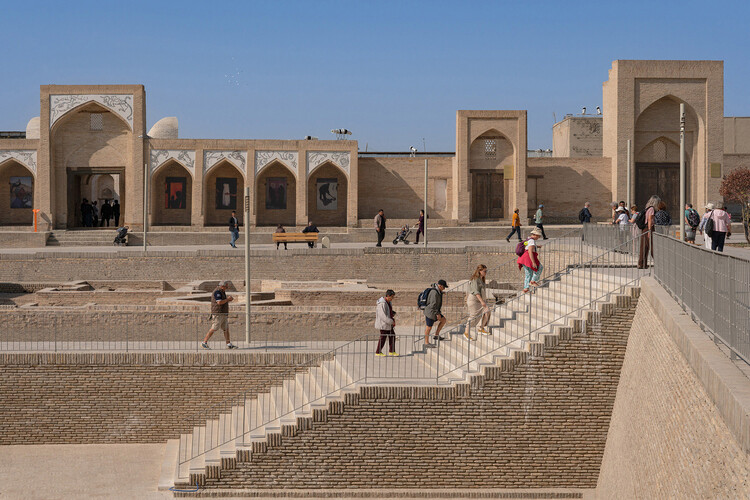
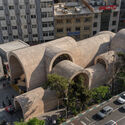
Heritage sites constitute complex spatial archives in which architecture, history, and collective memory converge. They encompass a wide spectrum of contexts—from archaeological remains, ancient and historic townscapes, UNESCO-listed landscapes, to early modern civic structures and industrial infrastructures. Yet these environments confront challenges: climate change, urban transformation, disaster, shifting social needs, and the gradual erosion of material fabric. Revitalization and restoration projects respond to these conditions by positioning architectural and spatial practice as an active mediator between preservation and the contemporary topologies.

In current practice, conservation is understood as a creative process of adaptation and reinterpretation that serves both communities and inhabitants. At the same time, monumental architecture continues to define the identity and landscape of a place for wider audiences and future generations. Architects and planners are called upon to negotiate sensitive historic contexts while introducing new programs, techniques, and spatial experiences. They exemplify diverse design approaches, including precise structural interventions, climate-responsive strategies, and meticulous material restoration, alongside the thoughtful insertion of new architectural elements. Equally important is their engagement with vernacular knowledge and materiality, which preserves the locality and cultural specificity of each site.

Shaping Architectural Continuity: 25 Revitalization Projects Across Historic, Industrial, and Natural Sites - Image 1 of 4Shaping Architectural Continuity: 25 Revitalization Projects Across Historic, Industrial, and Natural Sites - Image 2 of 4Shaping Architectural Continuity: 25 Revitalization Projects Across Historic, Industrial, and Natural Sites - Image 3 of 4Shaping Architectural Continuity: 25 Revitalization Projects Across Historic, Industrial, and Natural Sites - Image 4 of 4Shaping Architectural Continuity: 25 Revitalization Projects Across Historic, Industrial, and Natural Sites - More Images+ 21

Recasting Cultural Infrastructure: On AAU Anastas’s Aga Khan Award–Winning Wonder Cabinet

Subscriber Access | 

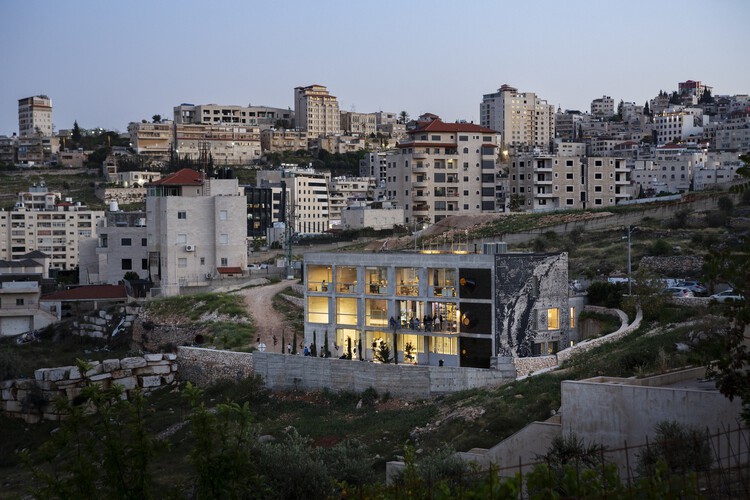
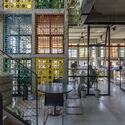
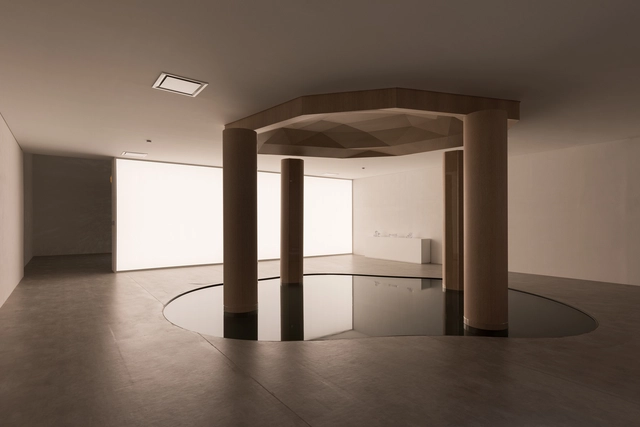
Among the 2025 Aga Khan Award winners is AAU Anastas and their project, Wonder Cabinet in Palestine, whose central aim is to serve as a haven for culture and creativity and a bridge between design and production. Beyond this meaningful project, AAU Anastas—working from offices in Bethlehem, Palestine, and Paris, France—has built a broad portfolio since 2015. Notable works include Dar Al Majous, a restoration in Bethlehem that challenges the boundary between domestic and public realms; the Tulkarm Courthouse (2015), one of their first projects that redefined civicness and social gathering on a prominent corner site in Tulkarm; and The Flat Vault, a commercial intervention that adds a juxtaposed stone vault to an existing monastery shop associated with a church built in the 12th century by the Crusaders.

Among these compelling works, Wonder Cabinet likely drew the jury's attention not only for its refined execution and layered spatial complexity, but also for how it operates as a socially generative platform—dissolving the boundary between social infrastructure and architecture. Conceived to support culture, creativity, design, and production, the building aspires to host architects, designers, chefs, artisans, and sound and visual artists, among others. In no small way, it advances the spirit articulated by the 2025 judges, who characterized this cycle as a year of fostering resilience and optimism through design, by demonstrating how architecture can catalyze community and enterprise simultaneously.

Recasting Cultural Infrastructure: On AAU Anastas’s Aga Khan Award–Winning Wonder Cabinet - Image 5 of 4Recasting Cultural Infrastructure: On AAU Anastas’s Aga Khan Award–Winning Wonder Cabinet - Image 2 of 4Recasting Cultural Infrastructure: On AAU Anastas’s Aga Khan Award–Winning Wonder Cabinet - Image 21 of 4Recasting Cultural Infrastructure: On AAU Anastas’s Aga Khan Award–Winning Wonder Cabinet - Image 3 of 4Recasting Cultural Infrastructure: On AAU Anastas’s Aga Khan Award–Winning Wonder Cabinet - More Images+ 17

ArchDaily's Best Architectural Projects of 2025

As the year culminates, it's once again time for the ArchDaily team of curators to reflect on the best-performing projects of 2025 and consider what readers were most interested in. Through this diverse overview, we assess the cross-continental similarities and differences in trends and construction development. This year brought us many grand cultural and public spaces by Lina Ghotmeh, BIG, Zaha Hadid Architects, DnA, and Serie Architects, who populated events like Expo Osaka and the Venice Biennale, as well as a surprising number of museums and public or landscape works in China and the rest of the Asian continent. However, while these were sought-after projects, the leading works remained, unsurprisingly, residential projects.

More specifically, the houses that were most viewed on the ArchDaily global site were concrete houses that bore considerable injections of greenery and landscape focus. They propose layouts highlighting voids and double heights, as well as inner courtyards or large openings to the exterior. While some references did suggest traditional or vernacular elements, modernist revivals were still predominant. Material trends are much more tame, with a recurrence of raw concrete use, as wood and stone were common accent elements. Still, the more interesting thing about the works this year is the efforts brought by architects in situating and setting the projects within their surroundings, bringing special attention to landscape and how projects merged with nature.

ArchDaily's Best Architectural Projects of 2025 - SustainabilityArchDaily's Best Architectural Projects of 2025 - SustainabilityArchDaily's Best Architectural Projects of 2025 - SustainabilityArchDaily's Best Architectural Projects of 2025 - SustainabilityArchDaily's Best Architectural Projects of 2025 - More Images+ 96

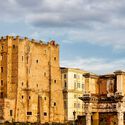
Grand Egyptian Museum Opens and Torre dei Conti Collapses in Rome: This Week’s Review

This week's architectural highlights traced the intersections between heritage, climate awareness, and contemporary design practice. As the 19th Venice Architecture Biennale approaches its closing, projects exploring collective intelligence and material experimentation offer reflections on small-scale responses to global challenges. In Egypt, the completion of the Grand Egyptian Museum marks a long-anticipated moment in cultural preservation, while new competition initiatives in Jordan extend this dialogue toward sacred and archaeological contexts. Complementing these developments, the recognition of Abdelwahed El-Wakil with the Tamayouz Lifetime Achievement Award highlights the continued influence of tradition-informed design across contemporary practice.

Grand Egyptian Museum Opens and Torre dei Conti Collapses in Rome: This Week’s Review - Image 1 of 4Grand Egyptian Museum Opens and Torre dei Conti Collapses in Rome: This Week’s Review - Image 2 of 4Grand Egyptian Museum Opens and Torre dei Conti Collapses in Rome: This Week’s Review - Image 3 of 4Grand Egyptian Museum Opens and Torre dei Conti Collapses in Rome: This Week’s Review - Image 4 of 4Grand Egyptian Museum Opens and Torre dei Conti Collapses in Rome: This Week’s Review - More Images+ 3

Seven Finalist Designs Revealed for the Museum of Jesus’ Baptism in Jordan

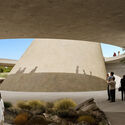
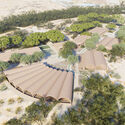
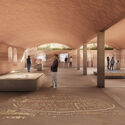
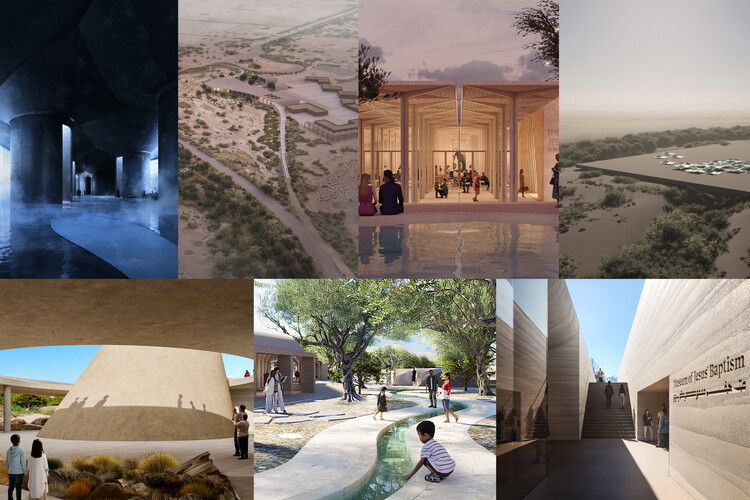
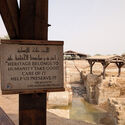
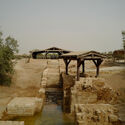
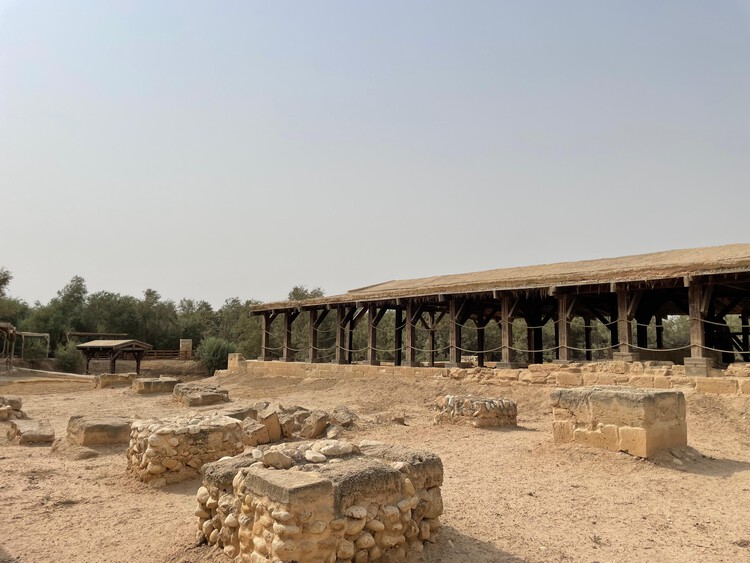
The Foundation for the Development of the Lands Adjacent to the Baptism Site has unveiled seven shortlisted concept designs for the new Museum of Jesus' Baptism at Bethany, Jordan. The proposals, now available in an online gallery, were developed by internationally recognized multidisciplinary teams led by AAU Anastas, heneghan peng architects, Níall McLaughlin Architects, Studio Anne Holtrop, Tatiana Bilbao ESTUDIO, Toshiko Mori Architect, and Trahan Architects. Managed by Malcolm Reading Consultants, the invited competition seeks an architect-led multidisciplinary team to design a museum and garden that responds to the sacred character of the site. The project is planned to open in 2030, marking the bimillennial of Christ's baptism, and aims to create a space of reflection, learning, and cultural exchange.

Seven Finalist Designs Revealed for the Museum of Jesus’ Baptism in Jordan - Image 1 of 4Seven Finalist Designs Revealed for the Museum of Jesus’ Baptism in Jordan - Image 2 of 4Seven Finalist Designs Revealed for the Museum of Jesus’ Baptism in Jordan - Image 3 of 4Seven Finalist Designs Revealed for the Museum of Jesus’ Baptism in Jordan - Image 4 of 4Seven Finalist Designs Revealed for the Museum of Jesus’ Baptism in Jordan - More Images+ 40

“Our Message This Time Was Optimism”: In Conversation with Farrokh Derakhshani, Director of the Aga Khan Award for Architecture

Today, September 2, the seven winners of the 16th Cycle (2023–2025) of the Aga Khan Award for Architecture were announced, following on-site reviews of the 19 shortlisted projects revealed in June. Established in 1977, the Award seeks to identify and encourage building concepts that respond to the physical, social, and economic needs of communities with a significant Muslim presence, while also addressing their cultural aspirations. To understand the vision behind this cycle's winners, ArchDaily's Editor-in-Chief, Christele Harrouk, spoke with Farrokh Derakhshani, who has been with the award for over four decades. He described the initiative as "a curated message to the world," a message that evolves with the times.

“Our Message This Time Was Optimism”: In Conversation with Farrokh Derakhshani, Director of the Aga Khan Award for Architecture - Image 1 of 4“Our Message This Time Was Optimism”: In Conversation with Farrokh Derakhshani, Director of the Aga Khan Award for Architecture - Image 2 of 4“Our Message This Time Was Optimism”: In Conversation with Farrokh Derakhshani, Director of the Aga Khan Award for Architecture - Image 3 of 4“Our Message This Time Was Optimism”: In Conversation with Farrokh Derakhshani, Director of the Aga Khan Award for Architecture - Image 4 of 4“Our Message This Time Was Optimism”: In Conversation with Farrokh Derakhshani, Director of the Aga Khan Award for Architecture - More Images+ 4

Aga Khan Award for Architecture Announces 2025 Winners

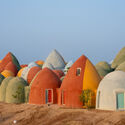
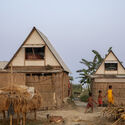
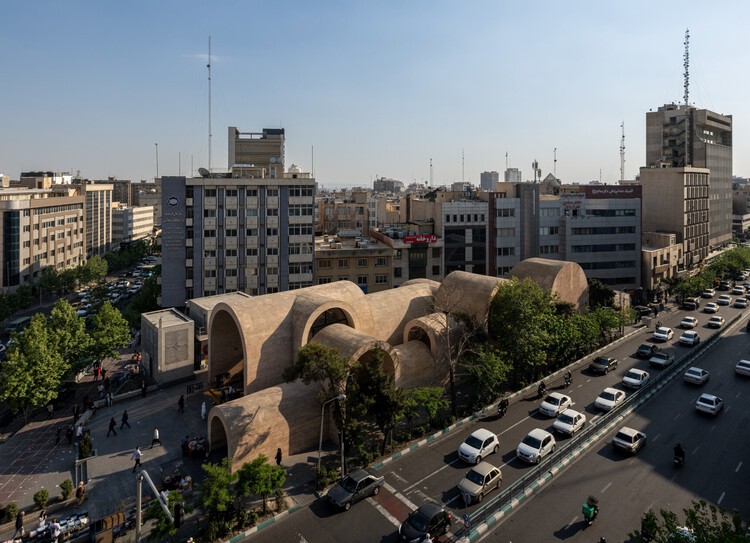
The independent Master Jury of the 16th Award Cycle (2023–2025) of the Aga Khan Award for Architecture has announced seven winners, selected following on-site reviews of projects shortlisted earlier in June. Collectively, the awarded works demonstrate architecture's potential to act as a catalyst for pluralism, community resilience, social transformation, cultural dialogue, and climate-responsive design. Two projects from Iran, and one each from Bangladesh, China, Egypt, Pakistan, and Palestine, will share a prize of $1 million, among the most significant awards in the field of architecture.

Aga Khan Award for Architecture Announces 2025 Winners - Image 1 of 4Aga Khan Award for Architecture Announces 2025 Winners - Image 2 of 4Aga Khan Award for Architecture Announces 2025 Winners - Image 3 of 4Aga Khan Award for Architecture Announces 2025 Winners - Image 4 of 4Aga Khan Award for Architecture Announces 2025 Winners - More Images+ 63

Seven International Design Teams Shortlisted for Museum of Jesus’ Baptism in Jordan

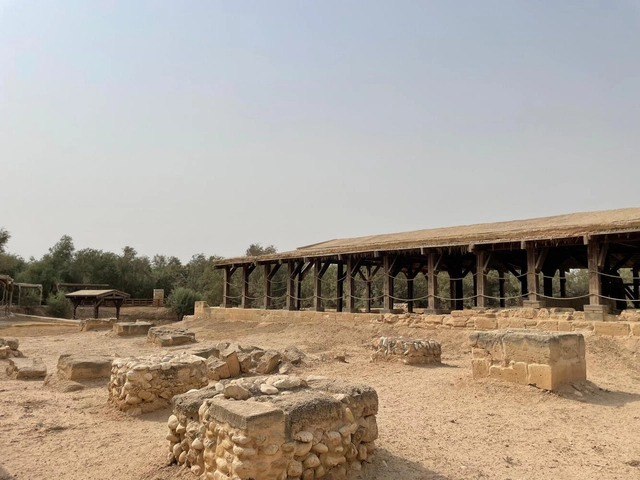
Seven international design teams have been shortlisted for the "Museum of Jesus' Baptism" at Bethany, Jordan, a cultural and spiritual landmark scheduled to open in 2030 to mark the bimillennial of Christ's baptism. Endorsed by His Majesty King Abdullah II bin Al-Hussein and led by the Foundation for the Development of the Lands Adjacent to the Baptism Site, the project is managed by London-based Malcolm Reading Consultants (MRC). The museum will be situated adjacent to the UNESCO World Heritage Site of "Bethany Beyond the Jordan" on the east bank of the Jordan River, a place of Christian pilgrimage for centuries.

Seven International Design Teams Shortlisted for Museum of Jesus’ Baptism in Jordan - Image 1 of 4Seven International Design Teams Shortlisted for Museum of Jesus’ Baptism in Jordan - Image 2 of 4Seven International Design Teams Shortlisted for Museum of Jesus’ Baptism in Jordan - Image 3 of 4Seven International Design Teams Shortlisted for Museum of Jesus’ Baptism in Jordan - Image 4 of 4Seven International Design Teams Shortlisted for Museum of Jesus’ Baptism in Jordan - More Images+ 9

Aga Khan Award for Architecture 2025 Announces 19 Shortlisted Projects from 15 Countries

The Aga Khan Award for Architecture (AKAA) has announced the 19 shortlisted projects for its 2025 cycle. Selected from a pool of 369 nominations, these projects will compete for a share of the USD 1 million prize, one of the most significant awards in the field. The shortlist was determined by an independent Master Jury composed of nine members: Azra Akšamija, Noura Al Sayeh-Holtrop, Lucia Allais, David Basulto, Yvonne Farrell, Kabage Karanja, Yacouba Konaté, Hassan Radoine, and Mun Summ Wong. The Jury will meet later this summer to review on-site evaluations and select the final recipients of the 16th Award Cycle (2023–2025).

Aga Khan Award for Architecture 2025 Announces 19 Shortlisted Projects from 15 Countries - Image 1 of 4Aga Khan Award for Architecture 2025 Announces 19 Shortlisted Projects from 15 Countries - Image 2 of 4Aga Khan Award for Architecture 2025 Announces 19 Shortlisted Projects from 15 Countries - Image 3 of 4Aga Khan Award for Architecture 2025 Announces 19 Shortlisted Projects from 15 Countries - Image 4 of 4Aga Khan Award for Architecture 2025 Announces 19 Shortlisted Projects from 15 Countries - More Images+ 16

Shaping the Future of Islamic Architecture: Diriyah Biennale Foundation Unveils AlMusalla Prize

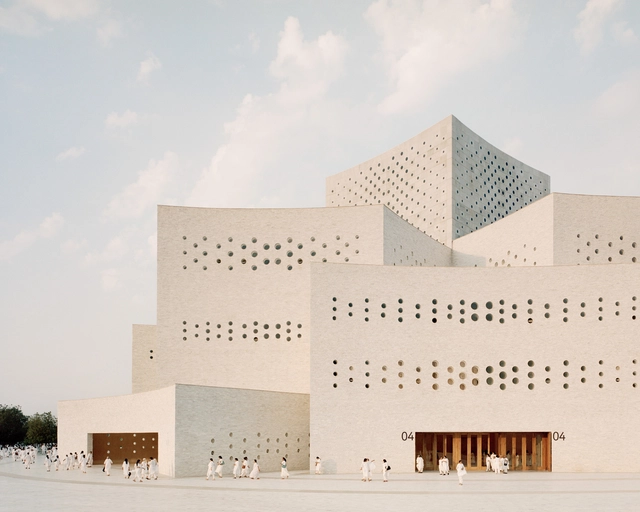
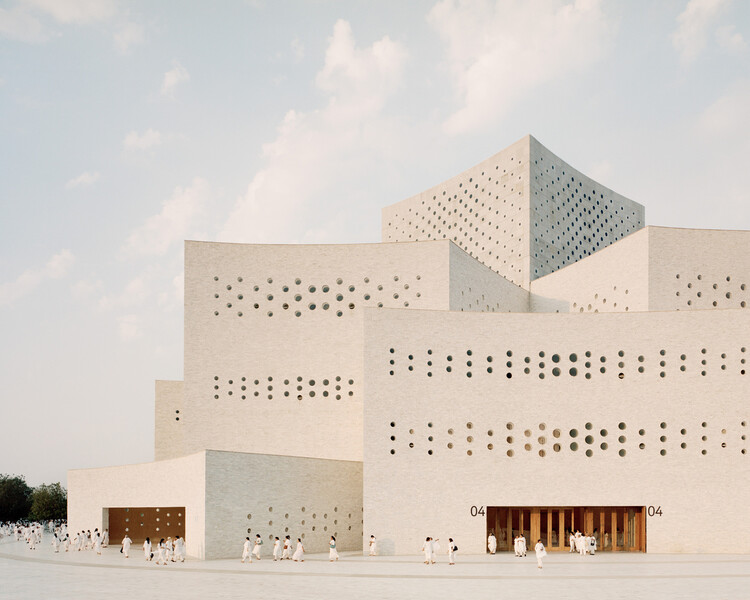
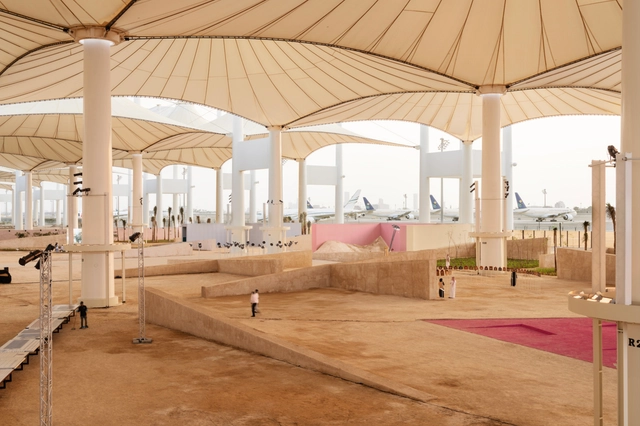
The Diriyah Biennale Foundation has just unveiled the competition details for the AlMusalla Prize, along with the shortlisted architecture studios and the jury. An addition to the Islamic Arts Biennale, this international architecture competition focuses on designing a musalla, a flexible space for prayer and reflection accessible to people of all faiths. Situated in the Western Hajj Terminal of King Abdulaziz International Airport in Jeddah, Saudi Arabia, the musalla will be an integral part of the Biennale’s upcoming edition. The winner of the competition will be announced later this year, and the opening of the musalla will be held on January 25th, 2025.

Arab Designers Crafting their Own Narrative: Design Doha 2024 Explores Identity and Innovation

Subscriber Access | 

Establishing a platform in the Arab world, Design Doha 2024 debuted its inaugural edition in Doha, Qatar. Facilitating dialogues between designers, the event challenges the misconception that the Arab world is composed of a singular culture. It highlights, therefore, the diversity of populations, landscapes, and histories it encompasses.

Centered on "Arab Design Now," a regional survey showcasing the works of over 70 Arab designers, featuring 38 commissioned pieces, Design Doha is running from February 24 to August 5, 2024. ArchDaily had the opportunity to talk to Rana Beiruti, curator of the main exhibition, during the event's opening, to grasp the significance of the biennial and delve into some of the key installations, exploring the stories behind these interventions, learning about the designers involved, and gaining insights into their creative processes.

Arab Designers Crafting their Own Narrative: Design Doha 2024 Explores Identity and Innovation  - Image 1 of 4Arab Designers Crafting their Own Narrative: Design Doha 2024 Explores Identity and Innovation  - Image 2 of 4Arab Designers Crafting their Own Narrative: Design Doha 2024 Explores Identity and Innovation  - Image 3 of 4Arab Designers Crafting their Own Narrative: Design Doha 2024 Explores Identity and Innovation  - Image 4 of 4Arab Designers Crafting their Own Narrative: Design Doha 2024 Explores Identity and Innovation  - More Images+ 12

AAU ANASTAS Explores Stone's Potential for Contemporary Design at the 2021 Venice Architecture Biennale

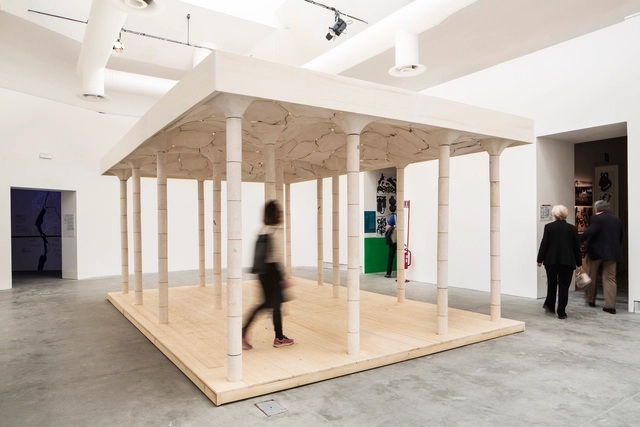
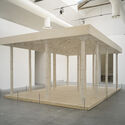
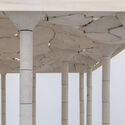
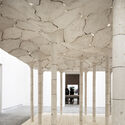
Having been invited to participate in the 17th International Venice Architecture Biennale, architecture and design practice AAU ANASTAS presents the exhibition All-Purpose, which translates the craftmanship of stone into a new form of contemporary architecture. Exhibited within the Giardini, the structure featuring an undulating parametrised stone slab supported by thin, slender columns is a material exploration that builds on the Palestinian construction tradition to create a new architectural discourse around stone.

AAU ANASTAS Explores Stone's Potential for Contemporary Design at the 2021 Venice Architecture Biennale - Image 1 of 4AAU ANASTAS Explores Stone's Potential for Contemporary Design at the 2021 Venice Architecture Biennale - Image 2 of 4AAU ANASTAS Explores Stone's Potential for Contemporary Design at the 2021 Venice Architecture Biennale - Image 3 of 4AAU ANASTAS Explores Stone's Potential for Contemporary Design at the 2021 Venice Architecture Biennale - Image 4 of 4AAU ANASTAS Explores Stone's Potential for Contemporary Design at the 2021 Venice Architecture Biennale - More Images+ 13