


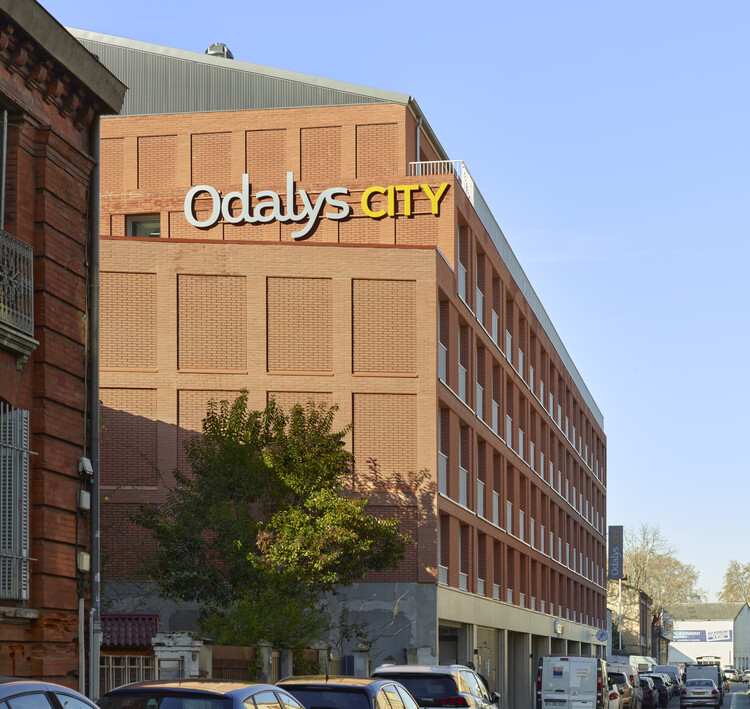
-
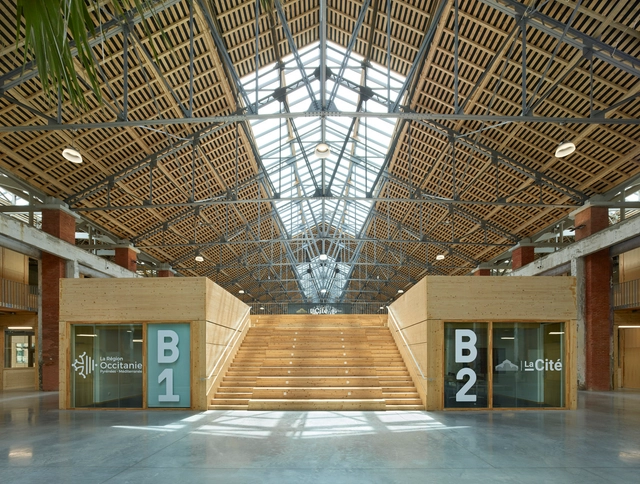
Architects: Taillandier Architectes Associés
- Area: 7015 m²
- Year: 2021
-
Manufacturers: Terreal, Les Zelles, Weber
-
Professionals: ABM Energie Conseil, Ebm, New Energy concept



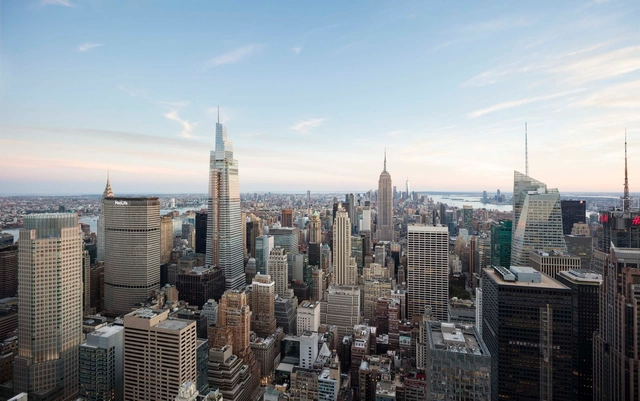
As the largest city in the United States, New York City is one of the most diverse and vibrant cities in the world, recognized by many as the center for global media, culture, fashion art, and finance. The city was founded in 1624 by settlers from the Dutch Republic and has since grown into “the city that never sleeps”.
While almost every style of architecture exists in New York City, the metropolis is most well known for its skyscrapers, both in historical styles such as Neoclassical and Art Deco and in their varied contemporary expressions. The first building to bring the world's tallest title to New York was the New York World Building, in 1890. Later, New York City was home to the world's tallest building for 75 continuous years, starting with the Park Row Building in 1899.

Food pyramids are familiar to all of us. They are visual guides that show us the proportions of foods that we should supposedly eat on a daily basis, in order to stay healthy. Composed of a series of layers with different food types–such as grains, flour, fats, vegetables, and others–, at the base are the foods that should be consumed in larger quantities. Towards the top, each layer becomes successively smaller, indicating the foods that are meant to be ingested rarely. The pyramid can vary according to countries and cultures, but its main purpose is always to provide a guide for a balanced life. There are no prohibitions, but it does indicate some foods that should be consumed with caution because of their impacts on our health.
If we are what we eat, is it possible to also replicate this in the construction industry and our buildings? Using this same easy to understand visual language, the Royal Danish Academy Center for Industrialized Architecture (Cinark) developed the Construction Material Pyramid. The idea was to highlight the environmental impact of the most used construction materials, focusing on the analysis of the first three life phases: extraction of raw materials, transportation and manufacturing.

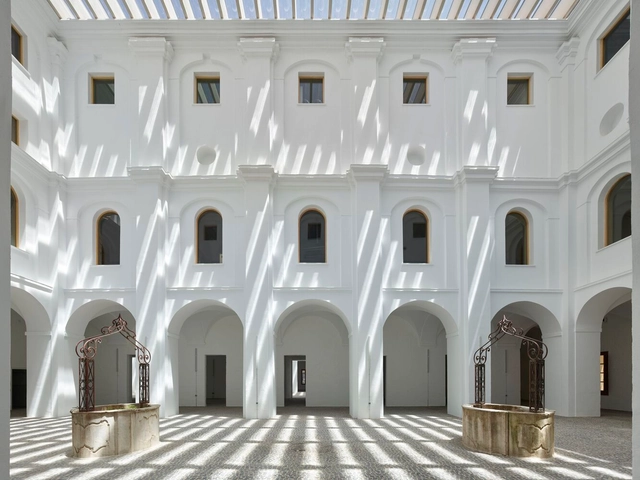



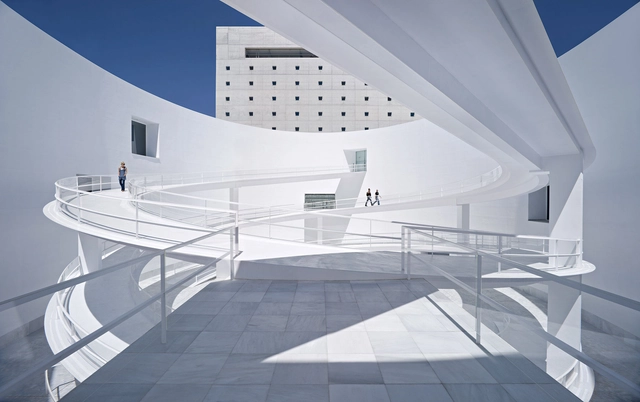
Madrid architect Alberto Campo Baeza was born in 1946 in Valladolid, Spain and grew up in Cádiz. He graduated from Universidad Politécnica de Madrid in 1971 and earned his PhD there in 1982. Campo Baeza has been teaching architecture at the Higher Technical School of Architecture of Madrid, ETSAM for more than 40 years. He sees architecture as building ideas and expressing them in the most essential and clear ways, consistently relying on such basic elements as firmly grounded rectangular platforms, thick solid walls with deep cavities and frameless cutouts, and flat thin planes propped up by delicate posts. Colors, complex curves, and diversity of materials are largely avoided to accentuate primary relationships between elementary prisms and to exalt magic out of sunlight. Campo Baeza’s architecture is about transparency and precision, as well as asserting such fundamentals as ground planes, straight lines, and precise corners. He has built relatively few projects and, for the most part, on a small scale. Yet, his legacy is remarkably complete, consistent, profound, memorable, and inspirational.
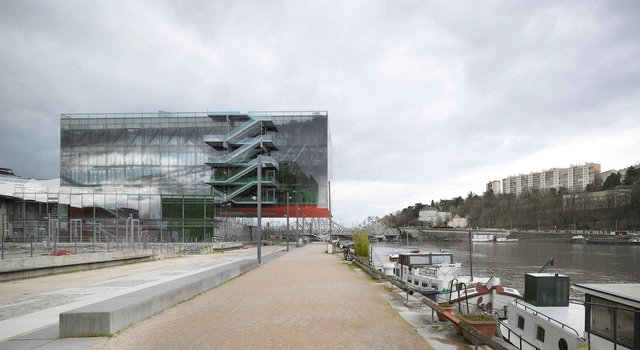
Odile Decq was born in 1955 in Laval, France and studied at École Régionale d'Architecture in Rennes, Brittany. She graduated from the École Nationale Supérieure D'architecture in Paris-La Villette in 1978 and received her diploma from the Paris Institute of Political Studies in 1979. Decq set up her practice in Paris the same year and soon met Benoît Cornette who was studying medicine at the time but switched to architecture. By 1985 he received his architecture degree and the couple renamed their firm into ODBC. In 1996, ODBC won the Golden Lion in Venice for their drawings, selected out of a pool of invited emerging voices that included Zaha Hadid, Enric Miralles, and Liz Diller and Ric Scofidio. That was the beginning of the computer drawings, expressing movement, ambiguities, layering, and overall new dynamics that characterize Decq’s liberated forms and spaces.
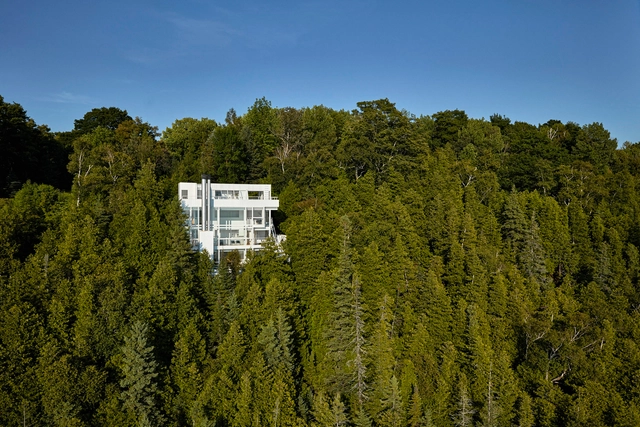
"When I am asked what I believe in, I say that I believe in architecture. Architecture is the mother of the arts. I like to believe that architecture connects the present with the past and the tangible with the intangible."
Richard Meier, the Pritzker Prize and AIA Gold Medal-winning architect, is well known for his abstracted, often white, buildings and unrelenting personal design philosophy. Citing Bernini and Borromini as influences as well as Le Corbusier and Louis Kahn, Meier received his Bachelor in Architecture from Cornell University in 1957 and took jobs with Skidmore Owings & Merrill and Marcel Breuer soon after his graduation. He began his own private practice in New York in 1963 and rocketed to architectural fame in the early 1970s, after being named as one of the "New York Five."
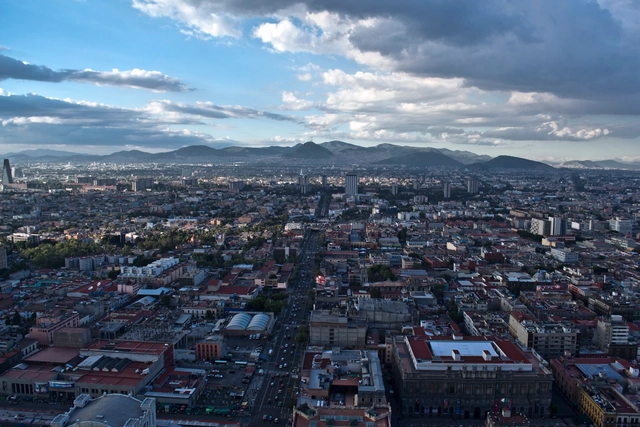
Though the idea of a vacation in Mexico usually brings to mind images of margaritas on white-sand beaches, it seems the country is slowly but surely gaining recognition in other aspects as well. Among the most populated urban cities in Latin America and the world – not to mention The New York Times' number one "Place to Go in 2016" – Mexico City offers a particular cultural diversity evident both in its traditions and in its architecture. Considering it's the main tourist, educational, cultural, economic and political center of Mexico, it makes sense that it's the perfect scenario for the social encounters of its multicultural inhabitants and tourists.
The sites of architectural interest alone are worth the visit, with prehispanic, classic, modern and contemporary examples ranging from Juan O'Gorman and Luis Barragán to Felix Candela and David Chipperfield. Add to that the fact that its gastronomic scene has garnered much praise and attention in recent years, and you've got a perfect combo. Below is a carefully curated list of 30 sites that every architect should know and visit.


