

This guide explains how to structure multi-image prompts in the RunDifussion platform. Explore RunDifussion's product catalog.
News
How to Prompt and Annotate Multiple Images with AI
| Sponsored Content
https://www.archdaily.comhttps://www.archdaily.com/catalog/us/products/38860/how-to-prompt-and-annotate-multiple-images-with-ai-rundiffusion
The British Pavilion at the 2021 Venice Architecture Biennale Explores How to Make Public Space More Inclusive
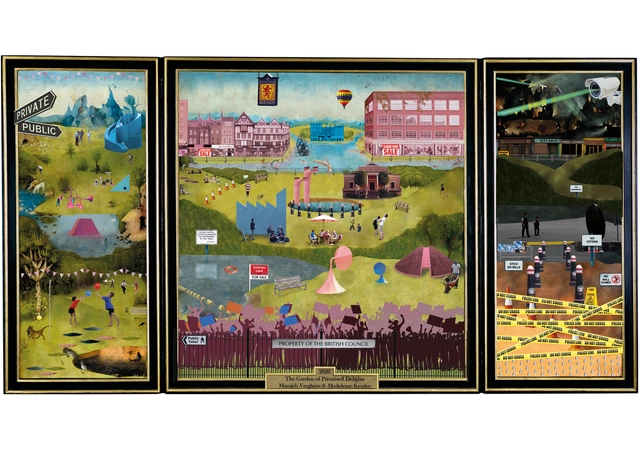
Curated by Manijeh Verghese and Madeleine Kessler, co-founders of multi-scalar design practice Unscene Architecture, the British Pavilion exhibition entitled The Garden of Privatised Delights, at the 17th International Architecture Exhibition – La Biennale di Venezia, will be open to the public from the 22nd of May until the 21st of November 2021. Commissioned by the British Council, the exhibition “reimagines how to make public space more inclusive, countering the rapid rise of privately-owned public space with an inspiring, alternative vision that urges both sectors to work together to create better-designed spaces for all”.
https://www.archdaily.com/959274/the-british-pavilion-at-the-2021-venice-architecture-biennale-explores-how-to-make-public-space-more-inclusiveChristele Harrouk
Powerhouse Team Wins Competition for "Urban Woodland" in the Netherlands
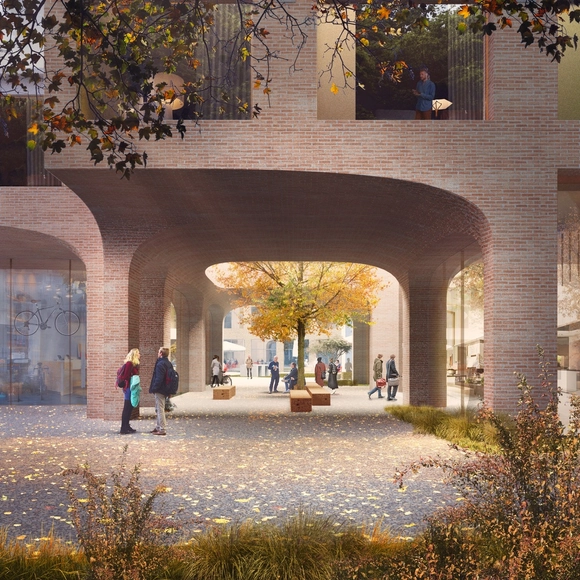
Powerhouse Company has won the competition to transform the Alo-location and neighborhood in Groningen, a city in the Netherlands. They teamed up with Houben/Van Mierlo, Vector-i and landscape architect DELVA to create the proposal. Dubbed HOLT, the project was developed with MWPO, Nijestee and Nijhuis Bouw. The plan for a new green and healthy neighborhood looks to the future of healthy living in the city.



https://www.archdaily.com/959231/powerhouse-team-wins-competition-for-urban-woodland-in-the-netherlandsEric Baldwin
"Without Great Architecture We Are Nothing": Behind the Scenes with Edmund Sumner
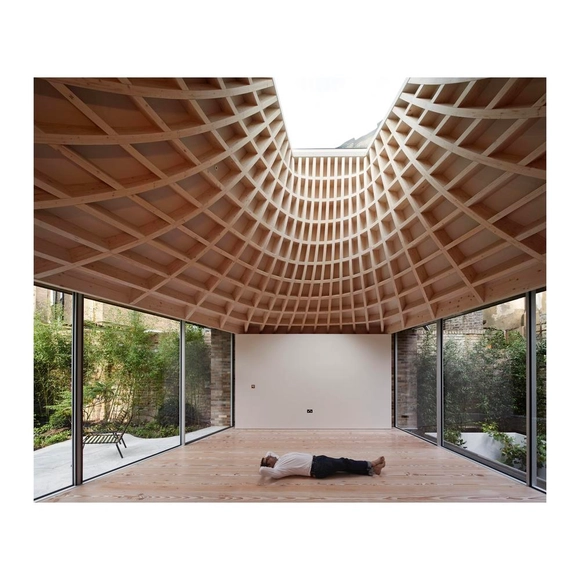
0090BB.jpg?1616694288 "Naila House. Photo: © Edmund Sumner© Edmund Sumner")
0019_BB.jpg?1616694314 "Naila House. © Edmund Sumner")

At ArchDaily, we always aspire to provide our community with all the tools and knowledge to help imagine, design, and build better cities. In order to bring inspiration and present more about what goes on beyond a complete project, we are launching a new series titled “Behind the Scenes”, where we showcase the work of visionary photographers, artists, and curators, and ask some questions that allow them to share more of what they do with the world. In every episode, we will be sharing with you the answers, along with images and videos of their work.
Kicking off the series is London-based architectural photographer Edmund Sumner.
https://www.archdaily.com/959167/without-great-architecture-we-are-nothing-behind-the-scenes-with-edmund-sumnerVictor Delaqua
Interior Wellbeing: The Design Of Educational Spaces
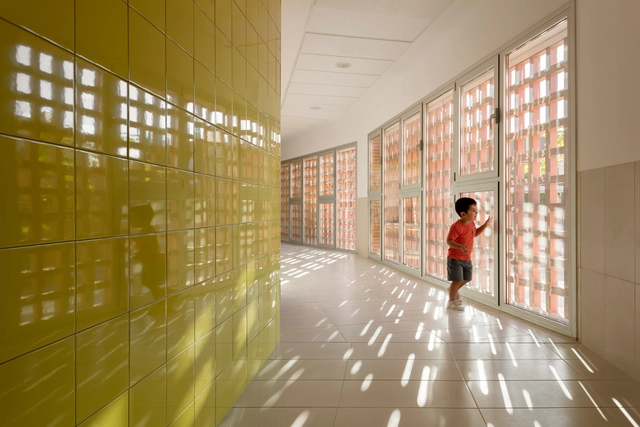
The ongoing pandemic has been a disruption to the everyday routines of billions around the world, as due to being confined to their households, the separation between work and rest has become extremely blurry, with people forced to rethink and reconfigure the layout of their personal spaces. Conversations have abounded on how to create flexible working spaces in a home environment, and if offices themselves are an outdated model that we should leave behind. A missing part of that conversation, however, is the impact that the pandemic has had on children, specifically primary-school level children, on their education - as inequalities are emphasized, some children learning with slow internet connection speeds, or struggling to have the space required to adequately complete educational activities.


https://www.archdaily.com/959085/interior-wellbeing-the-design-of-educational-spacesMatthew Maganga
Less is More: Mies van der Rohe, a Pioneer of the Modern Movement
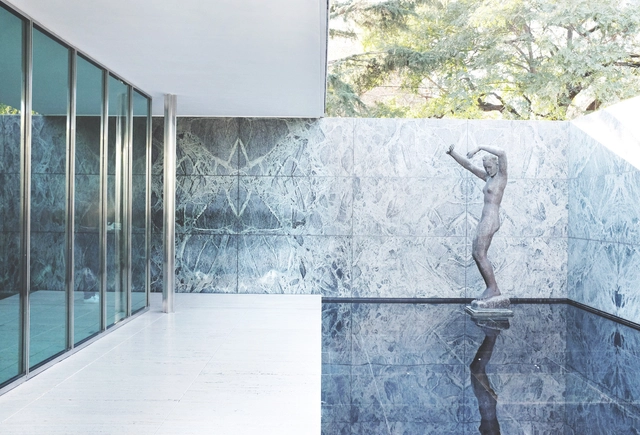
Ludwig Mies van der Rohe (27 March 1886 – 17 August 1969) is one of the most influential architects of the 20th century, known for his role in the development of the most enduring architectural style of the era: modernism. Born in Aachen, Germany, Mies' career began in the influential studio of Peter Behrens, where Mies worked alongside two other titans of modernism, Walter Gropius and Le Corbusier. For almost a century, Mies' minimalist style has proved very popular; his famous aphorism "less is more" is still widely used, even by those who are unaware of its origins.


https://www.archdaily.com/350573/happy-127th-birthday-mies-van-der-roheArchDaily Team
Architectural Lessons of LEGO
LEGOs are universal world-building units and a popular gateway into architecture. Of course, you can build almost anything with them, cars, spaceships, you name it, but buildings of all kinds — from police-stations to castles — are some of the most popular subjects. What makes LEGOs so appealing to young, and not-so-young architects? What, specifically, makes them a good analogy for the design of buildings? In this episode, Stewart purchases a box of LEGOs and uses it as a springboard to talk about what he’s learned from the toy block system. From lessons on modularity and proportion, to grammar and resolution, to compositional categories of additive and subtractive, the video breaks down how these fundamental concepts apply to both LEGOs and to the history and design of architecture.
https://www.archdaily.com/959173/architectural-lessons-of-legoDiego Hernández
Why Is My Office So Cold? Exploring the Overlooked Aspects that Contribute to Workplace Wellbeing
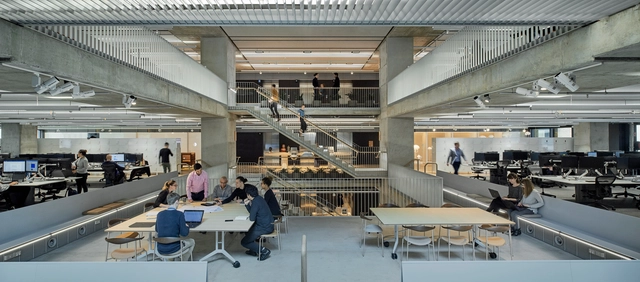
If your profession involves going into the office every day, then you’re probably familiar with this age-old question- is the office too hot, or is it too cold? While some colleagues may claim that the workplace feels like a sauna, you might see others who survive the daily grind hidden away under a blanket with a personal space heater keeping them company. The never-ending debate about the perfect temperature might only scratch the surface of many questions that designers and engineers have aimed to solve about the workplace, and they’re probably the aspects that you don’t consider on a daily basis. What about lighting- has a meeting room ever felt too bright, or too dimly lit that you felt uncomfortable?
https://www.archdaily.com/959199/why-is-my-office-so-cold-exploring-the-overlooked-aspects-that-contribute-to-workplace-wellbeingKaley Overstreet
Miralles Tagliabue EMBT Wins Competition to Design Shenzhen's Conservatory of Music
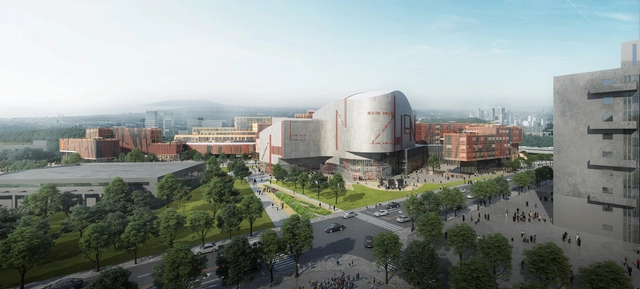
Miralles Tagliabue EMBT, directed by Benedetta Tagliabue, has won the international competition to design the Shenzhen Conservatory of Music, one of the city's 10 new era cultural buildings. Characterized by the dialogue generated with its surroundings, the complex integrates music and art in nature with a proposal of organic and sustainable architecture.


https://www.archdaily.com/959143/miralles-tagliabue-embt-wins-competition-to-design-shenzhens-conservatory-of-musicChristele Harrouk
CRA-Carlo Ratti Associati Designs Thermal Islands for Helsinki Energy Challenge
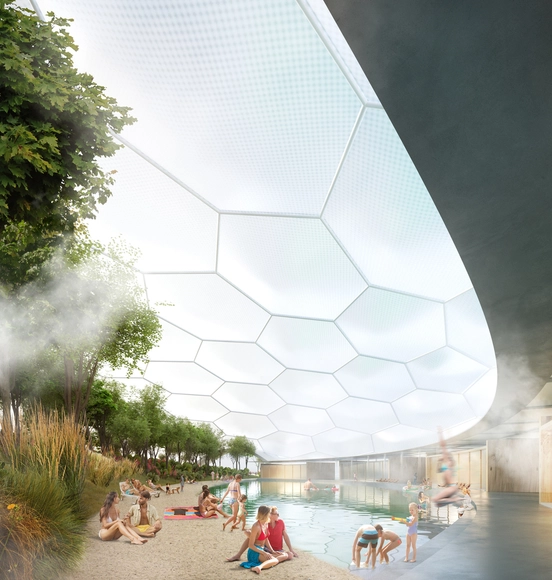
A trans-disciplinary team led by CRA-Carlo Ratti Associati has designed a series of islands for the Helsinki Energy Challenge. Titled Hot Heart, the project is based on an archipelago of heat-storing basins that will also serve as a hub for recreational activities. The “islands” will be home to tropical forests and ecosystems from around the world, bringing additional public space and a new educational attraction to the Finnish capital.
https://www.archdaily.com/958718/cra-carlo-ratti-associati-designs-thermal-islands-for-helsinki-energy-challengeEric Baldwin
Why Did Luis Barragán Win the Pritzker Prize?
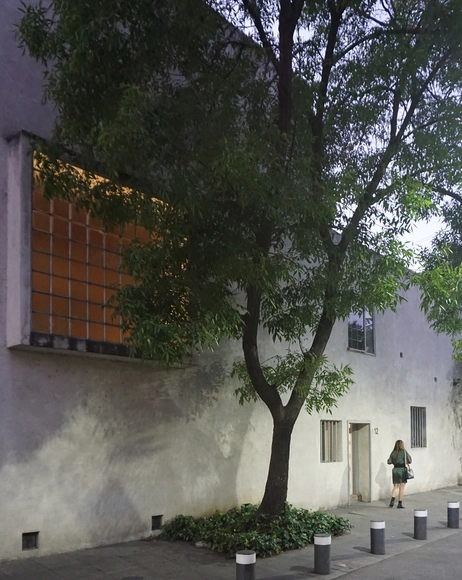
On March 9, what would have been Luis Barragán's 119th birthday, we commemorate Mexico's most celebrated architect and discuss his winning of the 1980 Pritzker Prize.
https://www.archdaily.com/958804/why-did-luis-barragan-win-the-pritzker-prizeFabian Dejtiar
Shanghai Binjiang Avenue: Revitalizing the Historic Riverfront with a Human Centered Design Approach
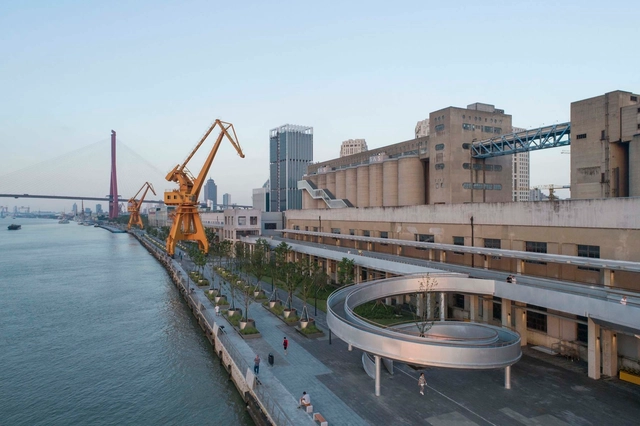
Fred Kent, the founder of the nonprofit organization Project for Public Spaces, once stated that “If you plan cities for cars and traffic, you get cars and traffic. If you plan for people and places, you get people and places." It may sound obvious, nevertheless, our cities today are indeed undergoing a rapid transformation from a car-oriented society to a pedestrian-friendly community.
https://www.archdaily.com/959061/shanghai-binjiang-avenue-revitalizing-the-historic-riverfront-with-a-human-centered-design-approachScarlett Miao
Roberta Brandes Gratz: "Joan Davidson Showed How Little It Sometimes Took To Get Big Things Started"
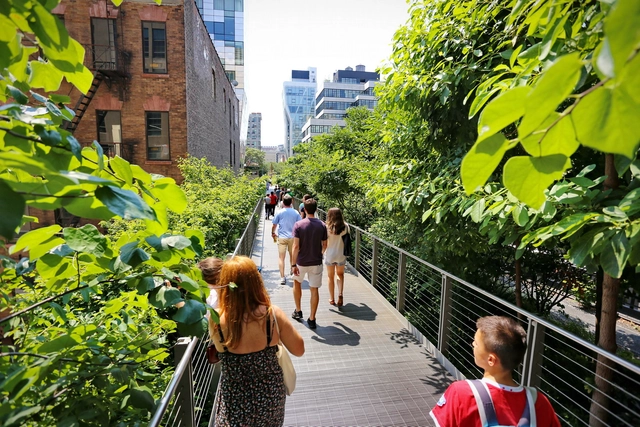
This article was originally published on Common Edge as "Joan K. Davidson and the Fight for New York."
As income inequality has widened in recent years, the role of philanthropy has been called into question. Is charitable giving by wealthy individuals and powerful corporations always a positive force, or is that connection to wealth and power an inevitable compromise? Whose agenda does philanthropic giving really benefit, the grantees or the granters? These are complicated questions. But truly enlightened giving is a transformative force. It can not only fund worthy causes but if properly timed can sow the seeds of social change.

https://www.archdaily.com/959151/roberta-brandes-gratz-joan-davidson-showed-how-little-it-sometimes-took-to-get-big-things-startedMartin Pedersen
How Media Architecture Is Shaping Our Cities – And With It Our Lives
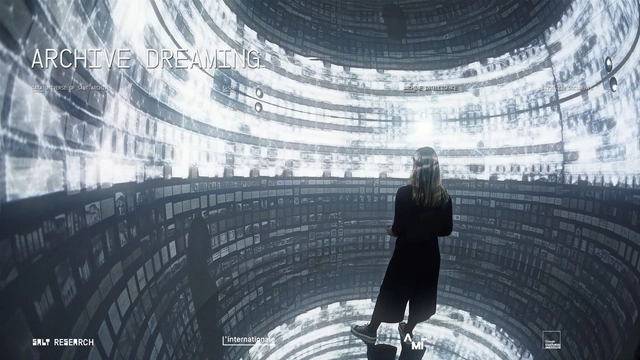
The Media Architecture Biennale 20 (MAB20) will take place as an online event from June 28th to July 2nd, 2021. This edition will shift the focus on media architecture from the aesthetic spectacle to societal improvement. How can media architecture contribute to better cities, civic engagement and sustainable ecosystems? The event will close off with the MAB Awards, highlighting outstanding projects in this newly emerging field at the crossroads of architecture, urban planning, interaction design, art, and informatics.
https://www.archdaily.com/959178/how-media-architecture-is-shaping-our-cities-nil-and-with-it-our-livesJeroen Junte
Winners of the ArchDaily China Building of the Year 2021 Awards
.jpg?1616727166&format=webp&width=640&height=580)
Another year, another successful ArchDaily China Building of the Year Awards! With more than 75,000 votes gathered over the past 20 days, the results of the 2021 edition are in! Once more, the award has proved to be the largest architecture prize centered around people’s opinion. Crowdsourced, the most relevant projects of the year were nominated and selected by our readers.
The 2021 China Building of the Year Awards is brought to you thanks to Dornbracht, renowned for leading designs for architecture, which can be found internationally in bathrooms and kitchens.
https://www.archdaily.com/959196/winners-of-the-archdaily-china-building-of-the-year-2021-awards韩爽
Strelka KB Announces Winning Teams to Design Russian City of the Future
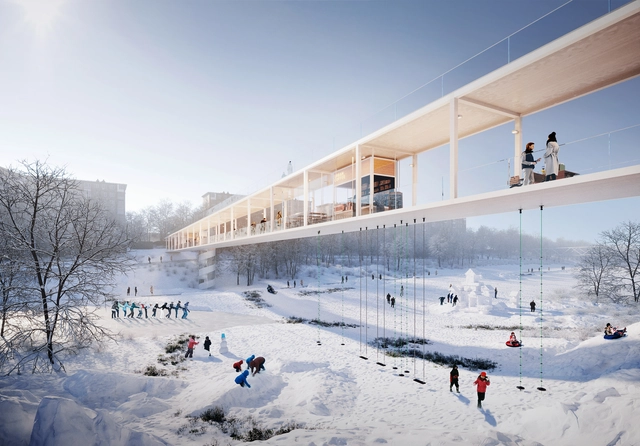
Citymakers and Karres en Brands have tied for first place in the competition to reimagine Saratov's City Center in Russia. From Park Pobedy, Ostrov Zeleny and Pokrovskie Peski Island to the development of the former Saratov Tsentralny airport and Glebuchev Ovrag, the teams will design a series of new spaces throughout the city.

.jpg?1616624818 "Karres en Brands . Image Courtesy of Strelka KB")


https://www.archdaily.com/959114/strelka-kb-announces-winning-teams-to-design-russian-city-of-the-futureEric Baldwin
SANAA Wins International Competition to Design the Shenzhen Maritime Museum
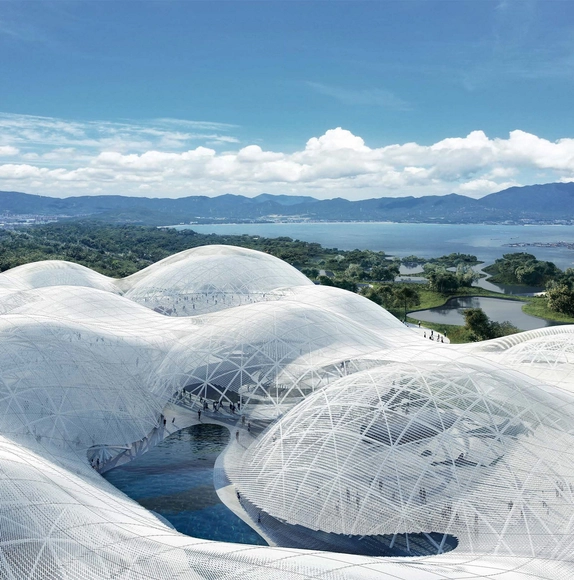
The proposal designed by SANAA, “The Cloud on the Ocean” was just selected as the winning entry of the International Architecture Design Competition for the Shenzhen Maritime Museum. Led by Kazuyo Sejima and Ryue Nishizawa, SANAA imagined an intervention emerging between mountains and sea, combining the local cultures, site features, and maritime elements.


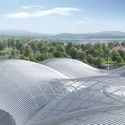

https://www.archdaily.com/959142/sanaa-wins-international-competition-to-design-the-shenzhen-maritime-museumChristele Harrouk
Anagram and Gruppa Win Competition to Reimagine Přerov Town Hall in Czechia
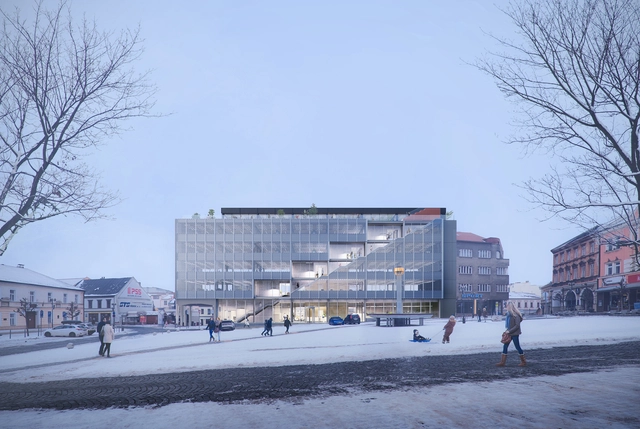
Anagram Architecture & Urbanism and Gruppa Design have won first prize in the competition to reimagine Přerov Town Hall in Czechia. Dubbed The Connector, the proposal includes the reconstruction of the existing 1969 building to emphasize the aim of the town hall to be a social generator for the Přerov's future.


https://www.archdaily.com/959109/anagram-and-gruppa-win-competition-to-reimagine-prerov-town-hall-in-czechiaEric Baldwin
In Transit: Large-Scale Road Infrastructures Seen from Above
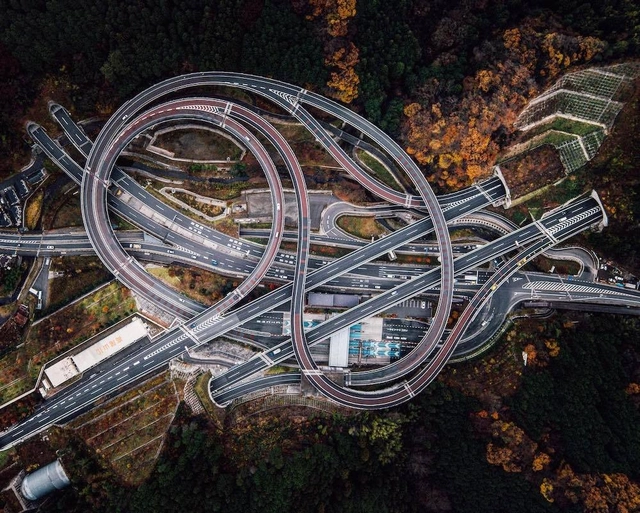
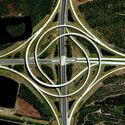
We live in a tangled web of flows – of capital, information, technology, images, structures, in constant momentum dominating all aspects of our lives. The large-scale road infrastructures shown here are products of this powerful desire for movement, which for many years was also synonymous with development, as portrayed by the famous Goethean character Faust in his endless quest for a (false) sense of progress.
From these tangles of concrete and steel, at multiple levels and in different directions, emerges a geometrically organized chaos that tears the urban fabrics in a relentless effort to prioritize the flows with the fewest obstacles and the highest capacity possible.



https://www.archdaily.com/958978/in-transit-large-scale-road-infrastructures-seen-from-aboveCamilla Ghisleni
“The Tree that Escaped the Crowded Forest”: Lessons from Frank Lloyd Wright’s Price Tower
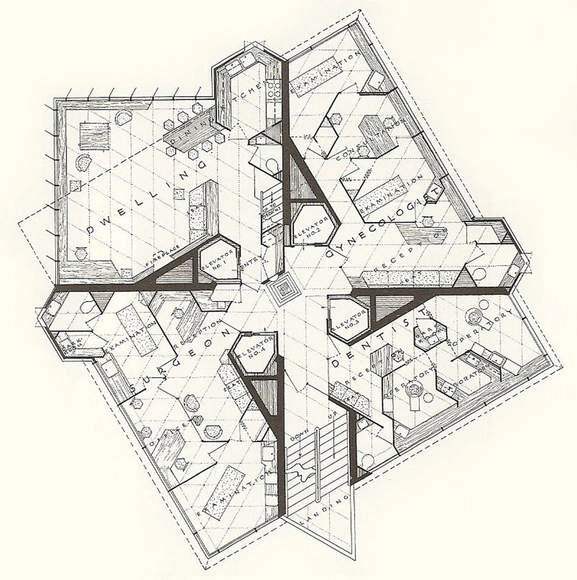
Frank Lloyd Wright’s Price Tower is the famous American architect’s only realized high-rise building and one of his only extant vertically-oriented designs. Located in the plains of Bartlesville, Oklahoma and commissioned by the local oil and chemical firm H. C. Price Company, the mixed-use tower is significant not only for its singularity within Wright’s oeuvre, but because of its unique materials and structural design. Some of Wright’s innovations, which were novel in the mid-twentieth century, remain useful even today.
https://www.archdaily.com/958989/the-tree-that-escaped-the-crowded-forest-lessons-from-frank-lloyd-wrights-price-towerLilly Cao
A Beach House on the Aegean Sea and a Hybrid Housing Development in Norway: 12 Unbuilt Projects Submitted to ArchDaily
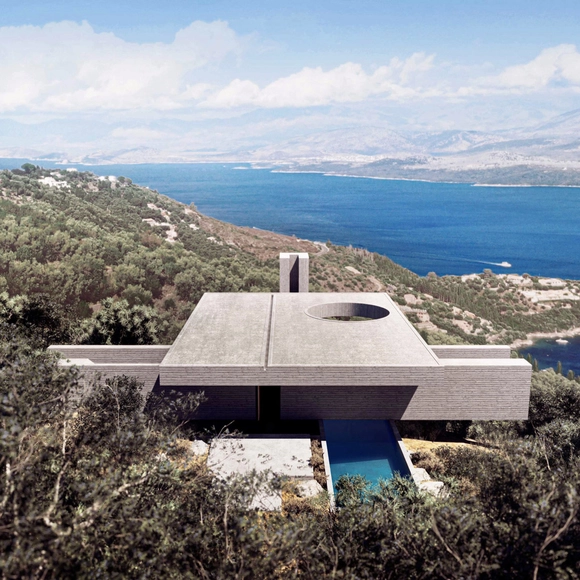
Focusing on the different typologies of houses, this week’s curated selection of Best Unbuilt Architecture highlights conceptual projects submitted by the ArchDaily Community. From urban developments to tiny homes, this article explores the topic of residential architecture and presents approaches from all over the world.
Featuring a cabin amidst the verdant forested region of northern Iran, a development in Georgia that offers an 80% recreational space to 20% housing ratio, and a project in Paris that re-questions our urban reality, and rethinks traditional forms of housing, this roundup tackles a multitude of scales. In addition, it underlines a collection of beach houses in Greece, Italy, Argentina, and Latvia each responding to a different landscape and topography. Other ideas underlined include the renovation of existing developments in Moscow, a residential-led transformation of a former factory in Manchester, and a family of blocks grouped around an elevated communal garden in the Netherlands.


https://www.archdaily.com/959028/a-beach-house-on-the-aegean-sea-and-a-hybrid-housing-development-in-norway-12-unbuilt-projects-submitted-to-archdailyChristele Harrouk
MAA Unveils New Images of Istanbul's Futuristic Supertall TV and Radio Tower
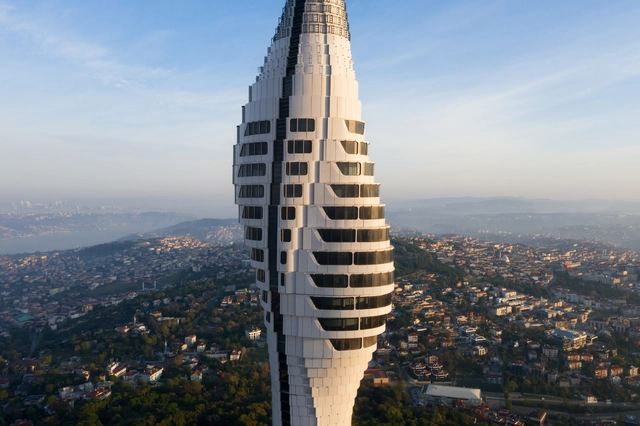
Melike Altınışık Architects - MAA has just revealed more details and interior images of Istanbul's futuristic 369 meter-tall TV and Radio Tower. Photographed by London-based architectural photography studio NAARO, the new landmark structure has started its main telecommunication functions in November 2020. It is expected to open its doors to public use in late spring 2021.


https://www.archdaily.com/959012/maa-unveils-new-images-of-istanbuls-futuristic-supertall-tv-and-radio-towerChristele Harrouk
Brooks + Scarpa's Quantum Computing Lab Under Construction in California
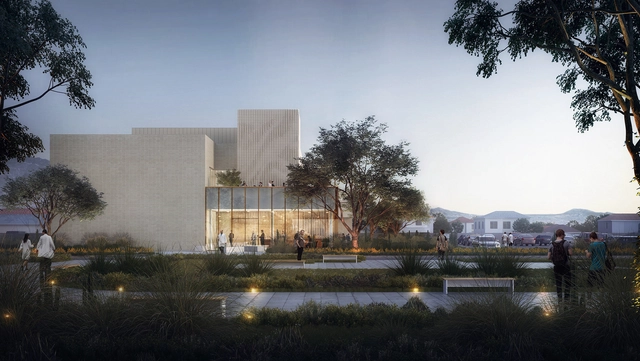
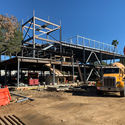
Architecture and design practice Brooks + Scarpa have created a new 25,000 square foot research and development facility under construction in Pasadena, California. The project is designed for scientists and engineers seeking to develop future quantum technologies. In turn, the experimental and theoretical quantum science and technology lab will be an incubator in the emerging field of quantum engineering and quantum computing.

https://www.archdaily.com/958685/brooks-plus-scarpas-quantum-computing-lab-under-construction-in-californiaEric Baldwin
Carmen Espegel: "The History of Modern Movement Must Be Reread, It Still Contains Hidden Information"
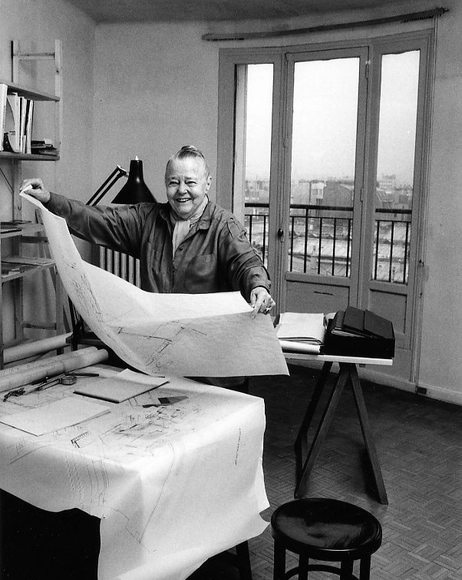
Spanish architect, Carmen Espegel's work is embodied in three complementary areas: academic, research, and professional activity. Espegel was part of espegel-fisac arquitectos studio for twenty years as a founding partner and currently leads espegel arquitectos. Her research approach has focused mainly on housing, women in architecture, and architectural criticism.
https://www.archdaily.com/958907/carmen-espegel-the-history-of-modern-movement-must-be-reread-it-still-contains-hidden-informationBelén Maiztegui
Easily Present Your Projects with Modelo Collaborative 3D Viewer
| Sponsored Content
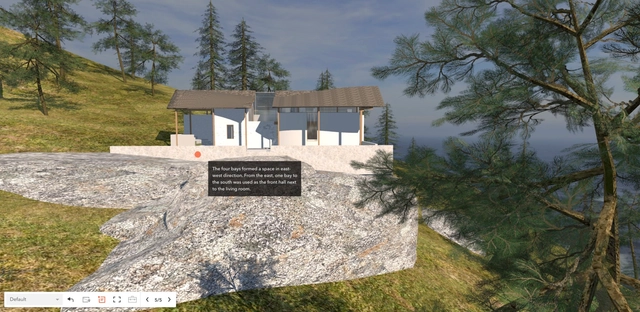
Now recall the last time you meet a client. Preparing a whole bunch of presentation materials including renderings, diagrams, floor plans, elevation plans and section plans is simply not enough. The hard part starts when the client got stuck with one or two renderings and simply wouldn’t let go.
https://www.archdaily.com/958878/easily-present-your-projects-with-modelo-collaborative-3d-viewerRene Submissions