

This guide explains how to structure multi-image prompts in the RunDifussion platform. Explore RunDifussion's product catalog.
News
How to Prompt and Annotate Multiple Images with AI
| Sponsored Content
https://www.archdaily.comhttps://www.archdaily.com/catalog/us/products/38860/how-to-prompt-and-annotate-multiple-images-with-ai-rundiffusion
Architecture in Mexico: Projects that Highlight the Colima Territory
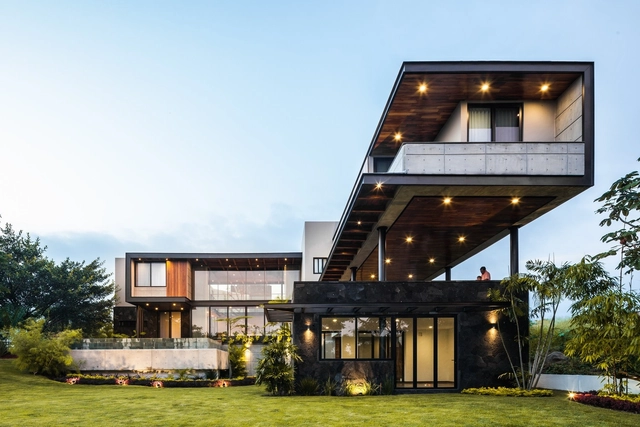
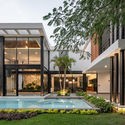
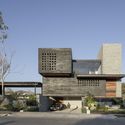
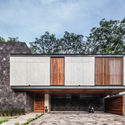
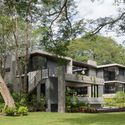
There are several reasons why Colima is a Mexican state of relevant cultural wealth, one of them is due to its climate and orography where beaches such as Manzanillo and the Colima volcano are sheltered, facilitating tourism in this region. Moreover, the rich pre-Hispanic history signed on archaeological sites such as "El Chanal", "La Campana" and "Meseta de la Hierbabuena", as well as some important haciendas (farms) such as the Hacienda de Nogueras, Hacienda del Carmen and Hacienda San Antonio.

https://www.archdaily.com/969359/architecture-in-mexico-projects-that-highlight-the-colima-territoryMónica Arellano
The Distinctive Mosques of Sub-Saharan Africa
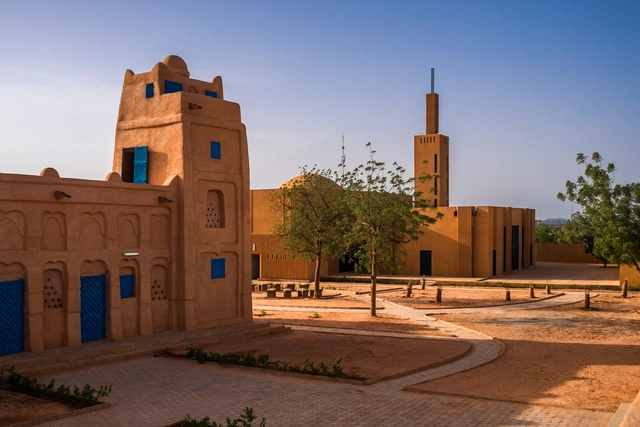
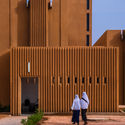
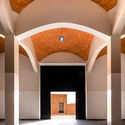
Sub-Saharan Africa is home to an enormous number of religious adherents – within which there is extraordinary diversity in religious expression. Iconic buildings serving a religious purpose are found throughout the continent, such as The Cathedral Basilica of the Holy Family in central Nairobi or the Hare Krishna Temple in South Africa. What is evident is that architecture that hosts religious gatherings makes up a key part of the urban fabric of sub-Saharan African cities and that in a lot of cases, religious structures go against the grain – leaving aside or tweaking classical models in favor of a unique architectural approach.

https://www.archdaily.com/970228/the-distinctive-mosques-of-sub-saharan-africaMatthew Maganga
Brick Houses in Spain: Modern Masonry Design for Home Interiors and Exteriors
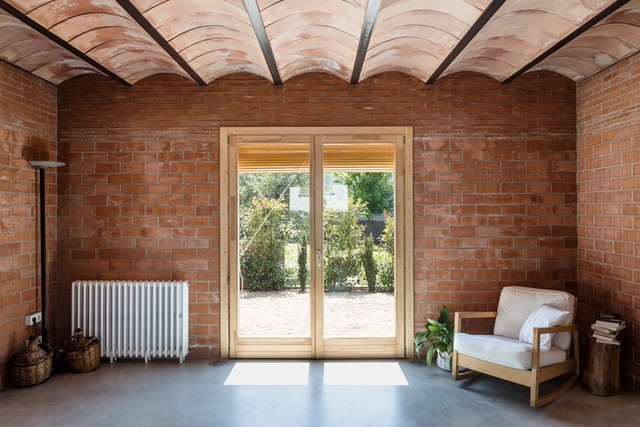
The ample supply, durability, and affordability of brick makes it one of the most widely used and iconic materials in Spanish architecture, especially within the Mudejar tradition. Throughout history, they have added both beauty and function to the spaces that use them, offering protection from the elements while also permitting the entry of natural light and air flow.
In recognition of brick's impact on Spanish architecture throughout history, we have created a compilation of contemporary projects that highlight its aesthetic and functional benefits along with advice from their creators about how best use this tried and true material.
https://www.archdaily.com/969694/brick-houses-in-spain-modern-masonry-design-for-home-interiors-and-exteriorsFabian Dejtiar
Do Passive Design Strategies Truly Reduce the Carbon Footprint Effectively?
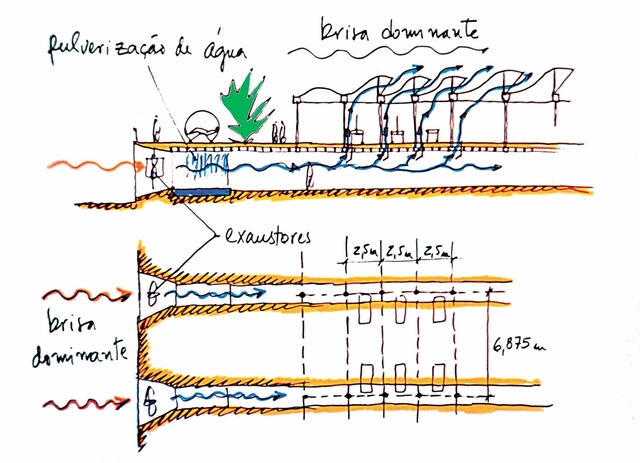
Architecture is a transdisciplinary field. It incorporates principles and knowledge from several other disciplines to ensure a built structure functions as intended. This fundamentally involves considering the context in which a building is placed, including its immediate surroundings, such as neighboring structures, local biodiversity, and climate. Essentially, architecture only exists within a particular context. When we expand this context to a broader scale, it becomes what we commonly refer to as the "environment."





https://www.archdaily.com/1008755/do-passive-design-strategies-truly-reduce-carbon-footprint-effectivelyHelena Tourinho
WXCA Wins Competition for the Reconstruction of Warsaw's Saxon Palace, a Pre-World War II Landmark
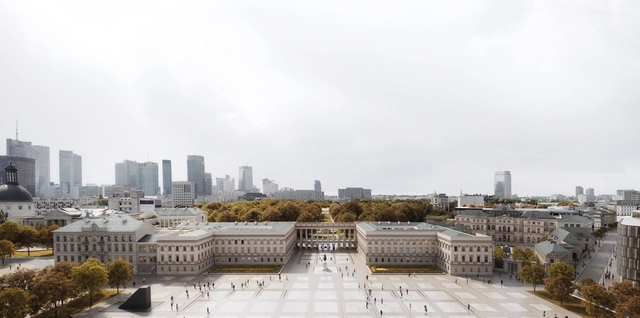
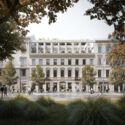
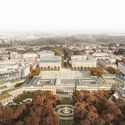
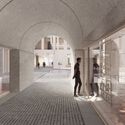
WXCA Architectural Design Studio has won the international competition for the reconstruction of the Saxon Palace, a heritage site located in the historical city center of Warsaw, Poland, that was significantly damaged during the Second World War. The competition, organized by the Polish Ministry of Culture and National Heritage in cooperation with the Association of Polish Architects, aimed to create a concept for the restoration of the monument, which is set to be rebuilt in its external Neoclassicist form of 1939.


https://www.archdaily.com/1008942/wxca-wins-competition-for-the-reconstruction-of-warsaws-saxon-palace-a-pre-world-war-ii-landmarkMaria-Cristina Florian
MVRDV and NACO Design Extension to Václav Havel Airport in Prague
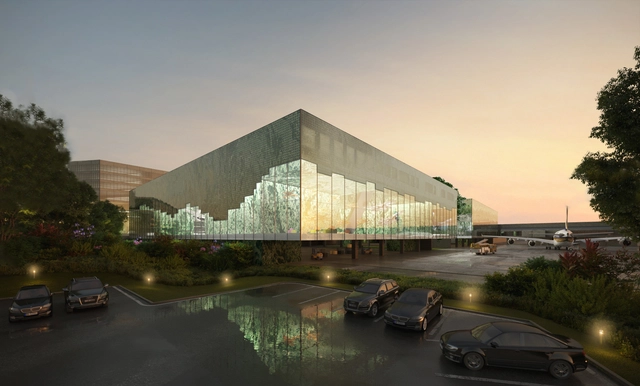
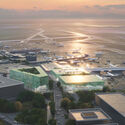
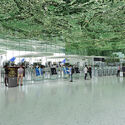
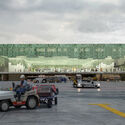
MVRDV has been selected as the winner of a competition to design three new buildings at Václav Havel Airport Prague. In collaboration with NACO (Netherlands Airport Consultants), the project will be the largest airport in Prague and the Czech Republic. The expansion of Terminal 1 will house a central security facility, business and VIP lounges, and a vertiport. Referred to as “Czech Lanterns,” the exteriors are illuminated with programmable satellite images of the Czech Republic.


https://www.archdaily.com/1008936/mvrdv-and-naco-design-extension-to-vaclav-havel-airport-in-pragueNour Fakharany
Getting to Know the Work of fala
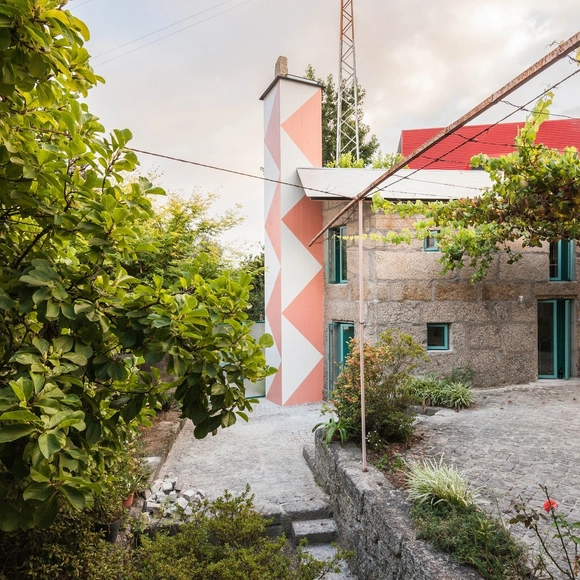
With a diverse and highly distinctive portfolio of projects, particularly notable for their innovative representations, the architecture office fala is marked by a bold, refined, and dynamic creative process. Established in 2013 by architects Filipe Magalhães, Ana Luisa Soares, and Ahmed Belkhodja, fala is headquartered in Porto, Portugal, and typically engages in projects across various scales, ranging from territories to birdhouses.



https://www.archdaily.com/1007974/getting-to-know-the-work-of-falaAdele Belitardo
How NYC Plans to Deal With Rainstorms: Global Precedents
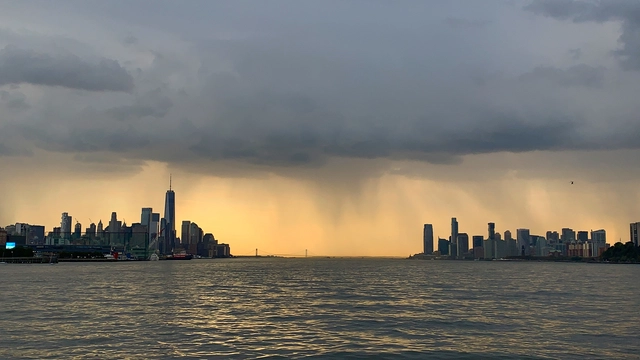
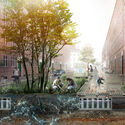
In September of this year, New York City experienced a severe storm that inundated its streets with more than 7 inches of rain in less than 24 hours, causing a number of roads to close, cars to submerge, and buses to get trapped. This event again highlighted the city's old infrastructure's inability to handle fast and heavy rainfall. As climate change intensifies, experts warn that such extreme weather events will become increasingly frequent. This vulnerability is especially concerning in densely populated urban areas such as New York City, where flooding risks increase due to the large amounts of impervious surfaces.



https://www.archdaily.com/1008604/how-nyc-plans-to-deal-with-rainstorms-global-precedentsCarla Bonilla Huaroc
Great Together, Great Apart: Minotti's Dylan and Raphael
| Sponsored Content

Upholstery is at the heart of every living space, providing comfort both physically and visually. It’s the basis for an interior to grow and evolve, setting the tone for a wider 360-degree landscape. To create a truly dynamic foundation, it usually takes a few different sofas or armchairs, but pairing them up to create the desired harmony between color, texture, form and function can be a challenge without experiencing them side by side in space.

https://www.archdaily.com/1008447/great-together-great-apart-minottis-dylan-and-raphaelRene Submissions
A Highway Turned into Urban Farmland in California and a Contextual Insertion in Central Prague: 8 Urban Renewal Projects Submitted by the ArchDaily Community
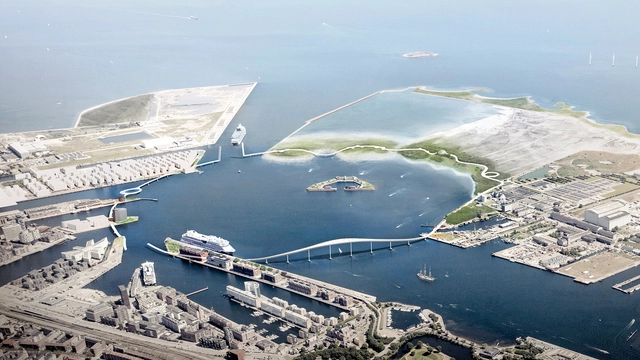
Through urban renewal projects, architects, urban planners, and designers can infuse new life into dilapidated urban landscapes by upgrading the infrastructure, introducing new functions into the urban fabric, and reimagining the character of open public spaces. These types of projects present interest due to their dual character: on the one side they offer an opportunity for reimagining the potential of the city, but the areas they affect are already well-ingrained within the urban fabric, raising challenges of integration and contextual adaptation.
This week's curated selection of Best Unbuilt Architecture highlights projects submitted by the ArchDaily community that enhance functionality, aesthetics, and sustainability of urban areas while respecting and embracing the existing fabric of the city. From a residential neighborhood that prioritizes self-sufficiency and circularity in the Netherlands, to a highway ramp transformed into productive spaces in California, United States, or a new elevated path designed to alleviate urban congestion in the harbor of Copenhagen, his selection features projects that highlight the ever-changing character of our cities. Featuring projects from both emerging and established architectural offices such as Benthem Crouwel Architects, Space&Matter, and Vincent Callebaut Architectures, the projects demonstrate the variety of approaches needed to adapt urban environments to the needs of their residents.


https://www.archdaily.com/1008889/a-highway-turned-into-urban-farmland-in-california-and-a-contextual-insertion-in-central-prague-8-urban-renewal-projects-submitted-by-the-archdaily-communityMaria-Cristina Florian
Rules of Thumb for Choosing Colors for Façades and Exteriors
| Sponsored Content
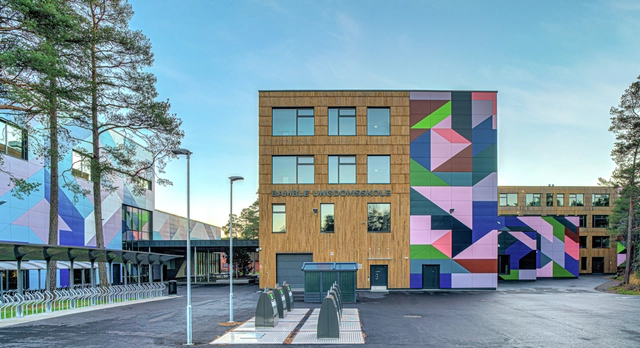
Façade colors are closely linked to place identity and help influence the surroundings and inhabitants of an area; they make it easier to safeguard and correct the use of color in urban areas. During the launch of their new color collection, STENI worked in collaboration with Scandinavia's leading expert in color and architecture, Kine Angelo, Associate Professor at NTNU, Department of Architecture and Technology, who has been working with color for over 12 years.
https://www.archdaily.com/1008277/rules-of-thumb-for-choosing-colors-for-facades-and-exteriorsRene Submissions
2024 Color of the Year Picks Unveiled by Paint Leaders Such as Benjamin Moore and Sherwin Williams
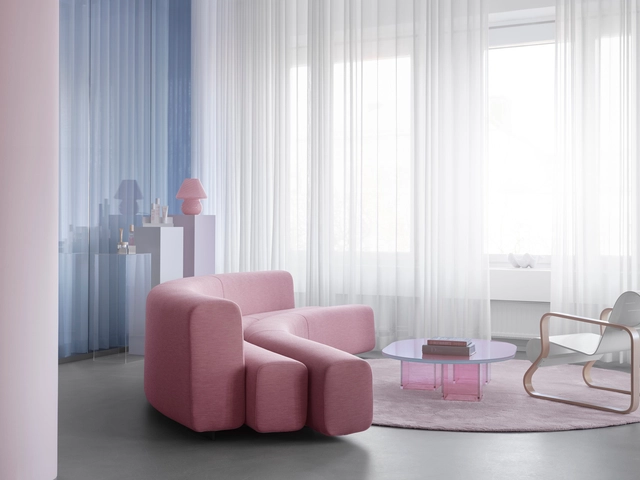
The year 2024 brings forth an intriguing array of Color of the Year selections from renowned paint manufacturers, each offering a unique perspective on the hues that will influence our living spaces. Striving to capture the moods and aspirations of the coming year, color experts have veered towards soft and calming shades, hoping to bring a sense of serenity to counter the hectic and tumulus passing year. Countering the bold color chosen by Pantone in 2023 as their previous Color of the Year, Benjamin Moore embraces a softly saturated and nuanced shade, AkzoNobel emphasizes calmness and stability, Sherwin Williams aims to inspire mindfulness, Graham & Brown fosters warmth and tranquility, and C2 Paint focuses on freshness and sustainability.




https://www.archdaily.com/1008888/2024-color-of-the-year-picks-unveiled-by-paint-leaders-such-as-benjamin-moore-and-sherwin-williamsMaria-Cristina Florian
Henning Larsen Designs Largest Timber Logistics Center in Lelystad, Netherlands
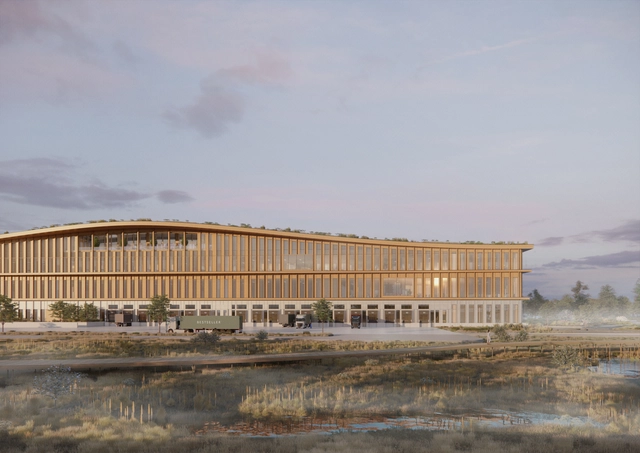
Henning Larsen has revealed the designs for Europe’s largest timber logistics center. Located in Lelystad, on the Dutch island of Flevopolder, the center is a testament to the future of timber structures. Serving as Bestseller’s new 155,000 sqm Logistics Center, the design is committed to reduced emissions, fair working conditions, and following circular design principles in order to minimize waste.


https://www.archdaily.com/1008829/henning-larsen-designs-largest-timber-logistics-center-in-lelystad-netherlandsNour Fakharany
Refurbishing Buildings Haunted by the Past: 7 Places to Visit in São Paulo
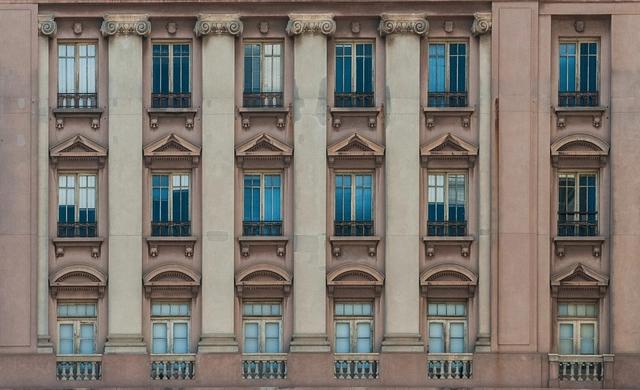
World Tourism Day is observed every year on September 27th. Tourists create itineraries based on a wide range of interests, such as architecture, gastronomy, or natural beauty, which are the most common choices. However, some travelers seek out hints of mystery and places with haunting histories. In a city as rich in stories as São Paulo, it's not hard to discover locations with a past marked by unsettling events, which have now been repurposed into cultural attractions, enriching the tapestry of the city's society.




https://www.archdaily.com/1008293/refurbishing-buildings-haunted-by-the-past-7-places-to-visit-in-sao-pauloArchDaily Team
5 Ways to Create More Liveable Cities: Insights from TV Show "Tale of Two Cities" with Dikshu Kukreja
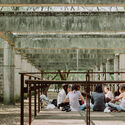
Cities are the bedrock of civilization. For millennia, they have attracted people with the promise of superior standards of living — from better economic and educational opportunities to easier access to quality public infrastructure such as housing, healthcare, and public transport. Today, however, many cities around the world are finding it challenging to live up to this promise. With urban migration accelerating at a dizzying rate – the United Nations projects that over two-thirds of the world's population will live in cities or urban centers by 2050 – existing resources and services in cities are coming under increasing pressure, rendering them dysfunctional and leading to glaring inequities.
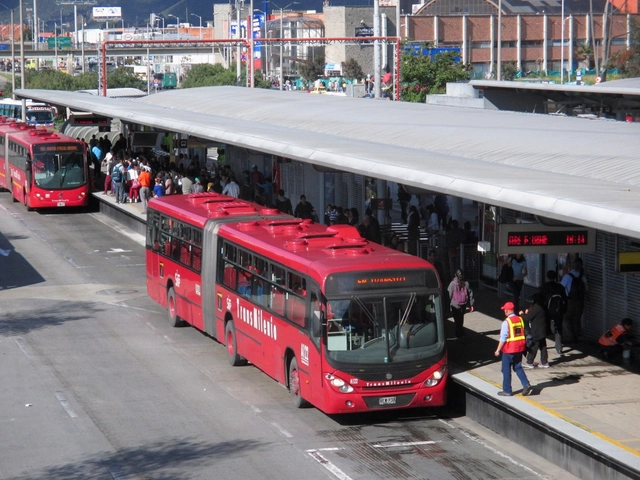
There is no singular way to define or assess liveability; every city has a unique set of characteristics, from its history, culture, geography, and demographics, to how it is governed and what urban issues plague it. Therefore, improving liveability requires concerted efforts from multiple stakeholders including people, governments, and experts, to identify critical problem areas and opportunities, and devise contextual solutions. The TV show Tale of Two Cities, where Indian architect and urbanist Dikshu C. Kukreja sits down with global leaders, brings out great insights into what some major cities in the world are doing to create more liveable environments for their inhabitants. Here we present five examples: from Bogotá, Kolkata, Hannover, Tirana, and Washington, D.C.



https://www.archdaily.com/1008733/5-ways-to-create-more-liveable-cities-insights-from-tv-show-tale-of-two-cities-with-dikshu-kukrejaSuneet Zishan Langar & Sadhya Bhatnagar
Sliding Pocket Doors Can Help Save Space and Optimize Small Interiors
| Sponsored Content

As urban areas around the world continue to experience population growth and increasing demand for housing, the land available for development is becoming both more limited and expensive. In large urban centers, many people deliberately choose the convenience and efficiency of compact living spaces in exchange for the benefits of city life, such as proximity to work, amenities, and cultural attractions. For others, however, the need to live in small spaces is a reality imposed by circumstances. In order to make construction feasible and increase urban density, builders and developers end up significantly reducing the size of rooms in homes, occasionally compromising the quality of life of those who live there. This has led to the adoption of various creative strategies to improve the efficiency of reduced interior spaces and provide greater comfort for occupants.
https://www.archdaily.com/1007913/sliding-pocket-doors-can-help-save-space-and-optimize-small-interiorsEduardo Souza
33 Open Homes With Multiple Stories Across a Vertical Open Plan
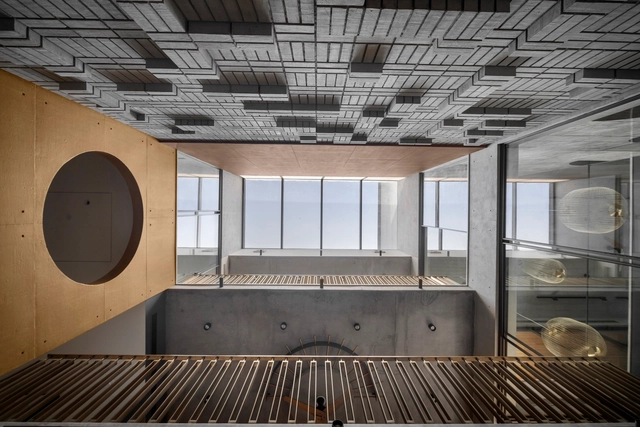
For over half a century, the open floor plan has remained at the cutting edge of interior architecture, with both new-build and renovation clients choosing to splice together rooms and their functions to bring more harmonious connectivity to their homes. Families, despite busier schedules, were able to cook, talk, study, and relax together, all at the same time.
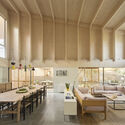
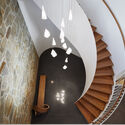
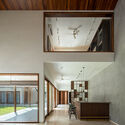
As it can force users to share their space with competing sounds, smells, and ambiances, however, many are turning away from the open plan with new concepts such as the broken plan gaining ground. Another evolutionary route for the open-plan, meanwhile, is to move upwards. In combination with double-, triple-, or even higher-story living spaces, the open-plan is given the space it needs to breathe while staying connected to the rest of the home.


https://www.archdaily.com/1008266/33-open-homes-with-multiple-stories-across-a-vertical-open-planJames Wormald
Addressing the Water Crisis Around the World: A Focus on Water Leakages
| Sponsored Content

Water is a fundamental resource that sustains life, underpins agriculture, and fuels industry worldwide. However, water scarcity is becoming an increasingly pressing issue around the globe. Factors such as climate change, rapid urbanization, and industrial expansion exacerbate this situation. Among these contributing elements, water leakage remains an often underestimated and deprioritized aspect of water wastage.
https://www.archdaily.com/1008440/addressing-the-water-crisis-around-the-world-a-focus-on-water-leakagesRene Submissions
The Nordic Pavilion at Expo Osaka 2025 to be Designed by AMDL CIRCLE
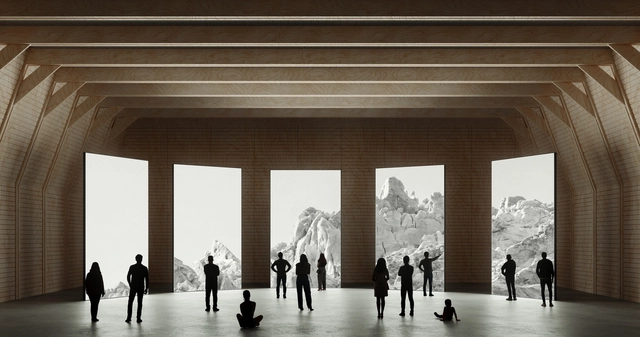
Following an international competition, AMDL CIRCLE has been selected to create the pavilion which will represent the spirit and vision of the Nordic Countries at the Expo Osaka in 2025. Their proposal takes a sustainable and circular approach, as the structure is purposely designed for disassembly and reuse. Technically developed and engineered by Rimond and conceived by AMDL CIRCLE, the pavilion aims to showcase the Nordic people’s respect and connection with the environment while offering ample space for the display of technological innovations.
https://www.archdaily.com/1008807/the-nordic-pavilion-at-expo-osaka-2025-to-be-designed-by-amdl-circleMaria-Cristina Florian
MVRDV Transorms the Tour & Taxis District in Brussels with Qualitative Masterplan
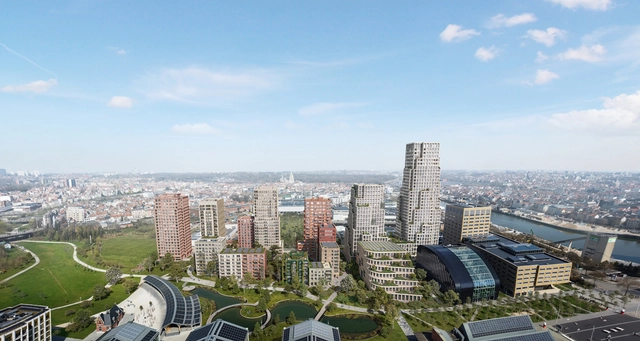
Seven architecture studios, including MVRDV, have designed separate buildings in the long-anticipated master plan for the Lake Side development in Brussels. To introduce diversity, the master plan has been designed by MVRDV and aims to bring about a denser and more vibrant life on the Tour & Taxis side, offering various amenities for its residents. The newly designed site also includes different workspaces and a nine-hectare park that promotes a more car-free communal environment. The project’s entirety is supervised by MVRDV, who also designs one of the 17 buildings within the new master plan.


https://www.archdaily.com/1008806/mvrdv-transorms-the-tour-and-taxis-district-in-brussels-with-qualitative-masterplanNour Fakharany
Architecture to Postpone the End of the World
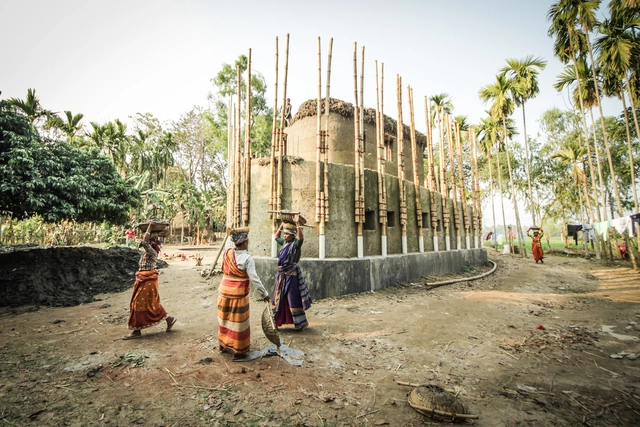
In 2019, as the world was on the brink of facing one of the most significant pandemics in recent history, Ailton Krenak, a Brazilian indigenous leader, environmentalist, and philosopher, published a book titled Ideas to Postpone the End of the World. This brief booklet, comprising slightly more than 80 pages, came into circulation at a critical juncture, providing both reassurance and a cautionary message to humanity during a time when it observed the rapid evolution of history.


https://www.archdaily.com/1007290/architecture-to-postpone-the-end-of-the-worldCamilla Ghisleni
What is a Good Interior Design?
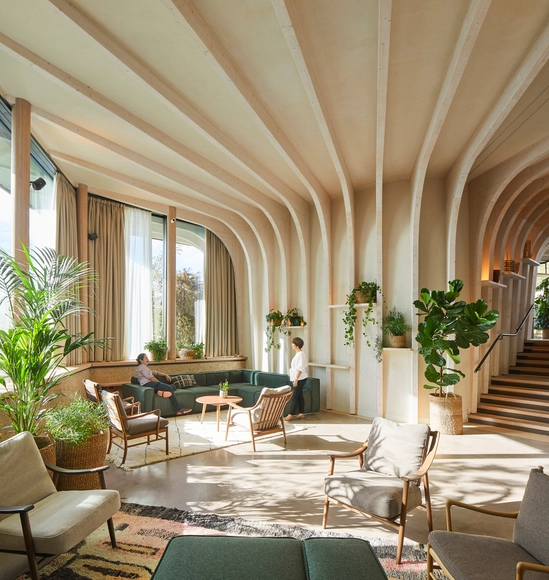
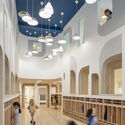
The world's recent shift towards prioritizing wellness has influenced people to seek healthier lifestyles by understanding the body and the mind collectively. External factors such as the geographic location, the environment, the community, financial status, and the relationships with friends and family have all shown to have considerable impacts on an individual's health. However, it became evident that ensuring physical and mental health was not limited to having access to medical facilities and professional treatments, but was also determined by several factors related to the quality of the built environment.
Architects have a choice to design better and consequently, help people make better choices. So what is considered a good interior design, and what are the factors that make any interior space a good one? In this interior focus, we will explore this "good" side of design, looking at how architects ensured the needs of users by acknowledging accessibility, demographic diversity, economy, and the environment, regardless of aesthetic.


https://www.archdaily.com/989337/what-is-a-good-interior-designDima Stouhi
Urban Sanitation in India: Past, Present, and Future
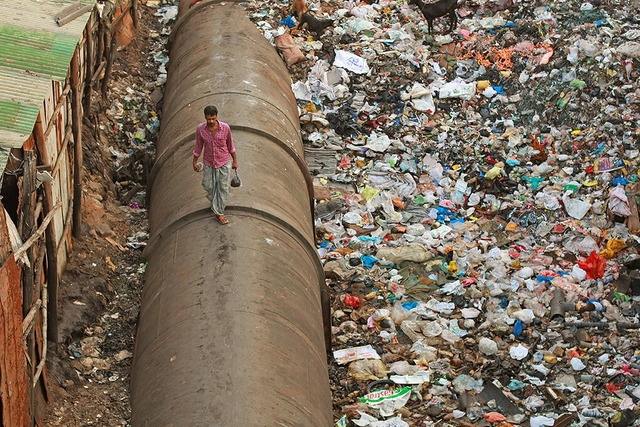
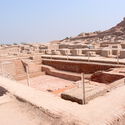
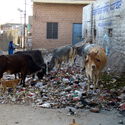
With large populations come formidable challenges, particularly in the realm of health and hygiene. In the last century, upholding sanitary conditions in urban areas has remained a persistent challenge, particularly in a nation that houses over 1.5 billion people. India grapples with a myriad of issues- inadequate infrastructure for sanitation, lack of public toilets, and poor waste management practices. In densely populated cities, the struggle intensifies as sanitation and cleanliness management falters. India's rapid urbanization has outpaced the development of sanitation infrastructure and cleanliness issues have deeply entrenched in the nation's built environment.



https://www.archdaily.com/1008732/urban-sanitation-in-india-past-present-and-futureAnkitha Gattupalli
UNStudio Unveils Design for Mixed-Use Complex in the Hangzhou Olympic Sports Centre Area in China
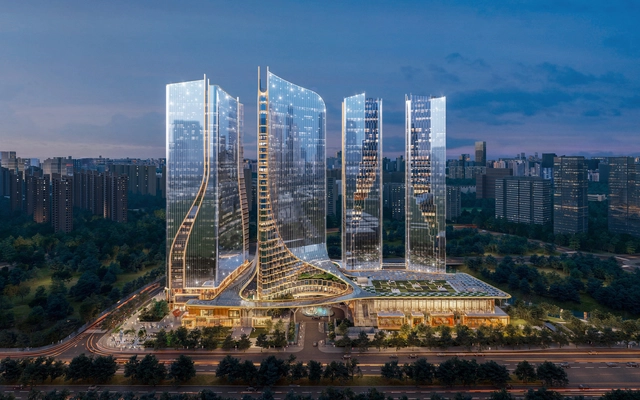
On a site that also hosts the Olympic Sports Centre, the 2023 Asian Games complex, UNStudio has unveiled the design of the new Hiwell Amber Centre, a complex of four high-rise towers planned to add a mix of offices, apartments, hotels, art spaces and retail to the city center of Hangzhou, China. Responding to the area’s rapid economic and cultural growth, the new development aims to provide a wide range of services to residents and visitors alike. To open up towards the city, the smooth glass curtain wall of the towers peels apart to reveal a tapestry-like facade that envelops the main plazas and civic spaces, creating an ‘urban living room.’


https://www.archdaily.com/1008736/unstudio-unveils-design-for-mixed-use-complex-in-the-hangzhou-olympic-sports-centre-area-in-chinaMaria-Cristina Florian