

This guide explains how to structure multi-image prompts in the RunDifussion platform. Explore RunDifussion's product catalog.
News
How to Prompt and Annotate Multiple Images with AI
| Sponsored Content
https://www.archdaily.comhttps://www.archdaily.com/catalog/us/products/38860/how-to-prompt-and-annotate-multiple-images-with-ai-rundiffusion
Integrating Heritage and Innovation: 7 Architectural Installations at Dubai Design Week 2023
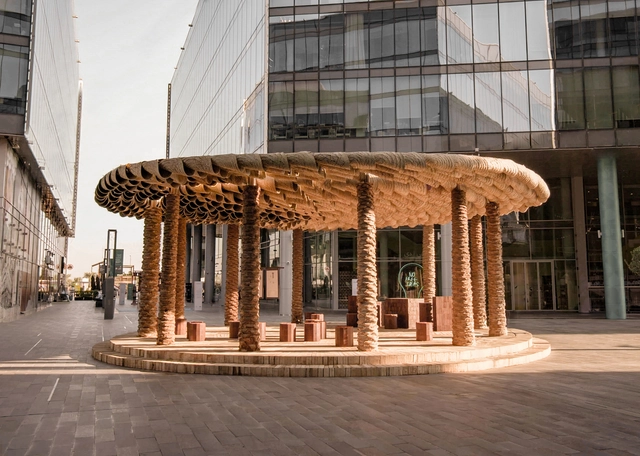
Happening between November 7 and 12, Dubai Design Week 2023 brought together over 500 designers, architects, and creative practitioners to explore the relationship between traditional practices and emerging technologies in an effort to create more environmental sustainability and design-led social impact solutions. As one of the most important cultural events in the Middle East, the festival brings forward a wide offering of installations, artworks, and immersive experiences, all exploring important topics of eco-friendly design.
This year’s interventions and installations drew inspiration from the region’s natural ecosystems as well as local traditions and craftsmanship while merging these practices with innovative technologies, biomaterial explorations, and reimagined ways of practicing. Across the interventions, a recurring motif emerges, that of celebrating Middle Eastern heritage and engaging productively with vernacular practices.


https://www.archdaily.com/1009657/integrating-heritage-and-innovation-7-architectural-installations-at-dubai-design-week-2023Maria-Cristina Florian
The Guangxi China Resources Tower Wins "Best Tallest Building" Award at The Council on Tall Buildings and Urban Habitat 2023

The Guangxi China Resources Tower has just received the distinguished “Tall Building Award” from the Council on Tall Buildings and Urban Habitat (CTBUH). The soaring skyscraper, standing at 403 meters in Nanning, China, was designed by Goettsch Partners (GP) and built by CR Land. This 86-story tower spanning 272,260 sqm features the Shangri-La Nanning hotel, office space, and retail space.
https://www.archdaily.com/1009656/the-guangxi-china-resources-tower-wins-best-tallest-building-award-at-the-council-on-tall-buildings-and-urban-habitat-2023Nour Fakharany
Daily Rituals: Home Spaces for Praying and Spiritual Connection
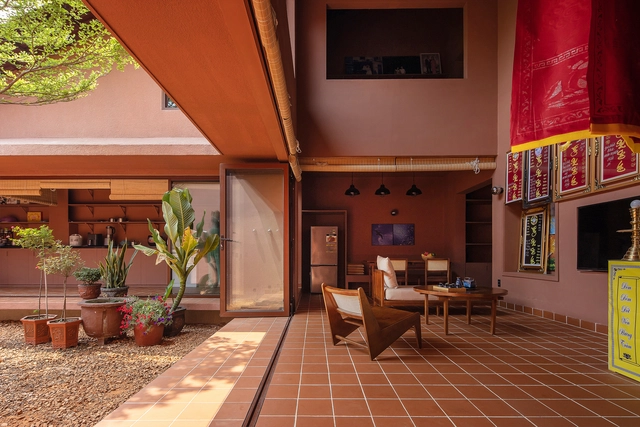
A home is a sacred realm, a place that embraces and honors a variety of emotions and sensations. As Gaston Bachelard asserts, it serves as our refuge in the world, our initial universe, a true cosmos in every sense of the term. Its intricate symbolism transcends mere functional aspects like room count or bathroom size. Entire universes find their place within its walls.


https://www.archdaily.com/1008993/daily-rituals-home-spaces-for-praying-and-spiritual-connectionCamilla Ghisleni
imm cologne Returns in January 2024 With "Connecting Communities"
| Sponsored Content
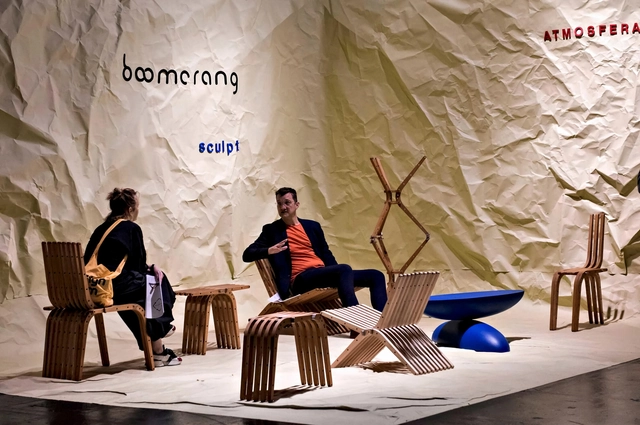
Let’s be honest. There’s been a certain amount of speculation over the past while about the future of imm cologne, the international furniture fair that’s traditionally kicked off the calendar year, acting as a compass to the design landscape of the following twelve months. Like every physical trade fair, it has had to navigate white waters: pandemic strictures, turbulent macroeconomics and the continued expansion of alternative channels.

https://www.archdaily.com/1009593/imm-cologne-returns-in-january-2024-with-connecting-communitiesSimon Keane-Cowell
Beyond Red: Architecture With Gray and Black Bricks
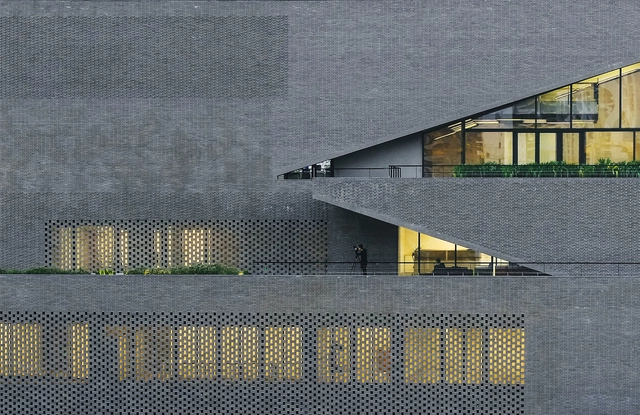
Pink Floyd's song “Another brick in the wall” criticizes an alienating and demotivating educational system. People, or children, are portrayed as bricks due to their homogeneity, whether in the way of living or thinking in a society that is not very fond of opposition. Bricks work very well in this comparison, having changed very little throughout history and around the world in their rectangular shapes. But that's not true of their colors. Although we tend to think of red when we talk about bricks, there are infinite possibilities of shades, depending on the composition and manufacturing process of the pieces.
https://www.archdaily.com/969424/beyond-red-architecture-with-gray-and-black-bricksEduardo Souza
Are Living Rooms Still Relevant? 16 Projects that Explore how these Private Gathering Spaces Adapt to the Contemporary Home
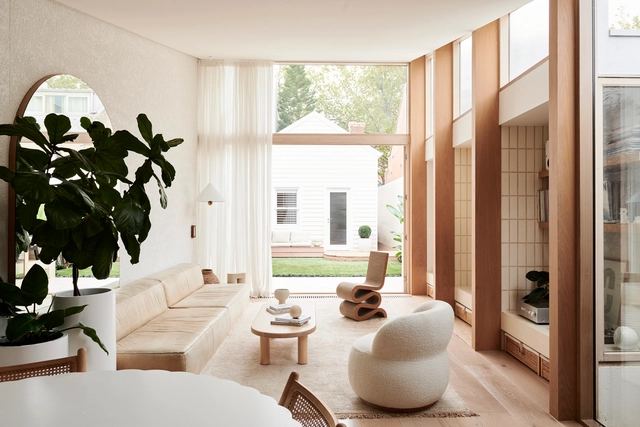
Today, architecture has become - or is in the process of becoming - more flexible and individualistic to accommodate people's diverse lifestyles and spatial needs. With this adaptation, the residential typology has changed and living rooms have become endangered. Many insist on the need of having a space dedicated to relaxation and leisure, while others claim it is simply a waste of space and money. This debate raised an important question: do we still need living/sitting rooms? In this interior focus, we will look at how living rooms evolved through the years, and how architects readapted and integrated the concept of “gathering space” in contemporary residential architecture.


https://www.archdaily.com/969304/are-living-rooms-still-relevant-16-projects-that-explore-how-these-private-gathering-spaces-adapt-to-contemporary-architectureDima Stouhi
CRAB Studio Reveals Design for the BRIJ Cultural Centre Project in New Delhi, India
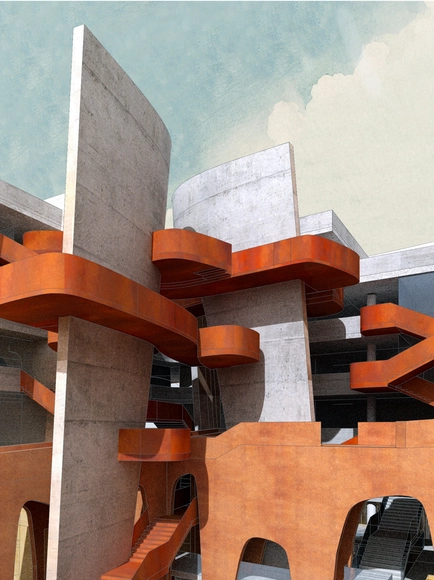
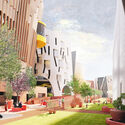
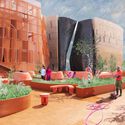
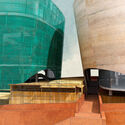
Sir Peter Cook and Gavin Robotham’s CRAB Studio has unveiled the design for a new cultural center to be constructed in New Delhi, India. Located on the site of a former quartzite quarry, the BRIJ offers facilities for the visual, performing, literary, and culinary arts as well as a new arts academy. The scheme, aiming to promote interactions between artists and audiences via an immersive environment, is designed by CRAB Studio, now led by Gavin Robotham, and CP Kukreja Architects (CPKA) as Executive Architect.

https://www.archdaily.com/1009578/crab-studio-reveals-design-for-the-brij-cultural-centre-project-in-new-delhi-indiaMaria-Cristina Florian
Exploring Ma Yansong's 'Landscapes in Motion': MAD Architects' Retrospective Exhibition in Shenzhen
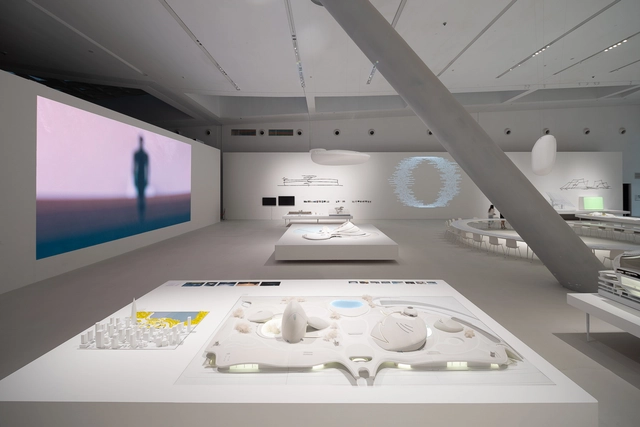
The Shenzhen Museum of Contemporary Art and Urban Planning in China (MoCAUP) has recently opened an exhibition titled “Ma Yansong: Landscapes in Motion.” This retrospective showcases the work of MAD Architects, led by Ma Yansong, Dang Qun, and Yosuke Hayano, spanning nearly two decades and 52 projects. Running until December 17, the display is envisioned as a platform for imaginative exploration of future urban life.


https://www.archdaily.com/1009574/exploring-ma-yansongs-landscapes-in-motion-mad-architects-retrospective-exhibition-in-shenzhenNour Fakharany
The Curb Cut Effect: How Accessible Architecture is Benefiting Everybody
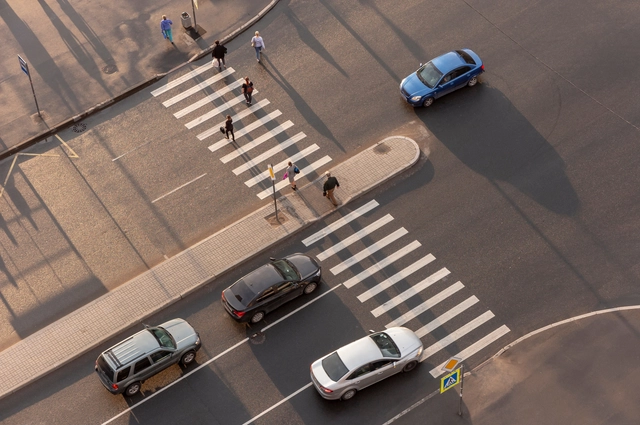
The fabric of our cities is shaped by millions of small decisions and adaptations, many of which have become integral to our experience. Nowadays taken for granted, some of these elements were revolutionary at the time of their implementation. One such element is the curb cut, the small ramp grading down the sidewalk to connect it to the adjoining street, allowing wheelchair users and people with motor disabilities to easily move onto and off the sidewalk. This seemingly small adaptation has proven to be unexpectedly useful for a wider range of people, including parents with strollers, cyclists, delivery workers, etc. Consequently, it lends its name to a wider phenomenon, the “curb cut effect”, where accommodations and improvements made for a minority end up benefiting a much larger population in expected and unexpected ways.





https://www.archdaily.com/1005564/the-curb-cut-effect-how-accessible-architecture-is-benefiting-everybodyMaria-Cristina Florian
Why Time Is a Problem for Architects
This article was originally published on Common Edge.
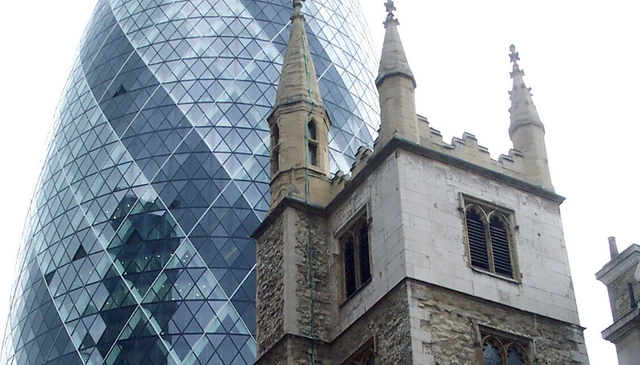
Since the advent of Modernism, architects have become schizophrenic in dealing with the reality of time. This is a problem, because time and gravity are two universal forces. Architects are exquisitely good at dealing with gravity—it is present in everything we design. We study it and engineer its unrelenting requirements. Gravity does a symbiotic dance with structure. No matter how a design feigns weightlessness, its mass cannot be denied. Architects must deal with gravity, whether it’s Frank Lloyd Wright’s sagging balconies at Fallingwater or today’s steroidally enhanced parametric buildings.

https://www.archdaily.com/1009576/why-time-is-a-problem-for-architectsDuo Dickinson
Reshaping U.S. Downtowns: Momentum Grows for Office-To-Housing Transformations
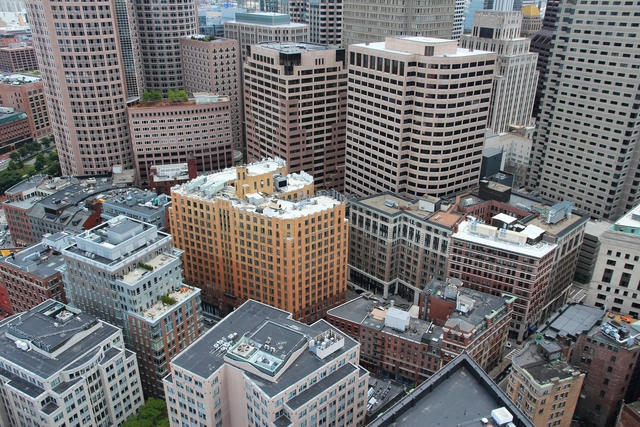
Cities across the US are struggling to fill their office spaces. Major cities like Washington DC, Boston, and San Francisco have increasingly vacant downtowns, while the urban centers of small Rust Belt cities struggle to survive altogether. This trend is consistent beyond the US, with over three-quarters of Europe’s office buildings at risk of obsolescence by the decade’s end. The cause of this, in most cases, is simple: an oversupply of offices and a shift towards remote work. These vacant buildings can trigger a negative domino effect of economic and social challenges for cities, and their surplus, coupled with a housing shortage, has sparked discussions among cities and architects about the impending necessity to transform offices into housing.


https://www.archdaily.com/1009433/reshaping-us-downtowns-momentum-grows-for-office-to-housing-transformationsCarla Bonilla Huaroc
BIM and the Future of Architecture: Accelerating Design Processes with Archicad 27
| Sponsored Content
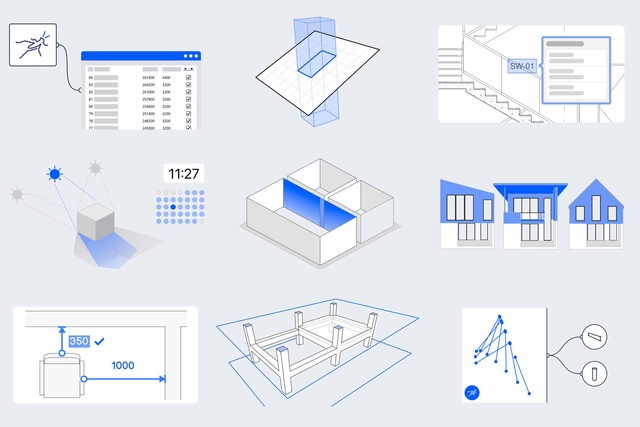
Architecture is a unique field that combines equally constant aesthetic and functional needs, while immersed in dynamic technological environments. At this juncture, design processes and buildings are becoming increasingly intricate, requiring architects to manage projects efficiently while fostering multidisciplinary and multi-level collaboration throughout workflows. Additionally, the new technologies and tools we employ in the process must evolve at the same pace —sometimes even faster— by embracing aspects such as sustainability and efficiency, all while keeping an eye on the future.
The tools available in the multidisciplinary architectural environment have evolved significantly quickly. Both students and experienced architects have now nearly completely transitioned from manual methods to computer-aided drafting software. Today, we find ourselves immersed in the era of architecture driven by technologies such as Building Information Modeling (BIM), artificial intelligence, and digital processes. At the same time, the fundamentals of BIM and its historical background trace back to the early days of computing, research, and new technologies, which sparked a rapid evolution within the AEC industry and among its professionals.
https://www.archdaily.com/1008860/bim-and-the-future-of-architecture-accelerating-design-processes-with-archicad-27Enrique Tovar
Powerhouse and KIMA arkitektur Win Competition for a New Addition to Oslo’s Skyline
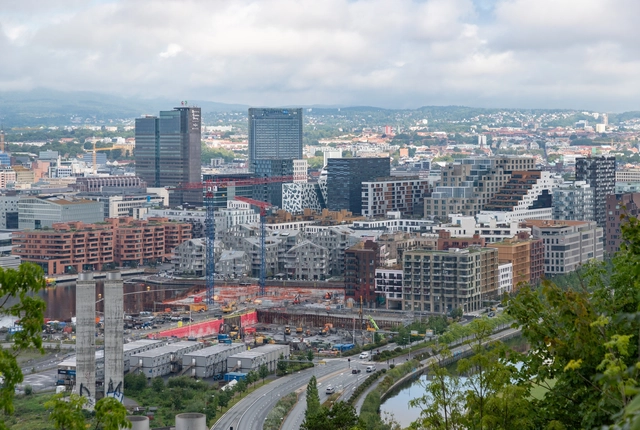
The Norwegian studio of Powerhouse, in collaboration with KIMA arkitektur, has won a design competition for the transformation and extension of one of the historical buildings located in the center of Landbrukskvartalet. Known as the Agricultural Quarter, a former farming and industrial site in central Oslo, the area is now scheduled to go through an urban revitalization process to be transformed into an active neighborhood based on the design philosophy of ‘new meets old’.
https://www.archdaily.com/1009531/powerhouse-and-kima-arkitektur-win-competition-for-a-new-addition-to-oslos-skylineMaria-Cristina Florian
Eskew+Dumez+Ripple Reveals Design for New Academic Center in Georgia Tech, Atlanta
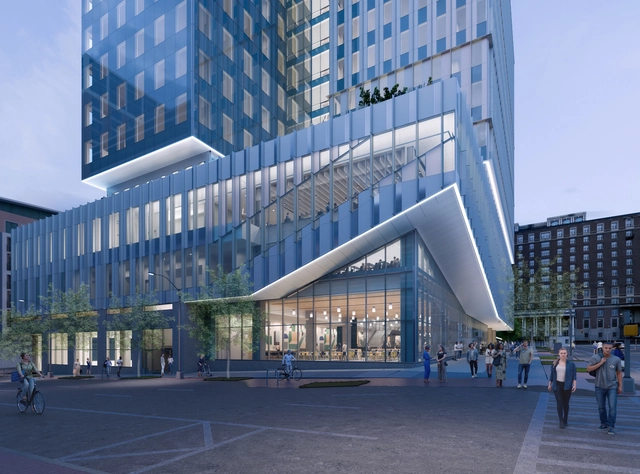
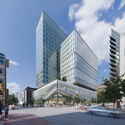
EskewDumezRipple has just revealed the designs for a new academic building for the Georgia Institute of Technology in Atlanta. Embedded into the new “Technology Square,” this expansive project marks phase 3 of Georgia Tech’s growth initiative. Designed to facilitate the development of technology leaders and enhance the human condition of Georgia Tech students and faculty, the scheme creates a vibrant intellectual environment filled with inspiration.

https://www.archdaily.com/1009315/eskew-plus-dumez-plus-ripple-reveals-design-for-new-academic-center-in-georgia-tech-atlantaNour Fakharany
Casa Gomis by Antonio Bonet and Modern Architecture in Catalonia, Through the Lens of Arnau Rovira
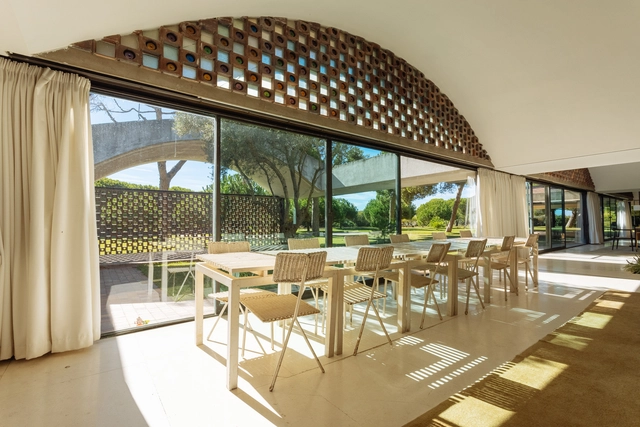
In 2021, the Government of Catalonia recognized Casa Gomis, designed by the architect Antoni Bonet Castellana for the Gomis-Bertrand family between 1949 and 1956, as a Cultural Heritage of National Interest in the category of Historical Monument.
Designed from a distance in Argentina, 'La Ricarda,' as the residence is also known due to its proximity to the eponymous pond, which recently became the center of debate over the expansion of Barcelona Airport, stands out for its vaulted roof and glazed enclosures that engage with the surroundings of Prat de Llobregat.
https://www.archdaily.com/1009204/casa-gomis-by-antonio-bonet-and-modern-architecture-in-catalonia-through-the-lens-of-arnau-roviraFabian Dejtiar
A Glimpse into the Evolution of Insulation Materials in Architecture

Although more related to evolutionary aspects than to architecture itself, the inherent physical fragility of human beings has required, since prehistoric times, that we protect our bodies and our buildings from external elements. As an example, beginning with the primitive huts used in the earliest forms of domestic architecture, furs were employed as an exterior covering to restrict the flow of air and, consequently, regulate the interior environment.
Subsequently, we have observed an evolution that clearly shows advances in insulation techniques, going from vernacular materials such as adobe to an increase in the thickness of walls using stone or brick, finally reaching the cavity walls developed in the 19th century, which left a small air chamber between an exterior and an interior face of the wall. Its later popularization led to the introduction of insulation between both faces, a system that is widely recognized and used today and has laid the foundations for further developments in this field.
https://www.archdaily.com/1008656/a-glimpse-into-the-evolution-of-insulation-materials-in-architectureEnrique Tovar
Emilio López: "Latin American Architecture Is about Experimenting with Geography and Resources"
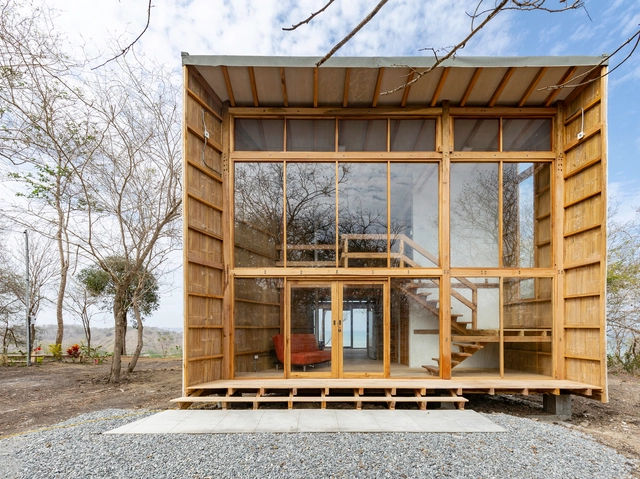
Emilio López is an architect from the Pontifical Catholic University of Ecuador and holds a Master's degree in History and Theory of Architecture from the Polytechnic University of Catalonia. He has been involved in several design projects that have an interesting connection with the territory, such as Muta House and Don Juan House. Recently, he was recognized for this work in Pamplona during the 2023 Latin American Architecture Biennial.
He states that he still resides in Ecuador, a territory with one of the world's greatest biodiversities. He mentions that the geography, plants, climates, and cultures of the country provide significant stimuli, and argues that through architecture, there emerges the opportunity for immersion and blending with the environment, allowing oneself to be transformed by the surroundings. He asserts that the power of architecture lies in being a product of the immersive engagement that involves rethinking its relationship with resources and the world in which he lives.
In the following interview, get to know even more about the inspirations and work processes of Emilio López Arquitecto.
https://www.archdaily.com/1008989/emilio-lopez-latin-american-architecture-is-about-experimenting-with-geography-and-resourcesFabian Dejtiar
A Browser-Based BIM Tool That's Changing the Way Architects Work
| Sponsored Content

Today, most architects are used to the complex workflow of using multiple tools during the design process. These traditional legacy tools can be bulky and slow, hamper creativity, and often do not talk to each other nor let architects collaborate with their teams. This limits their ability to design, as they spend most of their time getting 3D models BIM-ready.
Snaptrude is aiming to solve these issues by establishing itself as a powerful, browser-based, collaborative 3D design tool. It combines smart, parametric modeling, live building information, easy real-time collaboration and strong interoperability with BIM tools like Revit. Below, a comprehensive list of how these features can make 3D modeling easier.
https://www.archdaily.com/1009121/snaptrude-the-browser-based-bim-tool-thats-changing-the-way-architects-workRene Submissions
Studio Gang Breaks Ground on the Shirley Chisholm Recreational Center in New York City
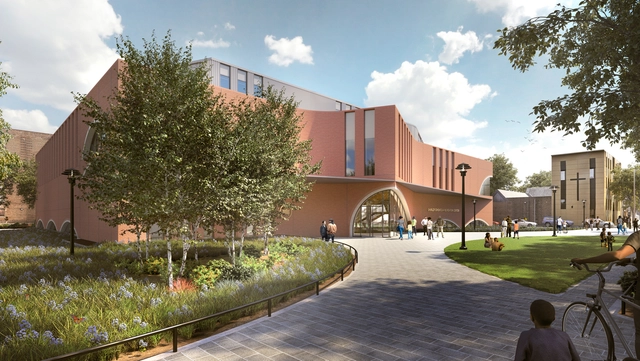
New York City Mayor Eric Adams, along with the New York City Department of Design and Construction, has announced the breaking ground on the construction of the Studio Gang-designed Shirley Chisholm Recreation Center. Located at the Nostrand Playground in East Flatbush, Brooklyn, the center aims to bring new amenities to the residents of East Flatbush while honoring the history and heritage of the community. The new center is named after Brooklyn-born politician Shirley Chisholm, the first African American woman to serve in Congress and the first woman and African American to seek the nomination for president of the United States.
https://www.archdaily.com/1009447/studio-gang-breaks-ground-on-the-shirley-chisholm-recreational-center-in-new-york-cityMaria-Cristina Florian
Unveiling New Images of Snøhetta's Spiraling Shanghai Opera House
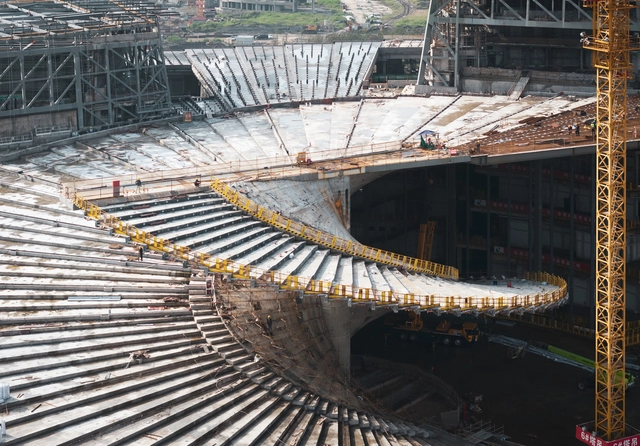
Snøhetta has just released construction images showing the progress on the studio’s long-awaited Shanghai Grand Opera House in China. With its iconic fan-shaped roof, the firm has been commissioned the scheme in 2019 following an international design competition. The project is set to be completed in 2025, seeking to attract a broad audience for traditional, classical, and experimental performances.




https://www.archdaily.com/1009338/unveiling-new-images-of-snohettas-spiraling-shanghai-opera-houseNour Fakharany
Modern Mirage: Paul Clemence's Installation Transforms the Architecture of Pampulha
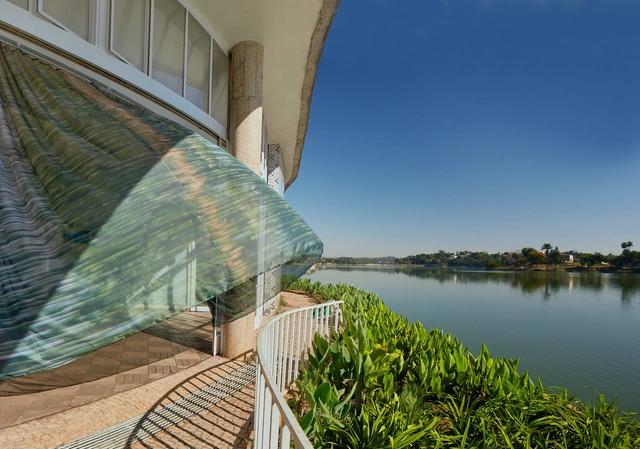
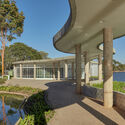
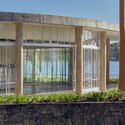
A mirage can refer to an optical phenomenon caused by the refraction of light on certain surfaces, creating the illusion of a liquefied appearance. It can also represent an illusion, where something appears to be different from what it actually is. Paul Clemence capitalizes on this dual interpretation in his photographic essay, Modern Mirage, which features Casa do Baile (now the Reference Center for Architecture, Urbanism, and Design), the Art Museum, and the Church of Pampulha. He captures these iconic structures as they are reflected in the water mirrors of the modern complex designed by Oscar Niemeyer in Belo Horizonte, MG.


https://www.archdaily.com/1009380/modern-mirage-paul-clemences-installation-dissolves-pampulhas-architectureHelena Tourinho
Sharjah City Guide: 18 Contemporary and Historical Attractions to Discover in UAE's Cultural Hub
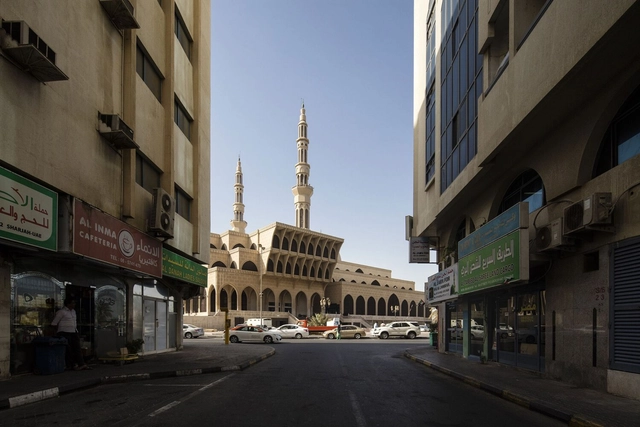
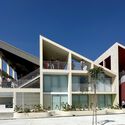
Sharjah, the captivating territory in the United Arab Emirates, is a cultural hub that blends tradition with contemporary modernity. Situated on the Arabian coastline, the city is known for its commitment to preserving its rich history, promoting the arts and culture, and providing a platform for creative and intellectual pursuits. In fact, the 2023 Sharjah Architecture Triennial (SAT) will take place from November 11, 2023, to March 10, 2024, under the theme "The Beauty of Impermanence: An Architecture of Adaptability." The Triennial is curated by Tosin Oshinowo, exploring innovative design solutions emerging from conditions of scarcity in the Global South.
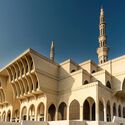
With a deep-rooted connection to its cultural heritage, the emirate is home to an array of museums that showcase a journey through multiple timelines, from Islamic civilization to traditional lifestyles. Now a hotspot for emerging designers, the city has taken a leading role as a patron of fine arts. In the contemporary city, attractions are designed by many architects, from Foster + Partners, Zaha Hadid Architects, 51-1 Arquitectos, to Hopkins Architects. In addition to this emerging cultural scene, old Sharjah is a valuable embodiment of historical tradition, having been transformed into useable attractions and art facilities. The old Sharjah also flaunts landmarks such as the modernist King Faisal Mosque, the Museum of Islamic Civilization, and the Sharjah Art Museum.


https://www.archdaily.com/1006010/sharjah-city-guide-18-contemporary-and-historical-attractions-to-discover-in-uaes-cultural-hubNour Fakharany
Utilizing Low-Height Interior Spaces: 19 Creative Solutions for Extra Storage in Attics and Under Stairs
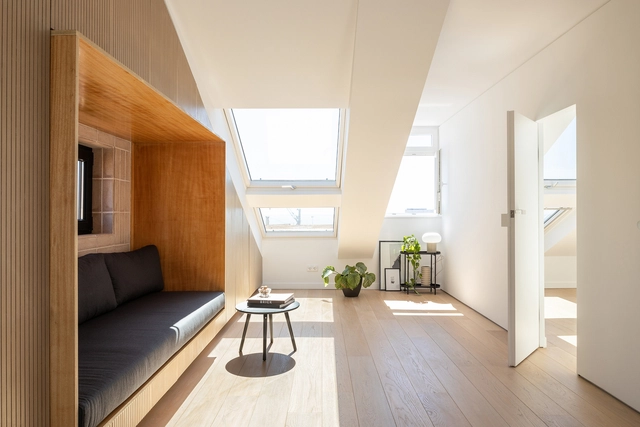
By converting the unused areas hidden in the roofspace, homeowners are able to add extra bedrooms, games rooms, or simply give themselves easier-to-access storage space, without having to move house or apply for planning approval. And with more of our lives now occurring under our own roofs, the additional space provided by an attic conversion is more popular than ever.
Without the ability to alter the roof’s pitch, however, the low-height areas of an attic room often remain unusable, and the resulting usable space is restricted by how low its functions can go. By positioning low-height features and activities in these nooks and crannies, attic rooms can make the best of the space they’re given.


https://www.archdaily.com/1009261/utilizing-low-height-interior-spaces-19-creative-solutions-for-extra-storage-in-attics-and-under-stairsJames Wormald
Demolished and Rebuilt: The Identity of Architectural Replicas
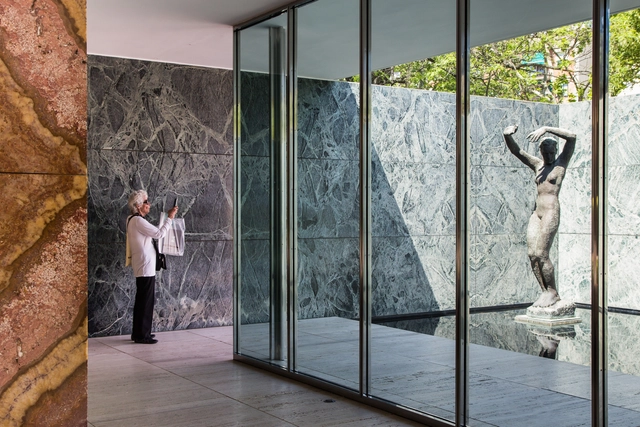
The rights to reconstruct Kisho Kurokawa's iconic Nakagin Capsule Tower are currently sold on one of the largest NFT sites. While the tower’s demolition has begun earlier this year, the auction sells the right to rebuild the structure, in both the metaverse and in real space. The idea of recreating the Metabolic building in a virtual space seems natural. It could allow a larger community to explore an iconic piece of architecture and encourage them to experiment with it, an initiative in line with Metabolist ideals. On the other hand, the idea of reconstructing a demolished historical building in the physical world raises a different set of conflicting emotions. Architectural replicas are not the norm, but their existence raises questions regarding the identity and authenticity of works of architecture.


https://www.archdaily.com/989388/demolished-and-rebuilt-the-identity-of-architectural-replicasMaria-Cristina Florian