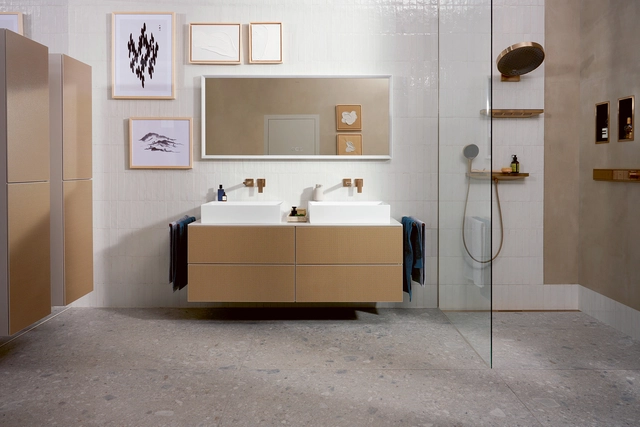
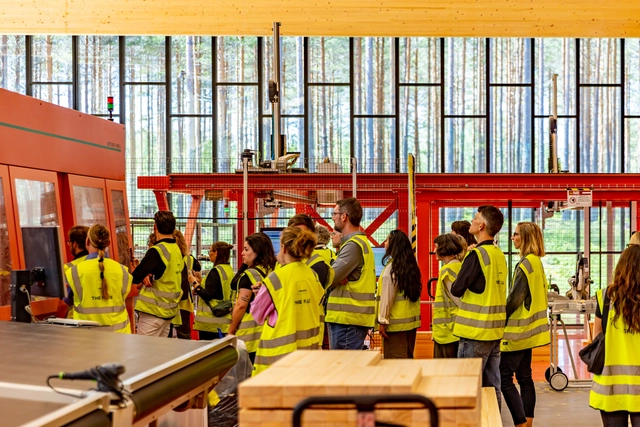
The term "holistic" refers to an approach that considers a system as a whole, rather than focusing on individual components. It emphasizes the interconnectedness of various elements and aims to create something balanced and harmonious that supports overall comfort. The approach is particularly valuable at a time when personal well-being and sustainability are at the forefront of design. This includes the integration of natural elements, such as light and water, to create calm, rejuvenating environments where balance and harmony ensure that all design elements work cohesively to form a unified space. Holistic bathroom spaces go beyond mere functionality by engaging the senses, promoting relaxation, and using resources responsibly, a comprehensive approach embraced by premium bathroom solutions brands like hansgrohe.
Evolving urban conditions call for an evolving builtscape, and retrofits have been a key mechanism to allow buildings to adapt and respond to new needs. Amidst global environmental concerns, climate retrofits have become a popular strategy to upgrade buildings based on improved operational efficiency. Global decarbonization plans have even called for city-wide retrofits, such as in the case of London, to meet civic goals. While such upgrades significantly reduce energy consumption, they often come with a hidden cost - embodied carbon in retrofit materials and the potential for future waste.
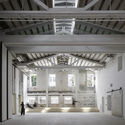
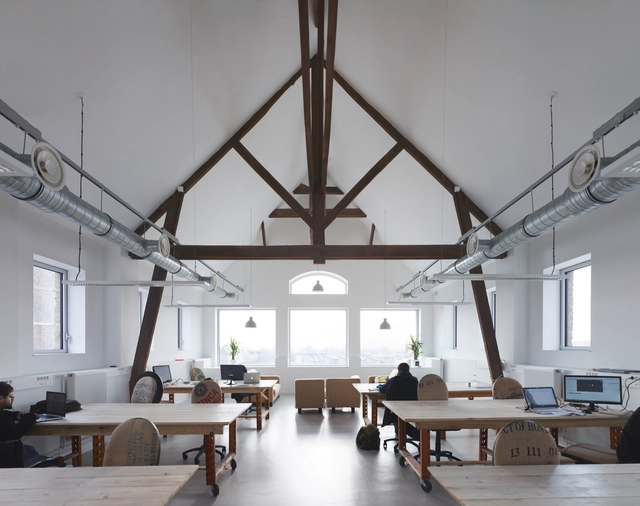
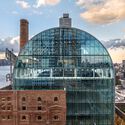
Industrial heritage, once central to urban growth and economic prosperity, is now often neglected and underused. Around the world, various factories, mills, and warehouses sit abandoned, and their distinctive structures fall into disuse. These buildings were typically constructed from materials such as brick, steel, concrete, and large glass windows. Known for their strength and longevity, these materials make the structures ideal candidates for refurbishment, maintaining structural integrity.
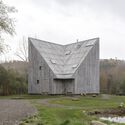
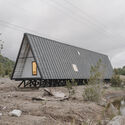
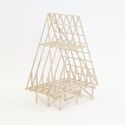
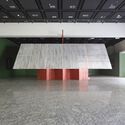
It is fascinating to delve into the practice of Iván Bravo, firstly because the path taken towards his architectural work immerses us in a vast creative universe through the architect's interest and curiosity in various tangential disciplines directly reflected in his built work. A constant reflection on the methodology of the making, the processes, the pieces, the design, and the materiality converges into a noble and honest architecture.
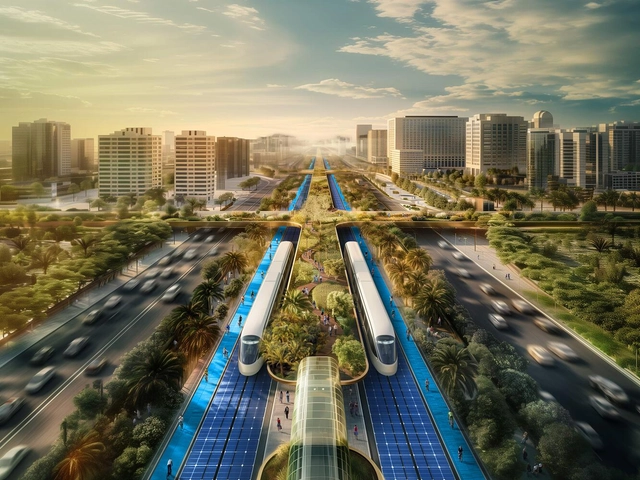
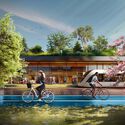
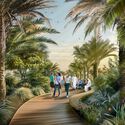
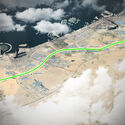
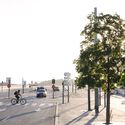
URB has revealed details about the Dubai Green Spine project, an urban development initiative aiming to introduce a 64-kilometer-long green corridor in Dubai. The project, aligned with the Dubai 2040 Urban Master Plan, hopes to improve urban mobility and environmental quality by converting one of the city’s major arterial roads into a multifunctional public space with ample greenery, urban farms, integrated non-motorized transportation infrastructures, and community zones.
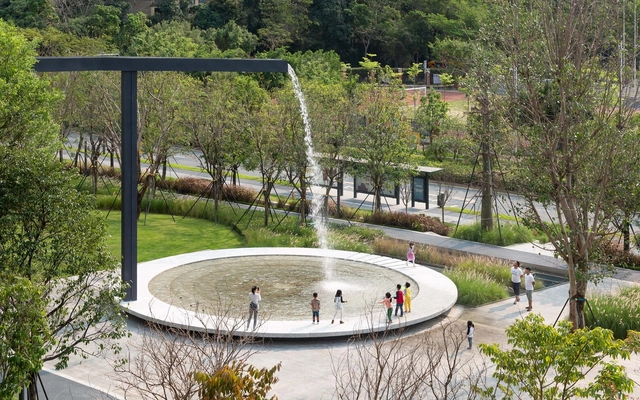
Due to climate change, heat waves are becoming increasingly frequent and intense, and they present a critical challenge for the design of urban spaces. Elevated temperatures exacerbate public health issues, increase energy consumption, and diminish cities' overall quality of life. Urban design must adopt strategies that promote resilience to mitigate these effects rather than merely replicating traditional formats that do not address the thermal stress experienced by many.
For quite some time, we have recognized the positive effects of urban green spaces, interaction with nature, water, and soil, and the associated health and well-being benefits for residents living next to parks. The significance of this matter has been further underscored, particularly in the aftermath of the panic induced by the Covid-19 pandemic. However, the present moment once again highlights the influence of our urban models on modern life, now grappling with unprecedented extreme temperatures.
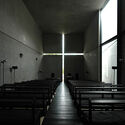
What makes something sacred? When does a building mean more to us than nearly all other places, spaces, objects, or activities in our lives? Architects strive to achieve the sacred in buildings, but it’s the rest of us who either sense it or not, whatever the aesthetics may be. I think the meaning of what is sacred to us can be most profoundly seen and felt when things change.
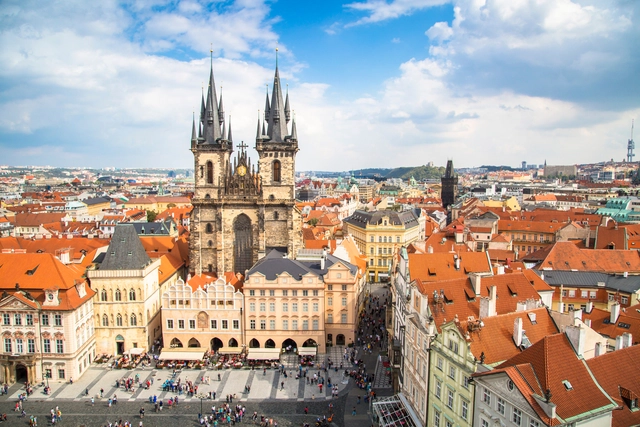
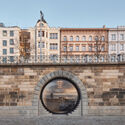
Prague, the capital of the Czech Republic, is one of Europe's best-preserved cities, having miraculously survived the widespread bombings of World War II. As the capital of the Czech Republic, Prague is home to over 1.3 million people and features an architectural heritage spanning centuries, covering a variety of architectural styles from Romanesque, Gothic, Renaissance, Baroque, and Rococo, to Modernist, Deconstructivism, and contemporary tendencies. The Old Town Square, where various architectural styles coexist, is a testament to this diversity. Known as the "Mother of all Cities," “the Golden City and “The City of a Hundred Spires,” Prague blends history and contemporary culture seamlessly. Its origins, steeped in legend, add to the city's charm.
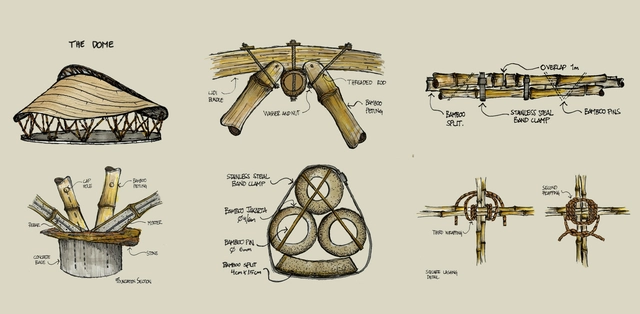
Through the analysis of an innovative bamboo grid structure created using augmented reality by architects Kristof Crolla and Garvin Goepel in August 2023, we delve into the intricate world of bamboo architecture, focusing on its application in dome structures through a series of detailed illustrations that uncover the depth of this sustainable material's capabilities.
Companies, designers, architects and agencies worldwide are invited to submit their products and projects for the German Design Awards 2025. Organized by the German Design Council, the Awards set international standards for original design developments and competitiveness on the global market, whether through digitalization or AI. The platform honors only projects that are pioneering in the German and international design landscape with positive developments in circular design, making success visible, while also opening up a valuable network, international reach and additional market opportunities for the award winners.
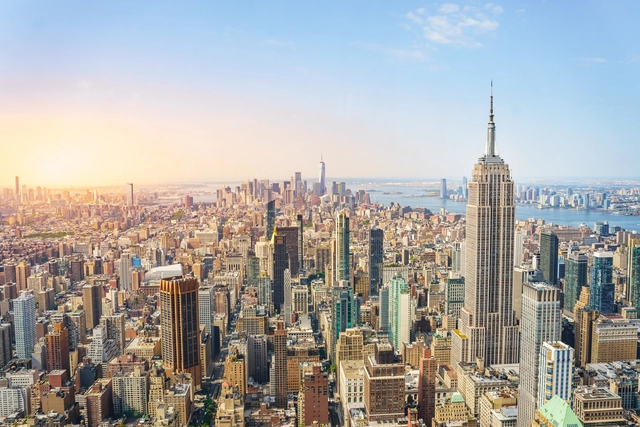
In 1853, at the New YorkWorld Expo, a man climbed onto a suspended platform and ordered the rope supporting it to be cut. He dropped a few inches, but the safety system activated, and the platform remained stable, to the delight of the watching crowd. At that moment, perhaps not even Elisha Graves Otis realized how his invention would permanently change the course of architecture.
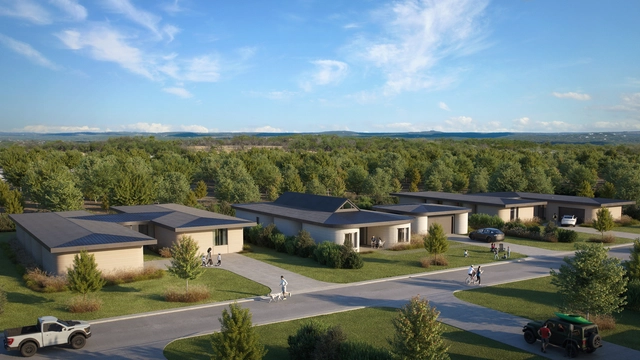
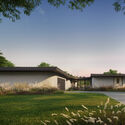
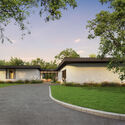
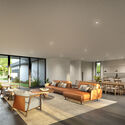
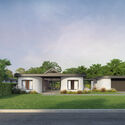
ICON, the office that pioneered large-scale 3D printing, has announced a new residential development of 3D-printed homes to take shape at Wimberley Springs, in Texas, United States. The complex, comprising 8 single-family homes, features designs from ICON’s CODEX Digital Architecture Catalog. The houses, currently under construction and available for sale, leverage ICON’s robotic technologies to create an energy-efficient, low-carbon construction process.
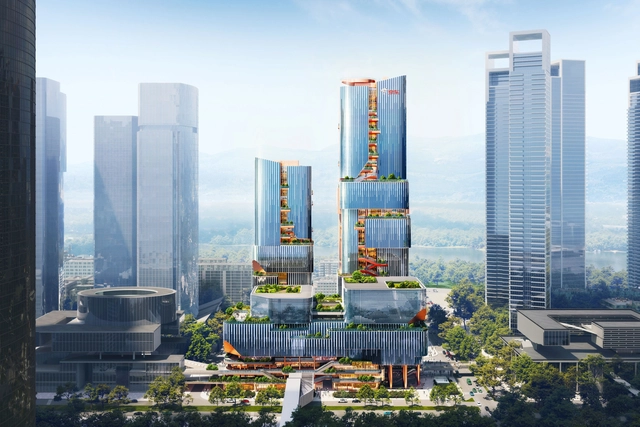
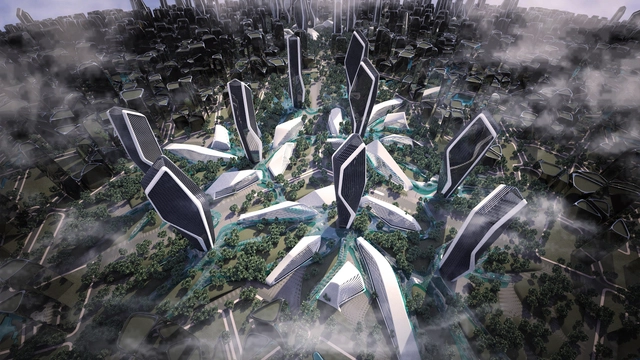
Büro Ole Scheeren’s latest project, Scenic City Towers, is currently under construction in the Shenzhen Bay Super Headquarters Base in China. This design for JD.com's new offices seeks to emphasize “in-between” spaces that blend the social fabric of urban life with nature, proposing a new model for working. Situated in Shenzhen’s Nanshan district, a booming business and financial area, the headquarters will join a community of global corporations around it.
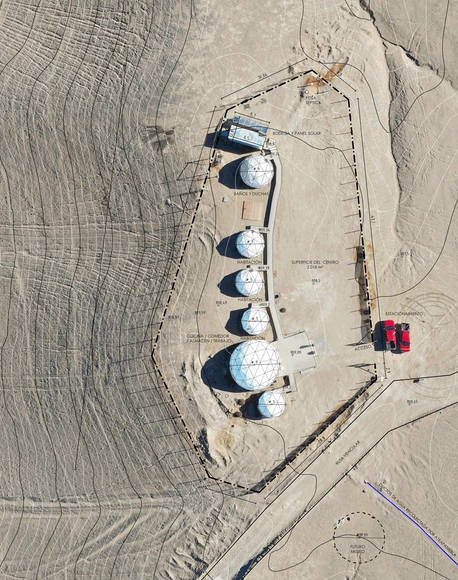
Tomás Bravo has been selected to be part of the ArchDaily's 2024 Best New Practices, highlighting his work about the dialogue between architecture and territory, and the use of advanced technologies to analyze nature and heritage through a process that involves a project in itself. Originating from Chile's diverse and complex geography, he proposes using classical architectural representation in combination with technological tools and measurement methodologies to bring the territory and heritage closer to architecture professionals and their clients.
This article is the tenth in a series focusing on the Architecture of the Metaverse. ArchDaily has collaborated with John Marx, AIA, the founding design principal and Chief Artistic Officer of Form4 Architecture, to bring you monthly articles that seek to define the Metaverse, convey the potential of this new realm as well as understand its constraints. In this feature, architect John Marx questions the limits and capabilities of AI in architecture and in creating buildings that resonate deeply with people and communities.
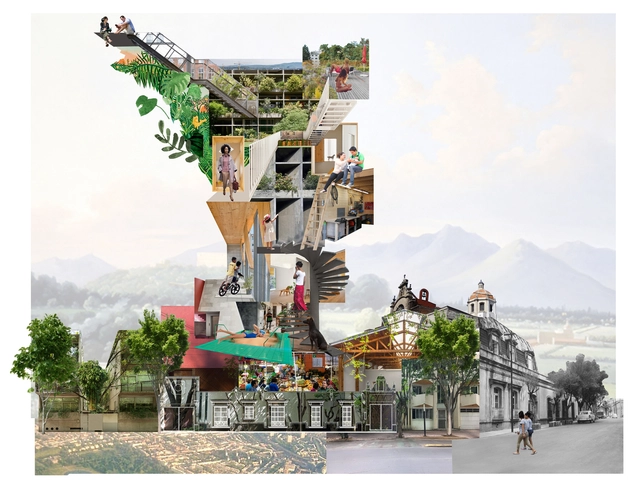
These days, it is common to hear multiple voices addressing the diverse issues of contemporary architecture. The topics are numerous, ranging from sustainability and inclusion to social justice and the crisis in land use. At first glance, there is no common ground where all these concepts can coexist transversally. However, if we look back, we can see that beyond the formal architectural concepts, the true purpose of architecture (probably) lies in the people and the lives that develop within it.
Thus, many would argue that life is likely more important than architecture, which could open up a broad debate. What is certain is that currently, narratives and voices are emerging and consolidating, aimed at renewing architectural tools and languages. This transformation seeks to turn the built environment into a space that promotes a more equitable and optimistic future for all. One of these voices is that of Tatiana Bilbao, recognized for her process-centered approach where life and human interactions play a crucial role in defining habitats.
https://www.archdaily.com/1018888/life-changes-in-seconds-but-architecture-never-changes-in-conversation-with-tatiana-bilbaoEnrique Tovar
Personalization of architectural and design elements has become an important global trend in the creation ofexceptional and individualized spaces. These days, anything that can be personalized is fair game, with both clients and architects eager to stand out and create designs that are a true reflection of their personal tastes and lifestyles. In the realm of porcelain tiles, personalization is a key way to infuse design with personality, which the brand Kaolin has been focusing on through its Customization Program.
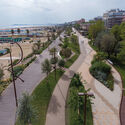
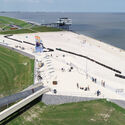
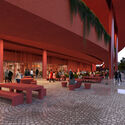
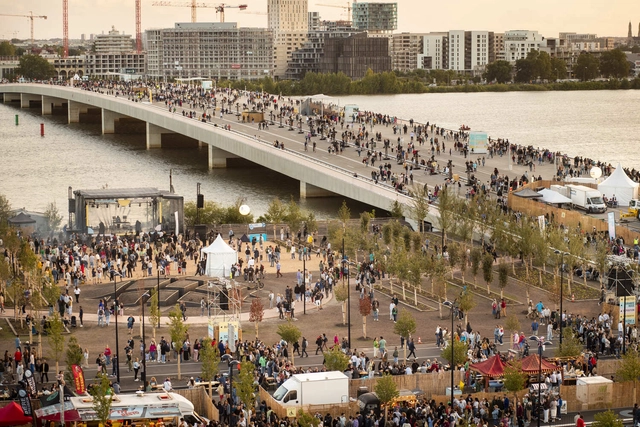
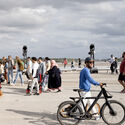
The Centre de Cultura Contemporània de Barcelona (CCCB) has announced the finalists for the European Prize for Urban Public Space 2024. Selected from a total of 297 projects corresponding to 35 European countries, the 2024 edition nominates 5 finalists in the General category, promoting quality public spaces throughout the European territory, and 5 in the Seafronts category, addressing coastal cities' climate vulnerabilities. The European Prize for Urban Public Space is an honorary biennial competition aiming to highlight best practices and innovations in the creation, transformation, and recovery of public spaces in European cities.
As the first edition to include a dedicated category for Seafronts, this year’s awards recognize the importance and particular challenges faced by coastal cities. This is aligned with the Cultural Regatta, a schedule of activities running parallel to the America's Cup sailing competition in Barcelona. For this edition, the International Jury was presided over by the urbanist architect, landscape, and industrial designer Beth Galí, and made up of Sonia Curnier, Fabrizio Gallanti, Žaklina Gligorijević, Beate Hølmebakk, Manon Mollard, Francesco Musco, and Lluís Ortega. The winners of the 12th European Prize for Urban Public Space will be announced during a ceremony at CCCB on October 29, 2024.
Courtesy of Foster + Partners | Larnaka Masterplan
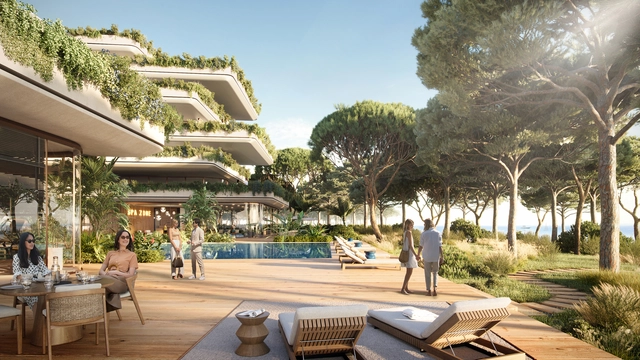
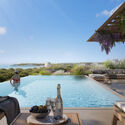
Foster + Partners has started the design work for the initial phase of the “Land of Tomorrow” master plan in Larnaka, Cyprus. Aiming to transform Larnaka’s seafront into a vibrant, sustainable community, the first phase focuses on residential developments. Featuring commercial shops, including shops, offices, and restaurants, the master plan focuses on seamless integration with the seafront and emphasizes connections to natural surroundings.
It’s now clear that approximately 80% of emissions from landscape architecture projects come from materials. This includes the extraction of natural resources, and their manufacturing, transportation, and construction in parks, plazas, streets, campuses, and neighborhoods. A significant portion of emissions in the built environment can be traced back to two materials: concrete and metal, which includes steel and aluminum.
The challenge lies in the fact that we use a large amount of both materials, they are difficult to replace due to their strength and utility, and improving their environmental impact is a complex process. But progress is being made.
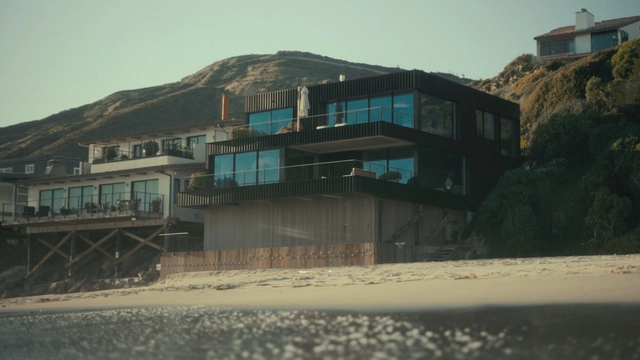
Discover the latest issue of Sky-Frame's 'My Point of View' with architect David Montalba.
David Montalba was born in Switzerland but grew up in California. He became a passionate surfer, bobbing in the waves of the Pacific, staring at the land, yet always feeling and hearing the ocean around him; profoundly connected to nature.
“I was surfing by the time I was 12 or 13, and it was my driving force probably all the way up to 18 or 19,” he notes. “It brought a kind of spirituality to my life. That was when I felt most connected to nature and I was truly with myself… It’s still a really special thing for me. It’s one of those things that can both ground you and connect you with nature in a unique way.”
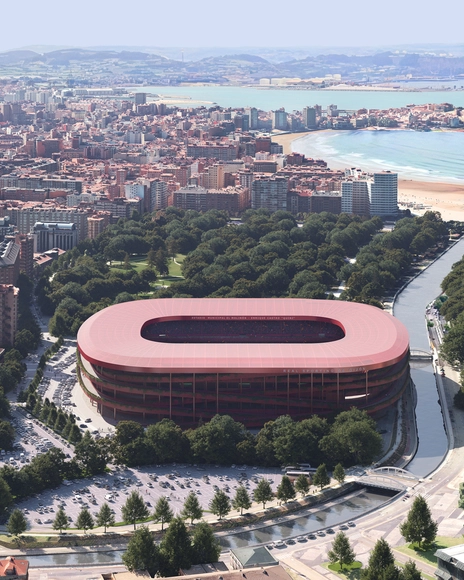
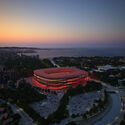
In preparation for the city of Asturias, Spain, to become one of the hosts of the FIFA World Cup in 2030, the El Molinón stadium is proposed to undergo a major remodeling process. Home Real Sporting de Gijón, the stadium is reimagined by the architecture office Sordo Madaleno together with Orlegi Sports. The proposal aims to increase the stadium’s capacity to accommodate 9,000 additional visitors to the 33,650 fixed seats during the World Cup. It also strives to reconnect the venue to its surroundings and the city of Gijón, Asturias.
We are thrilled to announce our upcoming August workshops in collaboration with our ArchDaily Pluspartner, Parametric Architecture. These workshops have been thoughtfully curated to empower architects, designers, and enthusiasts by providing them with the latest insights and skills in the dynamic realm of parametric design. Guided by industry experts and visionaries, these immersive sessions will explore cutting-edge techniques, innovative tools, and practical applications, creating an inspiring and dynamic learning environment where participants can take their design expertise to unprecedented levels.
As a token of our appreciation, ArchDaily Plus will be entitled to exclusive benefits, including special discounts on any of the workshops offered by Parametric Architecture and one complimentary monthly workshop. Your commitment to advancing architectural innovation seamlessly aligns with the enriching experiences that these workshops promise to deliver. Stay tuned for more information on how you can fully unlock your creative potential and embark on an exciting journey of design exploration in August.
https://www.archdaily.com/1018794/parametric-architecture-august-workshopsArchDaily Team