1. ArchDaily
  2. News

News

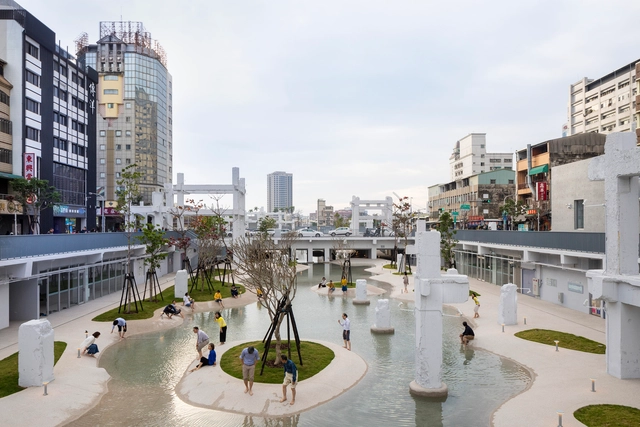
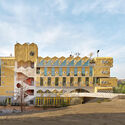
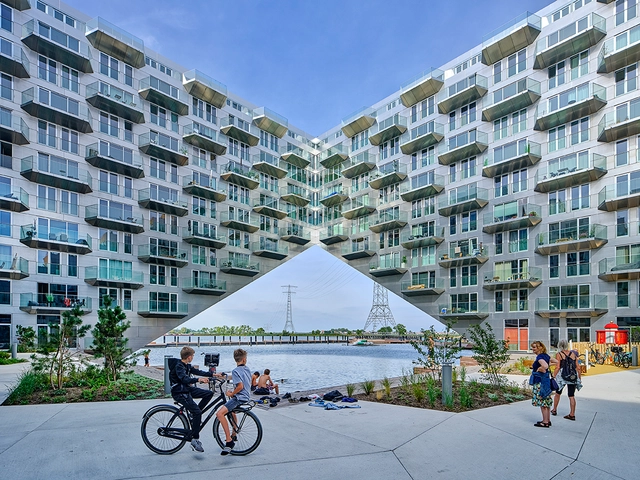
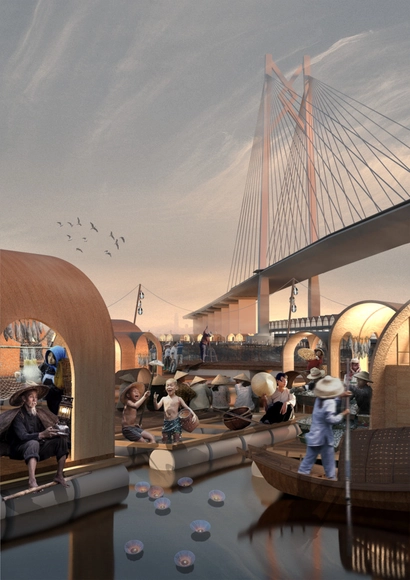
Revitalizing Urban Ecosystems: 4 Projects Reconnecting Cities with Their Water Heritage

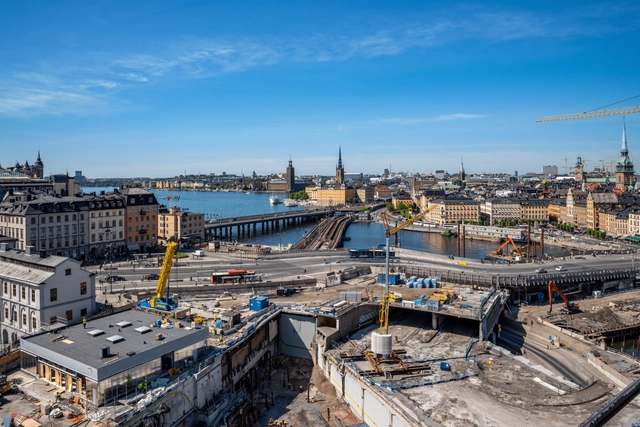
Water architecture has always been important throughout human history. From the aqueducts in ancient Rome to the grand canals of Venice, water has not only sustained life but also played an important role in shaping the urban environment. It has facilitated trade, nourished agricultural lands, and provided a sense of place and identity to different communities. Despite water's historical role, during the 20th century, many cities chose to bury their waterways underground, primarily for safety and hygiene reasons, as these channels often served as open sewers.

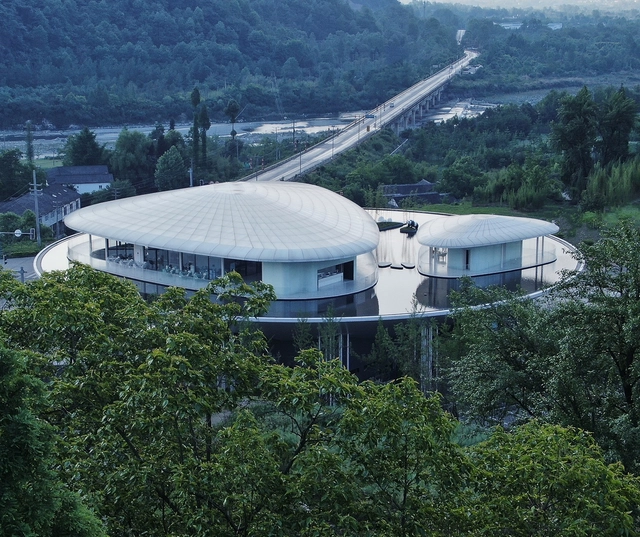
In today's rapidly urbanizing world, where cities dominate the landscape, water is being rediscovered as a means of ecological regeneration. There is a growing movement to reopen and re-naturalize urban waterways to restore them as vital ecological corridors within the city. More and more cities are now looking towards the water in an attempt to reconnect with nature and create spaces where urban life and natural ecosystems can coexist harmoniously. This growing trend reflects a deeper understanding of water not just as a resource, but as a bridge to a more sustainable and resilient future for our cities.

Revitalizing Urban Ecosystems: 4 Projects Reconnecting Cities with Their Water Heritage - Image 1 of 4Revitalizing Urban Ecosystems: 4 Projects Reconnecting Cities with Their Water Heritage - Image 2 of 4Revitalizing Urban Ecosystems: 4 Projects Reconnecting Cities with Their Water Heritage - Image 3 of 4Revitalizing Urban Ecosystems: 4 Projects Reconnecting Cities with Their Water Heritage - Image 4 of 4Revitalizing Urban Ecosystems: 4 Projects Reconnecting Cities with Their Water Heritage - More Images

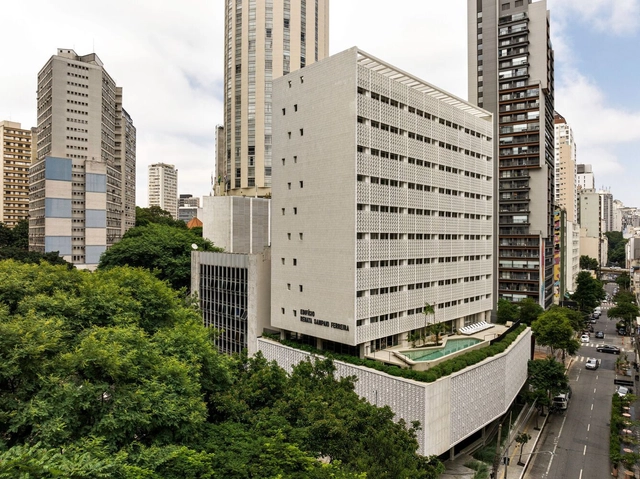
Retrofitting Brazilian Buildings: Sustainability and Innovation in Downtown São Paulo

Subscriber Access | 

The term "retrofit," unlike rehabilitation or restoration, has been adopted by the market to address technological upgrades in existing buildings. These projects focus on aligning constructions with local technical standards and adapting spaces to be more functional and sustainable, meeting current demands.

Retrofit has become a key practice in contemporary architecture, standing out for its ability to revitalize existing buildings without the need for demolition while offering significant economic and social benefits. This approach is gaining ground in the architectural field, driven by iconic projects and public and private initiatives.

Retrofitting Brazilian Buildings: Sustainability and Innovation in Downtown São Paulo - Image 1 of 4Retrofitting Brazilian Buildings: Sustainability and Innovation in Downtown São Paulo - Image 2 of 4Retrofitting Brazilian Buildings: Sustainability and Innovation in Downtown São Paulo - Image 3 of 4Retrofitting Brazilian Buildings: Sustainability and Innovation in Downtown São Paulo - Image 4 of 4Retrofitting Brazilian Buildings: Sustainability and Innovation in Downtown São Paulo - More Images+ 10

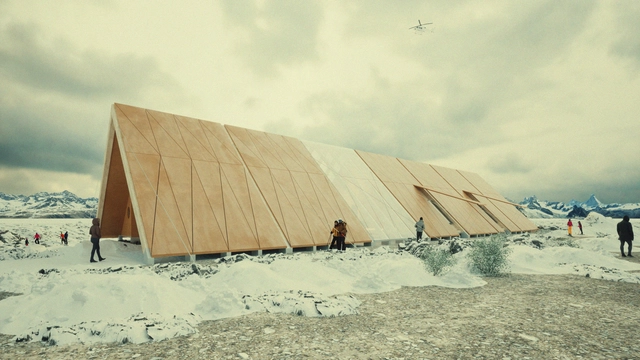
Innovative Ski Cabins in Iceland: Award-Winning Designs from Buildner's International Competition

Buildner recently concluded its Iceland Ski Snow Cabin International Design Competition, inviting architects and designers to create a cozy, eco-friendly ski cabin that blends harmoniously with Iceland's stunning landscape. The competition aimed to develop practical, sustainable designs that offer a skier’s retreat, complete with essential amenities such as gear storage and a warm communal space. The challenge was set in the Mývatn region, a picturesque area in northern Iceland, renowned for its breathtaking natural wonders, including Lake Mývatn, the Skútustaðagígar craters, and the geothermal marvel of the Krafla caldera.

"Architecture Is Not Just the Provision of Space:" Andrés Jaque on the Roles of Architecture in Louisiana Channel Interview

In the interview conducted by Louisiana Channel, architect Andrés Jaque discusses his foundational interest in architecture and his perspective on its role in shaping society. Jaque, founder of the Office for Political Innovation, emphasizes the creative potential of architecture to intervene in reality and reconnect all elements of the environment. He also goes into perspective on the political aspect of architecture, an interest from which the name of his office derives, as well as his perspectives on the true meaning of sustainability.

"Architecture Is Not Just the Provision of Space:" Andrés Jaque on the Roles of Architecture in Louisiana Channel Interview - Image 1 of 4"Architecture Is Not Just the Provision of Space:" Andrés Jaque on the Roles of Architecture in Louisiana Channel Interview - Image 2 of 4"Architecture Is Not Just the Provision of Space:" Andrés Jaque on the Roles of Architecture in Louisiana Channel Interview - Image 3 of 4"Architecture Is Not Just the Provision of Space:" Andrés Jaque on the Roles of Architecture in Louisiana Channel Interview - Image 4 of 4Architecture Is Not Just the Provision of Space: Andrés Jaque on the Roles of Architecture in Louisiana Channel Interview - More Images+ 3

"Embodied Carbon Declared" Platform Exposes CO2 Emissions in Sweden's Construction Industry

ACAN Sweden, in collaboration with Differ Agency, has launched "Embodied Carbon Declared," an online platform that actively reveals CO2 emissions data from new construction projects across Sweden. The platform categorizes and presents emissions data in four key areas: Projects, Municipalities, Developers, and Building Types. It provides detailed measurements both in total and per square meter, offering an advanced level of transparency in the construction industry.

"Embodied Carbon Declared" Platform Exposes CO2 Emissions in Sweden's Construction Industry - Image 1 of 4"Embodied Carbon Declared" Platform Exposes CO2 Emissions in Sweden's Construction Industry - Image 2 of 4"Embodied Carbon Declared" Platform Exposes CO2 Emissions in Sweden's Construction Industry - Image 3 of 4"Embodied Carbon Declared" Platform Exposes CO2 Emissions in Sweden's Construction Industry - Image 4 of 4Embodied Carbon Declared Platform Exposes CO2 Emissions in Sweden's Construction Industry - More Images

Beyond Green Architecture: 5 Middle Eastern Projects Redefining Landscape Design

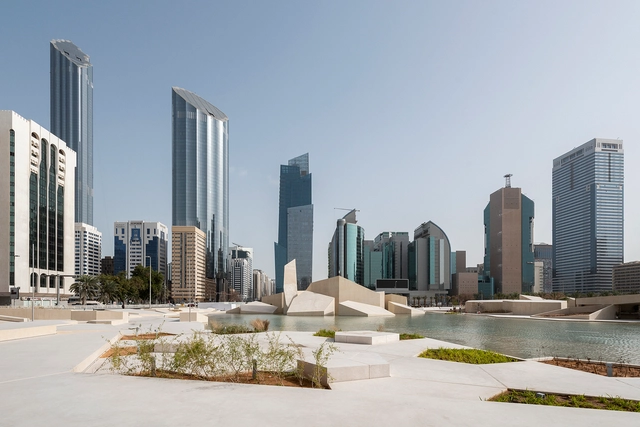
Landscape architecture has traditionally been associated with lush greenery, rooted in the historical development of gardens and parks as spaces that bring nature into urban areas. This connection to greenery is deeply ingrained in the origins of the field, where the creation of verdant retreats was seen as both aesthetically pleasing and beneficial to human well-being. However, in regions like the Middle East, where water scarcity and harsh climates are more prevalent, there is a growing trend toward using local materials such as sand, stone, minerals, and indigenous plants. This shift reflects a more sustainable approach, reimagining landscape architecture to align with the environmental and cultural contexts of the region.

Beyond Green Architecture: 5 Middle Eastern Projects Redefining Landscape Design - Image 1 of 4Beyond Green Architecture: 5 Middle Eastern Projects Redefining Landscape Design - Image 2 of 4Beyond Green Architecture: 5 Middle Eastern Projects Redefining Landscape Design - Image 3 of 4Beyond Green Architecture: 5 Middle Eastern Projects Redefining Landscape Design - Image 4 of 4Beyond Green Architecture: 5 Middle Eastern Projects Redefining Landscape Design - More Images+ 4

Advancements in Gender Equity and Racial Diversity in Architecture: 2024 NCARB Numbers Report Findings

The National Council of Architectural Registration Boards (NCARB) released the 2024 edition of its “NCARB By The Numbers” report, an annual survey of the state of licensure in the United States. The numbers offer an overview of the architectural profession, showing the demographics of candidates pursuing architecture licensure. While the advancements in gender equity and racial diversity have been gradual, they highlight a positive trend supported by initiatives to make licensure more accessible to a diverse demographic, in hopes of promoting a more representative architectural community.

Advancements in Gender Equity and Racial Diversity in Architecture: 2024 NCARB Numbers Report Findings - Image 1 of 4Advancements in Gender Equity and Racial Diversity in Architecture: 2024 NCARB Numbers Report Findings - Image 2 of 4Advancements in Gender Equity and Racial Diversity in Architecture: 2024 NCARB Numbers Report Findings - Image 3 of 4Advancements in Gender Equity and Racial Diversity in Architecture: 2024 NCARB Numbers Report Findings - Image 4 of 4Advancements in Gender Equity and Racial Diversity in Architecture: 2024 NCARB Numbers Report Findings - More Images+ 7

Goettsch Partners Reveals Design for Nashville's Tallest Tower

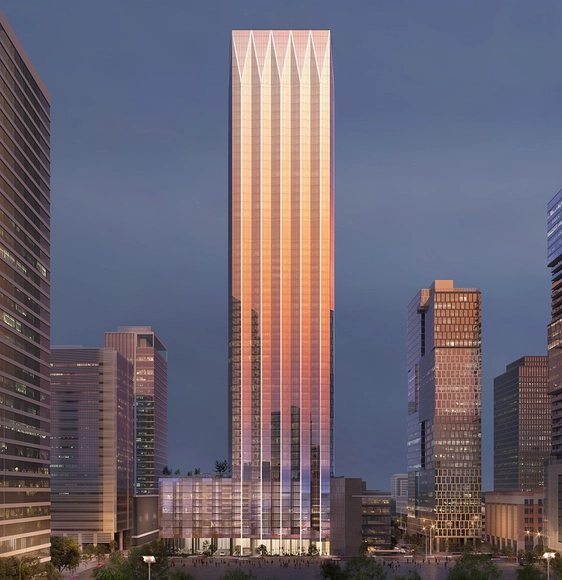
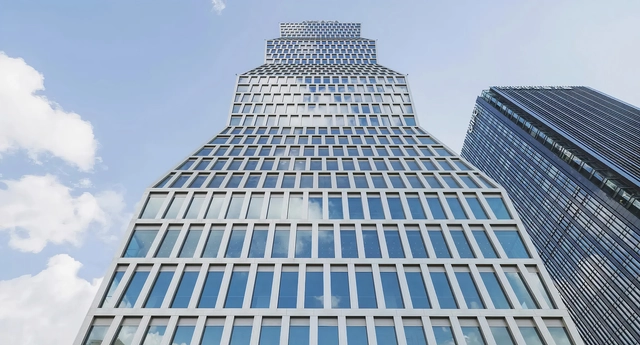
Goettsch Partners has just revealed the design for a new tower in Nashville, United States, which is set to become the city’s tallest structure. The building, named “Paramount,” will reach 750 feet across 60 stories, surpassing the current tallest, the 617-foot AT&T Building. Located in downtown Nashville, the Paramount will include 360 apartments, 140 condominiums, a 517-space parking garage, and a 60,000-square-foot expansion to the neighboring Downtown YMCA.

Goettsch Partners Reveals Design for Nashville's Tallest Tower - Image 1 of 4Goettsch Partners Reveals Design for Nashville's Tallest Tower - Image 2 of 4Goettsch Partners Reveals Design for Nashville's Tallest Tower - Image 3 of 4Goettsch Partners Reveals Design for Nashville's Tallest Tower - Image 4 of 4Goettsch Partners Reveals Design for Nashville's Tallest Tower - More Images+ 6

Mega-cities, Mega-projects, and Mega-slums: Exploring Urbanization in India

Subscriber Access | 

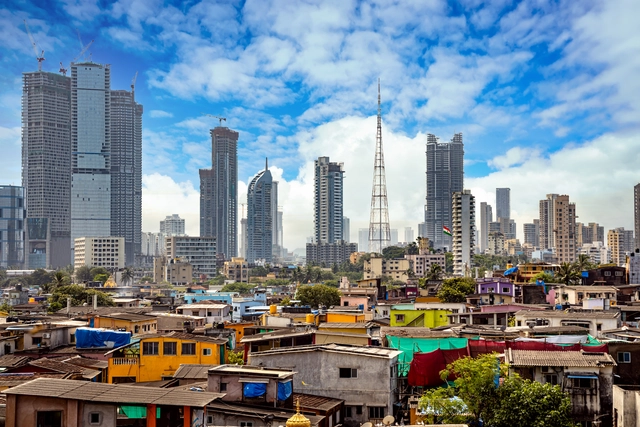
As a result of the nation’s ardent aspirations for growth and development, the social, economic, and physical landscape of India has transformed. A significant portion of the region’s population is of working age and comprises a massive market size, making India a land of opportunity especially in the eyes of foreign investors.

Reflecting this context, multiple mega-cities and mega-projects characterize the built environment and push the nation toward superpower status. On the flip side of the coin, these visionary projects along with the trend of rapid urbanization also bring in a range of side effects - the spread of informal settlements and in turn, the challenges to equitable development.

Mega-cities, Mega-projects, and Mega-slums: Exploring Urbanization in India - Image 1 of 4Mega-cities, Mega-projects, and Mega-slums: Exploring Urbanization in India - Image 2 of 4Mega-cities, Mega-projects, and Mega-slums: Exploring Urbanization in India - Image 3 of 4Mega-cities, Mega-projects, and Mega-slums: Exploring Urbanization in India - Image 4 of 4Mega-cities, Mega-projects, and Mega-slums: Exploring Urbanization in India - More Images+ 2

Top 20 A' Design Award Winners in Architecture, Building and Structure Design Category

 | Sponsored Content

The A' Design Award was established to highlight the best in design worldwide. The international award serves as a platform for designers, architects, and innovators from all design disciplines to present their work to a global audience. The 2024-2025 edition is now accepting entries.

Sou Fujimoto's Imaginative Structures: A 3D Drawing Exhibition at the Utzon Center, Denmark

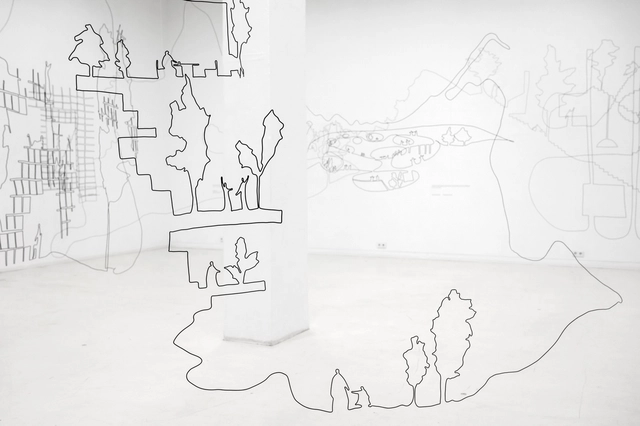
The Utzon Center in Denmark has announced the opening of “Primitive Future: Everything Is Circulating,” a solo exhibition dedicated to exploring the work of renowned Japanese architect Sou Fujimoto. Marking the first time his work is presented in Denmark, this exhibition offers a glimpse into Fujimoto’s vision, waving together the themes of nature and architecture. The exhibition's centerpiece is an expansive 500-meter-long steel wire installation that serves as a three-dimensional sketch, framing 12 of Fujimoto’s architectural projects.

Sou Fujimoto's Imaginative Structures: A 3D Drawing Exhibition at the Utzon Center, Denmark - Image 1 of 4Sou Fujimoto's Imaginative Structures: A 3D Drawing Exhibition at the Utzon Center, Denmark - Image 2 of 4Sou Fujimoto's Imaginative Structures: A 3D Drawing Exhibition at the Utzon Center, Denmark - Image 3 of 4Sou Fujimoto's Imaginative Structures: A 3D Drawing Exhibition at the Utzon Center, Denmark - Image 4 of 4Sou Fujimoto's Imaginative Structures: A 3D Drawing Exhibition at the Utzon Center, Denmark - More Images+ 10

Design Educates Awards Announces 2024 Winners in Architecture and Design

The Design Educates Awards 2024 has just announced the winners of this year’s winners, celebrating projects that excel in addressing complex social and environmental challenges while carrying significant educational value. Held annually, the awards recognize projects that respond to social and environmental issues and promote sustainability, even if the educational impact is gradual. In fact, it aims to highlight projects that offer long-term value and address the complexities of modern life.

Design Educates Awards Announces 2024 Winners in Architecture and Design - Image 1 of 4Design Educates Awards Announces 2024 Winners in Architecture and Design - Image 2 of 4Design Educates Awards Announces 2024 Winners in Architecture and Design - Image 3 of 4Design Educates Awards Announces 2024 Winners in Architecture and Design - Image 4 of 4Design Educates Awards Announces 2024 Winners in Architecture and Design - More Images+ 8

What is Over-Providing? A Strategy for Resilient Architecture

Subscriber Access | 

Over-providing traditionally implies offering more than is necessary, often carrying a negative connotation due to the potential for excess and waste. However, could there be scenarios within the built environment where over-providing proves advantageous? The question critically examines how overprovisioning might enhance a building's flexibility and adaptability to diverse and evolving conditions.

The underlying assumption of accurately providing what is needed for a building is that stakeholders—including owners, architects, and designers—can accurately predict and cater to a structure's current and future needs. This assumption, however, is challenging to realize, as societal, economic, and cultural shifts frequently occur in unpredictable ways. In this context, over-providing emerges as a counterintuitive yet potentially beneficial strategy. As buildings and structures inevitably transform, those designed with inherent adaptability reduce the need for costly renovations or complete rebuilds.

What is Over-Providing?  A Strategy for Resilient Architecture - Image 1 of 4What is Over-Providing?  A Strategy for Resilient Architecture - Image 2 of 4What is Over-Providing?  A Strategy for Resilient Architecture - Image 3 of 4What is Over-Providing?  A Strategy for Resilient Architecture - Image 4 of 4What is Over-Providing?  A Strategy for Resilient Architecture - More Images+ 7

Architecture Beyond Humanity: Designing for Non-Human Species

Are humans the only stewards of the built environment? For many architects and planners, spaces are designed with a focus on the needs, comfort, and health of humans. A spatial ordering, in constructed spaces and the urban fabric, designates humans as the default, singular user in this scenario. However, as much as humans have influenced the trajectory of the world, other species play a crucial role in designing, forming, and maintaining the urban landscapes of the twenty-first century.

Architecture Beyond Humanity: Designing for Non-Human Species - Image 1 of 4Architecture Beyond Humanity: Designing for Non-Human Species - Image 2 of 4Architecture Beyond Humanity: Designing for Non-Human Species - Image 3 of 4Architecture Beyond Humanity: Designing for Non-Human Species - Image 4 of 4Architecture Beyond Humanity: Designing for Non-Human Species - More Images+ 30

Architectural Details of the Bauhaus Movement: Revisiting the Glass Corners and Tubular Steel Construction

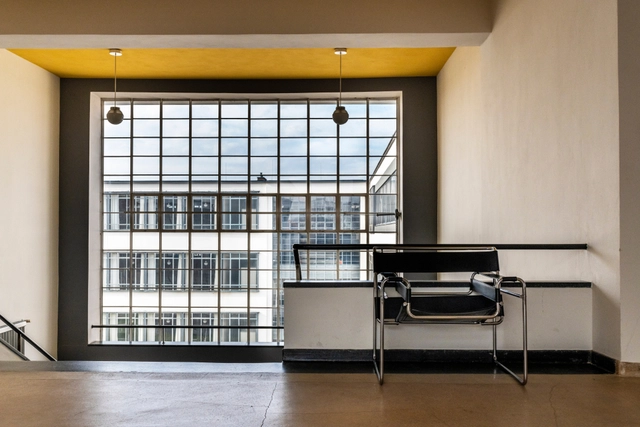
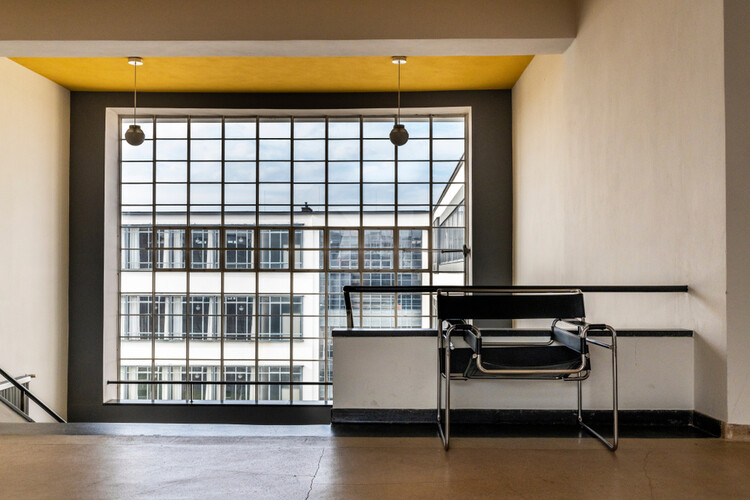
Bauhaus's designs have influenced our contemporary society in obvious and subtle ways. Iconic examples include Marcel Breuer’s Wassily Chair, the B55 Chair, the Bauhaus typeface, and the graphic design principles emphasizing clean lines, primary colors, and geometric shapes. However, the architectural construction details of the Bauhaus movement are much less discussed. While most can readily identify modern or Bauhaus buildings by their geometric forms, functionality, and industrial materials, their architectural details are often overlooked. They not only echo the design language of Breuer’s renowned furniture pieces but also have influenced the much-celebrated architectural glass details of Mies van der Rohe. How were Bauhaus's details executed, and how might they be translated into contemporary details today?

 Architectural Details of the Bauhaus Movement: Revisiting the Glass Corners and Tubular Steel Construction - Image 1 of 4 Architectural Details of the Bauhaus Movement: Revisiting the Glass Corners and Tubular Steel Construction - Image 2 of 4 Architectural Details of the Bauhaus Movement: Revisiting the Glass Corners and Tubular Steel Construction - Image 3 of 4 Architectural Details of the Bauhaus Movement: Revisiting the Glass Corners and Tubular Steel Construction - Image 4 of 4 Architectural Details of the Bauhaus Movement: Revisiting the Glass Corners and Tubular Steel Construction - More Images+ 15

An Architectural System for the Transformation of Public Space: Discover the Work of Colectivo C733 in Mexico

Subscriber Access | 

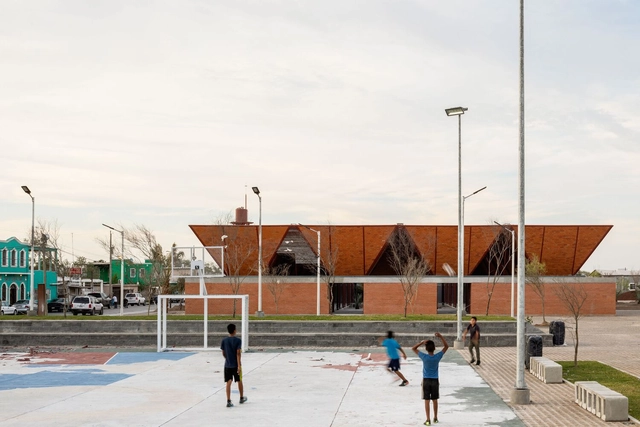
In 2019, the Secretariat of Urban Development hired the Faculty of Architecture at the National Autonomous University of Mexico to organize a competition to develop small-scale public works in vulnerable regions of northern Mexico. At that time, architects from the mentioned university—Gabriela Carrillo, Carlos Facio, José Amozurrutia, Eric Valdez, and Israel Espín—came together to participate in their proposal for this challenge. Believing in the importance of forming a team and understanding that architecture emerges from moments of collective discussion, exchange of ideas and positions, and sharing knowledge and experience, they formed the architectural collective C733.

An Architectural System for the Transformation of Public Space: Discover the Work of Colectivo C733 in Mexico - Image 1 of 4An Architectural System for the Transformation of Public Space: Discover the Work of Colectivo C733 in Mexico - Image 2 of 4An Architectural System for the Transformation of Public Space: Discover the Work of Colectivo C733 in Mexico - Image 3 of 4An Architectural System for the Transformation of Public Space: Discover the Work of Colectivo C733 in Mexico - Image 4 of 4An Architectural System for the Transformation of Public Space: Discover the Work of Colectivo C733 in Mexico - More Images+ 18

Under Bridge: Winners of Buildner's 17th Affordable Housing Competition Announced

Buildner has revealed the results of its Under Bridge Affordable Housing Challenge, the 17th version of its Affordable Housing competition series, which focused on proposing design solutions to address housing challenges in cities around the world. This competition aimed to transform neglected areas under bridges, turning idle or empty spaces in sprawling cities into vibrant and thriving communities.

Participants were invited to select any "under the bridges" site globally, considering factors such as accessibility, available amenities, and how the proposed solution would integrate with the existing community or city. Designs needed to demonstrate adaptability, ensuring they could meet diverse needs while remaining cost-effective and sustainable. Buildner and its jury sought practical, scalable, and eco-friendly designs to revolutionize these overlooked spaces. The competition encouraged creative thinking and innovative housing solutions that challenge conventional approaches.

First Look at Burning Man 2024: Exploring Curiouser & Curiouser Art Installations

Every August, the Black Rock Desert in Nevada transforms into a vibrant city for Burning Man, a week-long festival that culminates in the ceremonial burning of a large wooden effigy. Established in 1986, the festival is renowned for its unconventional art installations and striking desert setting. While varied in their expression, the installations follow a central theme of the year. For this edition, the title “Curiouser & Curiouser” takes inspiration from the Mad Hatter from Lewis Carroll’s Alice in Wonderland, prompting participants to engage with wonder and embrace the whimsical and mysterious. This year’s central temple installation is designed by Caroline Ghosn to represent togetherness and mutual respect. Following a Burning Man Tradition, the temple design is selected following an international competition.

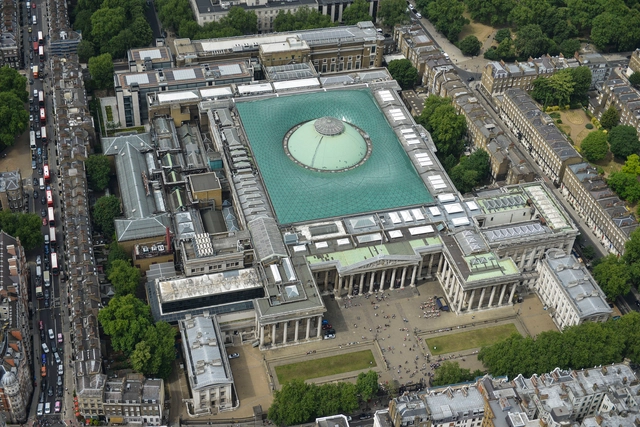
OMA and David Chipperfield Selected Among the 5 Finalists of the British Museum Architecture Competition

The British Museum has shortlisted five architect-led teams for the final stage of its International Architectural Competition, a significant milestone in the museum's ambitious plan to renovate its Western Range Galleries. The teams—6a Architects, David Chipperfield Architects, Eric Parry Architects and Jamie Fobert Architects, Lina Ghotmeh — Architecture, and OMA—were selected from over 60 global entries and will now compete to reimagine a substantial portion of the museum's gallery space.

OMA and David Chipperfield Selected Among the 5 Finalists of the British Museum Architecture Competition - Image 1 of 4OMA and David Chipperfield Selected Among the 5 Finalists of the British Museum Architecture Competition - Image 2 of 4OMA and David Chipperfield Selected Among the 5 Finalists of the British Museum Architecture Competition - Image 3 of 4OMA and David Chipperfield Selected Among the 5 Finalists of the British Museum Architecture Competition - Image 4 of 4OMA and David Chipperfield Selected Among the 5 Finalists of the British Museum Architecture Competition - More Images+ 1

Designing for Two Worlds: How Space Exploration is Shaping the Future of Architecture on Earth

Subscriber Access | 

Space exploration isn’t merely a testament to human ambition or a quest for new territories and resources. Our ventures beyond Earth’s atmosphere are driven by a deeper purpose: to understand better our place in the cosmos and to pioneer innovations that can transform life on our home planet.

While venturing beyond our planet captures the imagination, the true impact of space exploration may be felt much closer to home. Public perception often frames space exploration as a distant endeavor with limited relevance to terrestrial challenges. However, this perspective overlooks the substantial contributions of space programs to our world. By driving technological innovation, expanding our scientific knowledge, and inspiring future generations, space exploration has proven to be an invaluable catalyst for addressing global issues.

Designing for Two Worlds: How Space Exploration is Shaping the Future of Architecture on Earth - Image 1 of 4Designing for Two Worlds: How Space Exploration is Shaping the Future of Architecture on Earth - Image 2 of 4Designing for Two Worlds: How Space Exploration is Shaping the Future of Architecture on Earth - Image 3 of 4Designing for Two Worlds: How Space Exploration is Shaping the Future of Architecture on Earth - Image 4 of 4Designing for Two Worlds: How Space Exploration is Shaping the Future of Architecture on Earth - More Images+ 30

Khalil Khouri, Modernism, and the Arab World: In Conversation with Bernard Khoury

Subscriber Access | 

In Beirut, the Interdesign Building stands as a striking yet enigmatic structure. Never used since its conception in 1973, the building was designed by Lebanese architect Khalil Khouri and, in some ways, it represents a physical testament to the region’s hopes and struggles. During the inaugural edition of We Design Beirut, the exhibition “All Things Must(n't) Pass: A Subjective Recount Of Khalil Khouri’s Life And Career As A Designer” opened the building to the public, aiming to tell the story of its architect, Khalil Khouri, through the lens of his son and grandson, Bernard and Teymour Khoury. On this occasion, ArchDaily’s Editor in Chief, Christele Harrouk sat down with Bernard Khoury at his DW5 office to discuss the life of his father and a little-known chapter of Lebanese architectural history.

Khalil Khouri, Modernism, and the Arab World: In Conversation with Bernard Khoury - Image 5 of 4Khalil Khouri, Modernism, and the Arab World: In Conversation with Bernard Khoury - Image 1 of 4Khalil Khouri, Modernism, and the Arab World: In Conversation with Bernard Khoury - Image 2 of 4Khalil Khouri, Modernism, and the Arab World: In Conversation with Bernard Khoury - Image 3 of 4Khalil Khouri, Modernism, and the Arab World: In Conversation with Bernard Khoury - More Images+ 34

AI in Action: How D5 Render Powers Up Architectural Design Efficiency for KPF

 | Sponsored Content

In the realm of architecture, the integration of Artificial Intelligence (AI) is no longer a vision of the future but a present reality transforming the way designs are conceptualized and executed. As global architectural powerhouse Kohn Pedersen Fox (KPF) pushes the boundaries of innovation, they have strategically adopted D5 Render, an advanced AI-driven real-time rendering tool, to enhance their design efficiency.

WilkinsonEyre Reveals Plans to Revitalize a Constructivist Landmark in Belgrade, Serbia

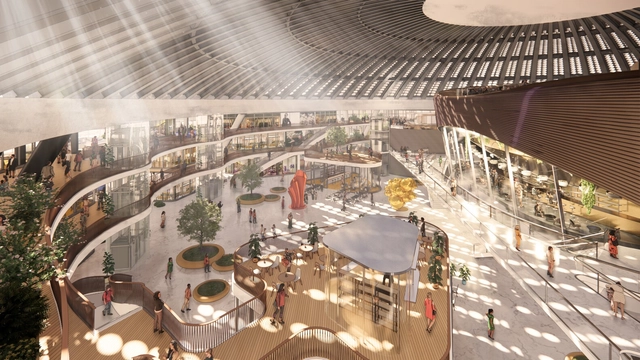
WilkinsonEyre has unveiled their proposal to revitalize the 1950s constructivist Belgrade Fair Hall 1, a landmark location overlooking the river Sava. The project is set to transform the exhibition hall into a mixed-use destination comprising three cultural venues and retail spaces, in addition to redesigning the waterfront park. WilkinsonEyre’s design incorporates light-touch interventions to the existing building, as it strives to respect and highlight the architectural qualities of the existing structure, such as the exposed concrete soffit or the unique shape of the building.

WilkinsonEyre Reveals Plans to Revitalize a Constructivist Landmark in Belgrade, Serbia - Image 1 of 4WilkinsonEyre Reveals Plans to Revitalize a Constructivist Landmark in Belgrade, Serbia - Image 2 of 4WilkinsonEyre Reveals Plans to Revitalize a Constructivist Landmark in Belgrade, Serbia - Image 3 of 4WilkinsonEyre Reveals Plans to Revitalize a Constructivist Landmark in Belgrade, Serbia - Image 4 of 4WilkinsonEyre Reveals Plans to Revitalize a Constructivist Landmark in Belgrade, Serbia - More Images+ 1

Zaha Hadid Architects Unveils Construction Progress of Central Bank of Iraq Skyscraper in Baghdad

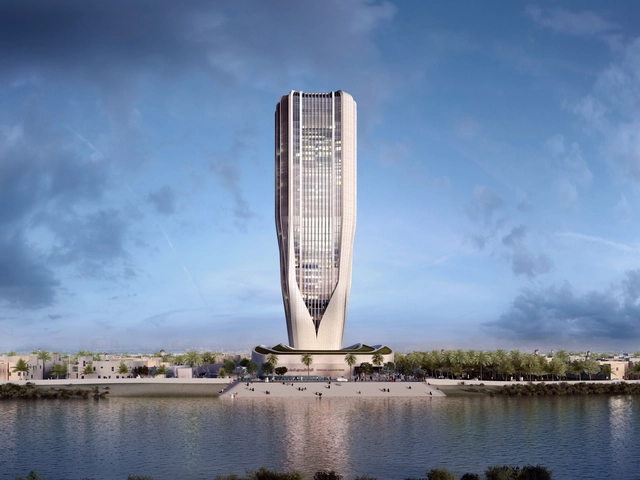
The Central Bank of Iraq (CBI) headquarters, designed by the UK-based Zaha Hadid Architects, is a new landmark on the banks of the Tigris River in Baghdad. Now the tallest building in the city, the 170-meter-tall skyscraper aims to echo the values of the institution: solidity, stability, and sustainability. Blending innovation with the rich heritage of Baghdad, her birthplace, Zaha Hadid’s vision for the Central Bank of Iraq headquarters stands as a tribute to the city's enduring legacy.


Zaha Hadid Architects Unveils Construction Progress of Central Bank of Iraq Skyscraper in Baghdad - Image 1 of 4Zaha Hadid Architects Unveils Construction Progress of Central Bank of Iraq Skyscraper in Baghdad - Image 2 of 4Zaha Hadid Architects Unveils Construction Progress of Central Bank of Iraq Skyscraper in Baghdad - Image 3 of 4Zaha Hadid Architects Unveils Construction Progress of Central Bank of Iraq Skyscraper in Baghdad - Image 4 of 4Zaha Hadid Architects Unveils Construction Progress of Central Bank of Iraq Skyscraper in Baghdad - More Images+ 9

You've started following your first account!

Did you know?

You'll now receive updates based on what you follow! Personalize your stream and start following your favorite authors, offices and users.