Parking Garages: Antithesis or Opportunity for 21st-Century Urbanism?

Subscriber Access

In an era of people-centered urban planning, 15-minute cities, “eyes on the street,” and active public spaces, parking garages are often seen as the antithesis of contemporary urban ideals. But that was not always the case. If today they challenge architects and planners to reinvent them in pursuit of more sustainable mobility and more human cities, in the past they stood as witnesses to a radical transformation in how we move, inhabit, and perceive urban space. Once symbols of modernity, parking garages embodied the height of an age when the automobile was seen as a driving force of progress. This shift in meaning reveals them as much more than utilitarian structures — they are powerful reflections of the evolution of urbanism, technology, and social habits over the past two centuries.
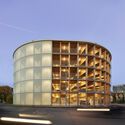
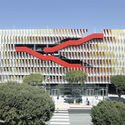
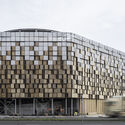
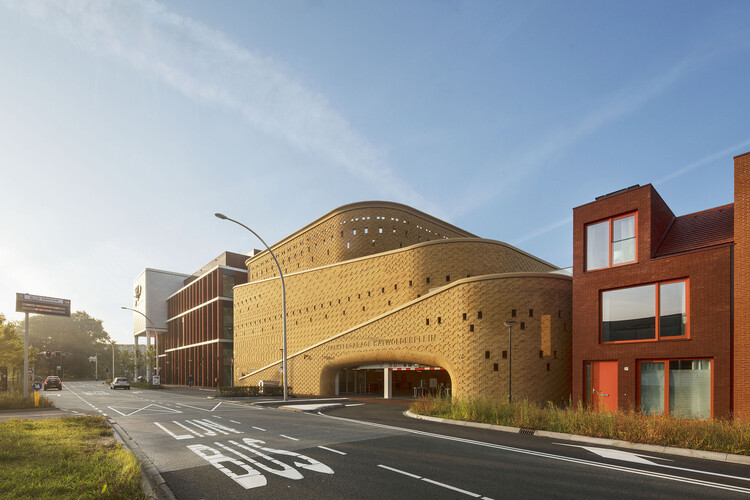
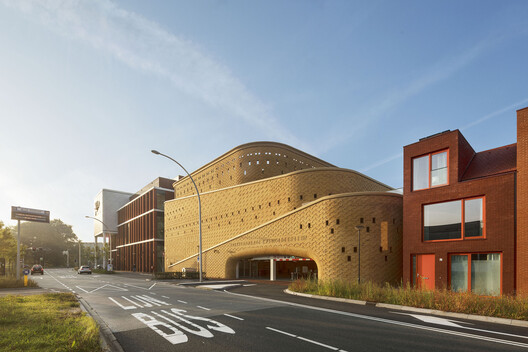
Parking Garages: Antithesis or Opportunity for 21st-Century Urbanism? - Image 2 of 57Parking Garages: Antithesis or Opportunity for 21st-Century Urbanism? - Image 3 of 57Parking Garages: Antithesis or Opportunity for 21st-Century Urbanism? - Image 4 of 57Parking Garages: Antithesis or Opportunity for 21st-Century Urbanism? - Image 5 of 57Parking Garages: Antithesis or Opportunity for 21st-Century Urbanism? - More Images+ 52

Content Loader

Image gallery

See allShow less
About this author
Cite: Ghisleni, Camilla. "Parking Garages: Antithesis or Opportunity for 21st-Century Urbanism?" [Edifícios-Garagem: Antítese ou Oportunidade para o Urbanismo do Século XXI?] 15 Oct 2025. ArchDaily. (Trans. Simões, Diogo) Accessed . <https://www.archdaily.com/1034766/parking-garages-antithesis-or-opportunity-for-21st-century-urbanism> ISSN 0719-8884

You've started following your first account!

Did you know?

You'll now receive updates based on what you follow! Personalize your stream and start following your favorite authors, offices and users.