1. ArchDaily
  2. Intermodality

Intermodality: The Latest Architecture and News

Parking Garages: Antithesis or Opportunity for 21st-Century Urbanism?

Subscriber Access | 

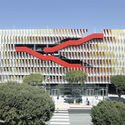
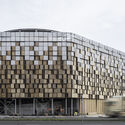
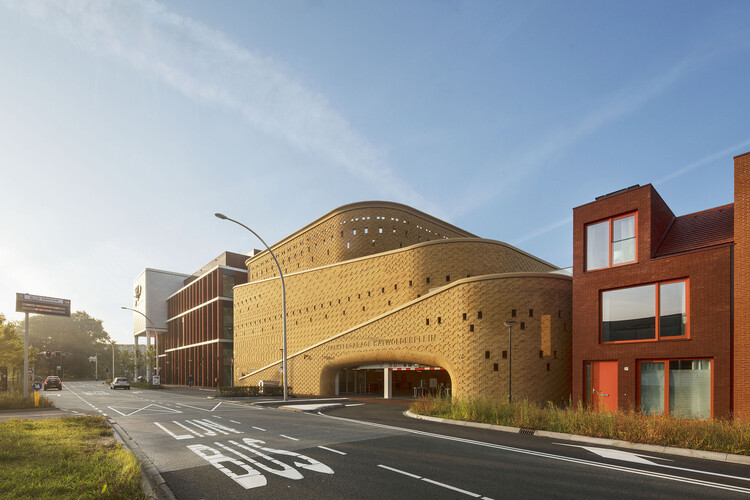
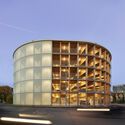
In an era of people-centered urban planning, 15-minute cities, “eyes on the street,” and active public spaces, parking garages are often seen as the antithesis of contemporary urban ideals. But that was not always the case. If today they challenge architects and planners to reinvent them in pursuit of more sustainable mobility and more human cities, in the past they stood as witnesses to a radical transformation in how we move, inhabit, and perceive urban space. Once symbols of modernity, parking garages embodied the height of an age when the automobile was seen as a driving force of progress. This shift in meaning reveals them as much more than utilitarian structures — they are powerful reflections of the evolution of urbanism, technology, and social habits over the past two centuries.
Parking Garages: Antithesis or Opportunity for 21st-Century Urbanism? - Image 1 of 4Parking Garages: Antithesis or Opportunity for 21st-Century Urbanism? - Image 2 of 4Parking Garages: Antithesis or Opportunity for 21st-Century Urbanism? - Image 3 of 4Parking Garages: Antithesis or Opportunity for 21st-Century Urbanism? - Image 4 of 4Parking Garages: Antithesis or Opportunity for 21st-Century Urbanism? - More Images+ 52

Antoine Predock Proposes a New Large City Bike Lane Project for Albuquerque, New Mexico

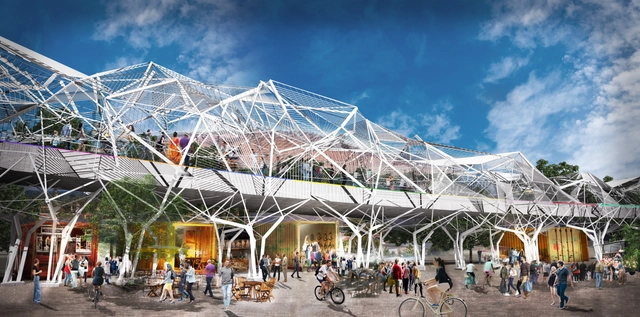
Architect Antoine Predock has unveiled his vision for the Albuquerque Rail Trail, a multi-use trail that will connect key destinations in the greater downtown area of New Mexico’s largest city. The project set out to combine the utility of pedestrian and bicycle pathways with the culture and history of the lands, encouraging healthy recreation, cultural expression and economic development. The Rail Trail project is of the Mayor’s Institute on City Design, Just City Mayoral Fellowship.

Antoine Predock Proposes a New Large City Bike Lane Project for Albuquerque, New Mexico - Image 1 of 4Antoine Predock Proposes a New Large City Bike Lane Project for Albuquerque, New Mexico - Image 2 of 4Antoine Predock Proposes a New Large City Bike Lane Project for Albuquerque, New Mexico - Image 3 of 4Antoine Predock Proposes a New Large City Bike Lane Project for Albuquerque, New Mexico - Image 4 of 4Antoine Predock Proposes a New Large City Bike Lane Project for Albuquerque, New Mexico - More Images+ 2

A Floating Timber Bridge Could Connect Greenpoint, Brooklyn and Long Island City

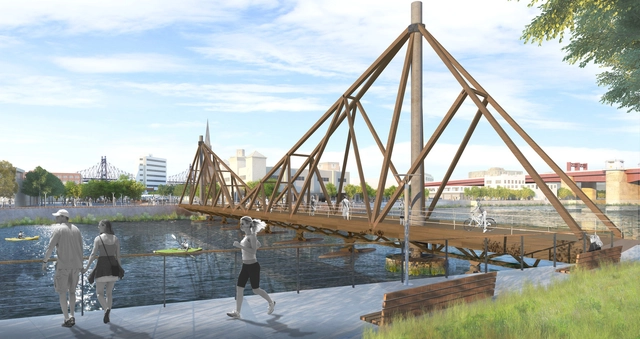
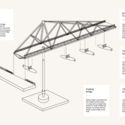
If you stand in Manhattan Avenue Park in Brooklyn’s Greenpoint neighborhood, you’ll see the Long Island City skyline across a small creek. On the Greenpoint side of the creek, a historic neighborhood of row houses and industrial sites is rapidly growing. On the Long Island City side, high-rise apartments and hundreds of art galleries and studios line the East River. Just a stone’s throw away, Long Island City can feel like a world apart from Greenpoint. That’s in large part due to the fact that only one bridge connects the neighborhoods—and it’s meant more for cars than pedestrians or cyclists. Isn’t there a better way? Architect Jun Aizaki thinks so. For the past few years, he and his team at CRÈME Architecture and Design have been working on the so-called “Timber Bridge at Longpoint Corridor."

A Floating Timber Bridge Could Connect Greenpoint, Brooklyn and Long Island City  - Image 1 of 4A Floating Timber Bridge Could Connect Greenpoint, Brooklyn and Long Island City  - Image 2 of 4A Floating Timber Bridge Could Connect Greenpoint, Brooklyn and Long Island City  - Image 3 of 4A Floating Timber Bridge Could Connect Greenpoint, Brooklyn and Long Island City  - Image 4 of 4A Floating Timber Bridge Could Connect Greenpoint, Brooklyn and Long Island City  - More Images+ 3