A Long View explores the celebrated residential design of Bohlin Cywinski Jackson through the lens of fifteen private residences across the United States and Canada. With a curated selection of homes completed between 2016 and 2026, the book shares the evolution of BCJ’s work across a wider range of geographical regions and fresh material expressions, led by an emergent group of design voices within the practice who are carrying forward its ethos of humane, deeply collaborative design.
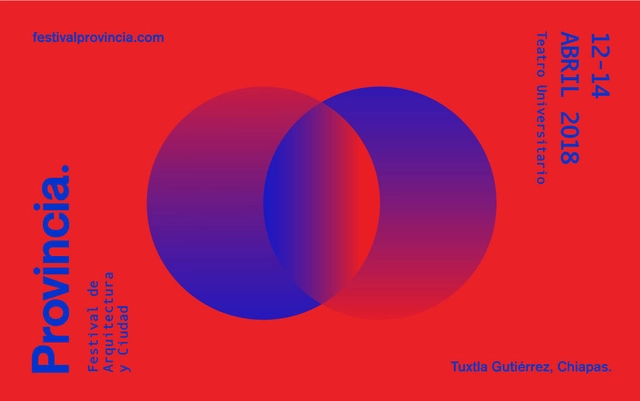
Provincia Festival aims to create an open space for dialogue and the exhibition of civic interest topics, emphasizing responsible participation in provincial architectural development.
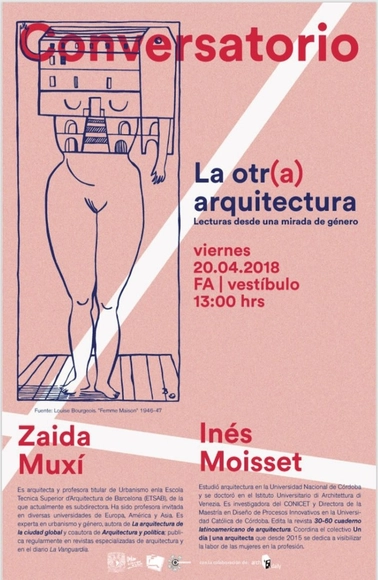
CONVERSATORIO is a project born from the desire to create a space for reflection on contemporary thought, intended to foster dialogue enriched by diverse perspectives. It aims to reclaim various spaces and generate new questions and inquiries within a critical and pluralistic framework.
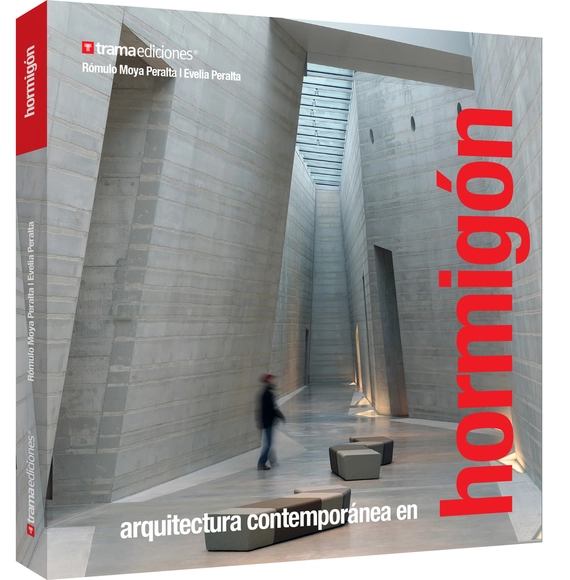
Cover Credits: International Centre for Cave Art in Montignac, “Lascaux”. By: Snøhetta. Photography: Eric Solé
Concrete is undoubtedly a favorite material among architects when designing. This is due to its remarkable ability to be molded into complex forms, as well as the variety of finishes and textures its surfaces can offer.
Feature films, short films, and architectural records will be screened at the 6th edition of the festival, taking place from November 28 to December 7. This edition marks the beginning of the event's second decade, having started as the first of its kind in Chile and Latin America.
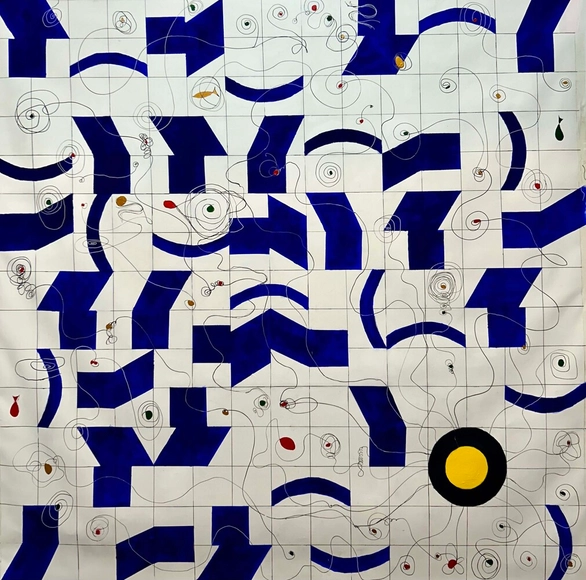
Fernanda Leme_The Fall III_2024_acrylic, oil stick, and Posca pen on canvas
On October 3, at 6:30 PM, the exhibition “Monstros” (Monsters) will open at Z42 Arte, offering an overview of the eleven-year career of Rio de Janeiro-based artist Fernanda Leme. Curated by Alexandre Sá, the exhibition features approximately 80 paintings—most of which have never been shown before—produced between 2013 and the present, which explore the roles of painting and photography in contemporary life. Drawing from her own life, the artist uses her work to address universal themes, such as the liquid society we inhabit, the fleeting nature of images, grief, loss, and longing. “The exhibition is a chronicle of our time, a work of memory and imagery,” the artist explains. On October 26, at 5:00 PM, she will lead a guided tour of the exhibition alongside curator Alexandre Sá.
With 38% of projects over budget and 35% behind schedule, according to the 42nd Annual Deltek Clarity Report, architecture firms are focusing on the fundamentals. This includes tracking metrics and adopting new technology to keep a closer pulse on performance and profitability. Many architecture firms have a ways to go as only 25% currently see their business as digitally mature, but 76% of firms envision firm digital sophistication in five years, according to the report.
Videos
1er Premio. Image Cortesía de Proyectar a Conciencia 4.0
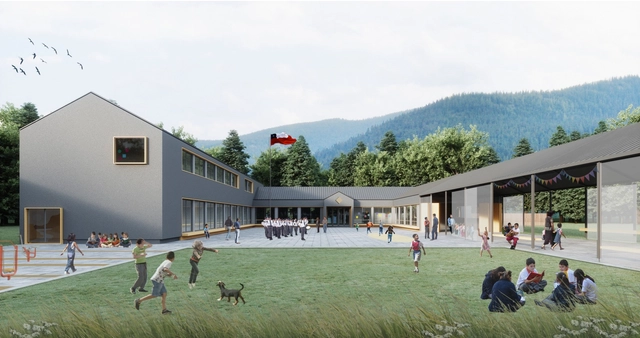
The Proyectar a Conciencia competition aims to energetically modernize existing buildings through non-intrusive passive solutions, such as EIFS continuous exterior insulation technologies. This fourth edition was particularly special, adding the Chilean Chamber of Construction as a co-sponsor, tripling its prizes, and expanding the call for entries to the professional sphere.
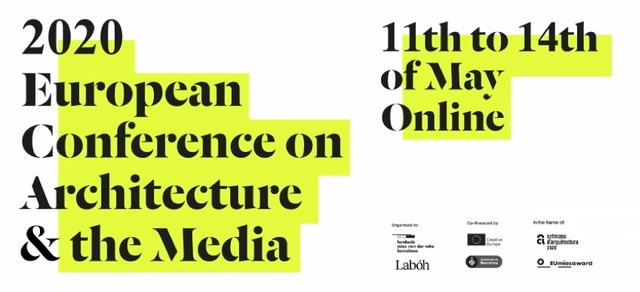
In these times when we are experiencing an extraordinary situation that limits travel and the possibility of holding events together, we still want to keep alive the debate on the dissemination of architecture in the media. For this reason, this year the venue of the event moves from the inspiring Mies van der Rohe Pavilion in Barcelona to the YouTube channel of Fundació Mies van der Rohe.
The European Conference on Architecture & the Media is conceived as a place to meet and exchange experiences on the dissemination of architecture. It is addressed to journalists, cultural institutions and organisations, communication professionals, architects and architecture lovers.
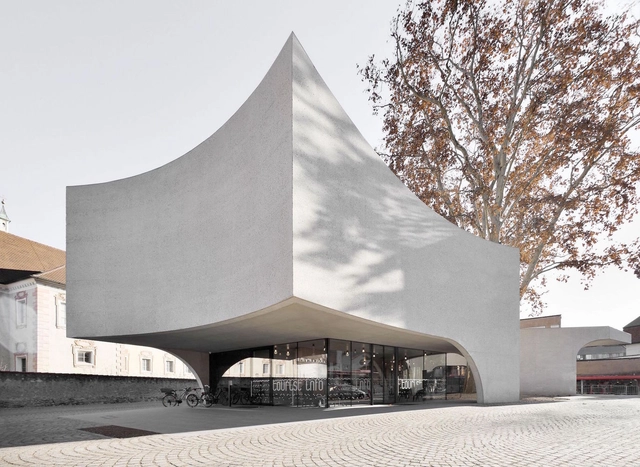
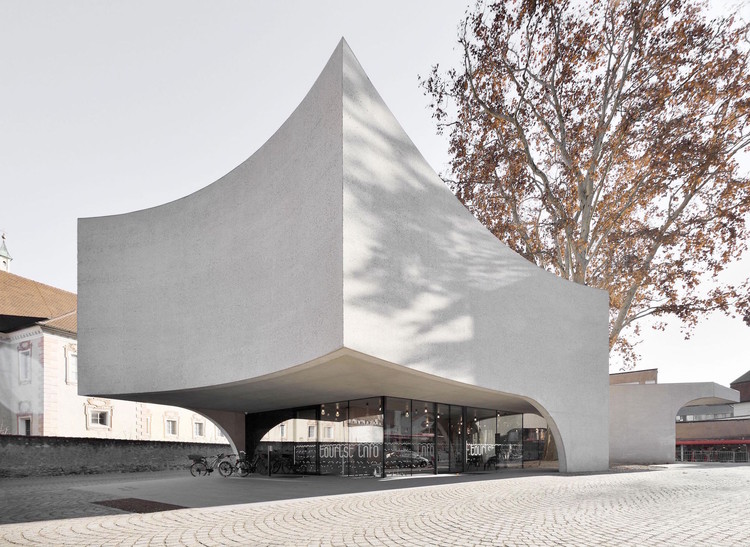
Tourist Information Center by MoDus Architects, awarded selection in the ICONIC AWARDS 2019: Innovative Architecture. Image Courtesy of German Design Council
Today marks the start of the registration phase for the international ICONIC AWARDS 2020: Innovative Architecture. These awards recognize the best of architecture and innovative interior and product design, as well as outstanding communication concepts and singularly innovative materials. The winners will be honored at the awards ceremony on 5 October 2020 at the Pinakothek der Moderne, Munich, where they will have ample opportunity to network with other players on both the national and international scene.
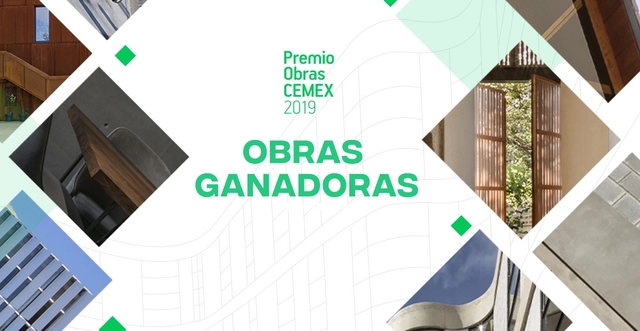
On November 7, the winners of the National and International Editions of the 2019 CEMEX Building Award were announced during a ceremony at the Hyatt Regency Polanco hotel in Mexico City. Here is the list of winners.
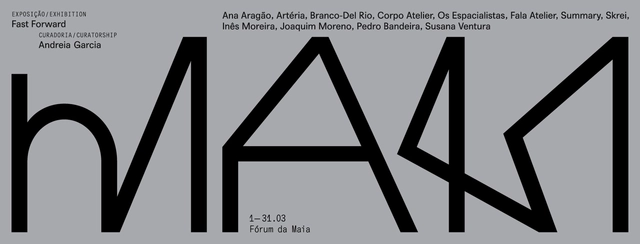
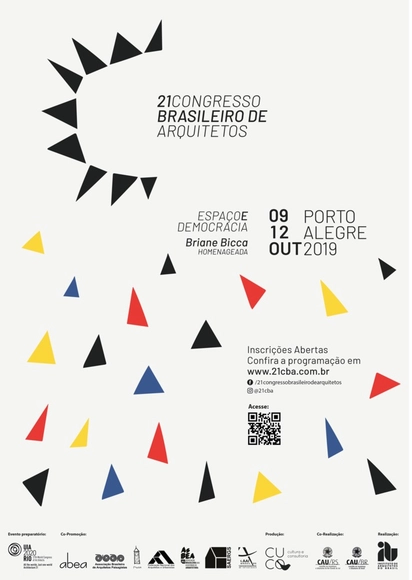
Registration for the 21st Brazilian Congress of Architects is now open at www.21cba.com.br. Returning to Porto Alegre after 50 years, the event will take place from October 9 to 12 in the city's historic center. It will foster debate on "Space and Democracy," featuring special guests such as architects and urban planners Ermínia Maricato and Paulo Mendes da Rocha.
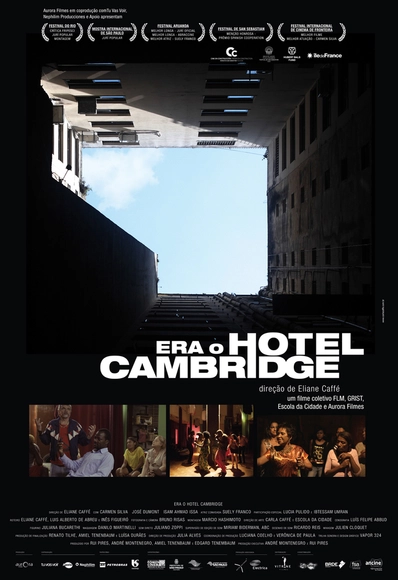
The award-winning film directed by Eliane Caffé chronicles the journey of refugees newly arrived in Brazil who, alongside homeless workers, occupy an old abandoned building in downtown São Paulo. The film ‘Era o Hotel Cambridge,’ directed by Eliane Caffé and winner of numerous awards, will be screened for free this Thursday, July 4th, at 7:00 PM at Espaço Itaú de Cinema, in an event hosted by Escola da Cidade and Arq.Futuro. The feature film, which premiered commercially in 2017 and inspired a book published by Edições Sesc São Paulo, follows the journey of refugees newly arrived in Brazil who, together with homeless workers, occupy an old abandoned building in downtown São Paulo. Amidst the daily tension of the threat of eviction, the film reveals personal dramas, comedic situations, and diverse worldviews. The screening will take place at Espaço Itaú de Cinema (Rua Augusta 1475), Room 1, starting at 7:00 PM. Following the screening, at 8:30 PM, there will be a panel discussion with guest speakers on the topic of the ‘Right to the City.’ Admission is free. The debate will feature Claudete Lindoso, representative of the MSTC (Movimento Sem Teto do Centro); Tomas Alvim, co-founder of Arq.Futuro; Carla Caffé, professor at Escola da Cidade; and Mariana Chiesa Gouveia Nascimento, who holds a master’s and doctorate in State Law. The film’s art direction was developed in partnership with students from the Escola da Cidade – Faculty of Architecture and Urbanism, a pedagogical and artistic experience that explored the boundaries between architecture and cinema, and between art and education. The project’s preparation took two years and was managed by a collective that transformed the entire building—a real-life conflict zone—into the creative set for the film. This collective was composed of four main groups: architecture students from Escola da Cidade, the film’s production team, leaders from the FLM (Frente de Luta pela Moradia), and the group of refugees. Through workshops held within the occupation, the raw material for refining the script and art direction emerged. The boldness of this experiment ensured the film’s authenticity and dramatic power. The experience led to the book ‘Era o Hotel Cambridge: arquitetura, cinema e educação,’ by architect, art director, and Escola da Cidade professor Carla Caffé. Written in graphic novel format and featuring interviews and essays, the book portrays the process of creating the film’s art direction, costumes, and set design with the participation of the school’s students, extending the pedagogical process beyond the school’s walls. Cinema with Architecture The partnership between architecture and cinema in this film is evident not only in the script but also in the approach to the film set, representing an unprecedented way of combining filmmaking with architectural practice. The sets were not designed to be dismantled, but rather to last as long as the occupation exists. In the script, the occupied building breathes like a character; the film unveils the subtleties of vernacular design, born from improvisation and the limits of survival. The building’s maintenance serves as one of the backdrops for the relationships between the characters. Conflicts are intertwined with the need to care for the space, such as the natural spring in the building’s basement, which still flows daily as it is located on the former bed of the Saracura River, one of the major tributaries of the Anhangabaú Valley. Recently, the Cambridge building was declared an area of social interest by public authorities, awaiting a retrofit for low-income housing. However, the highlight of this experience was strengthening the students' political engagement and helping them grasp the importance and social responsibility of the architect, working at the margins, influencing and provoking transformative situations and perspectives. Some of the film’s sets were designed to address not only the script’s requirements but also the needs of the Cambridge community. The students held open presentations for the residents of the occupation so that everyone could understand and provide feedback on the projects to be implemented. “The set design, understood as ephemeral architecture, was treated as a way to equip the meeting points and interaction areas of the building’s common spaces to encourage the movement’s spirit of collectivity,” comments professor Carla Caffé. The collaborative nature of the practical activities was extended through workshops by the Spanish collective Basurama (www.basurama.org), which develops architecture and urban resignification projects by utilizing discarded materials collected from recycling points throughout the city of São Paulo. The team was sensitized to the abundance and disposal of reusable materials, such as fruit crates, pallets, abandoned furniture, and tires, transforming them into shelves, armchairs, work tables, and objects that would be used both as set elements for the film and by the occupation itself. List of Festivals and Awards: – 8th Cinemigrante International Film Festival | Best International Feature Film (Periférica Cine Award) and Best Latin American Feature Film (CineMigrante/IOM Award) – Argentina, 2017 Best International and Latin American Feature Film – International Film Festival and Forum on Human Rights | Honorable Mention (International Jury) – Switzerland, 2017 – 2nd Brazilian Cinema Week | National Cinematheque of Mexico – Mexico, 2017 - Cine Brasil Marginal Exhibition – Switzerland, 2017 – 33rd Reflections of Iberian & Latin American Cinema | Villeurbanne Festival – France, 2017 – 29th Cinélatino Film Festival | Toulouse Meetings – France, 2017 – 39th Créteil International Women's Film Festival – Maison Des Artes | Films de Femmes – France, 2017 – 20th Tiradentes Film Festival – 2017 – Dominican Global Film Festival – Dominican Republic, 2017 – 40th Göteborg Film Festival – Sweden, 2017 – 9th Bengaluru International Film Festival – India, 2017 – 5th Diaspora Film Festival – Korea, 2017 – 35th Munich International Film Festival | International Independents – Germany, 2017 – 21st Résistances Film Festival – France, 2017 – 40th São Paulo International Film Festival | Best Film (Audience Award) – 2016 – 18th Rio de Janeiro International Film Festival | Première Brasil | FIPRESCI Critics' Award, Best Film (Audience Award), and Best Editing – 2016 – 64th San Sebastián International Film Festival | Horizontes Latinos | Spanish Cooperation Award | Honorable Mention – Spain, 2016 – 8th Border International Film Festival | International Competitive Section | Best Film and Best Performance (Carmen Silva) – 2016 – 11th Fest Aruanda of Brazilian Audiovisual | Best Feature (ABRACCINE Jury), Best Feature (Official Jury), and Best Actress (Suely Franco) – 2016 - 7th Pachamama International Film Festival | Border Cinema | Closing Session – 2016 – 18th Tbilisi International Film Festival – Georgia, 2016 - 20th Tallinn Black Nights Film Festival – Estonia, 2016 – 63rd San Sebastián International Film Festival | Industry Award | Cine en Construcción 28 | Finishing Support – Spain, 2015 – Hubert Bals Fund | Post-production Support – Netherlands, 2015 CREDITS (FILM): Era o Hotel Cambridge Director: Eliane Caffé Produced by: Rui Pires, André Montenegro, Edgard Tenembaum, and Amiel Tenenbaum Art Director: Carla Caffé and students from Escola da Cidade Director of Photography and Camera: Bruno Risas Editing: Márcio Hashimoto Cast: José Dumont, Carmen Silva, Isam Ahamad Issa, and Guylain Mukendi Guest Actress: Suely Franco Special Appearance: Lucia Pulido and Ibtessam Umran Genre: Drama Production: Aurora Filmes Co-production: Tu Vas Voir (France), Nephilim Producciones (Spain), and Apoio (Brazil) Distribution: Vitrine Filmes
Courtesy of Workshop Architects, Cooper Carry, OLIN, and Gilbane
Today in the United States, buildings account for nearly 40% of carbon emissions (EESI) and 78% of electricity usage. The most sustainability-focused firms run energy simulations for less than 50% of their projects (10% for a typical firm) and only doing so late in the process when design changes are limited and insufficient to combat red flags found in the performance report (AIA 2030 report). We can make building performance widespread once we help the entire community discuss the subject in terms of investment and return. Especially during a project pursuit, since having the buy in from the whole team helps ensure the key project metrics are met. Owners are seeking out teams who are using actual metrics and data driven processes that affect their bottom line. This new approach to practice is what makes the younger teams’ standout and will benefit both the climate and the bottom-line. Here are 5 ways to talk about building performance in your project pursuits:
Periferica is an international festival of urban regeneration that will take place in Mazara del Vallo, Sicily, from 1 to 10 August 2019. Every year, Periferica brings together associations, universities and businesses to rethink a disused area with students, creative people and inhabitants, through a program of workshops and events. Since 2013, more than 300 students from different parts of Europe have so far participated.
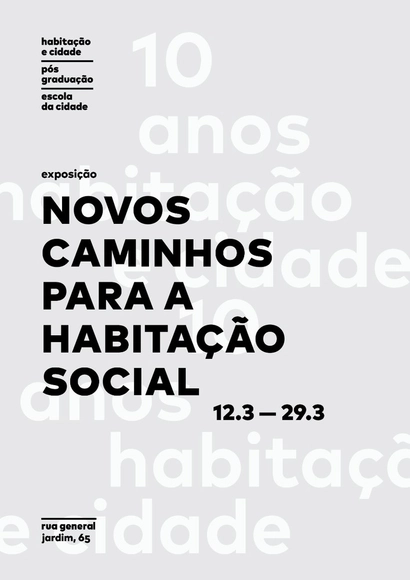
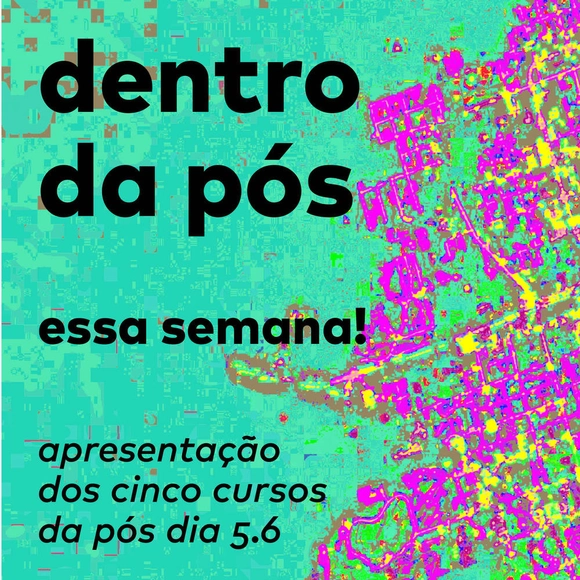
The goal of the exhibition “New Paths for Social Housing” is to celebrate the 10th anniversary of the lato sensu postgraduate program in Housing and City, through reflection on issues related to the production of human habitat.
The opening event takes place on March 12. The exhibition "New Paths for Social Housing" aims to celebrate the 10th anniversary of the Habitação e Cidade (Housing and City) postgraduate program by reflecting on issues related to the production of human habitat.


.jpg?1573169711 "Cortesía de Premio Obras CEMEX")

![Periferica Workshop: The Open Museum [Architecture + SelfConstruction] - Featured Image](https://snoopy.archdaily.com/images/archdaily/media/images/5c90/087a/284d/d1e4/9400/07cc/slideshow/open-uri20190318-20693-124qn7r.jpg?1552943206&format=webp&width=640&height=580)