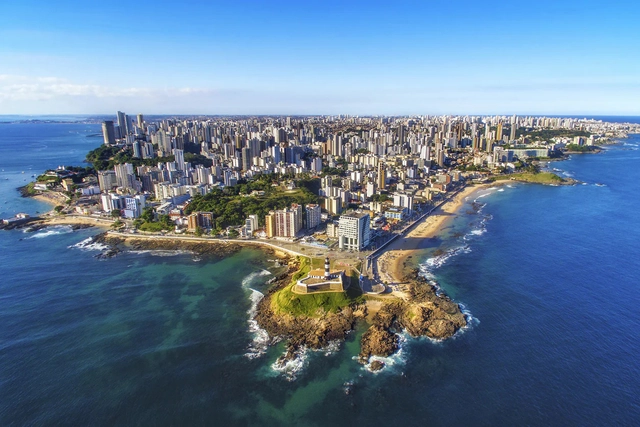
The relationship between cities and ocean sustainability was highlighted at the Brazil Pavilion during COP28, the United Nations Climate Change Conference. The panel "Cities, ports, and conservation: integrated effort for resilient and climate-adapted cities" brought together representatives from the federal government, subnational governments, the private sector, and civil society, and marked the launch of the publication "Ocean Without Mysteries – Building Blue Cities."
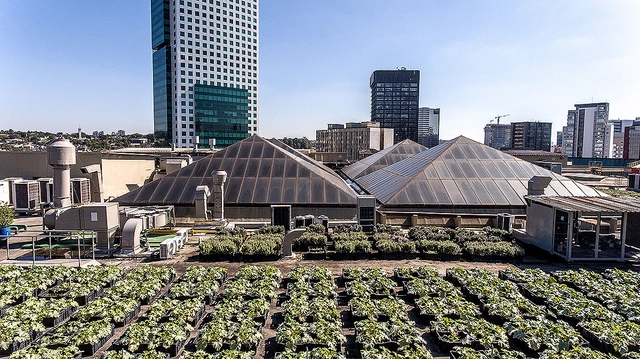
"Telhado Verde" (Green Roof) Project. Image: Courtesy of Shopping Eldorado
Aiming to find an environmentally friendly use for approximately 164 tons of organic waste generated monthly in its food courts, Shopping Eldorado in São Paulo has invested in the Telhado Verde (Green Roof) composting project since 2012. The initiative transforms food waste into organic compost, recycling more than 30% of the waste generated by the establishment.
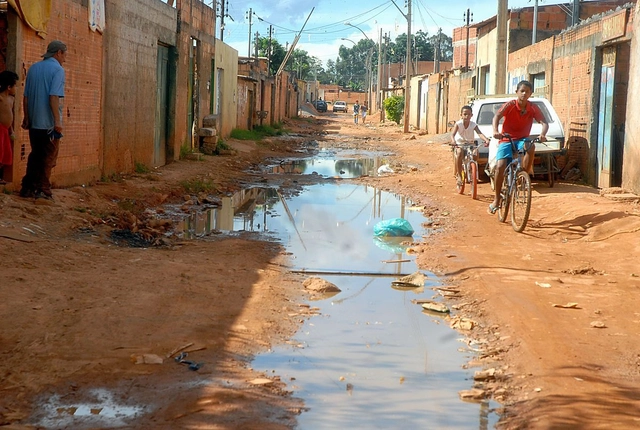
The impacts of human-induced climate change have already caused loss and damage to people and ecosystems. These impacts are most severe among marginalized urban populations, such as slum dwellers. In the most vulnerable regions, the number of deaths from droughts, floods, and storms was 15 times higher over the last decade than in the least vulnerable regions.
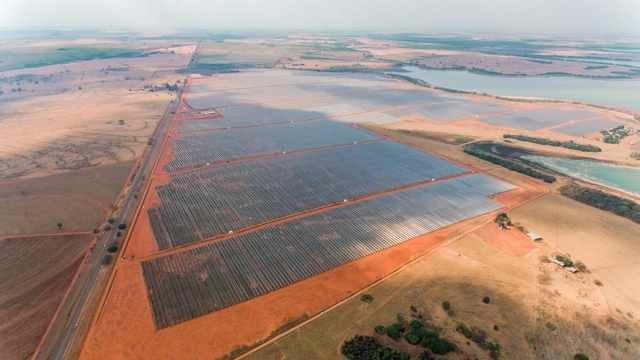
Pereira Barreto solar photovoltaic complex in the state of São Paulo. Image courtesy of EDP Renováveis
Brazil has just surpassed the historic milestone of 14 gigawatts (GW) of operational solar photovoltaic capacity, combining utility-scale plants and distributed self-generation systems on rooftops, facades, and small plots of land. Consequently, solar power now surpasses the installed capacity of the Itaipu hydroelectric plant, according to data from the Brazilian Association of Photovoltaic Solar Energy (ABSOLAR).
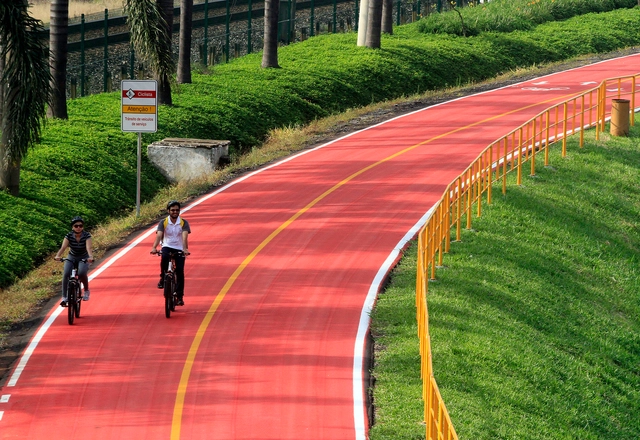
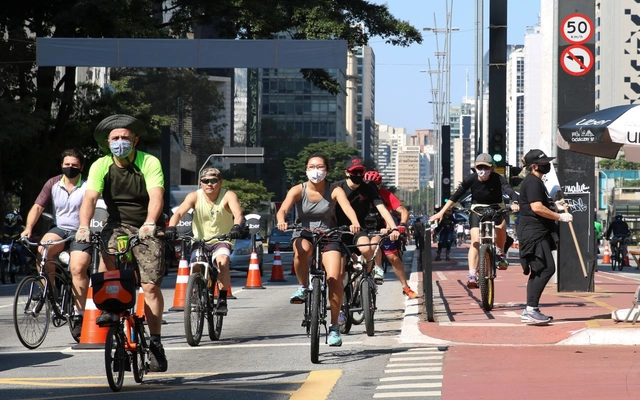
On Thursday (10), the São Paulo state government announced the project for Brazil's first long-distance highway bicycle path, the Ciclovia dos Bandeirantes, along the Bandeirantes Highway.
Located between São Paulo and Itupeva, the new bicycle path will connect the state capital to the newly launched Serra Azul Tourist District in Itupeva, spanning approximately 57 kilometers.
Pinheiros River, São Paulo. Photo: Pixabay, via CicloVivo
The Novo Rio Pinheiros Program announced the results of actions taken by the São Paulo State Government to clean up the river since 2019. According to January data from the Secretariat of Infrastructure and Environment, there has been a significant improvement in oxygenation and a reduction in organic matter in the water. In June 2019, Governor João Doria promised to clean up the river by 2022.
Photo: Valter Campanato | Agência Brasil, via CicloVivo
Even as 5G technology is about to launch in major cities, placing Brazil among a select group of countries with advanced technology installed, 35 million people still lack access to quality drinking water and 100 million do not even have sewage collected from their homes. Furthermore, a volume of sewage equivalent to 5,300 Olympic swimming pools is discharged into nature every day without any treatment in the country.
We are still far from the goal of limiting global warming to 1.5°C above pre-industrial levels and avoiding the worst risks of climate change. However, this target remains within reach, according to the latest report by the Intergovernmental Panel on Climate Change (IPCC)—and this hope must guide the political and economic decisions of this decade, according to WWF-Brazil.
The Global Designing Cities Initiative (GDCI) released its Global Street Design Guide to help urban planners with the challenging task of including all users of urban spaces in their designs. The publication became a benchmark and has now inspired a dedicated companion guide focused on children. The guide Designing Streets for Kids (translated into Portuguese as Desenhando Ruas para Córiaças) is already available in several languages, including Portuguese.
Since 2011, the Aromeiazero Institute has been promoting the "Bike Parada não Rola" (A Stationary Bike Doesn't Roll) campaign. The initiative partners with residential building managers to identify abandoned bicycles in condominium bike racks.
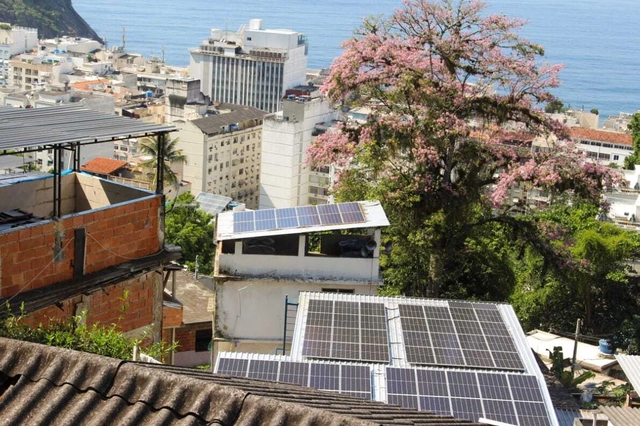
An initiative in the Rocinha community in Rio de Janeiro will provide professional training for residents in the solar energy market and install two photovoltaic plants in the community (at Acadêmicos da Rocinha and Igreja Batista), directly benefiting the NGOs Rocinha Recicla and Pedrinho Social through local energy generation.
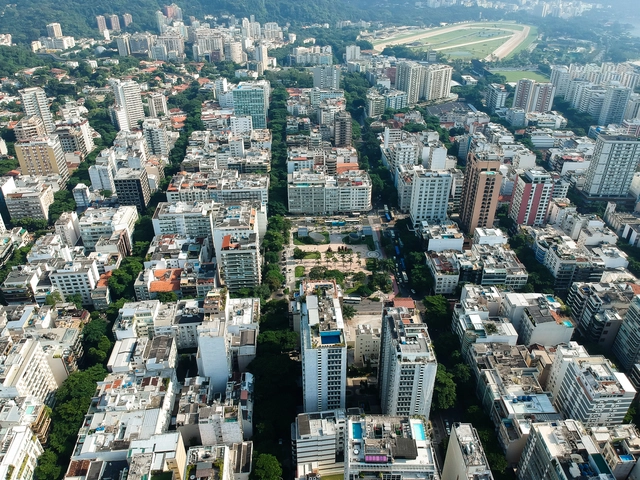
In an effort to improve air quality and the health of Rio's residents, the Rio de Janeiro City Hall is launching the Low Emission District. Measures to reduce greenhouse gas emissions will be implemented across an area of just over two square kilometers in the city center.
The district's implementation will be carried out in phases through 2030. The first phase, which is currently underway, consists of revitalizing 35,000 square meters of public space in the city center and monitoring air quality and GHG emissions. It is expected to be completed in 2024.
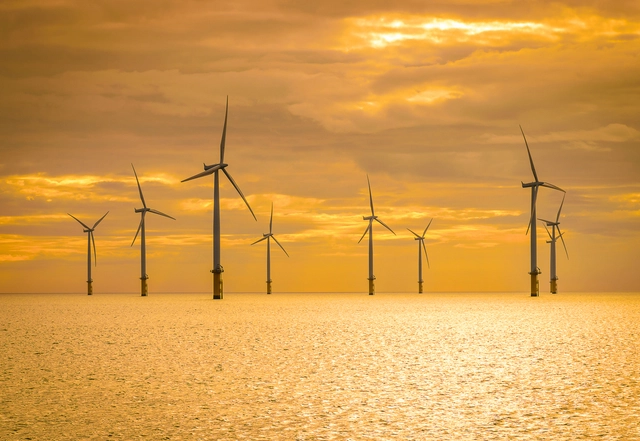
On Wednesday, August 17, the Senate Infrastructure Services Committee approved a bill establishing a regulatory framework for offshore energy generation—including wind, solar, or tidal—in Brazil's open seas, lagoons, and other bodies of water. The Bill (PL) 576/2021 regulates authorizations for harnessing offshore energy potential. Authored by Senator Jean Paul Prates (PT-RN), the bill was approved in a final vote by the committee and will now proceed to the Chamber of Deputies for review.
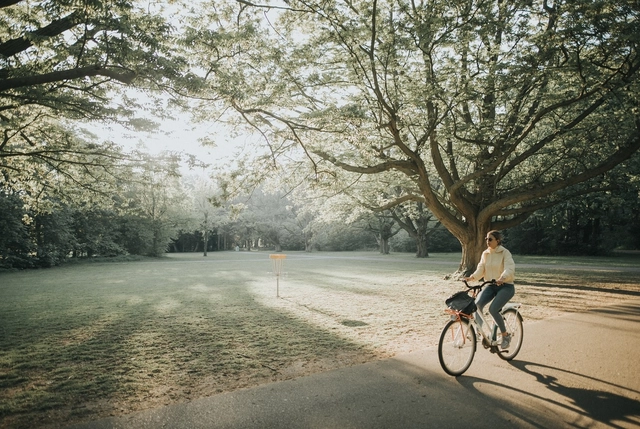
Those interested in purchasing low- or zero-emission transportation options can now access a new line of credit. This month, Banco do Brasil (BB) launched the BB Crédito Mobilidade line, which will finance items such as bicycles, kick scooters, electric or manual scooters, and motorcycles under 125cc, with repayment terms of up to five years.
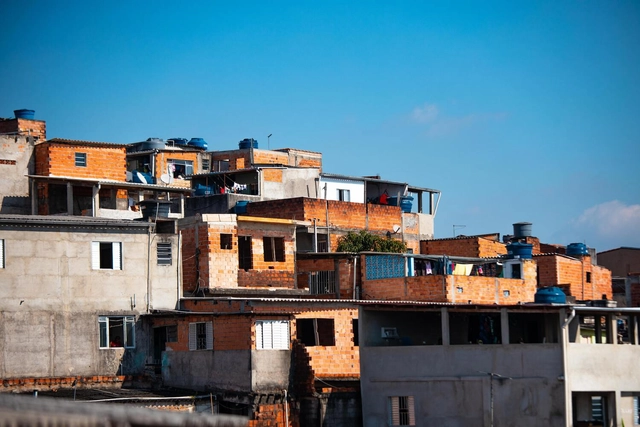
Nearly 100 million Brazilians lack access to sewage collection, according to data from Trata Brasil. The Guaranys community, part of Cidade de Deus in Rio de Janeiro and home to about 450 families, is part of this statistic. The area features homes built entirely in flooded zones and open sewers. To address this issue, the community was selected for a social project that installs biodigester toilets in vulnerable areas.
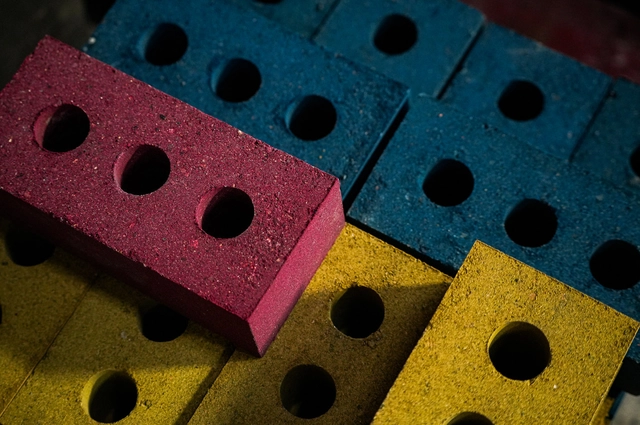
Scottish startup Kenoteq has launched the K-Briq – a more sustainable building brick that is unfired and made of 90% construction waste. Developed by engineering professor Gabriela Medero at Heriot-Watt University in Edinburgh, the K-Briq generates less than a tenth of the carbon emissions during manufacturing compared to a standard brick.
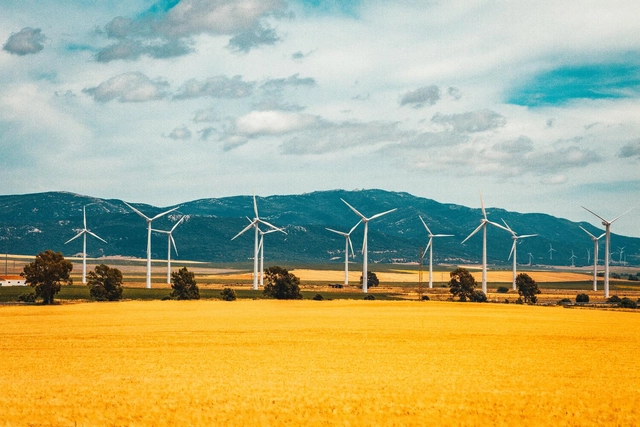
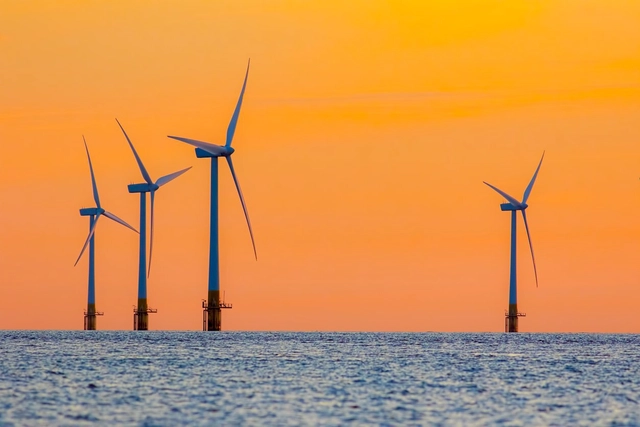
As of February this year, Brazil has 890 wind farms installed across 12 states. These facilities represent 25.04 gigawatts (GW) of installed capacity in commercial operation, benefiting 108.7 million people.
Of this total, 85% are located in the Northeast region. According to the Brazilian Wind Energy Association (Abeeólica), by 2028 Brazil will have 44.78 GW of installed capacity of this energy source, whose share in the national energy mix currently stands at 13.2%. Today, wind power already accounts for 20% of the energy generation needed by the country.
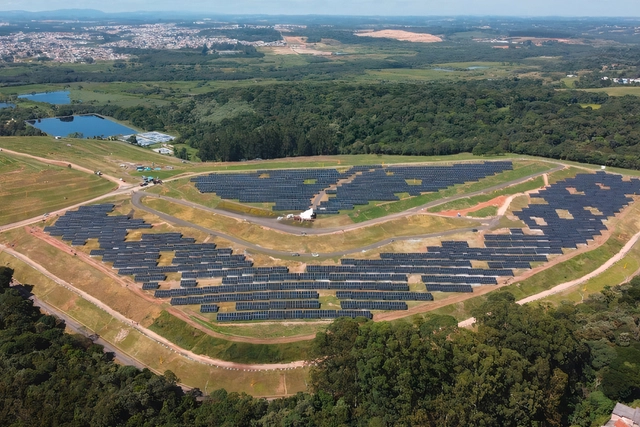
A solar power plant built on top of the Caximba landfill, which was decommissioned in 2010, is the new symbol of Curitiba. Nicknamed the “solar pyramid” due to its shape, the plant has an installed capacity of 4.55 megawatts (MW) and was inaugurated last Wednesday (29) during the city's 330th anniversary celebrations.
The project is part of “Curitiba Mais Energia,” one of the city's initiatives to combat and mitigate climate change by producing renewable energy. The municipality will reduce the emission of 2,000 tons of CO2 into the atmosphere, helping meet the city's greenhouse gas reduction targets.