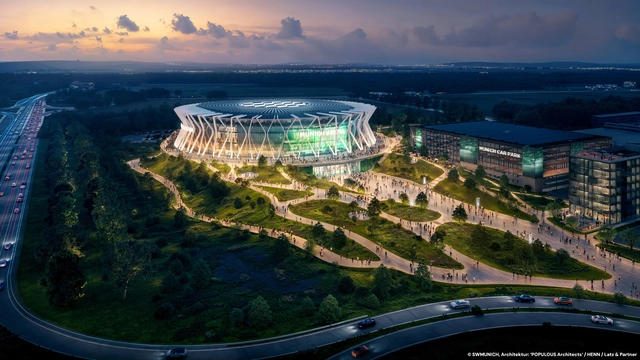
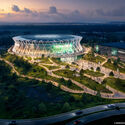
Architecture firm Populous was chosen to design a new multi-use, climate-neutral event arena in Munich, Germany. The structure aims to create a "compact, efficient, and visually stunning" venue that will be instantly recognizable and reflective of the character and culture of the Bavarian metropolitan area, serving as a new landmark. The 20,000 capacity venue draws upon Bavarian heritage through a support structure that pays homage to the lozenge shape used in the Bavarian state flag. Populous developed the design with general planners HENN from Munich and landscape architects Latz+Partner from Freising.
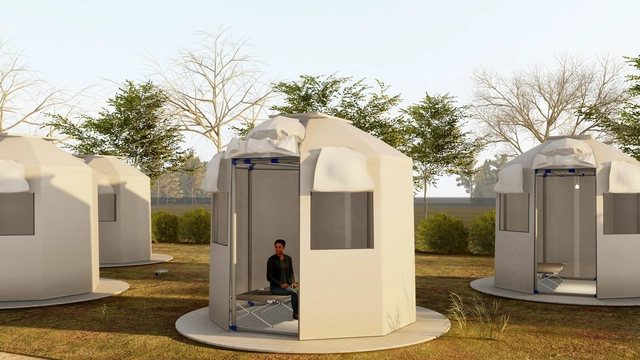
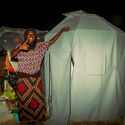
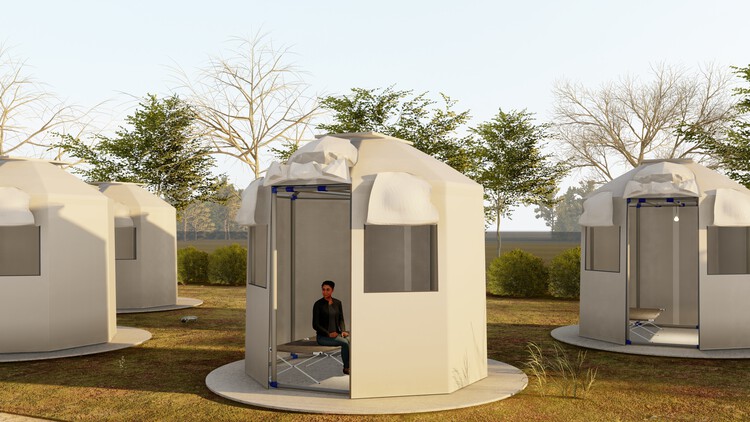
2025 Creatives For Our Future - AllSpace Modular Home. Image Courtesy of Swarovski Foundation
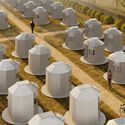
Nigerian-born architect Blossom Eromosele has developed AllSpace, a modular housing design inspired by traditional African architecture. The design was created as part of the Swarovski Foundation's fourth edition of the Creatives for Our Future global mentorship and grant program, developed in collaboration with the United Nations Office for Partnerships. Among the six selected projects, AllSpace seeks to respond to the current Nigerian refugee crisis with a low-cost, solar-powered housing solution for camps.
The existing podium, located outside the Secretariat Building in Freetown, commemorates soldiers of the First World War and later incorporated servicemen from the Second World War by removing a small mention of the men of the Carrier Corps, a removal this project seeks to address. Studio founder Tosin Oshinowo is the first woman and the first West African architect to design a memorial for the CWGC.
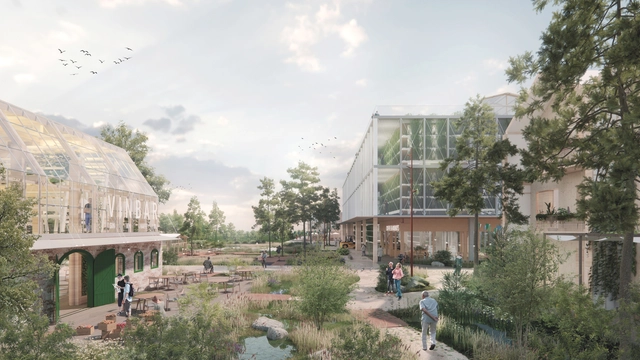
New settlement and production in Øm. Render. Image Courtesy of THIRD NATURE
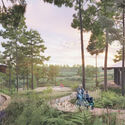
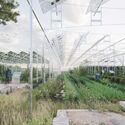
Danish architecture firm Third Nature, together with Sophie Sahlqvist Landskab, Arkaia, ILC, and Artelia, recently shared images of Øhjem, their proposed strategic vision for the re-naturalization of Denmark's Greater Copenhagen region toward 2050. The regenerative plan is part of the Water's Ways program under the Agenda Earth initiative, an interdisciplinary project run by the Danish Association of Architects in collaboration with the Dreyers Foundation and the Danish Bar Association. Led by urbanist Boris Brorman Jensen, the program calls for long-term solutions to restore 15% of Danish agricultural land while also protecting 600,000 homes from water-related threats. Third Nature's Øhjem masterplan reimagines the 25 km Ramsø Dale as a step toward implementing the land management objectives outlined in the Danish Green Tripartite Agreement (Grøn Trepart), signed in June 2024.
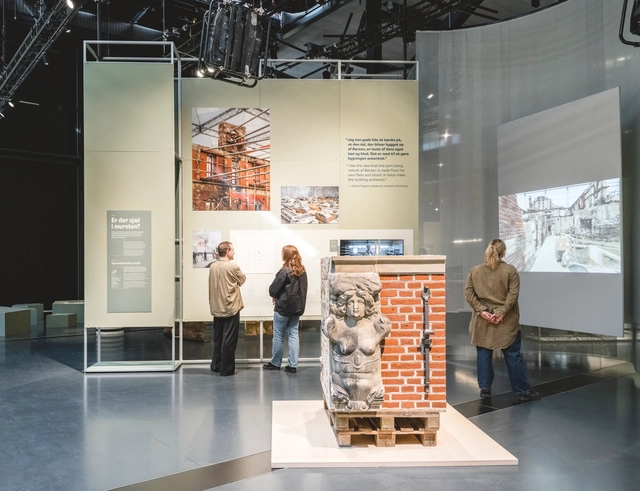
A new architecture and design exhibition opened on April 11, 2025, at the Danish Architecture Center in Copenhagen. Titled Recycle!, it explores recycling and reuse as a new way of creating, living, and building within the urgent context of the current climate crisis. The exhibition goes beyond presenting recycling and reuse as necessities; instead, it frames them as positive cultural shifts taking root in the construction industry and society at large. One of the exhibition's goals is to highlight the importance of resource awareness by posing the question: How can we increase the conservation, reuse, and transformation of what we already have?
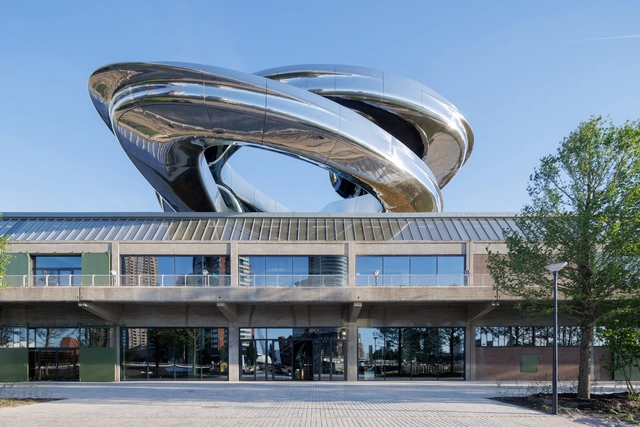
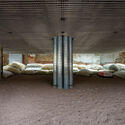
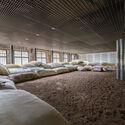
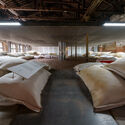
Fenix is a new museum in Rotterdam's City Harbour, dedicated to the collection of historic and contemporary objects that explore migration through art. It is located on the Katendrecht peninsula on the south bank of the River Maas, in a 100-year-old former warehouse recently renovated by MAD Architects and Bureau Polderman. This marks MAD Architects' first commission for a public cultural building in Europe. Recently completed, the building is set to open this Friday, May 16, showcasing three exhibitions: All Directions, featuring over 150 artworks and objects from the Fenix collections; The Family of Migrants, a photographic exhibition by Edward Steichen; and The Suitcase Labyrinth, an interactive installation made up of 2,000 donated suitcases.
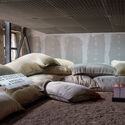
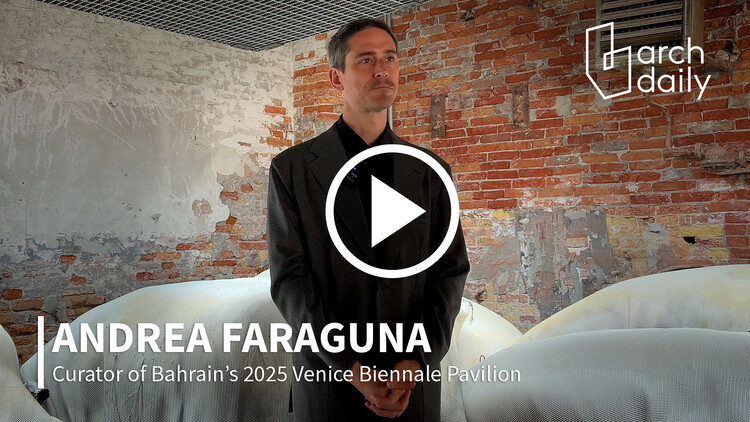
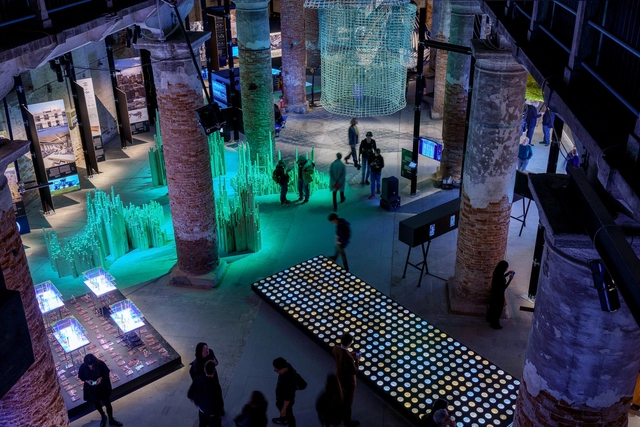
Architect Andrea Faraguna is the curator of the Kingdom of Bahrain's national pavilion at the 19th Venice Architecture Biennale. The exhibition, titled Heatwave, is a site-specific installation that explores passive cooling strategies for public spaces, inspired by Bahrain's traditional architecture and reimagined through contemporary approaches. Its technical response to the global challenge of rising urban temperatures was recognized by the Biennale's international jury, which awarded it this year's Golden Lion for Best National Participation. While on site in Venice, ArchDaily's editors had a chance to discuss with curator Andrea Faraguna about the context that gave rise to the pavilion, the mechanisms put in place, and his perspective on events such as the Venice Architecture Biennale.
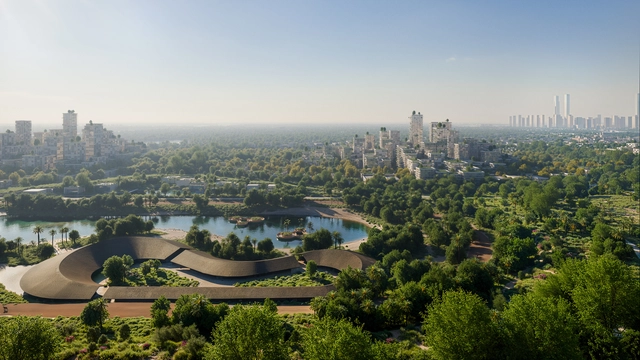
BIG–Bjarke Ingels Group was commissioned by A.R.M. Holding to design the transformation of Dubai's Jebel Ali Racecourse into a new urban district measuring 5 square kilometers. The design aligns with the Dubai 2040 Urban Master Plan, which focuses on enhancing pedestrian mobility as a pillar for promoting sustainable urban development. The master plan is anchored by a central park, reconnecting the racecourse site to the city.
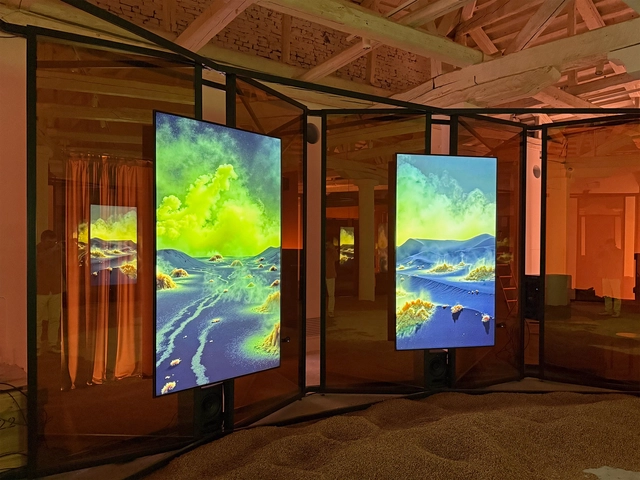
Titled Paraíso, hoje. [Paradise, today.], the exhibition representing Portugal at the 19th International Architecture Exhibition – La Biennale di Venezia addresses architecture as a cultural construction of landscape. Curated by architects Paula Melâneo, Pedro Bandeira, and Luca Martinucci, landscape architect Catarina Raposo, and video artist Nuno Cera, it offers an immersive installation featuring videos created using new digital technologies and artificial intelligence, along with an Atlas of images. Together, they construct a critical exploration of the proposed theme, the allegory of a "Paradise." This year, the Portuguese exhibition changed location, moving from Palazzo Franchetti to the Fondaco Marcello building, next to Venice's Grand Canal. It will remain open to visitors and host a series of debates until 23 November 2025.
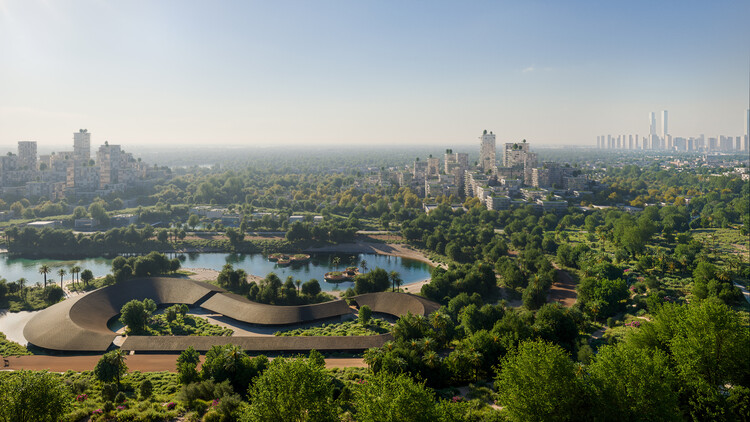
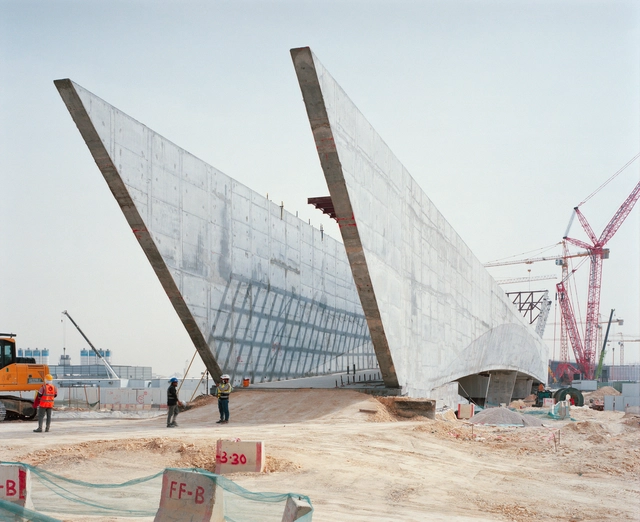
Barcelona-based architecture studio Bofill Taller de Arquitectura was commissioned to design the Royal Arts Complex (RAC) by the Royal Commission for Riyadh City in 2019. Currently under construction, the 320,000-square-meter building complex comprises thirteen structures, each contributing to the promotion of artistic expression. The project is located within King Salman Park, a 13.3-square-kilometer park being developed on the site of Riyadh's former airport. The broader development includes mixed-use projects to transform the area into a major recreational district. The overall masterplan also features a stadium by Populous, planned for the FIFA 2034 World Cup.
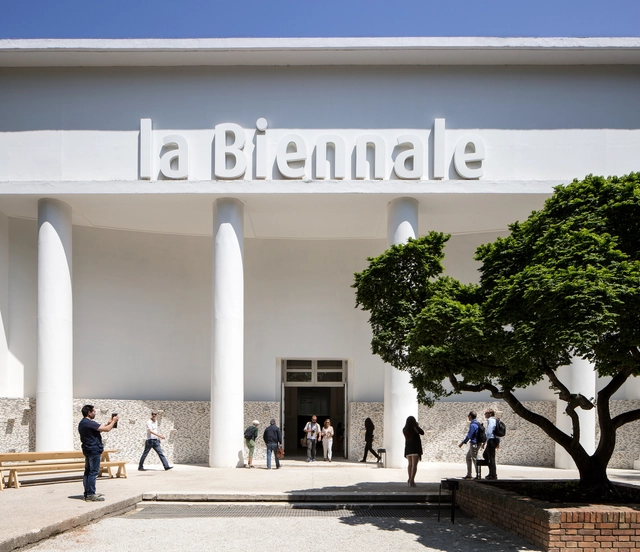
The 19th International Architecture Exhibition of La Biennale di Venezia opens in less than two weeks, on May 10, 2025, and will remain open to the public until November 23. On the day of the opening, the official Awards Ceremony will take place, during which a selected international jury will confer several official prizes, including the Golden Lion for Best National Participation. The recently announced jury includes South African architect, lecturer, and curator Mpho Matsipa; Italian curator Paola Antonelli, Senior Curator and Director of the Department of Architecture and Design at the Museum of Modern Art (MoMA) in New York; and Swiss curator, critic, and art historian Hans Ulrich Obrist, Artistic Director of the Serpentine in London, who will serve as President of the Jury.
DROPCITY is an ambitious and open platform for architecture and design, located in Milan's formerly abandoned Magazzini Raccordati tunnels behind Central Station. Initiated by Andrea Caputo in 2018 and open permanently since 2024, the project reimagines 40,000 square meters into public galleries, production workshops, prototyping labs, and research spaces. The founder of the platform is Andrea Caputo, an Italian architect and researcher. During Milan Design Week 2025, ArchDaily's managing editor, Maria-Cristina Florian, had the chance to sit down with Andrea Caputo to explore his vision and plans for DROPCITY, the platform's connection to the city of Milan and its active architecture scene.
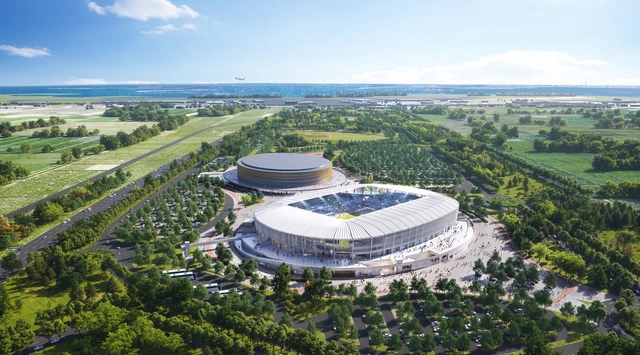
The Municipality of Venice has unveiled plans for a new 18,500-capacity stadium designed by Populous. The stadium will be built in the Bosco dello Sport in Tessera and is intended for football, Serie A rugby, and other events such as concerts. Maffeis Engineering and Populous have been commissioned for the design and engineering work by a consortium composed of Costruzioni Bordignon, Fincantieri Infrastrutture, and Ranzato Impianti, which was awarded the contract in March 2024. Soil Engineering, Seingim, and Gae Engineering are also collaborating on the project.
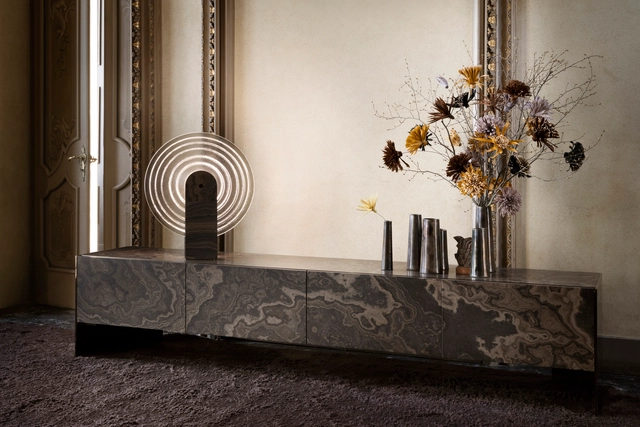
The 2025 edition of Milan Design Week took place from April 8 to April 13, 2025. During these five days, the city of Milan hosted special events, exhibitions, installations, and discussions centered on the creative disciplines, including the 63rd edition of the Salone del Mobile at Fiera Milano fairgrounds. Among the numerous activities, the event serves as an ideal opportunity to introduce the latest trends and showcase upcoming pieces from brands and designers worldwide. Among the new releases and product launches, the ArchDaily team identified a selection of products designed by architects, ranging from lighting and furniture systems to materials and small objects.
ArchDaily, in collaboration with the European Cultural Center (ECC), is curating its first-ever exhibition as part of the seventh edition of Time Space Existence, the biennial architecture exhibition held alongside the 19th Venice Architecture Biennale. Running from 10 May to 23 November 2025, this edition invites practitioners to explore the themes of Repair, Regenerate, and Reuse, emphasizing innovative and sustainable approaches to the built environment. ArchDaily's contribution will be presented in a dedicated space at Palazzo Mora, complementing other exhibition venues including Palazzo Bembo, Marinaressa Gardens, and Palazzo Michiel.