Antonia Piñeiro

BROWSE ALL FROM THIS AUTHOR HERE

Conservation Campaign by Melbourne Citizens Successfully Extends Tadao Ando’s MPavilion until 2030

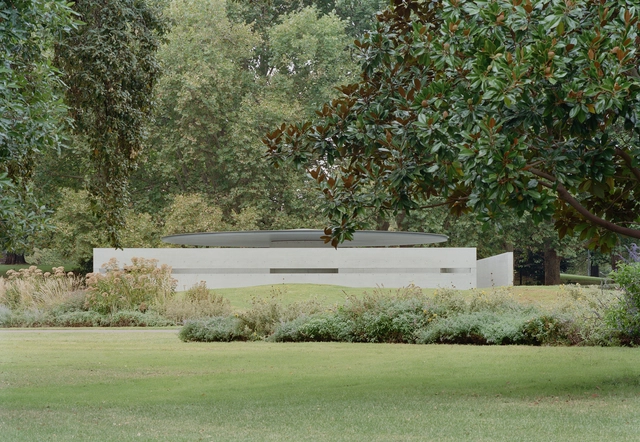
Every year, the Naomi Milgrom Foundation commissions an architect to design a temporary pavilion for the Queen Victoria Gardens, in the center of Melbourne's Southbank Arts Precinct. The pavilions are then transferred to the state of Victoria. The tenth edition of the MPavilion was designed by Pritzker Prize Laureate Tadao Ando as his first and only built work in Australia and the southern hemisphere. The pavilion opened on November 16, 2023, and its presence was extended until March 2025, hosting a wide-ranging program of cultural events over two summer seasons. After facing demolition, given the temporary nature of the initiative, a community-led program, "Preserve the Pavilion", was launched in hopes of preserving the building. The Naomi Milgrom Foundation has recently announced that the pavilion will remain in Queen Victoria Gardens until 2030, following a decision by the City of Melbourne.

Conservation Campaign by Melbourne Citizens Successfully Extends Tadao Ando’s MPavilion until 2030 - Image 1 of 4Conservation Campaign by Melbourne Citizens Successfully Extends Tadao Ando’s MPavilion until 2030 - Image 2 of 4Conservation Campaign by Melbourne Citizens Successfully Extends Tadao Ando’s MPavilion until 2030 - Image 3 of 4Conservation Campaign by Melbourne Citizens Successfully Extends Tadao Ando’s MPavilion until 2030 - Image 4 of 4Conservation Campaign by Melbourne Citizens Successfully Extends Tadao Ando’s MPavilion until 2030 - More Images+ 4

HWKN Develops AI-Planned Commercial District in Central Sharjah, UAE

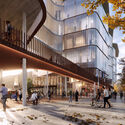
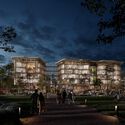
Architecture firm HWKN has been commissioned by Al Marwan Real Estate Development to design eleven distinct buildings for a new commercial neighborhood in central Sharjah, the third most populous city in the United Arab Emirates. The district, featuring offices, retail spaces, cafés, childcare and healthcare facilities, specialized institutes, and a mosque, has been fully researched, conceptualized, and planned using Artificial Intelligence (AI).

HWKN Develops AI-Planned Commercial District in Central Sharjah, UAE - Image 1 of 4HWKN Develops AI-Planned Commercial District in Central Sharjah, UAE - Image 2 of 4HWKN Develops AI-Planned Commercial District in Central Sharjah, UAE - Image 3 of 4HWKN Develops AI-Planned Commercial District in Central Sharjah, UAE - Image 4 of 4HWKN Develops AI-Planned Commercial District in Central Sharjah, UAE - More Images+ 1

Togo’s First Participation in the Venice Architecture Biennale Presents a Curated View of Its National Heritage

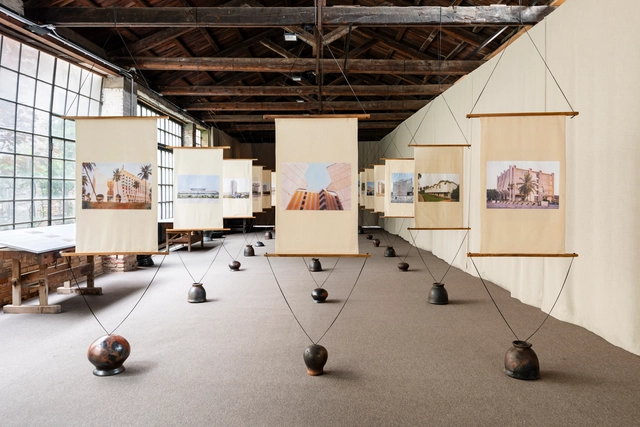
The Republic of Togo presents its first pavilion at the 19th International Architecture Exhibition – La Biennale di Venezia 2025 with a project titled Considering Togo's Architectural Heritage. The inaugural pavilion is curated by Studio NEiDA, an architecture and research practice co-founded by architect Jeanne Autran-Edorh and curator Fabiola Büchele. Based in Lomé and Berlin, the studio is dedicated to equitable design processes, applying an Afrocentric lens to contemporary architectural discourse. The exhibition, located at Venice's Squero Castello, explores Togo's architectural narratives from the early 20th century, focusing on themes of conservation and transformation.

Togo’s First Participation in the Venice Architecture Biennale Presents a Curated View of Its National Heritage - Image 1 of 4Togo’s First Participation in the Venice Architecture Biennale Presents a Curated View of Its National Heritage - Image 2 of 4Togo’s First Participation in the Venice Architecture Biennale Presents a Curated View of Its National Heritage - Image 3 of 4Togo’s First Participation in the Venice Architecture Biennale Presents a Curated View of Its National Heritage - Image 4 of 4Togo’s First Participation in the Venice Architecture Biennale Presents a Curated View of Its National Heritage - More Images+ 21

Lesley Lokko Launches Nomadic African Studio to Lead Architecture Workshops Across Africa

Lesley Lokko, the Scottish-Ghanaian architect, curator of the 18th Venice Architecture Biennale, and the first Black woman to receive the RIBA Royal Gold Medal, has recently launched Nomadic African Studio, an educational program for young architects. The initiative is organized by Lokko's African Futures Institute (AFI) and is inspired by her experience establishing the Biennale College Architettura in 2023, a program for graduate students, recent graduates, early-career academics, and emerging practitioners to explore new possibilities for architectural education, which has also been continued for the 2025 edition. Nomadic African Studio consists of a series of fully funded, month-long studios across the African continent, "basing locations on themes, rather than places." The first edition is set to begin in July 2025, in Fez, Morocco.

Lesley Lokko Launches Nomadic African Studio to Lead Architecture Workshops Across Africa - Image 1 of 4Lesley Lokko Launches Nomadic African Studio to Lead Architecture Workshops Across Africa - Image 2 of 4Lesley Lokko Launches Nomadic African Studio to Lead Architecture Workshops Across Africa - Image 3 of 4Lesley Lokko Launches Nomadic African Studio to Lead Architecture Workshops Across Africa - Image 4 of 4Lesley Lokko Launches Nomadic African Studio to Lead Architecture Workshops Across Africa - More Images+ 2

TAC! 2025 Urban Architecture Festival: Winning Pavilions Celebrate Local Materials and Coastal Culture in Spain

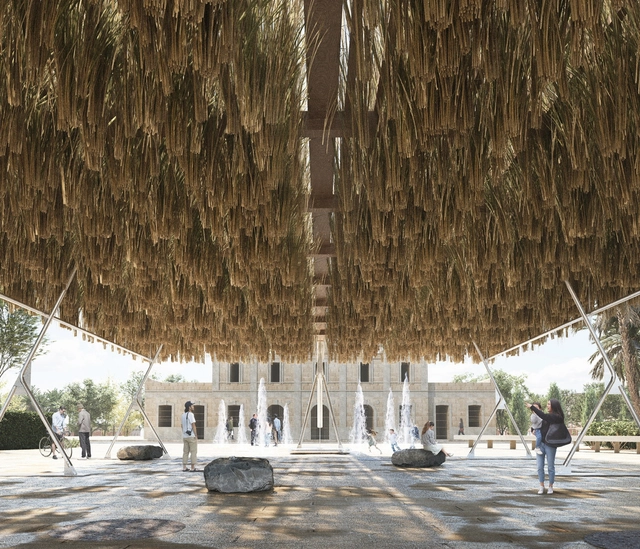
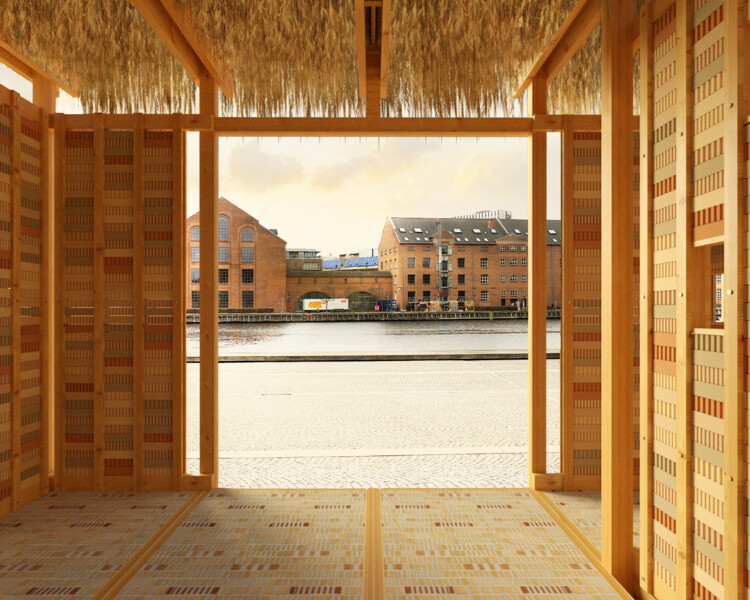
The TAC! Urban Architecture Festival is held annually in Spain with the aim of bringing contemporary architecture closer to the public through installations in various cities, including Granada, San Sebastián, Valencia, Vigo, and San Fernando. Organized by the Ministry of Housing and Urban Agenda in collaboration with Fundación Arquia, the festival seeks to promote experimentation in architecture by constructing temporary pavilions for cultural events and gatherings. The 2025 edition of the festival will take place in two locations: Casa Mediterráneo in Alicante and Plaza Stagno in Las Palmas de Gran Canaria. The pavilions are selected each year through an open call for young architects up to 45 years old. This year's winners have already been announced: the ESPARTAL project by ELE Arkitektura, GA Estudio, Florencia Galecio, and Juan Gubbins; and DE ROCA MADRE by Alejandro Carrasco Hidalgo, Eduardo Cilleruelo Terán, Alberto Martínez García, and Andrea Molina Cuadro.

TAC! 2025 Urban Architecture Festival: Winning Pavilions Celebrate Local Materials and Coastal Culture in Spain - Image 1 of 4TAC! 2025 Urban Architecture Festival: Winning Pavilions Celebrate Local Materials and Coastal Culture in Spain - Image 2 of 4TAC! 2025 Urban Architecture Festival: Winning Pavilions Celebrate Local Materials and Coastal Culture in Spain - Image 3 of 4TAC! 2025 Urban Architecture Festival: Winning Pavilions Celebrate Local Materials and Coastal Culture in Spain - Image 4 of 4TAC! 2025 Urban Architecture Festival: Winning Pavilions Celebrate Local Materials and Coastal Culture in Spain - More Images+ 14

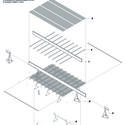
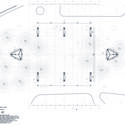
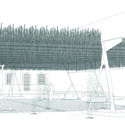
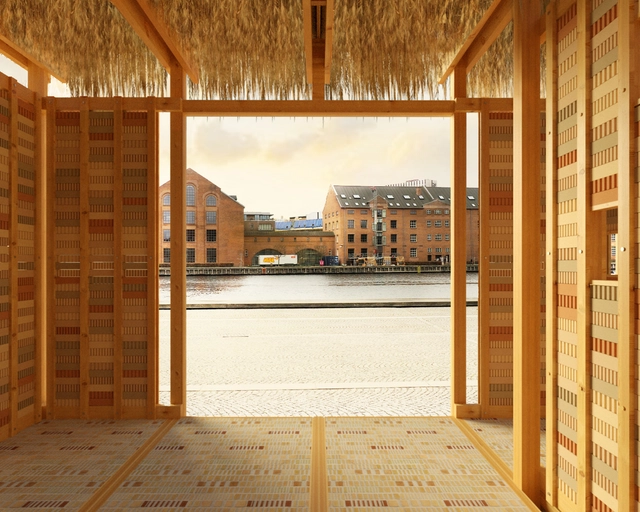
Copenhagen Architecture Biennial 2025 Reveals 'Slow Pavilion' Designs Built from Reused Materials

The first edition of the Copenhagen Architecture Biennial will take place from 18 September to 19 October 2025. Organized by CAFx (Copenhagen Architecture Forum), the event marks a transition from the previous annual Copenhagen Architecture Festival to a more expansive platform for architectural exploration. The theme of the inaugural edition, "Slow Down," invites participants to reflect on how the rapid pace of modern life affects the built environment. According to the organizers, this thematic shift encourages the envisioning of spaces that promote sustainability, longevity, and mindful engagement with our surroundings. In line with this vision, the organization launched an open call earlier this year for pavilion proposals that embody principles of circular design while serving as hubs for public programming during the event. Two winning proposals, modular structures by Slaatto Morsbøl and Tom Svilans x THISS Studio, were selected, each offering an approach to architectural deceleration.

Copenhagen Architecture Biennial 2025 Reveals 'Slow Pavilion' Designs Built from Reused Materials - Image 1 of 4Copenhagen Architecture Biennial 2025 Reveals 'Slow Pavilion' Designs Built from Reused Materials - Image 2 of 4Copenhagen Architecture Biennial 2025 Reveals 'Slow Pavilion' Designs Built from Reused Materials - Image 3 of 4Copenhagen Architecture Biennial 2025 Reveals 'Slow Pavilion' Designs Built from Reused Materials - Image 4 of 4Copenhagen Architecture Biennial 2025 Reveals 'Slow Pavilion' Designs Built from Reused Materials - More Images+ 5

Ernesto Neto’s Textile Art Installation at Paris’ Grand Palais Captured by Paul Clemence

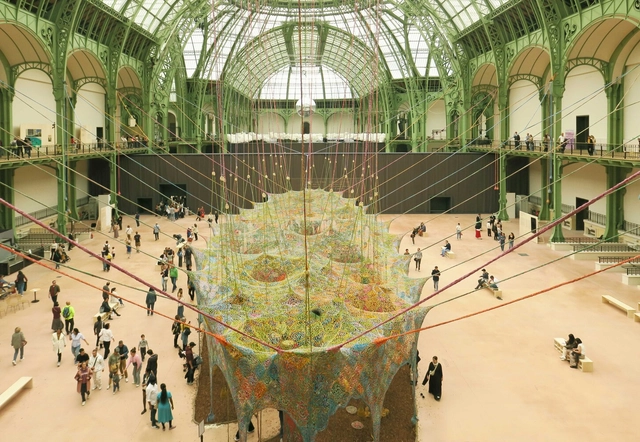
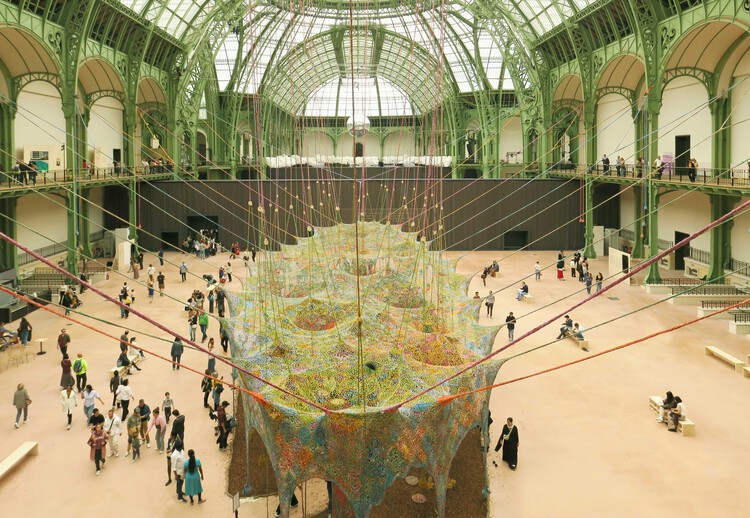
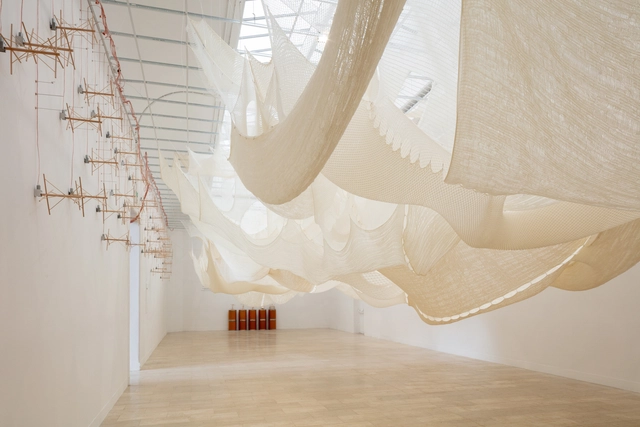
The exhibition "Nosso Barco Tambor Terra" by Brazilian artist Ernesto Neto, held at the recently renovated Grand Palais in Paris from June 6 to July 25, 2025, is a large-scale, immersive installation that invites visitors to reconnect with nature and community through sensory experience. Drawing inspiration from Brazilian and Indigenous cultures, Neto uses textiles, scents, and organic materials to create a space for reflection and interaction. The textile installation was recently captured by photographer Paul Clemence, who sought to portray its architectural qualities.

Ernesto Neto’s Textile Art Installation at Paris’ Grand Palais Captured by Paul Clemence - Image 1 of 4Ernesto Neto’s Textile Art Installation at Paris’ Grand Palais Captured by Paul Clemence - Image 2 of 4Ernesto Neto’s Textile Art Installation at Paris’ Grand Palais Captured by Paul Clemence - Image 3 of 4Ernesto Neto’s Textile Art Installation at Paris’ Grand Palais Captured by Paul Clemence - Image 4 of 4Ernesto Neto’s Textile Art Installation at Paris’ Grand Palais Captured by Paul Clemence - More Images+ 61

UMWELT and Plan Común to Transform Partially Demolished Housing Block Into a Museum in Villa San Luis, Chile

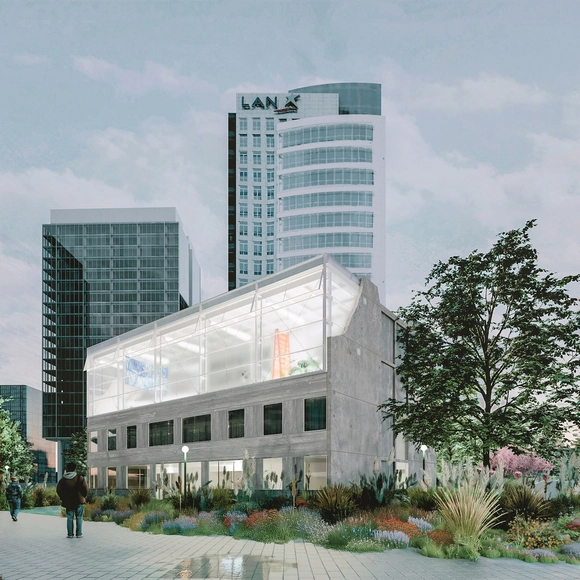
The residential project Villa San Luis, originally named Villa Compañero Ministro Carlos Cortés, was built between 1971 and 1972 on land that today lies in one of the highest-income areas of Santiago, Chile. Initially designed as an urban center for 60,000 middle-income residents, with staggered buildings and a civic center covering 3.4 of its 50 hectares, the project was redefined in the 1970s to accommodate the unhoused population in the eastern sector of the Chilean capital. The process was not without conflict. During the dictatorship, the new residents of the complex were evicted, and the land was acquired by the military. From then on, the complex entered a process of reappropriation and resignification that now appears to be reaching a new milestone: the conversion of one of its buildings into a memorial site and museum, through a project by UMWELT and Plan Común.

UMWELT and Plan Común to Transform Partially Demolished Housing Block Into a Museum in Villa San Luis, Chile - Image 1 of 4UMWELT and Plan Común to Transform Partially Demolished Housing Block Into a Museum in Villa San Luis, Chile - Image 2 of 4UMWELT and Plan Común to Transform Partially Demolished Housing Block Into a Museum in Villa San Luis, Chile - Image 3 of 4UMWELT and Plan Común to Transform Partially Demolished Housing Block Into a Museum in Villa San Luis, Chile - Image 4 of 4UMWELT and Plan Común to Transform Partially Demolished Housing Block Into a Museum in Villa San Luis, Chile - More Images+ 5

MVRDV’s First Residential Tower in Taiwan Features Digitally Planned Modular Design

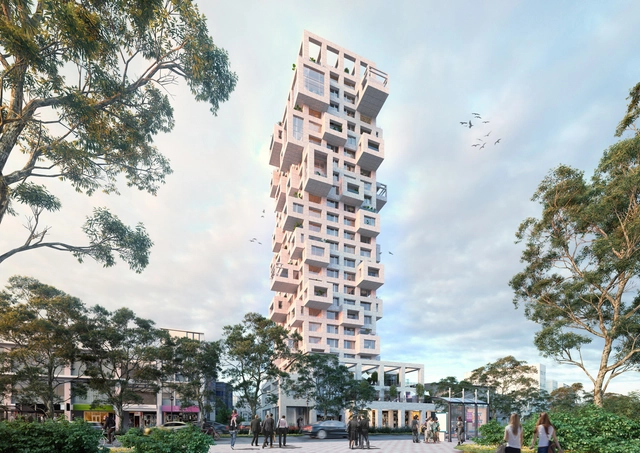
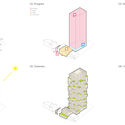
MVRDV has released images of "Out of the Box", a 12,025 sqm residential tower in Tianmu, one of Taipei's northernmost neighborhoods. Designed for Win Sing Development Company, the project began in 2019 and was developed using a system of standardized elements digitally distributed based on criteria such as habitability, efficiency, and access to community services. These elements are expressed in the tower's irregular, gridded façade, which features a layered marble cladding.

MVRDV’s First Residential Tower in Taiwan Features Digitally Planned Modular Design - Image 1 of 4MVRDV’s First Residential Tower in Taiwan Features Digitally Planned Modular Design - Image 2 of 4MVRDV’s First Residential Tower in Taiwan Features Digitally Planned Modular Design - Image 3 of 4MVRDV’s First Residential Tower in Taiwan Features Digitally Planned Modular Design - Image 4 of 4MVRDV’s First Residential Tower in Taiwan Features Digitally Planned Modular Design - More Images+ 8

The Estonian Pavilion at the 2025 Venice Biennale Questions Massive Insulation Projects Through a Façade Installation

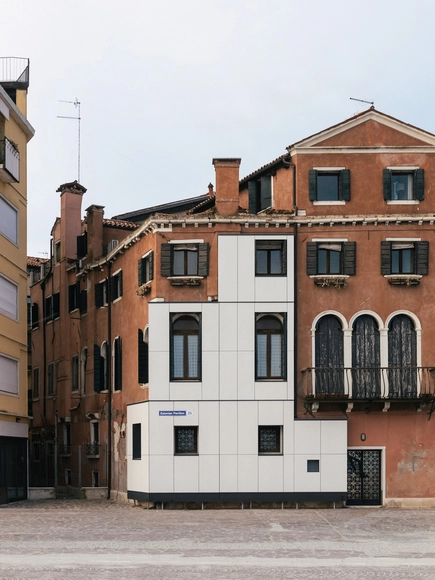
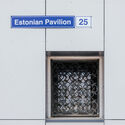
The installation and exhibition representing Estonia at the 19th International Architecture Exhibition of La Biennale di Venezia is curated by architects Keiti Lige, Elina Liiva, and Helena Männa. Titled Let Me Warm You, the national exhibition explores different dimensions of sustainability by questioning whether insulation-driven renovations in Estonia are simply compliance measures to meet European energy targets or whether they can also serve as opportunities to enhance the spatial and social quality of mass housing districts. To make this point, the Estonian installation covers the façade of a Venetian building with insulation panels, replicating how they are commonly installed in Estonia for mass housing renovations.

The Estonian Pavilion at the 2025 Venice Biennale Questions Massive Insulation Projects Through a Façade Installation - Image 1 of 4The Estonian Pavilion at the 2025 Venice Biennale Questions Massive Insulation Projects Through a Façade Installation - Image 2 of 4The Estonian Pavilion at the 2025 Venice Biennale Questions Massive Insulation Projects Through a Façade Installation - Image 3 of 4The Estonian Pavilion at the 2025 Venice Biennale Questions Massive Insulation Projects Through a Façade Installation - Image 4 of 4The Estonian Pavilion at the 2025 Venice Biennale Questions Massive Insulation Projects Through a Façade Installation - More Images+ 50

BIG and Dencityworks Design New Mixed-Use Waterfront Tower in Brooklyn, New York

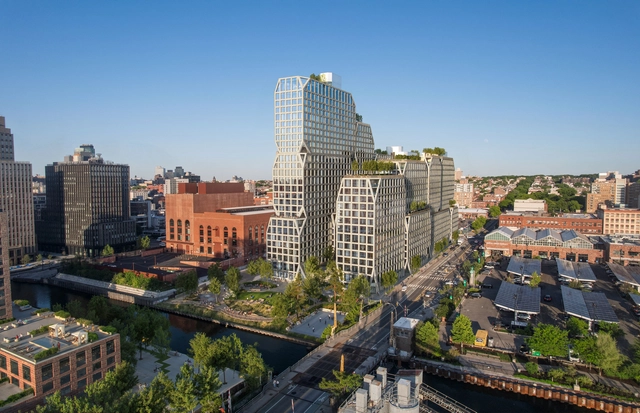
The proposed mixed-use tower at 175 Third Street is the fifth building planned across four sites within the Gowanus Wharf development in Brooklyn, New York. With views toward Manhattan and the Statue of Liberty, the 1,080,000 sq ft proposal includes affordable housing, retail and artist spaces, fitness areas, social and entertainment spaces, culminating in a rooftop with lounging zones and an outdoor pool. The project also envisions a 28,000-sq-ft public waterfront esplanade designed by Field Operations, intended to contribute to the ecological rehabilitation of the Gowanus Canal, continuing the broader transformation of this industrial neighborhood. Other project collaborators include dencityworks | architecture, AKRF, bucharest.studio, DeSimone, Ettinger Engineering Associates, Fried Frank, Hatfield Group, Impact Environmental, and Jenkins and Huntington.

BIG and Dencityworks Design New Mixed-Use Waterfront Tower in Brooklyn, New York - Image 1 of 4BIG and Dencityworks Design New Mixed-Use Waterfront Tower in Brooklyn, New York - Image 2 of 4BIG and Dencityworks Design New Mixed-Use Waterfront Tower in Brooklyn, New York - Image 3 of 4BIG and Dencityworks Design New Mixed-Use Waterfront Tower in Brooklyn, New York - Image 4 of 4BIG and Dencityworks Design New Mixed-Use Waterfront Tower in Brooklyn, New York - More Images+ 2

Do We Still Need Architecture Awards? Highlights from the "Beyond the Prize" Discussion Forum in Venice, Italy

During the opening week of the 19th Venice Architecture Biennale, a consortium of six major architecture awards, including the Aga Khan Award for Architecture, the Holcim Foundation Awards, the EUmies Awards, the Mies Crown Hall Americas Prize, the OBEL Award, and the Ammodo Architecture Award, convened at TBA21–Academy's Ocean Space for a critical discussion titled "Beyond the Prize." This forum aimed to reflect on the role, relevance, and future potential of architecture awards amidst pressing social and environmental challenges. ArchDaily attended the public event and took the opportunity to ask the participants: What would the field of architecture look like if we stopped organizing architecture awards?

Do We Still Need Architecture Awards? Highlights from the Beyond the Prize Discussion Forum in Venice, Italy - More Images+ 7

Stantec Wins International Competition to Reconstruct Ukraine’s State Tax University

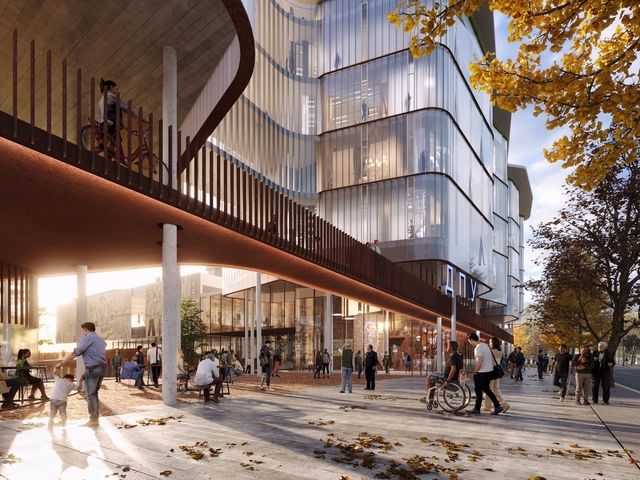
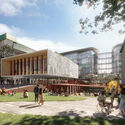
Stantec, an architecture, engineering, and environmental consulting firm, has been selected as the winner of an international competition organized by the State Tax University (STU) to redesign its Main Campus building. The building was partially destroyed in 2022 during the early stages of the war. The international call for redesign proposals was launched in November 2024, free of charge and "open to all design bureaus, architectural firms, and individual architects from every corner of the globe." The goal of the competition was to develop a 21st-century educational building described as a "progressive and comfortable place for learning, research, and student leisure based on innovative educational standards," as stated in the competition announcement.

Stantec Wins International Competition to Reconstruct Ukraine’s State Tax University - Featured ImageStantec Wins International Competition to Reconstruct Ukraine’s State Tax University - Image 1 of 4Stantec Wins International Competition to Reconstruct Ukraine’s State Tax University - Image 2 of 4Stantec Wins International Competition to Reconstruct Ukraine’s State Tax University - Image 3 of 4Stantec Wins International Competition to Reconstruct Ukraine’s State Tax University - More Images

Le Corbusier and Brazilian Modernism: ABERTO4 Exhibition Opens at Maison La Roche in Paris

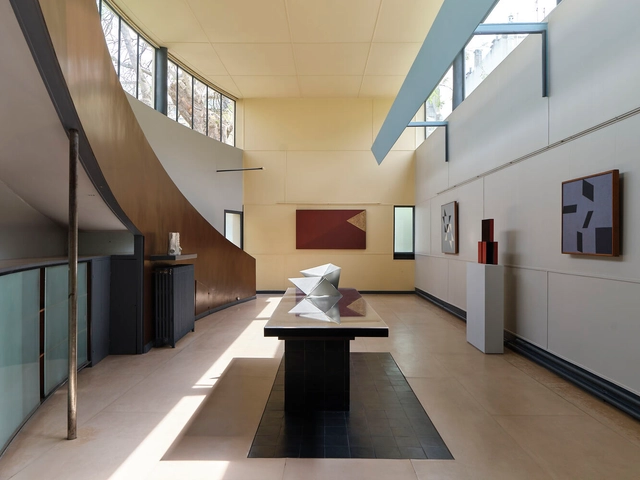
Founded in 2022 by art advisor Filipe Assis, ABERTO is an exhibition platform celebrating the convergence of art, design, and architecture in Brazil and beyond. Staging exhibitions in private and public modernist spaces, its past editions have highlighted the global connections forged by Brazilians from the 20th century onwards. Following three exhibitions in São Paulo, "ABERTO 4 – Brazil After Le Corbusier" marks its first international edition, taking place at Le Corbusier's Maison La Roche in Paris, from 14 May to 8 June 2025. The exhibition presents around 35 design and art pieces by Brazilian artists, spotlighting Le Corbusier's seminal connection to Brazilian modernist architecture and exploring his influence on contemporary Brazilian creatives. Previous editions of ABERTO have featured over 100 artists from Brazil and abroad in houses designed by Oscar Niemeyer (2022), Vilanova Artigas (2023), and Ruy Ohtake and Chu Ming Silveira (2024).

Le Corbusier and Brazilian Modernism: ABERTO4 Exhibition Opens at Maison La Roche in Paris - Image 1 of 4Le Corbusier and Brazilian Modernism: ABERTO4 Exhibition Opens at Maison La Roche in Paris - Image 2 of 4Le Corbusier and Brazilian Modernism: ABERTO4 Exhibition Opens at Maison La Roche in Paris - Image 3 of 4Le Corbusier and Brazilian Modernism: ABERTO4 Exhibition Opens at Maison La Roche in Paris - Image 4 of 4Le Corbusier and Brazilian Modernism: ABERTO4 Exhibition Opens at Maison La Roche in Paris - More Images+ 44

"Helping the Existing to Reconfigure Itself": In Conversation with Søren Pihlmann, Curator of the Danish Pavilion

Søren Pihlmann is the curator of the Danish Pavilion at the 2025 Venice Architecture Biennale. The exhibition, commissioned by the Danish Architecture Center, is titled Build of Site, and focuses on exploring sustainable architectural practices through the lens of reuse and resourcefulness. Pihlmann's proposal transforms the existing Danish Pavilion, located within a historic building complex in the Biennale's Giardini, into an active exhibition space for material experimentation. The installation highlights techniques that incorporate recycled and bio-based elements. The Pavilion offers visitors the opportunity to observe ongoing experimental processes, witnessing how building resources are creatively reimagined for new uses. In this on-site interview, ArchDaily editors spoke with the curator about the ideas behind the project and the challenges its execution represents.

"Helping the Existing to Reconfigure Itself":  In Conversation with Søren Pihlmann, Curator of the Danish Pavilion - Image 1 of 4"Helping the Existing to Reconfigure Itself":  In Conversation with Søren Pihlmann, Curator of the Danish Pavilion - Image 2 of 4"Helping the Existing to Reconfigure Itself":  In Conversation with Søren Pihlmann, Curator of the Danish Pavilion - Image 3 of 4"Helping the Existing to Reconfigure Itself":  In Conversation with Søren Pihlmann, Curator of the Danish Pavilion - Image 4 of 4Helping the Existing to Reconfigure Itself:  In Conversation with Søren Pihlmann, Curator of the Danish Pavilion - More Images+ 2

MAST Reveals Floating Neighborhood Design for Rotterdam’s Disused Spoorweghaven Dock

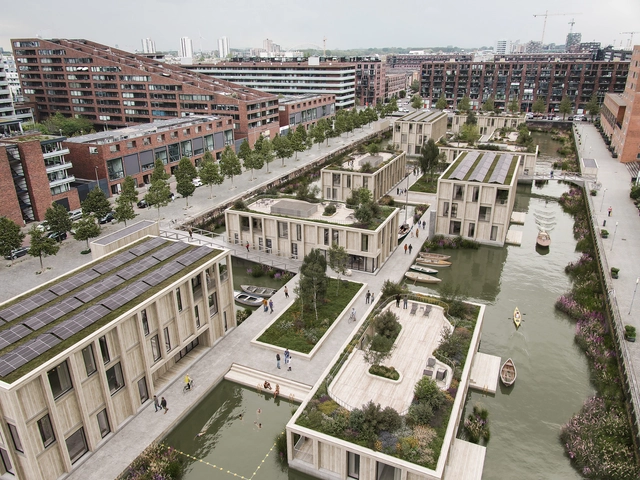
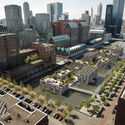
Danish maritime architecture studio MAST, in collaboration with construction company BIK Bouw, has designed a new floating community for the disused Spoorweghaven dock in Rotterdam, Netherlands. The proposed neighborhood, which has received initial support from the Municipality of Rotterdam, includes over 100 apartments, public spaces, commercial units, and a recreational harbor near the city center. Floating architecture is MAST's response to the Netherlands' housing crisis, offering a modular, adaptable solution for building a wide range of structures on water.

MAST Reveals Floating Neighborhood Design for Rotterdam’s Disused Spoorweghaven Dock - Image 1 of 4MAST Reveals Floating Neighborhood Design for Rotterdam’s Disused Spoorweghaven Dock - Image 4 of 4MAST Reveals Floating Neighborhood Design for Rotterdam’s Disused Spoorweghaven Dock - Image 2 of 4MAST Reveals Floating Neighborhood Design for Rotterdam’s Disused Spoorweghaven Dock - Image 3 of 4MAST Reveals Floating Neighborhood Design for Rotterdam’s Disused Spoorweghaven Dock - More Images+ 10

Serbia’s Wool Installation Explores Circular Design at Venice Architecture Biennale 2025

The Serbian Pavilion at the 19th Venice Architecture Biennale consists of an immersive installation made of wool. The exhibition, titled Unraveling: New Spaces, was curated by architect Slobodan Jović and designed by an interdisciplinary team composed of Davor Ereš, Jelena Mitrović, Igor Pantić, Sonja Krstić, Ivana Najdanović, and Petar Laušević. The interior space of the Pavilion, located in the Biennale's Giardini, is occupied by an ephemeral installation that follows the principles of circular design, effectively producing no waste. The installation consists of a broad woven wool fabric that gradually unknits according to a guided choreography of algorithmic precision, completely disassembling by the end of the Biennale's exhibition.

Serbia’s Wool Installation Explores Circular Design at Venice Architecture Biennale 2025 - Image 1 of 4Serbia’s Wool Installation Explores Circular Design at Venice Architecture Biennale 2025 - Image 2 of 4Serbia’s Wool Installation Explores Circular Design at Venice Architecture Biennale 2025 - Image 3 of 4Serbia’s Wool Installation Explores Circular Design at Venice Architecture Biennale 2025 - Image 4 of 4Serbia’s Wool Installation Explores Circular Design at Venice Architecture Biennale 2025 - More Images+ 64

David Chipperfield Architects Presents Plan to Restore and Enhance a Roman Theater in Brescia, Italy

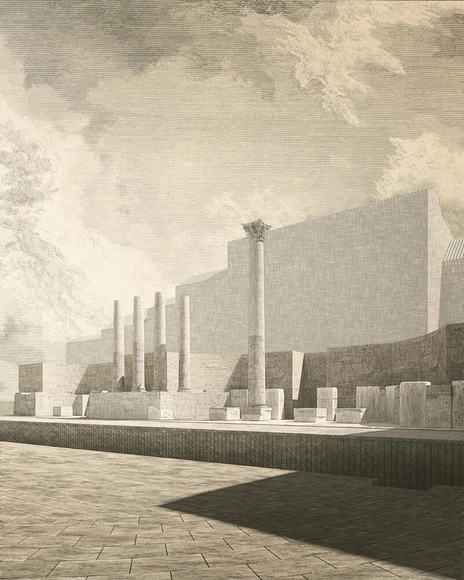
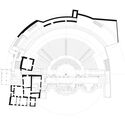
The preliminary design for the architectural restoration and functional redevelopment of the Roman Theatre was presented on Tuesday, April 8, 2025, at the Auditorium of the Santa Giulia Museum in Brescia. The project was developed by the Milan office of David Chipperfield Architects, commissioned by the Fondazione Brescia Musei in collaboration with the Municipality of Brescia and the Brescia Chamber of Commerce, Industry, Handicraft, and Agriculture. Chipperfield was tasked with identifying the essential architectural elements to guide future design phases, leading to the drafting of the Technical-Economic Feasibility Project (PFTE) and the final project, including the necessary authorizations. This initiative is financially supported by the Italian Chamber of Commerce under a 2019 ministerial decree prioritizing cultural heritage, especially where it enhances tourism.


David Chipperfield Architects Presents Plan to Restore and Enhance a Roman Theater in Brescia, Italy - Image 1 of 4David Chipperfield Architects Presents Plan to Restore and Enhance a Roman Theater in Brescia, Italy - Image 2 of 4David Chipperfield Architects Presents Plan to Restore and Enhance a Roman Theater in Brescia, Italy - Image 3 of 4David Chipperfield Architects Presents Plan to Restore and Enhance a Roman Theater in Brescia, Italy - Image 4 of 4David Chipperfield Architects Presents Plan to Restore and Enhance a Roman Theater in Brescia, Italy - More Images+ 5